What Mushrooms After Rain Are Really Telling You About Your Soil
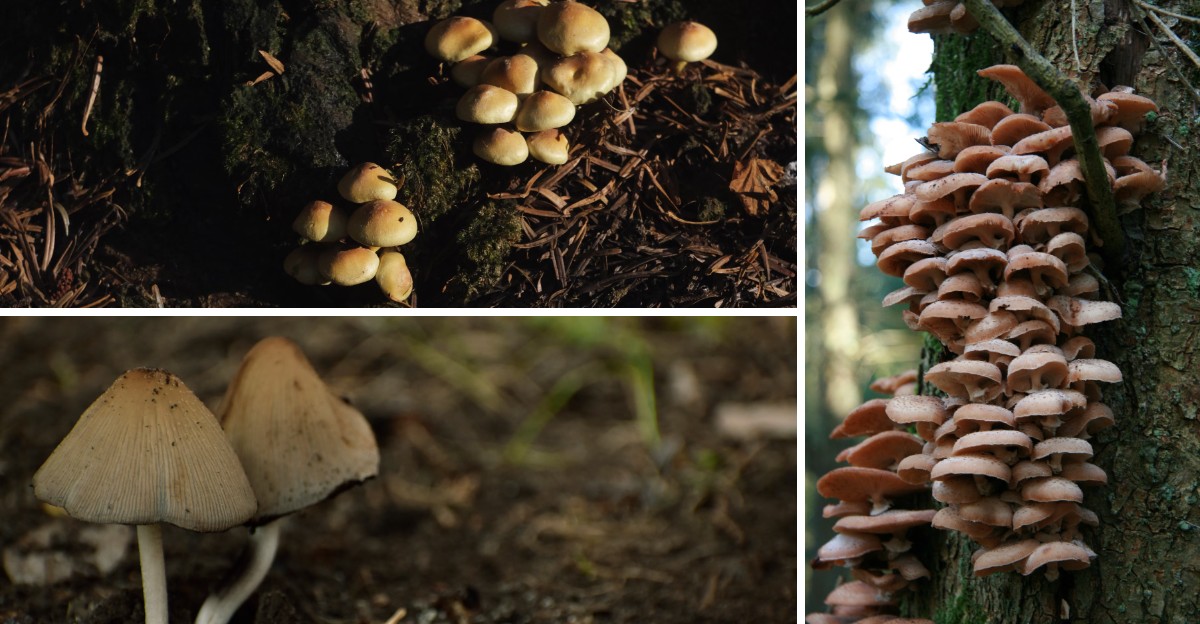
Pale caps rose through the soil while you slept, and they carry useful news. Beneath your shoes, a fungus spreads threads finer than hair across the whole lawn.
Scientists call that tangle mycelium, and you are standing on miles of it. Mushrooms are only the fruit, the part you can see.
Underground, those threads quietly recycle leaves, fallen wood, and old roots you cannot see. Trade runs there too, and your lawn gains when roots swap sugar for phosphorus.
Rain triggers the surge, which explains why you spot caps right after a storm. Spot orange caps and you may find a root partner or wood feeder.
Read their shapes, colors, and locations, and you decode the soil’s condition. Soggy ground, soaked wood, and rich roots leave clues you can learn to read. Crouch low, and you interview the soil itself.
1. Busy Fungal Networks Working Underground
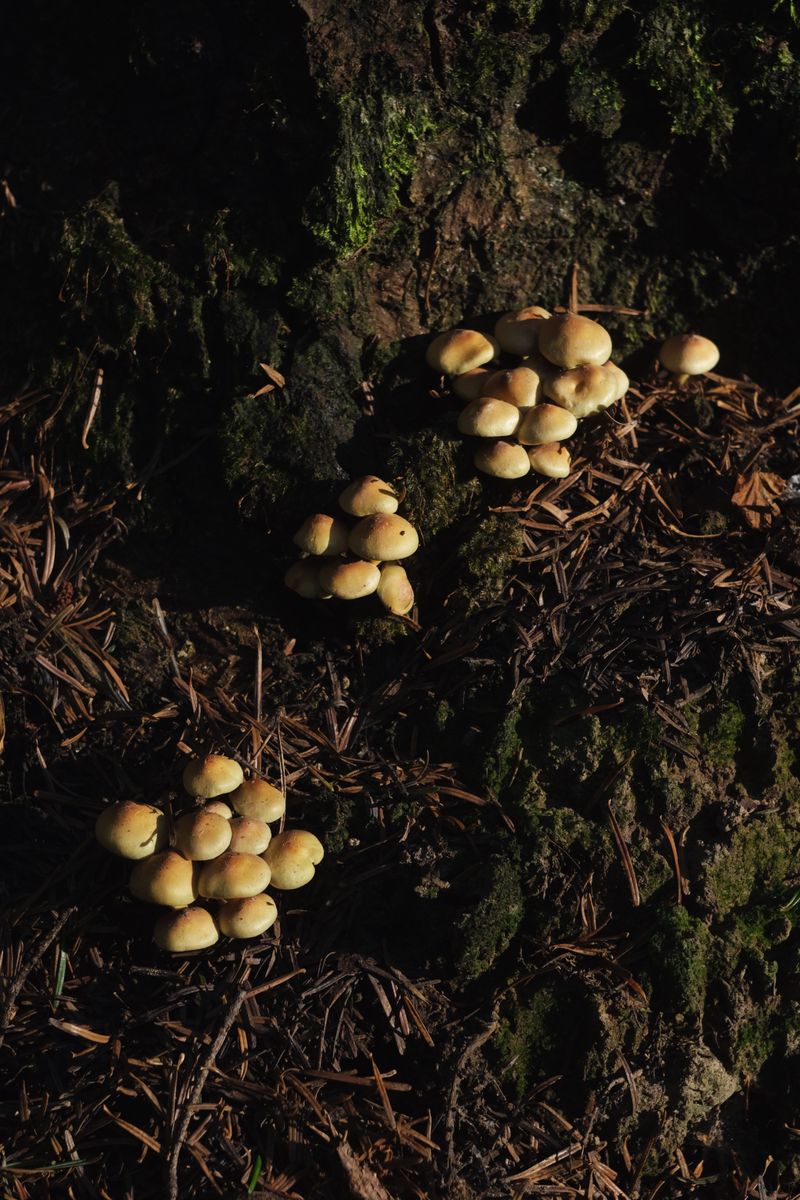
Picture a city of threads stretching under your yard, quietly trading food all day long. A single mushroom is only the tip of that busy underground town.
Scientists call those threads mycelium, and they can spread much farther than you might guess. One honey fungus in Oregon covers an area of roughly 1,600 football fields.
When rain soaks the ground, those threads get the signal to send up fruit. Mushrooms are basically the apples of the fungus world, built to spread spores on the breeze.
So a sudden crop of caps after a storm tells you something cheerful about your yard. Underground life is active, fed, and ready to grow when conditions turn right.
Those threads do real work for your plants. They loosen tough material and help hold crumbs of soil together.
Soil with plenty of fungal threads tends to feel soft and spongy under your feet. It also holds water better, which helps thirsty roots during long, hot, dry weeks.
Want to see the network yourself? Gently lift a patch of damp leaf litter and look for fine, white, cottony strands.
Try not to disturb the threads you find, since they need time to recover. Leave them be, and your garden will keep reaping the quiet benefits for years.
Mowing over the caps is fine, because the network below stays safe. Pulling them just removes the fruit, not the hidden organism doing the work.
2. Organic Matter That Feeds The Fungi
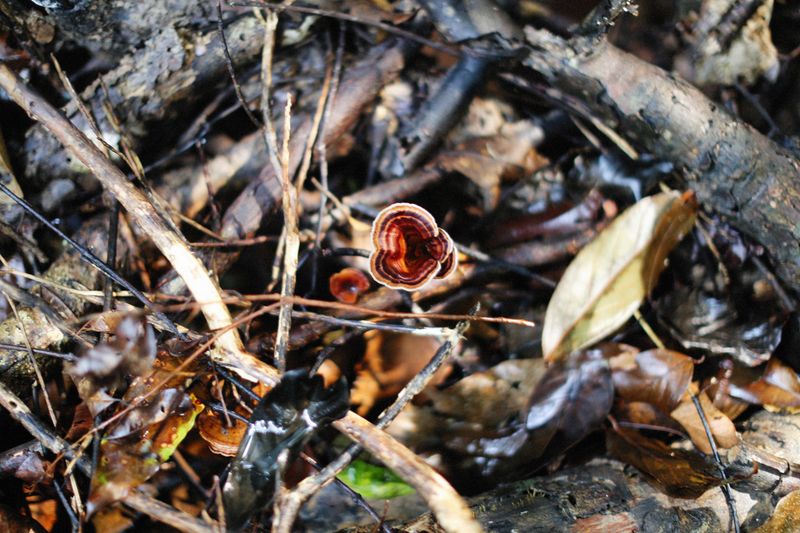
Fungi are the clean-up crew of the natural world, and they show up where the snacks are. A burst of mushrooms often means your soil has plenty of food to munch.
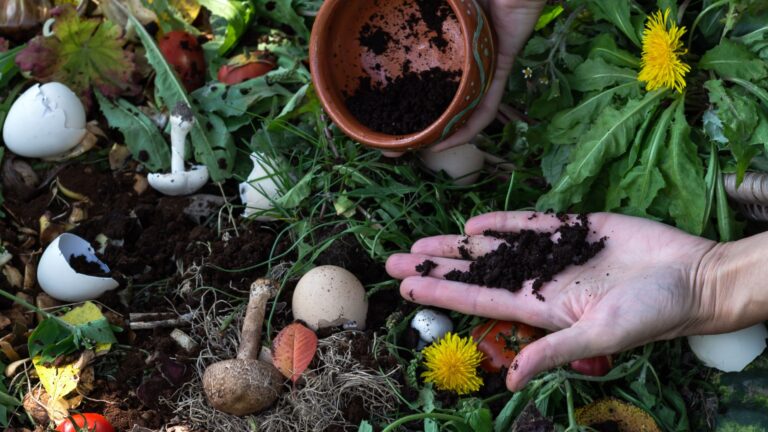
That food is called organic matter, which is a fancy name for old leaves, grass clippings, and compost. Gardeners treat it like gold, and for good reason.
Mushrooms that pop up in mulch beds or near compost piles are feasting happily. They turn tough plant scraps into soft, dark crumbs that plants can use.
Think of it like a slow cooker running under your garden all season long. Fungi simmer the leftovers until the nutrients are ready for roots to absorb.
Many gardeners aim for about five percent organic matter in garden soil. Mushrooms show that decomposing material is present, though they do not measure how much.
You can keep the buffet stocked with simple habits. Leave grass clippings on the lawn, and spread shredded leaves over your flower beds each fall.
Adding a thin layer of compost each spring also feeds the hidden crew below. Skip heavy raking that leaves the ground bare.
Notice mushrooms springing from wood chips you spread last year? That means your mulch is decomposing as it should.
The caps will fade in a few days once the sun returns. The rich, crumbly soil they leave behind will stick around much longer.
3. Hidden Wood And Old Roots Below The Lawn
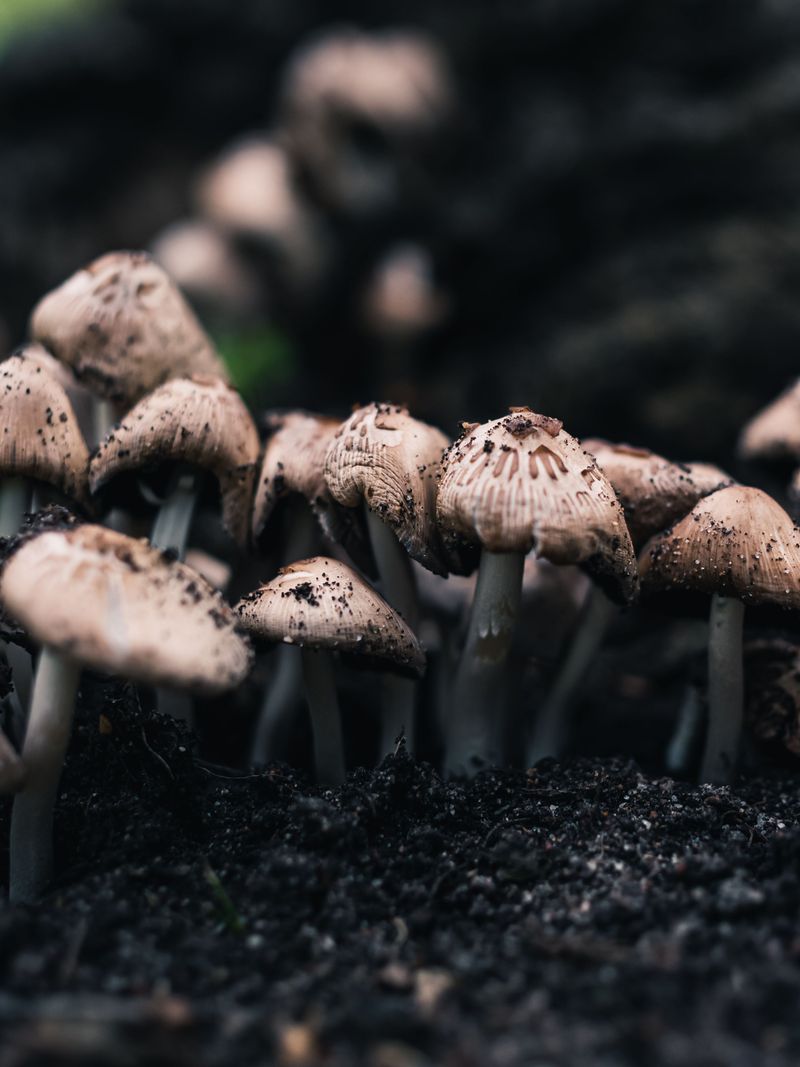
Many rings of mushrooms have a backstory, and sometimes that story sits a foot down. A detective would start digging for clues right about now.
Mushrooms that pop up in a neat line may point to hidden wood. It could be an old tree stump, a forgotten board, or roots from a removed tree.
Wood-loving fungi slowly decompose that hidden wood, one bite at a time. After a good rain, they push their caps up to say hello.
Did you have a tree cut down a few years back? Mushrooms circling the old spot are probably feasting on roots that were left behind.
Builders sometimes leave scraps of lumber under the soil when they finish a new home. Those hidden boards can feed fungi for years and cause surprise caps in odd spots.
Over time, the decomposing wood will settle and leave a small dip in your lawn. Filling that dip with topsoil keeps the ground level and safe for walking.
On the bright side, decomposing wood turns into rich, spongy soil that holds moisture well. Fungi are basically recycling that lumber back into plant food.
Fairy rings are a famous circle-shaped cousin of this clue, formed as fungal threads grow outward and feed on organic material in the soil. Some old rings in Europe are hundreds of years old.
You do not need to dig anything up unless the dip bothers you. Let the fungi finish the job, but watch living trees nearby, since honey fungus can also affect them.
4. Why Mushrooms Point To Recent Moisture
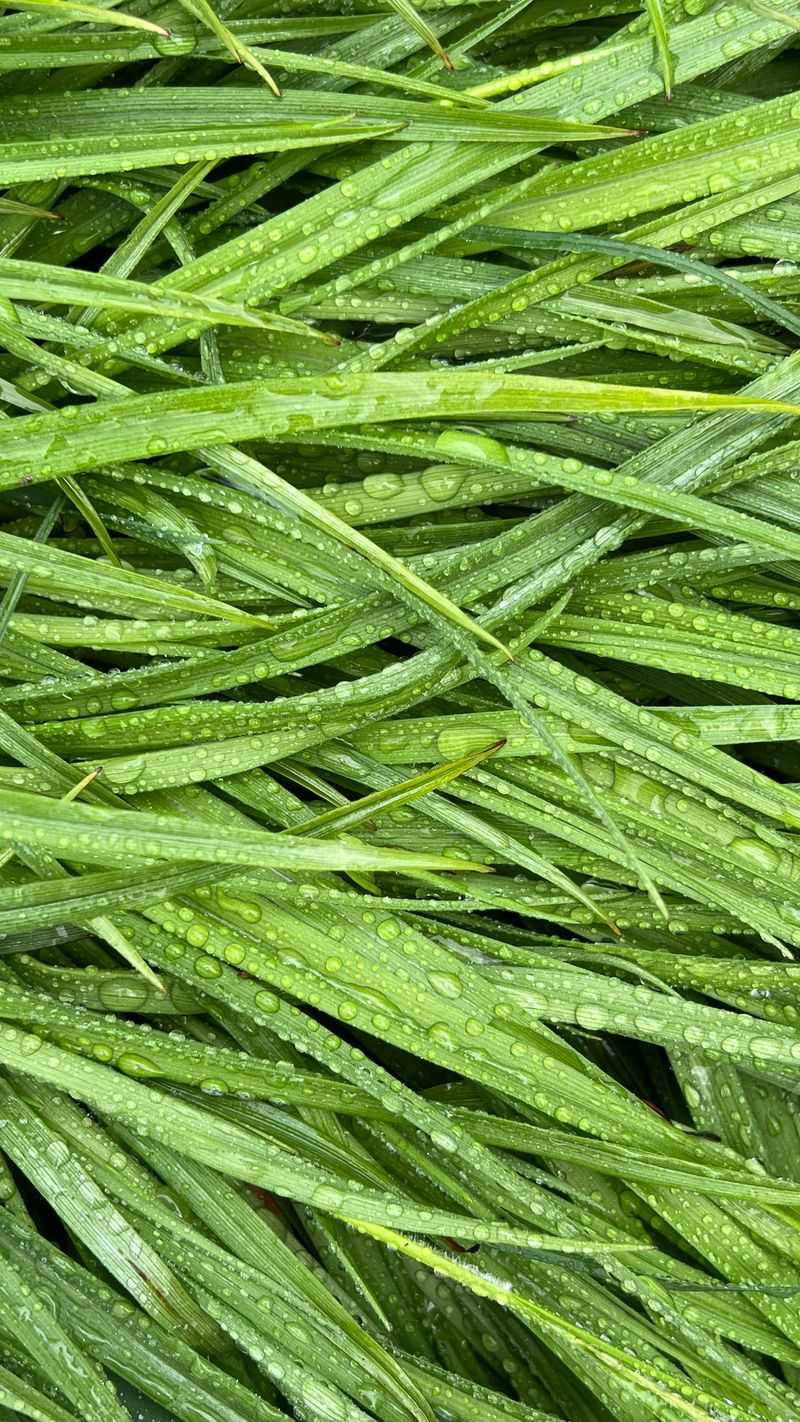
Mushrooms are like tiny rain gauges that grow instead of fill up. When they appear, your soil is announcing that it was recently soaked.
Fungi need steady moisture to make mushrooms, and most caps are about ninety percent water. A dry yard struggles to support that kind of juicy growth.
So a few mushrooms after rain show that your ground held moisture for a while. That is helpful news for thirsty plant roots below.
Soil that soaks up rain and keeps it is often packed with organic matter and fungal threads. Those materials act like a kitchen sponge, slowly sharing water with plants.
Try a simple squeeze test the day after a storm. Grab a handful of soil and press it into a ball in your palm.
Moist, healthy soil holds its shape but crumbles when you poke it. Soil that drips water or turns to goo may be too soggy for many plants.
Watch where the mushrooms show up, too. Shady corners stay damp longer, so caps there may linger days after sunny spots dry out.
Use those clues to plan your watering schedule. Check the soil a few inches down in mushroom areas, since you may be able to skip a watering and save water.
If mushrooms show up during a dry spell, check for a leaky hose or sprinkler. Hidden drips can keep one patch wet while the rest of the yard stays thirsty.
Watching mushrooms this way turns your whole yard into a living weather station. It is a free tool that often appears after heavy rain.
5. Trees And Fungi In A Very Old Partnership
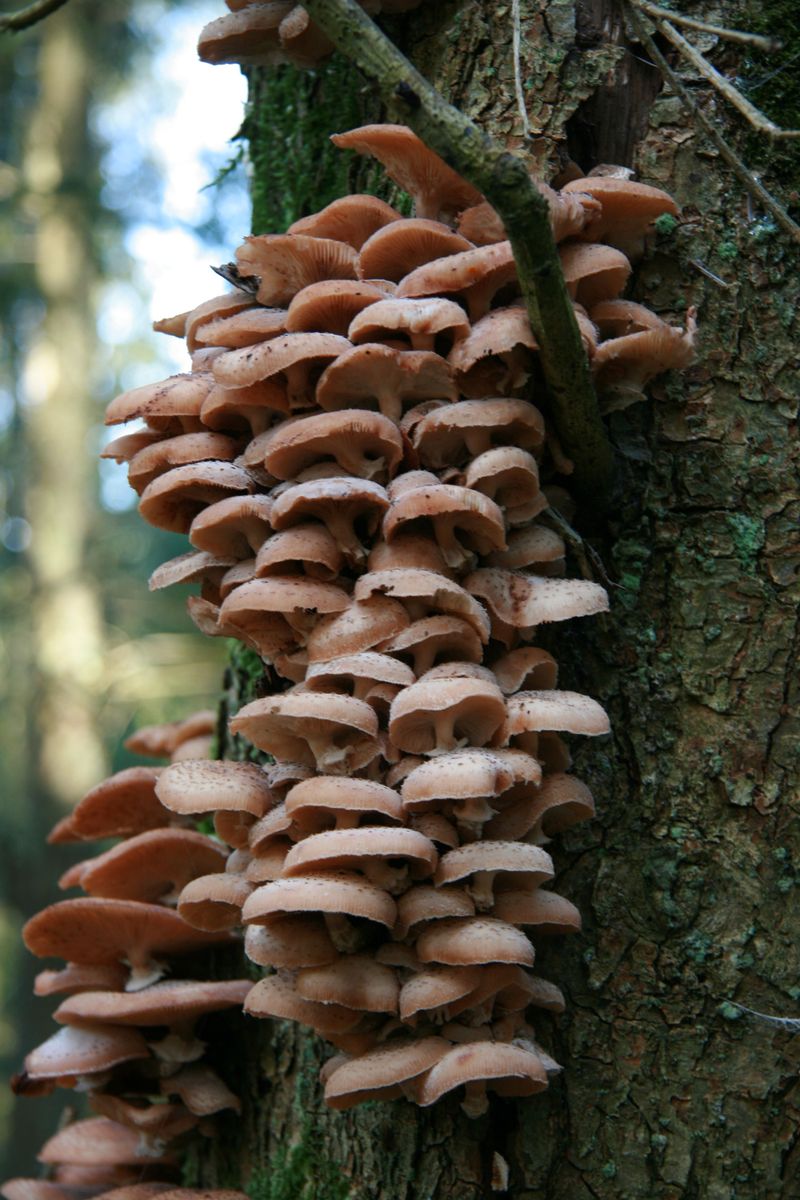
Plants and fungi have been teaming up for over 400 million years, and that partnership still hums beneath a shady oak.
Those partners are called mycorrhizal fungi, a big word that means fungus roots. They wrap around or slip inside tree roots and act like extra feelers.
The fungi reach far into the soil and bring back water, phosphorus, and other minerals. In return, the tree shares sugar it makes from sunlight.
When you spot mushrooms near the base of a tree after rain, that partnership may be thriving. Boletes, chanterelles, and fly agarics are classic tree buddies.
Research suggests up to ninety percent of land plants team up with fungi in some way. Your backyard pine or oak likely partners with fungi too, while maples use types that form no mushrooms.
Foragers who walk the woods often learn which trees grow which mushrooms. Birch, oak, and pine each tend to attract their own favorite fungal friends.
Some researchers call this hidden web the wood wide web, though how much food trees share through it is still debated.
Protecting this teamwork is simple and kind to your trees. Avoid piling soil or parking cars over the root zone, since packed ground limits the threads.
Go easy on fungicides near trees unless a real problem shows up. Spreading a ring of wood chip mulch, kept away from the trunk, helps feed both partners.
Next time you rest under a big tree after a storm, look down. Some of the mushrooms around you may come from a very old handshake.
6. When Caps May Hint At Slow Drainage
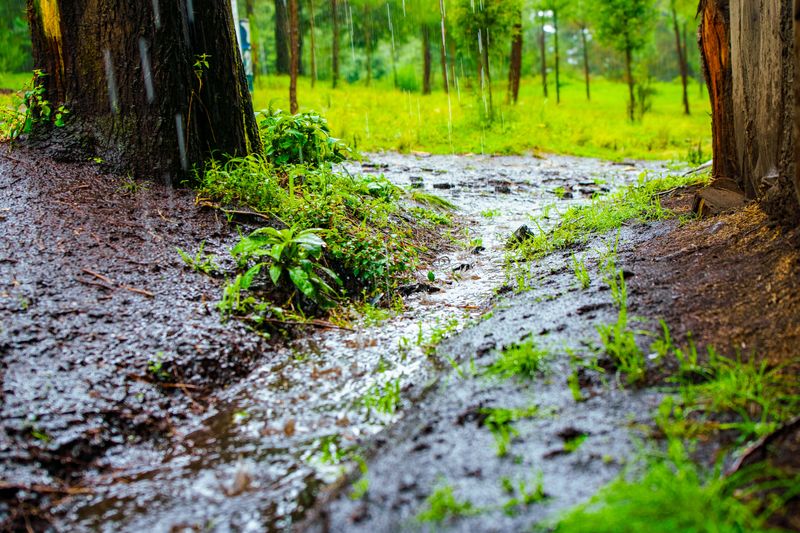
Not every mushroom message is a pat on the back. Sometimes those caps are waving a little flag that says your soil holds too much water.
Mushrooms that pop up in the same soggy spot after heavy rain may hint at slow drainage. Water may be pooling because the ground is packed tight or heavy with clay.
Clay soil has tiny particles that squeeze together and slow water down. Compacted soil from foot traffic or heavy equipment acts the same way.
Roots need air as much as water, and waterlogged soil can limit the oxygen they need. Plants in those spots may look yellow, droopy, or stunted.
Try this quick drainage test on a dry afternoon. Dig a hole about a foot deep, fill it with water, and time how long it takes to empty.
Well-drained soil often drains about one to three inches per hour. If water is still sitting there the next morning, your drainage needs some help.
Mixing compost into the top layer loosens clay and opens tiny air pockets. Core aeration on lawns pulls out plugs of soil and lets water sink deeper.
Redirecting downspouts away from the soggy area can make a big difference too. You might also plant a rain garden with water-loving plants like iris or sedges.
Keep in mind that a few mushrooms in a damp spot are no cause for concern. Treat them as friendly reminders to check how your yard handles a downpour.
Kids and pets should stay clear of wild caps in any wet patch. Some look harmless but can cause serious illness if eaten, so contact a poison control center, doctor, or vet right away if someone nibbles one.
7. What Chemical Use Means For The Fungi Below
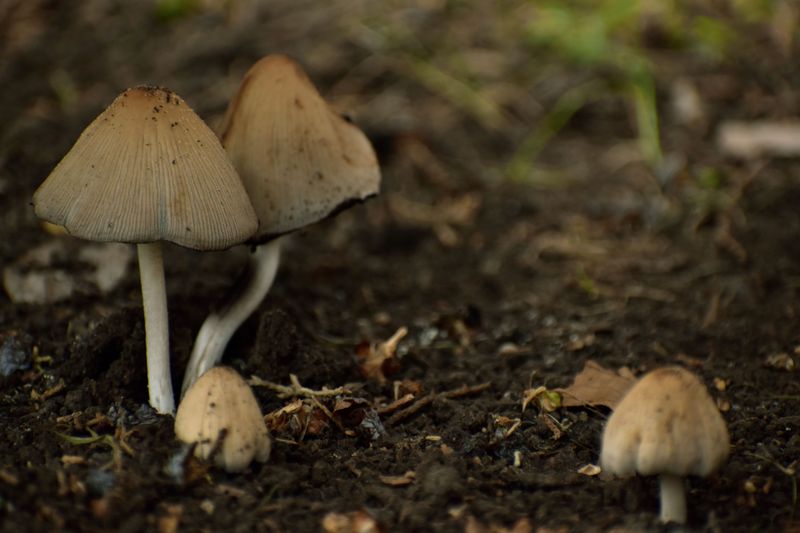
Caps after a storm may be a good sign. Fungi respond to soil conditions, and heavy chemical treatments can reduce them.
Heavy use of synthetic fertilizers, fungicides, and weed sprays can reduce the hidden threads below. Fewer threads usually means fewer mushrooms popping up after rain.
So a lively mushroom show suggests active soil life, though it does not prove low chemical use.
Fertilizers high in quick-release nitrogen can make plants lazy about partnering with fungi. Roots may trade less with their fungal buddies when food is handed to them easily.
Fungicides are designed to stop harmful fungi, but they often hit helpful ones too. A spray meant for one leaf problem can ripple through the whole soil community.
Want to keep the fungal party going strong? Feed your soil with compost, worm castings, or slow-release organic fertilizers instead.
Pull weeds by hand when you can, especially in small beds. Use sprays only for serious problems, and follow the label closely.
Earthworms, beetles, and tiny springtails also thrive in low-chemical yards. Mushrooms and those critters together suggest a busy underground neighborhood.
Some gardeners even keep a simple journal noting when and where mushrooms appear. Over a few seasons, the notes reveal how your soil conditions change.
8. An Ecosystem Reaching From Soil To Treetops
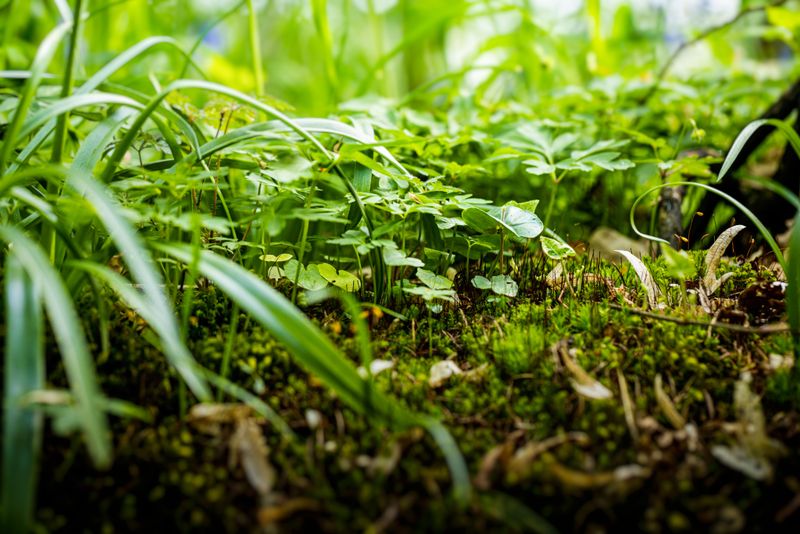
A single mushroom can release billions of spores, each one a tiny seed of possibility. That kind of abundance shows a fungus with plenty of energy to spare.
Mushrooms are part of a giant food web that stretches from the soil to the treetops. Slugs, squirrels, beetles, and even deer nibble on them after a storm.
Their spores and aging caps also feed bacteria and other microbes. Those microbes then release nutrients that plants absorb for new leaves and blooms.
One teaspoon of healthy soil can hold from about one hundred million to one billion bacteria. Mushrooms are the most visible members of that crowded community.
When you see many kinds of mushrooms in different colors and shapes, celebrate the variety. Diversity underground often helps your soil recover from drought, pests, and challenging weather.
A yard with only bare dirt and short grass offers little to this web. Adding native plants, leaf piles, and a log or two invites more players to the game.
Snap photos of the mushrooms you find and try a free app for a first guess at their names. Apps can misidentify species, so do not eat a wild mushroom based on an app alone.
Over time, you will start to notice patterns in which mushrooms appear and where. Those patterns turn your backyard into a living science lab right outside the door.
So the next soggy morning, grab your boots and take a slow walk around the yard. Those little caps are your soil’s way of saying it is wide awake.