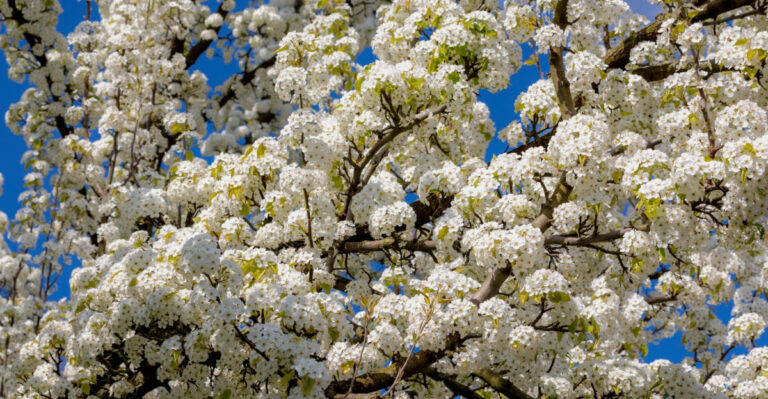
Trees Planted In October Get A Head Start In Missouri Yards Before Spring Arrives
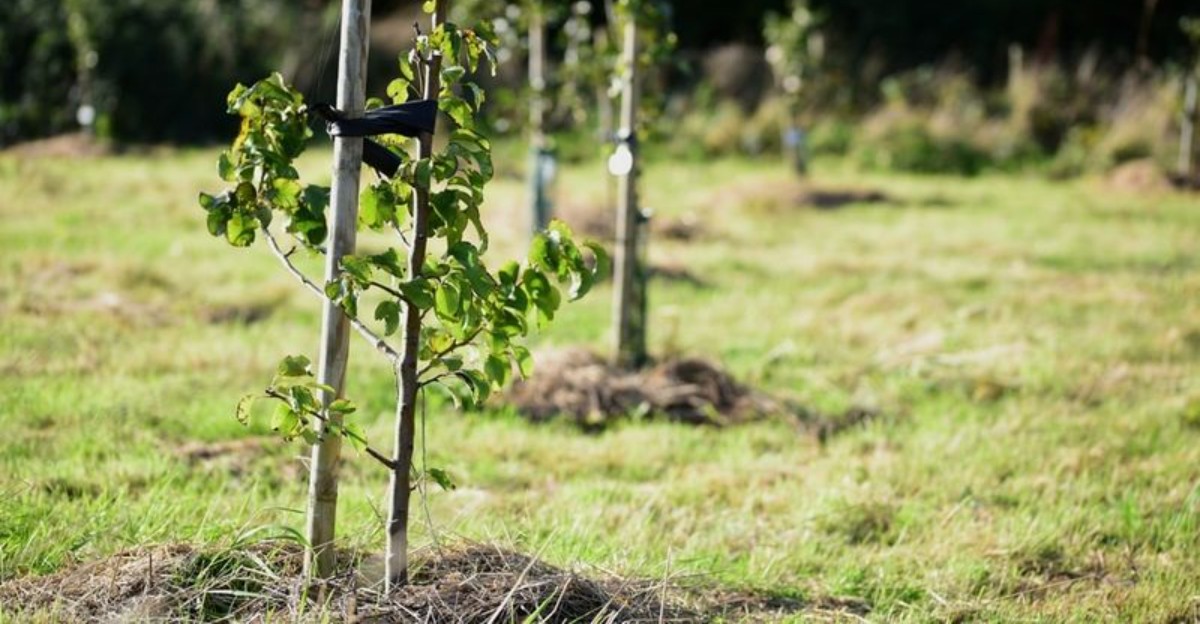
Something sneaky happens underground in Missouri when the air turns crisp and the sidewalks crunch with fallen leaves. Up top, the yard looks sleepy, but down in the dirt, the real action is just getting warmed up.
Most folks pack away their gloves and shovels by now, assuming the growing season packed its bags too. That guess makes sense, since the tomato vines look tired and the lawn has stopped demanding weekly haircuts.
Yet the soil holds onto summer warmth like a cozy blanket, even while the evenings smell like woodsmoke. Cool air above and warm ground below create a secret sweet spot that clever gardeners love to use.
Missouri weather can be moody, swinging from sunny afternoons to frosty mornings in the span of one week. Still, this season offers a gift that patient yard owners can turn into big rewards with a little effort.
Your neighbors may think you have lost track of the calendar when they spot you digging in October. Let them chuckle now, because the squirrels already know the truth and they are not sharing it.
Warm Soil Gives Roots A Running Start
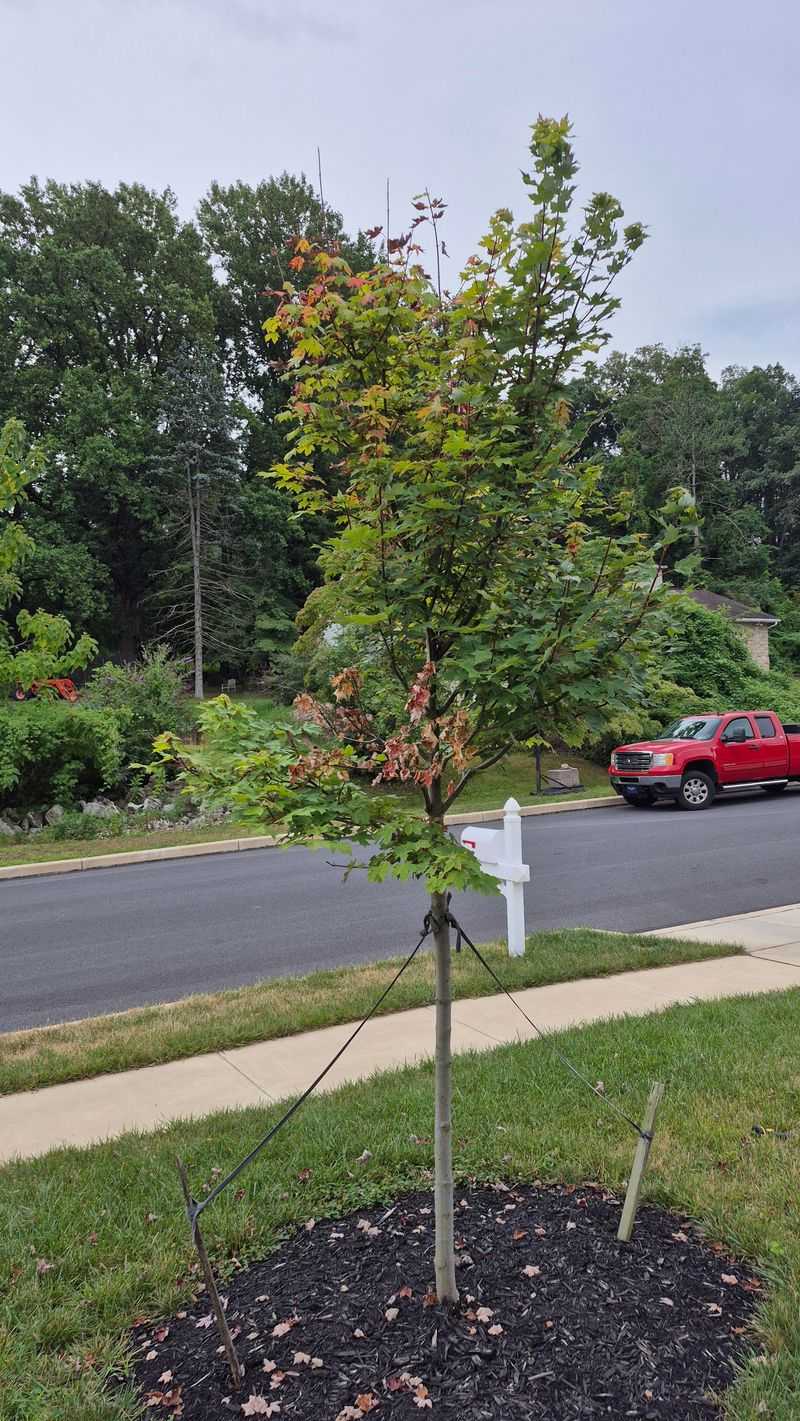
Picture a young maple settling into its new home while the ground beneath it still holds plenty of summer warmth. Roots keep growing in soil above roughly 40 to 45 degrees, and Missouri ground often stays that warm well into November.
Meanwhile, cooler air tells the branches to slow down, so the tree spends its energy underground instead of on leaves. That trade gives roots weeks of quiet growing time without the stress of feeding a full summer canopy.
Spring planting works the opposite way, forcing a young tree to grow roots and leaves at the same time. Then July heat arrives, and those shallow roots often struggle to keep up with thirsty, sun-baked leaves.
Fall rain also helps out, since October and November bring moderate rainfall to much of the state. Less heat means less water lost from the soil, so moisture lingers around the root ball much longer.
Think of it like moving into a new school during a quiet week instead of on test day. The tree gets time to settle in, learn the neighborhood, and build connections before anything big is expected.
By the time spring buds swell, an October tree already has a head start of several months underground. Those extra roots can reach deeper water and nutrients sooner than the roots of a freshly planted spring tree.
Many arborists and extension services recommend autumn as a prime planting season. Warm soil plus cool air gives young trees the calmest possible start in a brand new yard.
The Ideal Window For Missouri Fall Planting
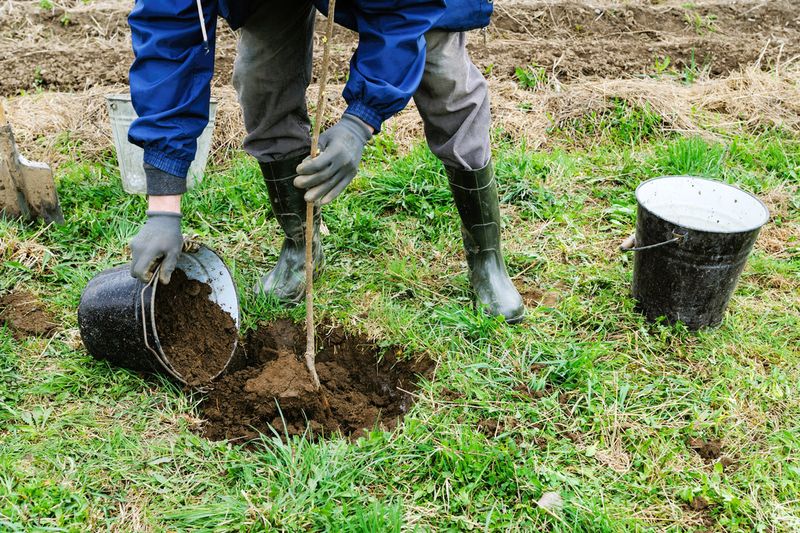
Timing matters more than most people expect, and a few weeks can make a real difference for new trees. Across Missouri, the sweet spot usually runs from late September through early November, depending on your location.
Northern counties near Iowa cool down sooner, so homeowners there should aim to finish planting by late October. Folks in the Bootheel and southern Ozarks can often keep digging comfortably until the middle of November.
Your Missouri Garden Changes Every Week. Your Plan Should Too.
Gardening in Missouri changes quickly throughout the season. Every Friday you’ll receive a simple weekly plan showing exactly what to plant, prune, fertilize, harvest, and protect so you never miss the right timing.
A simple rule helps here, which is to plant at least six weeks before the ground starts to freeze. Those six weeks give roots enough time to anchor themselves before winter slows everything down to a crawl.
Early October is especially handy because nurseries often hold fall sales to clear out their remaining stock. You might score a healthy oak, redbud, or serviceberry for far less than the springtime price tag.
Weather still plays a role, so check the forecast and pick a mild, cloudy day for planting when possible. Cool, gray afternoons reduce stress on the roots while you settle the tree into its new spot.
A few trees prefer spring planting instead, including magnolias, bald cypress, and some birches with fussy roots. Ask your local nursery staff before buying, since they know which species handle a Missouri fall start well.
Marking your calendar now keeps the project from sliding into a chilly, rushed weekend in late November. A little planning turns tree planting into a pleasant autumn chore rather than a frantic race against frost.
The Mulch Volcano Mistake To Skip
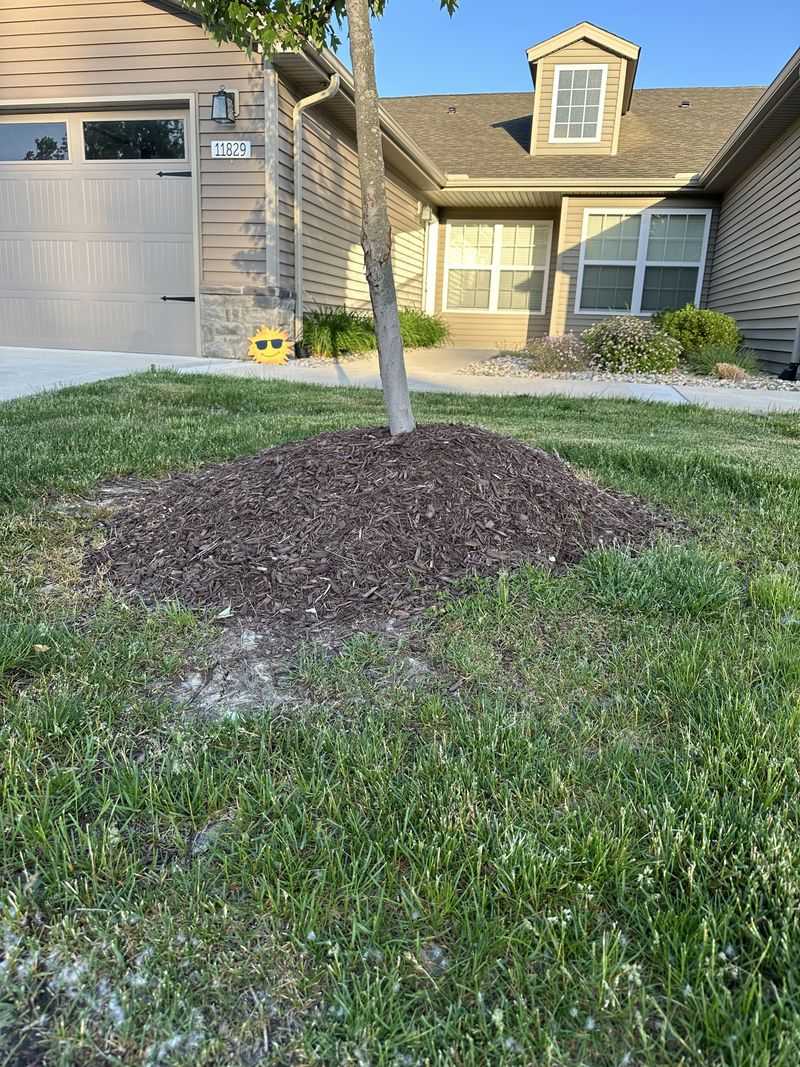
Drive through a Missouri subdivision, and you may spot trees wearing tall cones of mulch like party hats. Gardeners call these piles mulch volcanoes, and they cause far more trouble than their tidy look suggests.
Bark on a trunk needs air, and mulch packed against it traps moisture that invites rot and fungus. Mice and voles also love that cozy hideout, and they may chew the tender bark all winter long.
Deep piles can even fool roots into growing upward into the mulch instead of spreading out through soil. Those roots dry out quickly during hot spells, and some may circle the trunk and slowly squeeze it.
A second common slip happens before the mulch even arrives, when the tree gets planted far too deep. Look for the root flare, which is the spot where the trunk widens, and keep it above ground.
Proper mulch looks more like a flat donut than a mountain, spread two to three inches deep. Leave a gap of a few inches around the trunk so the bark can breathe and stay dry.
Shredded hardwood or chopped autumn leaves work nicely, and both break down to feed the soil over time. Spread the ring three or four feet wide so it covers the area where new roots will grow.
If a volcano already sits in your yard, gently pull the extra mulch back with a rake this weekend. Your tree will not throw a thank-you party, but its trunk will be much happier come spring.
Steady Watering Through Late Autumn
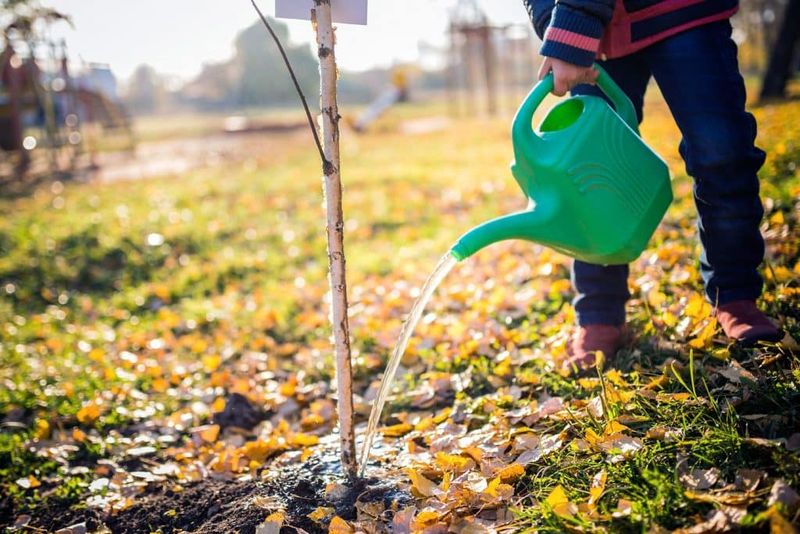
Cool weather tricks plenty of people into thinking a new tree can fend for itself until next spring. Roots keep working all autumn, though, and they need steady moisture to grow strong before the ground freezes.
Right after planting, soak the root ball slowly with a hose until the soil feels damp a foot down. That first deep drink settles the soil around the roots and removes air pockets that could dry them out.
After that, aim for about one inch of water each week, counting whatever rain falls from the sky. A cheap rain gauge stuck in the lawn makes tracking easy, and kids often enjoy checking it daily.
Try the finger test before grabbing the hose, pushing a finger two inches into the soil near the trunk. If it feels dry and crumbly, give the tree a slow soak, but skip watering if it feels muddy.
Too much water can harm roots just as easily as too little, especially in heavy Missouri clay soil. Soggy clay holds little oxygen, so roots struggle to get air and can turn mushy instead of spreading into the yard.
Keep watering until the ground freezes solid, which usually happens around December in much of the state. During dry winter stretches, a midday drink on a mild, above-freezing afternoon can help evergreens especially.
A slow-release watering bag zipped around the trunk makes the job easier for busy families with packed schedules. Fill it once or twice a week, and it trickles water down to the roots over several hours.
Winter Protection For Young Trunks
By late winter, some young maples in Missouri show long cracks running down the trunk. The culprit is sunscald, a common winter problem for young trees with thin, smooth bark.
Bright winter sun warms the south side of the trunk during the day, waking up the cells underneath. When temperatures plunge after sunset, those cells freeze quickly, and the bark can split open like a zipper.
Maples, cherries, lindens, and honeylocusts are especially prone to this damage during their first few winters. Wrapping the trunk with light-colored tree wrap in late November reflects sunlight and keeps bark temperatures steady.
Remove the wrap in early spring, though, because leaving it on year-round can trap moisture and hide insects. Think of it as a winter coat that comes off once the weather warms up for good.
Hungry critters can cause damage too, since rabbits and deer find tender bark tasty when other food runs low. Male deer also rub their antlers on young trunks in fall, scraping away bark in long, ragged strips.
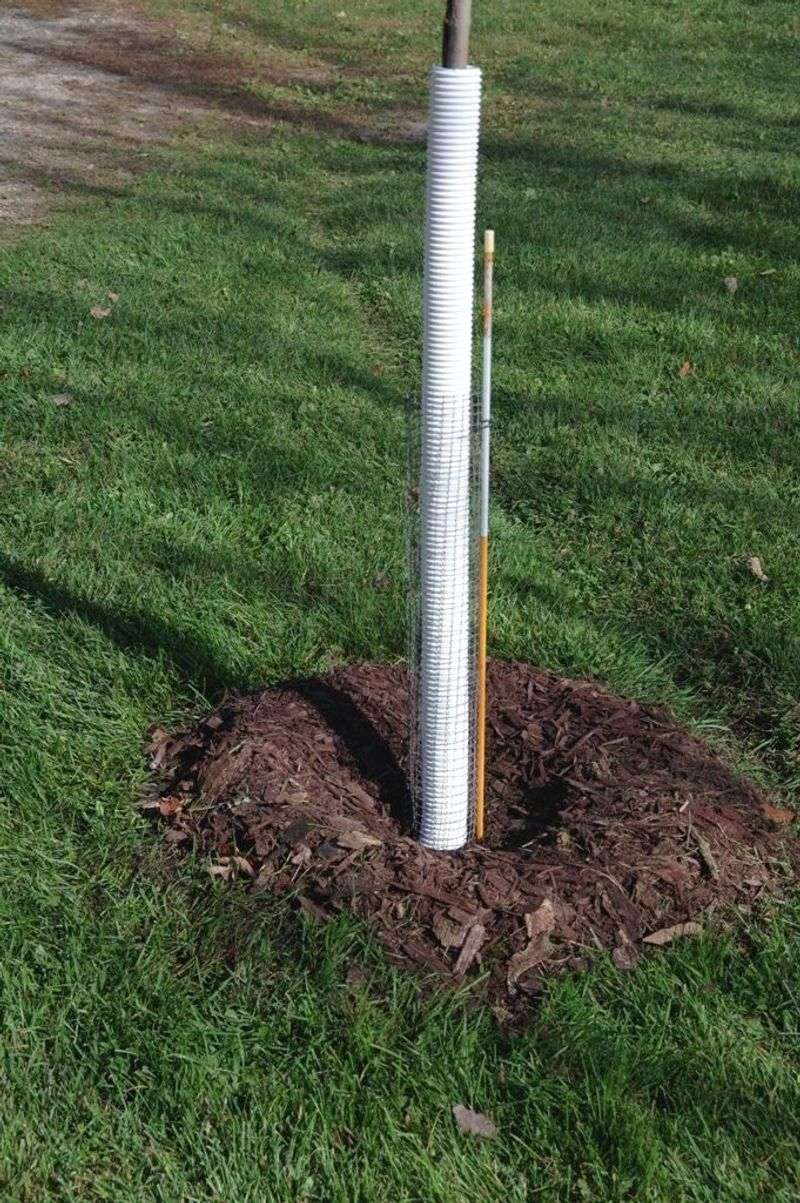
A simple cylinder of hardware cloth or plastic tree guard around the trunk blocks most of this damage. Make it at least two feet tall for rabbits, and taller if deer regularly wander through your yard.
Staking is rarely needed for small trees, but windy, open lots may call for loose support the first winter. Use soft straps, allow the trunk to sway a little, and remove the stakes within one year.
A Stronger Yard By Next Spring

Come April, an October tree is often better prepared to leaf out, since its roots have had months to settle in. Those months of quiet root growth pay off the moment warm weather wakes the branches up again.
Stronger roots help the tree handle its first hot, dry Missouri summer with less stress. You will likely spend less time dragging hoses across the lawn and more time enjoying the growing shade.
Expect a little patience, though, since young trees follow an old saying that gardeners love to repeat. The first year they sleep, the second year they creep, and the third year they finally leap.
Skip fertilizer for now, because a newly planted tree mostly needs time, water, and healthy soil to settle in. Heavy feeding can push soft leafy growth that struggles in the heat instead of building sturdy roots underground.
Native picks like oaks, redbuds, and black gum add extra value by feeding local birds and pollinators. A single white oak can support hundreds of caterpillar species, which in turn feed hungry baby songbirds each spring.
Shade trees also trim cooling bills, especially when planted on the west or south side of a house. As the years pass, that skinny October sapling can grow into shade for your porch on sticky afternoons.
Snap a photo of your new tree this fall, and take another from the same spot each October. Watching that growth over the years feels a lot like flipping through a family album of proud moments.