12 Vegetables You Can Grow In October In Containers
Why does your porch sit empty while grocery store lettuce costs so much? Cool weather rewards you with sweeter, crisper greens than summer typically allows.
Kale turns sugary after a light frost, and you will taste the difference. Spinach, arugula, and radishes sprout eagerly in cool, damp soil.
Pests slow as temperatures drop, so you spend less time managing aphids. Sunlight turns gentler, which means less risk of sun-damaged leaves.
Containers warm quickly, and you can move them to shelter on cold nights. Check your frost date and hemisphere first. Grab pots with drainage holes, add potting mix, then claim your sunniest corner.
Radish seeds you scatter this weekend can reach your plate within a month. Imagine stepping outside to snip fresh salad greens from a cluster of pots. Neighbors may notice your lush porch while their gardens look quiet.
1. Spinach Inside A Deep Window Box
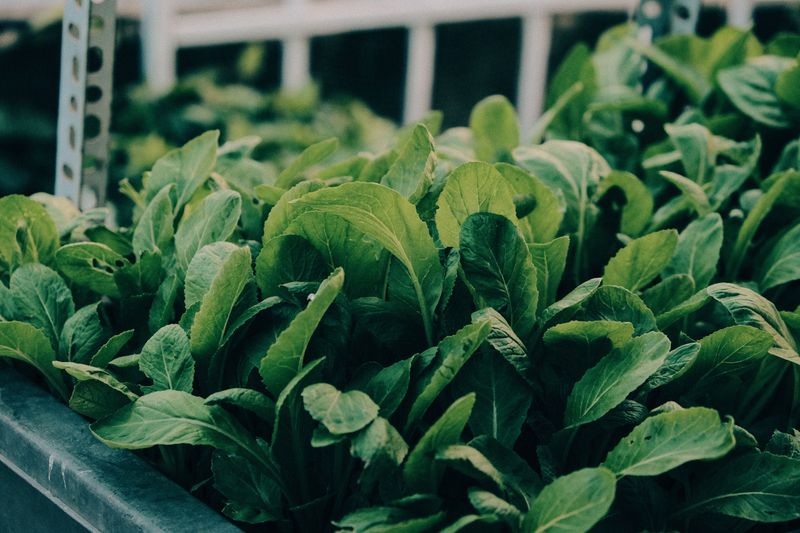
Popeye had the right idea, though fresh spinach tastes much better than canned. Fresh leaves grown in a pot taste sweeter, especially after a chilly autumn night.
Cool weather is where spinach shines, since heat makes it bolt and turn bitter. October sowing gives the plants steady temperatures between 40 and 70 degrees Fahrenheit, which they prefer.
Pick a container at least eight inches deep with good drainage holes in the bottom. Fill it with loose potting mix and scatter seeds about two inches apart.
Keep the soil moist like a wrung-out sponge, but not soggy. Place the pot where it gets around six hours of sunlight each day.
Baby leaves are ready in about thirty to forty-five days, depending on weather. Snip outer leaves first, and the center keeps pushing out fresh growth for weeks.
On frosty nights, drag the pot near a wall or cover it with an old sheet. That small trick can stretch your harvest well into early winter.
2. Lettuce Set Within A Shallow Tub
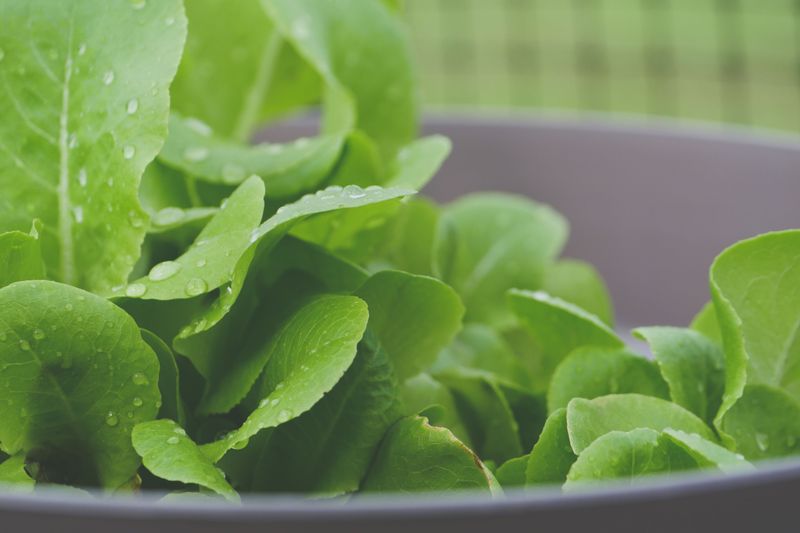
Imagine making a salad by walking ten steps to your porch with a pair of scissors. Lettuce makes that daydream real, and it grows fast enough to keep impatient gardeners happy.
Loose-leaf types like Black Seeded Simpson or Red Sails work best in pots. They skip forming tight heads, so you can start picking leaves in about four weeks.
A shallow container around six inches deep is plenty for these shallow roots. Window boxes, old dish tubs, and even salad-sized plastic bins work nicely with drainage holes.
Sprinkle the tiny seeds on top of damp soil and press them down lightly. Lettuce needs light to sprout, so skip burying them deep under the dirt.
Afternoon shade on warm October days keeps the leaves tender and mild. Water in the morning so the foliage dries before evening and stays healthy.
Sow a new small batch every two weeks for a steady supply. Your sandwiches will thank you, and your grocery bill might shrink a little too.
3. Radishes Packed Into A Rectangular Planter
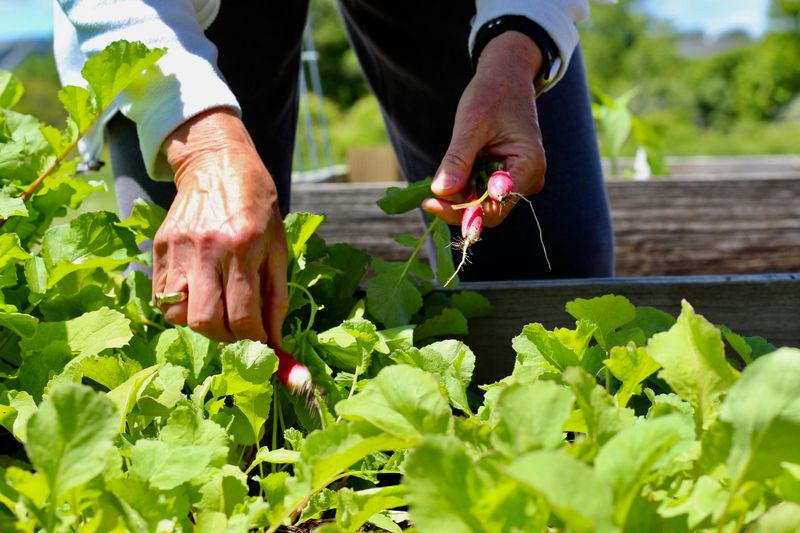
Kids enjoy radishes because they grow very fast with little care. Some varieties go from seed to crunchy snack in just twenty-two to twenty-eight days.
That speedy timeline makes radishes perfect for October, before the deep cold settles in. Cherry Belle and French Breakfast are both reliable choices for containers of any shape.
Choose a pot at least six inches deep and fill it with fluffy soil. Heavy dirt makes the roots twisted or skinny, so loose mix matters a lot.
Plant seeds half an inch deep and about one inch apart in rows. Once sprouts appear, thin them so each one has two inches of room.
Even watering is the secret to crisp, mild radishes instead of cracked, spicy ones. Check the soil daily by poking a finger in up to the first knuckle.
Pull them as soon as the tops peek above the soil about an inch wide. Waiting too long turns them woody, and nobody enjoys chewing on a radish-flavored cork.
4. Kale Rooted In A Large Clay Pot
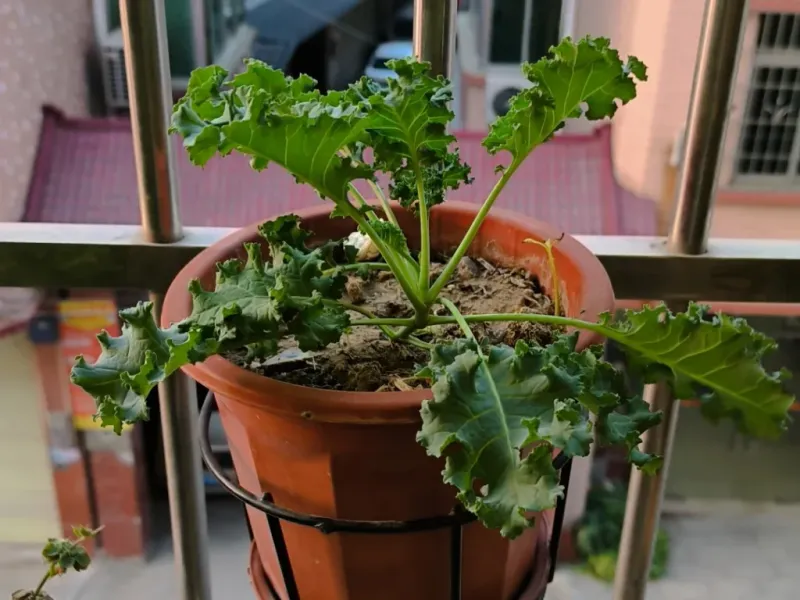
Frost improves the flavor of kale, which surprises many first-time container growers. Cold snaps turn its starches into sugars, so the leaves taste sweeter after chilly nights.
In mild and moderate climates, October is a good time to start this tough, leafy green. Dwarf varieties like Dwarf Blue Curled stay compact and look tidy in a pot.
Use a container at least twelve inches wide and twelve inches deep. Clay can crack in hard freezes, so move it to shelter on the coldest nights.
One plant per pot gives the roots space to spread and support big leaves.
Starting from nursery seedlings saves time, since kale grows slower from seed in autumn. Set them in rich potting mix with a scoop of compost mixed in.
Feed the plant every few weeks with a gentle liquid fertilizer for steady growth. Keep an eye out for cabbage worms, and pick them off by hand.
Harvest the lower leaves first and let the top keep growing like a little palm tree. One healthy kale plant can feed you smoothies and chips for months.
5. Garlic Sheltered By A Sturdy Grow Bag
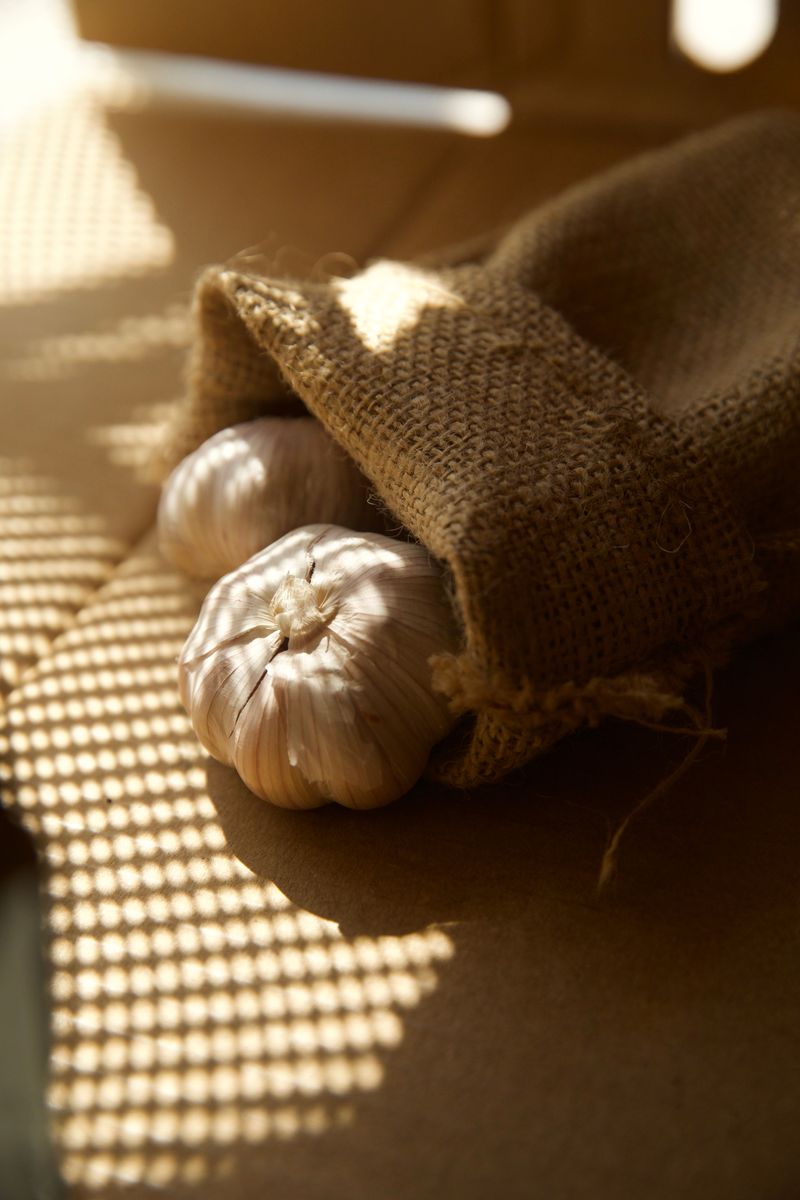
Planting garlic means making a commitment now and waiting patiently for next summer’s harvest. October is prime time to tuck cloves into soil so they can root before winter.
Garlic needs a cold spell to form those plump bulbs everyone loves. Without that chill, you may end up with a single undivided bulb instead.
Grab a grow bag at least eight inches deep, wide enough for several cloves. Space each clove about four inches apart, pointy end up, two inches below the surface.
Buy garlic from a garden center rather than the grocery store when possible. Store bulbs are sometimes treated to stop sprouting, which slows things down.
Water lightly through winter and shelter the pot, because container roots freeze more easily. A layer of straw on top works like a cozy blanket for the cloves.
In late spring, hardneck types send curling shoots called scapes, which taste amazing stir-fried. Bulbs are usually ready by mid-summer, once the lower leaves start turning brown.
6. Green Onions From A Small Kitchen Pot
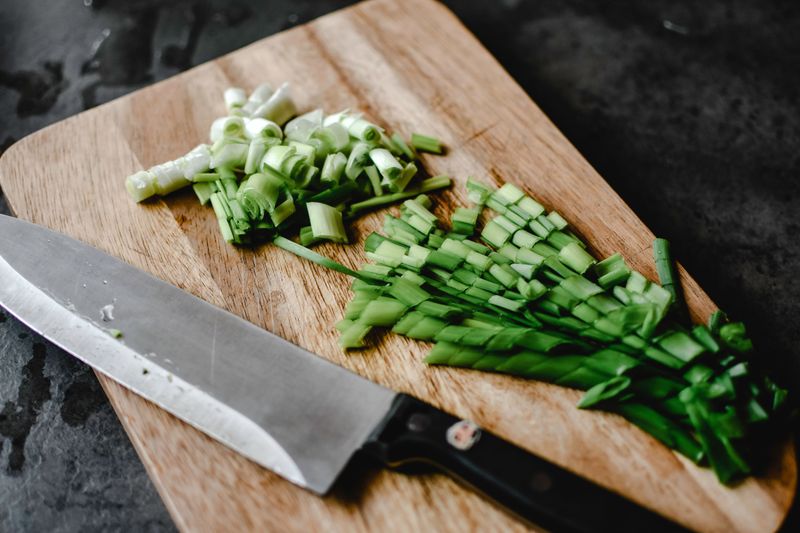
Here is a kitchen shortcut that saves money and takes very little effort. Those leftover white roots from store-bought green onions can regrow into a whole new bunch.
Simply stick the root ends into a pot of soil, leaving the tops exposed. Within a week, fresh green shoots start reaching for the sky.
Seeds work well too, and they handle cool October weather without much fuss. Sow them a quarter inch deep in any container at least six inches tall.
Green onions take up very little space, so a coffee can or yogurt tub works. Just poke a few holes in the bottom so extra water can drain out.
Give them bright light, either outside on a porch or on a sunny kitchen windowsill. Water when the top inch of soil feels dry to the touch.
Snip the green tops with scissors whenever a recipe needs a little zing. Leave an inch behind, and the plant will happily grow back again and again.
7. Carrots Stretching Down A Tall Bucket
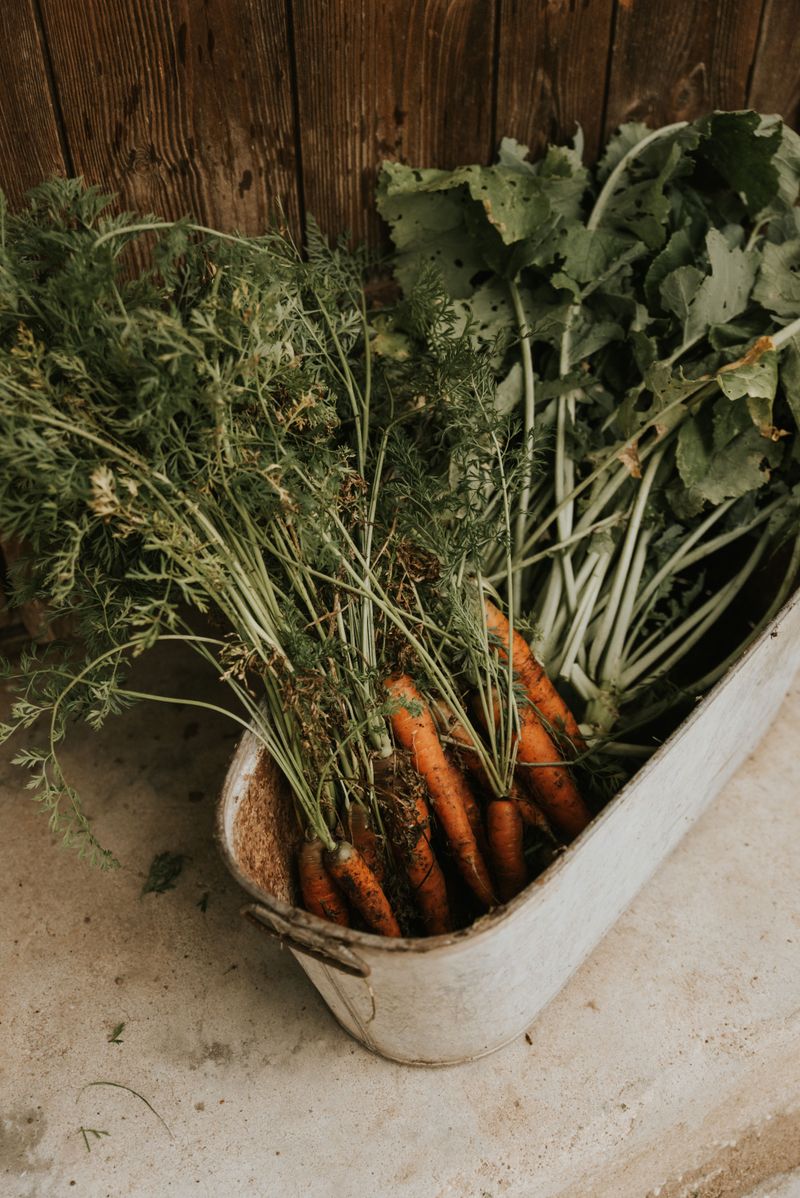
Pulling a carrot from the soil is often a pleasant surprise, even for experienced gardeners. You cannot guess if it will be long, stubby, or oddly shaped.
Short varieties like Paris Market or Danvers Half Long are ideal for pots. Paris Market grows into cute round balls that look like orange golf balls.
Pick a container at least twelve inches deep so the roots can stretch down. Loose, sandy potting mix helps carrots grow straight instead of forking into weird shapes.
Carrot seeds are tiny and slow to sprout, sometimes taking up to three weeks. Keep the soil surface damp by covering it with a piece of burlap until sprouts appear.
Thin the seedlings to about two inches apart once they are a few inches tall. Crowded carrots stay skinny, so thin them and remove the extras.
Cool autumn temperatures make the roots extra sweet and crunchy. Harvest comes in seventy to ninety days, often in time for holiday dinners.
8. Arugula Spread Across A Wide Ceramic Pot
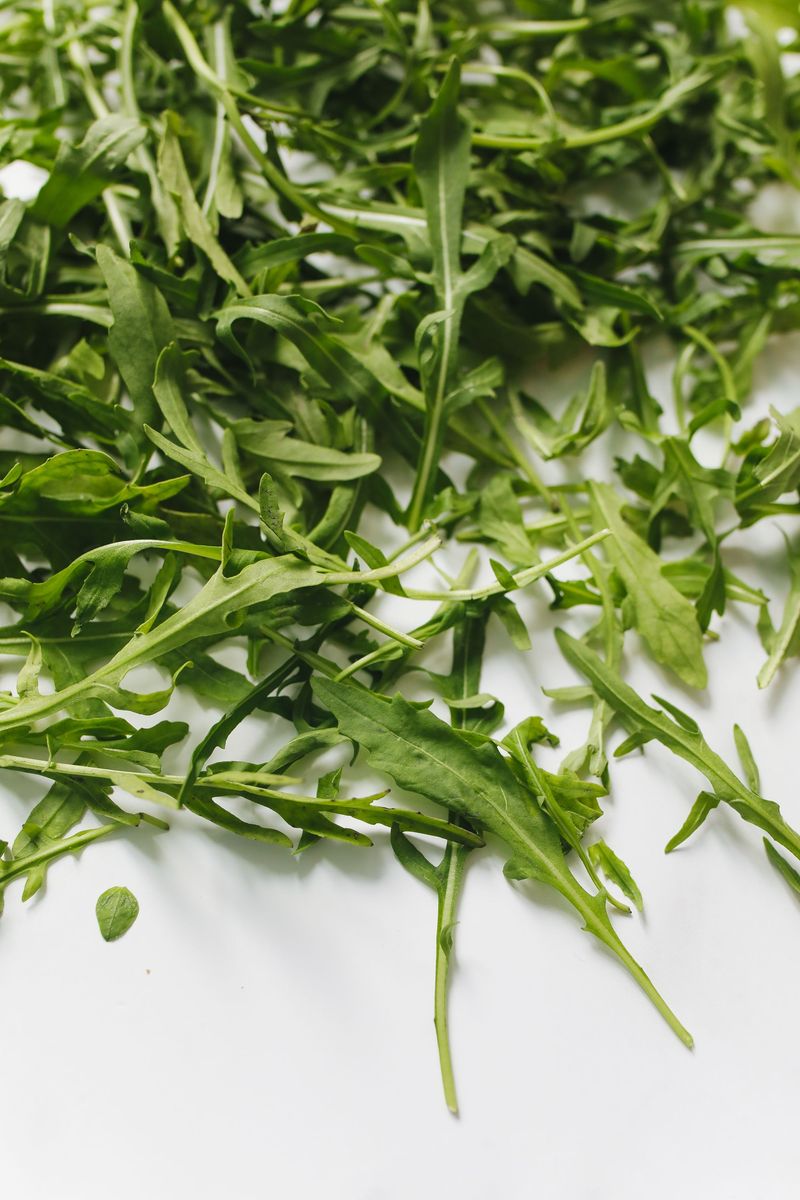
Arugula tastes a little like black pepper decided to become a leaf. Its spicy kick wakes up sandwiches, pizzas, and plain salads in seconds.
Gardeners in Italy have grown this zesty green for centuries, and it loves cool weather. October temperatures keep the flavor bold but not overpowering or too bitter.
A wide, shallow pot about six inches deep, with drainage holes, makes a good arugula bed. Scatter the seeds across the surface and cover them with a thin dusting of soil.
Ceramic can crack in hard freezes, so bring it close to a wall on frosty nights.
Sprouts usually pop up in just four to seven days, which feels like a magic trick. Baby leaves are ready to pick in about three weeks after sowing.
Cut the leaves when they are two to three inches long for the mildest taste. Bigger leaves get spicier, so pick your size based on how brave you feel.
Arugula grows quickly, so plant a fresh pot every couple of weeks. That way you will have a steady supply of peppery greens all season long.
9. Swiss Chard Bursting Out Of A Glazed Planter
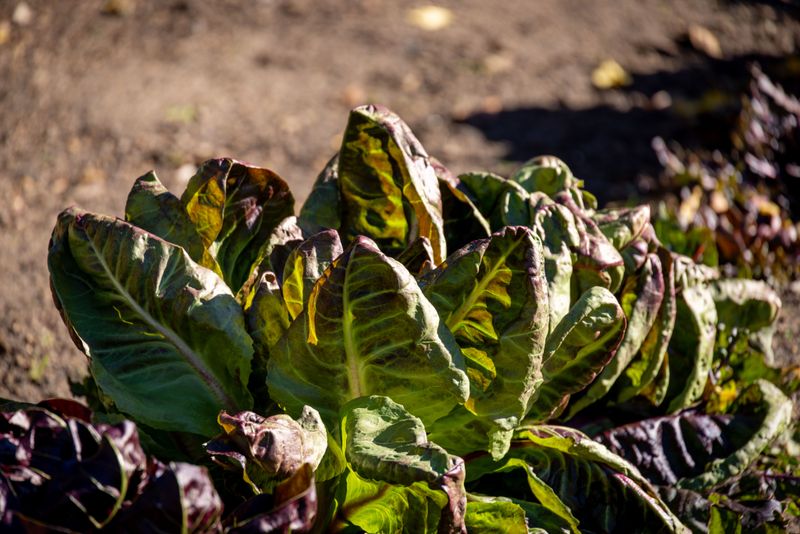
Swiss chard looks like it belongs in a flower bed instead of a veggie patch. Rainbow varieties show off stems in bright red, yellow, orange, pink, and white.
Despite its name, chard does not actually come from Switzerland. It traces back to the Mediterranean, so the name is a bit of a misnomer.
One plant fits nicely in a pot about ten to twelve inches deep. Chard seeds are really clusters, so several sprouts may pop up from one spot.
Thin them down to the strongest seedling so it has room to grow big. Steady moisture and rich, crumbly soil keep the leaves glossy, tender, and colorful.
Chard handles light frost with ease, making it a sturdy choice for October planting. It also tolerates partial shade, so a spot with morning sun works fine.
Harvest outer stalks when they reach about eight inches, and leave the center alone. Sauté the stems with garlic, and even picky eaters might ask for seconds.
10. Peas Climbing Up A Trellised Container
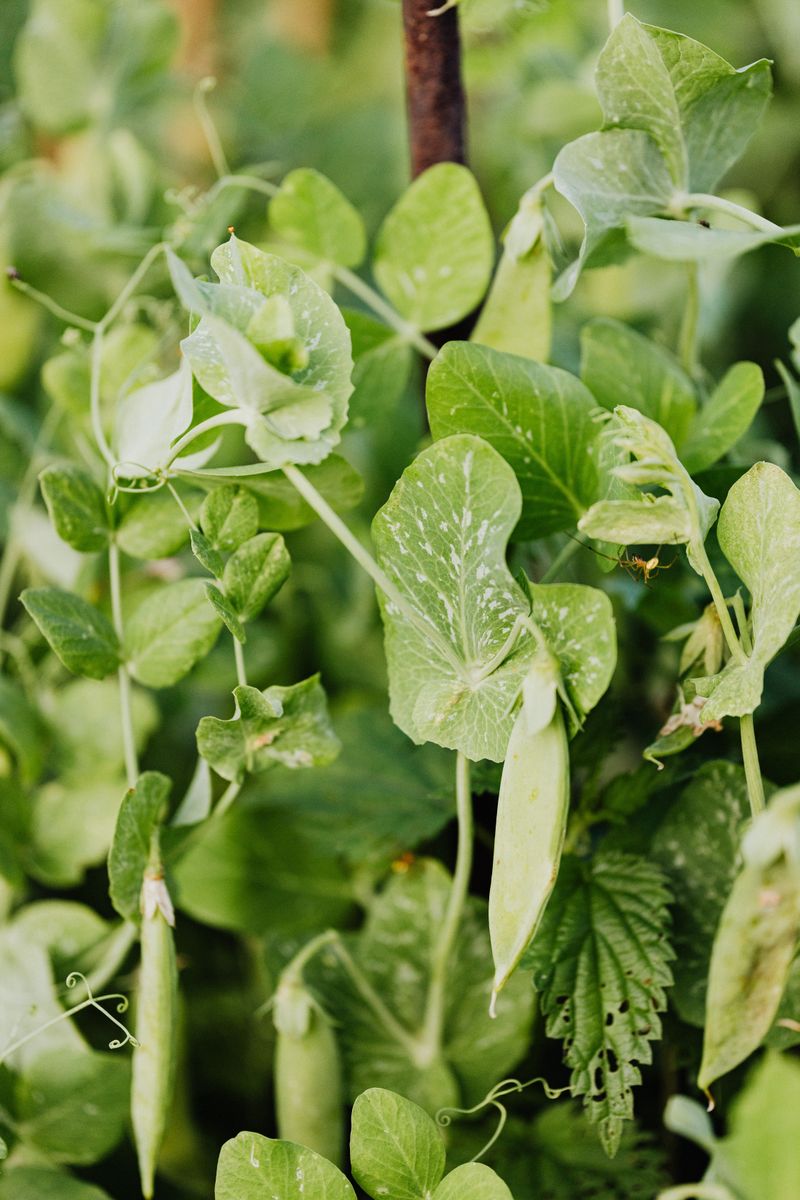
Many gardeners love eating sweet peas straight from the pod while standing in the garden. Plenty of them do not even make it to the kitchen, and that is fine.
Peas love cool weather, so October works well in mild-winter areas, such as the southern United States. In colder regions, October is too late, so sow in late summer or spring.
Dwarf varieties like Little Marvel or Tom Thumb stay short and fit well in containers. A pot about twelve inches deep and wide can hold six to eight plants.
Soak seeds overnight to speed sprouting, except in cold, wet soil. Plant them one inch deep and two inches apart in moist potting soil.
Even short peas like something to climb, so add a small trellis or a few sticks. The curly tendrils will grab on and pull the vines upward like tiny hands.
Pick pods often, because frequent harvesting encourages the plant to keep flowering. Fresh peas taste best within hours of picking, before their sugars turn starchy.
11. Beets Filling A Wooden Crate
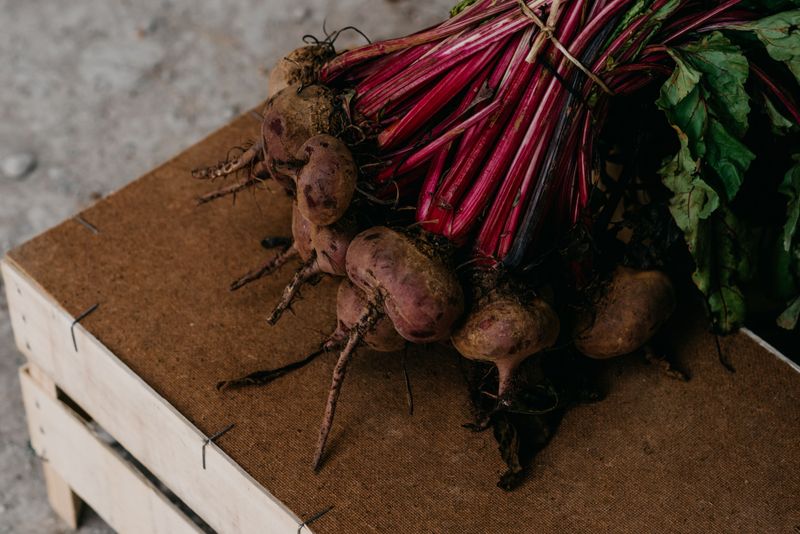
Beets are wonderfully versatile, making them a favorite for containers. You get sweet roots underground and tasty leafy greens on top, all from one planting.
October planting works well because beets grow happily in temperatures between 50 and 75 degrees Fahrenheit. Varieties like Detroit Dark Red or Golden Beet handle container life with ease.
Choose a crate at least ten inches deep, lined with fabric and drilled for drainage, so the roots have space to swell. Mix some compost into the potting soil to give them extra nutrients.
Each wrinkly beet seed is a cluster that can sprout several seedlings at once. Snip extras with scissors so remaining plants sit about three inches apart.
Toss those tiny thinned seedlings into a salad, since they taste like mild baby spinach. Little goes to waste, which makes beets a thrifty and smart choice for small spaces.
Roots are usually ready in about fifty to seventy days, around golf ball size. Be warned, though, because red beet juice stains fingers pink for hours afterward.
12. Bok Choy Spaced Throughout A Square Planter
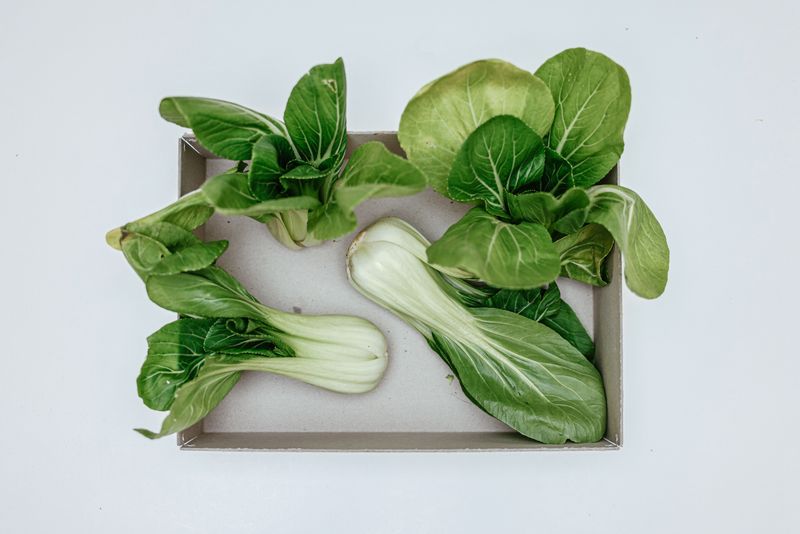
Bok choy is the speedy race car of the cabbage family. Baby varieties can be ready to eat in just thirty to forty-five days.
Gardeners in China have grown this crunchy green for over fifteen hundred years. Its juicy white stems and dark leaves add a mild, fresh crunch to stir-fries.
Cool October weather keeps bok choy from bolting, which happens fast in summer heat. Pick a bucket at least twelve inches deep, with holes drilled in the bottom, so the roots can stretch down.
Sow seeds a quarter inch deep, or set out young transplants for a head start. Space plants about six inches apart for baby types and ten for full-size heads.
Bok choy is a thirsty plant, so keep the soil evenly moist through the week. Dry soil makes the stems tough and stringy instead of crisp.
You can harvest the whole plant at once or pick a few outer leaves weekly. Either way, toss it in a hot pan with soy sauce for an easy dinner.