The Free Ohio Arboretums Worth The Drive For Peak Fall Color
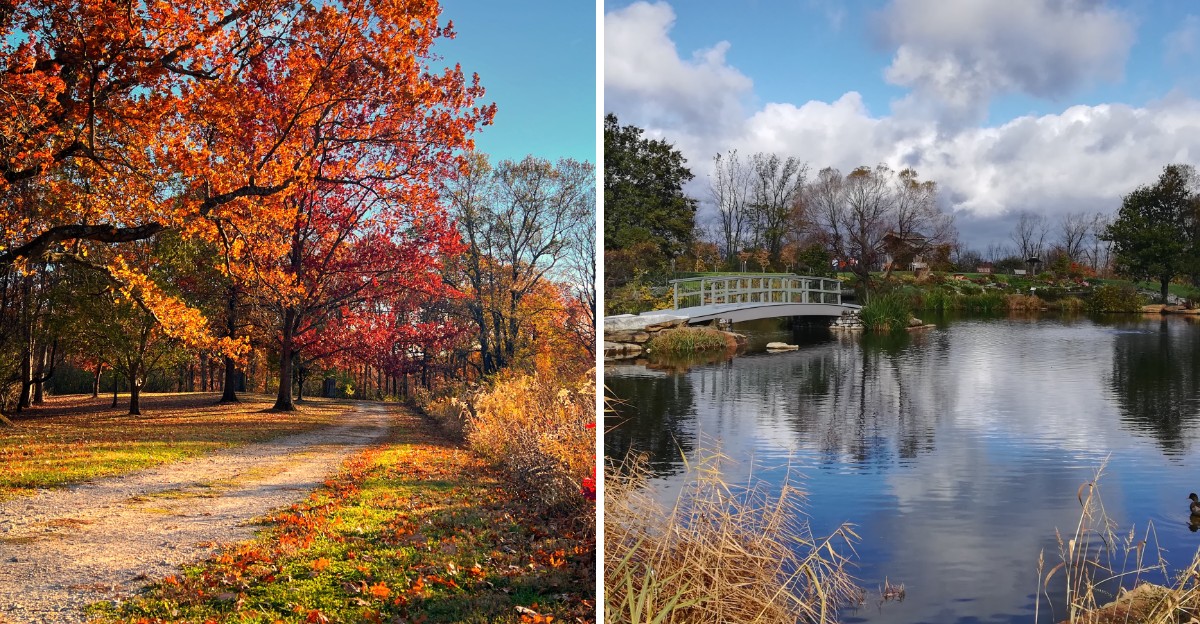
Every “best fall drives” list points you toward paid gardens and ticketed arboretums. Ohio’s quietly got a handful that cost nothing and still stop people in their tracks.
Free doesn’t mean small either. Some of these spots stretch across hundreds of acres of maple, oak, and hickory, timed for the same peak color week that paid attractions charge admission to see.
Nobody mentions them because “free” doesn’t sell tickets, and that’s exactly why they stay uncrowded while everyone else pays to stand in line somewhere else.
Peak week still makes or breaks the trip though. Miss it by even a few days and the same free arboretum looks like any patch of trees off the highway.
Pick one of these before the color turns, not after. The best view this October might not cost you a cent.
1. Secrest Arboretum, Wooster
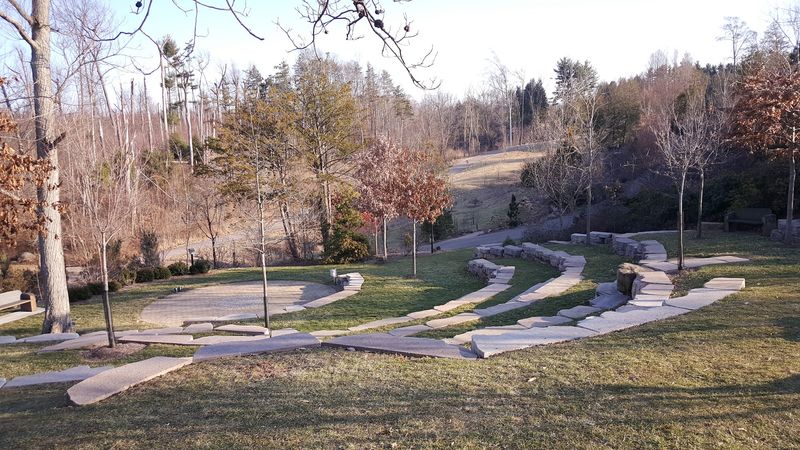
Back in 1904, a few curious foresters started planting trees on a patch of Wooster farmland. Today, that idea has grown into 110 acres packed with about 4,000 plant varieties from around the world.
Secrest Arboretum sits on The Ohio State University’s Wooster campus at 2122 Williams Rd, Wooster. It stays open year-round from dawn to dusk, and admission is free.
That means you can show up early, stay late, and spend nothing but time.
Late October is usually the sweet spot for color here. The maples blaze red, the oaks turn copper, and the ginkgo trees drop bright yellow fans across the ground.
Some mornings, the whole place smells like cinnamon and damp earth.
Paved paths make walking easy, even with a stroller or a grandparent in tow. You will also find plenty of benches and seating areas tucked into themed gardens.
Pick one, sit still for ten minutes, and watch leaves twirl down like confetti.
A smart plan is to bring a small notebook and jot down the trees you like best. Many plants have labels, so you can learn their names and maybe plant one at home someday.
Pack a thermos of cocoa, wear comfy shoes, and give yourself at least two hours. Rushing through a place this big would be like eating a pie in one bite.
2. Cox Arboretum MetroPark, Dayton
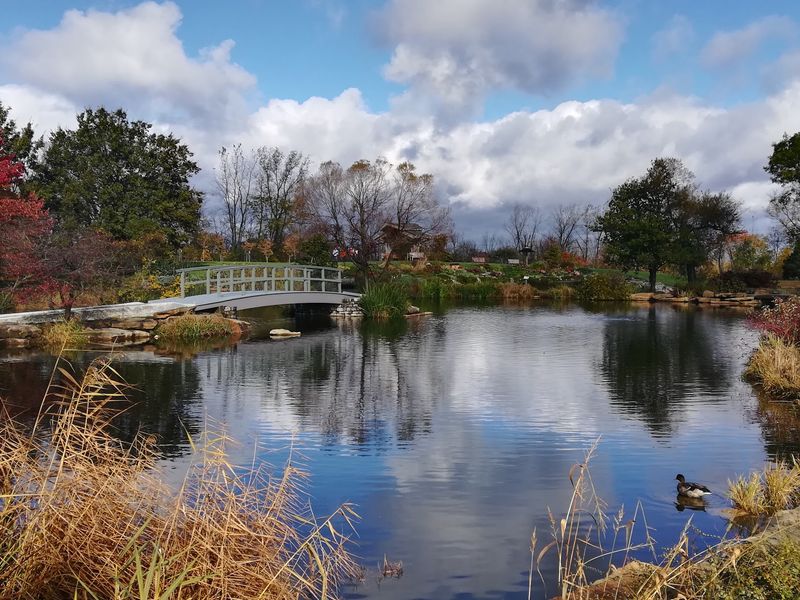
Ask a Dayton horticulturist where to find the best leaves, and you might hear two words: yellow and blue. Those are the trail colors at Cox Arboretum at MetroPark 6733 N Springboro Pike, Dayton, and they lead straight through glowing woodlands.
The park covers 189 acres, and mid-October through mid-November is often prime time. Winding trails pass under thick, colorful canopies that feel like walking inside a kaleidoscope.
Kids love racing ahead to spot the brightest tree first.
Head toward the Bauer School area and the back pond for a real treat. Sweet gum and maple trees there create a rainbow of red, orange, purple, and gold.
On a still day, the pond reflects it all like a mirror.
Hours shift with the seasons, so plan ahead. From April 1 through October 31, the park is open from 8 AM to 10 PM.
Your Ohio Garden Changes Every Week. Your Plan Should Too.
Gardening in Ohio changes quickly throughout the season. Every Friday you’ll receive a simple weekly plan showing exactly what to plant, prune, fertilize, harvest, and protect so you never miss the right timing.
From November 1 through March 31, gates close at 8 PM.
Parking is free, though spaces have been reduced, so arriving early on weekends helps. The 56-foot Tree Tower and the Zorniger Education Center have been closed, so check the MetroParks website before you go.
Even without the tower, the ground-level views are worth every step. Bring a camera with a full battery, because sweet gum leaves are tricky to stop photographing.
3. Chadwick Arboretum, Columbus
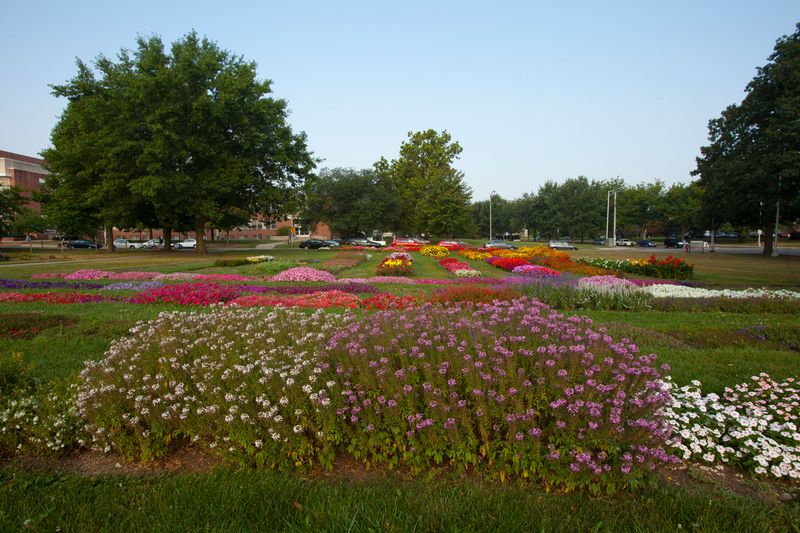
Right in the middle of a busy college campus, there is a quiet green pocket where squirrels outnumber students. Chadwick Arboretum and Learning Gardens stretches across more than 60 acres at 152 Howlett Hall 2021, Fyffe Rd, Columbus.
Entry costs nothing, and the grounds are open year-round from dawn to dusk. Parking is the only thing you pay for, using Pay-n-Display or Pay-by-Plate lots nearby.
Keep your phone handy so you can pay quickly and get walking.
The Arboretum North site steals the show in autumn. It features a lake, a picnic area, and around 1,000 native trees.
When they all change at once, the lake looks like someone spilled a box of crayons into it.
Mark your calendar for the Fall Foliage Open House on October 25, 2026. Events like this often include guides who can tell you why some leaves go red while others turn yellow.
Fun fact: those yellow colors were hiding in the leaves all summer, covered up by green.
Bring a picnic blanket and some sandwiches for a slow lunch by the water. Afterward, wander the learning gardens and see what is still blooming late in the season.
It is a great stop if you are already in Columbus for a game or a museum trip.
4. Lower Olentangy Urban Arboretum, Columbus
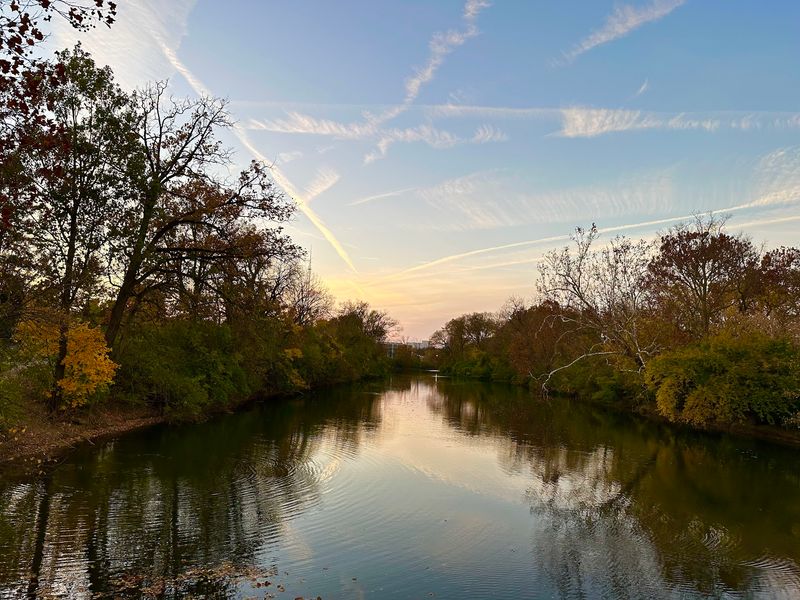
Some leaf trips need a map and a full day. Others just need a bike, a river, and a free afternoon in Columbus.
The Lower Olentangy Urban Arboretum idea centers on the trees growing along the Olentangy River corridor. It’s located at Olentangy Trail, Columbus.
Detailed visitor info can be hard to find online, so think of this stop as more of an adventure than a formal garden. Before you go, check with Columbus Recreation and Parks for current details.
River trees put on a different kind of show than hilltop forests. Sycamores turn buttery yellow and peel to reveal ghostly white bark.
Maples and cottonwoods add splashes of orange that shimmer on the moving water.
The Olentangy Trail runs nearby, which makes this area great for walking, jogging, or biking. You can cover a lot of ground and see many kinds of trees in one trip.
Families often stop to skip stones or watch ducks paddle through floating leaves.
Central Ohio usually peaks in early to mid-October, so aim for that window. Go on a weekday if you can, since weekend trail traffic can get heavy.
Pair it with a visit to nearby Chadwick Arboretum for a two-stop color tour. Bring water, sunscreen, and a light jacket, because riverside breezes get chilly fast.
5. Mt. Airy Arboretum, Cincinnati
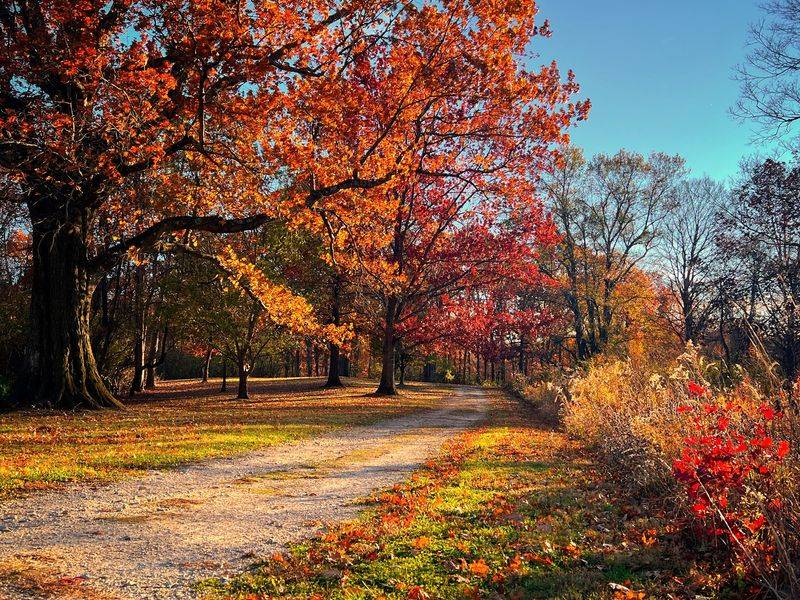
Imagine a garden tucked inside a forest, like a surprise hidden in a gift box. That is Mt.
Airy Arboretum, a 30-acre collection of trees, shrubs, and flowers inside the much larger Mt. Airy Forest in Cincinnati.
Paths and trails loop through the collection, so you can explore at your own pace. Some routes feel open and sunny, while others duck under thick branches.
Each turn shows off a different mix of shapes and colors.
Timing matters here. Peak color in Cincinnati usually arrives by the third week of October and lasts through the rest of the month.
If northern Ohio has already faded, this is where you chase the show south.
One fun game for kids is a leaf hunt. Give everyone a paper bag and a challenge, like finding five different colors or the biggest leaf.
Back home, you can press them inside heavy books to save the memories.
The surrounding forest adds even more trails for longer hikes. Wear sturdy shoes, since some paths can be muddy or covered in slick leaves.
Pack a lunch and use one of the forest’s picnic areas for a break. With so much shade and space, it rarely feels crowded, even on busy fall weekends.
It’s located at 5190 Arboretum Rd, Cincinnati.
6. Spring Grove Cemetery And Arboretum, Cincinnati

It might sound odd to plan a leaf trip to a cemetery. Yet Spring Grove Cemetery and Arboretum at 4521 Spring Grove Ave, Cincinnati, is one of the most beautiful fall spots in all of Ohio.
This National Historic Landmark covers 733 acres, making it one of the largest cemeteries in the country. Rolling hills, peaceful lakes, and huge old trees fill the grounds.
In autumn, leaves turn striking shades of orange and yellow that seem to glow against gray stone monuments.
Gates open daily from 8 AM to 6 PM. The customer service center, with restrooms, is open Monday through Friday from 8 AM to 5 PM and Saturday from 8 AM to 4 PM.
It is closed on Sundays, so plan bathroom breaks wisely.
Remember that this is still an active resting place for many families. Speak softly, stay on roads and paths, and give space to anyone visiting a loved one.
Pets are not allowed, though service dogs are welcome.
Many visitors drive slowly through the winding roads, then park and stroll near the lakes. The grounds are so large that a map is a smart idea.
History fans will enjoy reading old headstones from the 1800s. Combine the calm mood with the bright trees, and you get a walk that feels thoughtful and gentle.
7. Rowe Arboretum, Indian Hill
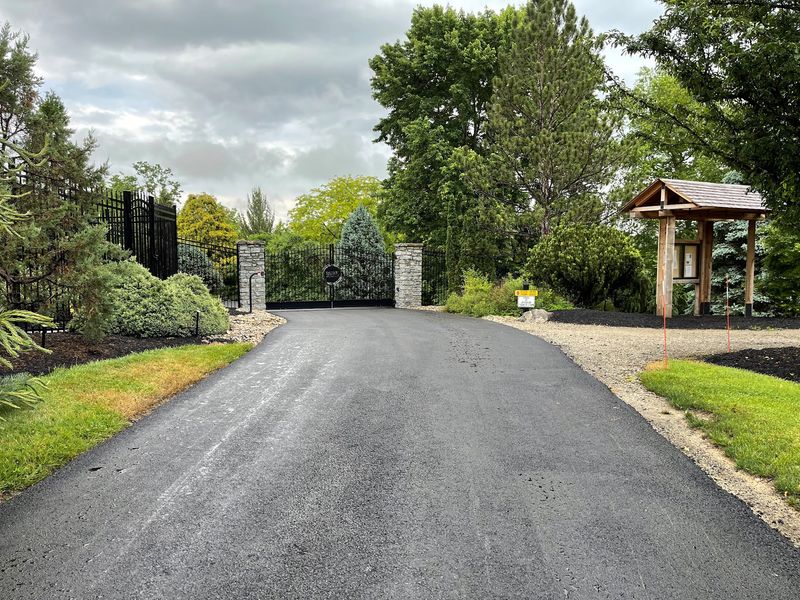
Good things come in small packages, and Rowe Arboretum at 4600 Muchmore Rd, Cincinnati, proves it. Founded in 1926, this 9.75-acre gem in Indian Hill is famous for its conifers.
You might wonder why evergreens matter on a fall trip. Their deep greens and blue-grays make nearby orange and gold trees look even brighter.
It is like putting a dark frame around a colorful painting.
Admission is free, and the casual walking trails are easy for most ages. From March through October, hours run from 7:00 AM to 7:30 PM.
From November through February, the arboretum is open from 8:00 AM to 5:30 PM.
A few rules are good to know before you go. As of January 1, 2024, pets are not permitted anywhere on the grounds.
Building renovations and parking upgrades are planned for 2026 and 2027.
During construction, the main vehicle entrance may close at times. You can still park along Arboretum Drive and walk in through a pedestrian gate.
September through mid-October 2026 looks like the easiest window for drive-up visits.
Because it is small, Rowe is perfect for a quick stop or a short attention span. Bring a sketchbook and try drawing a pinecone or two.
You might be surprised how many different cone shapes you find.
8. James H. McBride Arboretum, Huron
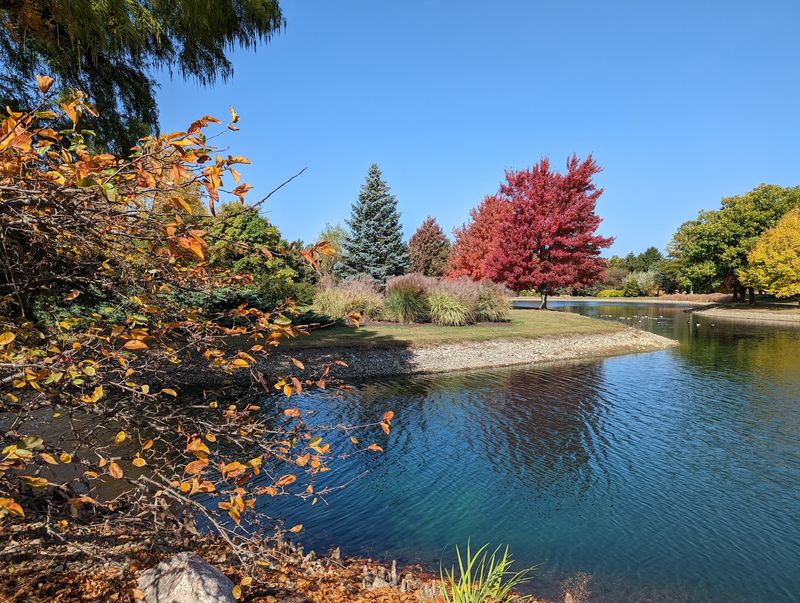
Near the shores of Lake Erie, a college campus hides a colorful secret. The James H.
McBride Arboretum spans 50 acres at Bowling Green State University’s Firelands Campus in Huron.
Lake breezes help shape the season here. Northern Ohio usually reaches peak color in early to mid-October, so plan your trip a bit earlier than you would for Cincinnati.
A quick check of the ODNR weekly report can save you from showing up too soon.
The arboretum is best known for its flowering crabapple trees. In spring they bloom pink and white, but fall brings small, shiny fruits and warm leaf colors.
Birds love those little crabapples, so keep your eyes peeled for hungry visitors.
Flower and butterfly gardens add extra charm, and the plants change from week to week. Even in autumn, you might spot late blooms and the last butterflies of the year.
It feels like a garden that refuses to take a nap.
The walking trails are handicapped accessible, which makes this a great pick for everyone in the family. Hours run from 8 AM to dusk every day of the year.
Pets are not allowed, so leave the pup at home. Afterward, take a short drive to the lakeshore and watch the sunset over the water.