The Tiny Stowaways From Overseas Are Now Building Mounds Across Alabama Lawns
Your foot lands on cool grass, and a bright jolt zips up your ankle. You gasp, hop, and wobble while the neighbor watches.
Blame tiny ants that rode cargo ships into Mobile, Alabama, decades ago. They found muddy docks, plentiful food, and room to spread. Today colonies thrive across Alabama, fueled by warm soil and steady rain.
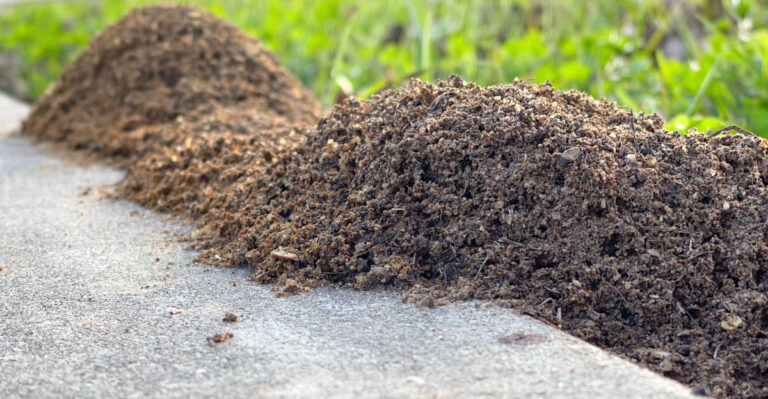
Those mounds have no opening on top, so colonies exit through hidden tunnels. Brush a mound and the colony swarms onto your feet.
Each ant grips your skin, then delivers repeated, burning pricks. Small white bumps rise and itch for days.
Watch for fresh mounds along sidewalks, near fences, and after heavy rain. Check lawn edges before your next walk. Spot them early and you protect your family, your pets, and your footing.
Tiny South American Stowaways In The Port Of Mobile
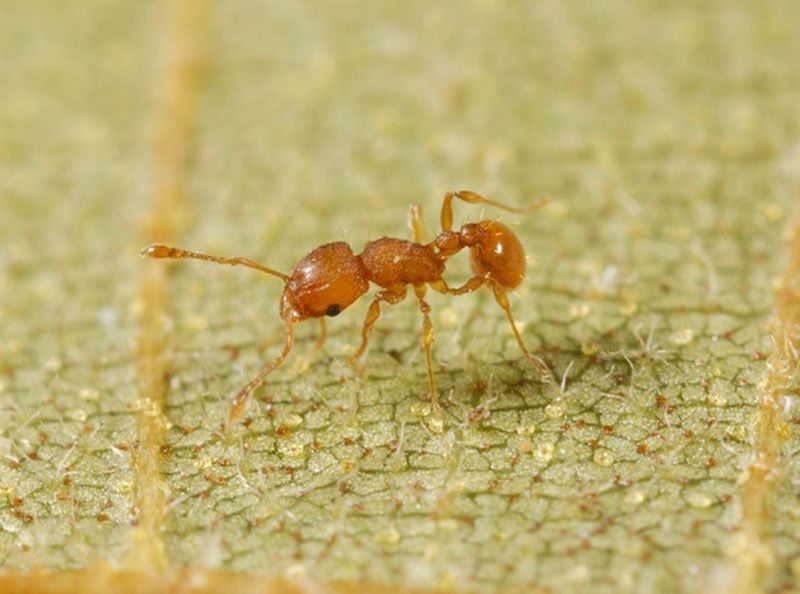
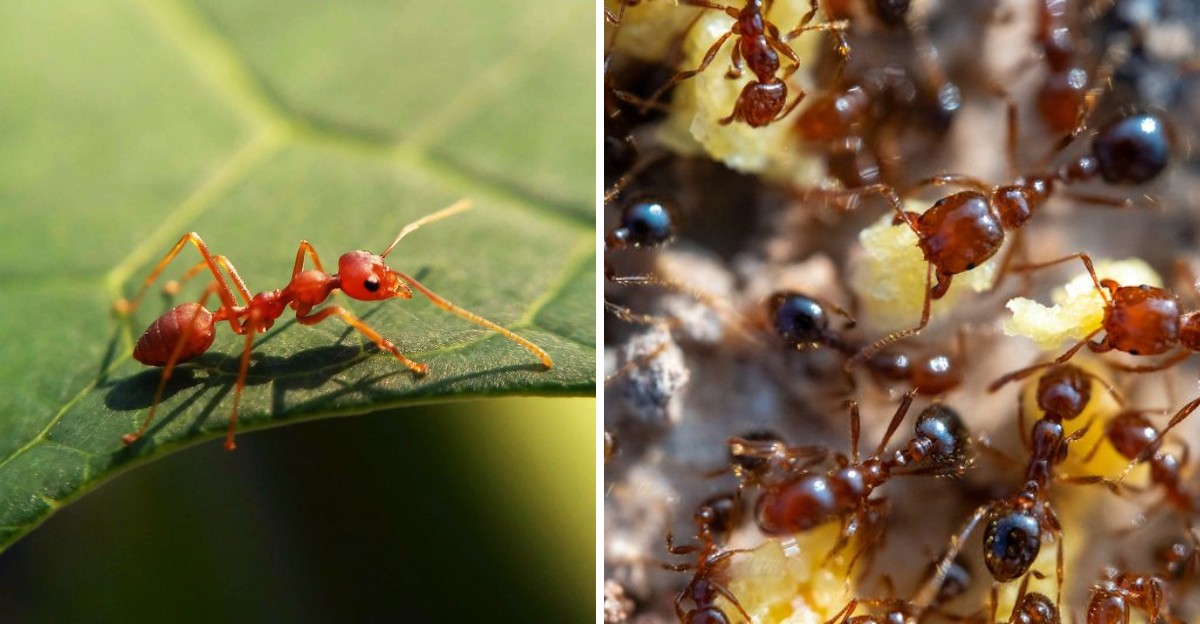
Picture a cargo ship easing into Mobile, Alabama, sometime in the 1930s. Hidden in the soil used as ship ballast were small reddish ants from South America.
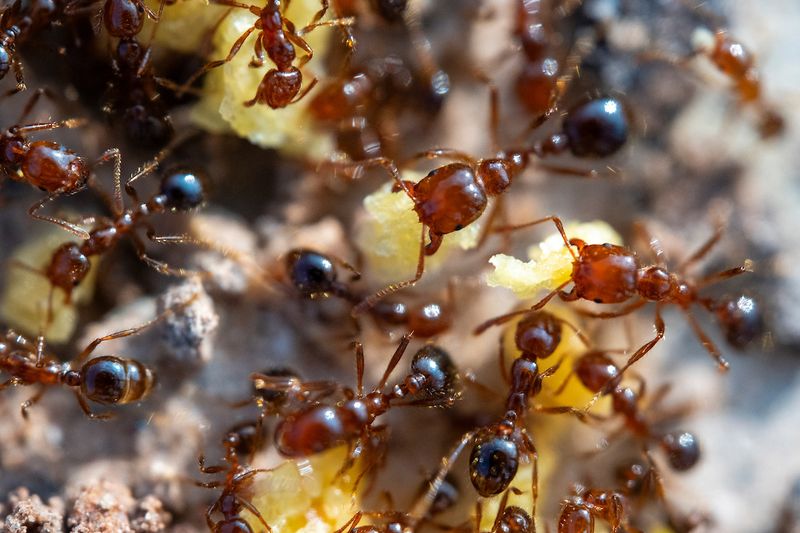
Scientists call them red imported fire ants, and their home turf was the floodplains of Brazil and Argentina. Those floods favored traits that help them survive harsh conditions, which helped them settle fast here.
An earlier black fire ant species also arrived through Mobile around 1918. The red kind soon pushed past it and spread across the Southern states.
Back home, natural enemies like tiny parasitic flies kept their numbers in check. In Alabama, those enemies were missing, so colonies grew with little to slow them down.
From that single port, the ants hitched rides in nursery plants, hay bales, and soil shipments. Today they live across the southern United States, from Texas to the Carolinas.
A young E.O. Wilson, who later became a famous scientist, noticed them as a teenager in Mobile in 1942. He went on to publish early scientific observations of these newcomers.
Their name comes from the sting, which burns like a hot match on skin. Each ant grabs on with its jaws and stings several times in a circle.
Knowing their history helps explain their success. They arrived as unintended newcomers and found a land with warm weather, open fields, and few rivals.
So that ant pile in your yard has roots tracing back to a busy Gulf Coast harbor. History can leave a mark.
Warm Weather And Rain As The Colony Growth Signal

Many Southern gardeners mention ant mounds when spring arrives. Late spring and summer are prime building season, and colonies often keep growing into fall.
Once soil temperatures climb, the queen speeds up egg laying. A healthy queen can lay up to a thousand or more eggs in a single day.
Rain plays a big part too. After a soaking storm, workers push wet soil upward, and new mounds seem to pop up overnight.
Bigger mounds help the colony control temperature. The ants move eggs and young up or down inside the mound to find the coziest spot.
Spring and early summer are when most winged males and queens fly off to mate. These mating flights happen on warm, calm days, often a day or two after rain.
Your Alabama Garden Changes Every Week. Your Plan Should Too.
Gardening in Alabama changes quickly throughout the season. Every Friday you’ll receive a simple weekly plan showing exactly what to plant, prune, fertilize, harvest, and protect so you never miss the right timing.
A mated queen lands, drops her wings, and digs a small chamber. Within months, her new colony may hold thousands of busy workers.
Mature colonies can house up to 250,000 ants, sometimes more. Some yards host several queens per mound, which makes growth even faster.
Watching the weather gives you a handy clue. Warm, wet weeks usually mean more mounds, so check your lawn after storms.
Spotting new mounds early makes them easier to handle. A small colony is far simpler to manage than a much larger one by midsummer.
Think of warm months as their construction season, with the forecast acting like a work schedule. Keep an eye on both.
Common Mistakes Around Fire Ant Mounds
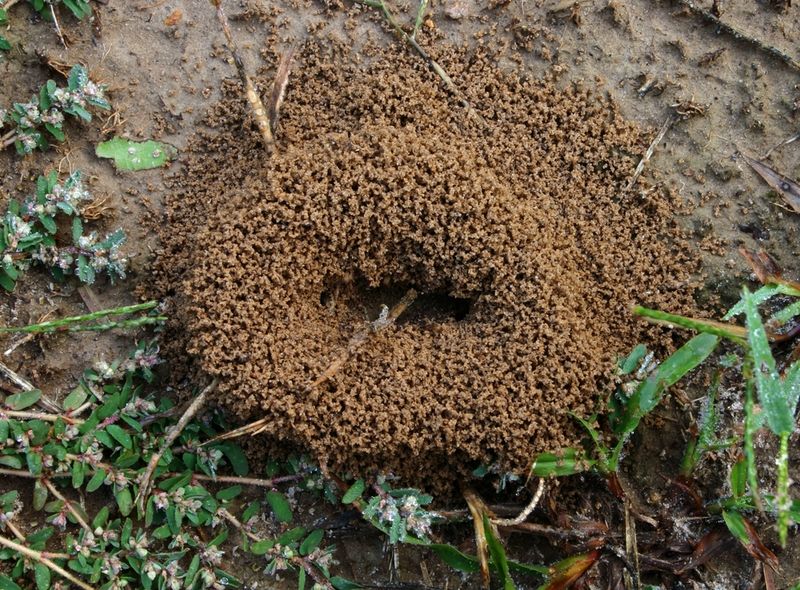
Plenty of us have done it as kids. You see a dirt pile, give it a curious kick, and quickly learn why that is a bad idea.
Fire ants defend their home with serious teamwork. When the mound shakes, hundreds of workers rush out and climb anything nearby, including your shoes.
They often climb quietly before stinging together. One ant may release a chemical alarm signal that tells the colony to defend the mound.
Stings leave itchy, raised bumps that turn into small white blisters. Scratching or popping those blisters can lead to infection, so leave them alone.
Another common slip is pouring gasoline or bleach on mounds. These liquids harm soil, pets, and groundwater, create a fire risk, and often miss the queen deep below.
Hot water and stirring the mound with a shovel are unreliable. The colony may simply relocate a few feet away, and hot water can damage your lawn.
Mowing over mounds causes trouble as well. Vibrations stir the ants, and they may swarm the mower operator in seconds.
Wear closed shoes and long pants when working outdoors in warm months. Tucking pants into socks looks silly but reduces itching.
If you get stung, wash the area with soap and water. A cool pack and anti-itch cream can ease the discomfort.
Watch for signs of a strong allergic reaction, like trouble breathing or swelling of the face. Those symptoms need emergency medical help right away.
Bait Treatments And The Two Step Method
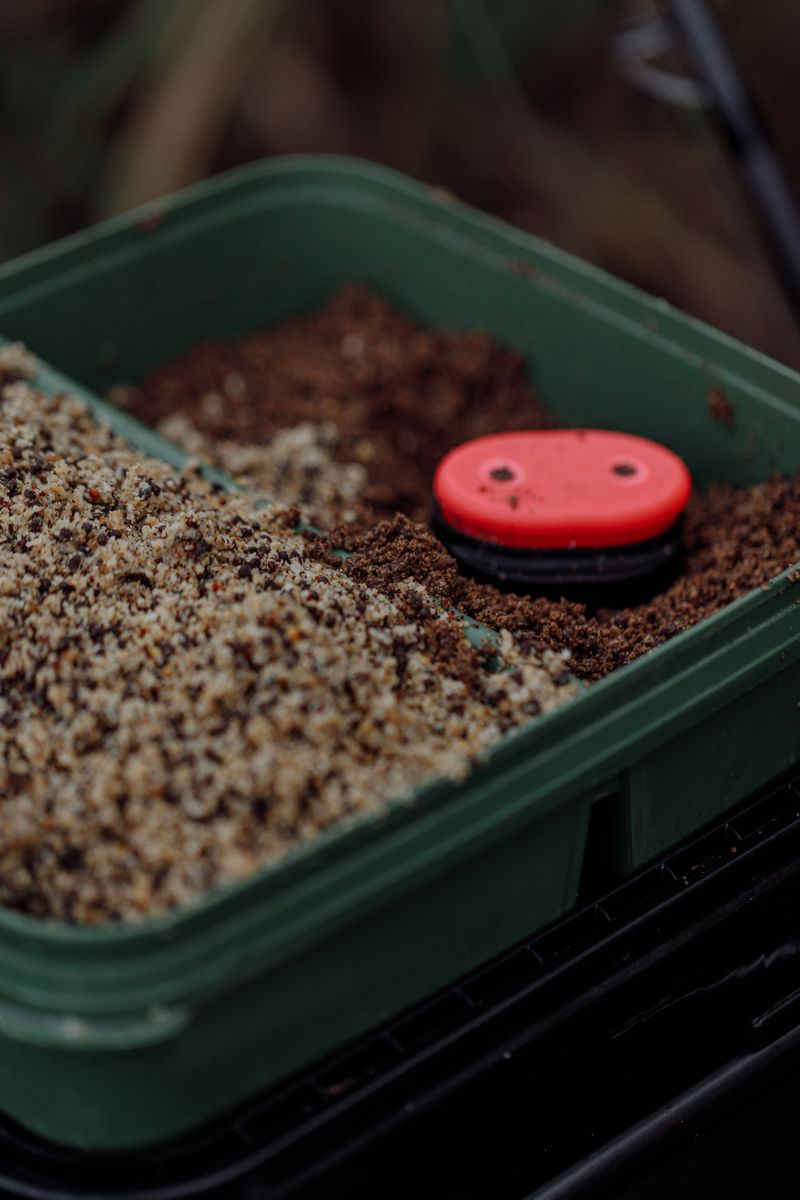
Experts at Texas A&M and Auburn University recommend the Two-Step Method, which works with ant behavior instead of against it.
Step one is spreading fire ant bait across the whole yard. Workers carry the bait home and share it with the queen.
Baits work slowly, often taking a few days to several weeks. That patience pays off because the queen stops producing new ants.
Timing matters a lot. Apply bait when soil is warm and dry, and when ants are actively searching for food.
A quick test helps. Drop a potato chip near a mound, and if ants swarm it within thirty minutes, they are hungry.
Avoid spreading bait before rain or right after watering. Wet bait turns soggy, and ants simply ignore it.
Step two is treating individual mounds, especially near play areas or walkways. Approved mound drenches or dusts handle these trouble spots faster.
Always read the label and follow the directions closely. Keep kids and pets off treated areas for the time listed. Store bait in a cool, dry place with the lid sealed tight. Old, stale bait loses its appeal to ants.
Extension services often recommend repeating the bait step in spring and again in fall. This schedule keeps colonies small through the warmest months.
Ripple Effects On Farms, Wildlife, And Wallets
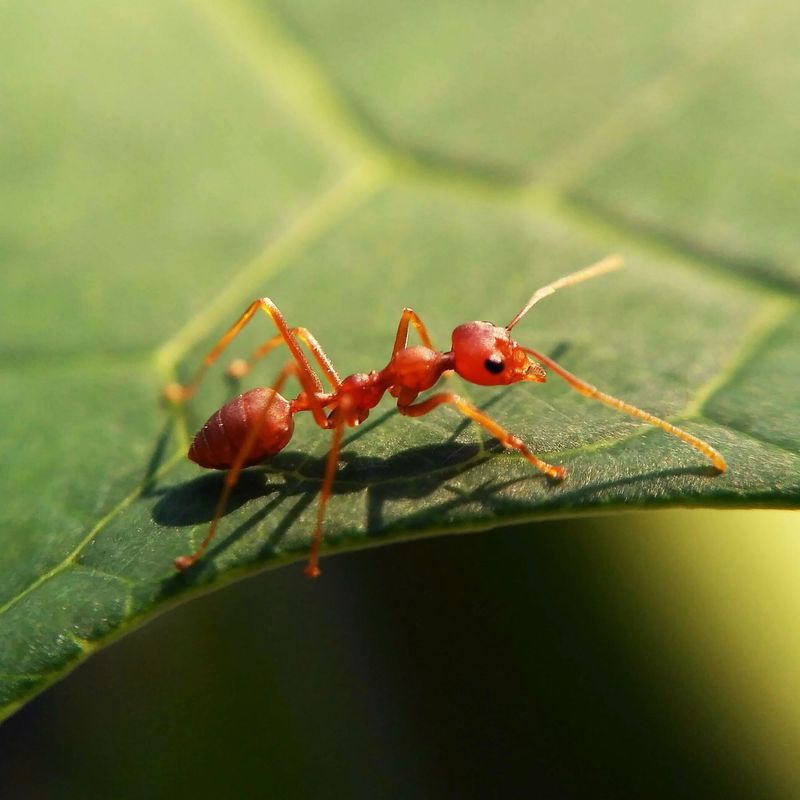
Published estimates from university and USDA researchers put the annual cost of fire ants in the United States at billions of dollars. That number covers medical care, damaged equipment, crop losses, and control products.
Farmers feel the sting in many ways. Large mounds can damage hay equipment, and ants sometimes chew on young crops like okra and potatoes.
Cattle and newborn calves can be harmed by swarming ants. Ranchers often treat pastures to protect their animals during calving season.
Electric gear attracts these ants in a strange way. They crowd into air conditioner units, traffic signals, and outlet boxes, causing short circuits.
Wildlife takes a hit too. Ground-nesting birds, baby turtles, and lizards are preyed on when ants find their nests.
Some native ant species struggle to compete. Fire ants grab food sources quickly, crowding out local insects that once filled those roles.
Still, there is a small upside. Fire ants eat pests like ticks and some crop-damaging caterpillars in certain fields.
Researchers have released tiny phorid flies from South America to help balance things. These flies target fire ants and leave other insects alone.
Understanding these effects helps communities plan smarter control efforts. Treating only problem areas can protect helpful insects while reducing harm.
So those small reddish ants shape far more than backyard picnics. Their reach stretches into pastures, power boxes, and open lands across the South.
Seasonal Habits For A Calmer Backyard
Think of fire ant control like brushing your teeth. A little regular care beats one big cleanup later.
Walk your yard every week or two during warm months. Look along sidewalks, fence lines, and garden edges where mounds like to hide.
Check new plants, mulch, and sod before bringing them home. Many colonies travel in nursery pots and soil deliveries.
Fix leaky faucets and drainage problems around your home. Ants love damp spots, especially during dry spells.
Keep pet food bowls indoors or cleaned promptly. Crumbs and spills invite hungry workers right up to your porch.
Teach kids to spot mounds and give them space. A simple rule like look before you sit can prevent a painful afternoon.
Neighbors can team up for better results. When several yards treat around the same time, ants have fewer places to regroup.
Check with your local county extension office for advice. Alabama, Georgia, and Texas extension services offer free guides and timing tips.
Fall is another smart time to treat. Colonies are still active, and knocking them back means fewer mounds next spring.
Fire ants are now established across the South, about ninety years after their dockside arrival. With steady habits, though, your lawn can feel friendly again for bare feet.