How To Get More From Late Apples On New York Trees Before The Season Ends
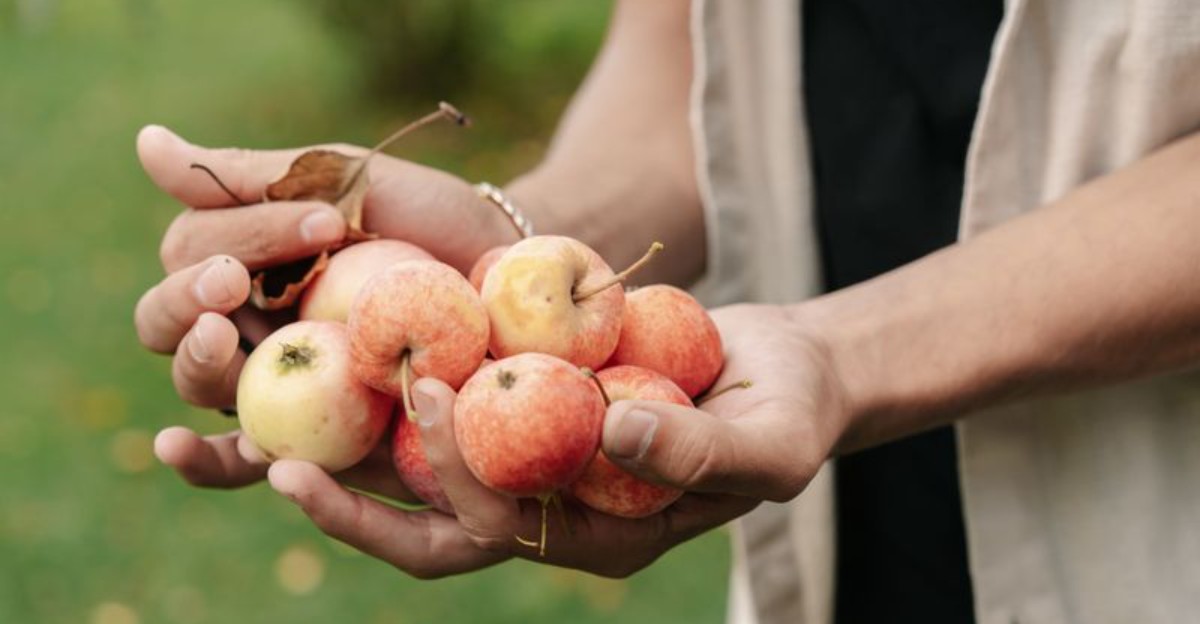
Nothing beats the snap of a cold, crisp apple picked on a frosty October morning. By now, most people have packed away their baskets and moved on to pumpkins.
Yet the trees in your yard might still be holding a sweet secret. Across New York, late apples can be the best of the season, packed with sugar, crunch, and serious staying power.
The catch is that these final fruits face dry spells, hungry critters, and surprise freezes. Heavy branches can also bend or snap under the load.
A little know-how turns those risks into a tastier harvest. The steps below help you bring in more of your crop and keep it fresh longer.
Water Deeply During Dry Fall Spells
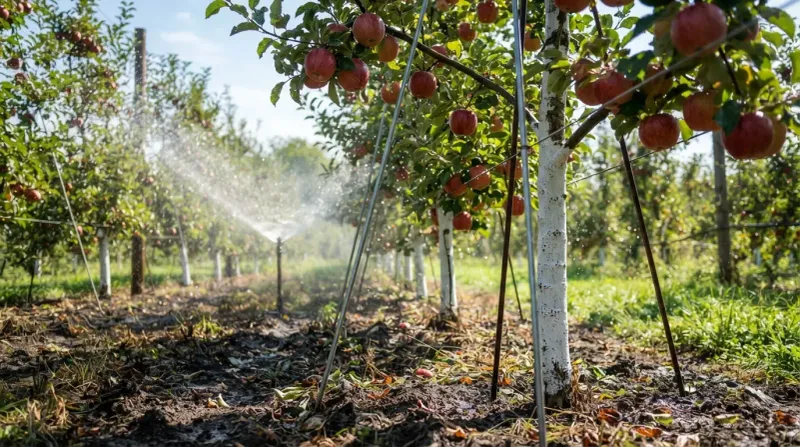
Picture a crisp October afternoon with apples glowing on the branch and dusty soil underfoot. Late fruit still needs steady moisture to swell, sweeten, and stay firm.
Fall dry spells sneak up on New York growers more often than people expect. A few rainless weeks can leave apples small, soft, or quick to drop early.
Roots do most of their drinking in the top two feet of soil. Light sprinkles only wet the surface, so aim for slow, deep soaking instead.
A soaker hose or a gently trickling garden hose works wonders here. Lay it in a ring near the drip line, where the outer branches end.
Mature trees usually appreciate about an inch of water each week. Let the hose run for an hour or two, then check how far moisture reached.
Grab a garden trowel and dig a small hole about eight inches deep. If the soil feels dry and crumbly there, your tree is thirsty.
A layer of wood chip mulch helps hold that moisture in place. Keep it a few inches from the trunk so the bark stays dry and healthy.
Morning watering gives leaves and soil time to settle before chilly nights arrive. Well-watered trees also head into winter stronger, which pays off next spring too.
Young trees planted in the last few years need extra attention during dry weeks. Their shallow roots cannot reach deep moisture the way older trees can.
Stop regular watering once the ground starts to freeze in late fall. Until then, a deep drink every week keeps those final apples juicy and crisp.
Prop Up Branches Heavy With Fruit
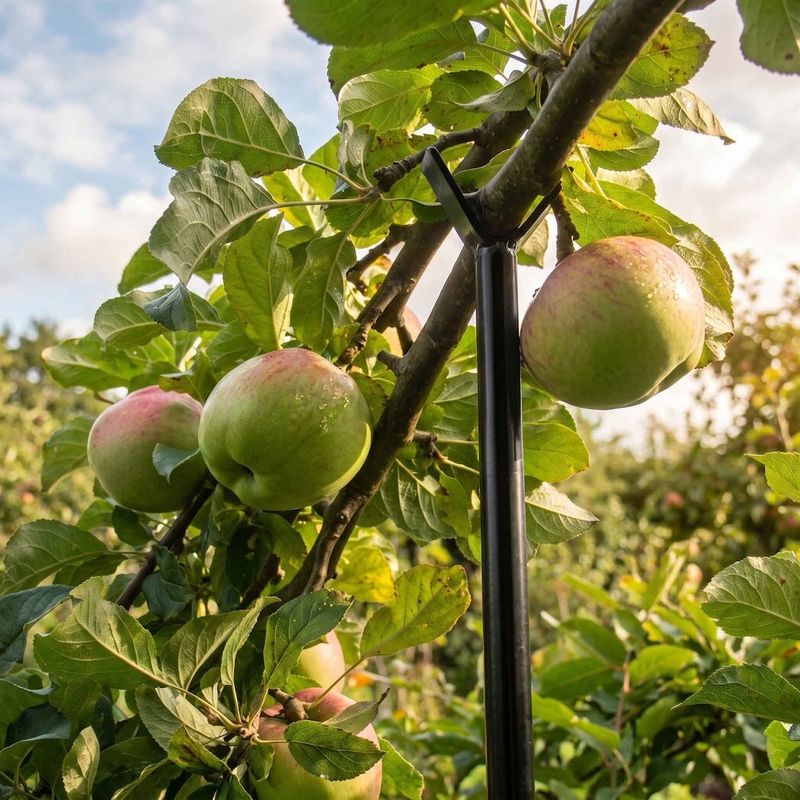
Crack! Few sounds hurt a gardener more than a loaded limb snapping under its own sweet weight.
Late apples keep gaining size right up until harvest, so branches feel extra strain in fall. A bumper crop can bend limbs low enough to split them at the trunk.
Thinning in early summer is the best defense, leaving about one apple every six inches. If you skipped that step, props are your next smart move.
Old-time orchard keepers loved ash branches with a natural Y-shaped fork at the top. The fork cradles the limb nicely without sliding off in the wind.
Metal T-posts or sturdy two-by-fours also do the job well. Pad the top with an old towel or bit of rubber hose to protect the bark.
Your New York Garden Changes Every Week. Your Plan Should Too.
Gardening in New York changes quickly throughout the season. Every Friday you’ll receive a simple weekly plan showing exactly what to plant, prune, fertilize, harvest, and protect so you never miss the right timing.
Slide the prop under the sagging branch and lift gently until the limb sits level again. Push the base firmly into the soil so it fits snugly.
A long screw can lock a wooden prop into place if it wobbles. Give it a firm shake afterward to make sure it holds steady.
Watch for branches that meet the trunk at a narrow, tight angle. Those joints are naturally weaker and need support first when fruit piles on.
Tying limbs back toward the trunk with soft cloth strips is another handy trick. Check props and ties weekly, since fruit keeps growing heavier each day.
Remove all supports after picking so the tree can move freely through winter storms.
Let Late Varieties Hang Until They’re Truly Ripe
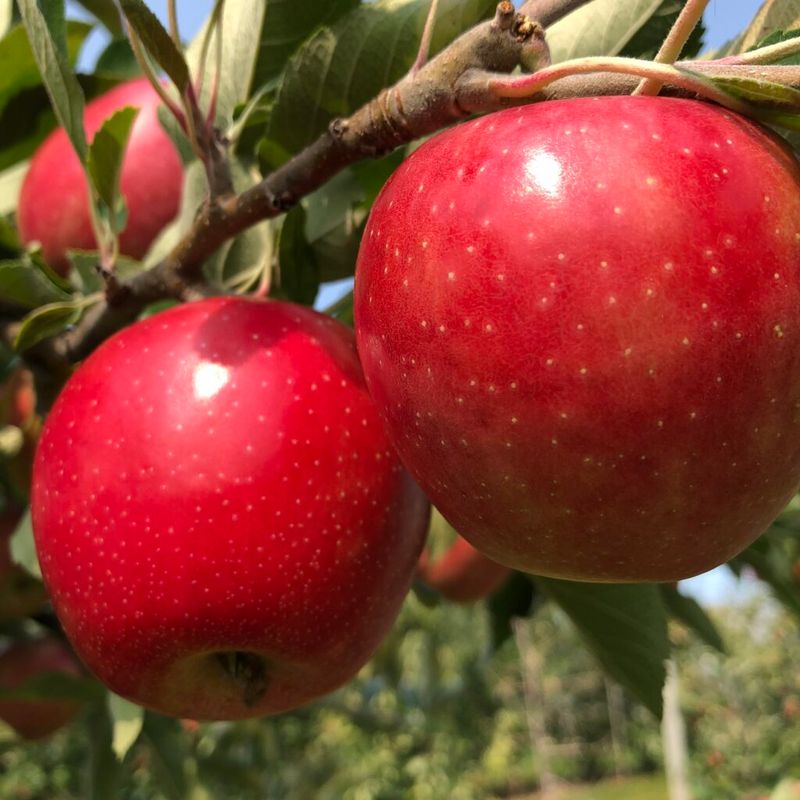
Patience tastes sweet, especially when it comes to late apples. Picking too soon is one of the most common mistakes backyard growers make.
Varieties like Braeburn, Northern Spy, and Mutsu often ripen in October across New York. Fuji, GoldRush, Pink Lady, Rome, and Granny Smith can hang even longer in mild years.
Here is a fun bit of history for you. Northern Spy was first grown near Rochester in the early 1800s and remains a local favorite.
Late varieties build up high levels of sugar and acid during those cool autumn days. Chilly nights and sunny afternoons help deepen both flavor and color.
Pulling fruit off early cuts that process short, leaving apples starchy and bland. Underripe apples also store poorly, even in a cold fridge.
A gentle test tells you plenty about readiness. Cup an apple in your palm, lift it upward, and give a slight twist.
Ripe fruit lets go easily with the stem still attached. If you need to tug hard, give that apple another week or so.
Sunny sides of the tree often ripen before shady spots. Keep checking fruit in different areas instead of judging the whole tree by one apple.
Look up your variety’s typical harvest window and mark it on a calendar. Weather can shift ripening by a week or two, so use it as a guide.
Waiting that extra stretch rewards you with crunchier, sweeter fruit that lasts for months.
Check Seed Color And Taste Before Picking
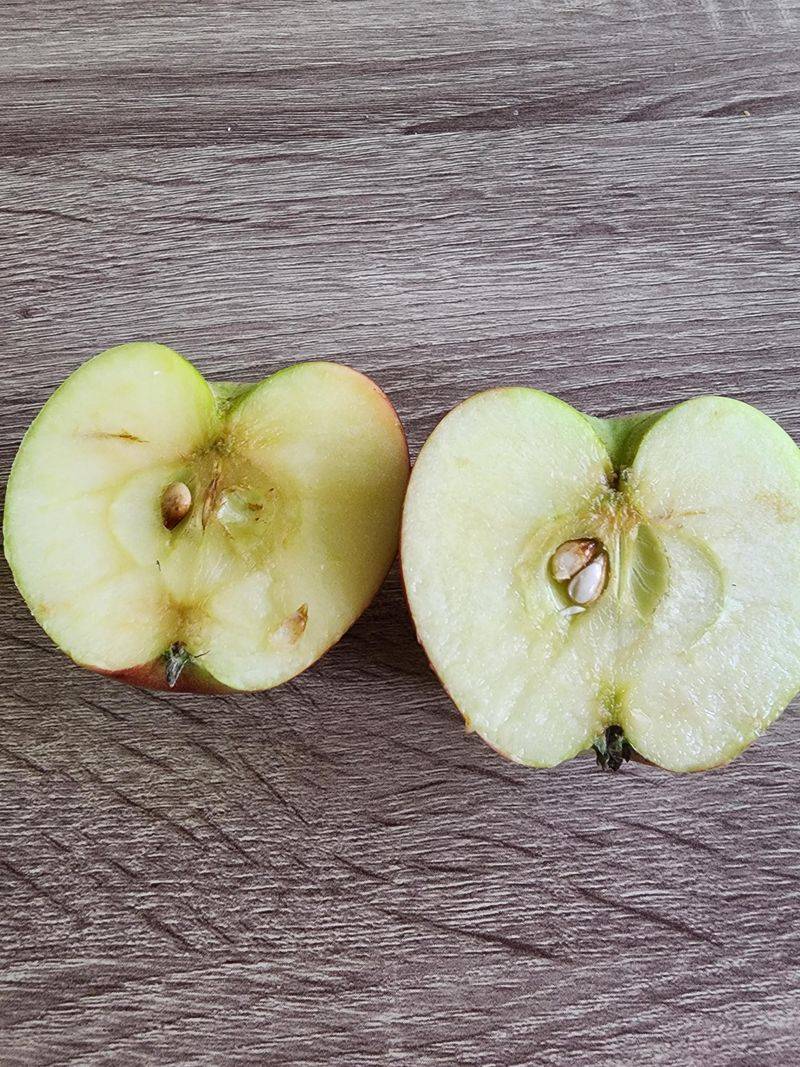
Want to play apple detective? All you need is a knife, a cutting board, and a curious appetite.
Slice one test apple in half from top to bottom. Peek at the seeds tucked inside the core.
White or pale seeds mean the fruit still needs time on the branch. As apples mature, those seeds shift to a rich, dark brown.
Next, look closely at the flesh around the core. Ripe fruit changes from a greenish tint to a creamy white color.
Skin gives clues too, though not on the red side. Check the ground color near the stem, which turns from green to pale yellow or cream.
Of course, your taste buds are the best judges of all. Take a bite and notice whether it tastes starchy, sour, or pleasantly sweet.
Sweet, juicy fruit with a good crunch is ready to go. A chalky, mouth-puckering bite means waiting a few more days.
Planning to store apples for winter changes the rules slightly. Fruit meant for long storage keeps best when picked just before fully dark seeds appear.
McIntosh is a good example, since very dark seeds may signal it is past prime storage stage. Eat those right away and pick the rest a bit sooner.
Curious gardeners can try a refractometer, a small tool that measures sugar levels. Higher readings mean sweeter fruit and a pretty fun science project for kids.
Pick In Stages As Each Side Of The Tree Ripens
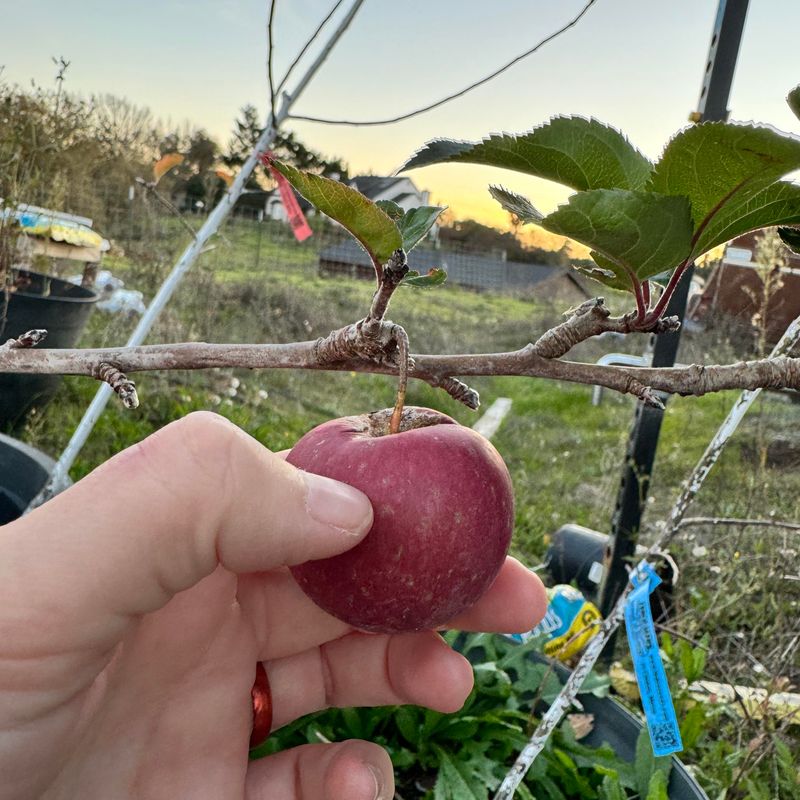
Think of your apple tree like a neighborhood where every house wakes up at a different time. Not every apple ripens on the same schedule.
Fruit near the top and on the sunny south side usually matures first. Shaded apples tucked inside the canopy often lag behind by a week or more.
Stripping the whole tree in one afternoon sounds efficient, but it costs you flavor. Half the apples end up underripe, while others may already be too soft.
A better plan is picking in rounds every few days. Grab only the fruit that passes the twist test and leave the rest hanging.
Start with the sunny outer branches, then work your way inward and downward over time. Your harvest could stretch across several pleasant weeks instead of one frantic weekend.
Growers with several varieties can extend the season even further. Mixing early, mid, and late types may keep fresh apples coming for months.
Bring a soft canvas picking bag or a bucket lined with a towel. Set each apple down gently, since bruises lead to faster spoilage later.
Keep a simple notebook of which branches ripened and when. Next year you will know exactly where to look first.
Kids love this job because each trip feels like a treasure hunt. Hand them a small basket and let them scout the lower limbs.
Picking this way means every apple gets its best shot at peak taste.
Guard Trees Against Deer And Squirrels
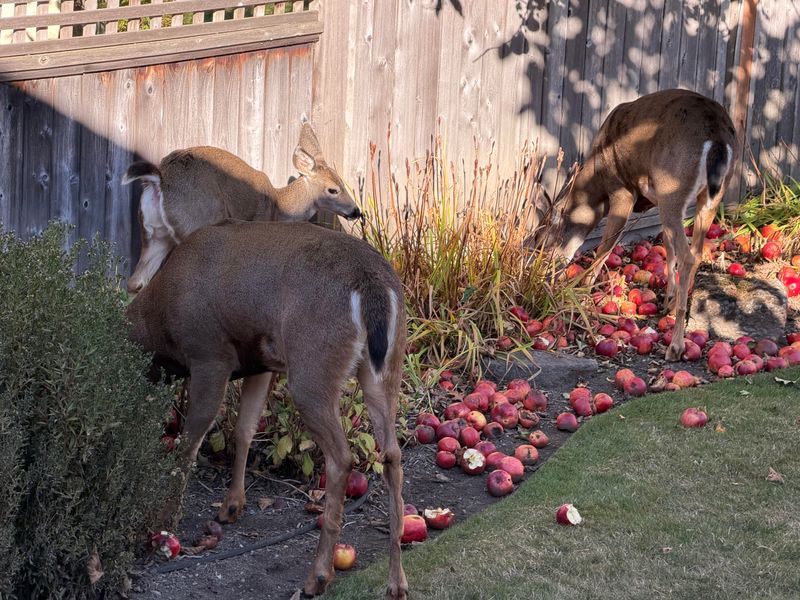
Deer have excellent taste in apples, and squirrels are not far behind. Your late harvest looks like a free buffet to every hungry neighbor with fur.
Fall is feeding season for wildlife getting ready for cold weather. White-tailed deer roam much of the state and will happily munch low fruit and tender twigs.
Fencing is the most reliable fix for deer trouble. A barrier around eight feet tall keeps most jumpers out of a small orchard.
Budget a bit tighter? Wire cages around individual trees work well for young or dwarf varieties.
Repellent sprays with strong scents can discourage nibbling for a while. Reapply after rain, and switch products now and then so animals do not get used to one smell.
Squirrels are sneakier climbers who often grab fruit high in the canopy. A slick metal baffle wrapped around the trunk can stop them from scrambling up.
Trim branches that hang near fences, roofs, or other trees. Squirrels use those spots like bridges to reach your apples.
Motion-activated sprinklers offer a surprising splash that startles both deer and squirrels. Many gardeners find them fun to watch in action.
Picking ripe fruit promptly also helps quite a bit. Fewer apples left dangling means fewer reasons for critters to visit.
Combine two or three methods for the best results. Wildlife learns quickly, so a mix keeps them guessing and your apples safe.
Clear Away Dropped Fruit To Cut Pest Problems
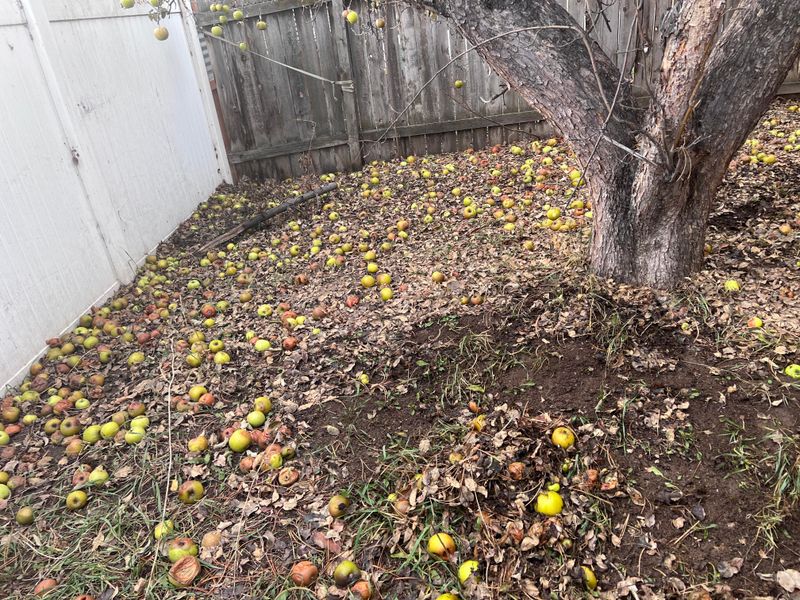
Those mushy apples scattered in the grass might look harmless. In truth, they are rolling out the welcome mat for pests and disease.
Rotting fruit gives fungal problems like apple scab a cozy place to spread. Leaving drops on the ground also attracts wasps, flies, and other unwanted guests.
Apple maggot larvae deserve special mention here. They tunnel inside fruit, causing brown trails and rot before crawling into the soil for winter.
Gathering fallen apples every day breaks that cycle nicely. Fewer maggots overwintering means cleaner fruit next summer.
Here’s a sneaky science fact. Bruised apples give off ethylene gas, which speeds up ripening and decay in nearby fruit.
Grab a bucket on your morning walk and scoop up anything on the ground. A grabber tool or rolling fruit picker saves your back on bigger trees.
Check the branches too, since rotten apples sometimes cling to limbs. Pull those off right away to prevent summer rot and other troubles from spreading.
Resist tossing drops into a compost pile near the orchard. Pests and spores can hitch a ride right back to your trees.
Bag them for trash pickup or bury them far from the growing area. Some gardeners share clean drops with local farmers who raise pigs.
Aim to leave zero fruit on the ground by season’s end. A tidy orchard floor helps stop disease from carrying over into next year.
Watch The Forecast For Hard Freezes
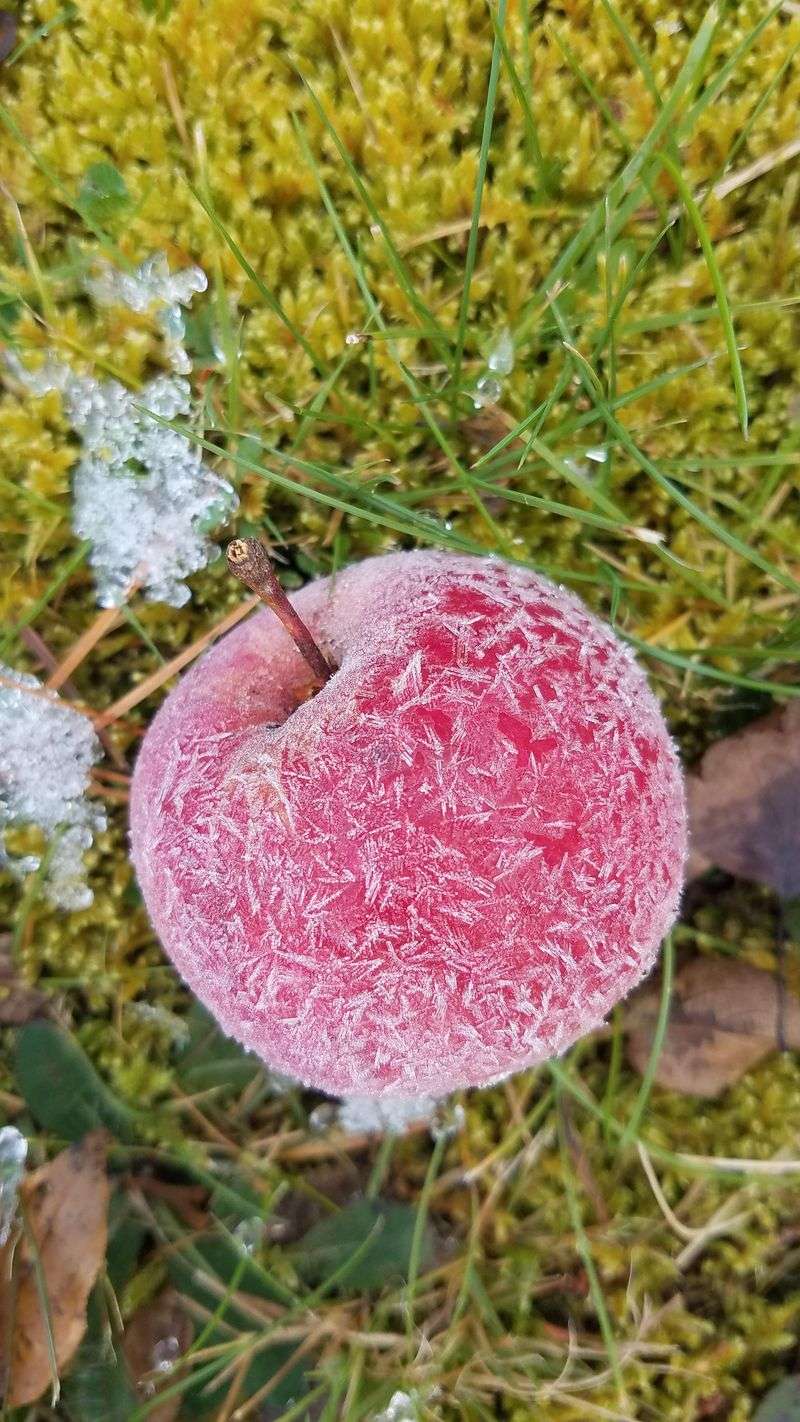
Late autumn weather in New York can flip from sunny to frigid overnight. Keeping one eye on the forecast protects all your hard work.
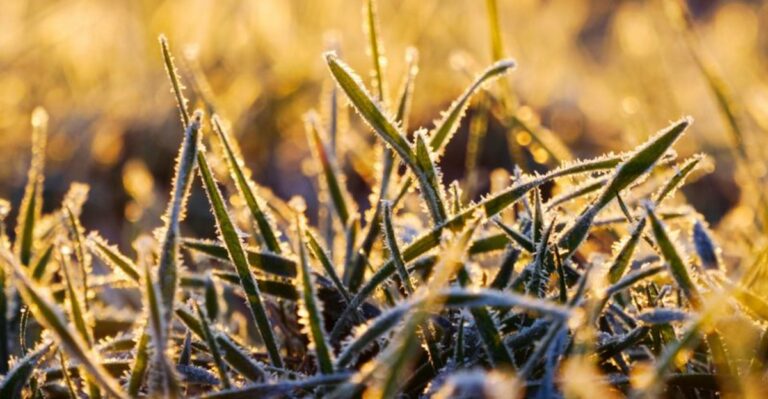
Good news first. A light frost between 28 and 32 degrees Fahrenheit rarely harms apples still on the tree.
Trouble starts when temperatures dip lower. Apples begin to freeze around 28 degrees, and several nights at that level can cause some fruit to drop.
A hard freeze hits near 24 degrees or below, even for one night. That kind of cold often triggers heavy fruit drop and soft, damaged flesh.
Check a reliable weather app daily once October arrives. If a hard freeze is coming, pick your ripest apples the day before.
Surprised by frozen fruit already? Leave it hanging until it thaws on the branch, since picking frozen apples causes nasty bruises.
Apples on the tree often recover better than ones already picked. Many bounce back if the freeze was short and mild.
Frost-touched fruit may look glossy, wrinkled, or purplish on the red side. Use those apples quickly for pies, sauce, or cider.
Skip long-term storage for any fruit that froze. It tends to ripen fast and spoil sooner than untouched apples.
A simple outdoor thermometer near your trees adds peace of mind. Backyard temperatures can run a few degrees colder than the official forecast.
Skip Nitrogen, Which Hurts Color And Winter Hardiness
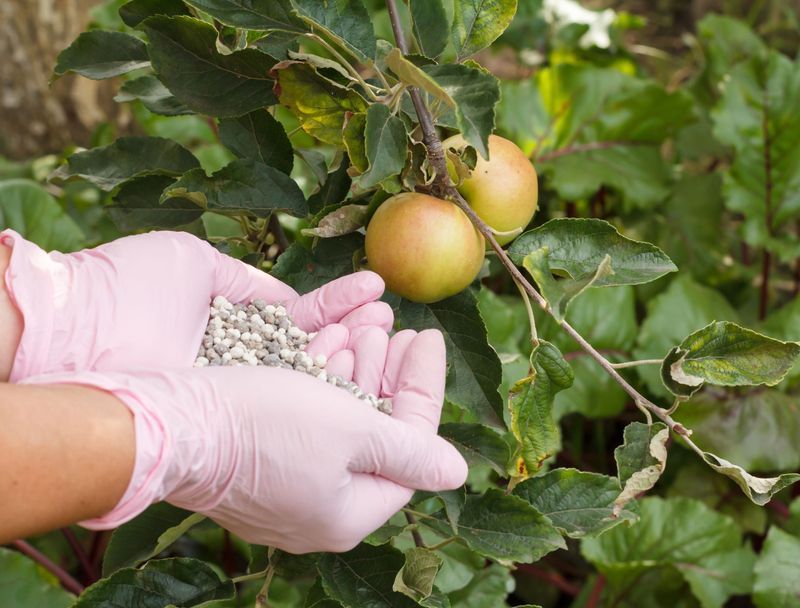
Feeding your tree in fall might feel kind, but nitrogen can backfire badly. Sometimes the best help is simply holding back.
Nitrogen pushes leafy green growth, which is great in spring. Late in the season, it creates thick foliage that shades fruit and blocks that lovely red blush.
Red varieties especially suffer from too much nitrogen. Apples may stay pale, ripen later, and taste less vibrant.
Firmness takes a hit as well. Softer fruit bruises easily and breaks down faster in storage.
Extra nitrogen is linked to storage rot and a problem called bitter pit. Bitter pit leaves small brown spots under the skin that taste unpleasant.
Winter hardiness matters a lot in New York, where January can get brutally cold. Late fertilizer sparks tender new shoots that lack time to toughen before a freeze.
Young trees are most at risk from this late growth. Freeze injury can set them back for a season or longer.
Too much nitrogen can also make trees more prone to fire blight. That bacterial disease scorches branches and spreads quickly.
Time any feeding for early spring, when trees need nutrients most. Let natural levels taper off as summer turns to fall.
Unsure what your soil needs? A simple soil test from your local extension office gives clear answers for a small fee.
Store Picked Apples Cold To Stretch The Harvest
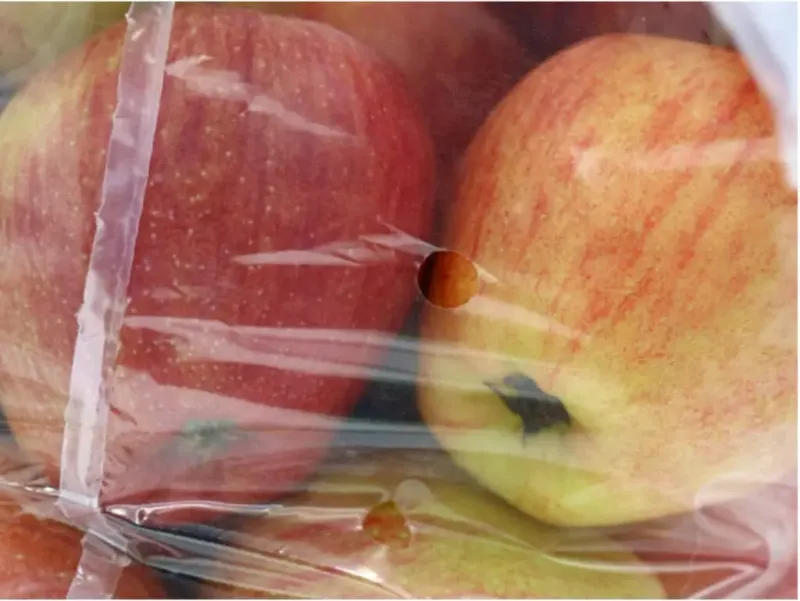
Imagine biting into a crunchy homegrown apple in February. With smart cold storage, that winter treat is well within reach.
Apples soften about twice as fast at room temperature as in the fridge. Chill them within a day or two of picking to lock in freshness.
Aim for temperatures between 30 and 35 degrees Fahrenheit with high humidity. Going below 30 degrees risks mushy, damaged fruit.
Your refrigerator crisper drawer offers ideal moisture for small batches. Plastic bags with a few small holes also hold humidity while letting air flow.
Many New York families use a cool basement, garage, or root cellar for bigger harvests. Just watch for freezing temperatures on bitter winter nights.
Keep apples away from bananas, avocados, and onions. Those foods release ethylene gas or strong odors that speed spoilage.
Sort your fruit before storing and pull out anything bruised. One damaged apple can hurry along the ones around it.
Hold off on washing until you are ready to eat. Leaving stems attached helps apples last longer too.
Wrapping each apple in newspaper can stretch freshness further. Still, check your stash weekly and remove any fruit going soft.
Choose strong keepers like Fuji, Mutsu, Northern Spy, Granny Smith, and Braeburn for long storage. Late varieties can stay crisp for several months, keeping your harvest going strong.