Georgia Homeowners Fighting Kudzu Should Tackle It Before Fall Frost
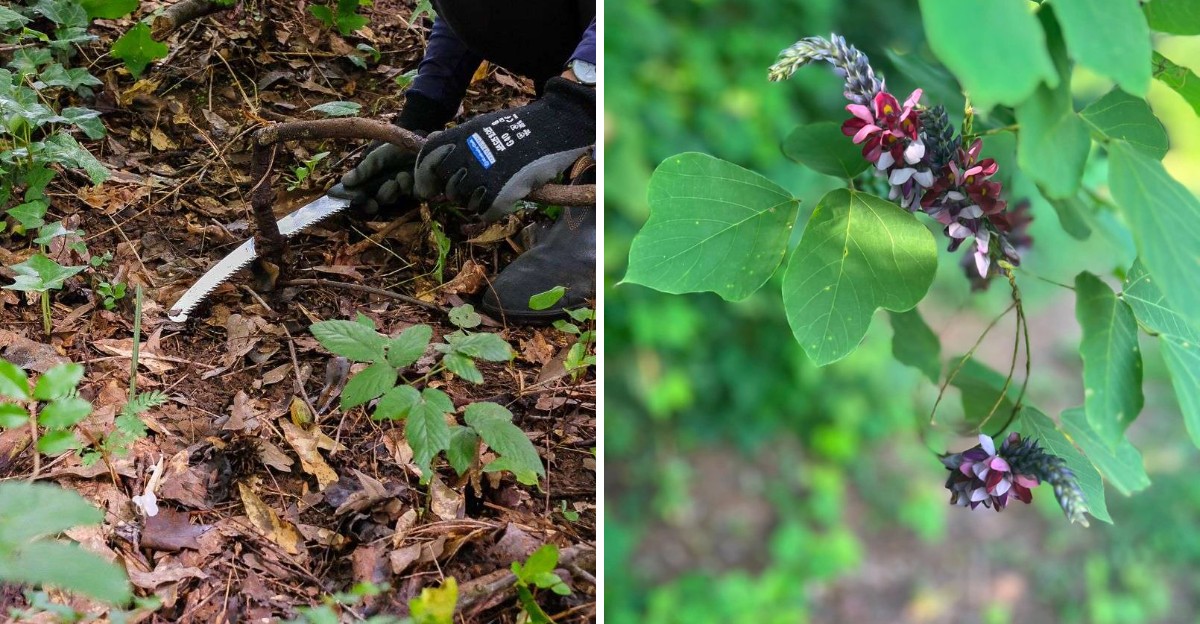
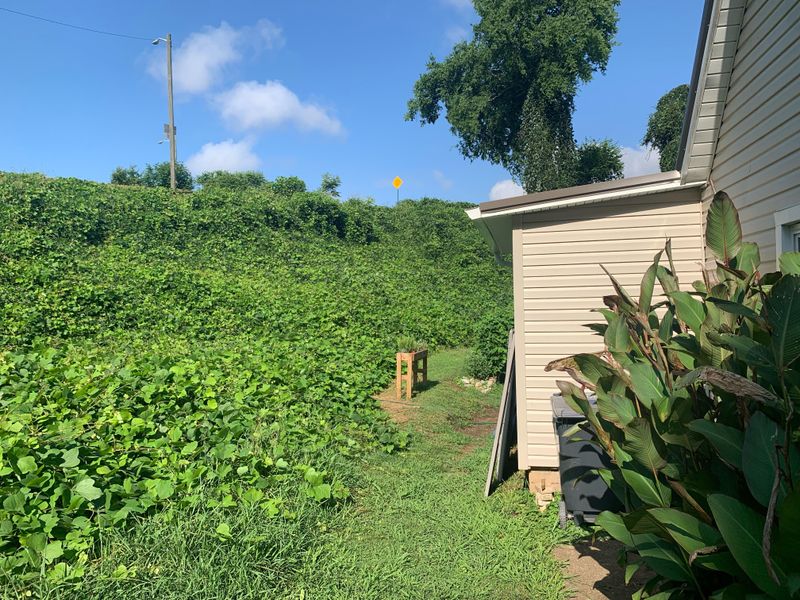
Kudzu creeping over a back fence can look harmless in late summer, like another patch of green at the yard’s edge. Give it time, though, and it can smother shrubs and small trees.
That fast growth is why so many homeowners feel like they are always one step behind.
Your timing matters as much as the tool or product you use. Right now, the vine is shifting energy into its roots ahead of cold weather.
Once frost hits and the leaves wither, that window closes until the plant wakes up in spring.
Waiting until then usually means facing another full season of regrowth along that fence.
If a patch is creeping into your Georgia yard, take a hard look at it this week while the leaves are still green.
1. Still-Green Leaves Are The Route Into Kudzu’s Root System
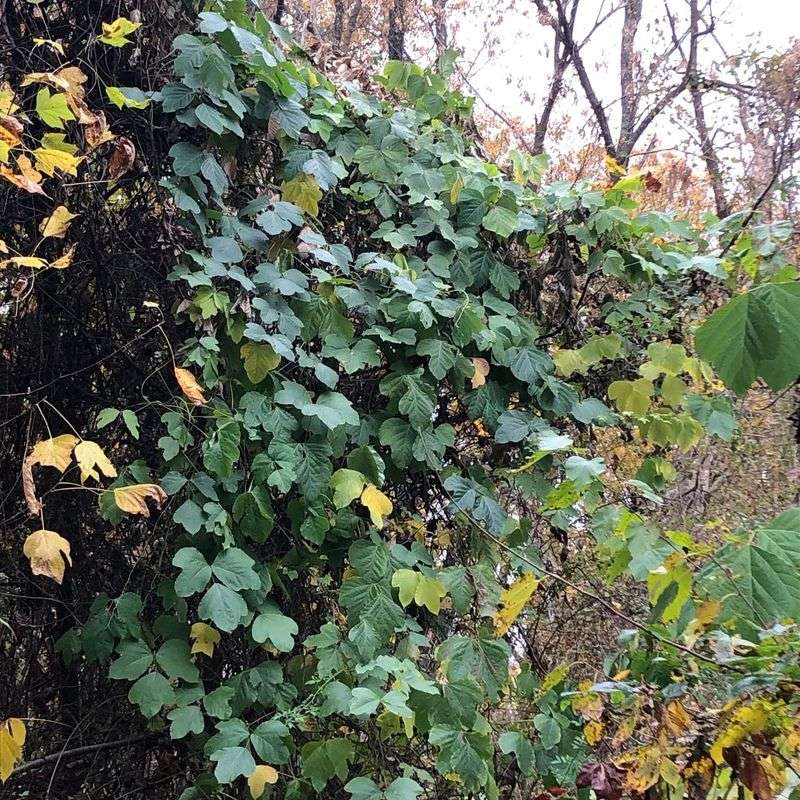
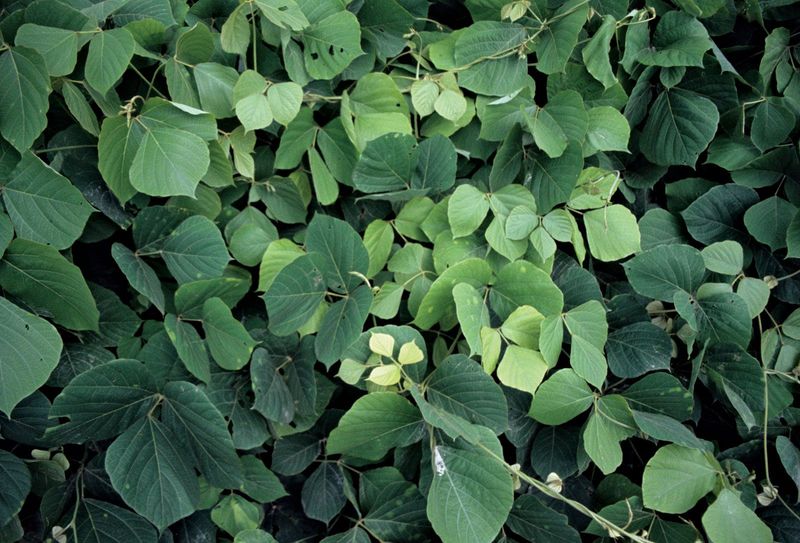
Those big, three-part kudzu leaves do more than shade out everything underneath them. They are also the easiest way to reach the part of the plant that keeps coming back year after year.
Kudzu’s real strength sits underground in thick, starchy roots that can weigh hundreds of pounds over time.
Cutting the vines alone rarely solves the problem for long. The roots simply push out new growth, and the patch looks just as full by the next summer.
Healthy green leaves change that picture. When a treatment lands on living foliage, the plant can pull it inside and carry it through the stems toward the roots.
That only works while the leaves are still actively making food for the plant. Wilted, damaged, or dying leaves move very little, so the product never gets where it needs to go.
This is why late summer and early fall matter so much for anyone fighting kudzu in Georgia. Before treating, take a close look at the patch.
Leaves that are full, green, and not stressed by drought are the best target. They give any treatment its strongest shot at reaching deep into the roots before the season runs out.
2. Fall Sends More Of The Plant’s Energy Toward Its Roots
As days get shorter and nights turn cooler, kudzu starts getting ready for winter. Instead of pouring everything into new vines, it begins storing energy below ground.
Sugars made in the leaves travel down into the roots, where they stay safe underground until spring returns.
That shift is a smart survival plan for the plant. Those stored reserves are what let kudzu explode with fresh growth as soon as the weather warms up again.
It also happens to be its weak spot. Because so much is already flowing downward, anything the leaves absorb tends to ride along with that steady movement toward the roots.
In summer, the plant is busy sending energy outward to new leaf tips and spreading runners.
Treatments applied then can still help, but more of the product may stay in the vines instead of reaching the roots. By early fall, the flow runs the other way, which gives homeowners better odds of real damage underground.
Your Georgia Garden Changes Every Week. Your Plan Should Too.
Gardening in Georgia changes quickly throughout the season. Every Friday you’ll receive a simple weekly plan showing exactly what to plant, prune, fertilize, harvest, and protect so you never miss the right timing.
Across much of Georgia, this window usually opens in September and lasts until the first hard frost.
Planning ahead for those weeks can make a single treatment count for a lot more than one made in spring.
3. Systemic Herbicides Can Move Down Into Those Storage Roots
Not every herbicide works the same way. Contact products affect only the leaves they touch, while systemic herbicides are absorbed and move through the whole plant.
For a plant like kudzu, that difference matters a great deal.
Burning off the top growth might make a patch look better for a few weeks. The roots stay alive, though, and they send up fresh vines before the season is over.
Systemic products follow the same path as the plant’s food. Once they soak into the leaves, they move through the stems and down into the storage roots that keep kudzu going.
Products containing glyphosate or triclopyr are common choices for homeowners, and many extension offices offer guidance on what works best for different spots.
Always read the full label before mixing or spraying anything. It will list the right amount, the best timing, and which nearby plants could be harmed.
Kudzu often climbs into shrubs and trees, so be careful where the spray lands. A light, even coat on the leaves works better than soaking them until they drip.
In Georgia, county extension agents can also help match a product to your situation and keep you within local rules.
4. Frost-Browned Leaves Can No Longer Absorb A Treatment
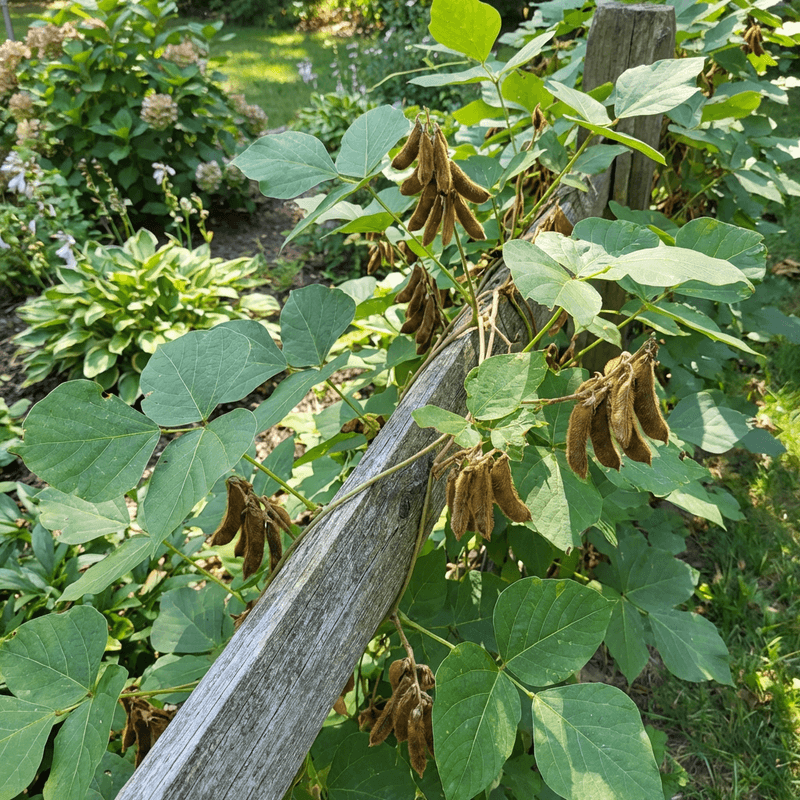
The first hard frost changes everything for a kudzu patch. Almost overnight, the lush green wall turns brown, limp, and crispy.
Those withered leaves might still hang on the vines for a while, but they no longer work.
A leaf has to stay healthy enough to take in a treatment and move it toward the roots. Once frost damages the tissue, anything sprayed on it just sits on the surface and does almost nothing.
That’s why waiting too long can waste both time and money. Spraying a brown patch in late fall may feel productive, yet the roots stay untouched and ready for spring.
Frost dates vary from one part of Georgia to another, with mountain areas usually getting cold weather weeks before the coast.
Checking the average first frost date for your county can help you plan the right timing. Treating while the leaves are still green and actively growing gives the product a chance to move through the plant.
Keep an eye on the forecast as fall moves along and nights get colder.
An early cold snap can close the window sooner than expected, so it pays to act while the leaves are still green and healthy.
5. Cutting Below The Root Crown Can Work Without Chemicals
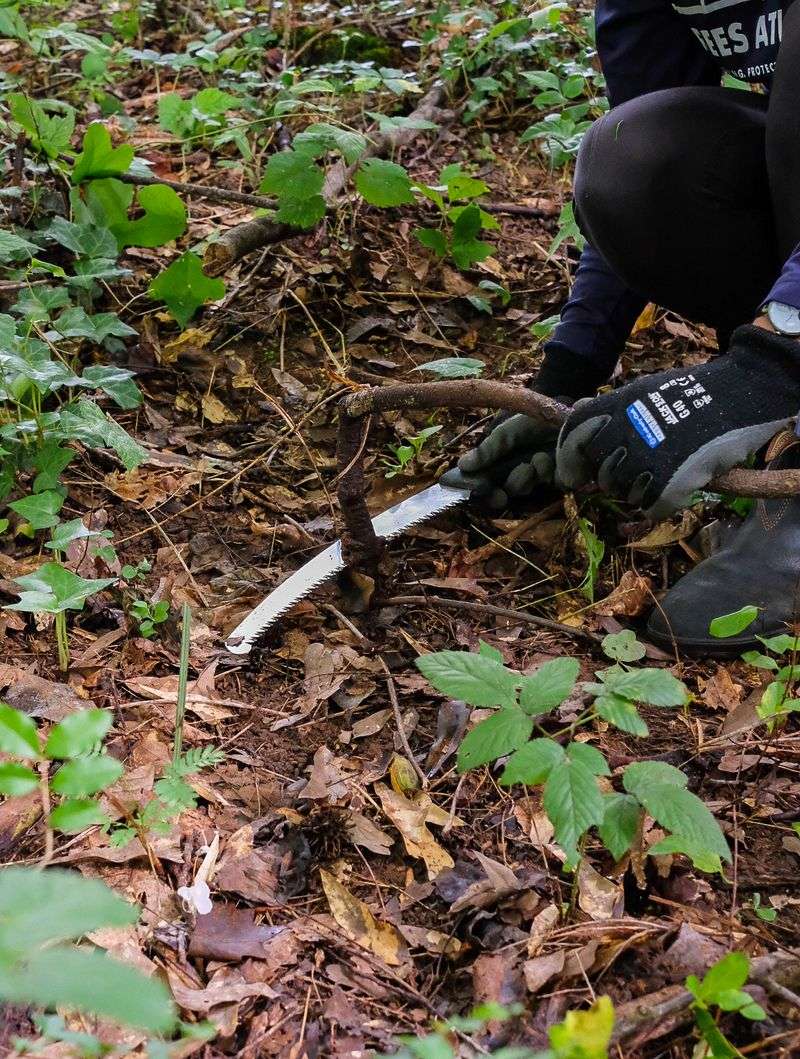
Not everyone wants to use herbicides around their home. The good news is that kudzu has a weak spot you can reach with simple hand tools.
That spot is the root crown, a knobby lump at or just below the soil where vines and roots meet.
Every crown is a growing point. If you remove it, the roots attached to it usually can’t send up new vines, even though they stay in the ground.
To find a crown, follow a vine back to where it enters the soil. Clear away the leaves and loose dirt, then cut just below the crown with a sharp shovel, mattock, or pruning saw.
Pull the crown out and leave it somewhere dry where it won’t touch the soil again.
This method takes patience, since a large patch can hide dozens or even hundreds of crowns. It works best on smaller areas, like a stretch of fence line or the edge of a garden bed.
Many Georgia homeowners find late fall and winter easier for this job, once the leaves drop and the crowns are easier to see.
Mark each spot as you go so you can check it again next summer.
6. Runners Can Root Where Nodes Touch The Ground
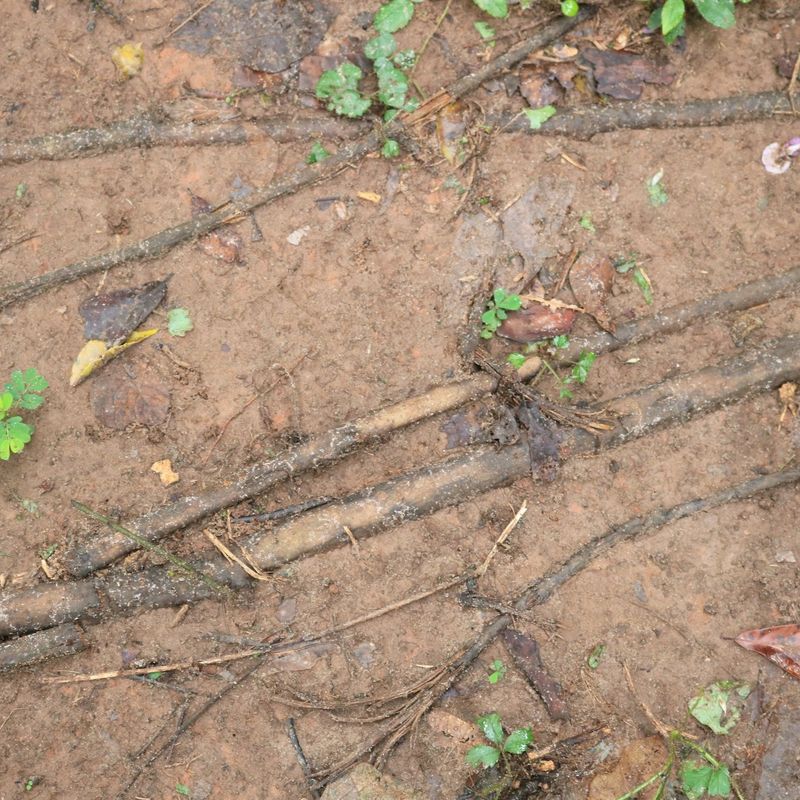
Kudzu doesn’t just climb up fences and trees. It also spreads across the ground in long runners that can stretch many feet in a single season.
Along those runners are small joints called nodes, where leaves and new stems grow.
When a node rests on bare soil for long enough, it can send roots down and start a brand new crown. That new plant can survive on its own, even if the original vine gets cut.
This is how one patch quietly turns into several. A vine creeping across a lawn, flower bed, or wooded edge may be planting itself every few feet along the way.
Regular mowing helps keep that from happening in open, sunny areas.
Cutting runners often stops them from settling in long enough to take root. Lifting vines off the ground and coiling them back toward the main patch can also slow the spread along borders.
Check the outer edges of any patch closely, since that’s where new crowns tend to show up first. They often look like small knots of stems rising from the soil.
Plenty of homeowners in Georgia are surprised by how far these runners travel before anyone notices them.
7. Patches Typically Need Follow-Up Over Several Seasons
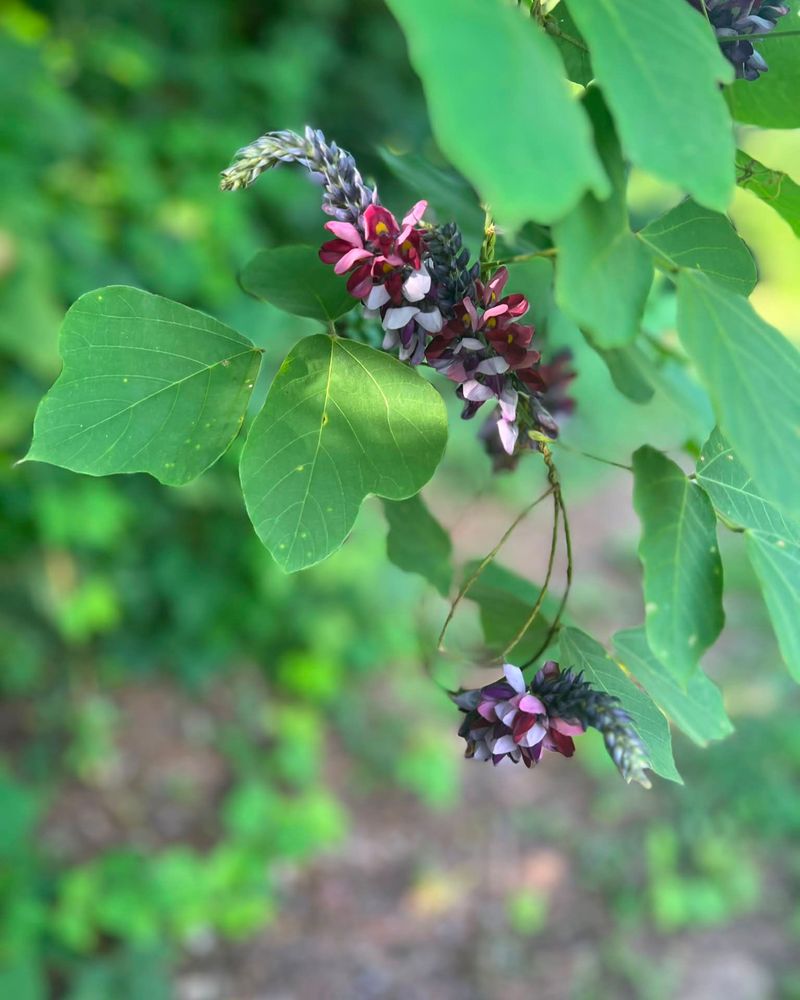
Even the best fall treatment rarely wipes out kudzu in one round. Older patches can have huge root systems that store enough energy to survive a single setback.
Expect some new growth to show up the following spring or summer.
That doesn’t mean the first effort was a failure. Each treatment or crown removal weakens the plant, and the regrowth that comes back is usually thinner and slower than before.
Watching the patch through the growing season helps you catch those new vines early. Small shoots are much easier to handle than another full wall of leaves later in the year.
Many experts suggest planning for at least three to five years of follow-up on an established patch.
Very old infestations can take even longer, especially if the roots have had decades to grow. Keeping notes or taking photos each year can show progress that’s easy to miss day to day.
Once the kudzu thins out, planting grass or native shrubs in the bare spots can help keep it from taking over again.
Staying patient pays off in the end. Plenty of Georgia homeowners have taken back their yards by sticking with it season after season.