Why New York Boxwoods Need Burlap Stakes Set Before November
Every October, New York yards smell like woodsmoke, crunchy maple leaves, and apples cooling on porches. Meanwhile, your favorite green shrubs are quietly bracing for the rough months creeping in behind fall.
Winter here arrives with icy wind that sweeps across open yards. Plows push salty slush to the roadside, and bright sun glares off the snow.
Gardeners across New York often learn that glossy green leaves can turn crispy brown by March. The shrubs look fine in fall, then suddenly resemble toast somebody forgot inside a busy toaster.
A little planning now, while the soil is still soft, makes a noticeable difference by spring. Waiting too long can leave you in mittens, chipping at frozen dirt with a stubborn trowel.
Frozen Soil Makes Late Fall Work A Struggle
Picture yourself in late November, swinging a rubber mallet at a wooden stake that simply refuses to budge. Across much of New York, the top few inches of soil can begin freezing by late November.
Stakes need to sink about twelve inches deep so they stay upright through heavy snow and gusty wind. Soft October ground lets you push or tap them in with very little effort or sore shoulders afterward.
Frozen soil, on the other hand, can crack wooden stakes or bend thin metal ones into odd shapes. Even when they go in, shallow stakes tend to lean once the first wet snowstorm presses against them.
Setting stakes early also protects the roots, because you can see where they spread before snow hides everything. Place each stake about six inches outside the drip line so you avoid poking through thick feeder roots.
Boxwood roots stay fairly shallow and spread wide, so a little distance keeps the stakes clear of them. Upstate gardens near Buffalo or the Adirondacks may freeze even sooner, sometimes by the second week of November.
Long Island and New York City yards usually stay workable longer, but sudden cold snaps still happen there. Marking your calendar for mid October gives you a comfortable cushion no matter where in the state you live.
Think of it like putting on snow tires before the first storm instead of during the slippery drive. Your shoulders, your tools, and your shrubs will all appreciate the head start you gave them this fall.
Winter Burn Starts With Dry Wind
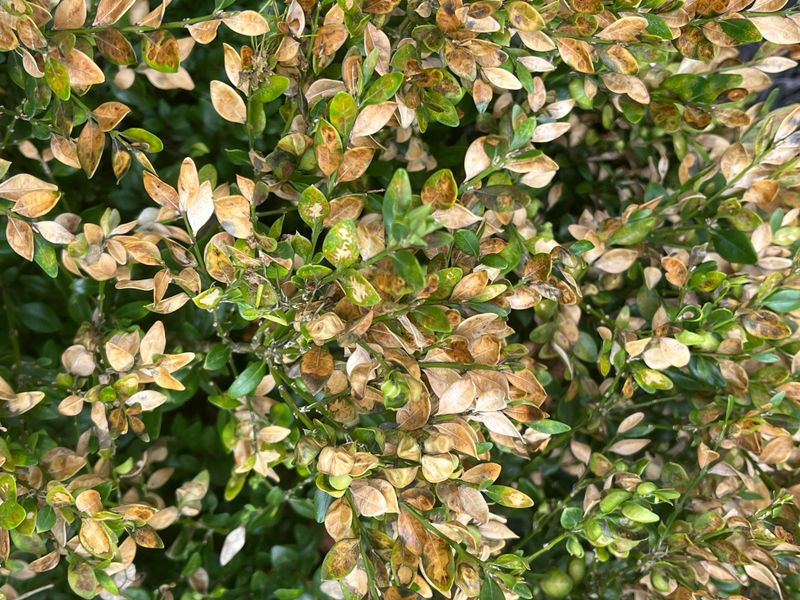
Strange but true, evergreen leaves keep losing water all winter, even while the ground beneath them stays frozen. Roots cannot pull moisture from icy soil, so the shrub slowly dries out from the outside in.
Gardeners call this damage winter burn, and boxwoods in New York are prone to it, especially in exposed spots. The leaves fade from deep green to tan or bronze, usually showing up in late winter or early spring.
Dry northwest winds are among the biggest troublemakers, pulling moisture from leaves faster than the plant can replace it. Bright winter sun bouncing off snow adds extra heat to the leaves, which speeds up the drying even more.
Your New York Garden Changes Every Week. Your Plan Should Too.
Gardening in New York changes quickly throughout the season. Every Friday you’ll receive a simple weekly plan showing exactly what to plant, prune, fertilize, harvest, and protect so you never miss the right timing.
Burlap works like a windbreak, slowing the air down while still letting light and moisture pass through gently. Plastic sheeting may seem tougher, but it traps heat and moisture, which can cause mold or scorched spots.
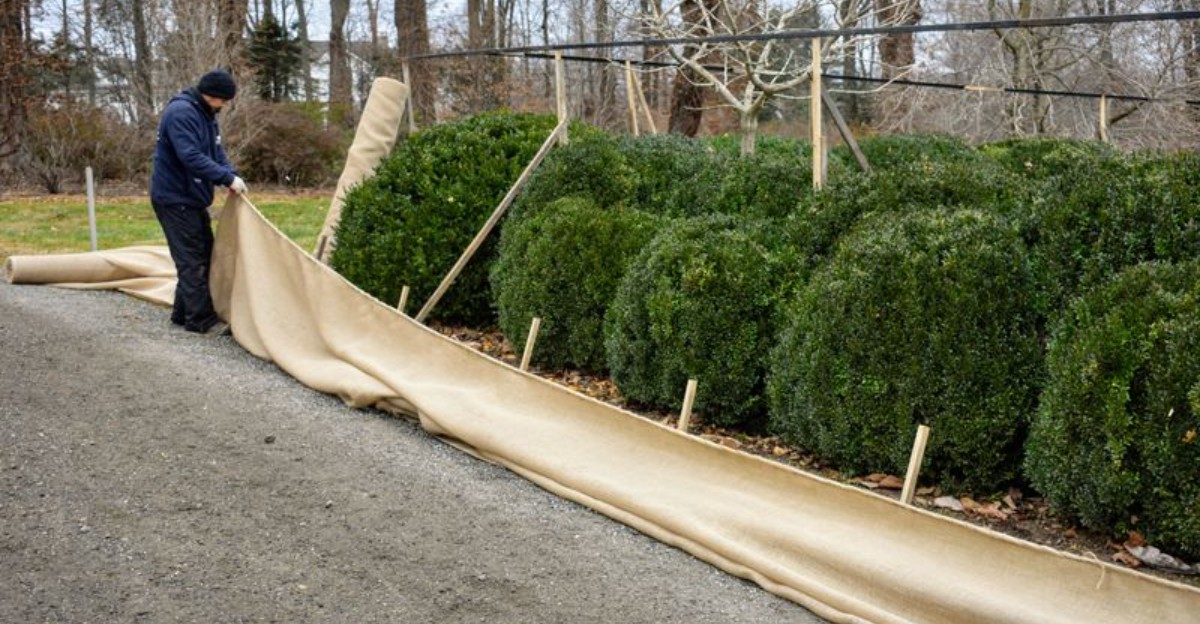
Stakes matter because they hold the fabric a few inches away from the leaves instead of resting on them. Burlap that touches the foliage can rub, freeze to wet leaves, and leave bare patches behind by April.
Shrubs facing south or west, or planted in open, windy spots, usually need protection the most in winter. Plants tucked against a sheltered porch might get by with less, though a quick check still helps.
Watering deeply in October before the ground freezes also gives roots a final drink to store for winter. Pair that soaking with a sturdy wind screen, and your shrubs stand a much better chance of staying green.
The Sweet Spot On The Fall Calendar
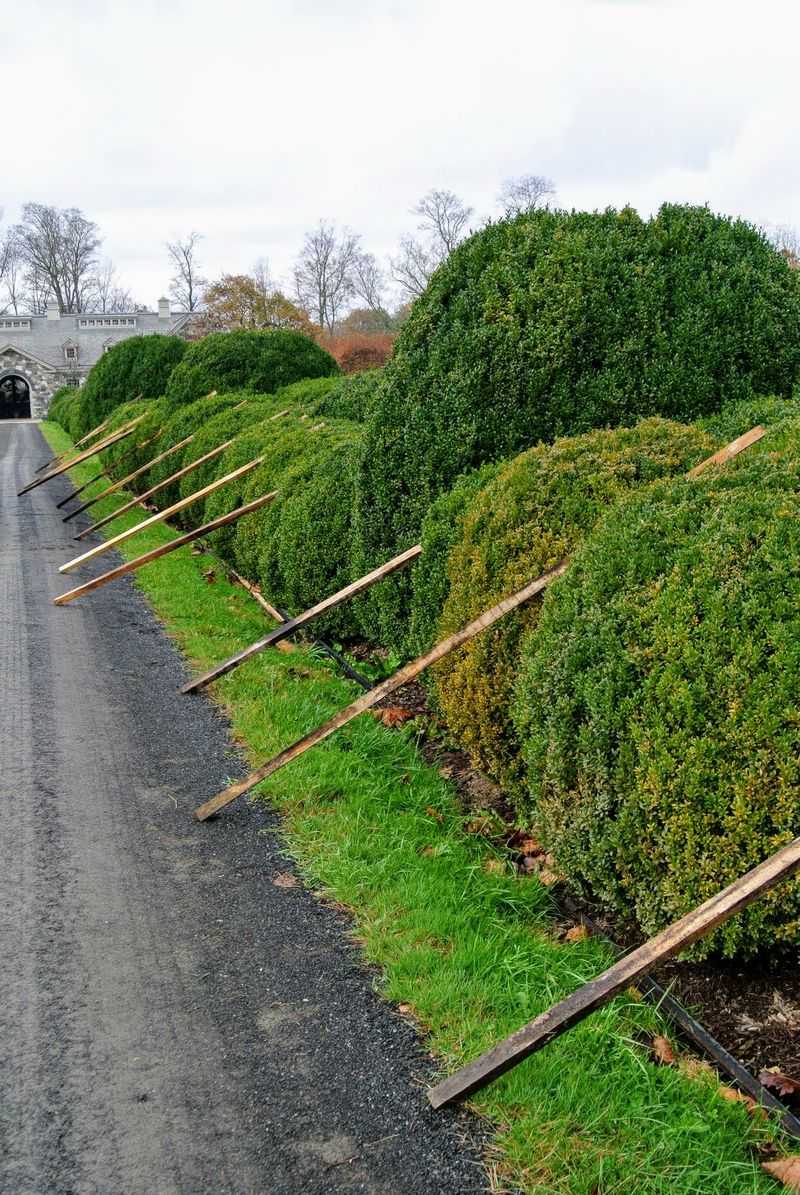
In the Hudson Valley, early October is apple-picking season, which makes it a natural time to start fall yard chores. That timing fits boxwood care nicely, because early to mid October offers the most comfortable working weather.
The soil is still soft, the days are mild, and you can work in a light sweater outdoors. Setting stakes now does not mean wrapping the shrubs right away, which surprises plenty of new gardeners.
Boxwoods still need cool fall air to harden off, so the burlap itself can wait a few weeks. Many New York gardeners add the fabric around Thanksgiving, once nights dip steadily below freezing for several days.
Wrapping too early can trap warmth and invite fungus to settle into the damp leaves. With stakes already in place, stapling burlap later takes minutes instead of turning into a frosty afternoon project.
The stakes act like an empty frame, waiting patiently for the painting to arrive in late November. Your yard may look a little odd for a few weeks, but the setup pays off once the burlap goes on.
October is also a smart time to trim any broken branches and pull fallen leaves from inside the shrub. Clean, airy plants handle winter better, since trapped debris holds moisture that can lead to leaf spots.
Add a two inch layer of shredded bark mulch around the base while you are already out there. One cozy afternoon of work now can save you plenty of cold, fumbling fingers when the snow arrives.
The Tight Wrap Mistake
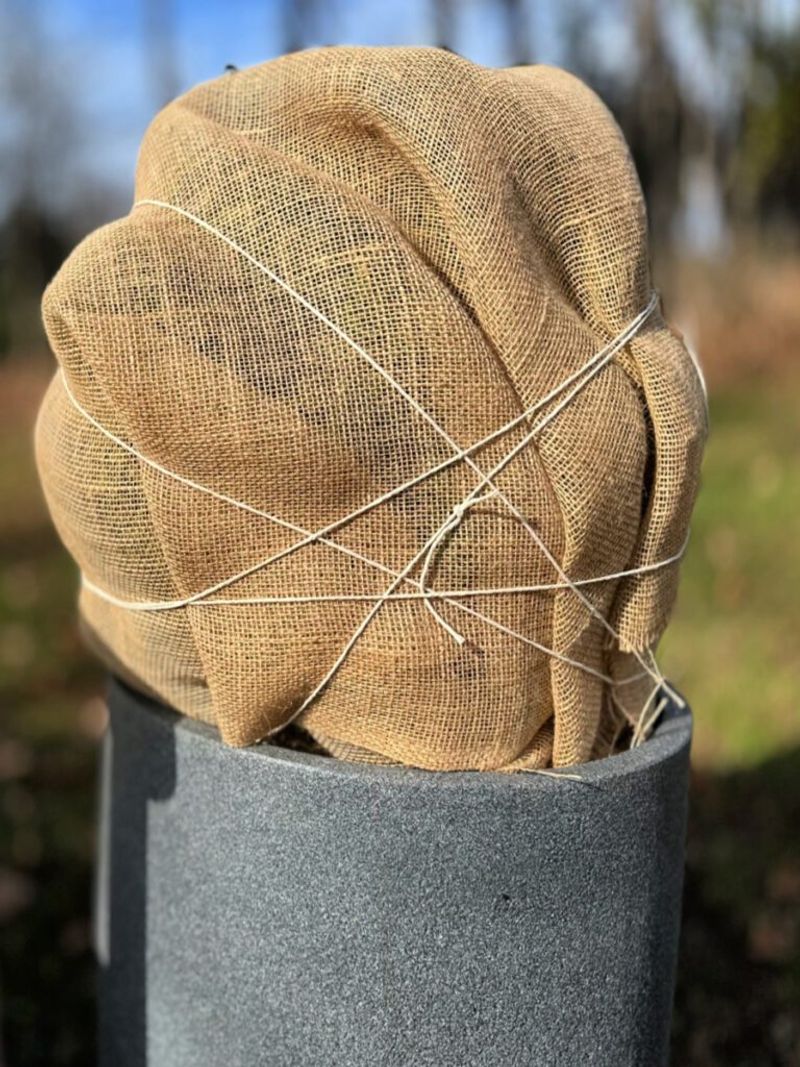
Wrapping a boxwood like a holiday present might look tidy, but the shrub would rather have some breathing room. Plenty of well-meaning gardeners pull burlap snug around the branches, then wonder why spring brings brown patches.
Tight fabric rubs against leaves every time the wind blows, scuffing the waxy coating that holds moisture inside. It also traps humid air, which turns the inside of the wrap into a tiny, steamy greenhouse.
That warm, damp pocket is a perfect hangout for fungus, especially during those odd January thaws New York gets. Snow can also pile onto tightly wrapped shrubs, pressing down until branches snap or splay open like umbrellas.
Another common slip is wrapping the top closed, which traps moisture and holds heavy snow like a bowl. Leaving the top open lets snow slide through and keeps air moving on bright days.
Some folks skip the stakes and simply tie burlap around the shrub with twine, hoping for the best. Twine squeezes branches together, which can leave the center thin and bare.
A gentle rule of thumb helps here: keep at least four to six inches between fabric and foliage. You should be able to slip your hand inside the wrap without brushing the leaves on any side.
Loose, upright walls of burlap may look less fancy, yet they protect the shrub better through winter. Your boxwood is not a birthday gift, so feel free to skip the snug wrapping paper this year.
A Simple Frame For Loose Burlap
Four stakes and a roll of natural burlap usually cost less than a single replacement boxwood at the nursery. Building a simple frame is a quick job for a single shrub, and the materials can last several winters.
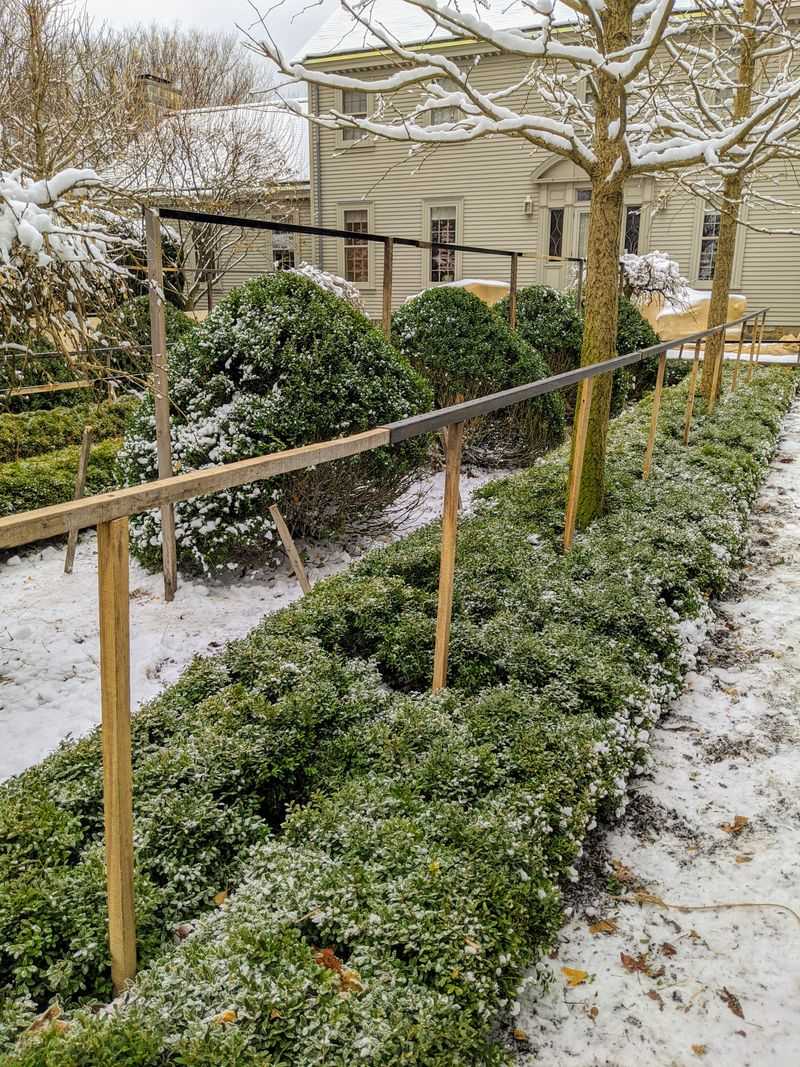
Start with wooden or metal stakes that stand roughly six inches taller than the shrub once they are installed. Pound one into each corner around the plant, keeping them outside the drip line and fairly straight.
For long hedges, add an extra stake every three or four feet so the fabric does not sag. Hardwood stakes from a garden center work well, though bamboo poles bend too easily under heavy snow.
Later in November, wrap the burlap around the outside of the stakes like a loose fence, not a blanket. Attach it with heavy staples or zip ties, leaving the top open so light and air reach inside.
Shrubs near a driveway or sidewalk benefit from a double layer on the street side to block salt spray. Road salt splashes onto leaves and soil, and boxwoods tend to struggle when that salty slush builds up.
Pick plain, untreated burlap rather than dyed or coated versions, which can hold too much moisture against plants. Snow fence material or shade cloth also works well if burlap feels too scratchy to handle each year.
Once winter ends, pull the fabric off in early April and store the stakes in a dry garage. Next fall, the whole setup comes back together quickly, almost like reassembling a favorite camping tent.
A Greener Hedge By Next April
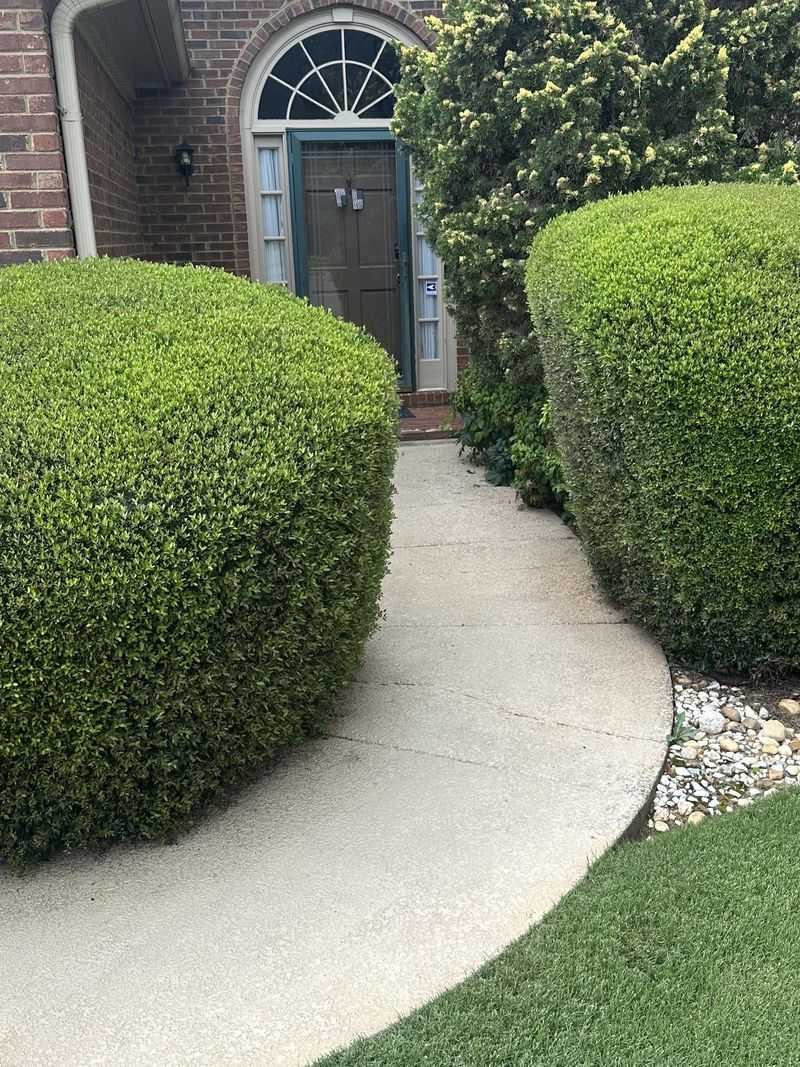
Have you ever walked past a front yard in April and noticed boxwoods that look bright and fresh? Chances are good that someone set stakes in October and wrapped those shrubs with care before winter.
Protected boxwoods often wake up with deep green leaves, while exposed ones may show bronze or tan tips. Damaged shrubs can recover, but they may need a full growing season before they look tidy again.
Healthy plants also put their spring energy into fresh growth instead of repairing broken branches and damaged leaves. That means fuller shapes, thicker hedges, and less pruning work for you once the weather warms up again.
Long term, a yearly routine helps boxwoods handle tough New York winters with less stress. Some gardeners even plant new shrubs in sheltered spots so they need less protection as they mature.
Choosing hardy varieties like Green Velvet or Green Mountain can also reduce winter burn in colder parts of the state. Even tough varieties appreciate a burlap screen during their first few winters while roots are still settling in.
A quick notebook entry each fall, listing which shrubs got wrapped and how they looked, builds useful garden memory. Over a few years, you will spot patterns and know which corners of the yard need extra help.
Setting stakes this month is a small habit that pays off with tidy, cheerful green borders by spring. Grab a mallet on the next sunny October afternoon, and your future self will thank you in April.