What New York Rain Gardens Need Before September Ends
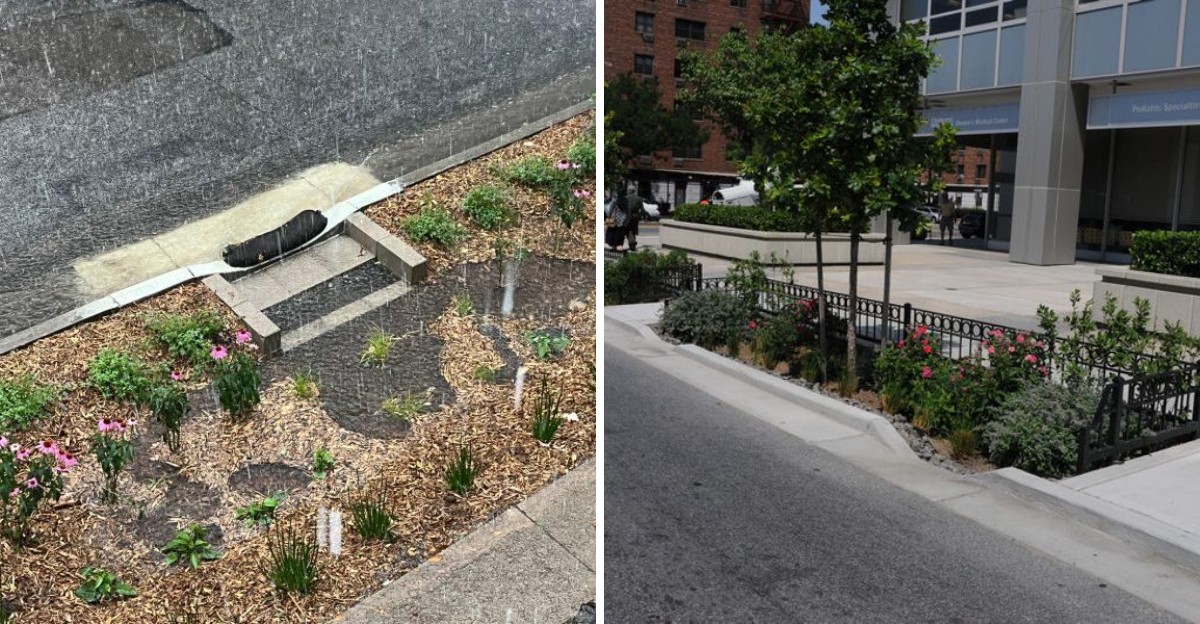
There is nothing quite like that fresh, earthy smell rolling in after a good storm. If you have got a rain garden, that smell is basically your landscape giving you a little high five for handling all that runoff without breaking a sweat.
Now, September loves to pull a fast one on all of us. One weekend you are still in summer mode, and the next you are staring at drifting leaves wondering where the season went.
Your rain garden has been quietly grinding all summer, soaking up stormwater and keeping your plants happy. Before those chillier autumn storms show up in full force, it deserves a quick check-in.
Nothing fancy here, no major overhaul required. Just a few small moves to catch clogs, erosion, or drainage hiccups before they turn into a bigger headache later.
1. Clear Leaves, Debris, And Sediment From Water Entry Areas
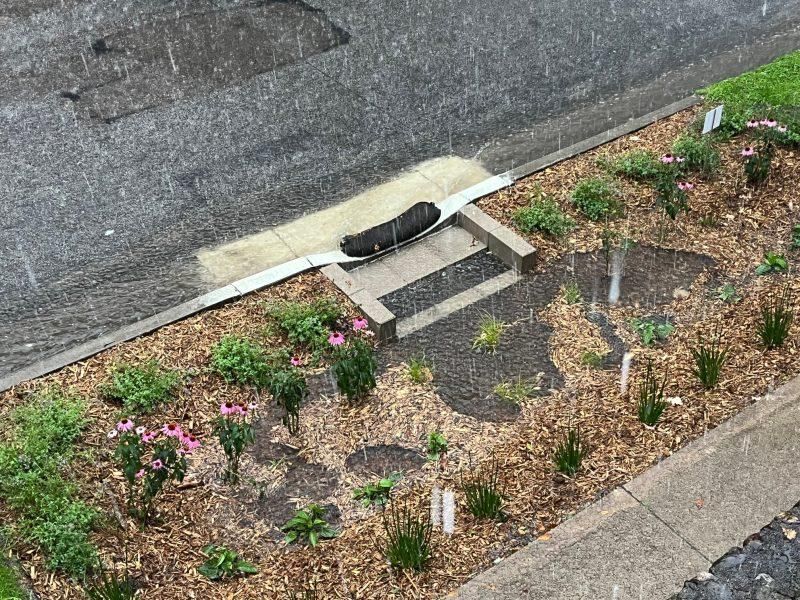
Early autumn in New York brings falling leaves, and those leaves can collect where water enters your rain garden.
When debris or sediment builds up around an inlet area, it can interfere with the movement of stormwater and reduce how effectively water enters the garden.
Take a walk around the entry point and remove leaves, twigs, and visible buildup that may be blocking the path. Sediment is the fine soil material carried by runoff during storms, and over time it can accumulate in areas where water enters the garden.
A thin layer may not cause an immediate problem, but larger deposits can affect infiltration and change how water moves through the space. Checking these areas after major storms or during seasonal maintenance helps catch issues before they become more noticeable.
Look carefully around mulch, rocks, or other landscape features where debris may collect. A simple cleanup can improve the appearance of the garden while helping preserve the original drainage design.
Removed leaves can often be composted if they are free from problems such as invasive weeds or disease. Keeping the entry area clear gives future rainfall a better chance to move through the rain garden as intended.
Think of this as a seasonal checkup rather than a constant chore. A few minutes of attention in fall can help prevent small maintenance issues from becoming larger problems.
2. Check For Erosion Around Edges And Inlets
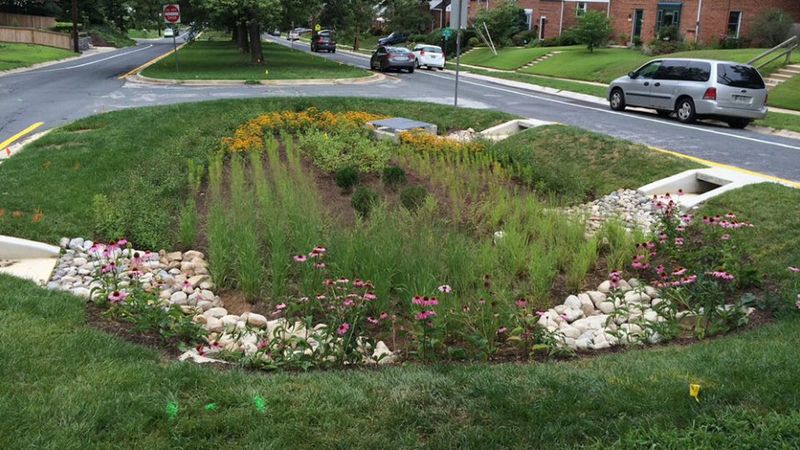
Water moving through a rain garden should be controlled and directed, but repeated storms can sometimes wash away small amounts of soil. Over a season of heavy rainfall in New York, areas near inlets, slopes, and edges may show signs of erosion.
Walk around the rain garden and look for washed-out soil, small channels, exposed roots, or bare areas where plants have struggled to stay established.
These signs can indicate that water is moving too quickly through a certain spot or that the area needs additional stabilization.
Catching erosion early makes repairs easier. Small areas may be addressed by adjusting soil, improving plant coverage, or using appropriate materials that fit the original rain garden design.
Rocks or gravel may be useful in some high-flow areas because they can help slow water movement and protect soil from being displaced. However, adding stone should match the needs of the specific site rather than being used as a general solution.
Your New York Garden Changes Every Week. Your Plan Should Too.
Gardening in New York changes quickly throughout the season. Every Friday you’ll receive a simple weekly plan showing exactly what to plant, prune, fertilize, harvest, and protect so you never miss the right timing.
Plants also play an important role in holding soil in place. A healthy mix of deep-rooted native plants can help stabilize the garden while supporting the overall function of the landscape.
A quick inspection before fall storms become frequent gives you a chance to correct small problems before they expand. Strong, stable edges help your rain garden continue managing runoff effectively while keeping the space attractive.
3. Inspect Water Flow After Heavy Rain
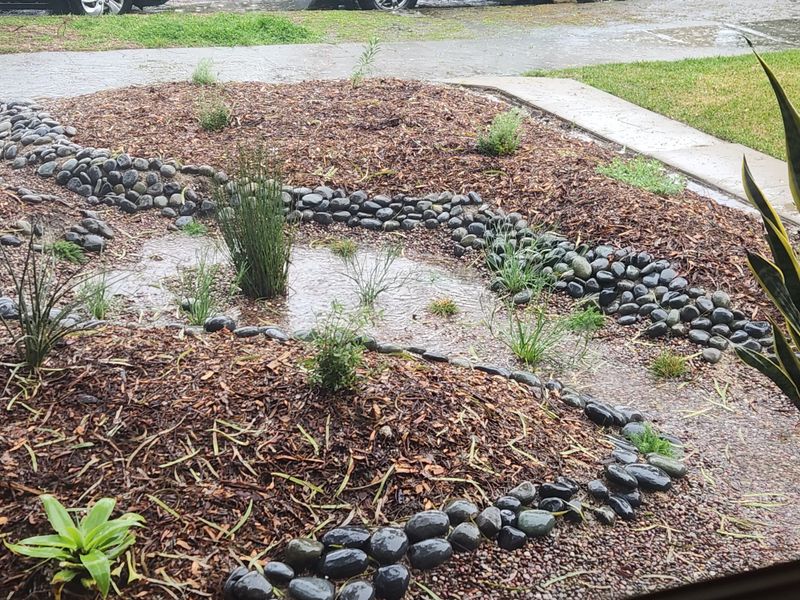
Some of the best rain garden lessons happen while water is actually moving. After a strong New York rainfall, take a few minutes to observe how water travels through your garden.
Watching the process can reveal problems that are difficult to notice when the soil is dry.
A properly designed rain garden should collect runoff from areas such as rooftops, driveways, or slopes, then allow the water to gradually soak into the soil.
Look for water entering the basin as expected and spreading through the planted area rather than rushing around the edges or creating new channels.
Pay attention to how long water remains after a storm. Many rain gardens are designed to drain within about 24 to 48 hours, although the exact timing depends on soil type, garden design, storm intensity, and site conditions.
Water that remains for several days beyond the expected drainage period may indicate compacted soil, clogged areas, or other drainage concerns.
A rainy day is also a good opportunity to notice smaller issues. You may discover that a downspout has shifted, mulch has moved, or water is creating a path where it was not intended to flow.
These observations do not mean every change requires immediate repair. Some seasonal variation is normal, especially after large storms.
However, keeping notes about what you see can help you decide whether adjustments are needed.
A fall water-flow check gives you valuable information before winter arrives. Understanding how your rain garden responds to real rainfall helps you maintain a system that continues managing runoff effectively.
4. Remove Weeds Before They Spread Seeds
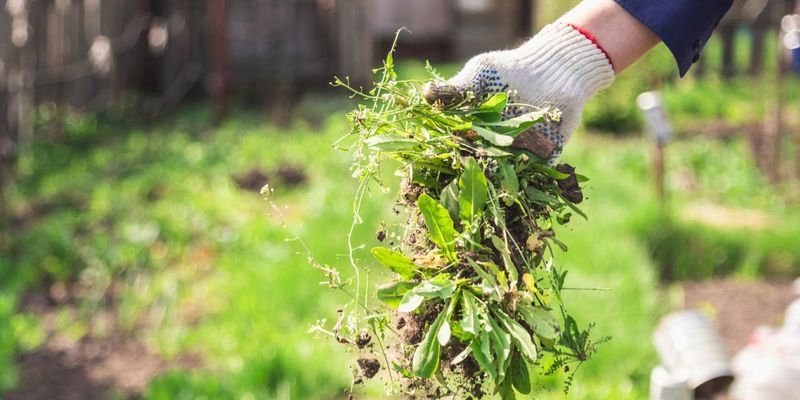
Late summer and early fall can be useful times to manage weeds in New York rain gardens. Many unwanted plants are reaching the end of their growing season and may be producing seeds, so removing them before they spread can reduce future weed pressure.
Pull weeds carefully around established rain garden plants to avoid disturbing the soil more than necessary. Removing the roots can help with many common weeds, although some persistent species may return from remaining root pieces or underground structures.
A walk through the garden after rainfall can make this task easier because moist soil often allows weeds to be removed with less effort.
Take time to identify unwanted plants before pulling, since some native species and beneficial plants may look different at various stages of growth.
Be especially careful around newly planted areas, where young native plants may still be establishing. Removing competition can help desirable plants receive more sunlight, moisture, and space.
If weeds have already produced seeds, placing them in a yard waste container or another disposal method may be preferable to adding them to home compost. Some compost systems may not reach temperatures high enough to destroy all weed seeds.
Regular observation is one of the simplest ways to maintain a rain garden. Removing weeds before they become established helps protect the balance of plants you intentionally added while keeping future maintenance more manageable.
A cleaner garden heading into winter gives native plants more room to return strongly in spring.
5. Check Native Plants For Stress Or Decline
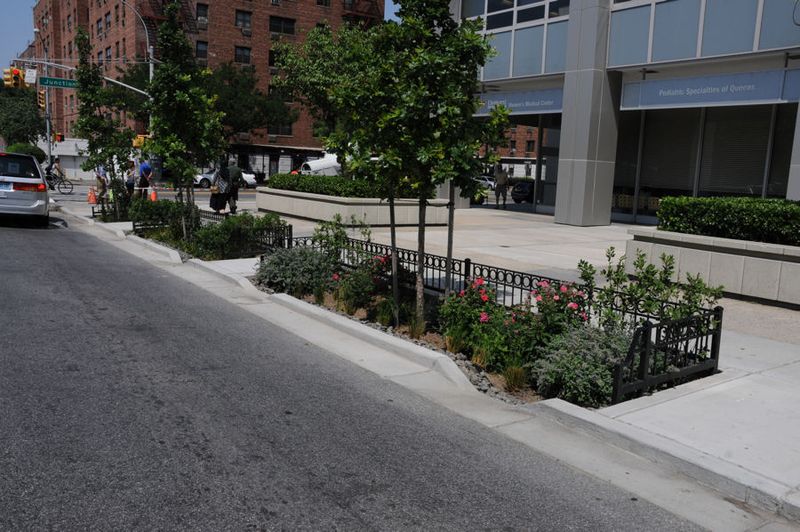
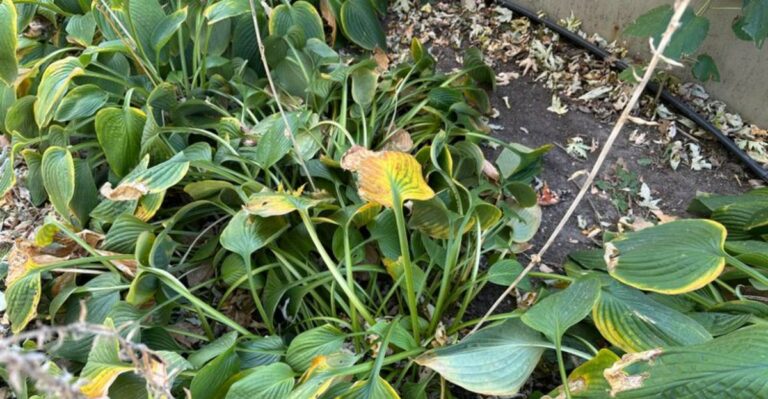
September is a good time to look closely at the plants growing in your rain garden. As the season changes, some signs of decline may become easier to notice, including unusual leaf color, wilting, poor growth, or areas where plants appear thinner than expected.
These symptoms can have several causes. A plant may be struggling because of too much moisture, insufficient moisture, poor soil conditions, limited sunlight, pests, or natural seasonal changes.
Some browning and fading are normal as many perennials prepare for winter, so not every change requires action.
Compare plants growing in different areas of the rain garden. If one section is struggling while nearby plants are healthy, the problem may be related to site conditions such as drainage, soil moisture, or exposure to sunlight.
Native rain garden plants such as coneflower, switchgrass, and blue flag iris are often well suited to New York conditions, but even adapted plants need the right placement. A plant that consistently struggles may simply be in the wrong location.
Remove damaged or diseased plant material when appropriate, using clean tools to reduce the chance of spreading problems. However, avoid cutting everything back automatically.
Many native plants provide winter structure, and their seed heads can offer food and habitat for wildlife.
Taking notes about struggling plants now can help with future improvements. If a plant repeatedly fails, replacing it with a species better suited to that specific moisture level or light condition may create a stronger rain garden over time.
6. Refresh Mulch Without Blocking Water Movement
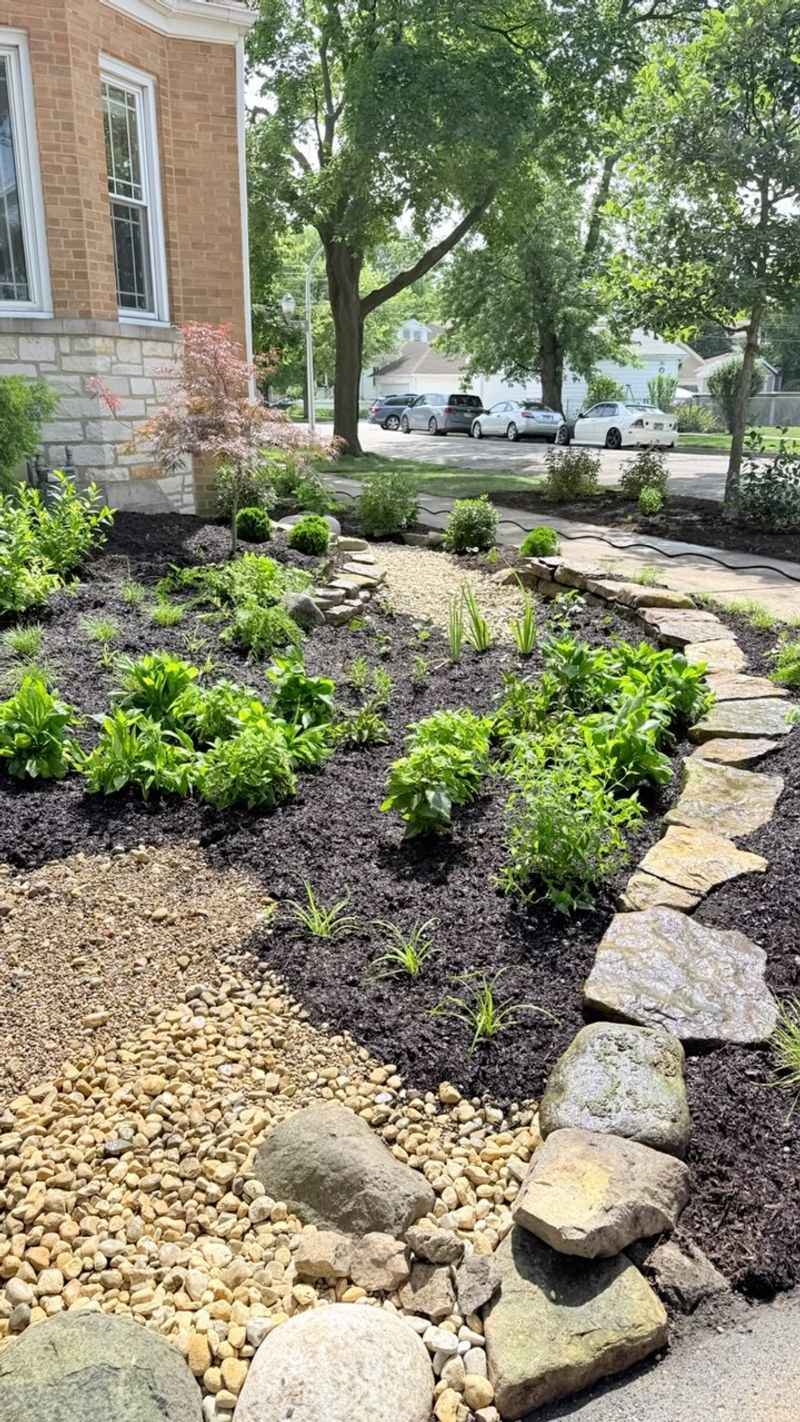
Mulch can play a helpful role in a rain garden by conserving soil moisture, reducing weed growth, and protecting the soil surface. Before winter arrives, check whether the existing mulch layer has broken down, shifted, or become uneven.
If mulch needs refreshing, add enough to maintain an appropriate layer rather than creating a thick blanket over the garden. Excessive mulch can interfere with water movement and may prevent rainfall from reaching the soil as effectively.
Keep mulch away from plant crowns and stems. Constant moisture against the base of plants can contribute to problems with some species, while leaving a small gap allows better air circulation.
The type of mulch used should fit the design and conditions of the rain garden. Organic mulches such as shredded wood are commonly used in many landscapes, but the most suitable choice depends on the garden’s plants, drainage, and maintenance goals.
Avoid placing extra mulch in areas where water enters or exits the rain garden. Those locations need to remain open so runoff can move through the system as designed.
A fall mulch check is less about adding more material and more about maintaining balance. The goal is to support healthy soil conditions without changing how the rain garden handles water.
A properly maintained mulch layer can help protect the New York garden through seasonal temperature changes while allowing the system to continue functioning properly.
7. Avoid Routine Fertilizer Applications Before Winter
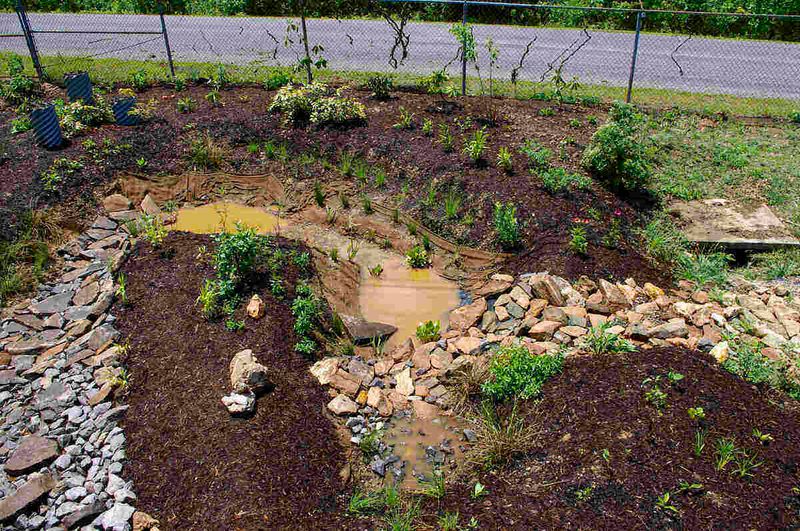
It can be tempting to give plants an extra boost before winter arrives, but routine fertilizer applications are usually not necessary for established rain gardens.
These gardens are typically designed around carefully selected plants that can handle local conditions, rather than relying on regular feeding to maintain growth.
Adding fertilizer without a clear need can create problems. Rain gardens are built to capture and filter stormwater, and excess nutrients can move with runoff during heavy rain events.
Those nutrients may eventually reach nearby streams, lakes, or other waterways, where they can contribute to water quality concerns.
Many native and well-adapted rain garden plants perform well without regular fertilizer once they are established.
Instead of adding nutrients automatically, it is often more useful to check whether the plants are receiving the right amount of sunlight, moisture, and space.
If plants appear unhealthy, fertilizer may not be the solution. Poor drainage, compacted soil, overcrowding, incorrect plant selection, or pest issues can all affect plant performance.
Identifying the actual cause helps prevent unnecessary treatments.
A soil test can provide useful information if there is a specific concern about nutrient levels. Testing helps determine whether nutrients are lacking or whether another issue is affecting plant growth.
Leaving the rain garden alone through the colder months can often be the best approach. Healthy plants naturally slow down as temperatures drop, and allowing them to follow their seasonal cycle supports the long-term function of the garden.
By focusing on water movement, soil health, and proper plant care, New York homeowners can maintain a rain garden that continues working effectively without unnecessary fertilizer use.
8. Inspect Overflow Areas Before Fall Storms
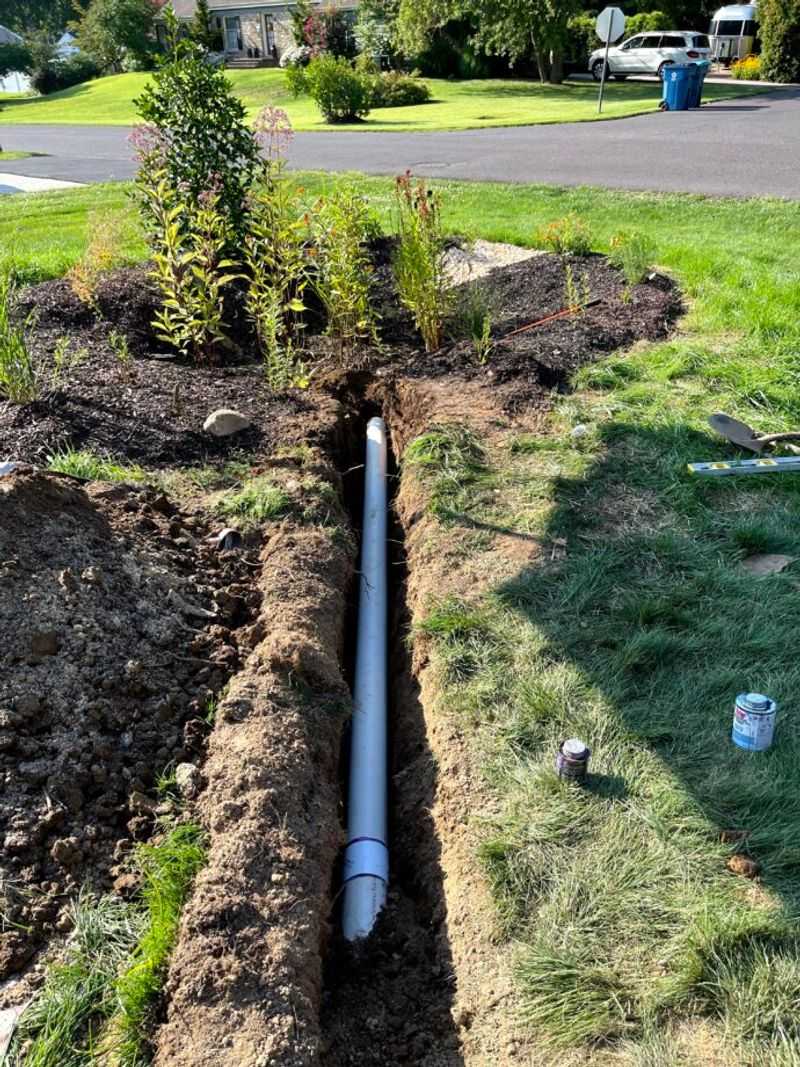
Many rain gardens include an overflow area or outlet that helps manage excess water during larger storms. Before September ends, checking this area can help ensure that extra runoff has a clear path if the garden receives more water than the basin can absorb.
Walk around the rain garden and identify where overflow water is designed to move. Make sure the pathway is not blocked by leaves, branches, sediment, or other debris.
A clear overflow route helps direct excess water away from areas where it could create unwanted pooling or erosion.
Pay attention to signs that water has recently moved through the overflow area. Washed soil, small channels, or damaged vegetation may indicate that water is flowing faster than expected or that the area needs attention.
Avoid making major changes without understanding the original design. Adding rocks, soil, or other materials may help in some situations, but repairs should match how the rain garden was built.
A solution that works in one garden may not be appropriate for another.
If the overflow area directs water near buildings, walkways, or neighboring properties, make sure the route remains clear and stable. Proper placement and maintenance help reduce the chance of drainage problems during heavy rainfall.
Fall storms in New York can bring periods of intense rain, making this inspection especially useful. A few minutes spent checking the overflow path can help you identify issues before they become larger maintenance challenges.
A well-maintained overflow area allows the rain garden to handle changing weather conditions while protecting the surrounding landscape.