The New York Vine You Can Cut Again And Again Yet It Keeps Returning
You chop it down in June, and by August it’s waving at you from the fence again. Plenty of New York gardeners know the sinking feeling of a vine that simply refuses to quit.
It twists through hedges, climbs tall trees, and dangles cheerful orange berries like it owns the place. Those berries glow in autumn sunlight, but they hide a sneaky survival plan.
Behind the pretty show sits one of the toughest invaders in the Northeast. Snipping it with pruners often makes the problem worse, not better.
What makes this plant so stubborn comes down to bright orange roots, hungry birds, and even holiday decorations. Each one helps it spread farther than most people realize.
The guide below explains how to spot it and finally get the upper hand. With a little patience, your trees and fences can breathe again.
Oriental Bittersweet Is The Culprit
Meet the troublemaker behind all that regrowth in your yard. Its scientific name is Celastrus orbiculatus, but most folks call it Oriental bittersweet.
Back around 1860, people brought it to America from East Asia on purpose. Gardeners loved its colorful berries and quick, twisting growth on arbors.
Fast forward to today, and the story looks far less charming. Across New York, the vine now climbs through woods, roadsides, parks, and backyard fences.
Experts label it an invasive plant, meaning it spreads fast and crowds out locals. Native shrubs, wildflowers, and young trees struggle once it takes hold.
Part of its success comes from sheer toughness and flexibility. It handles full sun, partial shade, sandy soil, and clay without much complaint.
Woodland edges are a favorite hangout for this aggressive climber. Old farm fields, hedgerows, and empty lots also offer the open light it craves.
Many homeowners first notice it as a twisted rope wrapped around a fence post. Others spot a tangled curtain of leaves smothering a shrub near the driveway.
Spotting it early gives you a huge advantage over the long haul. A few vines are easy to handle, while a full thicket takes years.
Fun fact: the plant is sold in some places even now under its pretty name. New York lists it as a prohibited invasive species, so selling it there is not allowed.
Knowing your enemy by name is step one. Once you can recognize Oriental bittersweet, every other control tip starts to make sense.
Cutting Triggers Even More Root Sprouts
Picture yourself proudly hacking a vine to the ground on a Saturday morning. Two weeks later, a dozen fresh shoots pop up right where you worked.
Sound familiar? Plenty of gardeners face that exact surprise with Oriental bittersweet.
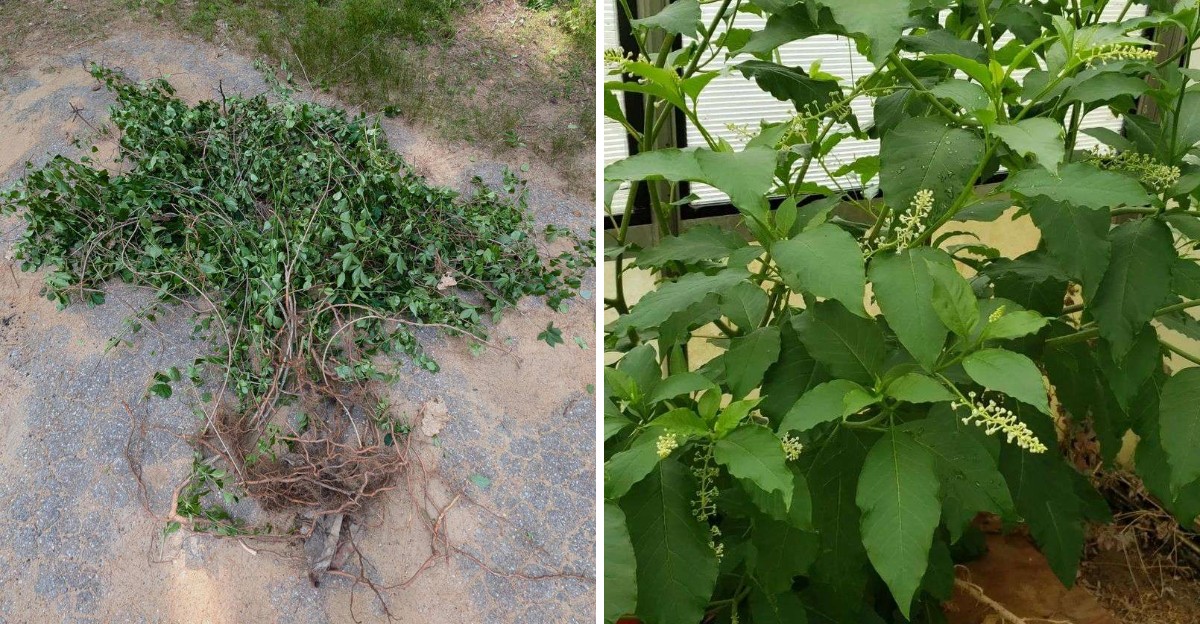
Underground, the vine keeps a large network of roots packed with stored energy. When you remove the top growth, those roots respond by pushing out new shoots.
Mowing creates the same effect, sometimes even worse. A mowed patch can turn into a thick carpet of short sprouts in no time.
Roots also run sideways, sending up suckers several feet from the original stem. So one plant you trimmed might reappear in three different spots.
Your New York Garden Changes Every Week. Your Plan Should Too.
Gardening in New York changes quickly throughout the season. Every Friday you’ll receive a simple weekly plan showing exactly what to plant, prune, fertilize, harvest, and protect so you never miss the right timing.
Here is the frustrating truth about cutting by itself. It weakens the vine slowly, but only if you repeat it many times over several seasons.
Each cut forces the plant to spend stored food on new leaves. Eventually, the root supply runs low, but that takes steady effort.
Many homeowners give up after one summer of cutting. The vine simply waits them out and roars back the following spring.
A smarter plan pairs cutting with other steps, like stump treatment or digging. You will read more about those methods later in the list.
Quick tip: if you can only cut for now, cut often. Snipping new sprouts every few weeks keeps the roots from rebuilding their energy.
Patience matters more than muscle here. Think of the job as a marathon rather than a sprint.
Bright Orange Roots Make It Easy To Identify
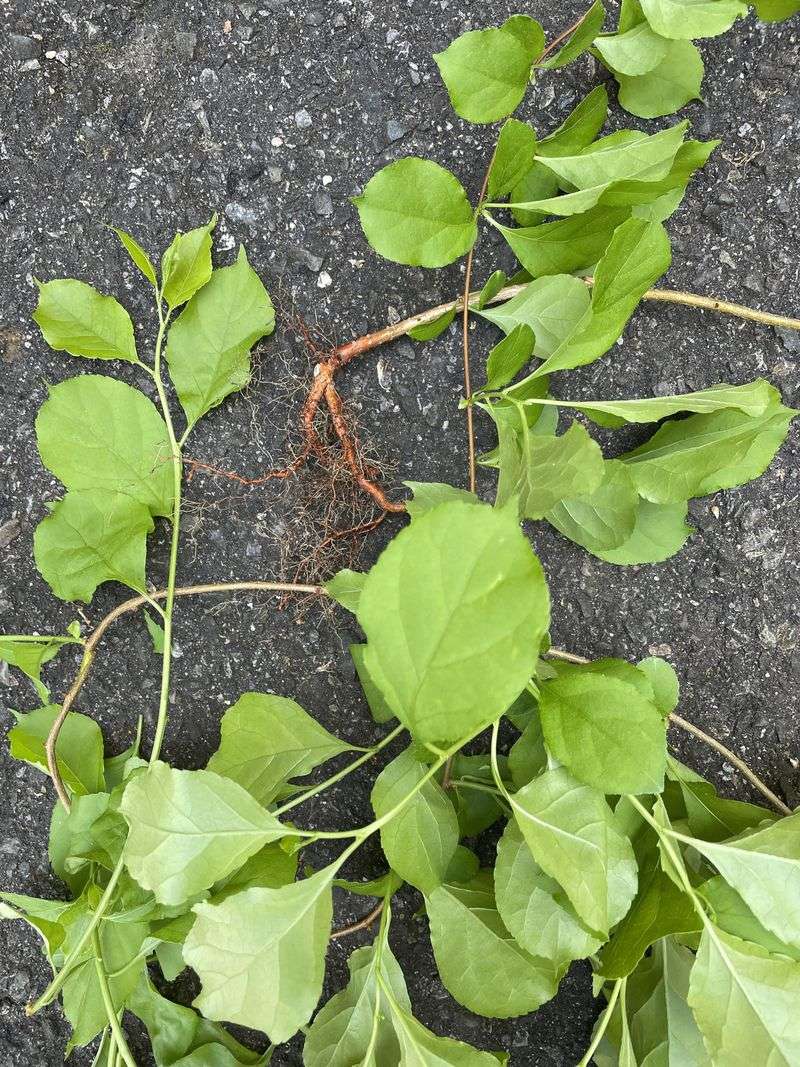
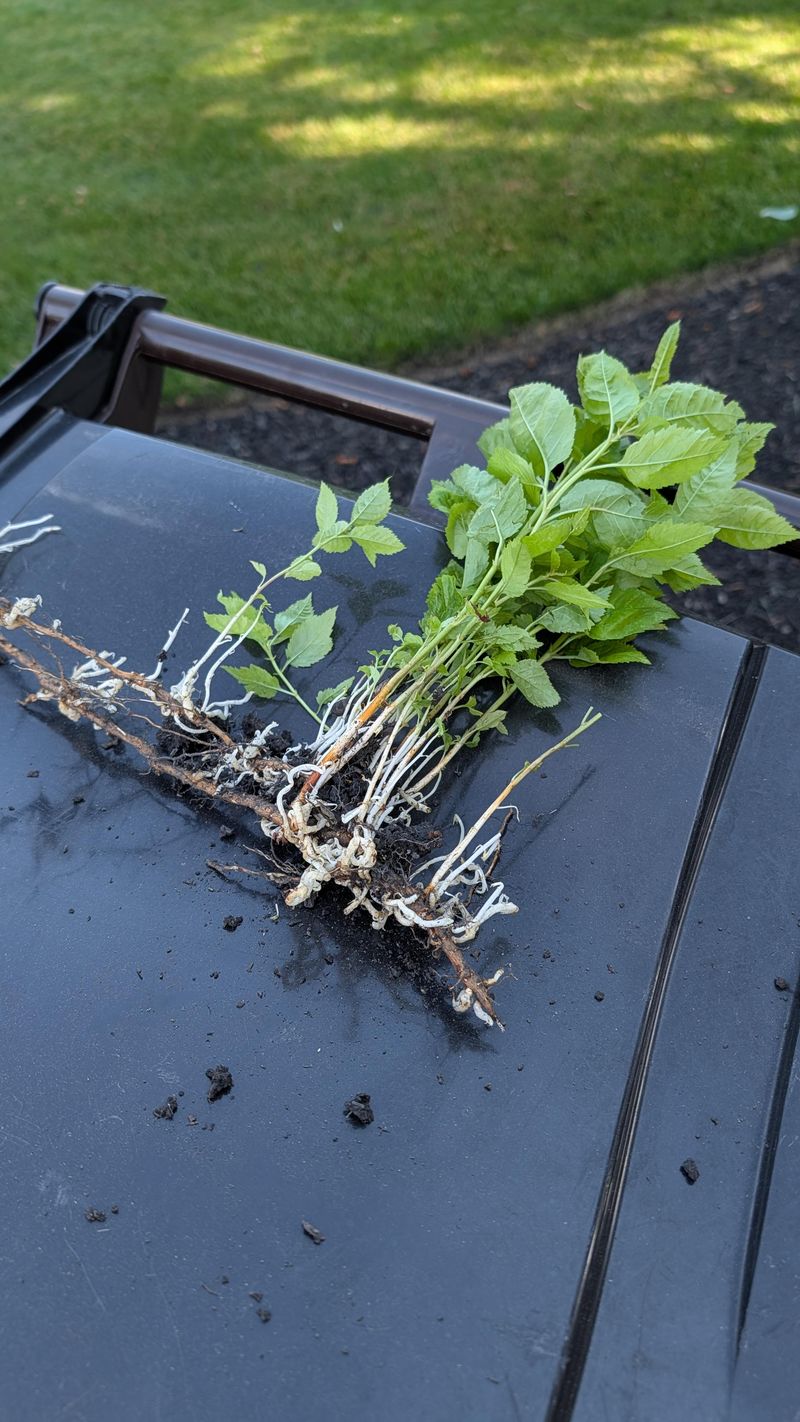
Tug a mystery vine out of the dirt and look closely at what comes up. A bright orange root practically shouts that you have found Oriental bittersweet.
Few common backyard plants share that vivid carrot-colored root. The shade can look almost like someone painted it with a marker.
Above ground, a few other clues help you confirm the match. Stems are light to medium brown, and the inside pith is white.
Leaves offer another hint worth learning. They are glossy, often rounded, with tiny teeth along the edges.
Along the stem, leaves grow one at a time in an alternate pattern. Come fall, they turn a buttery yellow before dropping.
Young vines can fool you because they look like harmless shrubs at first. Checking the root color clears up the confusion within seconds.
Here is a handy trick for beginners. Gently scrape a little soil away from the base and peek at the root before deciding.
Wearing gloves is wise during this detective work. Thorny neighbors like brambles and roses often grow tangled in the same spots.
Snap a quick photo of the roots and leaves together. Local extension offices can help confirm your guess if you feel unsure.
Once you spot that orange glow, it gets easier to recognize next time. Soon you may notice it on walks, along trails, and near parking lots too.
Berries Along The Stems Set It Apart From The Native Kind
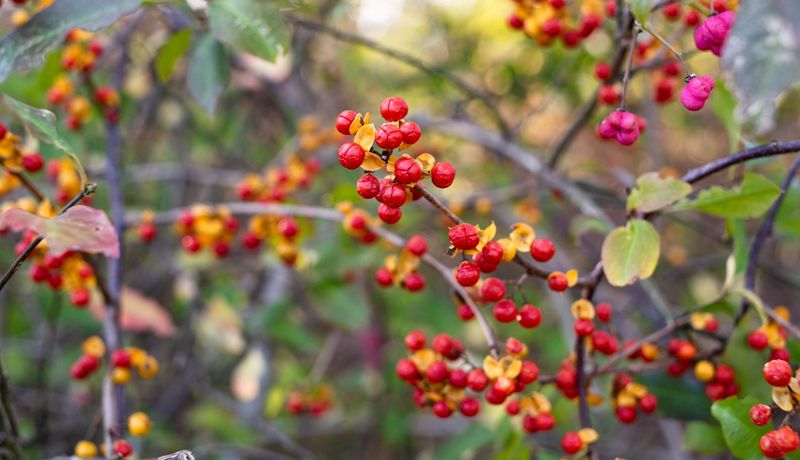
Two cousins, one name, and very different manners. American bittersweet is a native vine, while Oriental bittersweet is the pushy newcomer.
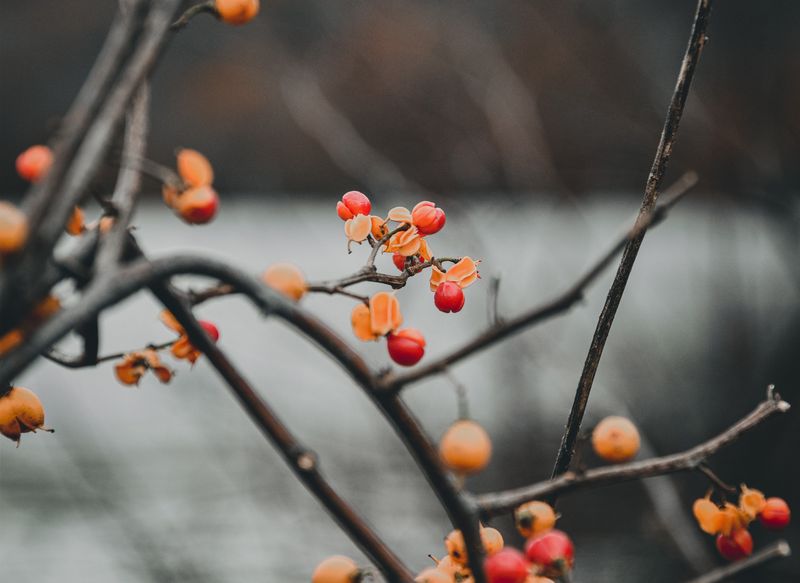
Both plants produce gorgeous fall fruit with yellow-orange capsules. When those capsules split open, they reveal bright red seeds inside.
The secret to telling them apart lies in where the fruit sits. Oriental bittersweet sprinkles berries all along the length of its stems.
Native American bittersweet keeps things tidy. Its fruit clusters appear only at the tips of the branches.
Think of it like decorations on a string. The invader hangs ornaments everywhere, while the native puts a bow only at the end.
Getting this right matters for local wildlife. American bittersweet, known as Celastrus scandens, has become uncommon in many areas.
Some experts believe the invasive type even crosses with the native one. That mixing makes the true native plant harder to find each year.
Before you rip out any bittersweet, take a careful look. Pulling a rare native by accident would be a real shame.
Fall is the best season for this comparison. Berries are easy to see once the leaves start turning yellow and falling.
Leaf shape gives a backup clue as well. Oriental bittersweet leaves tend to be rounder, while native leaves look longer and more pointed.
If you find the native kind in New York, consider protecting it. It feeds birds without bullying the rest of your garden.
Birds Spread Its Seeds Far And Wide
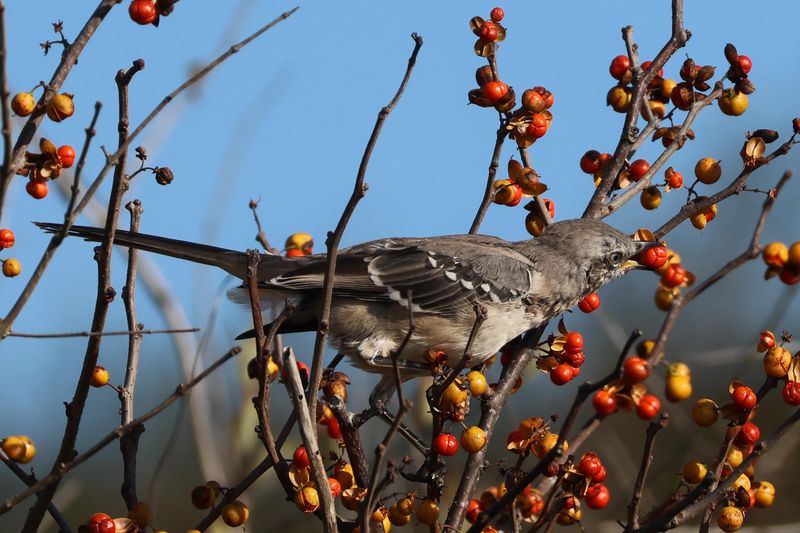
Robins, starlings, and cedar waxwings seem to adore a bittersweet snack. Unfortunately, every berry they gobble may turn into a brand new vine somewhere else.
Here is how the delivery service works. Birds eat the fruit, fly off, and drop the seeds in their droppings.
Those seeds can land miles away from the parent plant. Fence lines, power lines, and tree branches become favorite drop zones because birds perch there.
Small mammals help the process along too. Mice, squirrels, and other critters nibble the berries and carry seeds around.
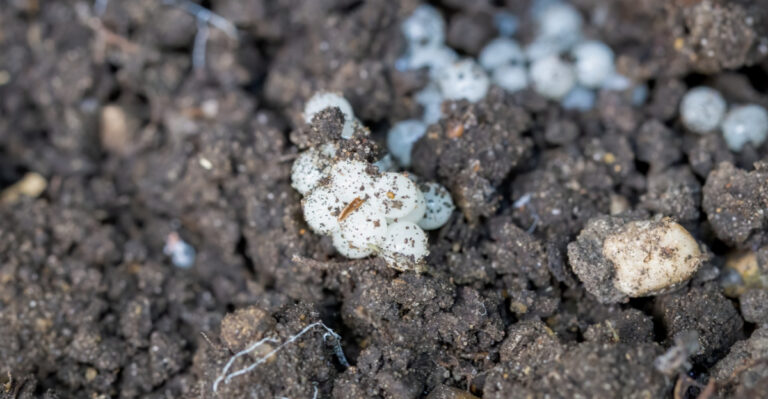
Even dried-out seeds can still sprout later. Their tough nature lets them wait in the soil until conditions look right.
So you might clear your own yard and still see new seedlings. A neighbor’s tangle or a nearby woodland could be the hidden source.
Winter is when birds rely on these berries the most. Food grows scarce, and the bright fruit hangs on vines well into cold months.
One helpful move is planting native berry shrubs instead. Winterberry holly, serviceberry, and dogwood offer birds healthier food choices.
Watch the ground under perches like fences and tall trees. Those spots often hide a crop of young bittersweet just waiting to grow.
Removing fruiting vines before fall helps break the cycle. Fewer berries mean fewer free rides for those seeds across neighborhoods.
It Can Strangle And Topple Full-Grown Trees
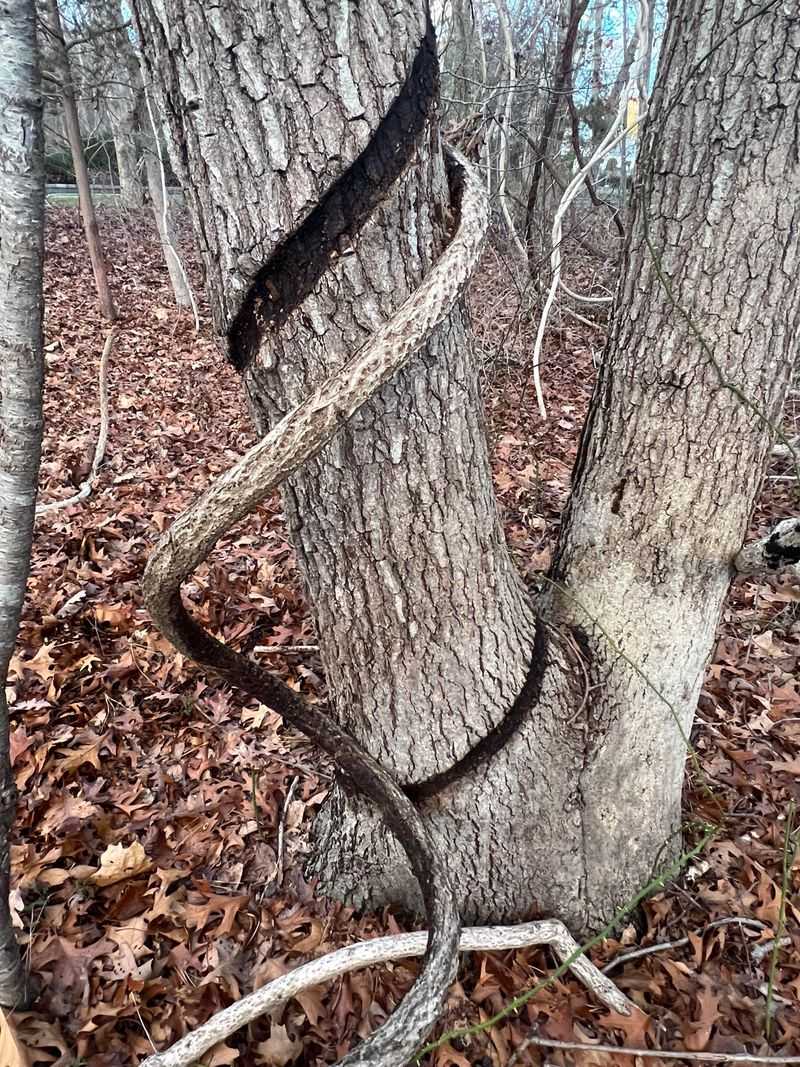
Strong as an oak? Not against this vine.
Oriental bittersweet wraps around trunks like a boa constrictor in slow motion. Over time, those coils squeeze tighter as both the tree and vine grow thicker.
Foresters call this squeezing effect girdling. It cuts off the flow of water and nutrients moving through the bark.
Trees under that kind of pressure start to struggle. Leaves thin out, branches weaken, and growth slows down year after year.
Weight becomes another big problem. Thick mats of vines pile up in the canopy like heavy blankets.
Add a winter storm, and trouble follows quickly. Snow, ice, and strong wind can snap branches or pull an entire tree down.
New York winters bring plenty of heavy snow and ice storms. Trees loaded with bittersweet are more likely to crash during those events.
The vine also blocks sunlight from reaching the tree’s own leaves. Shaded trees lose energy and become easier targets for pests and disease.
Whole patches of forest can decline when the vine runs wild. Young saplings get buried before they ever have a chance to grow tall.
Here is a practical step for tree owners. Cut climbing vines at the base and at chest height, leaving the upper part to wither.
Pulling vines down from high branches can damage limbs or injure you. Letting them dry in place is the safer choice.
Fall Wreaths Help It Spread
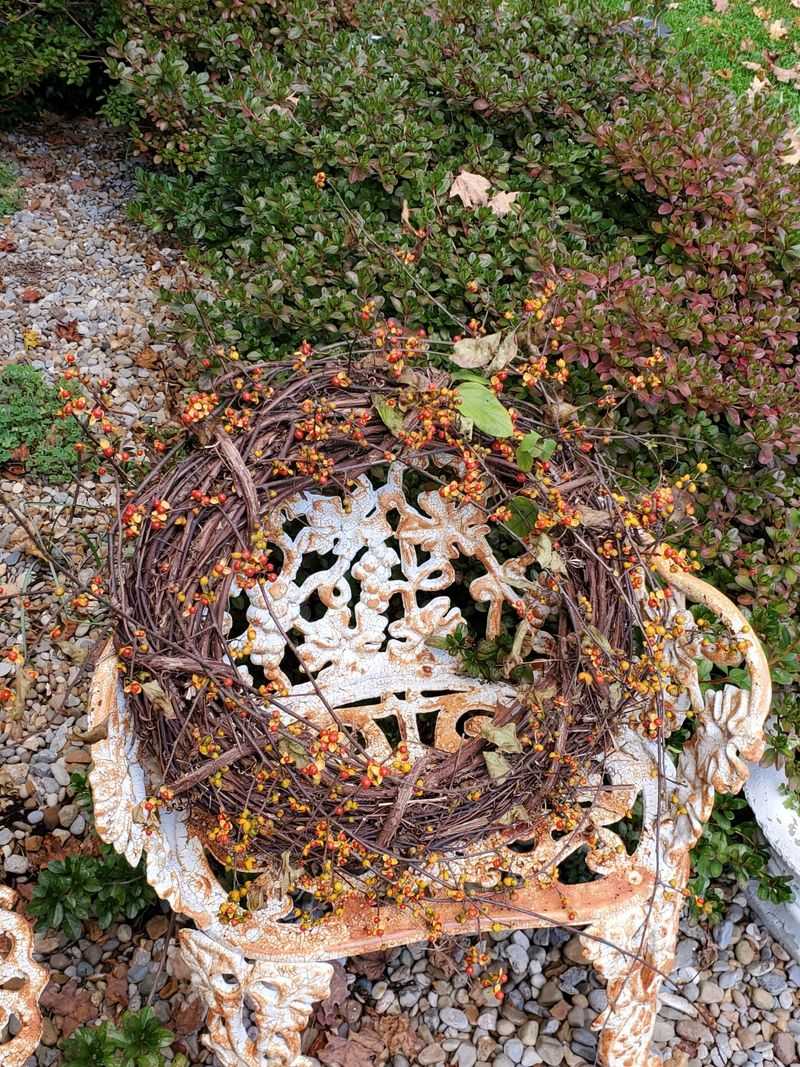
Few things say autumn like a twisted wreath glowing with orange berries. Sadly, that cozy decoration on the front door might be planting trouble.
Crafters have gathered bittersweet vines for decades. The fruit holds its color for months, making it a favorite for rustic displays.
Problems begin when berries fall off during the season. Seeds tumble onto porches, garden beds, and lawns below.
Birds also spot outdoor wreaths as a free buffet. They snack on the berries and scatter seeds across the neighborhood.
Tossing old wreaths into a compost pile or woodland edge makes matters worse. Those seeds can sprout and start a fresh infestation.
Farm stands and craft fairs in New York sometimes still sell these decorations. Buyers often have no clue about the plant’s invasive habits.
Want a safer swap? Try wreaths made with dried flowers, pinecones, wheat stalks, or faux berries.
Native winterberry holly makes a stunning alternative with bright red fruit. It brings the same seasonal cheer without the risk.
Already own a bittersweet wreath? Keep it indoors, away from open windows and curious birds.
When the season ends, bag it tightly and place it in the trash. Skip the compost bin, since home piles rarely get hot enough to destroy seeds.
Sharing this tip with friends can make a real difference. Many people simply do not know their favorite decoration has a sneaky side.
Treat Cut Stumps Right Away
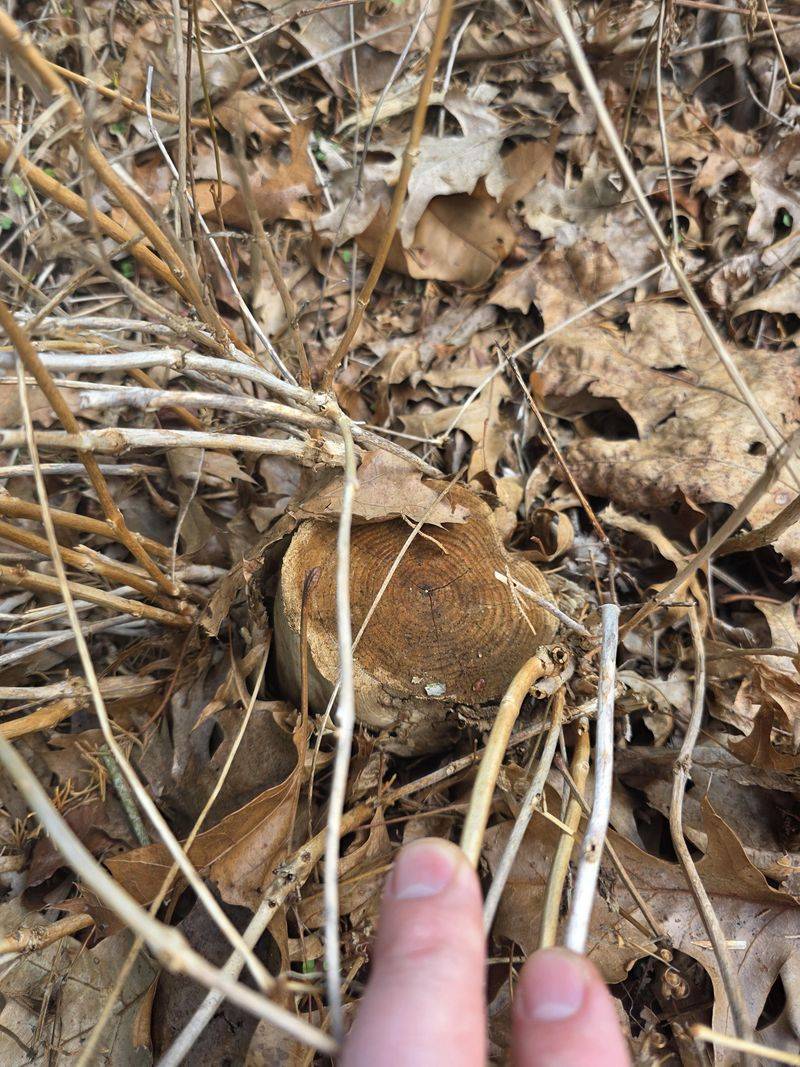
Timing is everything when you tackle a thick bittersweet vine. Experts suggest treating the cut stump within minutes, not hours.
Fresh cuts absorb liquid quickly. As the wound dries, the stump seals itself and takes in far less treatment.
Common herbicides for this job include glyphosate and triclopyr. Both move down into the roots and weaken the plant from below.
A small paintbrush or sponge applicator works well for precise coverage. Spraying wide areas can harm nearby plants you want to keep.
Fall is a smart time for this approach. During autumn, vines pull energy down into their roots for winter storage.
Herbicide applied then travels along with that energy flow. The result is a stronger hit to the root system that causes regrowth.
Safety comes first with any chemical product. Wear gloves, eye protection, and long sleeves while working.
Read every label carefully before you begin. Product instructions explain mixing rates, weather limits, and where the herbicide can legally go.
Avoid treating stumps right before rain. Water can wash the product away before it soaks into the cut surface.
Near ponds, streams, or wetlands, rules can be stricter. Some areas require special products or licensed applicators near water.
Prefer to skip chemicals? Repeated cutting and digging still work, though they demand more time and sweat.
Either way, mark treated stumps with a stake or flag. Checking them later becomes much easier.
Pull Seedlings While They’re Small
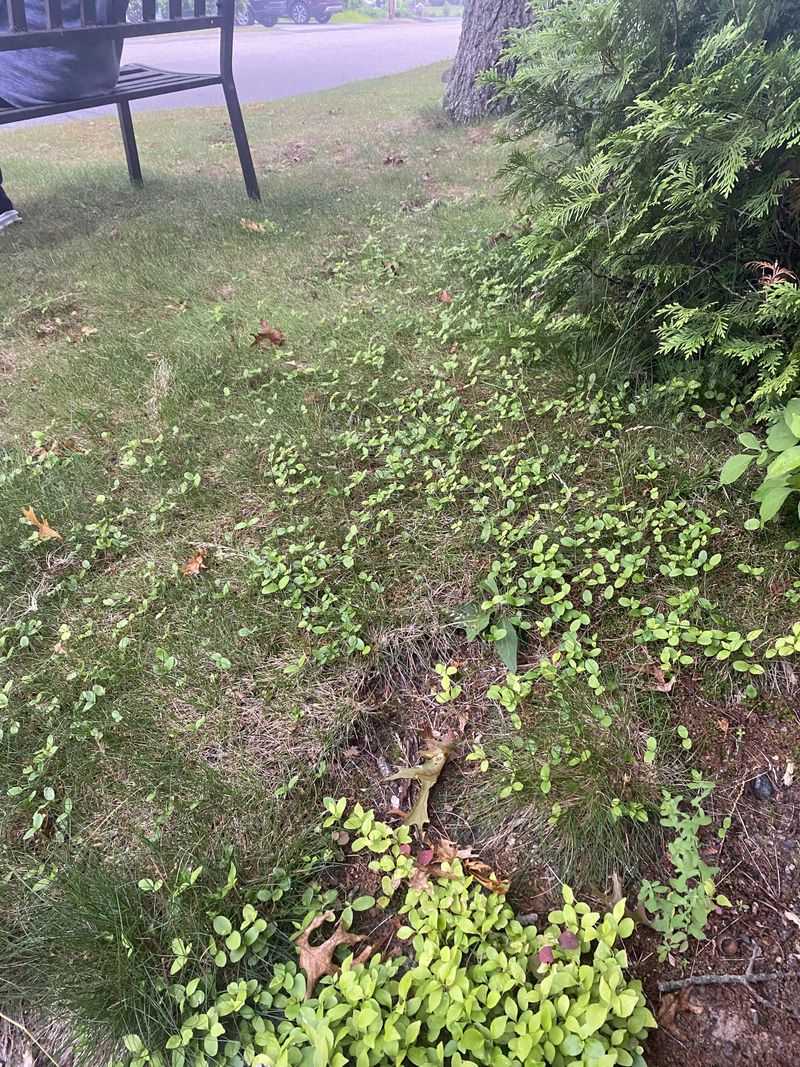
Tiny seedlings are the easiest wins in this whole battle. A quick tug in spring can save you years of headaches later.
Young bittersweet plants have shallow roots that slide out with gentle pressure. Moist soil after rain makes the job even simpler.
Grab the stem close to the ground for better control. Pull slowly and steadily so the root does not snap.
Getting the whole root out matters a lot. Broken pieces left behind can sprout again and start the cycle over.
Look for that telltale orange color as you pull. It confirms you have the right plant and shows whether the root came out whole.
Small hand tools help with stubborn plants. A weeding fork or narrow trowel loosens soil without much effort.
Spring and early summer are prime times for seedling hunts. Leaves are fresh, green, and easier to spot among other plants.
Check areas under bird perches, along fences, and near hedges. Those spots often hold the most hidden seedlings.
Bag pulled plants and toss them in the trash. Leaving them on the ground could let some roots reconnect with soil.
Kids can make great helpers for this task. Turning it into a scavenger hunt for orange roots keeps everyone excited.
Fun fact: young vines can look like ordinary shrubs at first. Catching them early is like stopping a snowball before it rolls downhill.
Repeat Checks Over Several Seasons
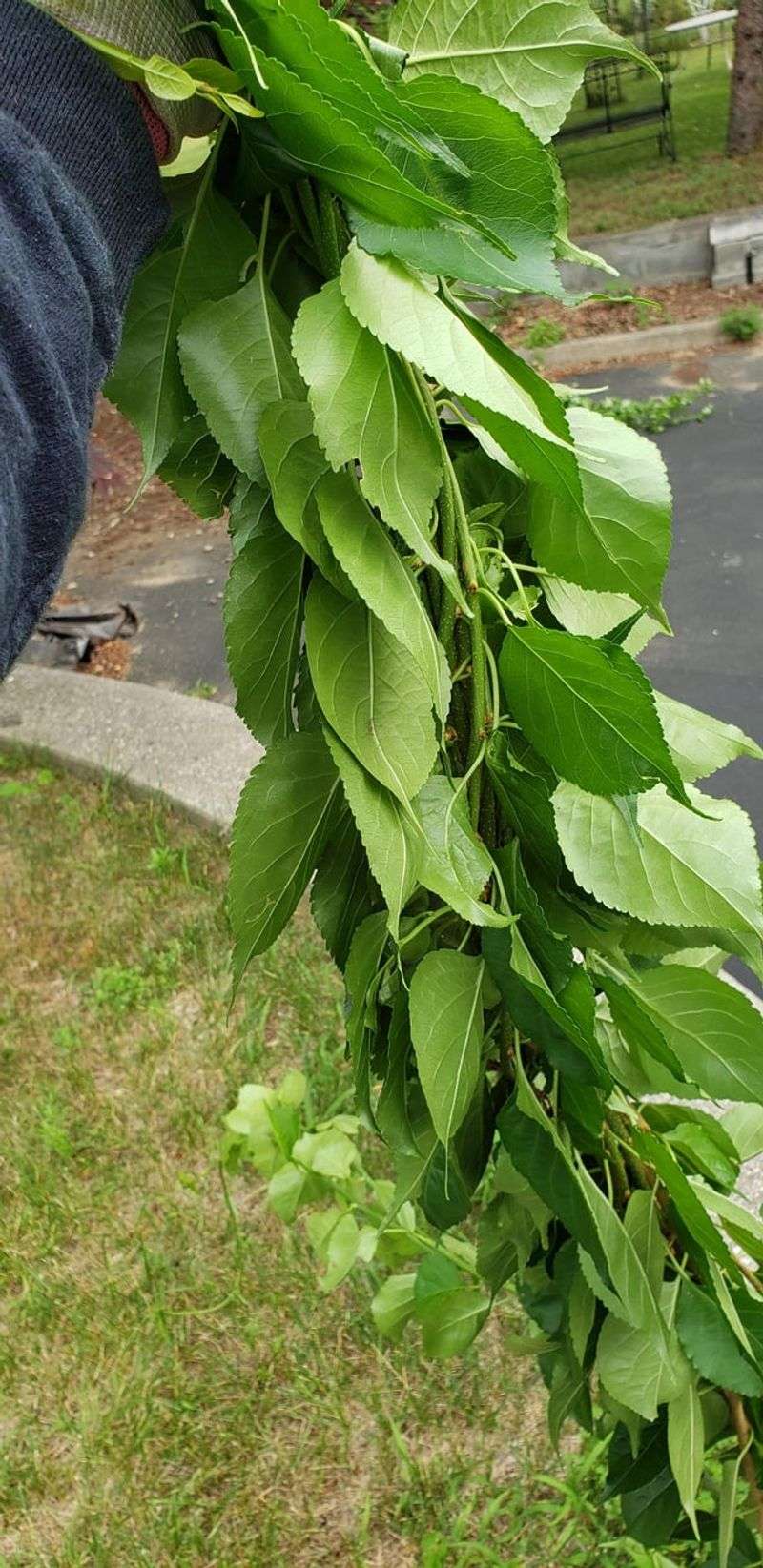
Winning against bittersweet feels a lot like keeping a garden weed-free. One good day helps, but steady attention wins the war.
Roots left in the soil can push up new shoots months later. Seeds dropped by birds may also sprout long after your first cleanup.
Plan to check treated areas several times each year. Spring, midsummer, and early fall make a solid schedule.
A simple notebook or phone note works wonders. Jot down where vines grew and what methods you used.
Photos help you track progress too. Comparing pictures from different seasons shows whether the patch is shrinking.
Expect some setbacks along the way. Fresh sprouts are normal and simply mean the roots still have a little fuel left.
Deal with new growth quickly before it climbs. Small shoots are far easier to handle than woody vines.
Most experts say control takes several years of follow-up. Large tangles may need even longer to fade away fully.
Teaming up with neighbors makes a huge difference. Vines on one property can easily reseed the yard next door.
Across New York, community groups hold invasive plant removal days. Joining one can teach you new skills and connect you with helpful locals.
Replant cleared spaces with native shrubs and groundcovers. Healthy plants fill gaps and leave less room for bittersweet to sneak back.
Stick with it, and your yard will thank you. Persistence beats this stubborn vine in the end.