8 Things New York Homeowners Should Do Before The First Overnight Freeze
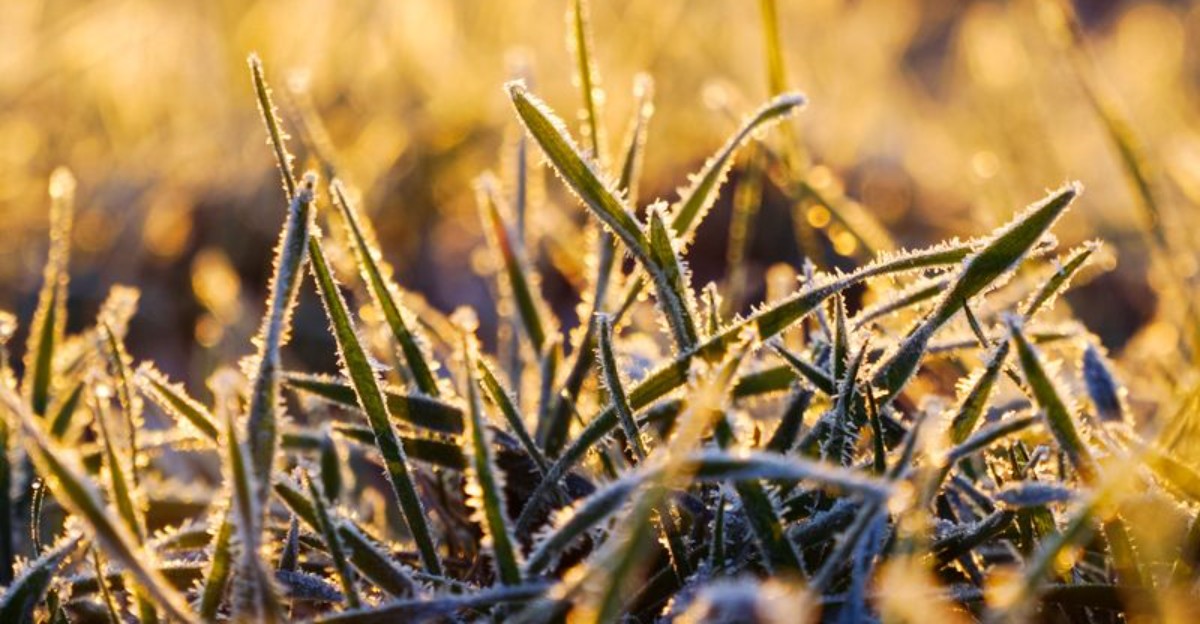
The first cold snap in New York can arrive fast. One evening feels mild, and by morning the lawn is crunchy and tender plants are drooping.
Frost can arrive much earlier in some areas than others. That leaves a short window to protect the plants, pipes, and lawn you cared for all summer.
Most fall prep does not take much time. A few simple jobs now can prevent costly repairs and winter damage later.
So, before the season turns colder, take one last look at your outdoor spaces. Focus on the areas most likely to suffer when temperatures fall.
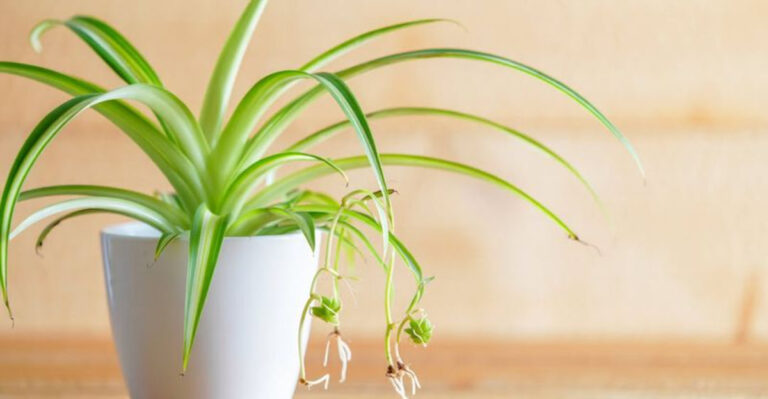
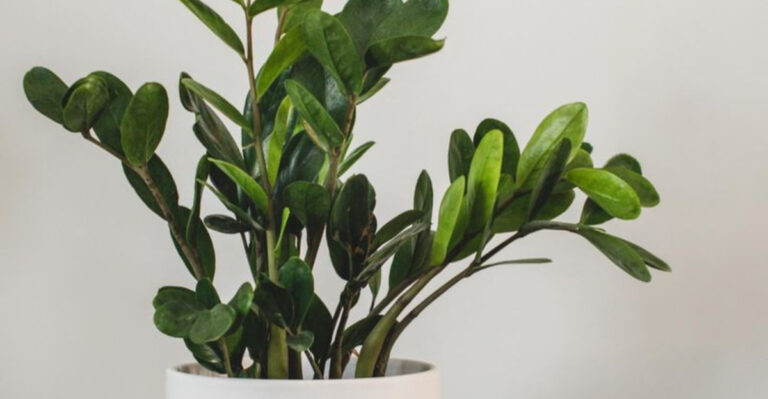
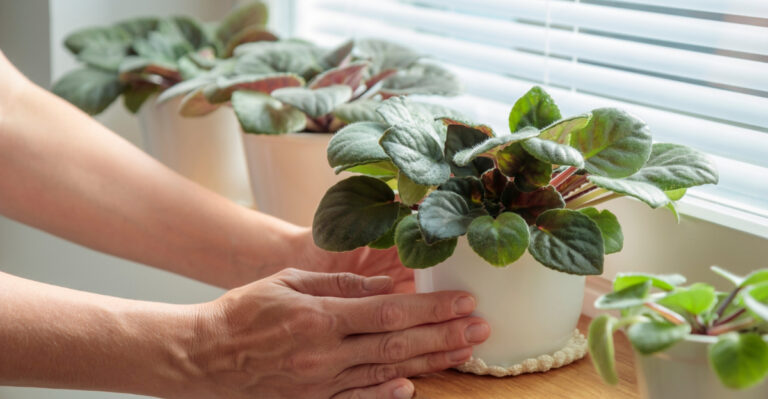
1. Bring Tender Potted Plants Back Indoors

That fiddle leaf fig on your porch has been living its best summer life. Once nights slide into the 50s, the vacation is over.
Many tropical houseplants struggle as temperatures drop into the 50s. Bring tender plants indoors before a freeze, and check individual plants for their cold tolerance.
Gardeners often follow the simple 50-50 rule as a reminder. When temperatures hold in the mid to high 50s, it is time to move pots inside.
Before anything crosses the threshold of your home, flip leaves over and inspect. Aphids, spider mites, and fungus gnats love hitching a free ride.
Keep returning plants in a separate room for a few weeks. Isolation gives you time to spot and treat pests before they spread to the rest of your collection.
Wipe dusty leaves with a damp cloth once the pots settle indoors. Clean foliage soaks up more of that weak winter light.
Shift plants close to south or east facing windows for brighter days. Rotate the pots weekly so every side gets a fair share.
Hold off on fertilizer through the cold months since growth slows way down. Water less often too, checking the top inch of soil first.
Radiators dry indoor air fast, which tropical plants dislike. Group pots together or set them on pebble trays to raise humidity.
Keep foliage away from drafty doors, heating vents, and hot radiators. Sudden temperature swings trigger leaf drop and crispy brown edges.
Expect a few yellow leaves during the adjustment period anyway. Plants are simply trading summer sunshine for cozy indoor living.
2. Drain Hoses And Winterize Outdoor Water Lines
Water expands roughly nine percent when it turns to ice. Inside a closed pipe, that small change becomes an expensive plumbing bill.
Start with the garden hose, which is the easiest win of the day. Disconnect it, stretch it downhill, and let every drop run out.
Coil the empty hose and stash it in a shed or garage. Leaving it attached traps water right against the spigot connection.
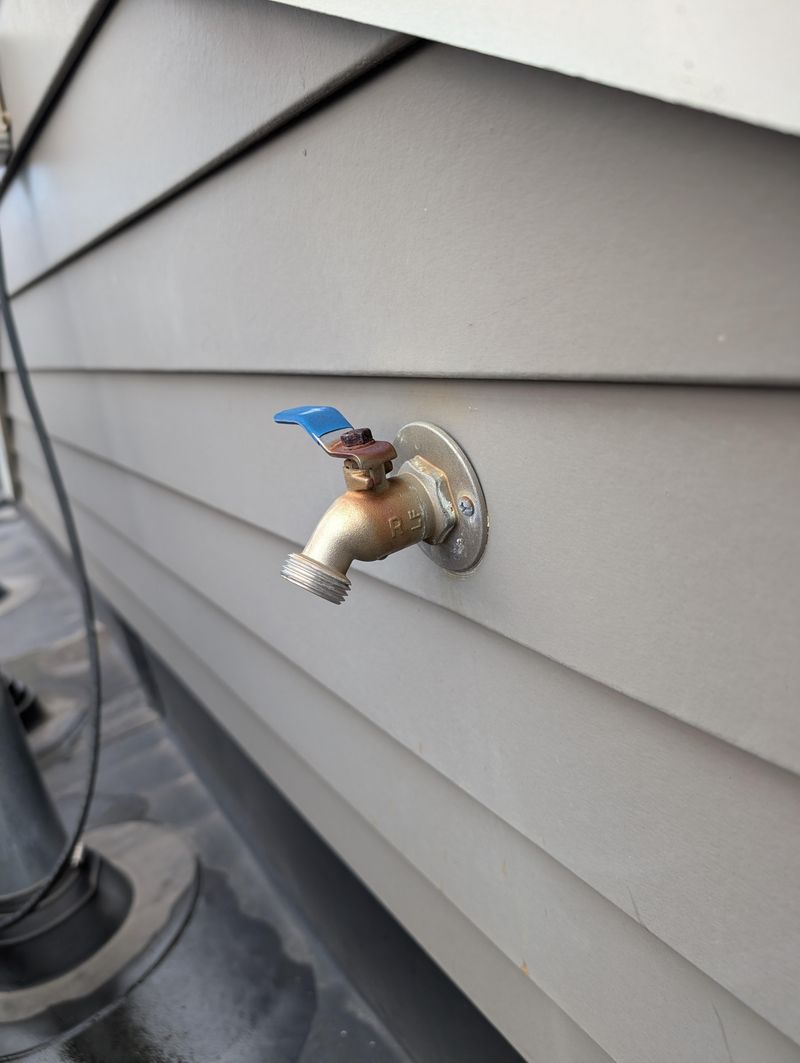
Outdoor faucets, sometimes called hose bibs, need attention next. Find the indoor shut-off valve and close the supply to each exterior line.
Head back outside and open those spigots wide. Letting them drain clears leftover water sitting in the wall cavity.
Some homes also have a small bleeder cap on the indoor valve. Opening it releases trapped water between the valve and faucet.
Your New York Garden Changes Every Week. Your Plan Should Too.
Gardening in New York changes quickly throughout the season. Every Friday you’ll receive a simple weekly plan showing exactly what to plant, prune, fertilize, harvest, and protect so you never miss the right timing.
Frost-free spigots still fail when a hose stays connected all winter. Treat them the same way and disconnect everything anyway.
Irrigation systems ask for a bit more effort than simple draining. Water hides in low spots even after the valves look empty.
Blowing the lines out with an air compressor pushes that water free. Many New York homeowners hire an irrigation company for this step.
Professionals use the right pressure settings so sprinkler heads stay intact. Too much force cracks fittings you will not notice until spring.
Do not forget rain barrels, pond pumps, and outdoor showers. Drain, disconnect, and store them before the first hard overnight freeze arrives.
3. Water Newly Planted Trees And Shrubs
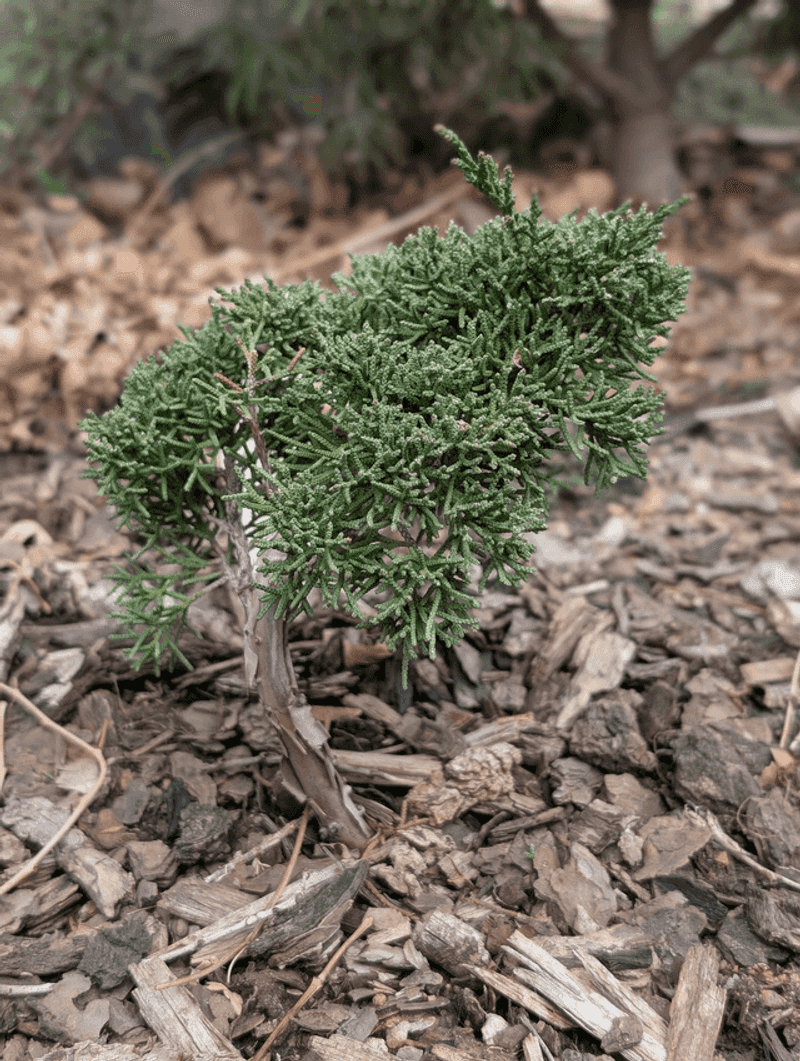
Fall planting season tempts everyone with discounted nursery stock. Those bargain trees need one more favor before the ground stiffens.
Young root balls have not spread far into the surrounding soil yet. A deep soak now gives them a reserve to draw from.
Winter wind pulls moisture out of stems and evergreen needles constantly. Dry roots cannot replace what the air steals away.
Run a hose at a slow trickle for twenty minutes per tree. Slow watering lets moisture sink down instead of running off.
Aim the water at the root ball and the ring just outside it. That circle is where new feeder roots are forming.
Damp soil also holds warmth better than dry, crumbly ground. Think of moisture as a free insulating blanket for the roots.
Across New York, autumn can turn surprisingly dry between storms. Check rainfall totals rather than assuming the yard got enough.
Poke a finger or screwdriver into the soil to test. If it slides in easily, moisture levels are still decent.
Keep checking new plantings and water as needed until the ground begins to freeze. Pick a mild afternoon so the water soaks in before nightfall.
Broadleaf evergreens like rhododendron and holly appreciate this attention most. Their wide leaves lose water all winter long.
Established trees planted several years ago usually manage on their own. Focus your energy on anything planted within the last two seasons.
A watering wand or slow-release bag makes the job nearly hands free.
4. Mulch Roots Before Freeze And Thaw Cycles
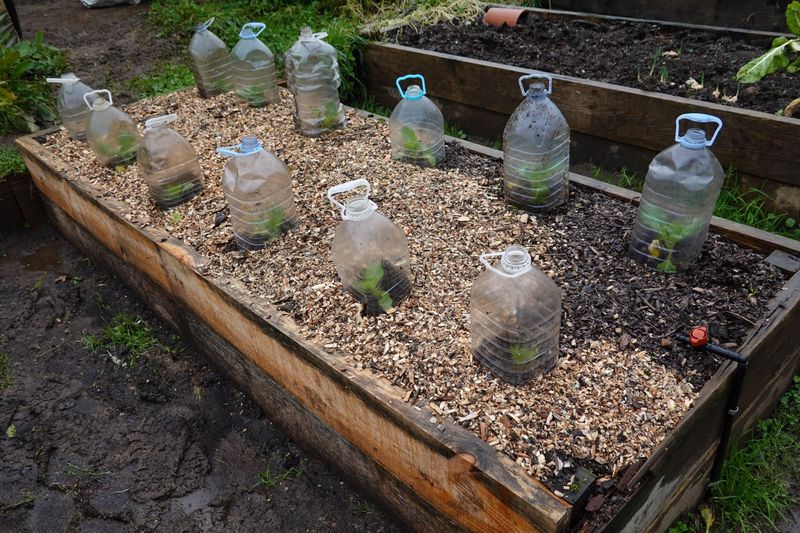
New York winters love to play games with the thermometer. Forty degrees on Tuesday, then eighteen on Thursday, over and over.
That back and forth heaves soil upward and pushes shallow roots out. Perennials sometimes end up sitting halfway on top of the bed.
Mulch acts like a steady thermostat for the ground below. It slows how fast soil warms and cools during swings.
Spread two to four inches of organic material around plants. Shredded bark, wood chips, pine straw, or chopped leaves all work.
Wait until the top inch of soil has chilled before spreading. Mulching too early keeps the ground cozy for burrowing rodents.
Pull the mulch back a few inches from trunks and stems. Piling it against bark traps moisture and invites rot.
Those volcano-shaped mulch mounds around street trees are a common mistake. A flat donut shape is what roots actually want.
Beyond temperature control, mulch locks in soil moisture through dry spells. Fewer waterings for you, steadier conditions for the plants.
Newly divided perennials benefit most since their roots sit close to the surface. Same goes for anything planted in the last few months.
Shredded autumn leaves are free and available in every neighborhood. Run the mower over a pile and you have instant mulch.
Come spring, pull the layer back so soil can warm up. The decomposed portion quietly feeds your beds all season.
5. Shield Evergreens From Winter Wind And Sun
Ever noticed arborvitae that turn rusty brown by March? That is winter burn, and it is preventable with a little planning.
Evergreens keep their needles and keep losing moisture through them. When the soil is frozen, roots cannot send up replacements.
Bright winter sun bouncing off snow makes the problem worse. Foliage warms up, transpires, then gets slapped by cold wind.
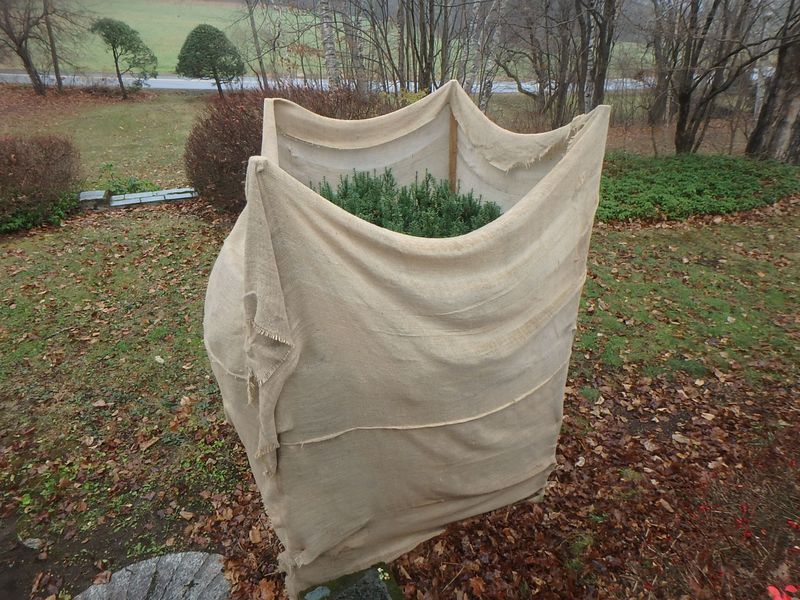
Burlap is a classic fix for exposed evergreens. Use it as a wind or salt-spray screen when plants need extra protection.
Wrap plants loosely or build a screen on the windy side.
Drive three wooden stakes around the shrub and staple burlap across them. Leave the top open so air and light still reach in.
Focus protection on the south and west exposures of your yard. Those sides catch the harshest afternoon glare.
Plants near driveways and sidewalks face a second enemy, road salt. A burlap barrier blocks salt spray from passing plows.
Anti-desiccant sprays coat leaves with a waxy film that slows water loss. Apply on a mild day above 40 degrees for best coverage.
Reapply the spray midwinter during a thaw since the coating wears off. Broadleaf evergreens like boxwood respond especially well.
Avoid wrapping plants tightly in plastic, which cooks foliage on sunny days. Breathable fabric is the better choice every time.
Young plantings deserve priority over mature, well-rooted specimens. Young evergreens deserve priority, especially while their roots are still becoming established.
6. Leave Some Perennials Standing For Winter
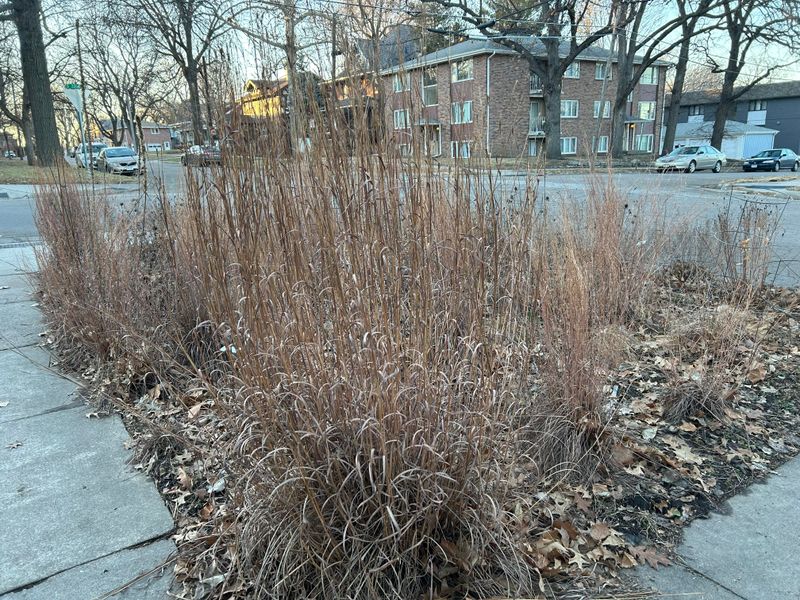
Here is permission to be a little lazy this fall. Not every stem needs to hit the compost pile.
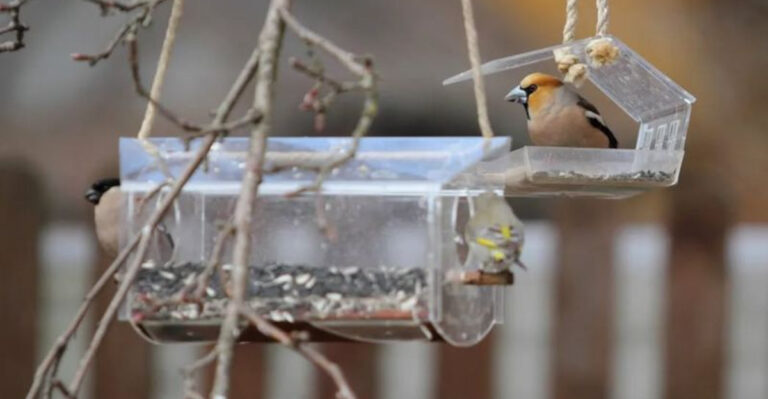
Coneflower and black-eyed Susan seed heads feed goldfinches and chickadees. Birds will work those stalks all through January.
Ornamental grasses catch frost and snow in ways that look stunning. Your winter view gets texture instead of bare brown soil.
Hollow stems from bee balm and Joe Pye weed shelter native bees. Tiny pollinators tuck inside and wait out the cold months.
Leaf litter around perennial crowns hides butterfly and moth cocoons. Raking every inch removes next summer’s pollinators by accident.
Standing stems also trap blowing snow, which insulates the crown below. Free protection courtesy of the weather.
Do cut back anything that showed disease, like powdery mildew on phlox. Infected material belongs in the trash rather than the compost.
Peonies and irises are worth trimming once their foliage has wilted, especially if it showed disease. Other perennials can often wait until spring.
Hold your cleanup until late winter or early spring when practical. Leaving some stems standing through winter gives overwintering insects more shelter.
Many gardeners now cut stalks to about twelve inches instead of ground level. The stubs still offer nesting spots for solitary bees.
Neighbors may raise an eyebrow at the shaggy look. Tell them the garden is hosting guests until April.
7. Harvest Tender Vegetables Before Frost
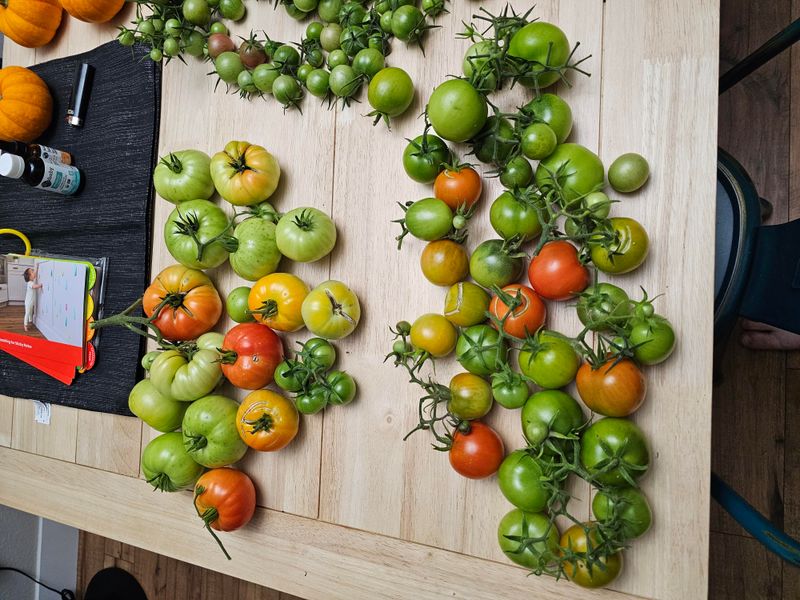
Frost does not negotiate with tomatoes. So, harvest them before a night near freezing is expected.
Tomatoes, peppers, eggplant, cucumbers, squash, and basil sit at the top of the risk list. Beans and corn follow close behind.
Watch the forecast for readings at or below 32 degrees. Low spots in your yard can run several degrees colder.
Clear, calm, windless nights carry the highest frost risk. Cloud cover acts like a blanket and often spares the garden.
Pick mature-green tomatoes before frost and let them ripen indoors on the counter, out of direct sun.
A paper bag with a ripe banana speeds the process along. Ethylene gas from the banana does the work.
Basil deserves rescuing first since it wilts in the low 40s. Snip whole stems and make pesto or root them in water.
Peppers keep well in the refrigerator for a couple of weeks. Extras freeze beautifully after a quick chop, no blanching needed.
Hardy crops like kale, carrots, Brussels sprouts, and parsnips can stay put. Frost actually sweetens their flavor noticeably.
If frost catches you off guard, drape old sheets over plants overnight. Remove the covers by midmorning so heat does not build.
Gardeners know the calendar shifts year to year. Watching the nightly forecast beats trusting an average frost date.
8. Give Cool Season Lawns One Last Check
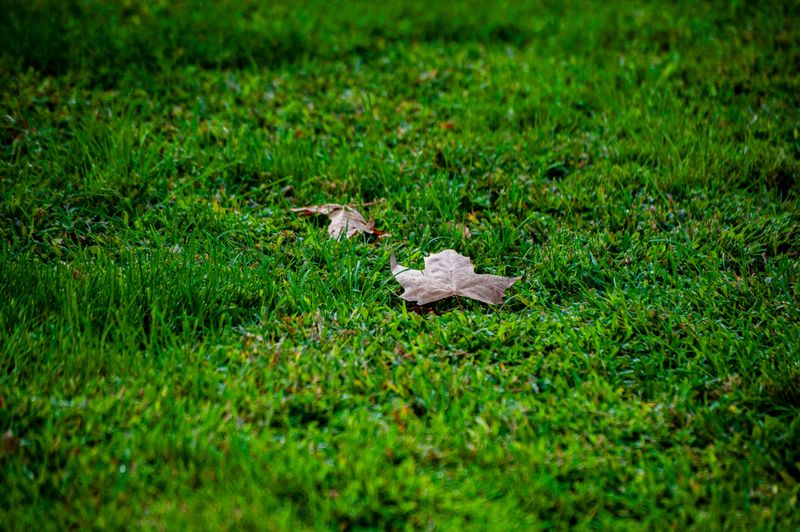
Lawn care in November feels pointless until you see April results. Cool season grasses do their best root work right now.
Kentucky bluegrass, fescue, and ryegrass dominate New York yards. All three push roots hard during crisp autumn weather.
Start by clearing fallen leaves before they mat down. A thick, wet layer smothers grass and encourages snow mold.
Thin, dry leaf cover can be chopped up with the mower instead. Shredded pieces break down and feed the soil over winter.
Plan one final mow for late October or early November. Timing shifts depending on whether you are upstate or downstate.
Set the deck to about 2.5 or 3 inches for that cut. Shorter blades resist matting without stressing the turf.
Sharpen the mower blade first so grass gets a clean slice. Torn tips invite disease during damp stretches.
Aeration works best in early to mid September, especially before overseeding. Pulling soil plugs relieves compaction and opens paths for air and water.
A fall fertilizer application can help cool-season lawns, but choose the nutrients your soil actually needs. Look for a slow-release nitrogen fertilizer and follow your soil-test recommendations for phosphorus and potassium.
If you use granular fertilizer, follow the product’s watering directions and keep granules off sidewalks and driveways. Watering can help move nutrients into the soil when recommended.
Keep watering during dry stretches while the grass is still growing. Once the ground freezes and the lawn goes dormant, regular watering is no longer needed.