Why Do Some Pennsylvania Lawns Grow Back Thicker Than The Yard Next Door
Why does your neighbor’s grass feel soft while yours crunches underfoot? You share the same sky, the same soil type, even the same sidewalk.
Pennsylvania rewards you for timing, not effort. Cool-season grasses like fescue and bluegrass need your attention when summer fades.
Seed in late August, and roots settle before frost arrives. Mow tall so shade protects soil from strong sun.
Test your soil through a local extension office for a small fee. Results reveal whether lime or fertilizer deserves your money.
Guessing wastes cash and feeds weeds instead. Crabgrass thrives when you skip spring prevention.
Water deeply but infrequently, so roots chase moisture downward. Across Pennsylvania, you can copy these habits without special gadgets.
Your neighbor probably learned them through trial, error, and stubborn patience. Soon you will stroll across a lawn that finally invites your bare feet.
1. Early Fall Seeding Outperforms Spring Planting
Ask any old-timer at a Pennsylvania garden center, and you will hear the same advice about grass seed. Late August through early October is the sweet spot for planting.
Soil stays warm from summer, which helps seeds sprout fast. Meanwhile, cooler air keeps the young grass from getting stressed by strong July heat.
Spring seeding sounds tempting because everyone gets the itch to garden in April. Spring grass has only a few weeks before summer heat stresses its shallow roots.
Weeds also love spring, and crabgrass sprouts right alongside your new seedlings. In fall, crabgrass is finishing up its life, so your grass faces far less competition.
Your neighbor with the thick lawn probably seeded thin spots in September. By November, those baby blades had months to build roots before the ground froze.
If you are reading this in early October, you may wonder if you missed the window. In southern Pennsylvania, early October seeding can still work if you move quickly.
Up north in the Poconos and highlands, frost arrives sooner, so seeding now is riskier. Instead, make a note on your calendar for late August next year.
Here is a handy fact to share at dinner. Cool-season grasses build strong roots in both fall and spring, which explains why timing matters so much.
Keep new seed moist with light watering daily until sprouts appear, often within weeks. Once the grass reaches about three inches tall, you can mow it gently.
2. Seed Choice Matches The Pennsylvania Climate
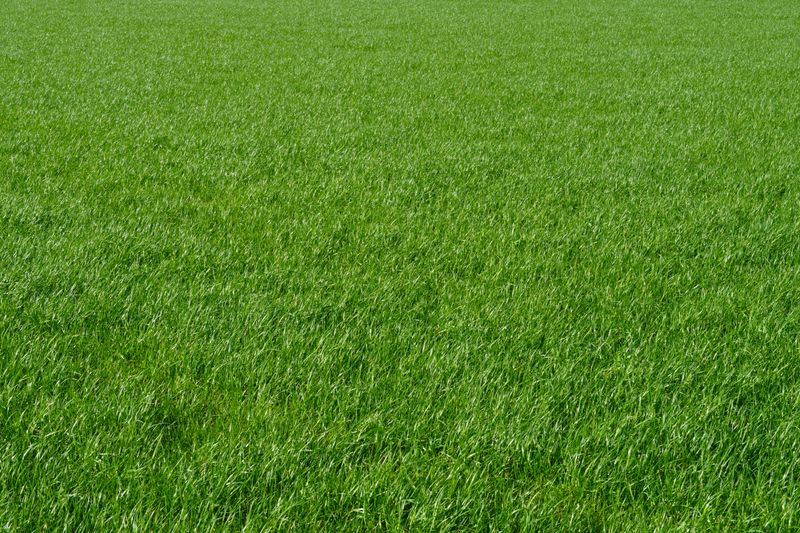
Not all grass seed is created equal, and low-cost bargain bags show it quickly. Many contain filler, weed seeds, or grass types ill-suited to Pennsylvania winters.
Most of Pennsylvania falls into the cool-season grass region of the country. That means grasses that grow best in spring and fall will feel right at home.
Tall fescue is a reliable favorite with deep roots that handle summer drought well. Kentucky bluegrass spreads underground, filling bare patches on its own over time.
Perennial ryegrass germinates very quickly, often within just five to ten days. Many blends pair bluegrass with ryegrass, while tall fescue often performs best alone.
Your Pennsylvania Garden Changes Every Week. Your Plan Should Too.
Gardening in Pennsylvania changes quickly throughout the season. Every Friday you’ll receive a simple weekly plan showing exactly what to plant, prune, fertilize, harvest, and protect so you never miss the right timing.
Shady spots under big oaks or maples need something different. Fine fescues tolerate low light far better than sun-loving bluegrass does.
Flip the bag over and read the label before buying anything. Look for weed seed under half a percent and no noxious weeds listed.
Check the germination rate too, which should be eighty-five percent or higher. A test date within the past several months means the seed is fresh.
Kentucky bluegrass is widely believed to have come from Europe, not Kentucky. It spread so well that many people assumed it was native.
Your local garden center often stocks blends made for the region. Staff there can point you toward mixes that match your sun and soil.
Spending a little more on quality seed saves money in the long run. You will reseed less often and enjoy thicker grass much sooner.
3. They Pull Soil Plugs To Let The Roots Breathe
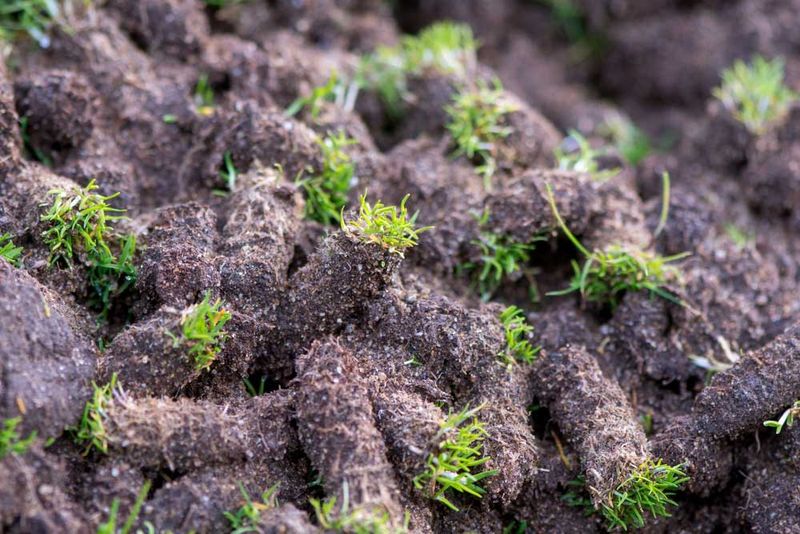
Walk across many Pennsylvania yards, and you may stand on clay or compacted soil that packs tightly. Grass roots struggle to push through soil that tight.
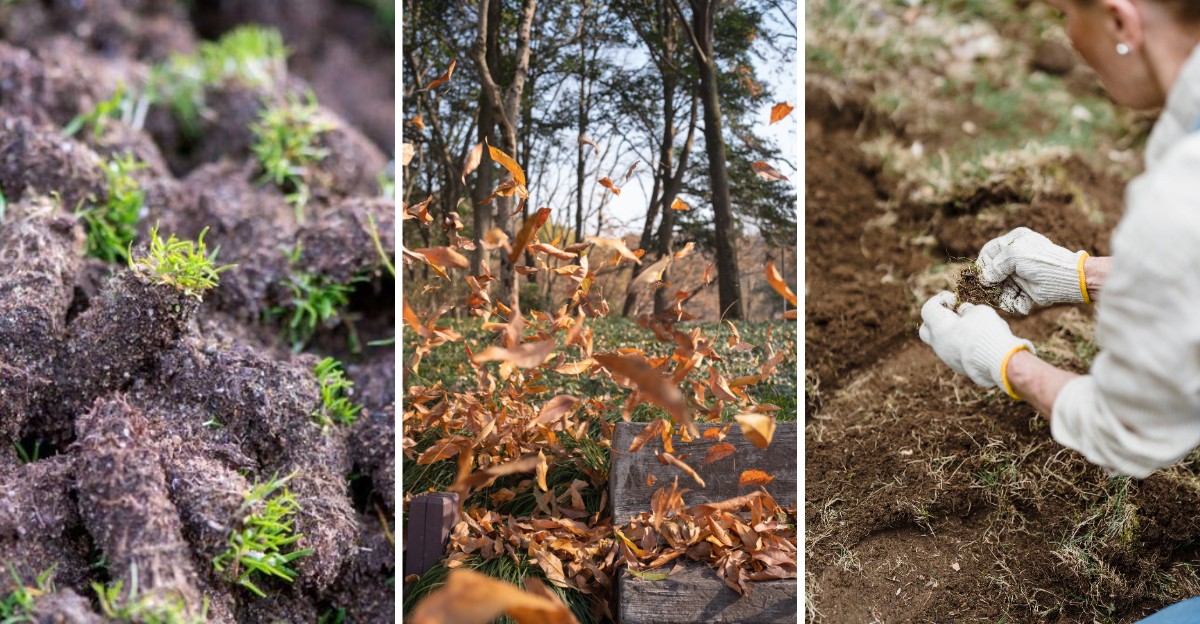
Lawns that bounce back thick often get a yearly treatment called core aeration. A machine pulls small plugs of soil out, leaving finger-sized holes everywhere.
Those little holes let air, water, and fertilizer slip down to the roots. They also give new grass seed a cozy pocket to sprout in.
Yes, the plugs left on top look a bit like soil pellets scattered around. Don’t worry, because they break down in two to four weeks after rain.
Early fall is the best time to aerate cool-season lawns across the state. Pairing aeration with overseeding gives seeds the best chance to grab hold.
You can rent a core aerator from most hardware stores for around half a day. Splitting the rental cost with a neighbor makes the job cheaper and more fun.
Skip the spike shoes that poke holes without removing soil. Those spikes can squeeze the dirt even tighter around each hole, which reduces the overall benefit.
Before you start, flag sprinkler heads, buried cables, and shallow pipes. Water the lawn a day ahead so the tines sink deep into softened ground.
Heavy clay yards may need aeration every year for a while. Sandier lawns can usually get by with a round every two or three years.
Kids may enjoy watching the machine spit out plugs. Hand them a rake and they might even help spread fresh seed afterward.
4. Soil Testing Comes Before Adding Anything
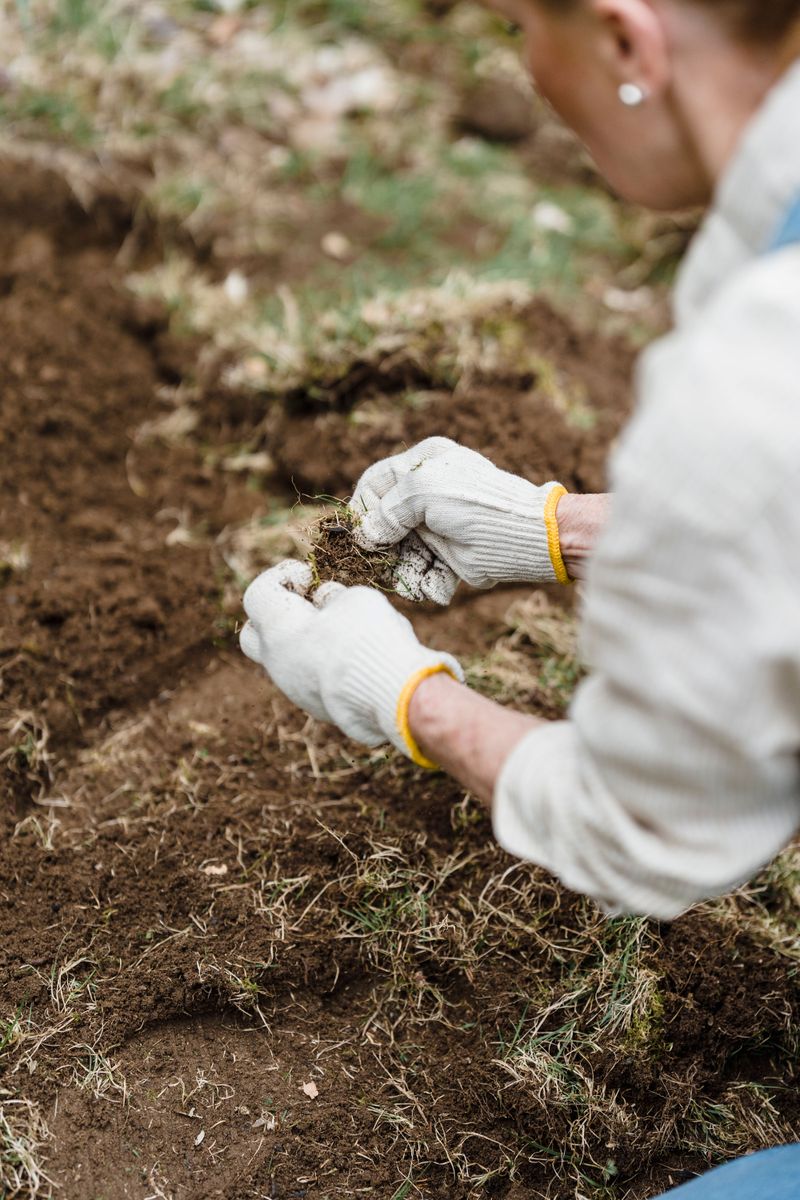
Guessing about fertilizer is a bit like choosing a treatment before getting a diagnosis. Plenty of homeowners spread products for years without learning what their soil actually needs.
Penn State Extension sells affordable soil test kits, usually around fifteen dollars. You scoop dirt from several spots, mail it in, and get a report back.
That report tells you your soil pH and nutrient levels in plain numbers. It also suggests exactly how much lime or fertilizer to add.
Much of Pennsylvania has naturally acidic soil, thanks to heavy rainfall and old forests. Grass prefers a pH between about 6.0 and 7.0 to grow well.
When soil gets too acidic, grass cannot absorb nutrients even if you feed it heavily. Lime raises the pH slowly, and fall is a great time to spread it.
Picture two neighbors buying the same fertilizer bag. One tested first and added lime, while the other kept wondering why nothing improved.
Some reports also flag low phosphorus or potassium, which help roots grow strong. Knowing those numbers keeps you from wasting money on nutrients your lawn already has.
To collect a good sample, follow the kit’s directions for depth and number of spots. Mix the soil in a clean bucket, then fill the bag from that blend.
Avoid sampling right after fertilizing, because the results may look misleading. Testing every three years is plenty for most home lawns.
Bonus tip: keep your old reports in a folder. Comparing them over time shows whether your efforts are actually paying off.
5. Mowing High With Sharp Blades Pays Off
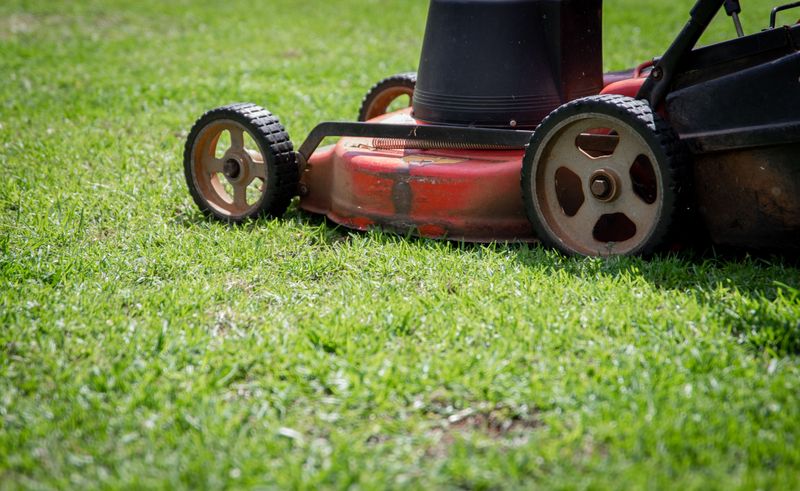
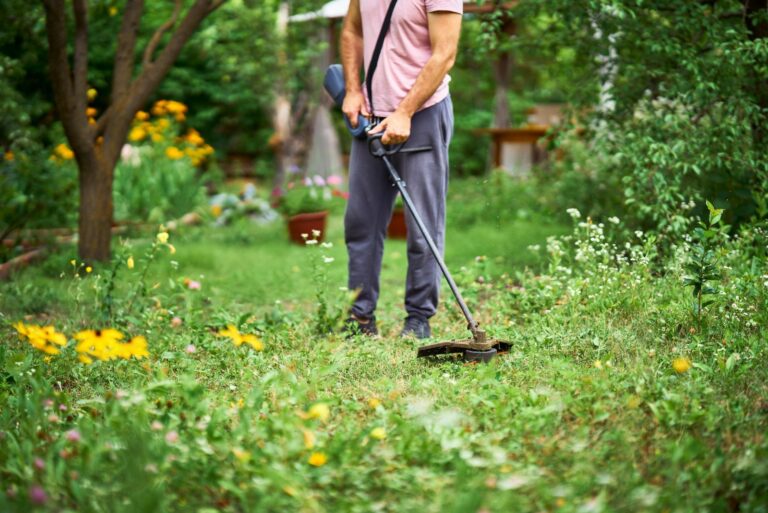
Here is a simple adjustment that adds no extra cost. Raise your mower deck, and your grass will thank you within weeks.
Thick Pennsylvania lawns are usually mowed at about three inches or taller. Taller blades shade the soil, keeping it cooler and blocking weed seeds from sprouting.
Longer grass also tends to support deeper roots, which helps it handle hot summer weather. Deep roots find water during dry spells when short lawns turn brown.
Follow the one-third rule every time you mow. Cut off no more than a third of the blade height in a single session.
Scalping the lawn down to two inches stresses the grass and invites problems. Weeds move in quickly, and thin patches start showing up by midsummer.
Dull blades are another hidden problem many people overlook. Instead of slicing cleanly, they tear grass tips, leaving ragged brown edges that invite disease.
Sharpen your mower blade at least once or twice each season. Many hardware stores will do it for a few dollars if you bring it in.
Leave the clippings on the lawn rather than bagging them. Those tiny pieces break down fast and return free nutrients to the soil.
Mowing when the grass is dry also gives a cleaner cut. Wet blades clump, clog the deck, and leave messy piles behind.
In October, keep mowing until the grass stops growing, usually after a few hard frosts. Drop the height slightly for the final cut to help prevent snow mold.
Try changing your mowing pattern each week too. Going the same direction repeatedly creates ruts and makes grass lean one way.
6. Deep Watering Works Better Than Daily Sprinkling
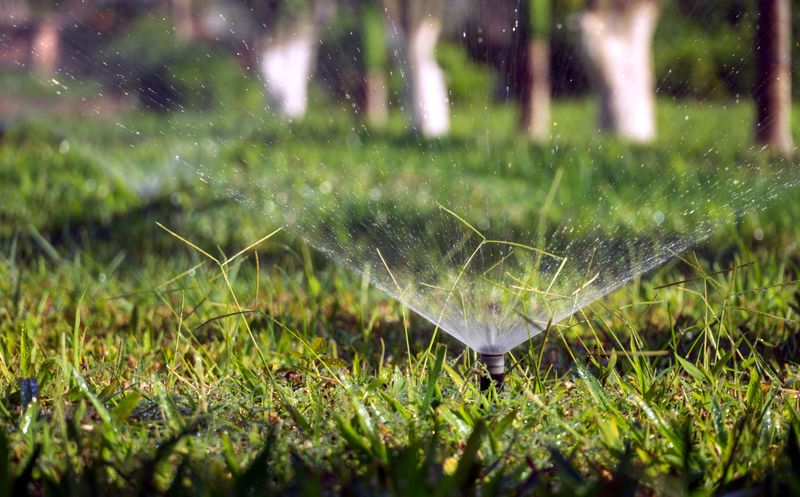
Remember that neighbor who runs sprinklers for ten minutes every evening? Yet that habit can make grass weaker instead of stronger.
Short, frequent watering keeps moisture near the surface, so roots stay short and shallow. When a heat wave hits, those shallow roots dry out fast.
Healthy lawns usually need about one inch of water per week, including rainfall. Delivering that inch in one or two deep soakings trains roots to dig down.
Want to know how long an inch takes? Set a few empty tuna cans around the yard and time how long they take to fill.
Early morning is the best time to water, ideally before nine o’clock. Less water evaporates, and blades dry off during the day.
Evening watering leaves grass damp all night, which fungus loves. Brown patch and other lawn diseases spread quickly in warm, wet conditions.
Newly seeded areas are the big exception to the deep-watering rule. Seeds need light, frequent misting so the top layer stays moist until sprouts appear.
Pennsylvania falls usually bring decent rain, so you may not need sprinklers much in October. A simple rain gauge helps you avoid wasting water.
During summer droughts, some neighbors let their lawns go dormant and turn tan. Cool-season grass usually greens up again once steady rain returns.
Soaker hoses and timers make deep watering easy for busy families. Set them once, and the lawn gets a steady drink without extra effort.
Stepping on the grass offers a quick test. If footprints linger and grass stays flat, your lawn is thirsty and ready for a drink.
7. Fall Feeding Does The Heavy Lifting
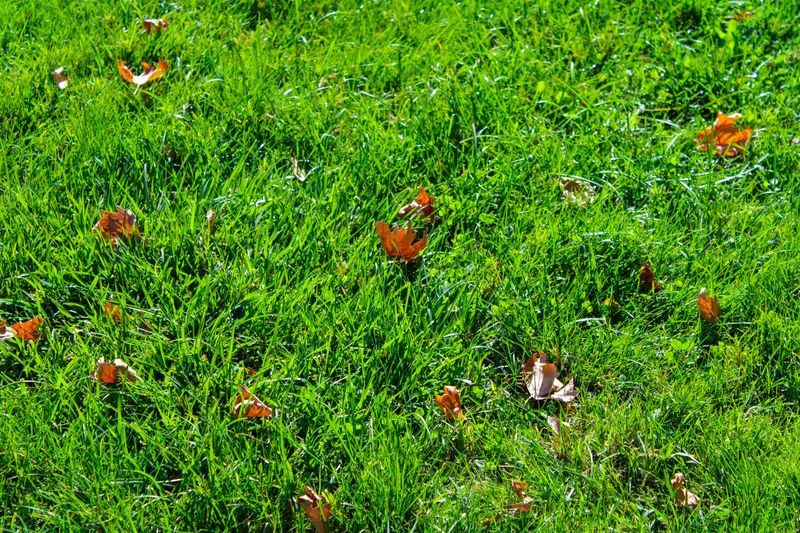
Feeding grass in summer feels natural because that is when everyone is outside. Yet the greenest Pennsylvania lawns often get their biggest meal in the fall.
Cool-season grass slows down top growth as temperatures drop. Underground, though, roots stay busy, soaking up nutrients and storing energy for winter.
A fall feeding in September and another around early November gives roots a real boost. Come spring, those lawns often green up before their neighbors.
Summer fertilizing can backfire in the heat. Fast, tender growth scorches easily and attracts disease when July temperatures rise.
Choose a fertilizer with slow-release nitrogen for steady feeding. Quick-release products give a short burst of green, then fade within a couple weeks.
Your soil test results can guide how much to use. Some yards need extra potassium in fall to handle cold winters better.
Much of Pennsylvania drains to the Chesapeake Bay, so runoff matters. Sweep any granules off sidewalks and driveways so rain doesn’t wash them into storm drains.
Spreader settings matter more than most people think. Read the bag carefully, and walk at a steady pace to avoid striped, uneven color.
Make a half-strength pass in one direction, then another crosswise. That simple trick prevents missed strips and scorched spots from overlapping too much.
Avoid fertilizing frozen ground or right before a heavy storm. Nutrients just run off instead of soaking into the roots where they belong.
Think of fall feeding like packing a lunch for a long trip. Your grass eats well now and wakes up hungry for growth in April.
8. Leaves Get Cleared Before They Weaken The Grass
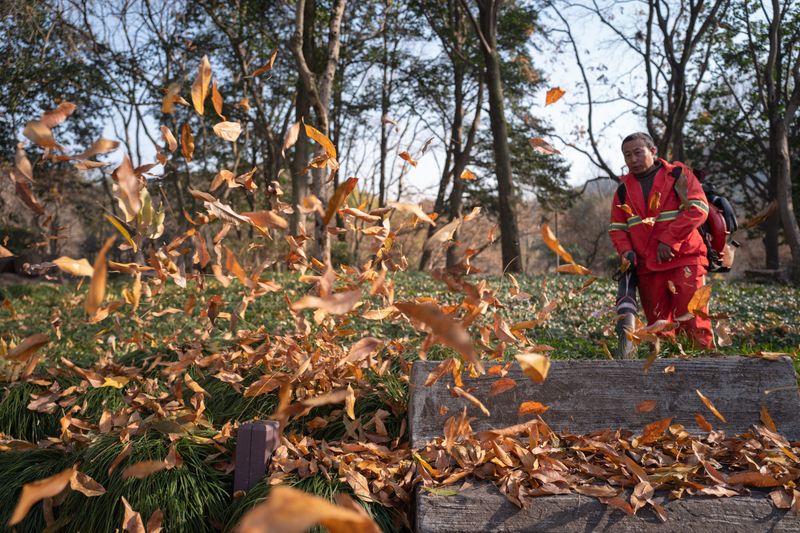
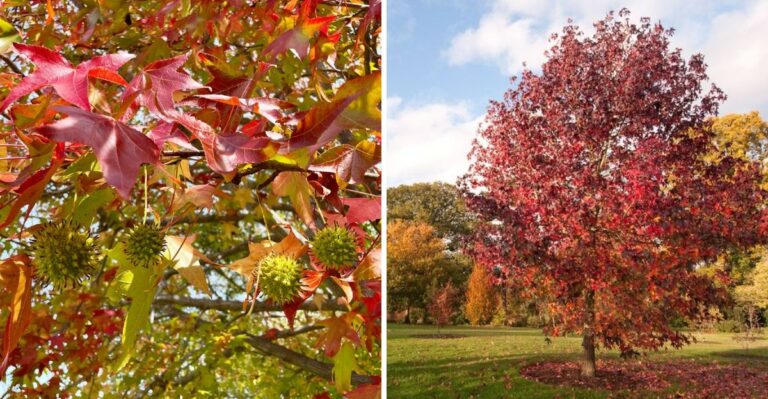
October in Pennsylvania means red maples, russet oaks, golden hickories, and crunchy leaf piles. Those colorful piles look lovely, but they can weaken grass underneath.
A thick, soggy leaf layer blocks sunlight right when grass is storing energy for winter. Trapped moisture also invites snow mold, which leaves matted gray patches by spring.
Lawns that grow back thick usually get cleared of leaves every week or so. Waiting until every tree is bare often means weeks of damage.
Good news for tired arms: you can mulch leaves with your mower instead of raking. Chopped into dime-sized bits, they slip between blades and feed the soil.
Michigan State researchers found that mulched fall leaves may reduce dandelions. That could be a small weed control bonus.
When leaves get too deep for mulching, rake or blow them into piles. Many Pennsylvania towns offer curbside leaf pickup during fall.
Extra leaves make useful compost for vegetable beds next year. Mix them with grass clippings, and they break down faster.
Kids can turn raking into a game, jumping into piles before bagging. Hot cider afterward makes the chore feel more like a celebration.
Fresh seedlings are fragile, so take extra care around newly seeded patches. Use a leaf blower on low or a soft rake to avoid tearing tender sprouts.
Don’t forget leaves trapped along fences and flower beds. Those hidden piles often cause the worst bare spots come spring.
Your final fall cleanup should happen before the first snow sticks. Clear lawns enter winter healthier and wake up thicker than the yard next door.