The Climate-Resilient Native Plants New York Yards Need As Weather Patterns Shift
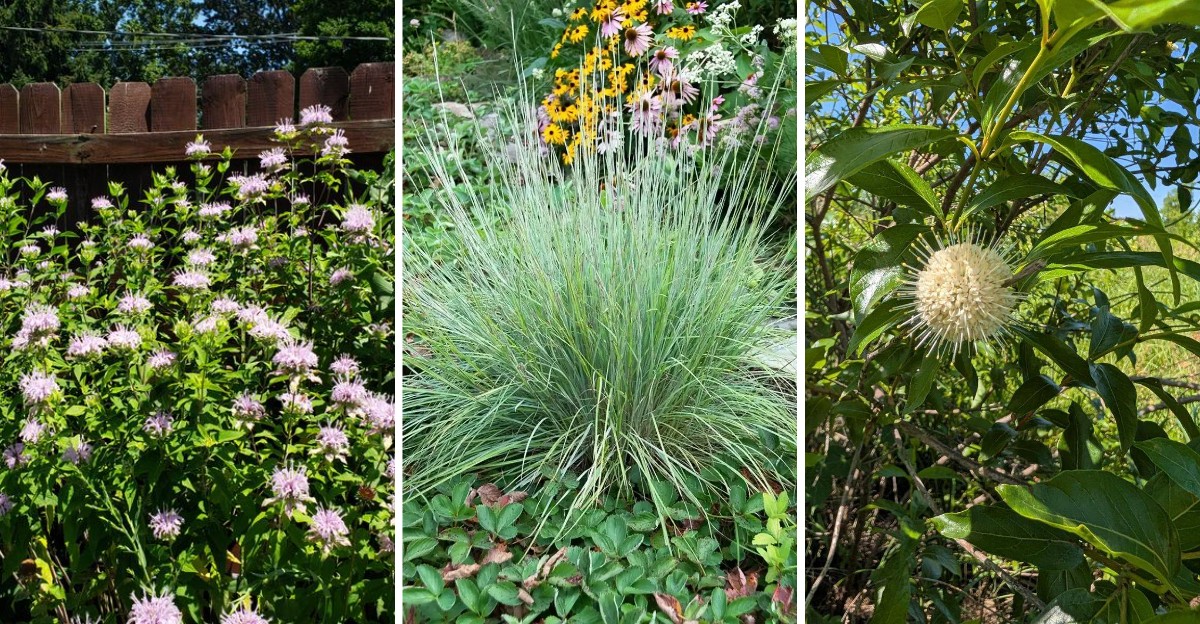
One week your yard bakes like a sidewalk in August, and the next it squishes like a wet sponge. Gardening in New York can feel like the weather changes its mind every few days.
Long dry spells, sudden downpours, and surprise heat waves are becoming more common. Many fancy garden plants simply can’t keep up with those wild swings.
Native plants, though, have been handling local weather for thousands of years. Their roots, leaves, and timing are tuned to this region in clever ways.
They also feed the bees, butterflies, and birds that depend on them. A yard full of natives can hum with pollinators and glow with color deep into fall.
Some of the plants below love soggy corners, while others shrug off weeks without rain. A few even thrive in dry shade where grass gives up.
1. Switchgrass For Drought And Downpours Alike
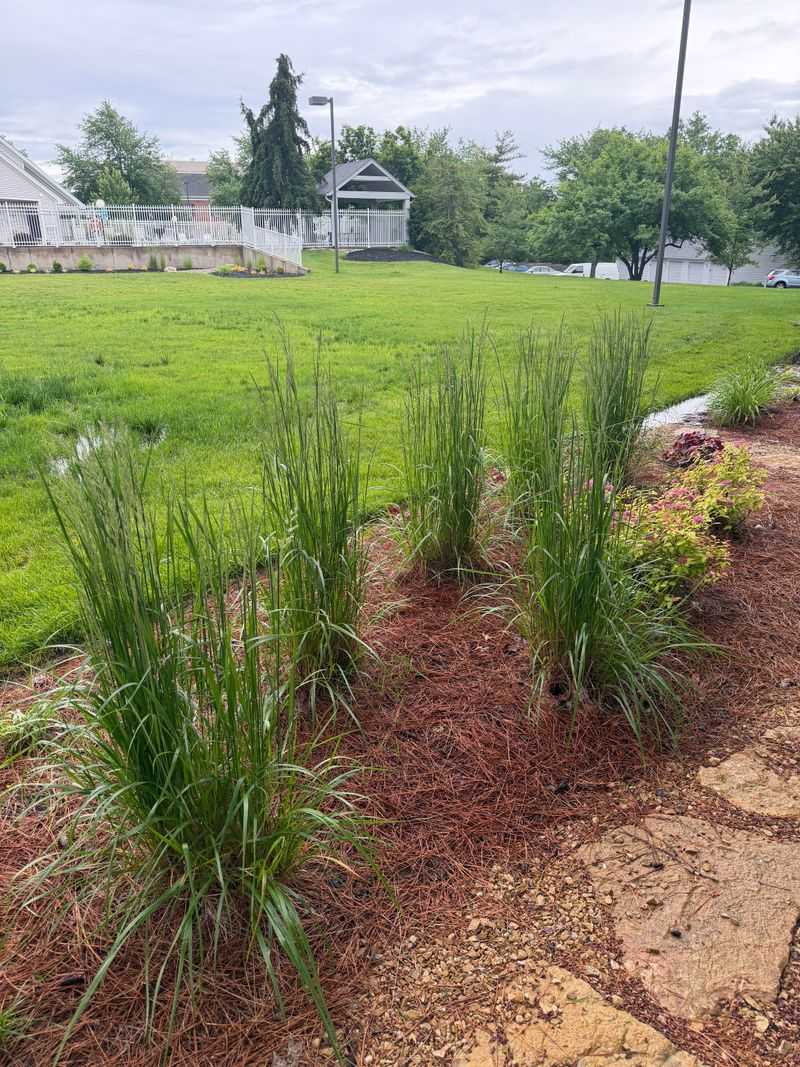
Picture a plant that laughs at both a soaking storm and a month without rain. Switchgrass pulls off that trick with roots that can reach about ten feet deep.
Gardeners across New York love it because it handles nearly any soil you have. Clay, sand, rocky ground, and wet spots all work for this tough native grass.
Once settled in, switchgrass taps deep water during dry spells. During heavy storms, it can sit in flooded soil for weeks without much trouble.
Some types handle wet feet even better than others. Ask your local nursery which variety suits a low or soggy part of your yard.
Full sun keeps it upright and happy. In too much shade, the stems may flop over and look a little messy by late summer.
Here is a fun bonus for patient gardeners. A single clump can live for about twenty years, growing a bit fuller every season.
Those thick roots also hold soil in place on slopes and ditch edges. That makes switchgrass a smart pick if heavy rain keeps washing your mulch away.
Wildlife benefits too, from birds to tiny butterflies. Several skippers lay eggs on the leaves, and sparrows nibble the seeds in winter.
Try cutting the clumps back in early spring instead of fall. Standing stems give birds shelter and add golden texture to snowy winter scenes.
Plant it in spring so roots grow strong before summer heat. Water weekly the first season, then mostly let nature handle the rest.
2. Little Bluestem For Dry, Sunny Slopes
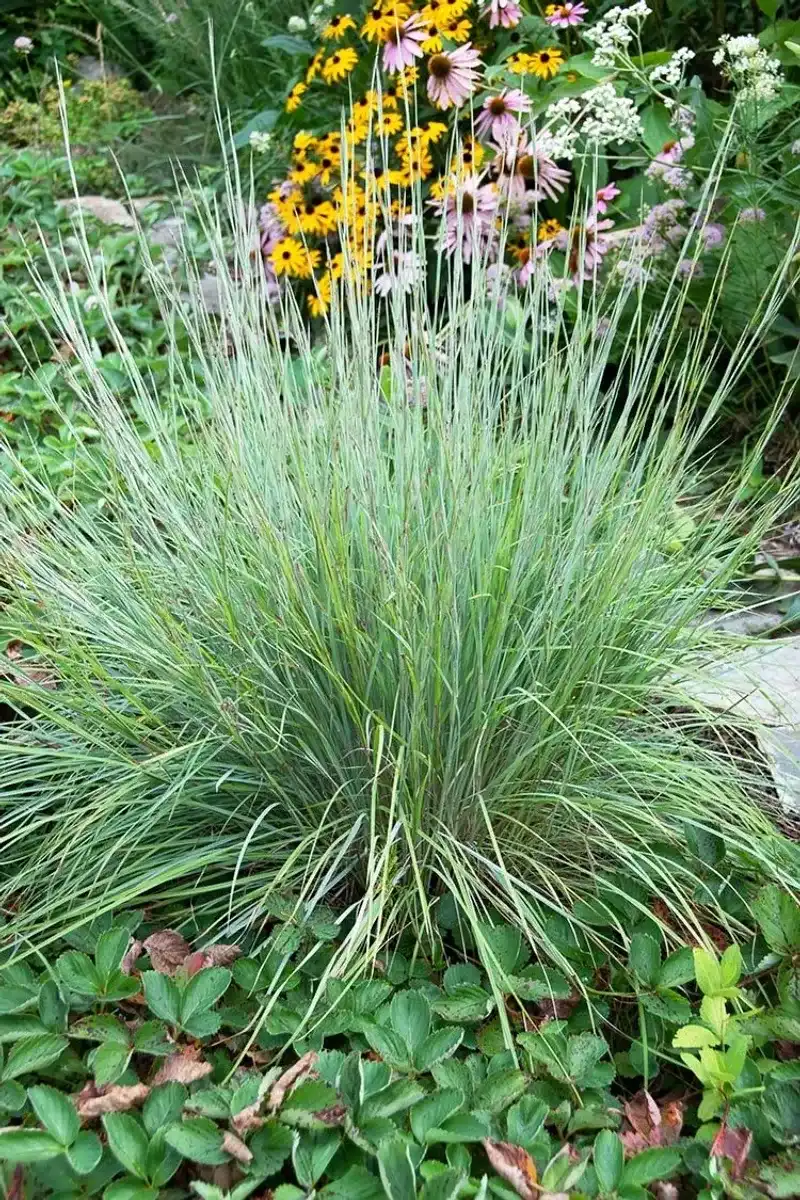
Got a hot, dry hill where nothing seems to grow? Little bluestem might just turn that troublesome patch into your favorite view.
Underground, this grass is a hidden giant. Its fibrous roots can stretch down around eight feet, chasing moisture that shallow plants cannot reach.
Above ground, it stays fairly short and tidy. Most clumps grow two to three feet tall, so they rarely block windows or walkways.
Poor soil does not bother it one bit. Sandy, rocky, and low-nutrient spots suit it nicely, and it even tolerates some clay.
Skip the fertilizer and rich compost here. Too much food makes the stems weak and floppy, which ruins its neat, upright look.
Your New York Garden Changes Every Week. Your Plan Should Too.
Gardening in New York changes quickly throughout the season. Every Friday you’ll receive a simple weekly plan showing exactly what to plant, prune, fertilize, harvest, and protect so you never miss the right timing.
Summer leaves wear a cool blue-green shade. Then fall arrives, and the clumps glow copper, bronze, and deep red across New York lawns.
That warm color sticks around through winter. Against snow, the rusty tufts look almost like little flames lighting up the garden.
Birds use the clumps for cover and munch on the fluffy seeds. Small mammals and some butterflies rely on it for food and shelter.
Here is a handy fact for some yards. Little bluestem tolerates the chemicals black walnut trees release, which harm many other plants.
Plant several clumps about eighteen inches apart on your slope. Within two seasons, they knit together and help slow runoff after heavy rain.
Give it full sun and good drainage. Then mostly leave it alone, which is the best kind of plant relationship.
3. Black-Eyed Susan For Heat-Proof Color
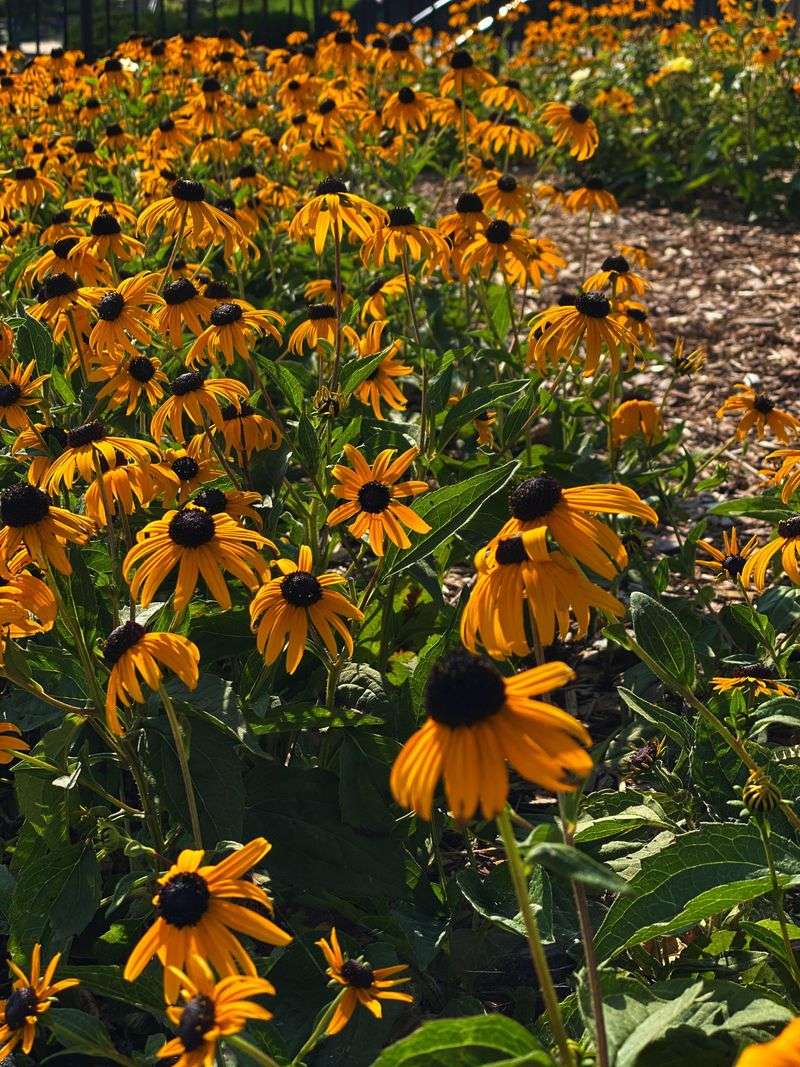
Grandma probably grew these, and for good reason. Black-eyed Susans keep smiling even when July turns the garden into an oven.
Their golden petals and dark brown centers pop from early summer into fall. Few flowers offer so much cheer for so little effort.
Heat and drought barely slow them down once roots settle in. A deep drink during the first summer is usually all they need.
Sunshine is their fuel. Give them at least six hours of direct light for the most blooms and sturdiest stems.
Soil can be average, sandy, or even poor. Just avoid soggy ground, since constantly wet roots can rot during rainy stretches.
Bees and butterflies swarm the flat, open blooms. Kids love spotting fuzzy bumblebees parked right on those chocolate-colored centers.
Hold off on snipping old flowers in fall. Goldfinches and other birds pick seeds from the dark cones well into winter.
Deer usually leave them alone thanks to their hairy leaves. That is welcome news for gardeners in many suburbs.
Fun fact: the plant is Maryland’s state flower. Yet it feels right at home in yards from Buffalo to Brooklyn.
Many black-eyed Susans reseed themselves freely. Let a few seedlings grow, and pull extras to share with neighbors.
Pair them with purple flowers for a bold, happy look. Wild bergamot or New England aster make cheerful partners nearby.
4. New England Aster For Late-Season Pollinators
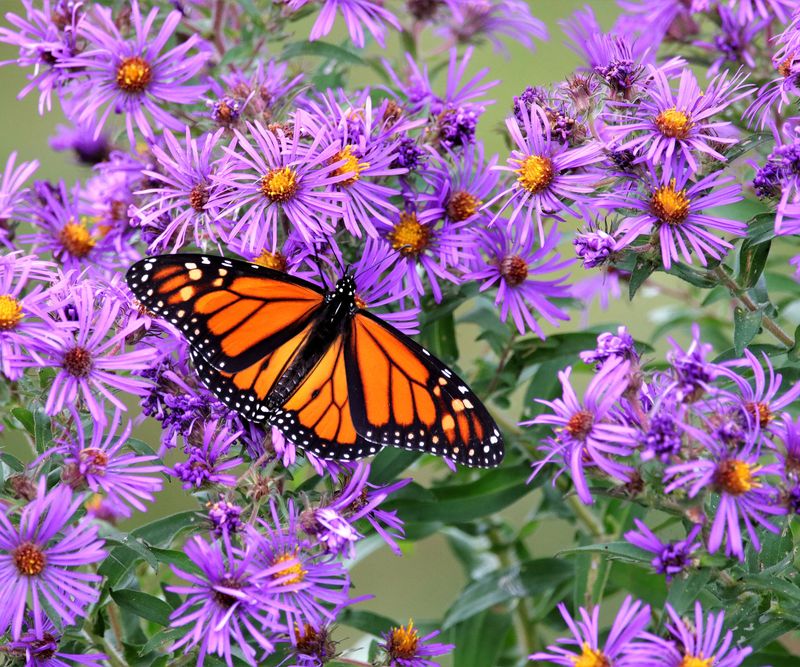
October rolls in, most gardens look tired, and then boom. New England aster bursts into purple fireworks just when pollinators need help most.
Warmer falls mean insects stay active longer than before. Late flowers like this aster give them fuel when other blooms have faded.
Migrating monarchs stop by to sip nectar before their long trip south. Bumblebee queens also bulk up here before winter rest.
Blooms come in deep purple, pink, or soft lavender. Each flower has a bright yellow center that glows in low autumn light.
Growing this aster is pleasantly easy. It handles many soil types and shrugs off dry weeks once established.
Surprise soggy spells are fine too. Temporarily wet soil after a big storm will not ruin the show.
Plants can stretch four to six feet tall. Pinch the tips back by half in early June for bushier, shorter plants.
Leaves near the bottom sometimes get powdery mildew. Spacing plants apart for good airflow helps keep that dusty coating away.
Deer and rabbits tend to skip it entirely. That gives it an edge in many hungry New York neighborhoods.
Plant it near a window you use often. Watching butterflies crowd the blooms on a crisp morning is pure joy.
Short-on-room gardeners can try compact types. They offer the same late color in a smaller package.
5. Wild Bergamot For Long Dry Spells
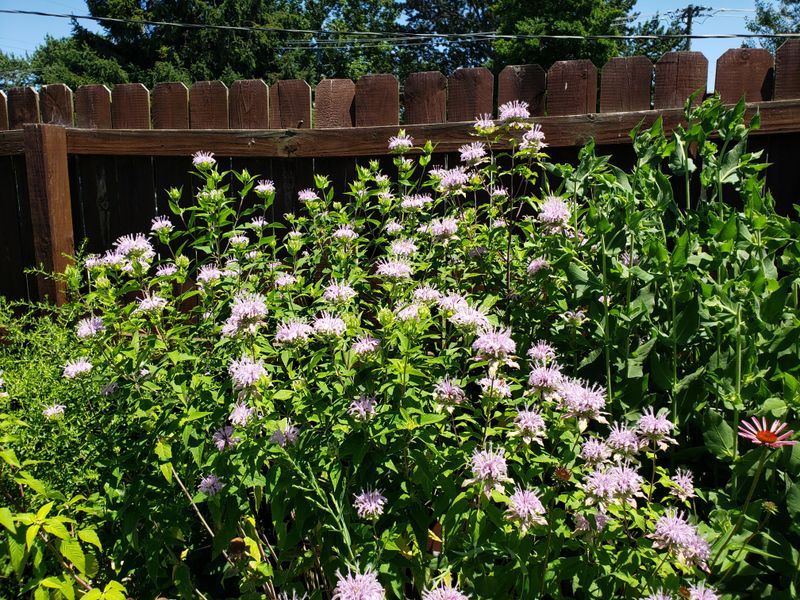
Brush past wild bergamot, and your hands smell like oregano and mint. Your nose will notice this plant before your eyes do.
Also called bee balm, it carries a scent that keeps deer away. Hungry browsers usually find the strong aroma too much to handle.
Its real superpower is grit during dry weather. Once established, it can get by on rainfall alone through long summer droughts.
Soil fussiness is not part of its personality. Sandy, rocky, clay, and poor soils all work as long as water drains well.
Full sun gives the most flowers. Partial shade works too, though blooms may be a bit fewer.
Shaggy lavender-pink flowers open in mid to late summer. Each bloom looks like a tiny firework frozen in mid-burst.
Hummingbirds zip in for the tube-shaped petals. Bees and butterflies crowd around too, making the patch buzz all day.
Here is a quick history bit. Native peoples used the leaves for tea and natural remedies for generations.
Powdery mildew may dust the leaves in humid weather. Thin crowded stems in spring to let air flow through.
Clumps spread slowly over time. Divide them every few years and share extras with friends.
Wild bergamot fits nicely in New York cottage gardens and meadows. Plant a few in a sunny bed and enjoy the summer buzz.
6. Joe-Pye Weed For Soggy Spots
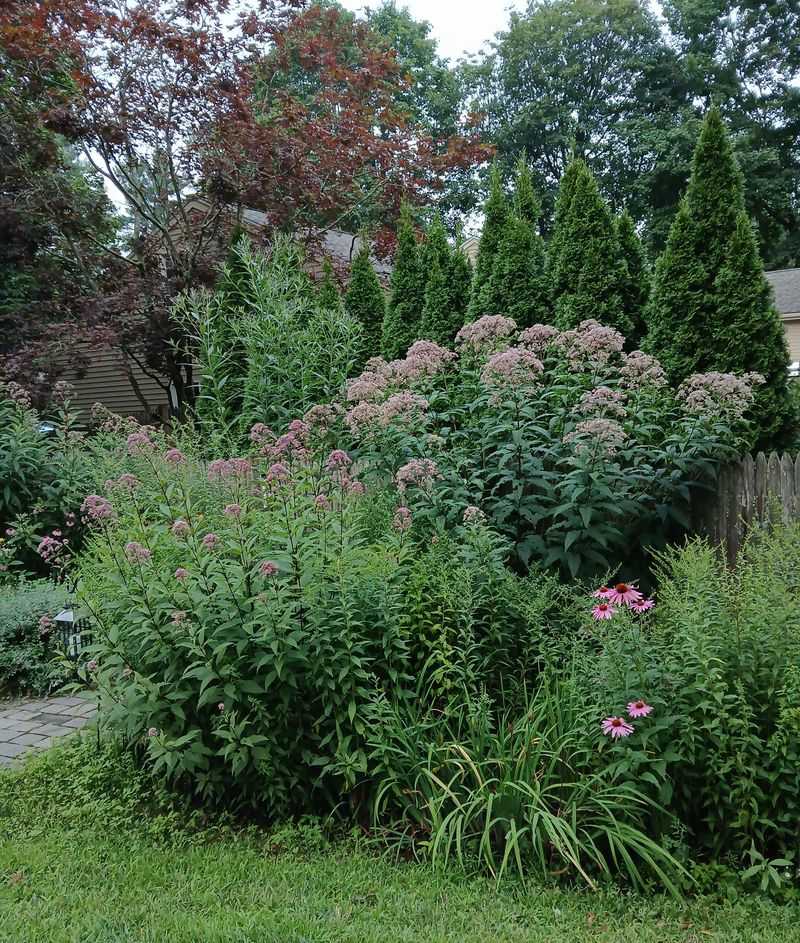
Every yard seems to have that one squishy spot where boots sink after rain. Joe-Pye weed would happily call that spot home.
Moist to wet soil is where it shines. It tolerates occasional flooding and short periods of standing water without fuss.
Do not let the word weed fool you. This tall beauty can reach five to seven feet and looks stunning.
Huge domes of mauve and pink flowers appear from midsummer into early fall. They smell faintly of vanilla on warm afternoons.
Butterflies treat the blooms like a buffet. Monarchs and swallowtails often perch there for minutes at a time.
Clay, sand, and loam all suit it fine. Just keep the soil from drying out completely for long stretches.
Full sun to partial shade works well. Sweet Joe-Pye weed handles a bit more shade than other types.
Deer usually walk on by. That makes it a reliable backbone plant for wet borders across the state.
Legend says the name honors a healer who used the plant for fevers. Historians still debate the details, which adds to the mystery.
Give each plant plenty of room. Place it in the back of a bed so shorter flowers stay visible.
Cut stems back in late winter. Hollow stems left standing can shelter native bees through the cold months.
7. Buttonbush For Flood-Prone Corners
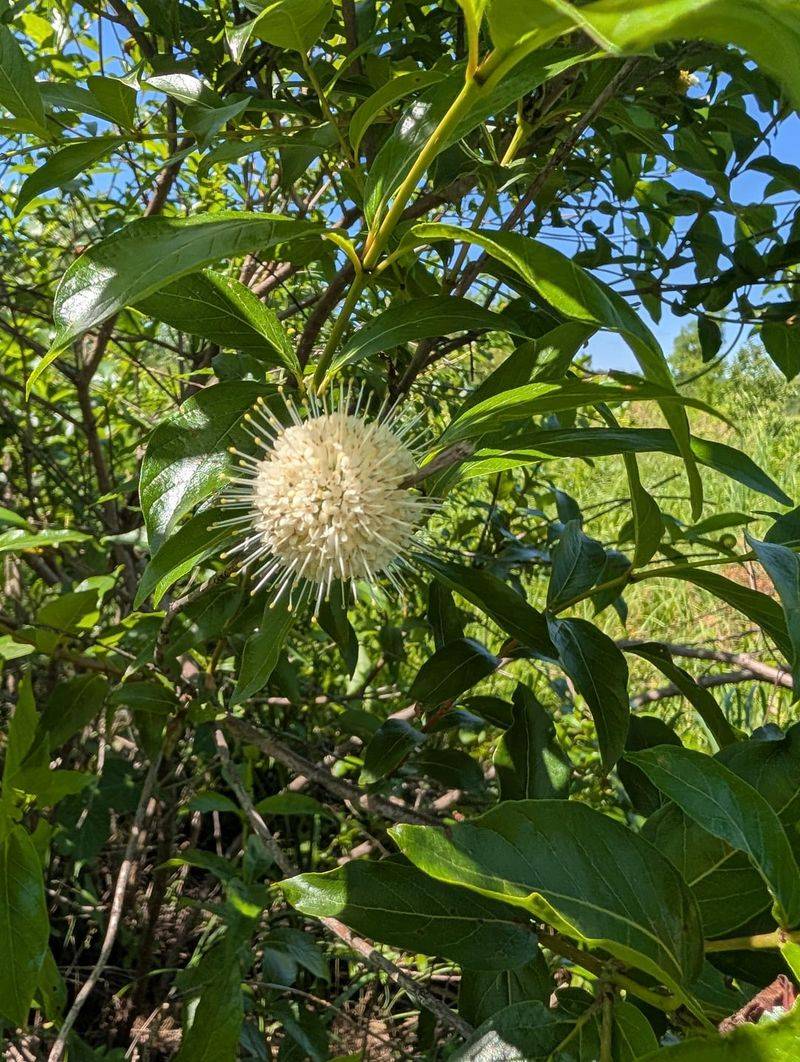
Imagine flowers shaped like tiny white pincushions or space satellites. Buttonbush grows exactly those, and visitors always ask what they are.
Wet ground is no problem at all. This native shrub naturally grows along swamps, streams, and pond edges.
Water tolerance here is impressive. Buttonbush can handle flooding and even stand in water up to about four feet deep.
Dry soil is its weak spot, though. Skip sunny, sandy spots that bake out during long summer droughts.
Low corners where rain collects after storms work wonderfully. It also fits rain gardens built to catch roof runoff.
Fragrant blooms appear in summer. Bees, butterflies, and hummingbirds all stop by for a sip.
Later, the round heads turn into seed balls. Ducks and other waterbirds eat those seeds through fall and winter.
Dense branches offer cover for small birds. Some even tuck nests inside the tangled twigs.
Most shrubs grow six to ten feet tall and wide. Prune in late winter if you want a tidier shape.
Full sun gives the best flowering. Partial shade still works, but you may see fewer pincushions.
Deer usually leave mature plants alone. Protect young shrubs with a simple wire cage for the first year or two.
8. Serviceberry For Tough, Four-Season Interest
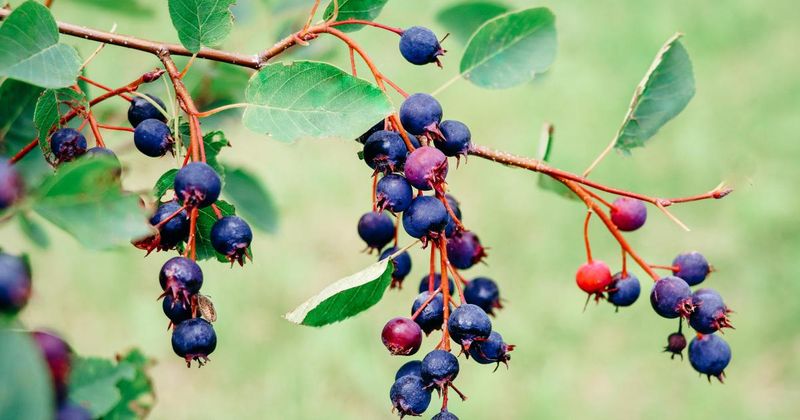
Some plants give you one good month. Serviceberry hands you four seasons of beauty, plus a snack.
Spring opens with clouds of delicate white flowers. They often bloom before most trees have leafed out.
Early summer brings small purple berries. They taste like a mix of blueberry and almond, and birds adore them.
Plan to share, or net a branch if you want some. Robins and cedar waxwings can strip a tree quickly.
Autumn leaves turn yellow, orange, and fiery red. Then smooth gray bark looks elegant against winter snow.
Toughness matters with shifting weather. Serviceberry handles moderate drought once roots are established.
Clay and sandy soils both work. Moist, well-drained, slightly acidic soil keeps it happiest.
Full sun to partial shade suits it well. Sunnier spots give heavier blooms and bigger berry crops.
Many caterpillars feed on its leaves. Those caterpillars become food for baby birds in spring.
Old-timers called it shadbush because it bloomed when shad fish ran upriver. Hudson Valley folks still use that name today.
Choose a single-trunk tree or a multi-stem shrub form. Either fits nicely near a patio or front walk.
9. Pennsylvania Sedge For Dry Shade
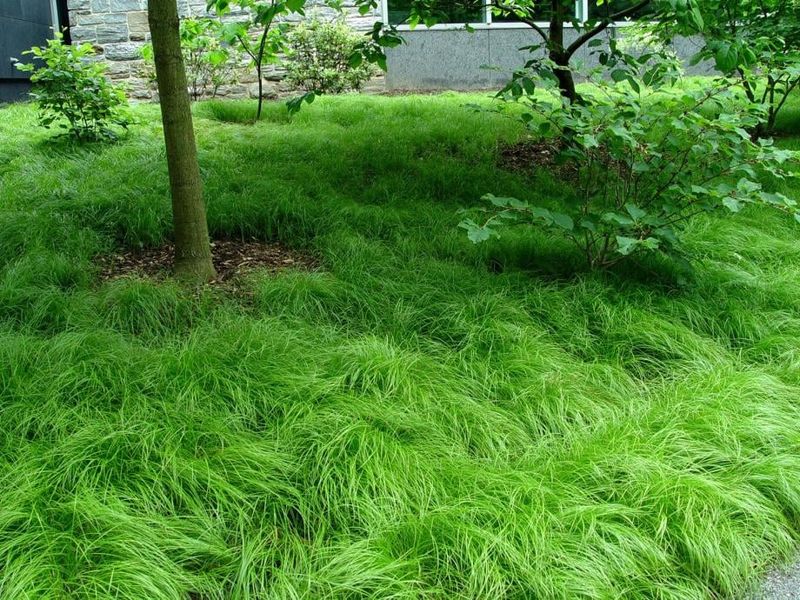
Under that big maple, grass gives up every summer. Bare dirt and mud take over, and nothing seems to help.
Pennsylvania sedge is the quiet fix. It forms a soft, low carpet that looks like tousled green hair.
Dry shade is its comfort zone. Few plants handle both low light and thirsty soil this well.
Thin roots spread slowly underground. Over time, separate plugs knit into a smooth, lawn-like mat.
Mowing is optional. Many people trim it once or twice a year, or simply leave it shaggy.
Spring green-up starts early. While lawns stay brown, this sedge already looks fresh.
Drought tolerance improves after the first year. Water plugs weekly while they settle in.
Loose, sandy, or loamy soil works best. Heavy clay and packed-down ground make it struggle.
Loosen compacted soil before planting. A garden fork and some leaf compost can help a lot.
Deer generally skip it. Small animals and insects use it for cover and food.
Plant plugs about twelve inches apart in spring or early fall. In two or three seasons, you get a soft shady carpet.
10. Common Milkweed For Monarchs In Any Weather
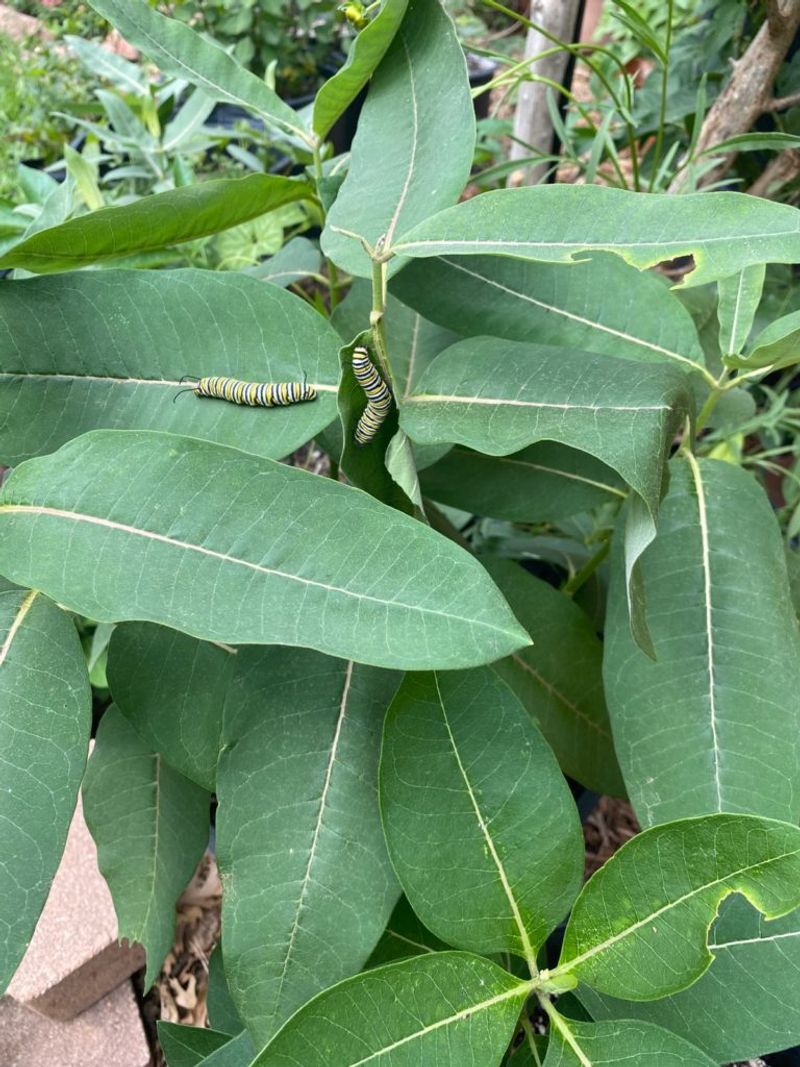
Without milkweed, there would be no monarch butterflies. Their striped caterpillars eat only milkweed leaves, nothing else.
Common milkweed is a sturdy choice for New York yards. It handles summer drought thanks to a deep taproot.
Full sun keeps it strong. Sandy, loamy, clay, rocky, and poor soils all work fine.
Soggy ground is the one deal breaker. Pick a spot that drains well after heavy rain.
Pink to mauve flower balls bloom from June into August. Their sweet scent drifts across the yard on warm evenings.
Bees, butterflies, and beetles crowd the nectar-rich blooms. You may spot dozens of insects on one plant.
Underground stems spread to form colonies. That helps more monarchs find food, but it can wander.
Give it a wild corner or edge. Pull stray shoots in spring if they pop up where unwanted.
Fall brings bumpy seedpods that split open. Silky white fluff carries seeds away on the breeze.
During World War II, kids gathered milkweed fluff for life jackets. It floated well and helped save lives.
Deer usually avoid the bitter leaves. Plant a patch, and enjoy watching tiny caterpillars grow into monarchs.