The New York Backyard Feature That Gives Fall Rodents A Perfect Winter Hideout

That quiet corner of your yard you barely notice could be the exact place rodents are hoping to find before winter arrives.
As temperatures drop across New York, small animals start searching for warm spaces. A pile of leaves, thick vegetation, or forgotten backyard clutter may seem harmless, but these hidden spots can become comfortable shelters when the weather turns harsh.
The surprising part is that many homeowners never realize their yard is offering the perfect hiding place until activity starts showing up nearby. A few simple changes in the fall can make a big difference before winter settles in.
Knowing what attracts rodents is the first step toward creating a cleaner, less inviting space around your home.
1. The Hidden Yard Feature Rodents Look For Before Winter
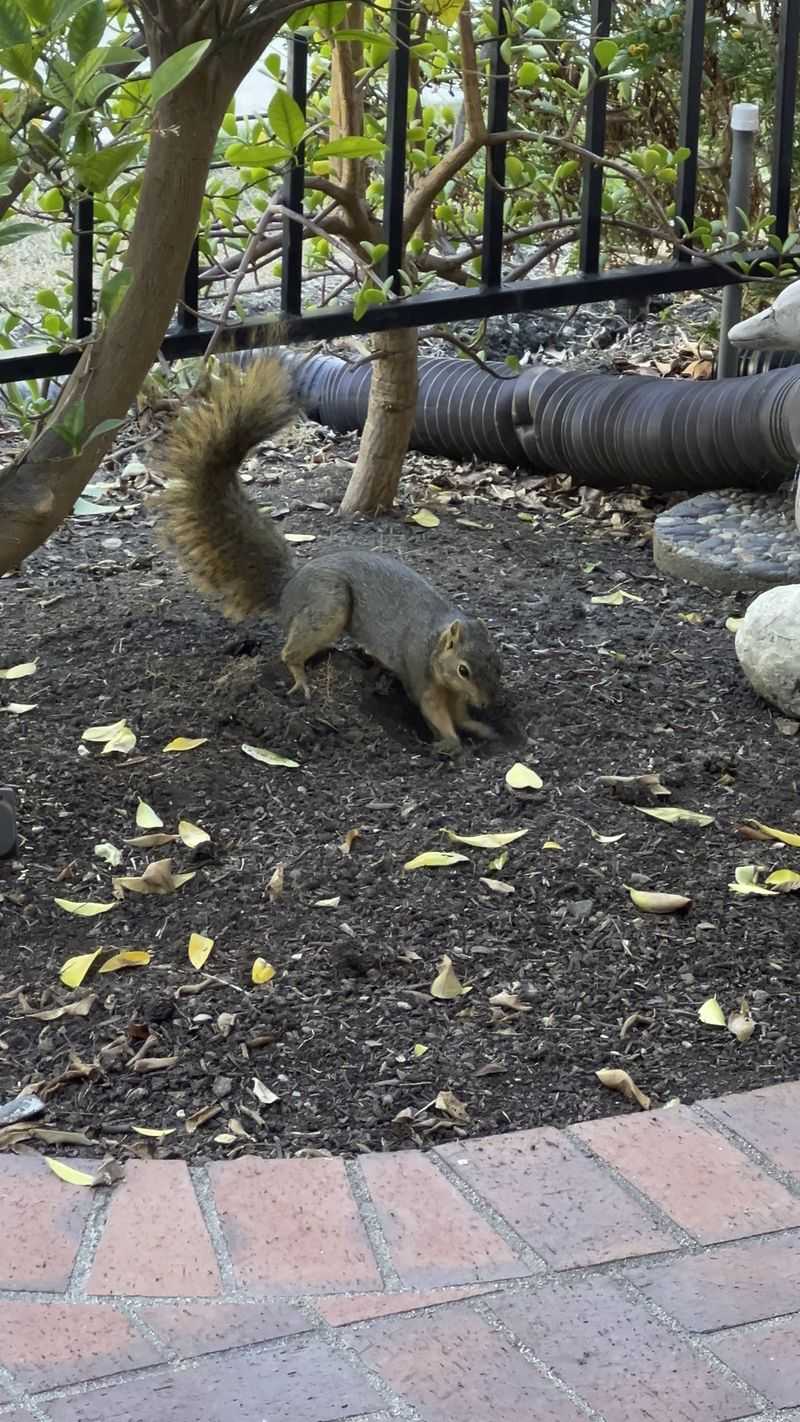
As autumn settles over New York, rodents shift their attention away from open spaces and toward the quiet, undisturbed corners of a yard. They are naturally pulled toward spots that feel warm, safe, and hidden from hungry predators.
A tucked-away gap beside a shed, the dark space under a deck, or a forgotten pile in the corner suddenly becomes valuable to them. These calm areas offer the insulation and protection they need to make it through a long winter.
As temperatures continue to drop, rodents become more likely to search for protected spaces that offer shelter, warmth, and easy access to food.
What makes these features tricky is how ordinary they seem to us. A homeowner might walk past a sheltered nook a hundred times and never think twice, while a mouse sees a perfect winter apartment.
Basements, attics, and crawl spaces become especially tempting once outdoor temperatures drop. Rodents view them as five-star lodging with heat and safety built right in.
Spotting these attractive hiding places early, before the deep cold arrives, gives residents a real head start. A little attention now saves plenty of frustration later, keeping your property from becoming a rodent’s favorite seasonal retreat.
2. The Overgrown Landscaping That Creates A Safe Passage
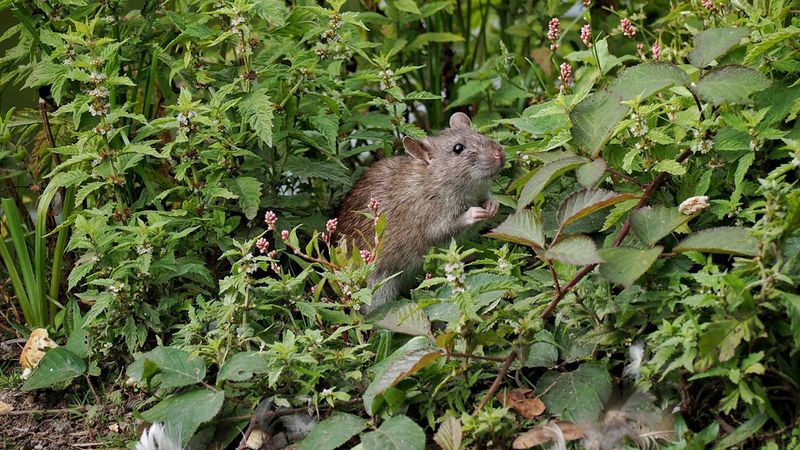
Picture a rodent as a tiny traveler that hates being out in the open. Dense shrubs, tall grass, and thick ground cover in a backyard give these animals exactly what they crave: a hidden road system where predators can’t easily spot them.
Thick plant growth acts like a green tunnel, letting mice and rats move between food and shelter while staying out of sight. Ivy and low bushes that hug the ground near buildings are especially inviting because they offer instant cover and quick escape routes.
Rats often use protected edges, walls, and structures as travel routes because these areas help them stay hidden. When dense landscaping runs right up against your home, it becomes a concealed highway leading straight toward your walls.
Overgrown greenery does more than hide movement. It can also provide cover near burrowing areas, giving rodents more protection while they nest and move through the yard.
Those tunnels can damage gardens, tree roots, and lawns, leaving unsightly holes and weakened plants. The security these thick areas provide encourages rodents to settle in rather than pass through.
Your New York Garden Changes Every Week. Your Plan Should Too.
Gardening in New York changes quickly throughout the season. Every Friday you’ll receive a simple weekly plan showing exactly what to plant, prune, fertilize, harvest, and protect so you never miss the right timing.
Keeping shrubs trimmed and grass short removes that sense of safety. When rodents feel exposed, they are far less likely to stick around your yard through the winter.
3. The Leaf And Debris Piles That Become Winter Hideouts
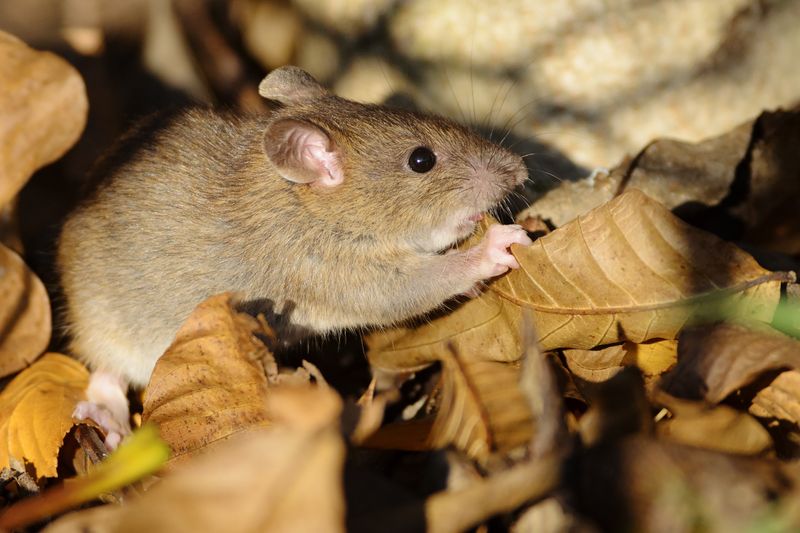
Few things say fall like a big pile of colorful leaves, yet that same pile can double as a rodent’s dream winter home. Fallen leaves, broken branches, grass clippings, and general yard clutter trap warmth and create snug, sheltered pockets.
Mice and rats treat these organic heaps like ready-made nests, burrowing inside to escape the wind and cold. The layers of material provide insulation and protection from wind, rain, and freezing temperatures.
Compost piles add another layer of appeal because decomposing waste actually produces gentle warmth. To a rat looking for a toasty spot, that heat is pure comfort during a chilly night.
Piles that sit untouched for weeks give rodents something they really value: privacy. Undisturbed cover means they can raise young and settle in without much risk of being discovered.
That is why a corner of the yard left alone all season can quietly turn into a busy little rodent neighborhood. The longer it sits, the more established the residents become.
Clearing away leaf and debris piles regularly takes away this cozy option. Bagging leaves, removing clippings, and keeping the yard tidy makes your property far less tempting when the temperatures start to drop.
4. The Woodpile Setup That Can Invite Rodents Closer
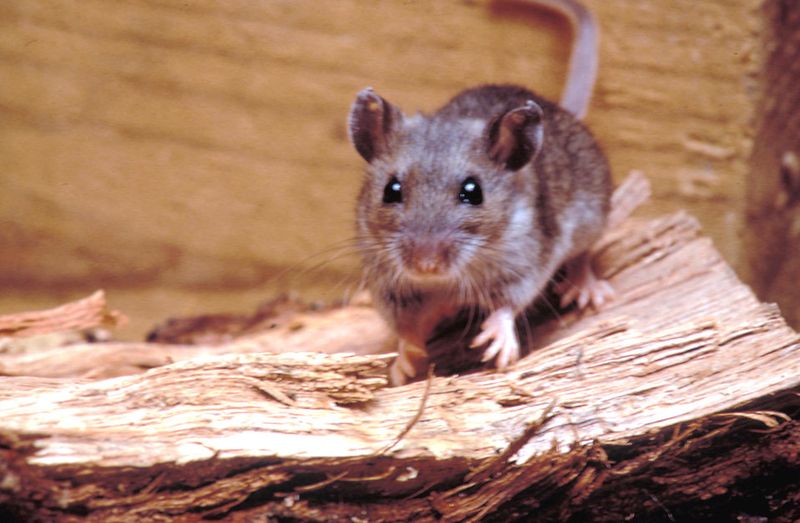
Firewood is a wintertime must-have for plenty of homes, but the way it is stored can quietly roll out the welcome mat for rodents. The natural gaps and crevices between stacked logs create protected little chambers where mice and rats love to nest.
Those spaces block wind, hide movement, and keep predators away, making a woodpile surprisingly comfortable. For a rodent, it checks nearly every box on the winter housing list.
Trouble grows when the woodpile sits right against a home, garage, or shed. That closeness gives rodents a convenient bridge from the logs straight into the structure as they hunt for even warmer shelter.
Because mice can squeeze through openings as small as a dime, a stack pressed against a wall practically hands them a doorway. Once they find a crack, they slip inside without much effort.
Storing firewood elevated and away from the walls of your home or other structures makes it less attractive as a rodent shelter. Lifting the wood off the ground and keeping it away from walls makes it far less appealing as a nesting site.
A little planning with your woodpile goes a long way. Smart storage keeps you warm all winter while discouraging rodents from moving in next door.
5. The Food Sources That Keep Rodents Coming Back

Shelter gets rodents interested, but food is what convinces them to stay. In backyards, an easy meal is often the real reason mice and rats hang around long enough to move indoors.
Unsecured trash bins, overflowing compost, and busy bird feeders act like an all-you-can-eat buffet for hungry rodents. They quickly learn where the free food is and return again and again.
Pet food left outside, especially overnight, is one of the biggest attractants of all. A single bowl offers a rich, high-calorie snack that can keep a whole rodent family going strong.
Fallen fruit from backyard trees, dropped nuts, and scattered seeds add even more temptation. Rodents are drawn to that sweetness and the promise of steady nourishment right on the property.
What surprises many homeowners is how little it takes to feed them. Even small amounts of spilled food or seed can encourage rodents to keep returning to the same area.
Managing food sources makes a huge difference in keeping rodents away. Sealing garbage cans tightly, cleaning up fallen fruit, and storing pet food and birdseed in airtight metal or glass containers removes their reason to linger.
Cut off the food supply, and your yard suddenly loses much of its appeal.
6. The Signs Rodents Have Found A Winter Shelter
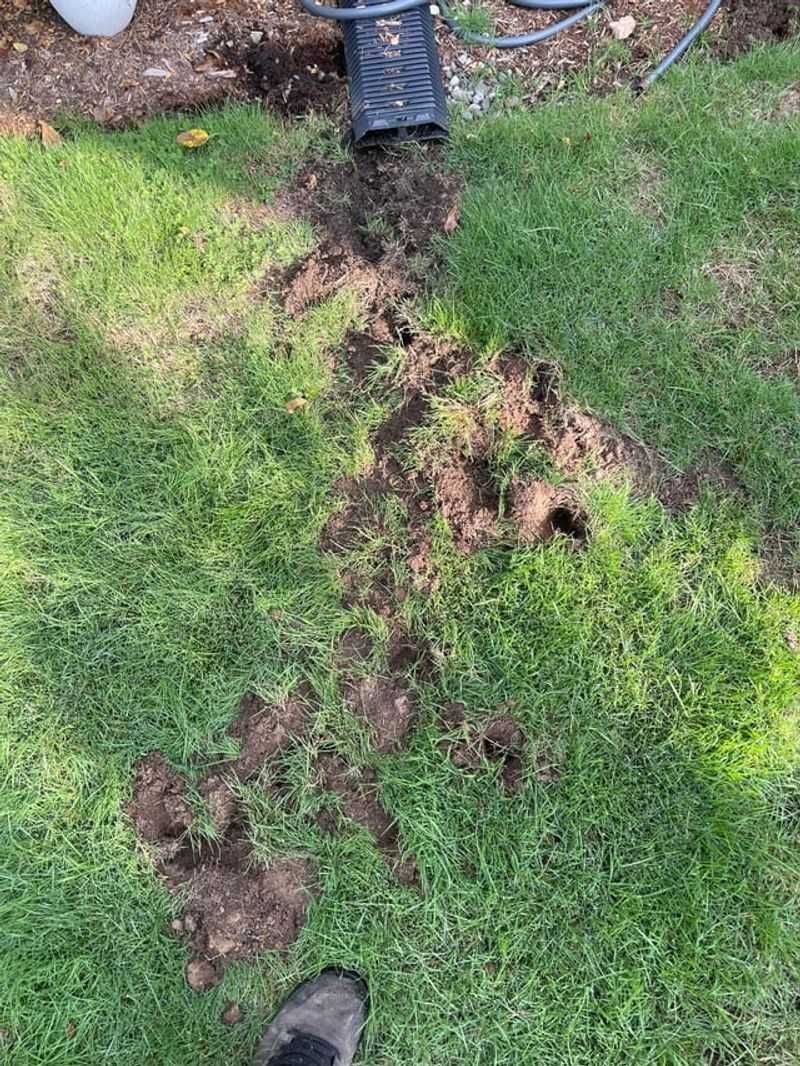
Catching rodent activity early can save a homeowner a mountain of stress, and the clues are often hiding in plain sight. One of the clearest signals is droppings, which are dark and pellet-shaped.
Mouse droppings are small and pointed, usually scattered around, while rat droppings run larger, about three-quarters to one inch long, with blunt ends and a tendency to cluster. Finding them near sheds or foundations is a strong hint that guests have arrived.
Gnaw marks are another reliable tell. Rodents constantly chew on wood, insulation, and packaging to keep their teeth in check, leaving rough, nibbled edges behind.
Burrows in gardens, soft soil, or beneath foundations serve as nests and entry points. You might also spot runways, which are worn paths through grass or greasy rub marks along walls, often a few inches above the ground where rats travel.
Nesting materials tell an even bigger story. Shredded paper, fabric, or fluffed-up insulation tucked into a quiet spot means rodents are actively settling in for the season.
Unusual scratching sounds near sheds or the base of a home can confirm your suspicions. Learning these signs helps you act fast, before an outdoor issue quietly becomes an indoor one that is much harder to handle.
7. The Small Gaps That Turn A Yard Problem Into A Home Problem
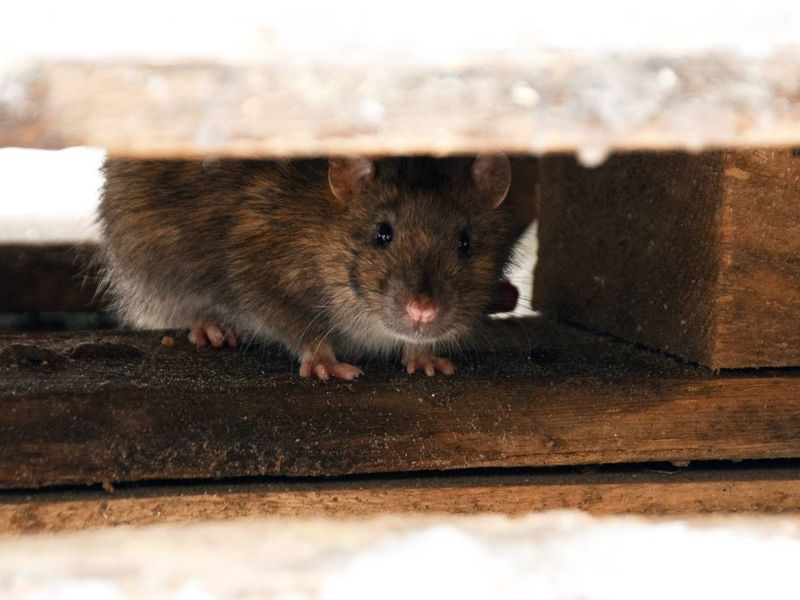
Here is a fact that shocks most people: mice can squeeze through openings as small as a quarter-inch, while rats can enter through larger gaps around foundations, doors, and utility openings.
Those tiny openings are exactly how a backyard rodent turns into an indoor houseguest across New York.
Rodents are experts at finding weak spots. Cracks around foundations, worn door sweeps, loose vents, and poorly sealed utility openings all become easy entryways when the weather turns cold.
Before winter takes hold, walking around your home’s exterior with a careful eye pays off big time. Focus on spots where pipes, wires, and cables enter the structure, since these are common trouble areas.
Sealing small openings around your home, especially gaps about a quarter-inch or larger, can greatly reduce the chances of rodents getting inside. Durable materials like steel wool, caulk, or metal mesh work best because rodents cannot chew through them effectively.
Skipping this step can let a small yard issue explode into a full indoor infestation. Once inside, rodents can damage wiring, insulation, and stored belongings while multiplying quickly.
Taking an hour to inspect and seal gaps gives homeowners powerful protection. A few well-placed patches often stand between a cozy home and an unwelcome winter invasion.
8. The Fall Yard Habits That Make Problems More Likely

Sometimes the friendliest rodent invitation comes from habits we never think twice about. Across New York, everyday fall routines can accidentally build the perfect setup for mice and rats.
Leaving yard clutter untouched is a big one. Old equipment, unused planters, and stacked junk create endless hiding spots and cozy nesting corners for rodents looking to settle in.
Letting vegetation grow wild against the house causes similar trouble. Overgrown shrubs and vegetation touching the home can give rodents extra cover as they move closer to possible entry points.
Ignoring fallen fruit, dropped nuts, and scattered birdseed keeps a steady food supply flowing. Pair that with pet bowls left outside overnight, and rodents have every reason to stay close.
Poor storage adds another layer of temptation. Stacking firewood right against the house or keeping unsealed cardboard boxes in a shed gives mice and rats snug, protected places to build nests.
None of these habits feel harmful in the moment, which is exactly why they slip past so many homeowners. A relaxed, cluttered yard simply looks like normal life.
Recognizing these small mistakes is the first step toward fixing them. With a little awareness, residents can break the patterns that quietly transform a pleasant backyard into a welcoming winter haven for rodents.
9. The Cleanup Moves That Make Your Yard Less Appealing
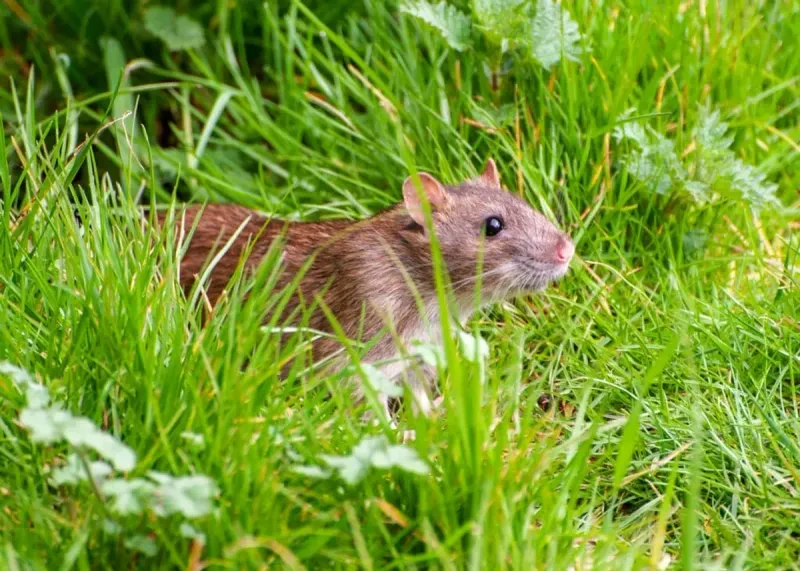
Good news for homeowners: a few simple cleanup moves can make your yard downright uninviting to rodents hunting for winter shelter. Trimming vegetation is a great place to start.
Keeping shrubs, bushes, and tree branches cut back and away from the house removes the cover and secret pathways rodents rely on. Suddenly they feel exposed instead of protected.
Clearing away unnecessary debris is just as powerful. Raking up leaf piles, bagging grass clippings, and hauling off scrap lumber wipes out prime nesting sites and hiding spots.
Firewood deserves special attention. Stacking it on a raised platform at least 20 feet from any building keeps rodents from using it as a launching pad toward your home.
Managing food is the finishing touch. Storing garbage in sealed, rodent-proof containers, picking up fallen fruit promptly, and keeping pet food and birdseed in airtight metal or glass containers takes away their easy meals.
When shelter and snacks both disappear, rodents have little reason to choose your property. These changes make your property less attractive and reduce the reasons rodents may choose to spend time there.
A weekend of tidying up before the deep cold arrives protects your home for the whole season. With these habits in place, New York residents can enjoy their backyards knowing they have shut the door on unwanted winter tenants.