How Too Much Care Can Undermine Your Healthy Coneflowers
You adore your lavender, yet it wilts when you lavish it with care. Your rosemary descends from rocky Mediterranean hillsides, where rain falls sparingly and soil stays lean.
Those roots expect gravel, glare, and long gaps between drinks. Hand them rich compost and frequent splashes, and their stems stretch weak and floppy.
Sage, thyme, yarrow, and sedum push back the same way when you hover. Soggy soil robs roots of air, and you invite rot in.
Rich feeding also tempts you into trading sturdy growth for lush, fragile leaves. Pull back, and you give these plants the conditions they evolved to crave.
Test the soil with a finger before you pour anything. Grit, sun, and silence will do more for you than devotion.
Choose which beds deserve restraint, and your garden rewards you with sturdier blooms. Coneflowers join that list.
1. Soggy Soil Deprives The Roots Far Below
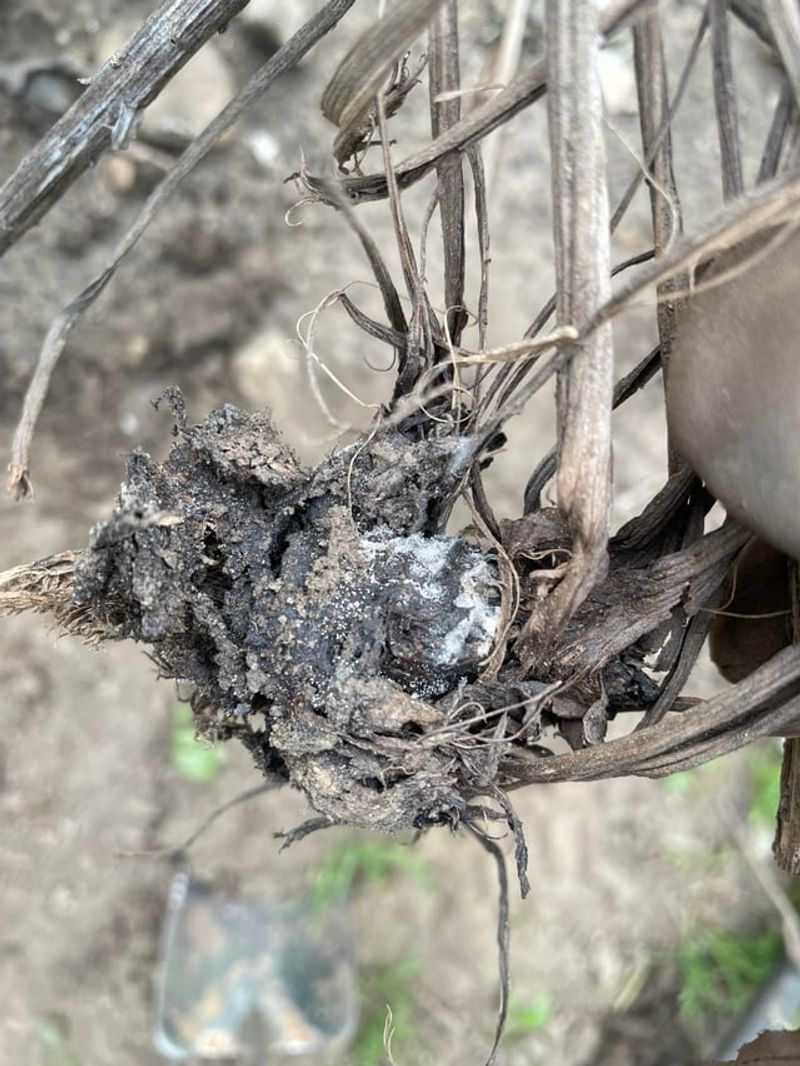
A neighbor once watered her coneflowers each evening, rain or shine. By August, the stems had turned black and slimy at the soil line.
She blamed the weather, though the hose deserved a closer look. Her bed looked tidy, yet the roots struggled to breathe.
Coneflowers come from prairies, where the ground dries out quickly between storms. Their thick roots store moisture, so they handle dry weeks far better than soggy ones.
This toughness is a gift, and it works best when you leave it alone, even through the summer.
When soil stays wet, the tiny air pockets fill with water instead of oxygen. Roots need that oxygen to function, and without it they begin to break down.
Rot organisms then move in and finish the job. Healthy roots stay pale and firm to touch.
Root trouble sneaks up because the damage begins underground. Above the soil, you may only notice droopy leaves that look thirsty.
That look tricks gardeners into pouring on more water, which deepens the problem. Check the soil by hand before you trust the leaves.
Try a simple test that beats any schedule. Push your finger two inches into the soil, and water only when it feels dry.
Established plants need help during long, hot spells, while new ones want extra drinks in their first season while roots settle in.
2. Extra Fertilizer Turns Sturdy Stems Floppy
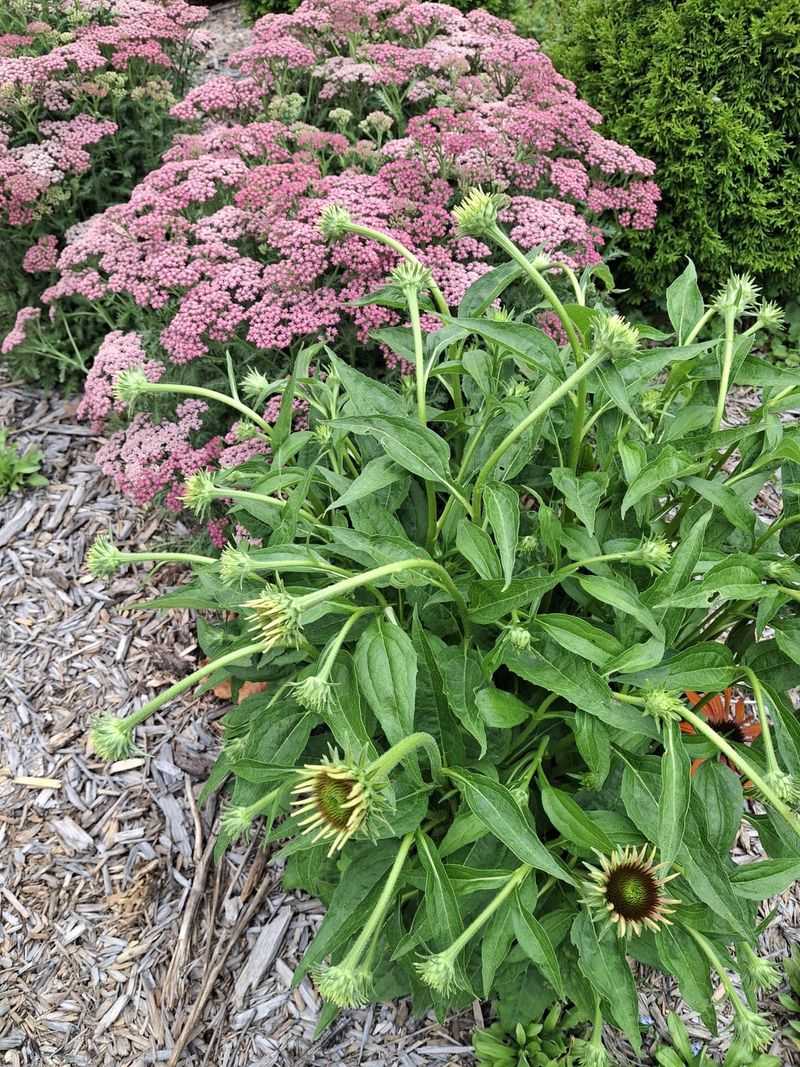
Think of fertilizer as candy for plants. A small treat is fine, but a steady diet leads to trouble fast.
Coneflowers evolved in lean prairie soil with few extra nutrients, and they perform best when life stays a little rugged and the nutrients stay modest.
Feed them too much nitrogen, and they shoot up tall and leafy. The stems grow quickly but stay thin and weak, so they flop after the first storm.
You may then prop them up with stakes, which solves a problem you created back in the spring.
You might also notice fewer flowers than usual. The plant pours its energy into foliage instead of blooms, which is the opposite of what you wanted.
Lush leaves look impressive, yet blooms feed the bees. A garden full of green but short on color disappoints.
Soft, fast growth also attracts aphids and other sap feeders. Those pests love juicy new tissue, so overfed plants become a tasty buffet.
Sturdy, slower growth is tougher on insects and holds up better in wind, heat, and heavy rain throughout the whole growing season.
So how much food do coneflowers need? A thin layer of compost each spring is usually plenty.
Skip liquid feeds and high nitrogen lawn products near the bed. Lawn runoff can accidentally feed your coneflowers, so keep those products at a safe distance this autumn.
3. Pampered Soil Softens Your Coneflowers Over Time
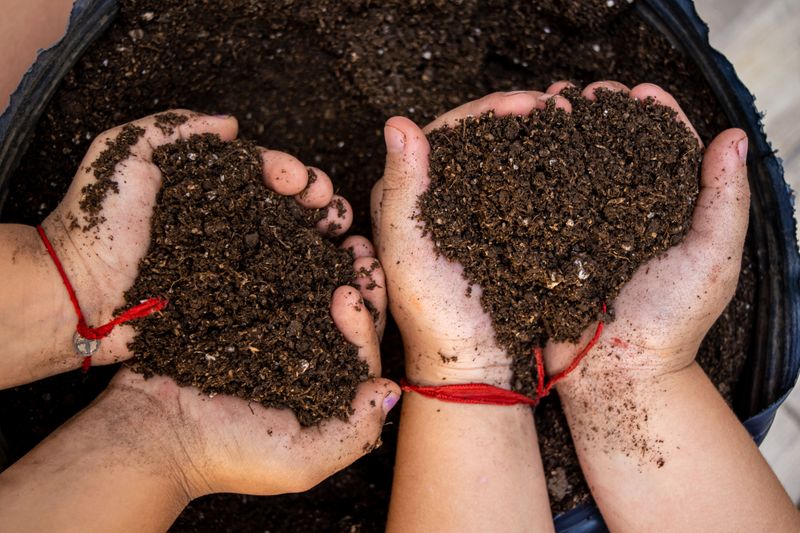
Gardeners love dark, fluffy soil that crumbles like chocolate cake. It looks perfect, yet coneflowers often prefer something a little more rugged.
Wild plants grow in rocky, sandy, and clay prairie ground, and they thrive on that variety without any special help from a gardener.
Native peoples gathered the roots as medicine from tough, open fields. Those fields saw no bags of compost or buckets of manure.
The plants built their strength from lean ground, and that strength is still a big part of their charm in your garden today.
Piling on compost and manure year after year creates soil that is too rich. It also holds extra moisture, which pairs with the nutrients to produce weak, sprawling plants. The result looks lush in June and tired by September, just when you really want color.
Plants in very rich beds grow fast but often fade sooner. Many coneflowers are short lived perennials, and rich soil paired with soggy winters can shorten their stay even more.
Average garden soil with decent drainage is the sweet spot, and a happy weed usually signals a happy coneflower.
When planting new ones, skip heavy amendments in the hole. Loosen the native soil so roots can spread and adjust to their real home.
If your soil is heavy clay, add a small amount of compost and some grit, since drainage matters more than nutrients.
4. Heavy Mulch Piles Crowd The Crown
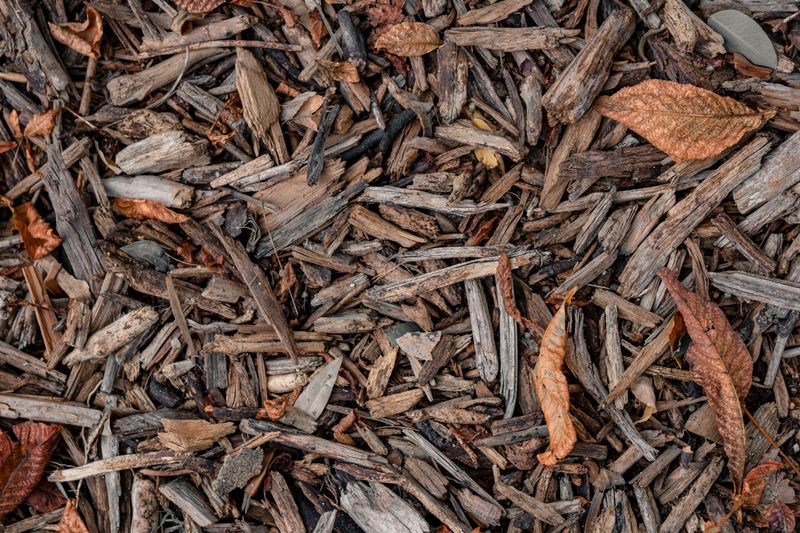
Mulch volcanoes are not just a tree problem. Coneflowers often end up smothered under thick piles of bark in fall.
The crown is where the stems meet the roots, and it needs air and light to stay healthy through the long winter and beyond.
When mulch piles against the crown, it traps moisture right where trouble begins. Rot moves in, and the center of the plant turns soft and brown. The fix is easy, since a rake or a gloved hand can pull the pile back in mere seconds.
Thick mulch can also shelter slugs, voles, and other hungry visitors. They enjoy the cozy cover and nibble on stems and roots through the cold months.
A thinner layer gives them less reason to move in and settle down right next to your favorite coneflowers.
Wondering how much is right? About two inches of mulch suits many beds. Keep a ring of bare soil, roughly three inches wide, around each plant. That small gap lets the crown breathe and dry out after rain.
Call it breathing room for the plant. Fine gravel makes a clever mulch for coneflowers where drainage is decent. It stays dry on top and mimics the rocky ground these plants naturally love.
As October leaves fall, resist the urge to rake them into a thick blanket, because wet mats can cause trouble.
5. Constant Snipping Shortchanges The Hungry Goldfinches
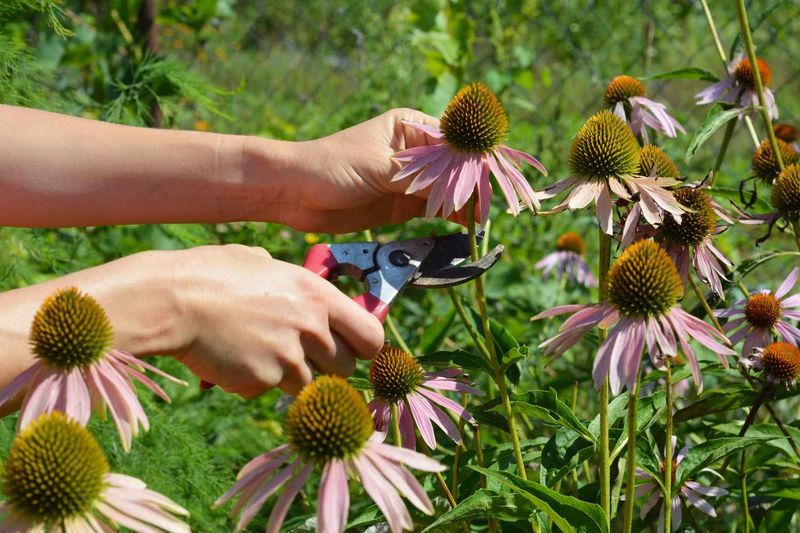
Snip, snip, snip goes the tidy gardener through summer. It feels productive, but those shears may be taking food from tiny beaks.
Goldfinches adore coneflower seeds, and in fall you can spot them clinging to the spiky cones and picking out seeds one by one.
Removing each faded flower means those birds lose a free autumn snack bar. Chickadees and other small songbirds also visit when food gets scarce.
A seed head left standing becomes a tiny feeding station that costs you no effort and looks lovely against gray skies.
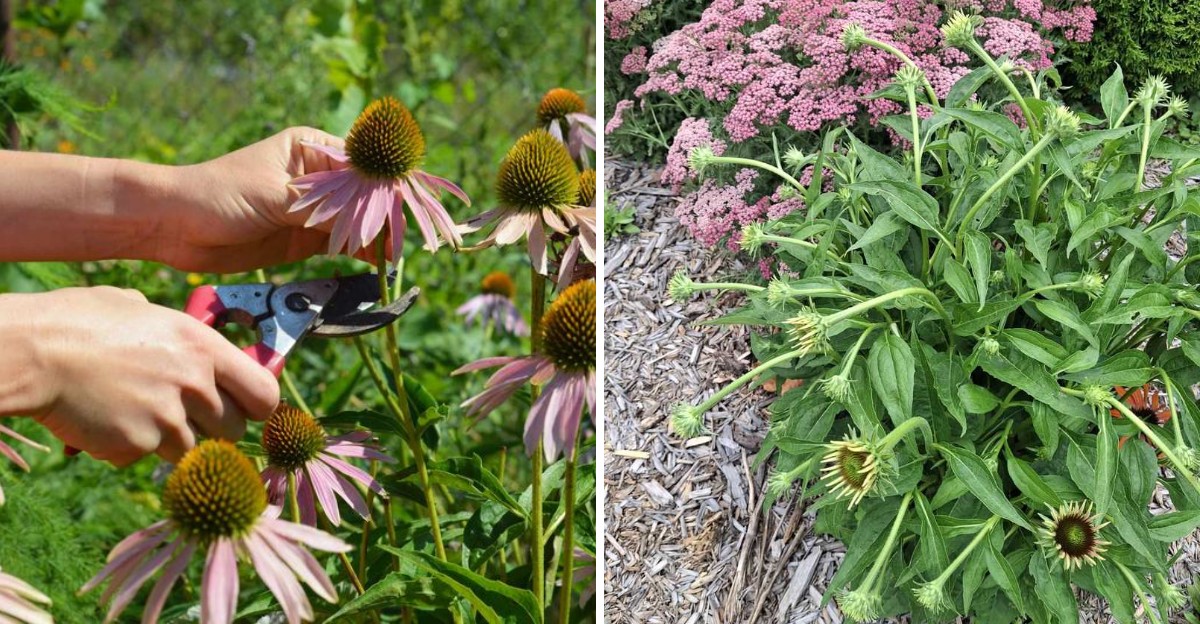
Deadheading does have a place, especially early in summer. Cutting a few spent blooms can encourage more flowers to open later.
The trouble starts when you trim each seed head as soon as petals droop, leaving a neat garden that offers little to local wildlife.
Try a balanced plan instead. Deadhead through midsummer, then let the late flowers dry and form seeds.
Those dark cones look striking against fall leaves and frosty mornings. Many gardeners find they enjoy the winter texture more than they expected, and you may agree too.
Leaving seeds also lets coneflowers sow a few babies around the bed. You get free new plants next spring, and the birds get dinner this October.
Pull the extra seedlings gently if they crowd a neighbor, or pass them along to a grateful gardening friend.
6. An Overly Tidy Fall Removes Winter Shelter
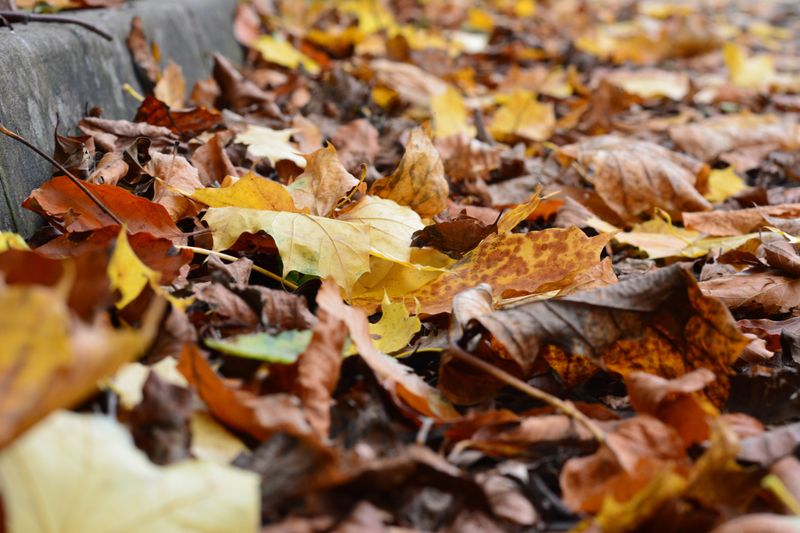
October has a way of making gardeners itch for a fresh, clean slate. Out come the pruners, rakes, and yard bags by the dozen.
Hold on before you chop your coneflowers to the ground, since those brown stems do quiet, useful work through the winter.
Standing stems give shelter to helpful insects like native bees. Some lay eggs inside, and the next generation crawls out in spring.
Cutting those stems early removes a nursery before the young have a chance to emerge. Your pollinator friends will repay that patience.
The old stems also catch snow and fallen leaves around the base. That natural blanket protects the crown from repeated freezing and thawing cycles.
Young plants with shallow roots can heave out of the soil when the ground swings between frozen and soft.
So when should you tidy up? Late winter or early spring works well, once new green shoots start peeking through.
At that point, cut old stems back to about a foot, or leave a few taller stubs for nesting bees. Leave the trimmings in a loose pile nearby, since insects may hide inside.
If neighbors ask about your messy bed, smile and call it a wildlife hotel. Honestly, that is exactly what it is, and the birds agree.
A little disorder in October brings surprising rewards to your garden when spring arrives with buzzing, fluttering, and curious guests.
7. Quick Sprays Upset The Helpful Insects
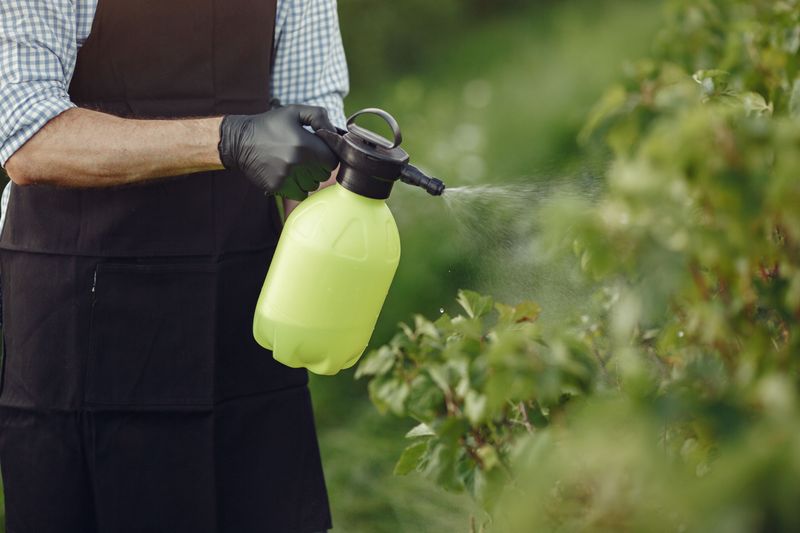
Spot one chewed leaf, and many of us reach for a spray bottle. That quick reaction can backfire in a big way.
Coneflowers are pollinator magnets, and bees, butterflies, and hoverflies visit them throughout warm summer afternoons. Each visit helps your garden make more seeds.
Many garden sprays, even some labeled natural, can bother those visitors. Insecticidal soaps and oils can still affect bees if they land on wet leaves.
Spraying also removes the good bugs that eat the bad ones, which leaves aphids with far fewer natural enemies around.
Ladybugs and lacewings handle aphids for free, but only if they stick around. A few holes in leaves are no cause for alarm on a healthy coneflower.
These plants are tough and can shrug off minor nibbling without a real setback to their summer blooms.
Try the simplest fix first, like rinsing aphids off with a quick stream of water. Hand picking beetles into soapy water also works surprisingly well.
These gentle methods protect the helpers while still keeping the pests under control. Patience and a steady eye help too.
If you must treat something, do it in the evening when pollinators are resting. Aim only at the problem spot instead of soaking the plant.
By fall, pest pressure fades on its own, so put the sprayer away and watch bees enjoy the final blooms.
8. Frequent Splitting Stresses The Deep Taproot
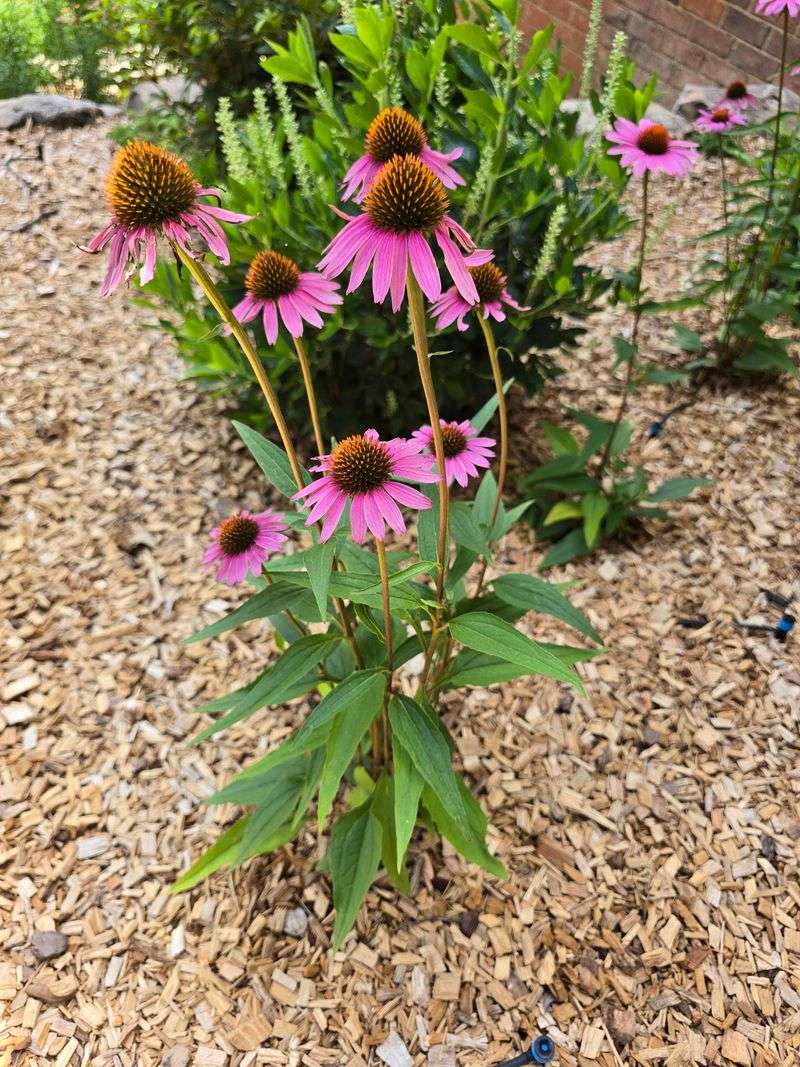
Some perennials beg to be split again and again. Coneflowers ask for a lighter touch, though the right answer depends on the type you grow.
Pale and narrow-leaf coneflowers grow a deep taproot that reaches down for water during dry spells, while purple coneflower has fibrous roots and tolerates division every few years in early spring. That long taproot is a big part of their natural toughness.
Chopping a taproot apart can set those plants back. Divided pieces often struggle, wilt, or fail to return the next season.
Some gardeners divide coneflowers because a guide said perennials need it, though these plants often stay happy without any splitting or extra fuss.
A healthy clump can bloom happily in the same spot for years. If it stays strong and flowers well, you can leave it in place.
Crowded centers may look thin, but a light trim and a little patience usually fix that within a season.
Want more coneflowers without the risk? Let a few seed heads drop, and gently move the little seedlings in spring.
This approach costs you no money and gives you plants already adapted to your exact soil. Seedlings settle in well when moved young.
Named cultivars often do not come true from seed, so volunteers may look different from the parent plant.
If you must divide an older clump, do it in early spring or early fall. Use a sharp spade, keep a good share of roots on each piece, and water well afterward. October works in mild areas, but give plants several weeks before hard frost.