Don’t Cut Back Your Arizona Desert Marigolds This Fall, Do These 4 Things Instead
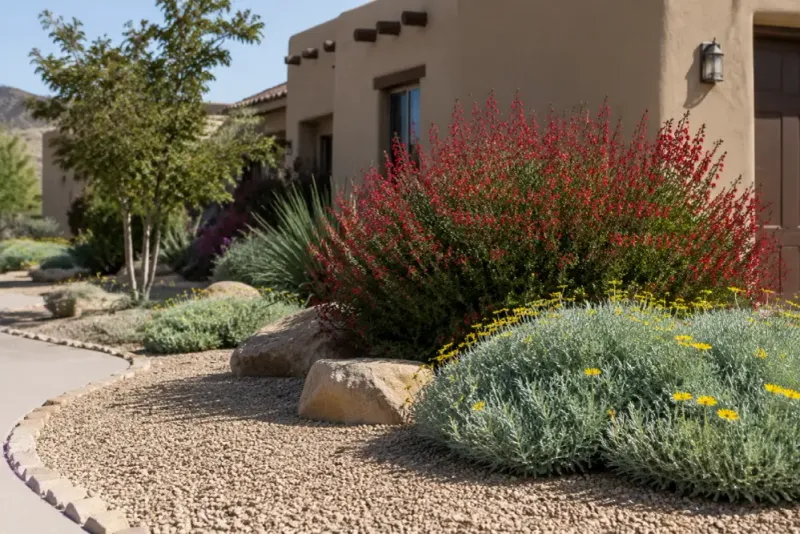
Fall in the low desert tempts a lot of us to grab the pruners and tidy up everything in sight. Desert marigolds are one plant that rewards you for holding back.
These cheerful yellow natives can keep blooming, feed wildlife, and even replant themselves if you give them the right kind of attention. Here are four simple moves that work better than a hard cut-back.
1. Let Some Flowers Go to Seed
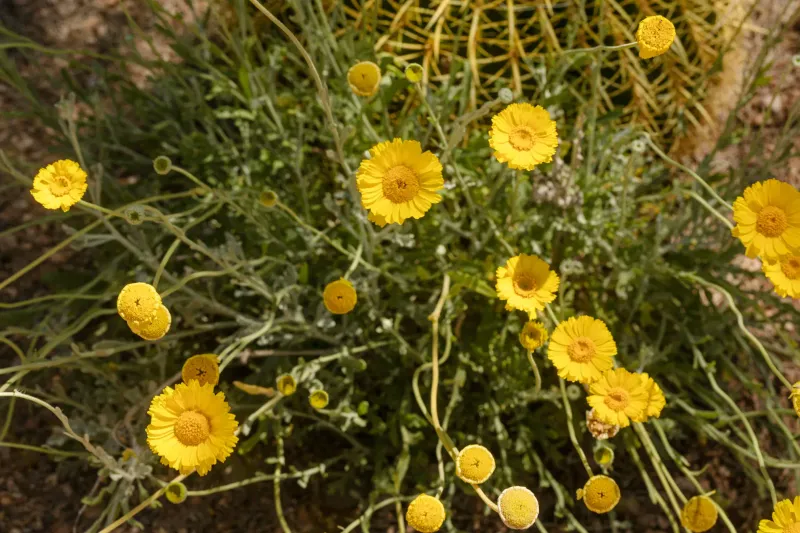
Picture next spring’s yard planting itself while you sip iced tea on the patio. That is the quiet gift of letting desert marigolds finish their cycle.
Baileya multiradiata is often a short-lived perennial, sometimes acting more like an annual, so each plant may only stick around for a couple of years.
Seeds are how the patch keeps going. When blooms fade, the petals turn papery and pale, and tiny seeds form in the center of each head.
Leave a good share of those spent flowers in place through October and November, and wind and birds will scatter them across nearby gravel and bare soil.
Fall timing works in your favor here. Cooler nights and winter rains give fresh seeds the moisture they need to sprout, right during Arizona’s natural planting window.
Young seedlings often pop up along driveways, rock edges, and sunny open spots where they get plenty of light.
Want more control? Snip a few dry heads, shake the seeds into a paper bag, and sprinkle them where you want new color.
Press them lightly into the soil without burying them deep. With a little patience, one plant can become a golden drift that costs you nothing but a bit of restraint.
2. Deadhead Lightly for More Blooms
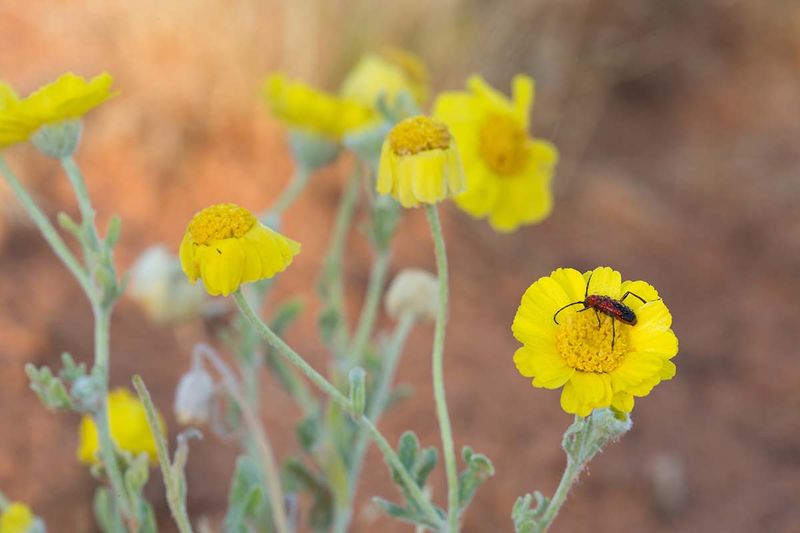
Think of it as a trim, not a haircut. A hard cut-back can stress desert marigolds and remove the gray-green leaves they rely on, but a light touch keeps them flowering well past summer.
Grab a pair of small snips and walk your plants once every week or two. Cut the long, bare stems holding faded blooms back to where they meet the leafy base.
Each snip nudges the plant to push out fresh buds instead of putting all its energy into seeds.
Balance matters, especially since the first tip on this list asks you to save some seed heads. A good rule is to deadhead the front of the plant, where tidiness counts most, and leave the back and sides alone.
You get neat curb appeal plus a seed supply for next year.
Here is a fun bonus. In the low elevations around Phoenix and Tucson, desert marigolds can bloom off and on almost all year, even into mild winter weeks.
A little deadheading helps stretch that show, keeping sunny yellow color going when many other plants are taking a break. Skip fertilizer, though, since rich feeding tends to make these natives floppy and short-lived.
3. Water Less and Keep Drainage Sharp
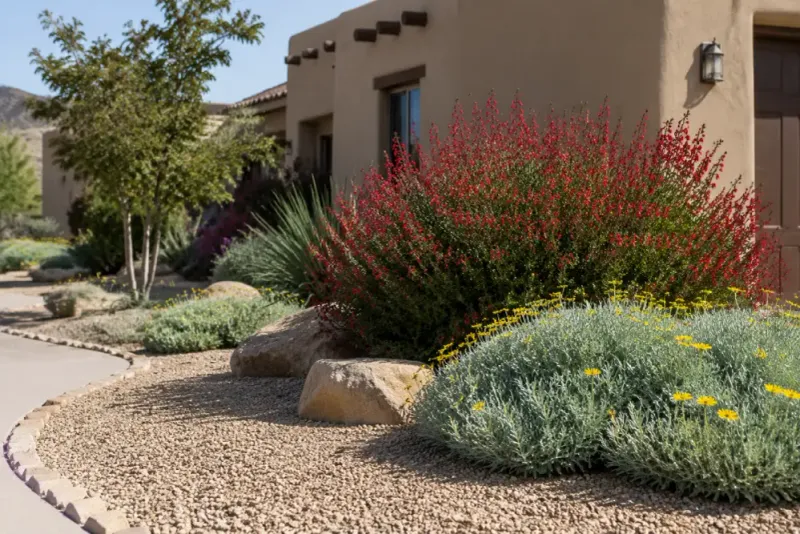
Overwatering is the fastest way to lose a desert marigold. Many Arizona gardeners learn that the hard way after a summer of hand-watering everything on the same schedule.
Your Arizona Garden Changes Every Week. Your Plan Should Too.
Gardening in Arizona changes quickly throughout the season. Every Friday you’ll receive a simple weekly plan showing exactly what to plant, prune, fertilize, harvest, and protect so you never miss the right timing.
Once established, these natives need very little extra water. Their roots are built for rocky, sandy desert ground, and soggy soil can cause rot, which becomes a bigger risk as fall temperatures drop and the soil stays wet longer.
Cut back irrigation in October, and in many yards you can let winter rains handle most of the work.
Drainage is the other half of the equation. Heavy clay or caliche holds moisture around the crown, so plant in raised, gravelly spots or mix in coarse sand and decomposed granite.
Avoid thick bark mulch, which traps dampness; small rock mulch suits them far better.
During a long dry stretch with no rain, a deep, occasional soak every few weeks is plenty. Check the top couple inches of soil first, and only water if it feels bone dry.
The payoff is real, too. A patch of desert marigolds can bring steady color to your yard while using a tiny fraction of the water a lawn or thirsty annual bed would need.
4. Turn Them Into a Wildlife Buffet
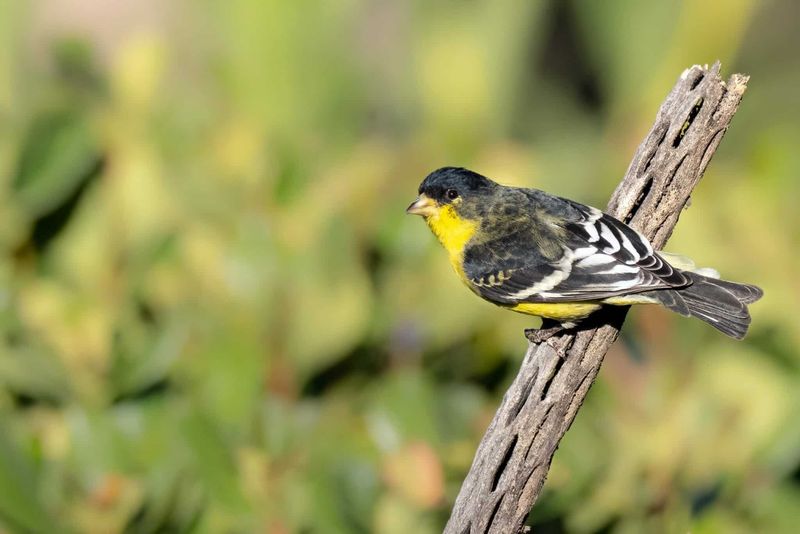
A lesser goldfinch clinging to a nodding seed head is one of the sweetest sights in a desert yard. Leave your marigolds standing this fall, and you may get a front-row seat.
Those bright yellow flowers draw native bees, small butterflies, and other pollinators that are still busy in the mild autumn weather. Later, the seeds can become a snack for finches and other seed-eating birds.
The low, mounding foliage may also give lizards a shady spot to rest, and lizards are happy to munch on insects around your yard.
Some gardeners also notice that a busy, diverse planting tends to attract helpful insects like ladybugs and lacewings. These predators can help keep aphids and whiteflies in check, so you may find yourself reaching for sprays less often.
Results vary from yard to yard, but more beneficial bugs usually means fewer problem ones.
To boost the effect, pair desert marigolds with other natives such as penstemon, brittlebush, and globe mallow. Together they create layers of bloom and seed through the cooler months.
Your yard stops being just scenery and starts working as a small, living habitat that feeds visitors and supports natural pest balance with very little effort from you.