Arizona Gardeners Who Do This May Have Fewer Spider Mite Problems
Arizona gardens have a pest that many gardeners never see coming until the damage is already done. It does not announce itself. It does not leave obvious tracks.
It just quietly multiplies in the heat and thrives in dry conditions. By the time you notice something is wrong, the population is already well established and working its way through your plants.
Spider mites are the desert’s most efficient uninvited guests, and Arizona summers are practically a custom-built paradise for them.
Have you ever looked closely at the underside of a leaf in your garden during a heat wave? Really closely?
The good news is that spider mites are not inevitable, even in Arizona’s brutal summer conditions.
Gardeners who understand what these pests actually need to survive and multiply can take that away from them before the problem ever starts.
The strategies that work best are not complicated or expensive. Several of them cost almost nothing at all and take less than five minutes.
Most of that knowledge sits unused while plants show the damage first. That changes right now.
1. Wash Plant Leaves Regularly To Remove Tiny Mites And Dust
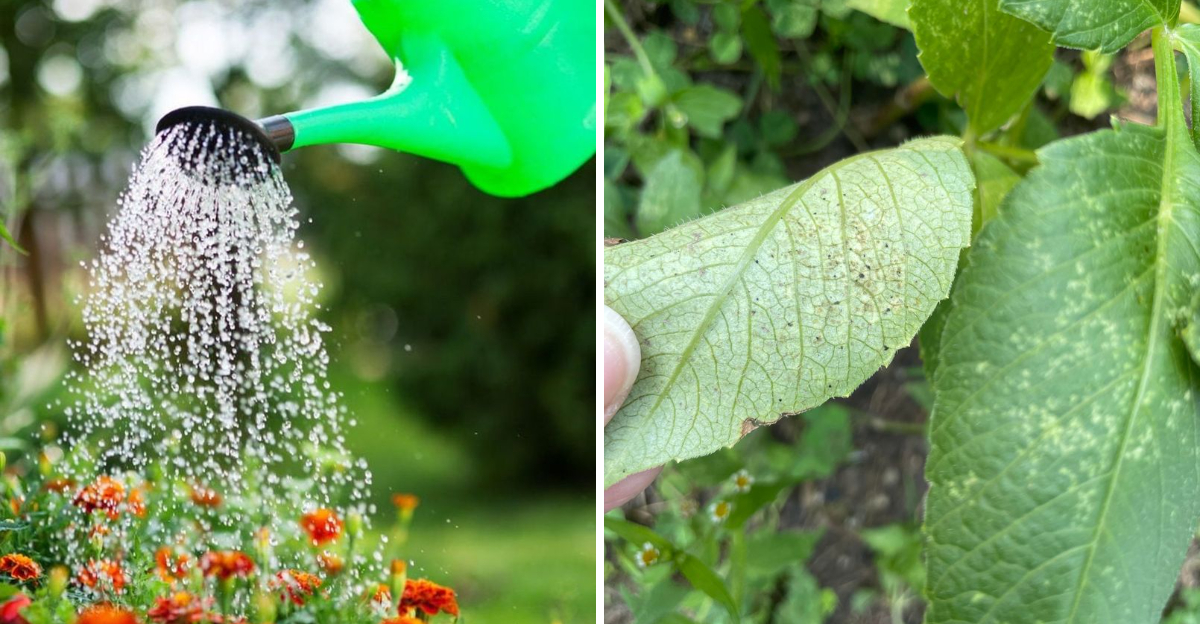
One of the most effective spider mite prevention habits in Arizona costs nothing and takes about three minutes. It is also one that most gardeners skip entirely.
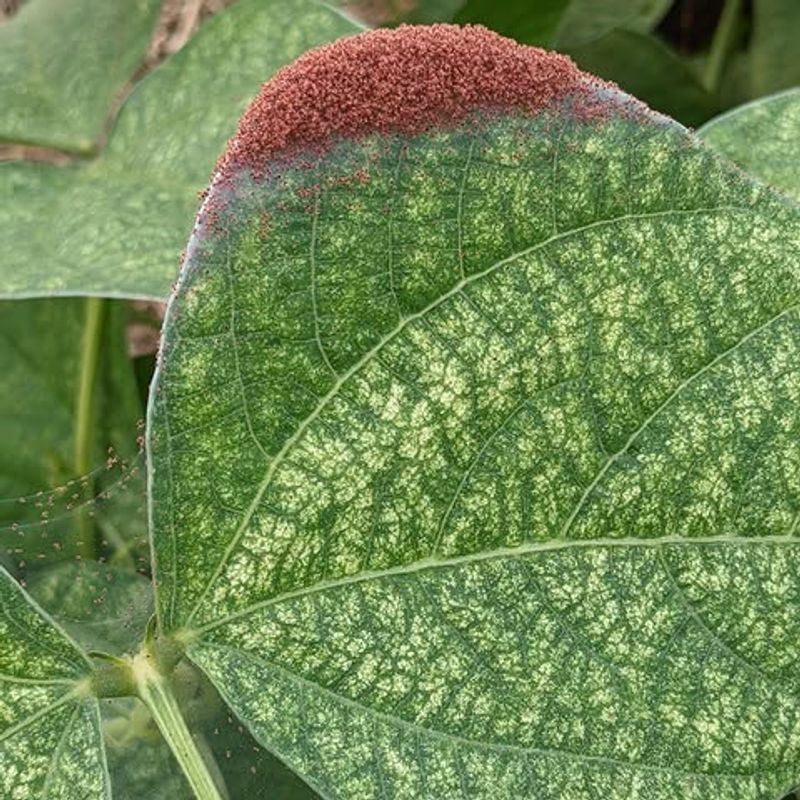
Spider mites thrive on dusty, dry leaf surfaces. Those conditions are basically a permanent feature of Arizona summers, which is exactly why regular leaf washing matters so much here.
A strong stream of water aimed at both the tops and undersides of leaves physically removes mites and washes away the fine webbing they use to anchor eggs. No webbing means no new generation establishing on that leaf surface.
Do this two to three times per week during peak heat months, typically May through September. Use a hose with an adjustable nozzle set to a firm but gentle stream.
Aim for the undersides specifically. That is where mites congregate, lay eggs, and do most of their feeding. The top of the leaf is just the visible surface. The action is happening below.
Avoid soaking the soil at the base of the plant while rinsing. You want water on foliage, not pooling at the roots.
Morning is the best time so leaves dry before nightfall. Wet leaves sitting overnight in an Arizona garden can invite a different set of problems.
Consistent leaf washing also removes dust particles that block sunlight and slow photosynthesis. Clean leaves perform better and resist colonization more effectively.
Your plants get a refreshing rinse. The mites get evicted. That is a trade everyone wins except the mites, and honestly, they had it coming.
2. Encourage Beneficial Predators Like Lady Beetles In Beds

Nature already has a pest control system in place. Many Arizona gardeners are accidentally undermining it.
Lady beetles are one of the most effective natural predators of spider mites available. Both adults and larvae consume dozens of mites per day, working through infestations with impressive efficiency.
They are already present in many Arizona landscapes and will stay if the garden gives them a reason to. Planting nectar-rich flowers like sweet alyssum, dill, and yarrow provides food for adult lady beetles between pest season peaks.
Your Arizona Garden Changes Every Week. Your Plan Should Too.
Gardening in Arizona changes quickly throughout the season. Every Friday you’ll receive a simple weekly plan showing exactly what to plant, prune, fertilize, harvest, and protect so you never miss the right timing.
Avoid broad-spectrum pesticide sprays. This is the step most gardeners miss. Those products eliminate beneficial insects alongside pests, which means you remove the very population that would have controlled the mites naturally.
Lady beetles can also be purchased from reputable garden suppliers. Release them at dusk when temperatures are cooler to improve the chance they stay in your garden.
You could spray everything with chemicals, or you could grow a little alyssum and let the lady beetles handle it. One of those approaches works with nature. The other keeps buying you more spray.
3. Keep Plants Well Spaced So Airflow Stays Strong
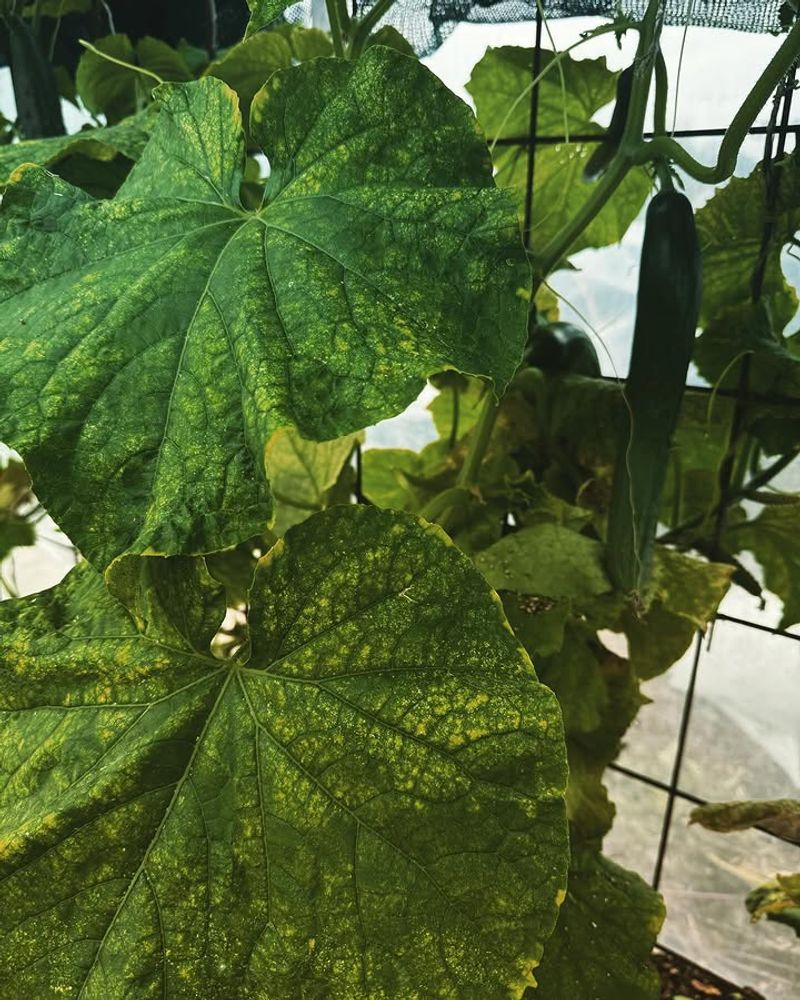
Crowded plants are stressed plants. Stressed plants are exactly what spider mites are actively searching for.
When foliage is packed tightly together, air stops moving between leaves. That stagnant, hot pocket of air sitting in a crowded Arizona garden bed in July is genuinely ideal for mite reproduction.
Temperatures inside dense plantings can climb significantly higher than the surrounding air temperature.
Good airflow helps leaves dry faster after irrigation, reduces heat buildup on foliage surfaces, and makes it physically harder for mites to travel between plants.
Check spacing recommendations on every plant tag before anything goes in the ground. What looks generously spaced in spring becomes a packed canopy by August.
For vegetable gardens, trellising vining crops like cucumbers and beans vertically rather than letting them sprawl opens up the canopy and keeps leaves off the soil surface where mites can easily climb aboard.
Pruning crossing or crowded branches within a single established plant also improves internal airflow. Even a mature shrub benefits from a light thinning each season. It does not need to be dramatic pruning, just enough to let air move through.
When air flows freely through a garden, temperatures moderate slightly, moisture disperses, and mites find it harder to establish the large colonies that cause visible damage.
Proper spacing is the plant equivalent of social distancing. Turns out it works for pest management too.
4. Avoid Excessive Fertilizer That Loves Spider Mites
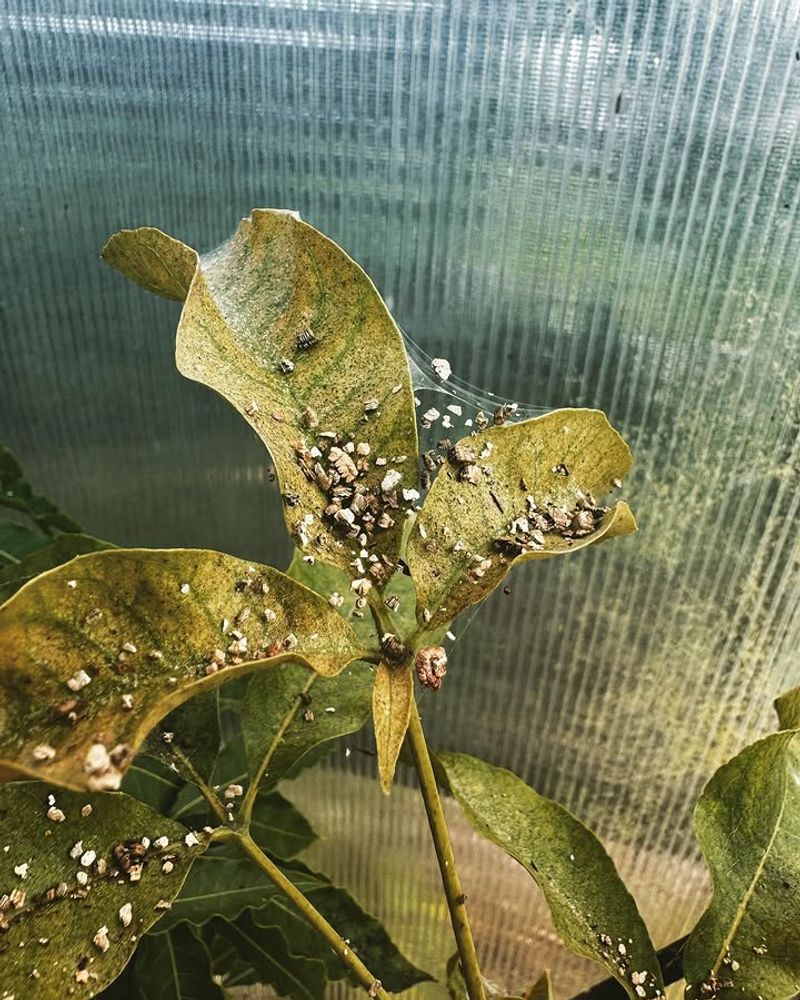
Over-fertilizing is one of the most common ways Arizona gardeners accidentally create a spider mite problem.
Lush, fast-growing, nitrogen-rich leaves are soft, tender, and packed with the amino acids mites need to reproduce rapidly.
Plants pushed into quick, leafy growth by heavy nitrogen applications essentially become a five-course meal for any mite population in the vicinity.
Research confirms that high nitrogen levels in plant tissue increase spider mite reproduction rates significantly. Mites on over-fertilized plants lay more eggs and complete their life cycle faster.
In Arizona’s warm climate, that acceleration happens faster than in cooler regions, which means a small problem can become a serious infestation quickly.
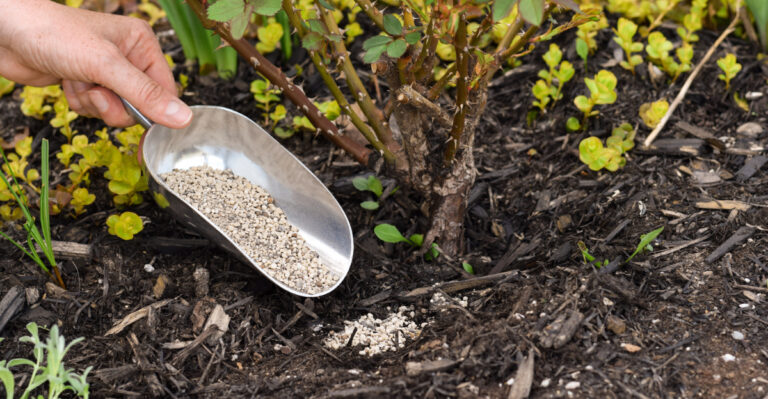
Slow-release fertilizers or organic options like compost and worm castings feed plants gradually instead. That encourages steady, moderate growth rather than sudden flushes of vulnerable new tissue.
A soil test before any fertilizer application removes the guesswork entirely. Many Arizona soils already have adequate levels of certain nutrients, and adding more creates imbalance rather than improvement.
Timing matters too. Avoid fertilizing during peak summer heat when plants are already under stress. Pushing growth at that moment creates exactly the soft, vulnerable tissue mites find most attractive.
A balanced fertilizer with appropriate ratios of phosphorus and potassium alongside moderate nitrogen supports genuine plant health without rolling out a welcome mat for pests.
Feed your plants well. Just do not feed your mites better.
5. Monitor Undersides Of Leaves With Regular Visual Checks
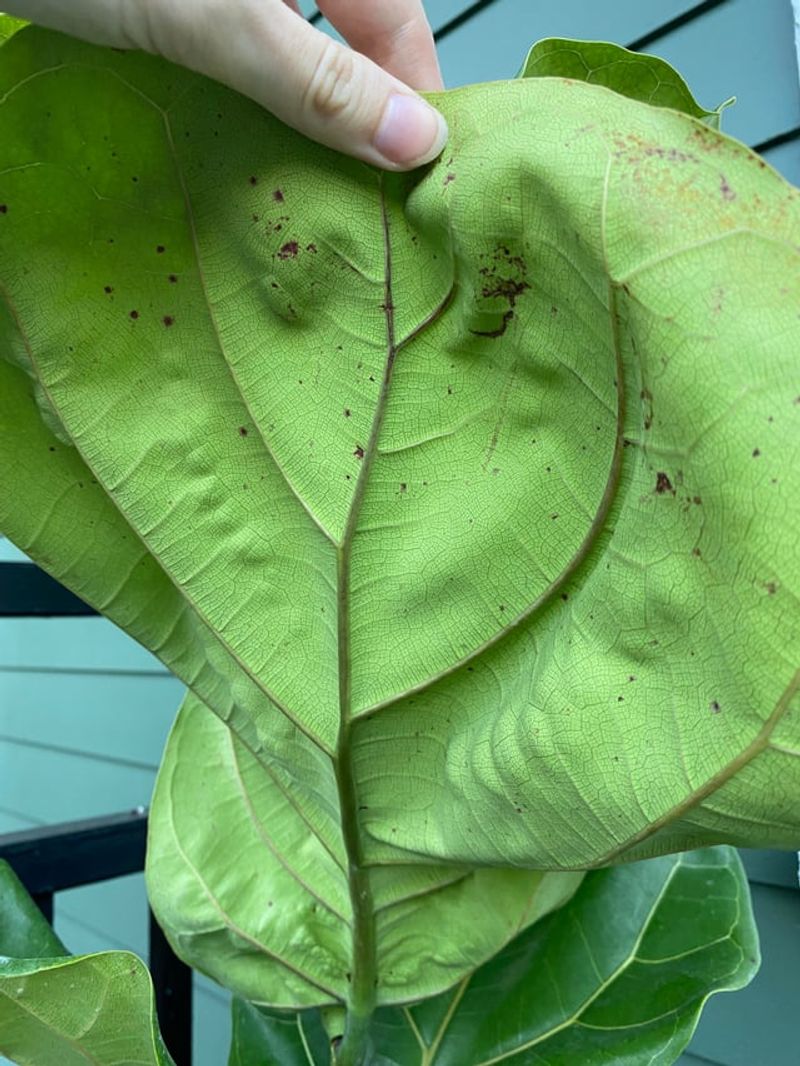
By the time you see obvious webbing or bronzed foliage on an Arizona plant, the infestation is likely already well established.
Spider mites do not announce their arrival. They just multiply until the evidence becomes impossible to ignore. Catching them early requires looking in the right place before symptoms appear.
Start scouting as early as March in southern Arizona when warm, dry conditions begin to develop. Use a hand lens or magnifying glass to check the undersides of leaves, particularly on roses, tomatoes, beans, and ornamental shrubs.
Look for tiny moving dots, fine stippling on the leaf surface, or early traces of silk webbing near leaf veins. Any of those signs means mites are present and active.
A quick paper test provides confirmation. Hold a white sheet under a suspect branch and tap the branch sharply.
If tiny specks fall onto the paper and start moving, mites are there. This works even before visible symptoms appear on the plant.
Set a regular inspection schedule every five to seven days during warmer months. Focus on plants that have had previous mite issues and those growing in the hottest, driest spots in your yard.
Early detection allows you to respond with simple, low-impact solutions rather than needing aggressive treatment. A small population caught early is a very different situation from a full outbreak.
Spider mites are tiny, but they are not invisible. You just have to know where to look and commit to actually looking.
6. Use Reflective Mulch To Discourage Hot Spots Where Mites Breed

Reflective mulch sounds like something from a science fiction garden supply catalog. It is real, it is widely available, and it genuinely works against spider mites.
This silver or metallic-colored mulch bounces light upward onto the undersides of leaves, creating a disorienting environment that mites prefer to avoid.
The reflected light disrupts their behavior and makes the area significantly less attractive for establishing colonies.
Research consistently shows that reflective mulch reduces spider mite populations in vegetable gardens.
It also deters other soft-bodied pests like aphids and thrips that share similar habitat preferences, which means one material addresses multiple problems simultaneously.
In Arizona, reflective mulch carries an additional benefit beyond pest management. It helps moderate soil temperatures during brutal summer heat, keeping root zones a few degrees cooler than bare or dark-colored mulch would.
Install reflective mulch at the start of the growing season before mites have a chance to establish. Getting it in place early removes the opportunity rather than responding to an existing problem.
Keep it clean and in good condition throughout the season. Dirty or torn mulch loses its reflective properties and stops performing the job.
Pair reflective mulch with proper irrigation and plant spacing for a layered approach that addresses multiple conditions mites need to thrive.
The mites were not expecting their habitat to start bouncing light at them. Turns out, neither were most gardeners.
7. Water Early In The Day To Keep Plants Hydrated And Less Stressed
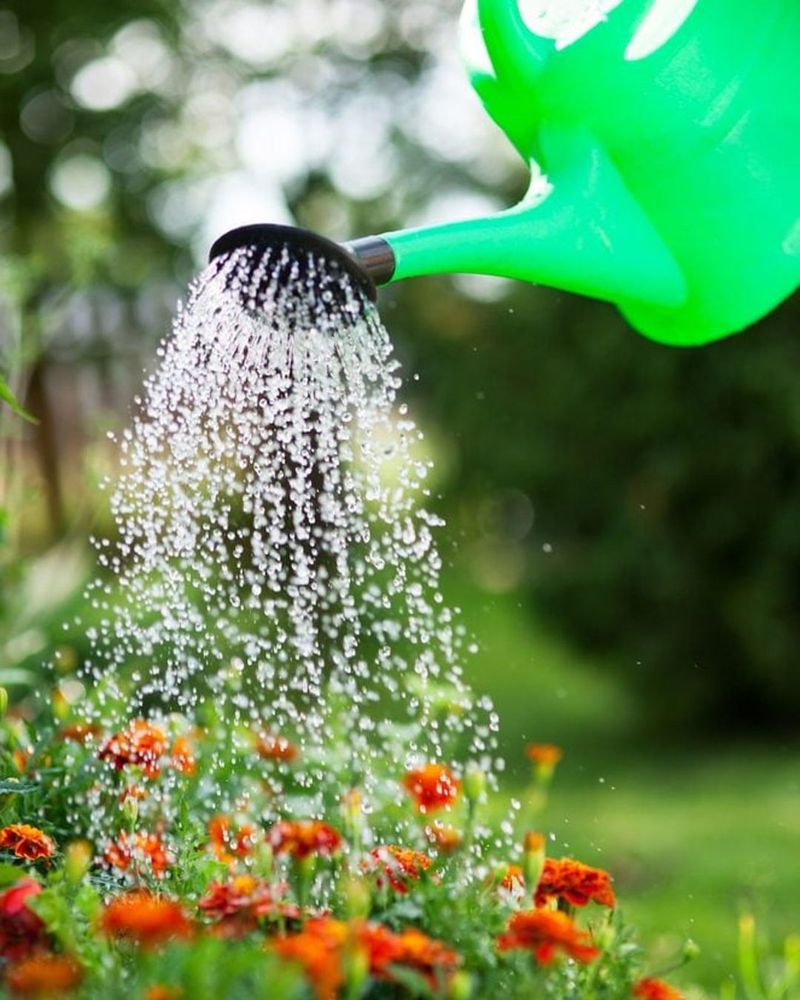
Watering timing is not a small detail in Arizona. It is one of the more important decisions in the daily garden routine, and it directly affects how vulnerable your plants are to spider mites.
Plants that enter peak afternoon heat already well-hydrated handle stress significantly better than those running low on moisture by mid-morning.
Spider mites actively prefer drought-weakened plants. When a plant is water-stressed, cell walls become thinner and easier for mites to pierce with their feeding mouthparts.
Drought stress is one of the primary conditions that accelerates spider mite population growth in the desert Southwest. Reducing plant stress reduces mite pressure. The connection is direct.
Watering before 9 a.m. gives roots time to absorb moisture before intense afternoon heat causes rapid evaporation. It also allows any water that lands on foliage to dry before evening, which reduces fungal risk.
Drip irrigation systems are particularly well-suited to Arizona because they deliver water directly to the root zone without wetting foliage. Less moisture on leaf surfaces means fewer conditions that benefit pests.
Consistent, deep watering outperforms frequent shallow watering for most plants. Deep watering encourages roots to grow downward into soil that stays cooler and retains moisture longer.
A plant with deep, healthy roots handles Arizona heat with far more resilience. A plant that handles heat well is a plant that spider mites find considerably less interesting.
Water early, water deep, and let the mites go find someone else’s stressed garden to bother.
8. Remove Severely Infested Leaves Before Mites Spread Further
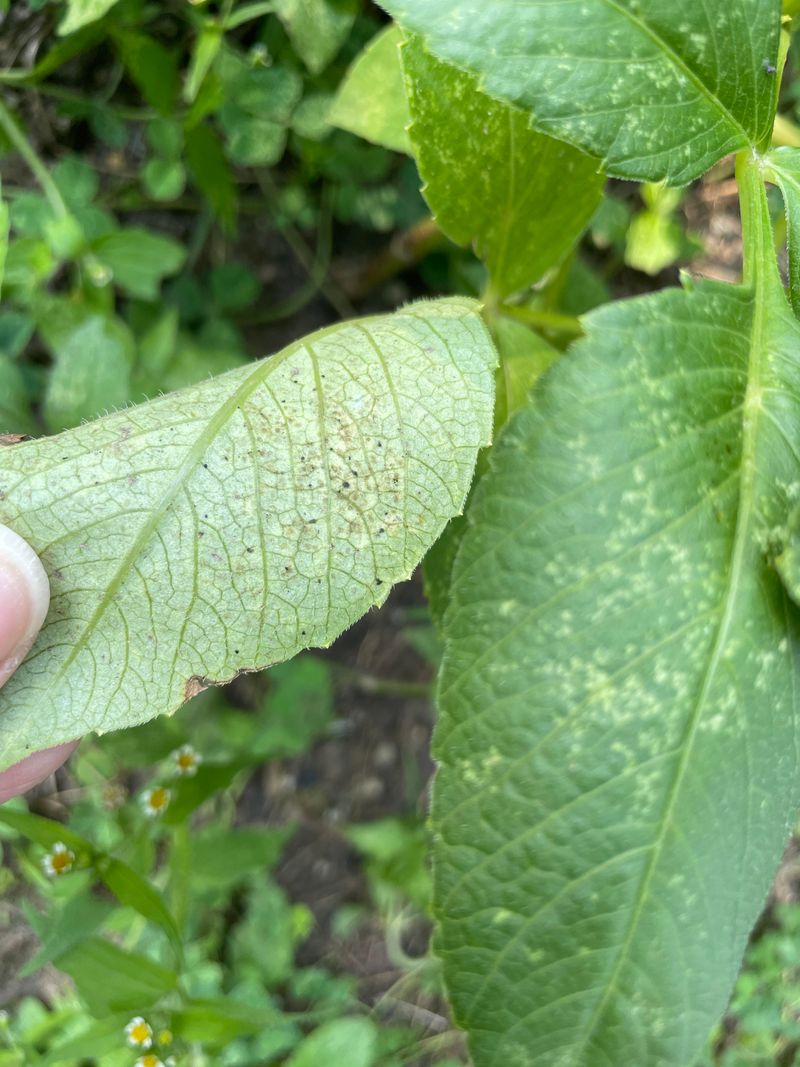
A leaf with pale stippling, yellowing, and visible webbing is not just cosmetic damage. It is a mite colony actively preparing to expand into the rest of the plant.
Every hour that leaf stays in place increases the chance of mites moving to neighboring leaves and branches. Prompt removal is one of the most straightforward responses available once serious infestation appears.
Use clean, sharp pruning shears or scissors to snip off affected leaves. Avoid shaking the plant as you work.
Disturbing the plant can dislodge mites and send them drifting to other parts of the garden, which defeats the entire purpose.
Seal removed material in a plastic bag immediately after cutting. Do not set it on the ground, place it in a garden cart, or leave it sitting nearby.
Never add mite-infested leaves to a home compost bin. Mites and their eggs can survive in compost and reinfest the garden later. Seal the bag and place it in the trash.
After removing infested material, wash hands and tools thoroughly before touching other plants. Mites are small enough to travel unnoticed on gloves and tool blades.
Follow up with a strong water spray on the remaining foliage to remove any mites that may have already begun migrating.
Quick, clean action at the first sign of serious infestation protects the rest of the garden and gives the affected plant a genuine path to recovery.
Mites are tiny. Your response does not have to be.