Plant Desert Willow Once In Arizona And It Feeds Hummingbirds Every Year For Decades
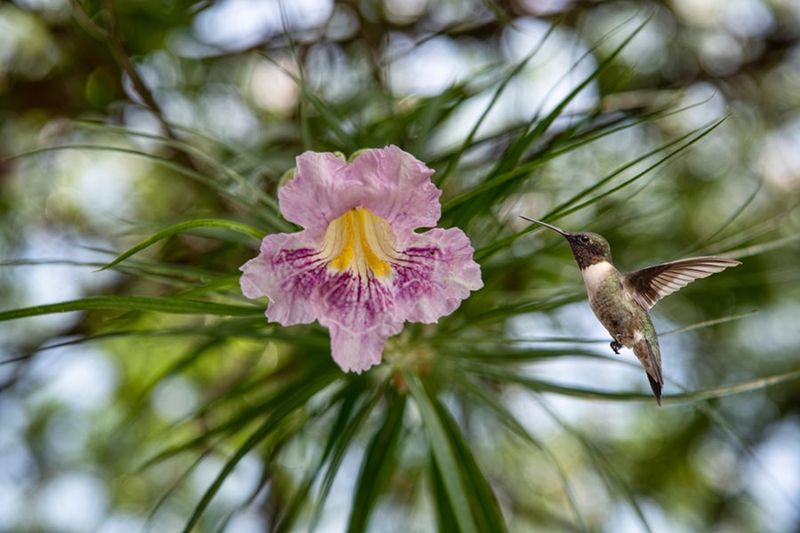
Arizona homeowners looking for a tree that earns its keep through brutal summers and dry winters have a strong candidate in desert willow, known botanically as Chilopsis linearis. One planting can grow into a long-lived, heat-tolerant landscape tree with tubular flowers that hummingbirds may visit from spring into late summer.
That said, the promise is a realistic one rather than a guarantee: bloom intensity changes with rainfall, irrigation, and site conditions, and hummingbird visits follow the birds, not just the flowers. Understanding what desert willow can realistically deliver makes the decision to plant it a much smarter one.
Desert willow can become a lasting nectar resource
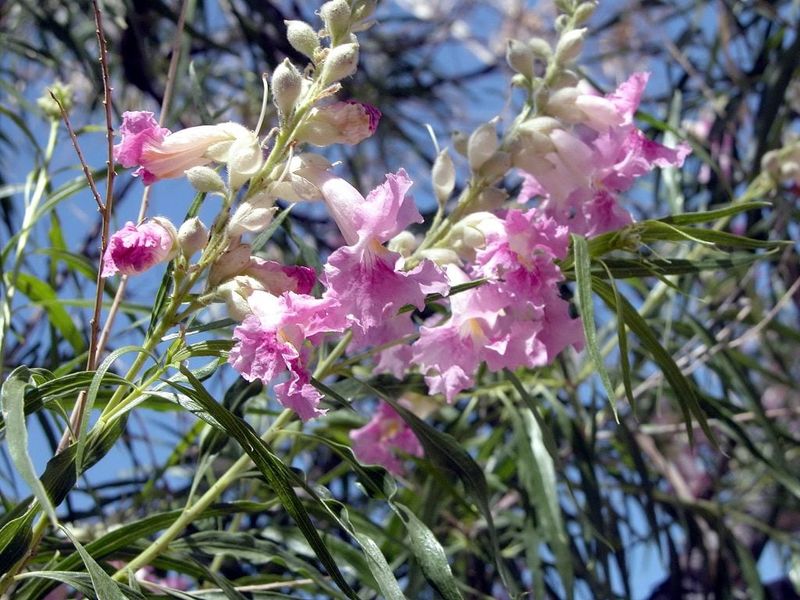
Chilopsis linearis earns a place in low-desert Arizona yards not because it guarantees results, but because it stacks several durable benefits into one native tree. Unlike many ornamentals that struggle once triple-digit heat arrives, desert willow is built for the Southwest.
It grows naturally across washes and arroyos from Arizona into Texas and northern Mexico, which means it is already adapted to alkaline soils, intense sun, and long dry stretches between rains.
The flowers are the main draw for many homeowners. They are tubular and nectar-bearing, and Audubon’s Central Arizona native plant guide identifies desert willow as a plant hummingbirds may visit for nectar.
That potential benefit is real, but it depends on the tree flowering reliably, which in turn depends on adequate irrigation, reasonable drainage, and enough rainfall to support flower production.
Longevity is where the species stands out most. U.S.
Forest Service species review data indicates desert willow may live as long as 100 years, though that ceiling applies to trees in favorable conditions rather than every cultivated landscape specimen. A more grounded expectation is a tree that can remain productive for many decades when its site and care needs are met.
Drought can reduce or eliminate flowering in very dry years, so the tree rewards attentive planting more than passive neglect.
Fall planting gives the root system a cooler start
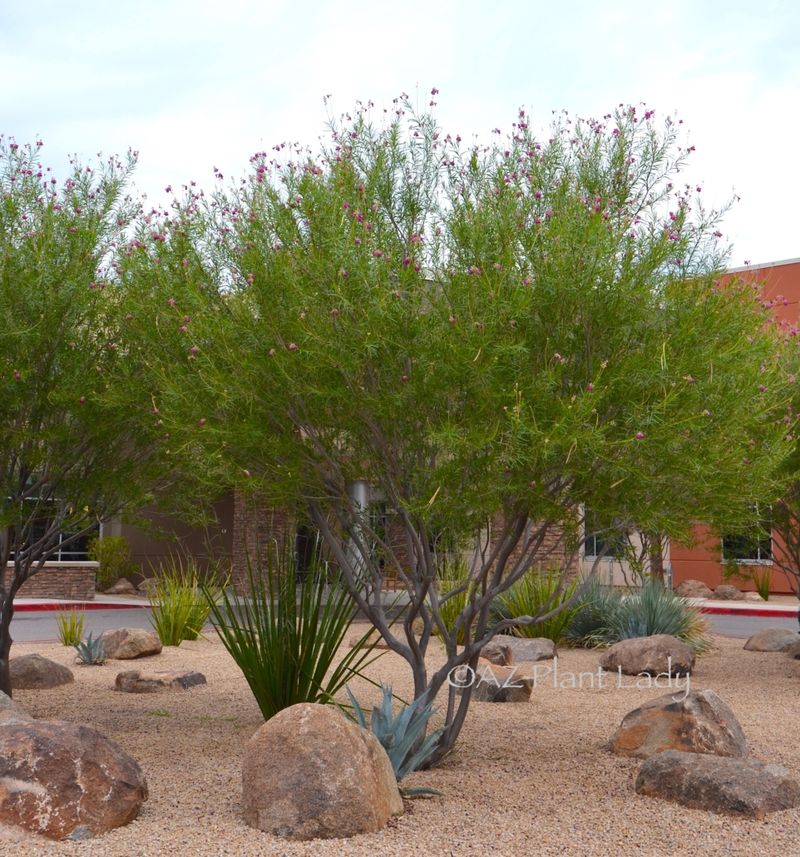
Timing a tree planting in Arizona is not the same as timing one in Ohio or Oregon. The low desert runs on its own calendar, and the fall window is one of the most favorable periods to put a new tree in the ground.
Cooler air from October onward reduces the heat stress that can stall or kill a freshly planted tree, while soil temperatures remain warm enough to encourage root growth before the tree faces its first full summer.
University of Arizona Cooperative Extension guidance identifies late fall as an ideal general planting period for desert plants, and Pima County monthly garden reminders specifically name October and November as good tree-planting months. That timing gives roots several months to spread into surrounding soil before June heat arrives.
Phoenix-area homeowners can follow similar logic, though local microclimates vary and the advice is not one-size-fits-all.
Several conditions can still undermine a fall planting even in a generally favorable window. An early freeze can damage a newly planted tree before it has any cold-hardening advantage.
Your Arizona Garden Changes Every Week. Your Plan Should Too.
Gardening in Arizona changes quickly throughout the season. Every Friday you’ll receive a simple weekly plan showing exactly what to plant, prune, fertilize, harvest, and protect so you never miss the right timing.
Poor drainage can saturate the root zone during winter rains. A root ball that dries out between waterings in the first weeks after planting can set the tree back significantly.
Choose a site that gives roots room and drainage
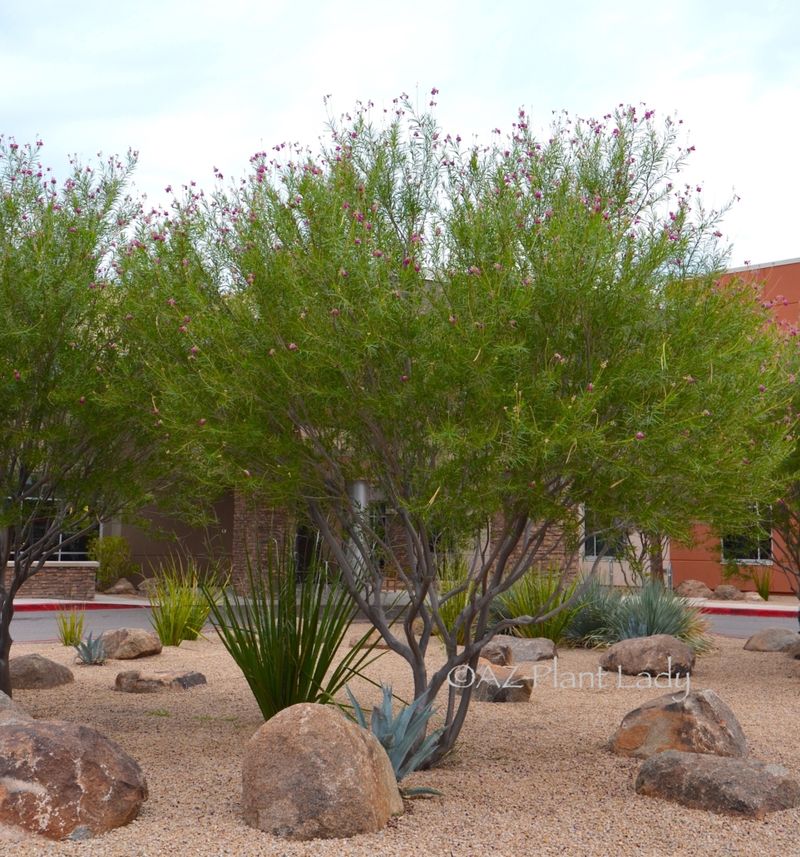
Before digging, walk the potential planting area and ask two questions: does water drain away from this spot, and is there enough clearance for a tree that may reach 15 to 25 feet tall with an open, spreading canopy? Both matter more than most homeowners expect.
Desert willow can produce flower and seed-pod litter across a season, so placement near a pool, a paved entry, or an AC unit tends to create more work than the tree is worth in those spots.
Sun is non-negotiable. Desert willow needs a full-sun location to flower well, and a shaded or partially blocked site will reduce bloom production.
The species tolerates alkaline soil, which is common across Phoenix and Tucson, but compacted ground and hardpan restrict root spread and drainage in ways that can stunt or kill a young tree. Caliche is the hidden obstacle in many low-desert yards.
That cemented calcium carbonate layer can act like a shallow bathtub, trapping water around roots after irrigation or rain. Test the planting hole by filling it with water and watching how fast it drains.
Set the root ball correctly before you backfill
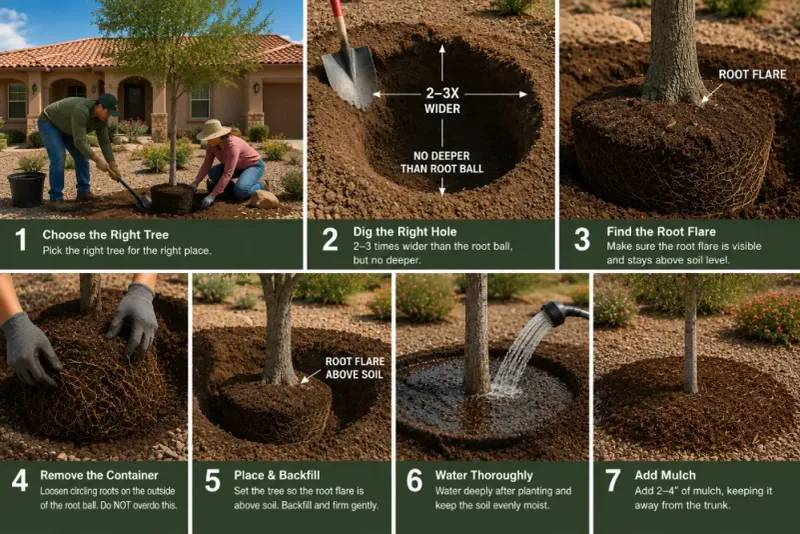
Getting the hole right is where many tree plantings go wrong, and the mistake is almost always the same: digging too deep and too narrow. A root ball dropped into a tight, deep hole ends up sitting in a pocket that collects water and limits outward root growth.
The goal is the opposite configuration, a wide, shallow basin that encourages roots to spread laterally into surrounding soil.
University of Arizona planting guidelines for container trees specify digging a hole three to five times wider than the root ball but no deeper than the root ball’s height. That wide, shallow shape matches how desert tree roots naturally grow, spreading outward rather than straight down.
The broad excavated area also loosens surrounding soil so new roots can extend into it more easily during the establishment period.
Root ball elevation matters just as much as hole dimensions. Keep the top of the root ball level with the surrounding soil surface, or position it very slightly above grade if the site has any settling tendency or marginal drainage.
Planting too low buries the root crown, which can invite rot and disease. Once the tree is positioned correctly, backfill with the native soil removed from the hole rather than amended material, then shape a low watering berm around the outer edge of the planting area to direct irrigation water inward toward the root zone rather than away from it.
Water consistently through the establishment years
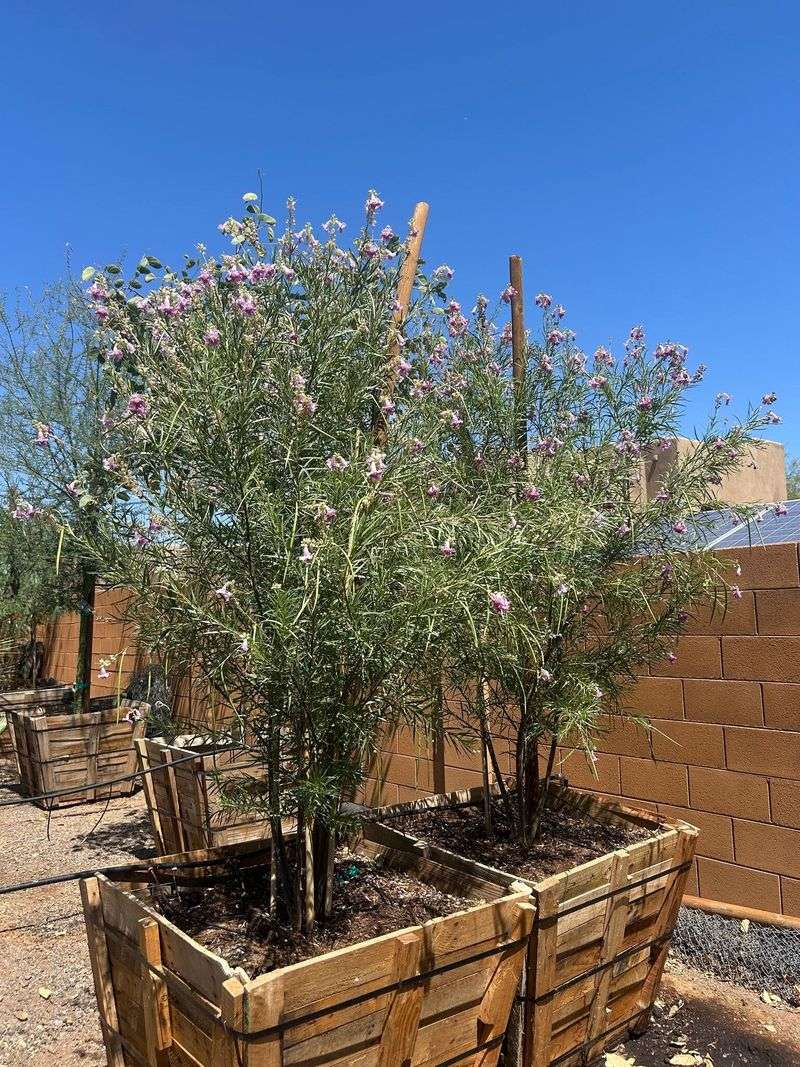
Drought tolerance is one of desert willow’s selling points, but that label applies to an established tree, not a freshly planted one. A newly planted desert willow has a small, confined root system that cannot yet reach moisture stored deep in the surrounding soil.
Without consistent irrigation in the weeks and months after planting, that root ball can dry out quickly in Arizona’s low humidity and heat, even during the cooler fall months.
University of Arizona guidance on watering trees and shrubs describes establishment as a gradual process that can take roughly three years for desert-adapted trees, with watering intervals lengthening over time as the root system expands. Early on, that means deep, regular irrigation that wets the full root zone rather than light surface watering that evaporates before it reaches roots.
Deep watering encourages roots to follow moisture downward, which builds the drought resilience the tree is known for.
Once a desert willow is established, the watering approach shifts but does not stop. During hot, dry periods, established desert trees generally benefit from deep, infrequent irrigation rather than frequent shallow cycles.
Southern Arizona watering guidance offers starting intervals of roughly every 14 to 21 days in summer and every 21 to 28 days in spring and fall for established desert trees, with adjustments based on weather conditions, soil type, tree size, and irrigation equipment. Extended drought or back-to-back heat events may call for more frequent deep waterings even on an otherwise established tree.
Expect recurring flowers, not nonstop hummingbird service
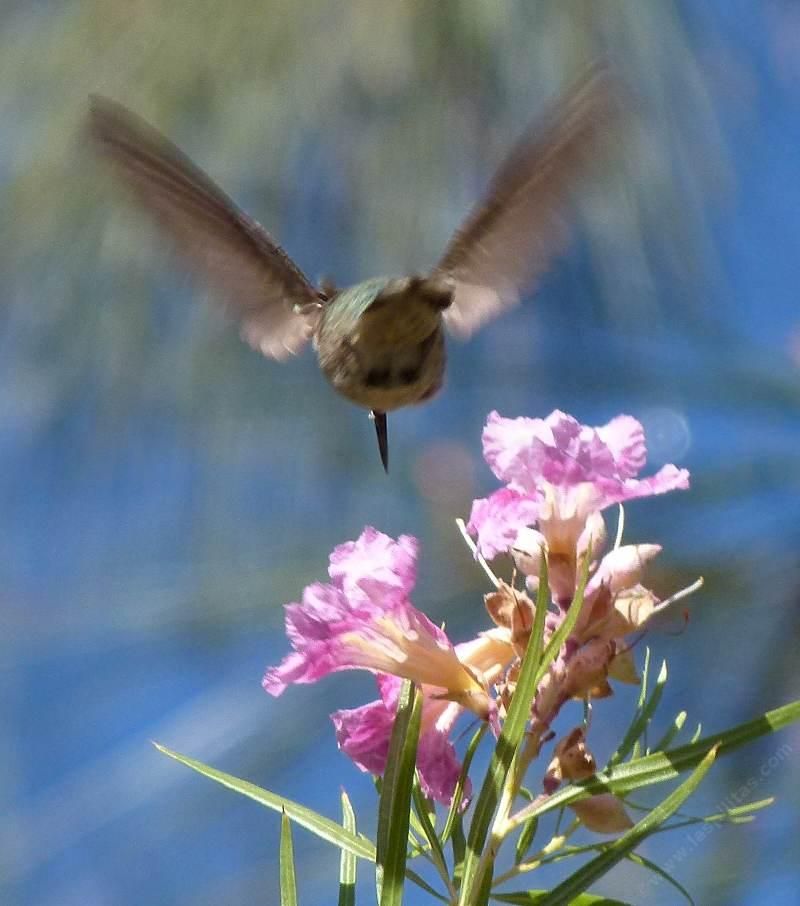
Desert willow flowers come in pink, lavender, white, and purple shades depending on the cultivar, and their tubular shape makes them accessible to hummingbirds seeking nectar. Audubon’s Central Arizona plant resources note that Anna’s Hummingbird is among the birds associated with desert willow, visiting the flowers to sip nectar.
That connection is genuine, but hummingbird activity at any given tree depends on local bird populations, competing nectar sources nearby, water availability, and habitat conditions beyond what any single planting can control.
The bloom season itself is longer than most flowering trees in the low desert can manage. Arizona landscape references describe flowering from roughly April through August or even into September, with additional flushes sometimes following summer monsoon rains.
However, Forest Service species review findings clarify that the strongest flowering typically occurs early in the growing season, followed by smaller numbers of flowers over an extended period. Individual flowers may last only one to two days, and flower production is positively associated with precipitation, meaning dry years can reduce bloom significantly.
Hummingbird visitation and pollination are also separate things worth keeping straight. The Forest Service identifies Sonoran bumble bees as the main pollinators of desert willow and notes that hummingbirds are not effective pollinators for this species.
Match the cultivar to the space you have
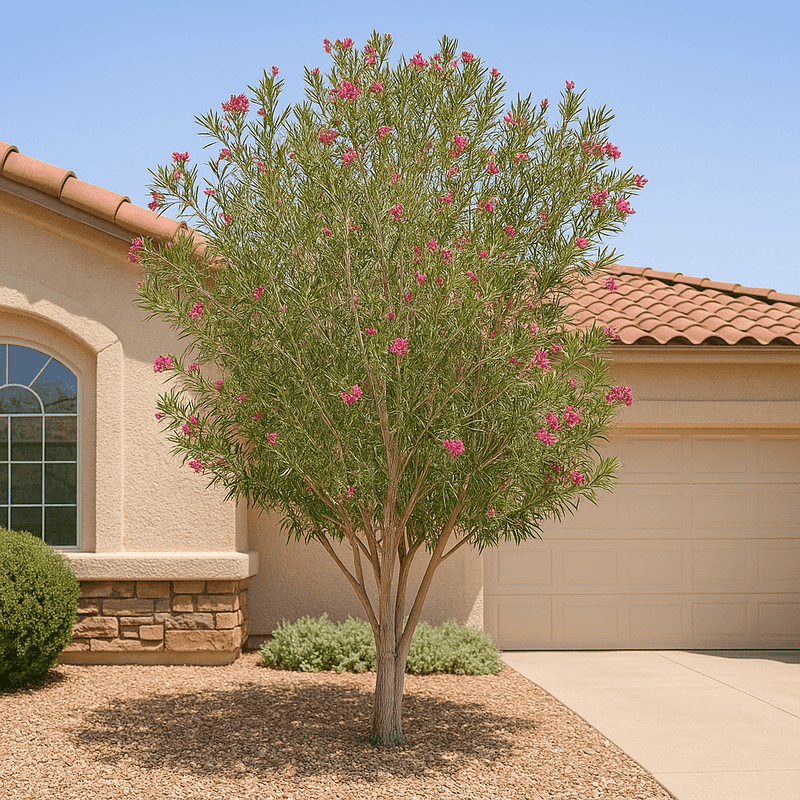
Walking into a nursery and asking for a desert willow without checking the cultivar tag is a bit like ordering a truck without asking about the bed size. The species as a whole can reach roughly 15 to 25 feet in many landscape settings, with some references noting potential for greater height under favorable conditions.
That spread, combined with an open and arching canopy, means a cultivar that suits a wide open backyard may crowd a narrow side yard or grow into utility lines within a decade.
Cultivars vary in ways that go well beyond size. Flower color ranges from near-white through pink, lavender, and deeper purple.
Some cultivars produce fewer seed pods, which reduces the long, hanging pod litter that can collect along a fence line or patio edge. Form differs too, with some selections growing more upright and others spreading wide.
Oklahoma State’s desert willow cultivar profiles document these differences across named selections, and Arizona nurseries that specialize in native plants can often advise on which cultivars perform well locally.
Flowering intensity is not fixed within a cultivar either. Irrigation, rainfall, drought cycles, pruning timing, and drainage all affect how heavily any individual tree blooms in a given year.
Selecting a cultivar suited to the available space and then meeting its water needs during establishment gives the best foundation for recurring flowers. Neither the species name nor the flower color alone predicts how a specific tree will perform in a specific yard.
Choose the realistic promise before you plant
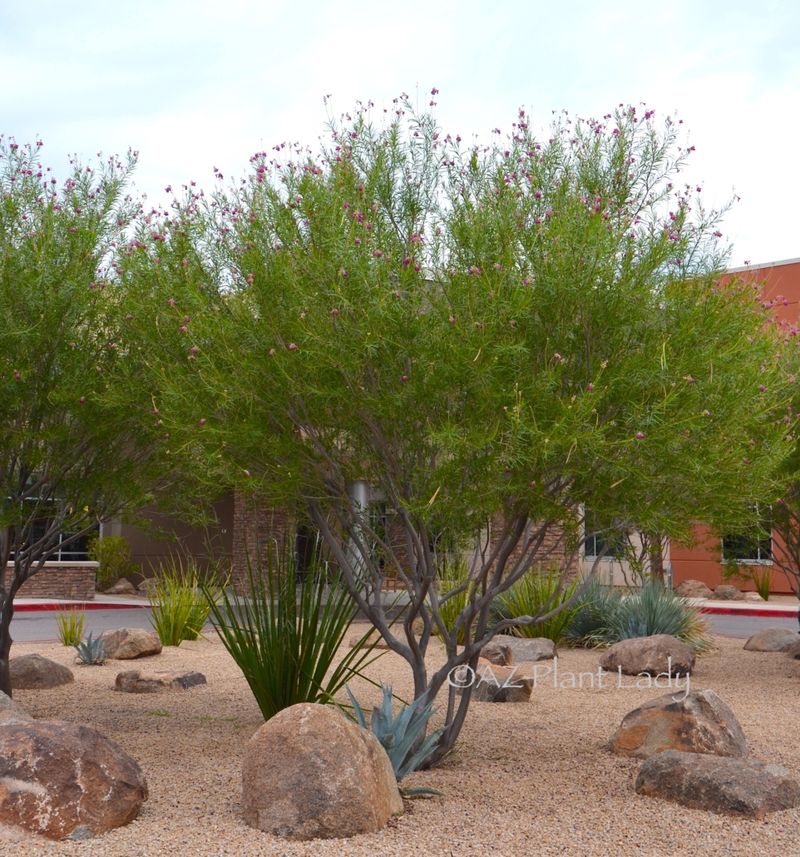
The honest case for planting desert willow in a low-desert Arizona yard is strong, but it rests on realistic expectations rather than guaranteed outcomes. Select a full-sun site with enough clearance for a tree that can spread 15 feet or more, confirm that drainage is adequate before the first shovel goes in, and plan to water deliberately through at least the first three years.
Those steps give the tree the foundation it needs to become a durable landscape presence rather than a stressed specimen that struggles through every summer.
Fall planting in October or November gives the root system a better start in the Phoenix and Tucson areas than planting into summer heat, but the seasonal advantage only holds if irrigation stays consistent and the site does not collect standing water after rain. Once established, the tree can handle Arizona’s heat and periodic dry stretches better than most ornamental trees, though deep supplemental watering during prolonged drought remains a reasonable practice rather than an optional one.
What the tree can realistically deliver is a recurring bloom season that hummingbirds may use, a canopy that provides filtered shade, and a lifespan that can stretch for many decades when conditions support it. Pairing it with other native flowering plants that bloom at different times extends the habitat value of the yard well beyond what any single tree can provide on its own.
A desert willow planted thoughtfully is not a set-and-forget solution, but it is one of the more rewarding long-term investments available to Arizona homeowners who want a yard that works as hard as the climate demands.