7 October Jobs That Set Up Your Arizona Desert Willow For Bigger Blooms Next Year

October is when your desert willow quietly decides how good next spring will look. The brutal heat is fading, the monsoon is over, and the tree is shifting gears toward rest.
A few simple chores right now can mean more of those orchid-like pink and purple flowers that hummingbirds and bees go wild for. Here are seven easy jobs that give your tree a head start without much effort or water.
1. Dial Back the Watering Schedule
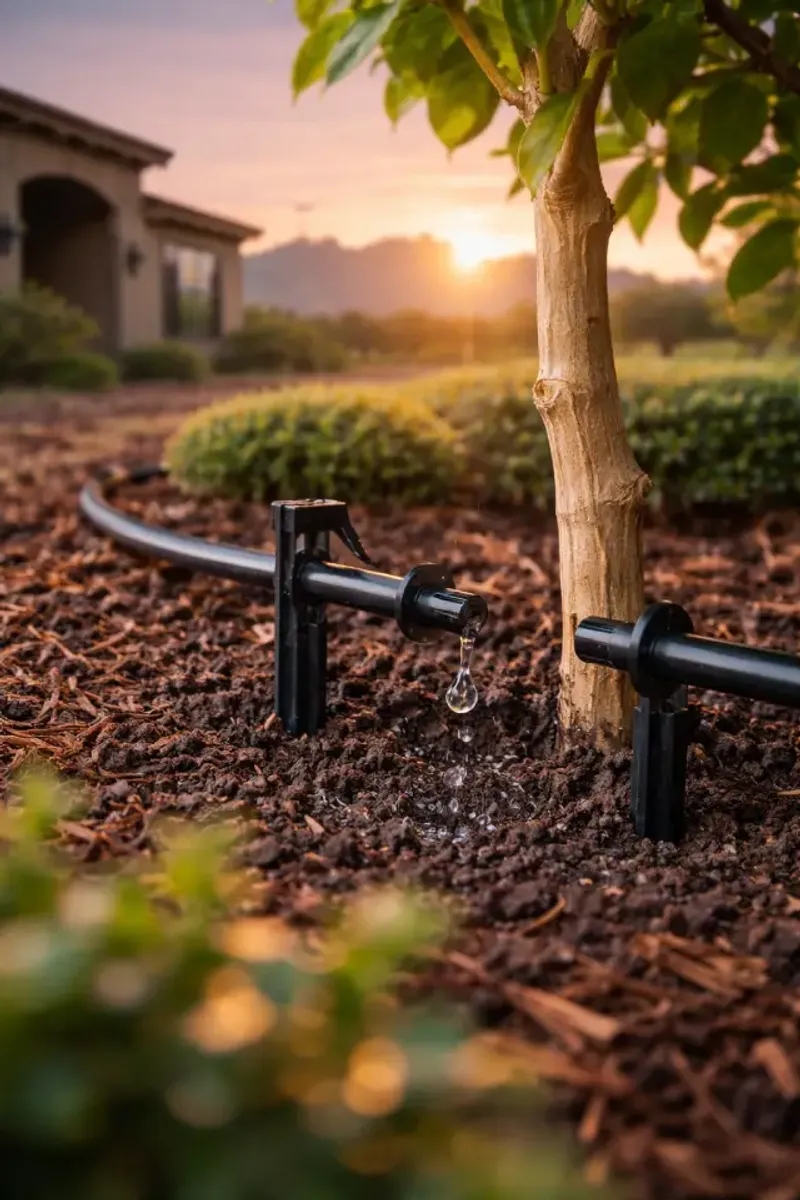
Picture your desert willow as a marathon runner after a long summer race. It spent months pushing through 110-degree afternoons, and now it wants to cool down and rest.
Your watering timer should follow that same slowdown.
Once nights drop into the 60s across Phoenix and Tucson, established trees need far less water than they did in July. Soggy soil in cooler weather can lead to root rot, which is one of the few problems that can really set this tough native back.
Let the top few inches of soil dry out between waterings, and check it with a screwdriver or soil probe before running the system.
For most mature trees, a deep drink every few weeks is plenty in fall, with even less needed in winter if rain shows up. Young trees planted in the last year or two may need a bit more attention, so check them more often.
Here is the payoff. A tree that eases into its semi-dormant winter rest saves its energy for spring, when it pushes out the new growth that carries flowers.
You also save water, which matters a lot when every gallon counts in the desert. Less effort, lower bills, and a happier tree make this an easy first step.
2. Snip Spent Flowers and Seed Pods
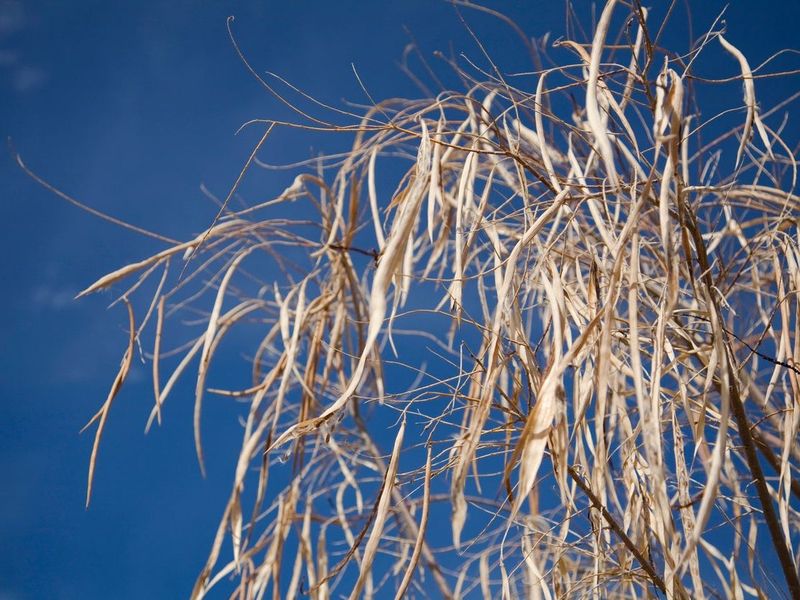
Ever notice those long, skinny pods dangling from your tree like green beans? Each one holds dozens of tiny winged seeds, and making them takes a surprising amount of the tree’s energy.
Desert willows often keep blooming into October, especially after a good monsoon. As flowers fade, they turn into pods that hang on through winter.
Snipping off spent blooms and young pods within easy reach tells the tree to stop investing in seeds and start storing strength in its roots instead.
You do not need a ladder or a full afternoon. Grab a pair of clean hand pruners and work the lower branches you can reach comfortably.
Even trimming part of the tree may help, and the job feels oddly satisfying, like tidying up a messy desk.
One fun twist worth knowing about. Some gardeners leave a handful of pods on higher branches, because seed-eating birds like finches may stop by to pick at them in winter.
That small trade-off keeps a little habitat value while still sending most of the tree’s energy toward next year’s show.
Toss the clipped pods in your green waste bin rather than leaving them on the ground, so you avoid a crop of surprise seedlings in your gravel.
Your Arizona Garden Changes Every Week. Your Plan Should Too.
Gardening in Arizona changes quickly throughout the season. Every Friday you’ll receive a simple weekly plan showing exactly what to plant, prune, fertilize, harvest, and protect so you never miss the right timing.
3. Scout for Aphids and Spider Mites
Good news first. Desert willows are famously tough and shrug off most pests that bother fussier trees.
Still, a quick check in October can catch small troubles before they turn into bigger ones next spring.
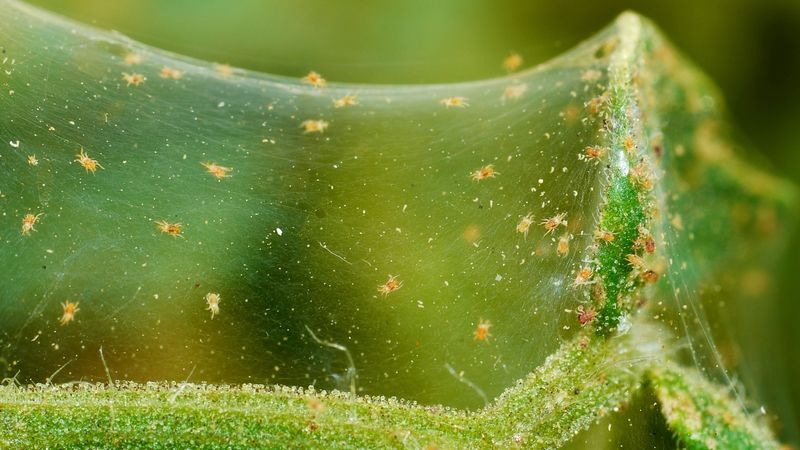
Flip over a few of those narrow leaves and look closely. Aphids show up as clusters of tiny soft bugs, often near new growth, while spider mites leave fine webbing and a speckled, dusty look on leaves.
Sticky residue on branches or patio furniture below can also be a clue.
If you spot a few, start gentle. A strong spray of water from the hose often knocks aphids loose, and insecticidal soap or neem oil can help with stubborn groups.
Apply them in the cool morning or evening so leaves do not scorch in lingering warm sun.
Going easy on harsh sprays has a bonus. Ladybugs, lacewings, and other helpful insects tend to hang around yards that are not heavily treated, and they may handle much of the pest control for you.
A desert willow buzzing with beneficial bugs is part of a yard that works like a small ecosystem. A healthy tree entering winter rest is far better set up to burst into bloom when warm weather returns.
4. Study the Shape for Winter Pruning

Think of October as planning day, not cutting day. Your desert willow still has its leaves right now, which gives you the best possible view of how the canopy fills out and where it looks lopsided or crowded.
Step back across the yard with a cup of coffee and really look. Notice branches crossing and rubbing, shoots growing straight toward the house, or limbs drooping over a walkway.
Some folks tie a bit of bright ribbon on branches they plan to remove later, so the plan is ready when the time comes.
The actual pruning should wait until late winter, after the tree drops its leaves and before spring growth starts. Desert willows bloom on new wood, so smart structural cuts during dormancy encourage fresh branches that carry more flowers.
Cutting hard in fall can trigger tender growth right before chilly nights arrive.
Here is a fun bit of trivia. Despite the name, desert willow is not a true willow at all.
It belongs to the same plant family as catalpa trees, and it only earned its nickname from those long, slender leaves. Keeping its natural, airy form also provides shade and perches for songbirds and hummingbirds that love the flowers.
5. Clear Debris Around the Trunk

Leaf piles might look cozy, but jammed up against a trunk they can cause trouble. Clearing a small ring around the base of your desert willow is one of the fastest jobs on this list, and it pays off quietly.
Fallen leaves, blown-in trash, and old mulch can trap moisture right against the bark. In cooler weather with occasional fall or winter rain, that damp spot may invite fungal issues.
Good airflow at the base keeps the bark dry and healthy.
There is a pest angle too, and Arizona homeowners will appreciate it. Thick piles of debris give scorpions, crickets, and other critters cozy hiding places.
A tidy base, especially near the house, is less inviting to bark scorpions looking for shelter as nights cool down. Wear gloves and use a rake rather than bare hands when you clear things out.
Aim for a clear circle about a foot wide around the trunk. Beyond that, a thin layer of gravel or decomposed granite works nicely and fits the desert look.
You can toss clean leaves into a compost pile or spread them thinly farther out under other plants. Ten minutes with a rake now can help your tree stay strong through winter.
6. Test the Soil Drainage

Grab a shovel and a hose, because this one is a little like a science experiment. Desert willows handle alkaline soil and even rocky ground, but they truly dislike sitting in water.
Dig a hole about a foot deep a few feet from the trunk, fill it with water, and let it drain. Then fill it again and time it.
If the water vanishes within a few hours, you are in good shape. If it sits there all day, you may have a layer of caliche or heavy clay holding moisture around the roots.
Caliche is that cement-like layer common under many Arizona yards. Water can pool on top of it, and in cooler months that soggy zone may slowly harm roots.
Fixes can include breaking through the hardpan nearby, creating a gentle slope so runoff moves away, or simply watering less often.
Also check that downspouts and patio runoff are not dumping extra water at the tree’s base during fall storms. Redirecting that flow takes very little effort.
Well-drained roots are healthy roots, and healthy roots fuel the strong spring growth that loads branches with flowers for hummingbirds, carpenter bees, and other pollinators.
7. Give One Deep Soak in a Dry Spell

Some Octobers in the low desert feel like summer refuses to leave. If weeks pass with no rain and temperatures stay in the 90s, your tree could use one slow, deep drink.
Wait, did the first tip not say to water less? It did, and both ideas fit together.
The goal is fewer waterings that go deeper, not frequent little sips. A long soak that wets the soil two to three feet down helps roots stay strong without pushing out soft new shoots that cooler nights could nip.
Run a hose on a slow trickle or let your drip system go longer than usual, and spread water out toward the edge of the canopy. That outer zone is where many feeder roots live.
Skip fertilizer right now, since it may spark tender growth at the wrong time.
Afterward, let the soil dry thoroughly before you even think about watering again. In most years, one or two soaks are enough to carry a mature tree into winter.
Come April and May, a well-rested desert willow can reward you with waves of ruffled blooms, buzzing bees, and darting hummingbirds, all from a tree that asks very little in return.