Honeybee Venom Peptide Melittin Disrupts Breast Cancer Cell Membranes in Lab Tests
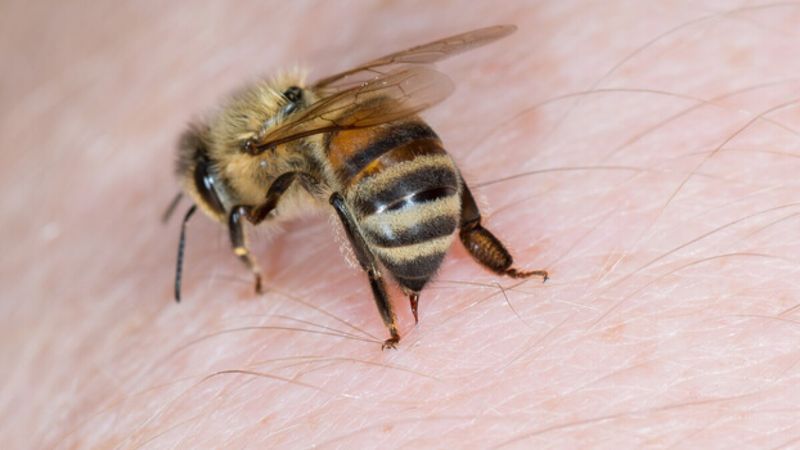
Honeybee venom has a tiny ingredient that scientists have watched damage the outer layer of some breast cancer cells in a lab dish. The headlines make it sound like a miracle cure, but the real story is more careful and more interesting.
If you share your Arizona yard with bees, it helps to know what the research showed and what it did not. Here is how the experiments worked and what they mean for you.
Melittin is a peptide that can affect cell membranes
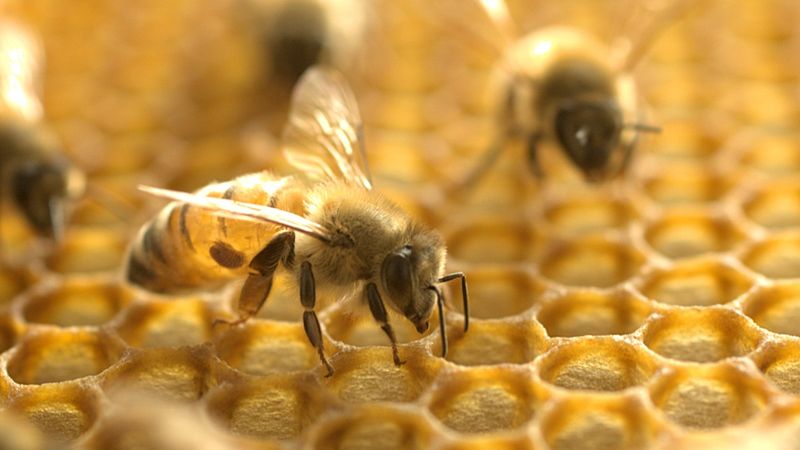
Melittin is the main active ingredient in honeybee venom. It is a short chain of 26 amino acids, which makes it a peptide rather than a full protein, so the common headline wording is a bit off.
Cells are wrapped in a thin membrane that works like a skin. Melittin sticks to membranes and can disturb them, and that is why scientists find it interesting.
In a 2020 study in npj Precision Oncology, researchers tested honeybee venom and melittin on breast cancer cells grown in laboratory dishes. They looked at several types, including triple-negative and HER2-enriched breast cancer cells.
When people say melittin “punches holes,” that is shorthand for membrane disruption. It describes what researchers saw under a microscope.
It is a research finding about a mechanism, not proof of a cancer treatment.
What researchers observed over 10–60 minutes
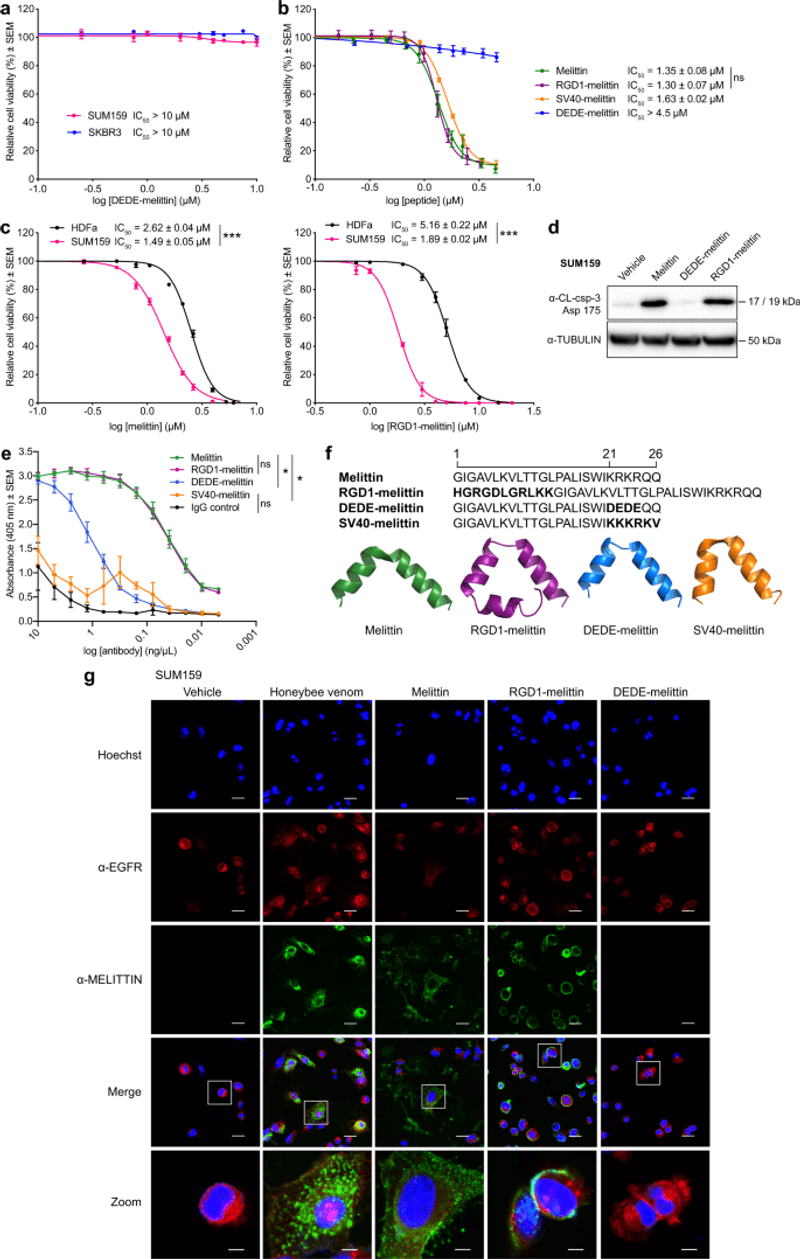
The team watched breast cancer cells under a microscope for 10 to 60 minutes after adding melittin or venom. They saw the cell membranes become disrupted and the cells shrink.
These were observations in cell cultures, not a treatment schedule.
The researchers also ran short-term viability tests using doses known to reduce cell growth by half. After 60 minutes, 23.6% of the melittin-treated sample was in a late-apoptotic or necrotic state, compared with 4.8% in the untreated vehicle control.
That is a clear difference, but it also means most cells in that sample were not in that state at the one-hour mark. The test did not show complete destruction of the cells.
So “within an hour” describes what happened to cells in a dish. It does not tell us how long anything would take, or whether anything would work, in a person.
Cell damage does not mean selective or safe treatment
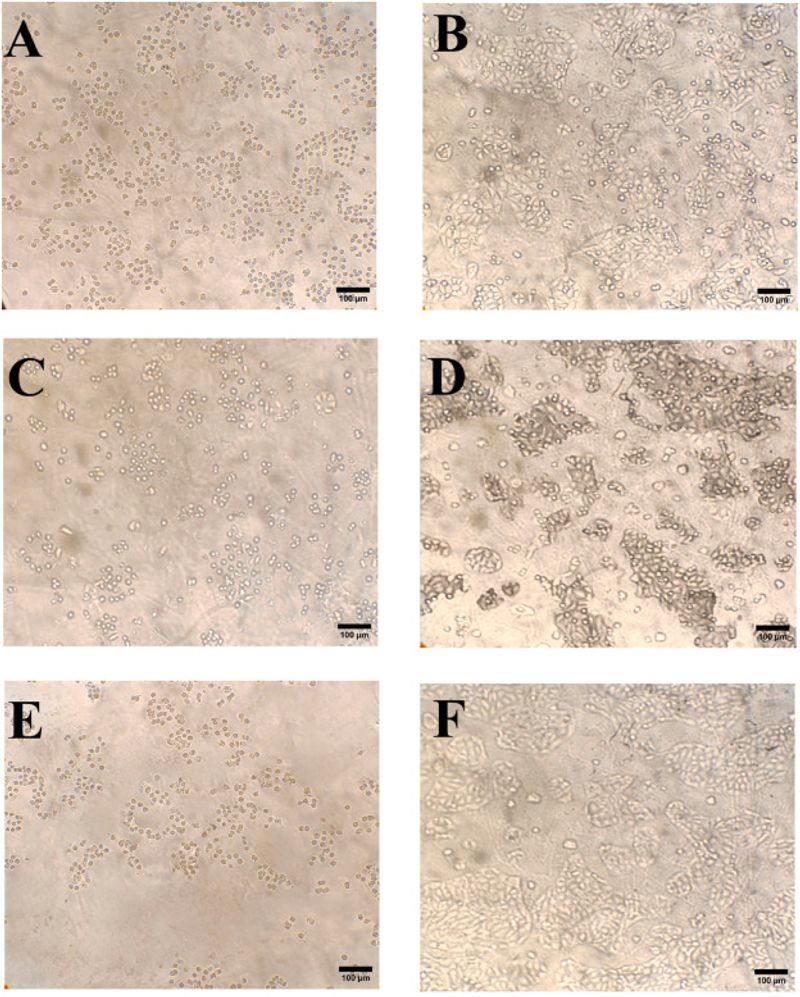
Melittin and honeybee venom reduced the viability of several breast cancer cell lines in the study. That sounds promising until you check what happened to other cells.
The concentrations that affected cancer cells overlapped with those that affected some nontransformed cells, meaning cells that were not cancerous. Melittin does not act only on cancer cells, and it is not harmless to healthy ones.
Think of it like a very strong cleaner. It may clear the stain, but it can also harm the surface underneath.
Cells in a dish are also simpler than a human body. There is no immune system, no bloodstream, and no organs to protect.
A result in a dish cannot tell us whether a substance is safe or effective for people.
That is why researchers treat findings like these as early clues to follow up carefully.
Your Arizona Garden Changes Every Week. Your Plan Should Too.
Gardening in Arizona changes quickly throughout the season. Every Friday you’ll receive a simple weekly plan showing exactly what to plant, prune, fertilize, harvest, and protect so you never miss the right timing.
The study did not test Arizona bee venom
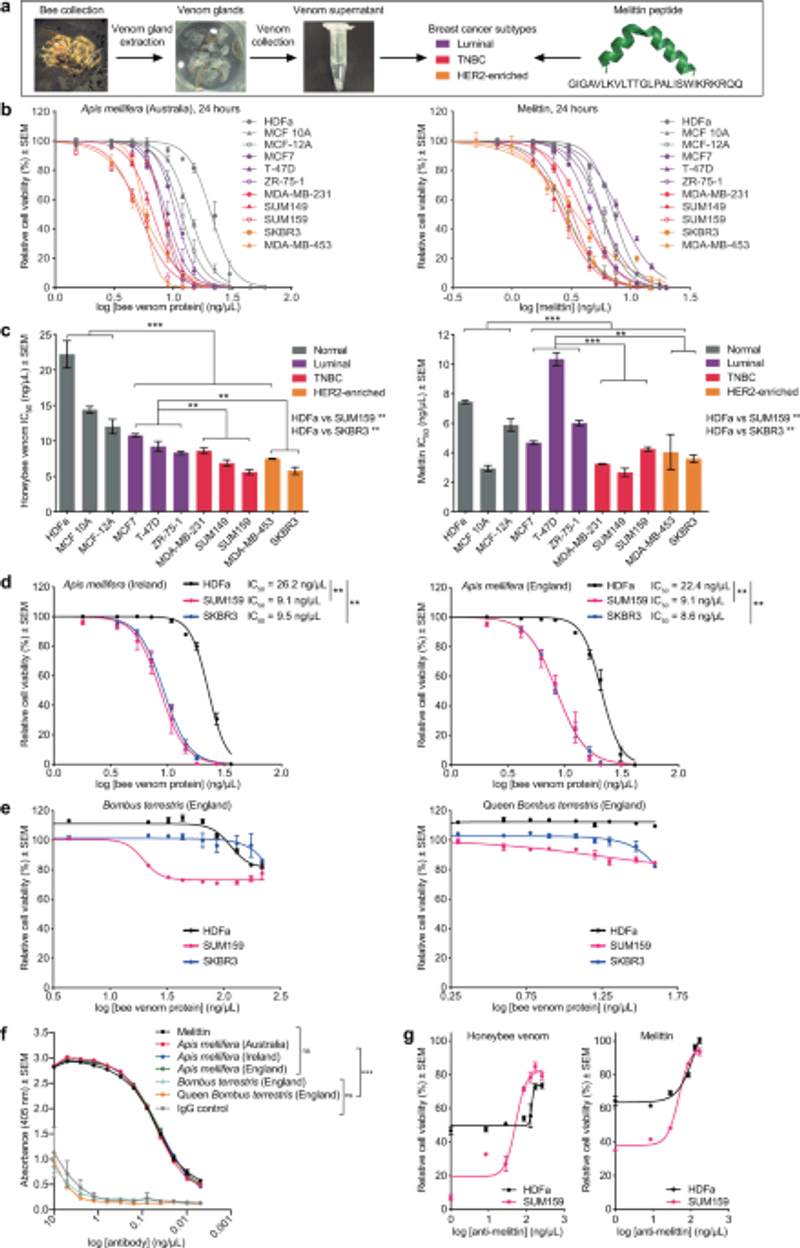
Despite what a headline might suggest, no Arizona bees were part of this research. The honeybee samples came from Perth, Dublin, and London.
Arizona is simply where many of our readers live. The findings do not show that bees, hives, or venom from Arizona yards have any special cancer-related property.
The researchers also compared melittin levels in the samples they tested and found no significant difference among those three places. That result applies only to those samples.
It cannot be stretched to every bee population in the world.
If you spot bees on your desert lantana or in a citrus tree, they are doing the usual work of pollinating. They are not a hidden medical resource, and they are not a reason to go looking for venom.
A mouse tumor experiment is not human evidence
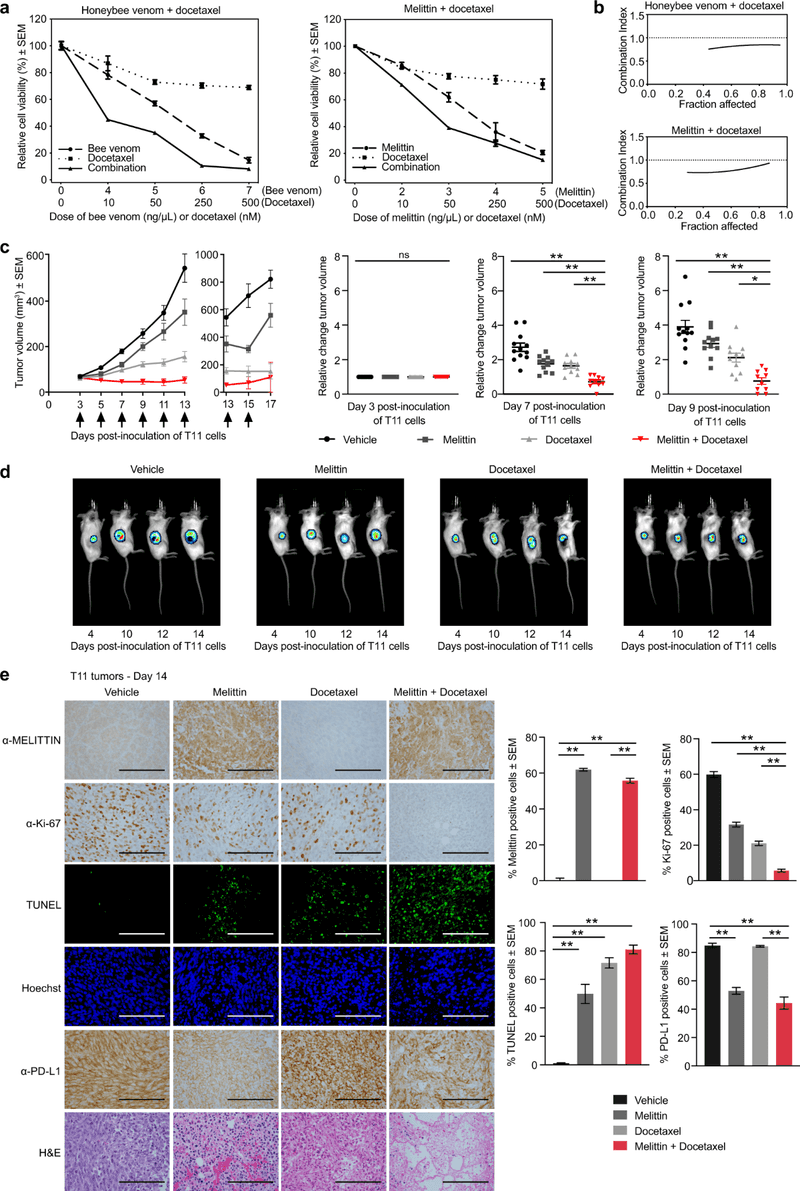
The same study went a step beyond cell dishes and used a mouse model of breast cancer. Researchers injected melittin together with a chemotherapy drug called docetaxel directly into the tumors.
In that model, the combination controlled tumor growth better than either treatment alone. It is a notable result for a lab study.
Still, it is animal research. Mice differ from people in size, metabolism, and immune response, and many treatments that work in mice do not work in humans.
Notice also how the treatment was given: injected straight into the tumor. That is very different from a sting or from venom entering the body in everyday life.
The mouse result tells scientists the idea is worth studying further. It does not show that people would benefit.
The findings do not establish a cancer treatment

A mechanism worth studying is not the same as a proven therapy. The experiments showed that melittin can disrupt membranes in some cells and, with a chemotherapy drug, slowed tumors in mice.
Nobody has shown that bee venom or melittin works as a treatment for people.
Moving from lab work to approved medicine takes many more steps, including safety testing and human clinical trials. Most early ideas do not make it through.
If you or someone you love is facing cancer, stick with the care plan from your medical team.
The National Center for Complementary and Integrative Health says no complementary approach has been shown to cure cancer.It also advises against using unproven approaches in place of medical treatment.
Do not try stings or venom as a remedy, and do not let any such idea delay standard care. Talk to your doctor before trying any supplement or alternative product.
Keep wild honeybee colonies at a safe distance
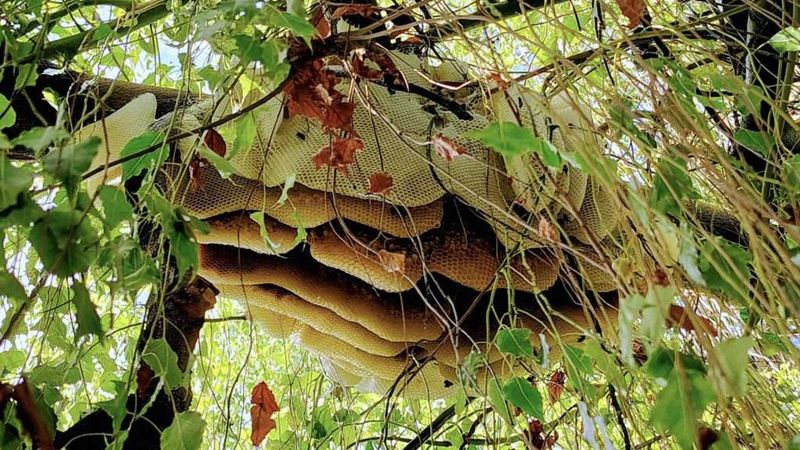
If a wild colony settles in your wall, tree, or water meter box, leave it alone. University of Arizona Cooperative Extension guidance says to keep people and pets away and to call a beekeeper or pest-control company.
It also says wild honeybees in Arizona should be treated as potentially Africanized.
Do not poke at a hive, spray it yourself, or try to collect venom. Move indoors, keep children and pets inside, and let a professional handle the removal.
Some people react badly to stings. The American Academy of Allergy, Asthma & Immunology calls anaphylaxis a medical emergency.
If you suspect it, use prescribed epinephrine right away and call 911.
The bees in your yard are best enjoyed from a distance, as pollinators, and not as medicine.