Oleander Is Toxic to Dogs If Chewed or Swallowed: What Arizona Homeowners Should Know
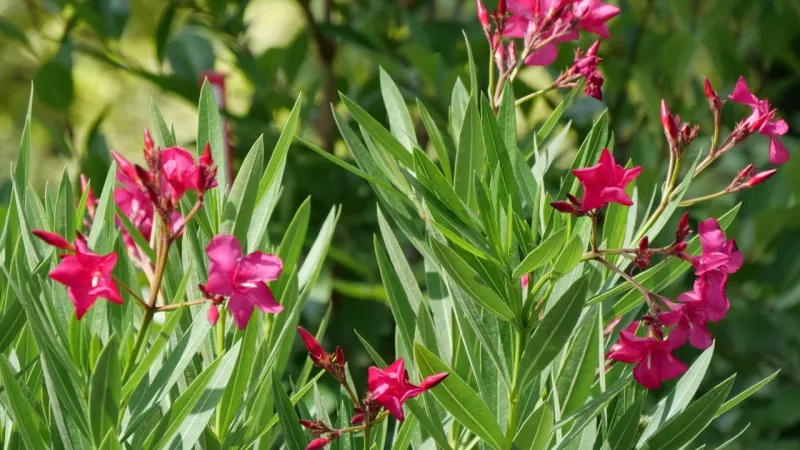
That pink-flowered shrub along your block wall may be one you walk past every day. It is probably common oleander, a favorite in Arizona yards, and it can seriously harm a dog that chews or swallows it.
Having it nearby does not automatically poison a pet, but knowing the facts helps you act fast if something goes wrong. Here is how to spot it, understand the risk, and respond.
Common oleander fits the Arizona landscape
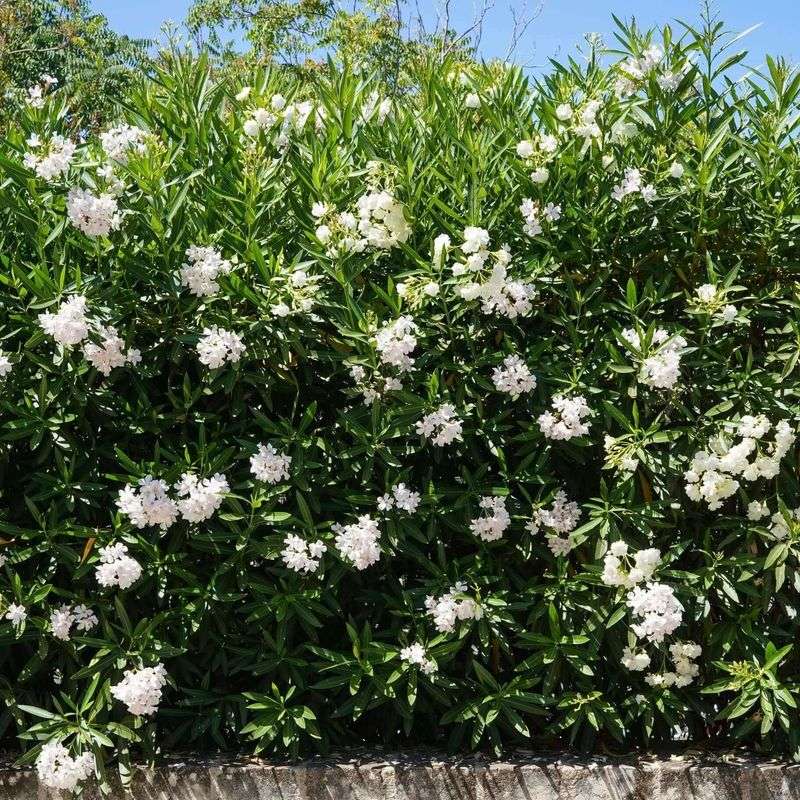
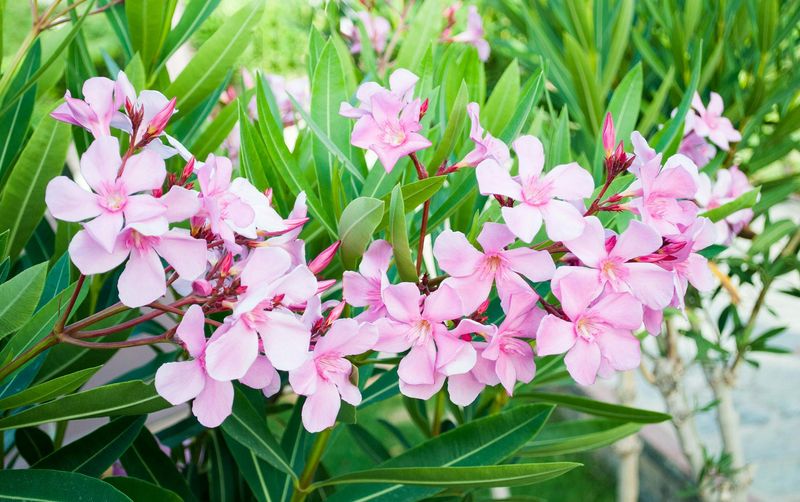
Drive through almost any Phoenix or Tucson neighborhood and you will spot it: a tall, dense shrub with narrow leaves and clusters of showy blossoms. That plant is usually common oleander (Nerium oleander), and it has earned its place in desert landscapes for good reasons.
According to University of Arizona Extension, oleander is evergreen, drought-tolerant, happy in full sun, and easy to maintain. Its flowers come in several colors, including shades of pink, white, red, and salmon.
Those traits explain why it lines walls, driveways, and property edges across the state. Many homeowners inherit one with a new house and never think twice about it.
Keep in mind that these landscape strengths say nothing about pet safety. A tough, pretty plant can still be a hazard, and oleander is a good example.
Also, do not mix it up with yellow oleander (Thevetia peruviana), a different plant with its own identification details.
A yard with oleander does not automatically poison a dog
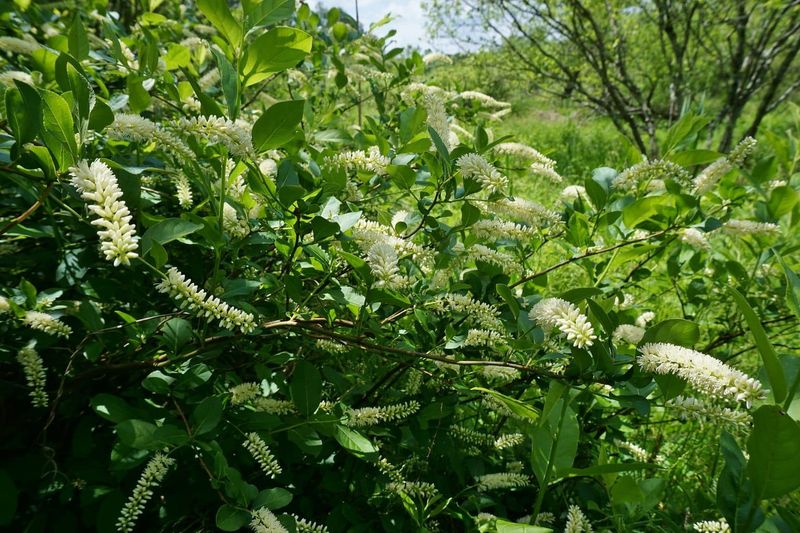
The idea that oleander poisons every dog in the yard goes too far. A shrub standing in the corner does not harm a pet just by being there, and a dog walking past it is not being poisoned.
The documented concern is ingestion. Trouble starts when a dog chews or swallows part of the plant.
Pet Poison Helpline describes illness following ingestion, and notes that risk depends on factors such as how much was eaten and the size of the pet.
That means outcomes vary. Some dogs never show interest in the shrub, and not every taste leads to the same result.
Still, you cannot count on a dog to leave it alone, so a suspected nibble deserves a serious response rather than a shrug.
The whole plant can be toxic, fresh or dried
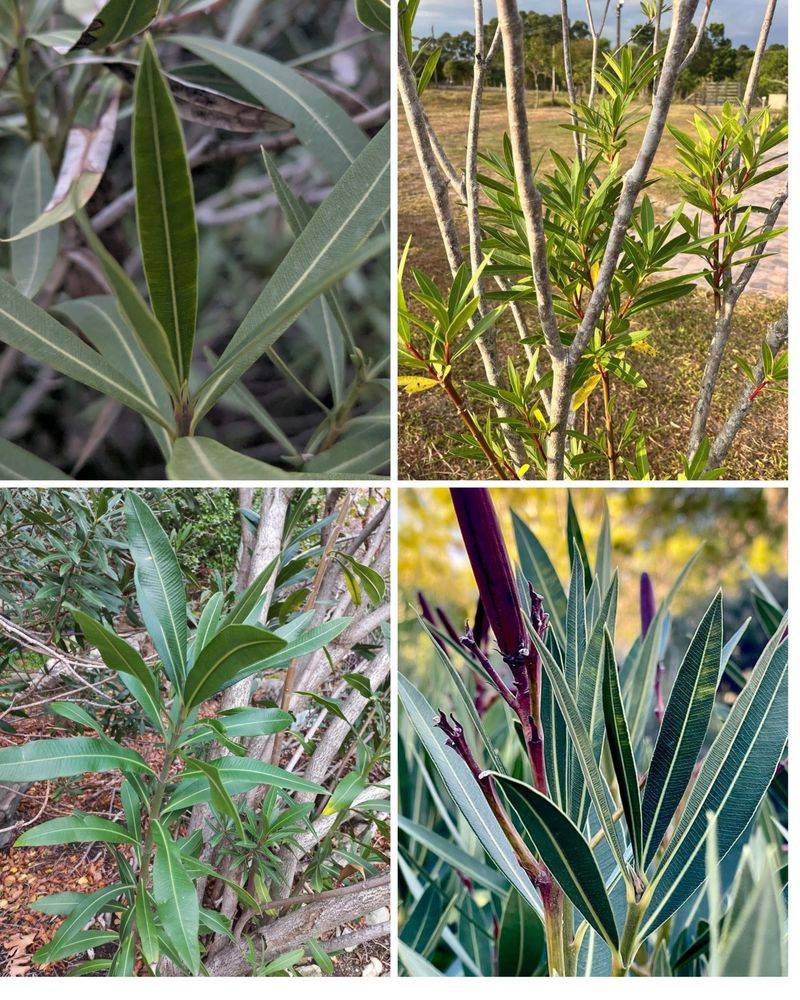
Some people assume only the flowers are a problem, or that green leaves are risky while dry ones are fine. Neither idea holds up.
Arizona Extension says every part of oleander contains harmful compounds, including the flowers, leaves, stems, trunks, and roots, whether green or dried. The Merck Veterinary Manual likewise lists the entire plant, fresh or dry, as toxic.
The compounds behind the danger are cardiac glycosides, which affect the heart. Leaves that drop onto gravel, twigs from a trimming job, and a pile of clippings by the fence all count.
No one can give a reliable amount that is harmless for a dog, so treat any chewed piece as a reason to call for advice.
Possible signs include digestive distress and heart changes
When a dog does get sick after eating oleander, the first problems often involve the stomach and gut. ASPCA lists drooling, abdominal pain, diarrhea, and depression, and notes that the poisoning can be fatal.
Your Arizona Garden Changes Every Week. Your Plan Should Too.
Gardening in Arizona changes quickly throughout the season. Every Friday you’ll receive a simple weekly plan showing exactly what to plant, prune, fertilize, harvest, and protect so you never miss the right timing.
Because the toxins act on the heart, Pet Poison Helpline also reports abnormal heart rate or rhythm, weakness, and collapse as possible effects.
Signs and outcomes can differ from dog to dog. One animal may show several, another may show few, and none of this is guaranteed.
So think of this list as a picture of what can happen, not a checklist to run through at home. If you think your dog chewed oleander, make the call right away instead of watching for changes.
Call for help after suspected chewing or swallowing
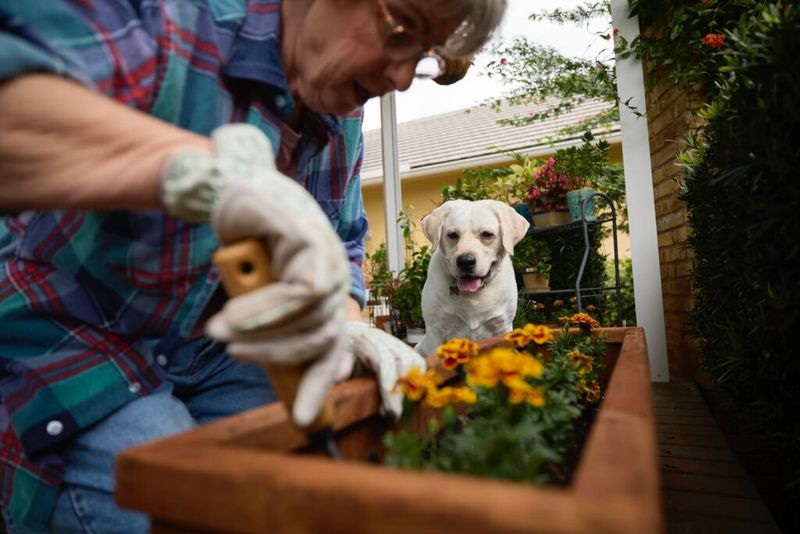
If you catch your dog with oleander in its mouth, move quickly and stay calm. The Arizona Poison and Drug Information Center outlines a simple order of steps.
First, remove any visible plant material from the dog’s mouth. Second, identify the plant if you can, since a photo of the shrub or a leaf sample helps the people you call.
Third, contact a veterinarian or poison center promptly.
In Arizona, the poison center number is 1-800-222-1222. ASPCA Poison Control also lists 888-426-4435.
Do not induce vomiting. Do not wait to see whether symptoms appear, and do not try to manage it at home.
Even if your dog seems fine, the professionals on the line can tell you what to do next.
Plan pruning and cleanup around the dog
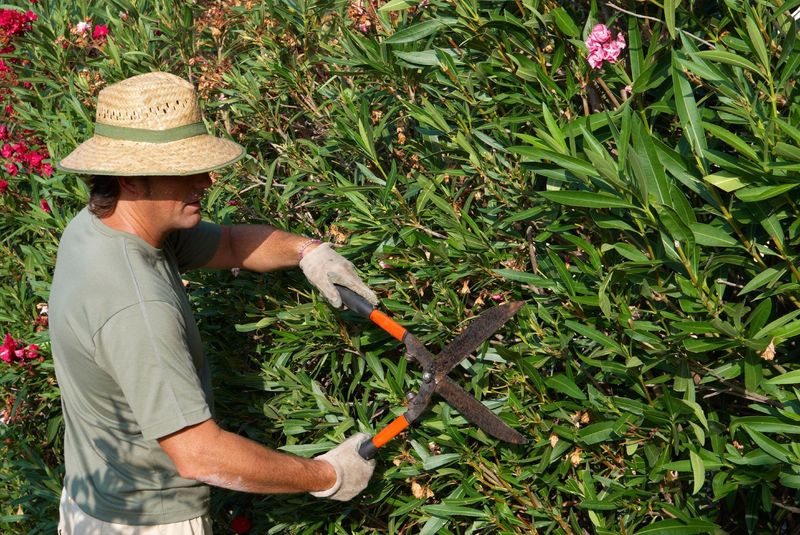
Trimming day deserves a plan. Dried clippings stay hazardous, so a pile left on the ground is something a curious dog can reach.
Bag or bin trimmings right away, and keep your dog indoors while you work.
Wear gloves and long sleeves, because Arizona Extension reports that oleander sap can irritate skin and smoke from burning leaves can be irritating. Skip burning trimmings altogether.
For the cutting itself, Arizona pruning guidance recommends thinning rather than shearing. Thin in spring, early summer, or after bloom, and remove old wood.
Finally, sweep up fallen leaves and flowers around the base, since these can be chewed too. None of these steps makes oleander pet-safe, but they cut down on easy chances for a dog to get hold of the plant.
Weigh the risk of access when deciding to keep oleander
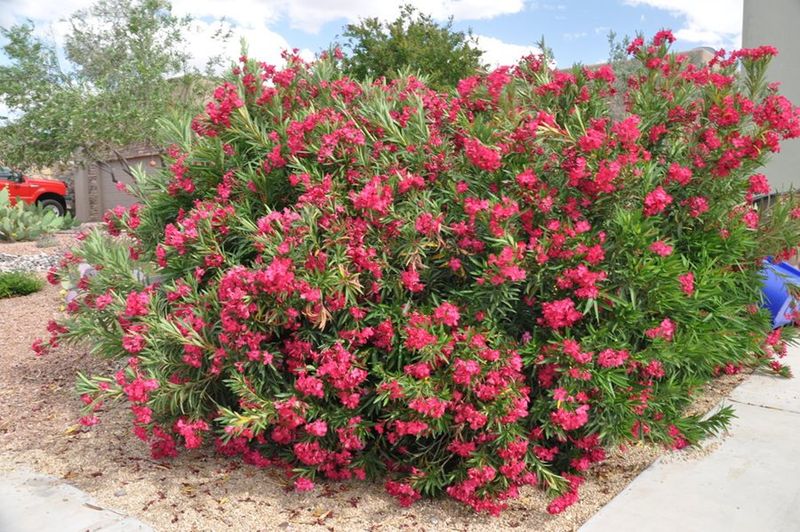
Oleander’s good looks and toughness do not cancel out its toxicity. At the same time, its presence alone does not mean every dog will be poisoned, as Pet Poison Helpline ties the danger to ingestion and to factors like amount and size.
So the useful question is access. Can your dog reach the shrub, chew fallen leaves, or get into trimmings?
A puppy that mouths everything is a different situation from an older dog that ignores plants.
Let that answer guide whether you keep the shrub. If you ever suspect your dog chewed or swallowed any part, call a veterinarian or poison center promptly.
A plant is only as risky as the chance a dog gets to bite it.