Found Gray Coils Under a Pot? They May Be Millipedes
You tip up a patio pot and a small, tightly curled creature stares back, with a lot of tiny legs and a gray look. Your first thought might be to grab a shovel or a spray bottle.
Take a breath, because the likely answer is a millipede, and it is usually a quiet neighbor. Here is how to make a smart guess about what you found and what to do next.
A tight spiral points toward a millipede
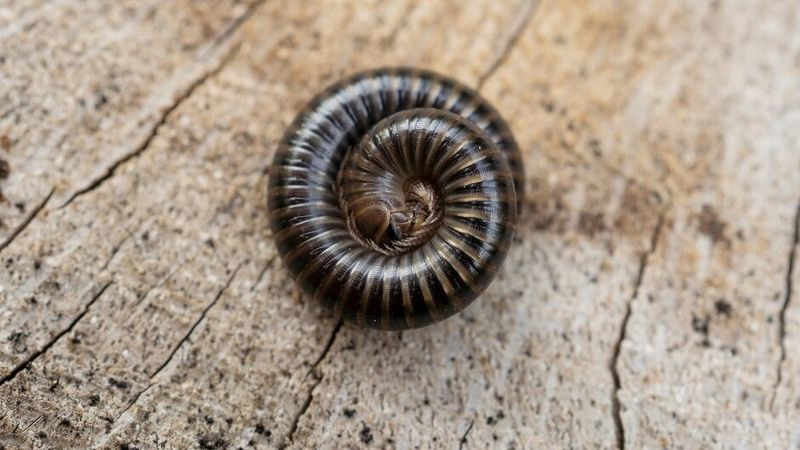
A millipede is a reasonable first guess for a curled animal under a pot, though it is only a guess. Millipedes typically have long, rounded bodies with many short legs tucked underneath, and they coil into a spiral when disturbed.
That defensive curl is often the clue that gets people to look twice.
Centipedes look different. They tend to be flatter, they move faster, and they have one pair of legs on each body segment, while most millipede segments carry two pairs.
Since you cannot count legs without getting close, judge by shape and speed from a safe distance.
Please do not pick up an uncertain animal to inspect it. A photo taken from a few inches away, along with a note about its size, is a better tool.
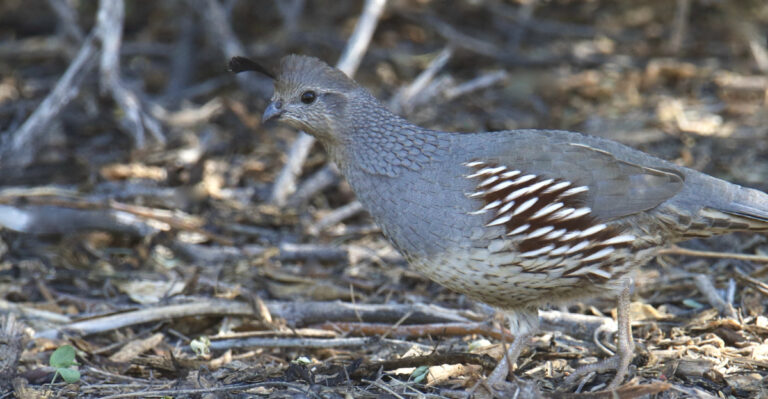
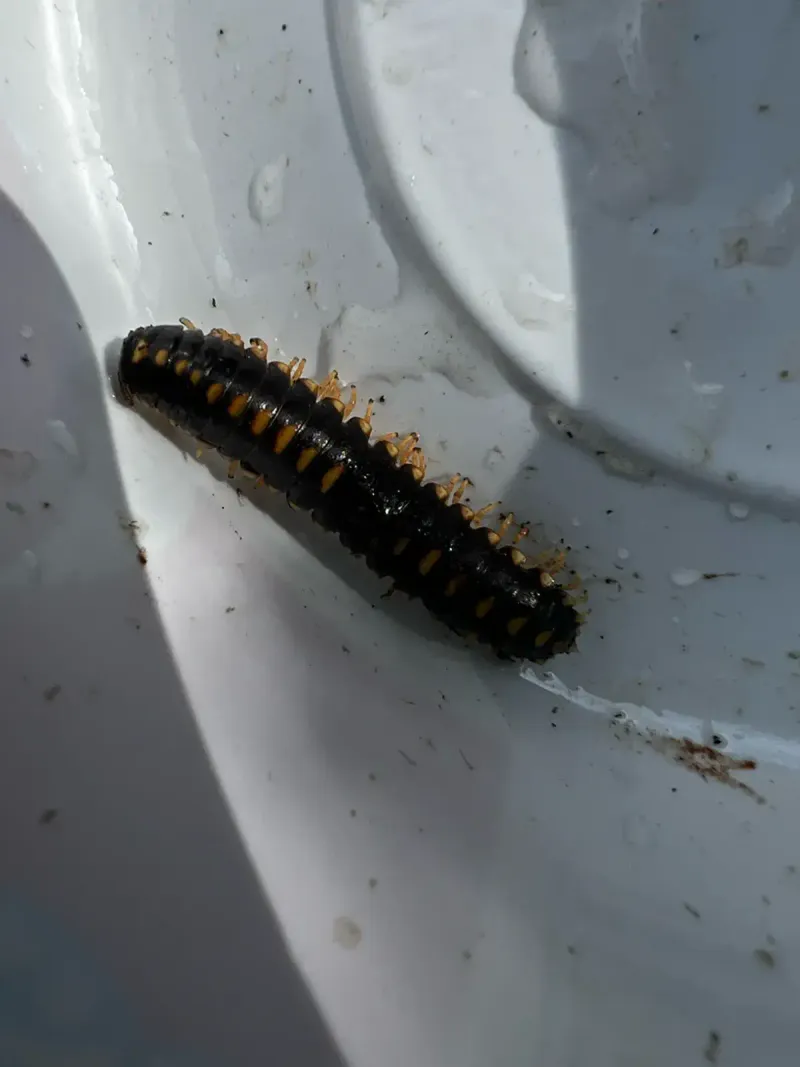
Color will not settle the question either. Arizona’s local desert millipede is usually reddish-brown, so gray alone cannot confirm which animal, or which species, you are looking at.
One pot reveals a refuge, not a moisture diagnosis
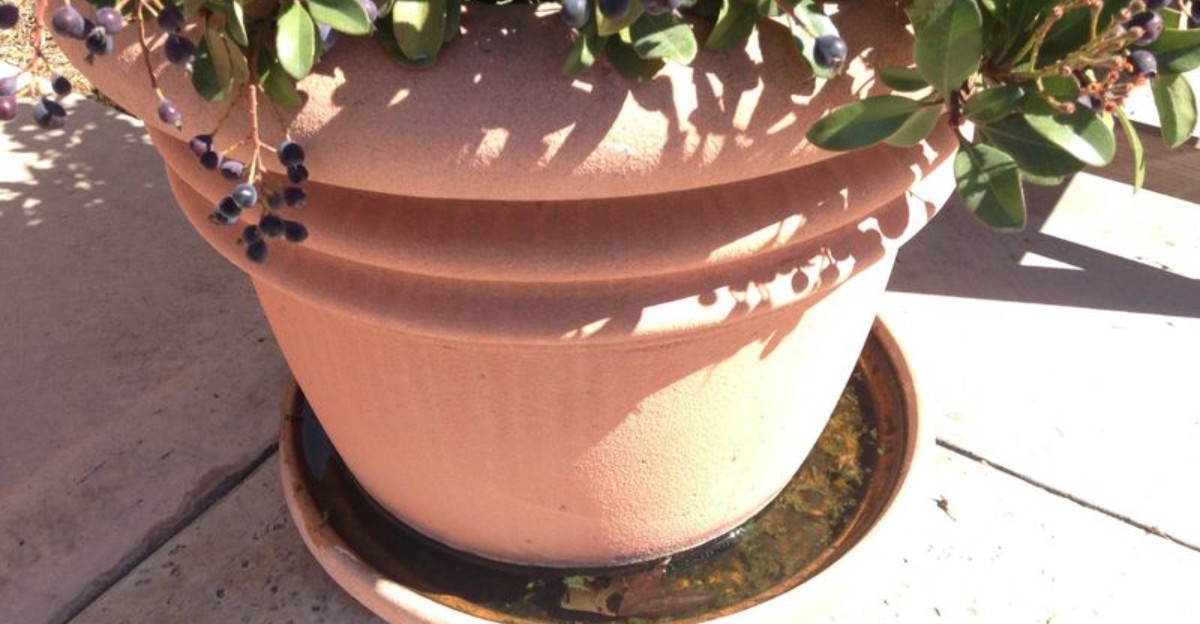
Picture the underside of a pot on a hot Arizona day. The pot shades the ground, slows evaporation, and leaves a cool, dark pocket that stays moister than the bare patio around it.
Millipedes favor damp, protected places like that, so a pot can work as a tiny refuge even in a dry landscape.
Read the find narrowly. It tells you that this one spot offered shelter the animal could use.
A regularly watered plant, a saucer that holds water, or simple shade could each explain it.
It does not tell you how much water the rest of your patio or yard is getting. A millipede is not a moisture meter, and one sighting is not a test for overwatering.
If your other plants look healthy and the soil around them is not soggy, there is little reason to worry about the yard as a whole.
Monsoon rain can bring Arizona millipedes into view
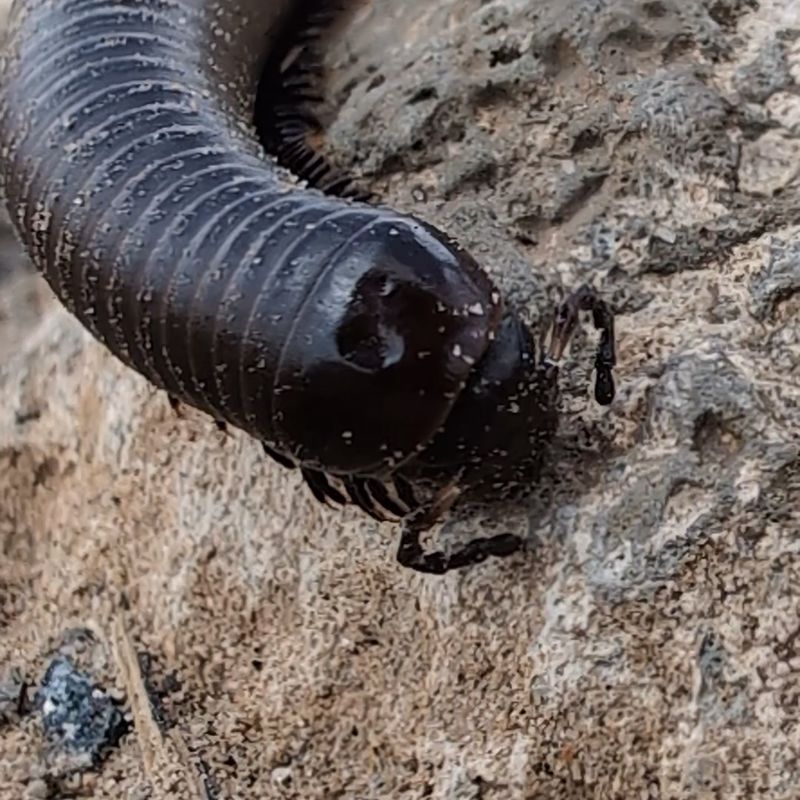
Monsoon season brings a burst of creature activity to the desert. Arizona desert millipedes are among the animals that may wander during monsoon season, especially after rain.
If you spot a millipede in July or August, recent storms could be part of the story.
Rain is only one possible reason, though. Not every appearance follows a storm, and movement can vary with weather, season, and where the animal happened to be sheltering.
Seasonal wandering also fits neatly with the bigger point of this article. An animal on the move outdoors does not mean your yard has a moisture problem.
Your Arizona Garden Changes Every Week. Your Plan Should Too.
Gardening in Arizona changes quickly throughout the season. Every Friday you’ll receive a simple weekly plan showing exactly what to plant, prune, fertilize, harvest, and protect so you never miss the right timing.
After a downpour, plenty of desert residents come out to explore.
If a sighting happens right after rain, you can reasonably file it under normal monsoon behavior. Check the pot and saucer as usual, then carry on with your day.
Most millipedes break down decaying plant matter
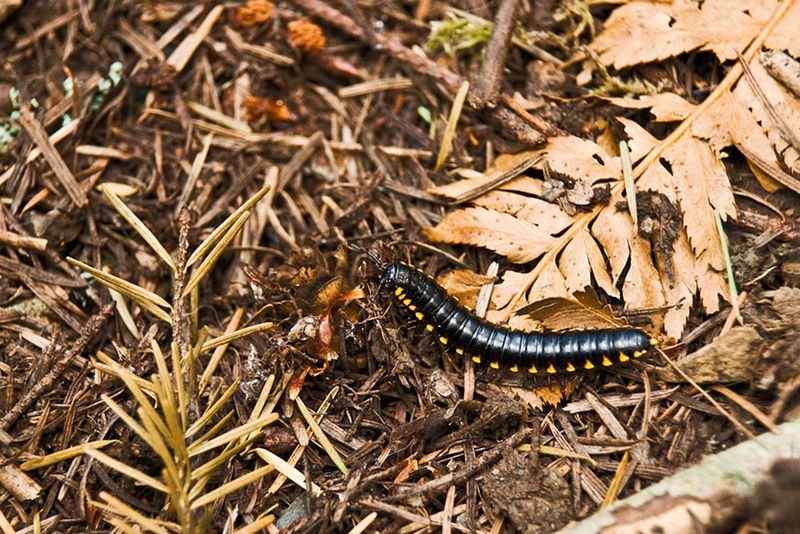
Millipedes are mostly cleanup crew members. They feed mainly on decaying plant material, and Arizona guidance notes their role in breaking it down.
Fallen leaves, old mulch, and spent blooms are the kind of thing they prefer.
Because of that diet, millipedes are generally not plant pests. Finding one near your potted plants does not suggest the plant is sick or under attack.
There is one small caveat. Some millipedes may occasionally nibble on soft or damaged plant tissue, such as tender seedlings or bruised fruit that touches damp ground.
That is the exception rather than the rule.
If you see chewed seedlings, look closely before blaming the millipede, since other garden visitors are far more common culprits. Otherwise, a millipede under a pot is usually just working through the debris.
Their defense is a secretion, not a bite or sting
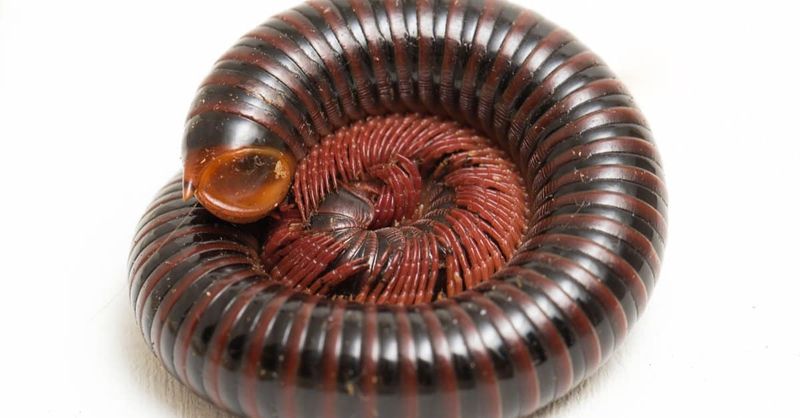
Millipedes do not bite or sting, and that is good news for anyone who found one by accident. Their defense is quieter: they curl up, and some release a fluid to discourage predators.
Harmless is not the same as safe to handle, however. Arizona guidance says the desert millipede can release a foul-smelling fluid that may irritate skin.
If you need to move one, use a scoop or a folded piece of paper, and wear gloves.
If the fluid touches you, MedlinePlus advises washing the skin with soap and water. If any gets in the eyes, flush them with water and seek medical attention.
Poison Help at 1-800-222-1222 is also available if you have questions.
Keep children and pets from picking them up, and there is little else to worry about.
Check the pot and nearby water before taking bigger steps
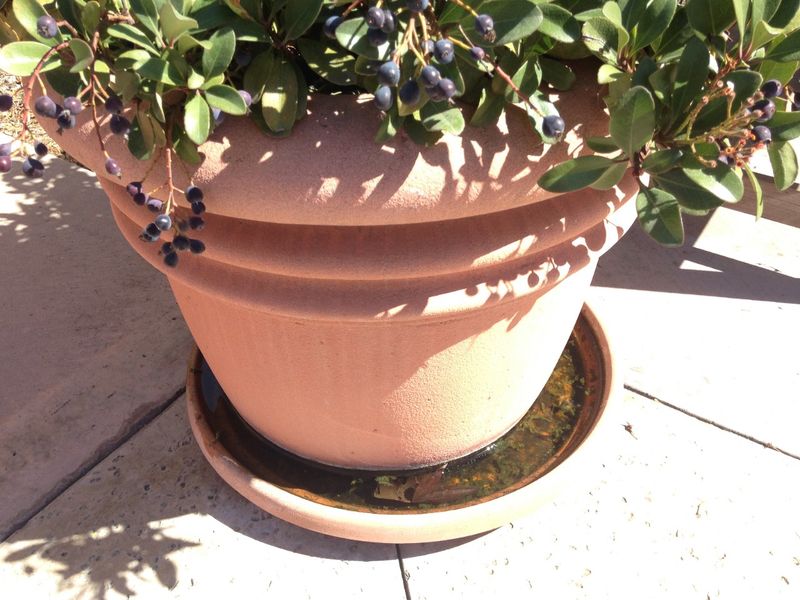
For a single visitor, the response can be simple. Lift or move the pot, make sure the drainage hole is clear, and empty any standing water from the saucer.
Those steps take a couple of minutes and also help the plant.
If sightings keep happening, widen the check. Clear away nearby piles of decaying leaves or other debris, and look for unintended water sources such as a leaking hose bib or a spot where irrigation pools.
Extension guidance puts habitat and moisture adjustments first.
Keep watering right for each plant. Drying everything out to discourage a millipede can stress plants that need their regular schedule, especially in summer heat.
Pesticide should not be the starting point for an occasional outdoor visitor. Habitat checks are gentler, cheaper, and usually enough.
In the end, a millipede under a pot points to one sheltered spot, not a yard-wide verdict.