A Fuzzy Pollinator Is Fading Across The Country, And Alabama Yards May Be Its Winter Shelter
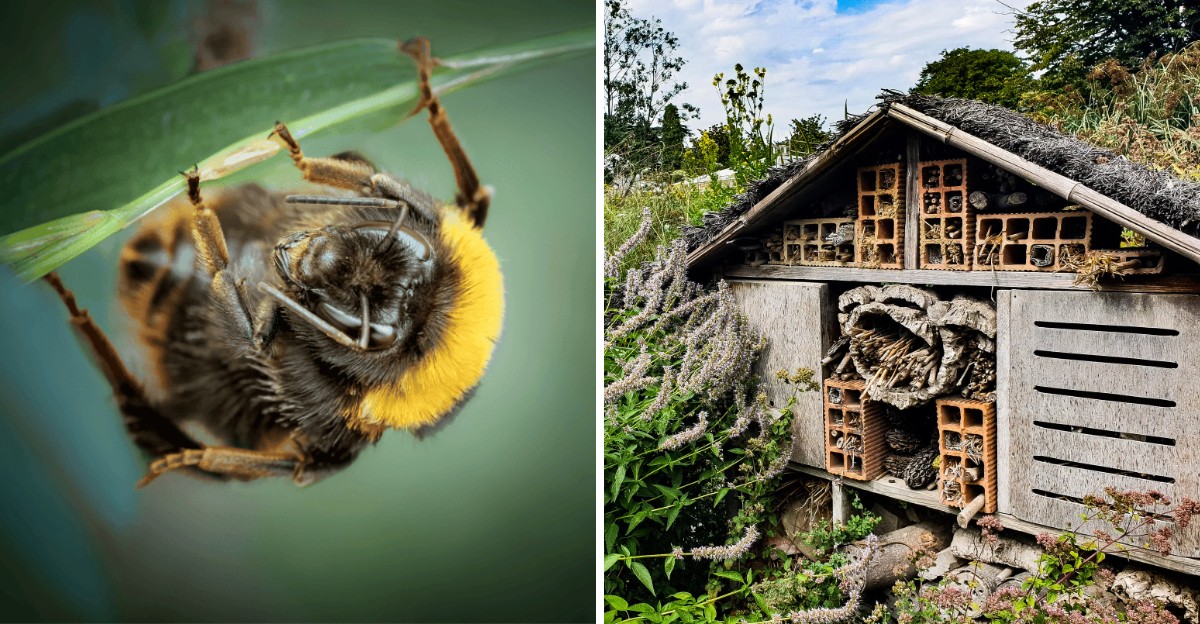
A fuzzy queen is scouting your property right now, and she is choosy. You might hold her future in a pile of leaves.
Queens tunnel into loose soil beneath leaf litter across Alabama, right under your boots. Rake that cover away, and you take her bedroom.
Their numbers have fallen sharply across the South, and your leaf pile can aid recovery. Scientists want you to know a solitary queen founds a whole colony by spring.
Skipping the leaf blower saves you time and gives her shelter. Leave a loose, shaded corner near your fence line or woodpile untouched.
Delay mowing there until March, when she emerges and you hear her hum. Plant clover or asters nearby, and you give her breakfast the moment she wakes. Alabama needs more landlords like you, and the rent is only a small, messy corner.
The American Bumblebee And Its Sharp Decline
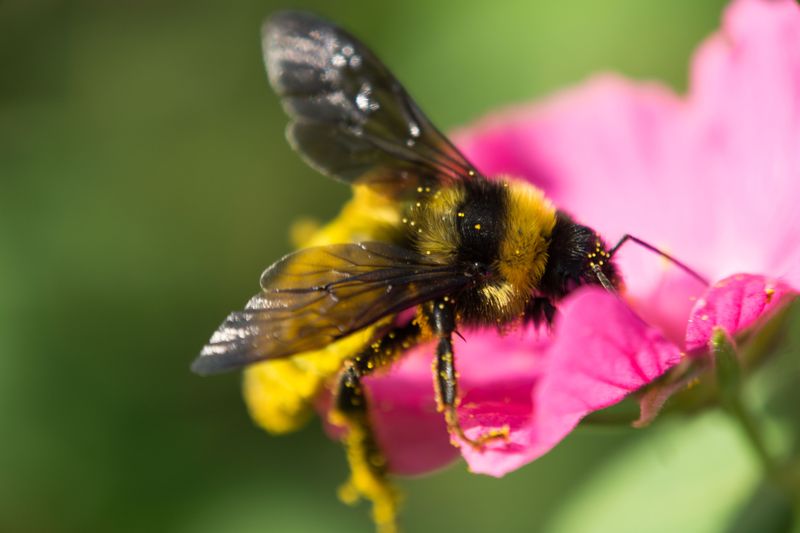
Picture a fuzzy black and yellow bee about the size of your thumb tip, humming like a motor. That chunky flier is the American bumblebee, and it was once a common sight across Alabama summers.
Researchers estimate its numbers have dropped by roughly 89 percent over about two decades. A loss of over half would be serious, and this decline goes well beyond that.
In several northern and western states, it has become scarce in places where it used to be common. The South, including Alabama, still hosts populations, but it has seen declines of its own.
Federal wildlife officials opened a status review to decide whether it qualifies for endangered species protection. Reviews like this are typically prompted by evidence of significant decline.
So why should a busy Alabama family care about one fuzzy insect? Bumblebees pollinate tomatoes, blueberries, and peppers using a special trick called buzz pollination, and they visit squash flowers too.
They grab a flower and vibrate their flight muscles, shaking loose pollen that honeybees cannot reach. Your backyard tomato plants are big fans of that rattling dance.
October timing matters for one reason. Workers and males in a colony dwindle by late fall, leaving only fresh queens behind.
Those young queens are the whole future of the species. If they find a safe winter bed, next year’s colonies get a better chance.
Each queen carries her colony’s hopes the way a seed carries a whole tree. Your yard could be the soil she picks.
Habitat Loss, Pesticides, Disease, And Climate Behind The Decline

According to federal wildlife officials, its numbers have dropped by roughly 89 percent over about two decades. Scientists point to several factors working together rather than a single cause.
First up is habitat loss. Wildflower meadows, old pastures, and weedy fence rows keep getting replaced by parking lots, subdivisions, and neat lawns.
A lawn of plain grass looks tidy, but it offers a foraging bee little food or nesting habitat. Flowers are scarce, and nesting spots are few.
Pesticides are the second factor. Some chemicals, especially neonicotinoids, can confuse bees, weaken their memory, and make it harder for colonies to grow.
Your Alabama Garden Changes Every Week. Your Plan Should Too.
Gardening in Alabama changes quickly throughout the season. Every Friday you’ll receive a simple weekly plan showing exactly what to plant, prune, fertilize, harvest, and protect so you never miss the right timing.
Diseases and parasites form the third group. Some likely spread from commercial bumblebees raised for greenhouses, then passed to wild cousins nearby.
Climate change rounds out the list. Rising temperatures can stress bumblebees and shift bloom times, which can shrink the window when flowers and bees line up.
Together, these factors leave the bee facing several pressures at once. The combined effect is larger than any single factor.
One part of the picture is encouraging. Many of these pressures can be reduced when people make small, simple changes at home.
Skipping a bug spray, planting a few native flowers, or leaving a wild patch all count. You do not need special training to help.
Think of your yard as a source of shelter. Even a small yard can shelter a queen through the cold months.
October Brings Queen Season To Alabama Yards
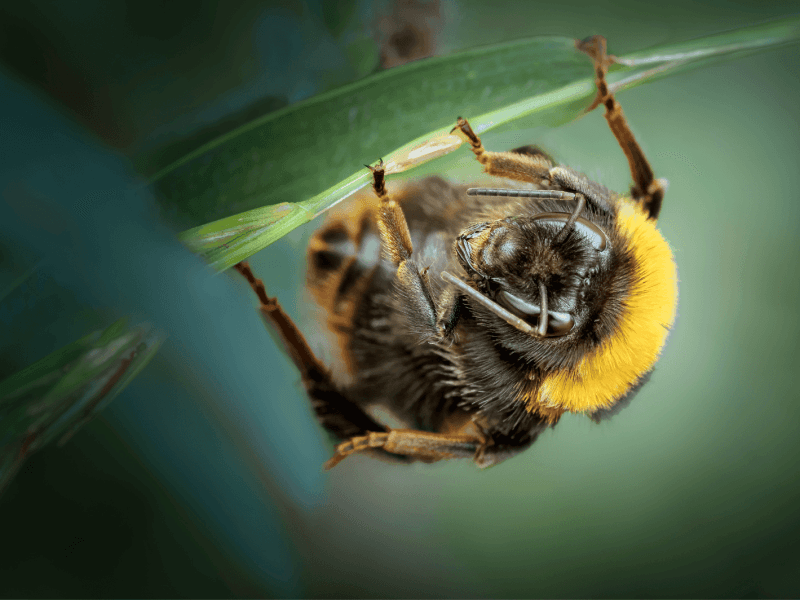
Late summer is party time inside a bumblebee nest. The colony raises new queens and males, and those queens leave home to find mates.
After mating, each young queen spends her days gorging on nectar and pollen. She is building up fat stores, almost like a bear before hibernation.
By October in Alabama, the old colony is winding down fast. The workers and males fade, and the queen is suddenly on her own.
Now she needs a bedroom for the next several months. Many queens dig a small chamber in loose soil.
Others tuck themselves under leaf piles, rotting logs, or thick mulch. Gentle slopes and shady spots with good drainage are often recommended.
You might spot a big, slow bee crawling across the ground this month. She is probably not lost, just checking out real estate.
Alabama’s mild autumn gives these queens a little extra time to feed. Goldenrod, asters, and late salvias can be valuable food sources during these final weeks.
Once settled, a queen slows her body way down and waits out the chill. She stays dormant until warm days return in late winter or early spring.
That means October choices matter a lot. The spot she picks today decides whether she wakes up ready to start a brand new colony.
Fun fact for your next trivia night. A hibernating queen can survive months underground living only on the fat she stored in fall.
Fall Cleanup Habits That Affect Queens
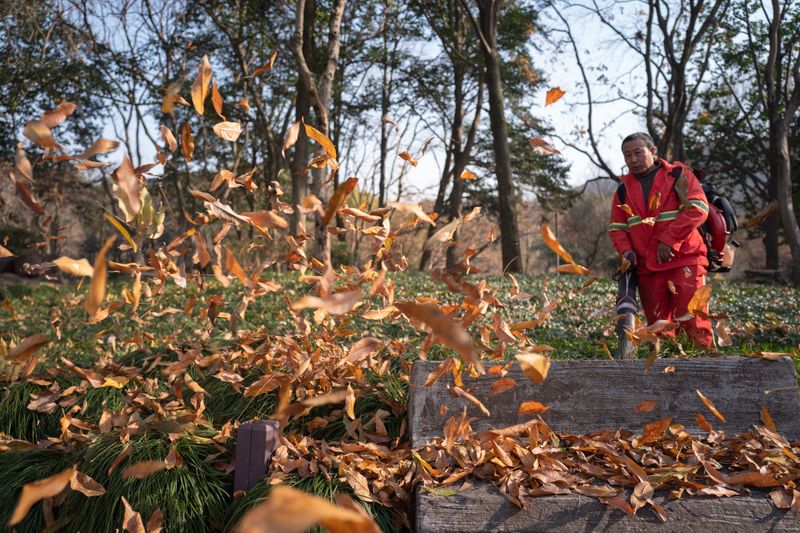
Raise your hand if you love the sound of a leaf blower on a Saturday morning. Plenty of us do, and that habit can create a problem.
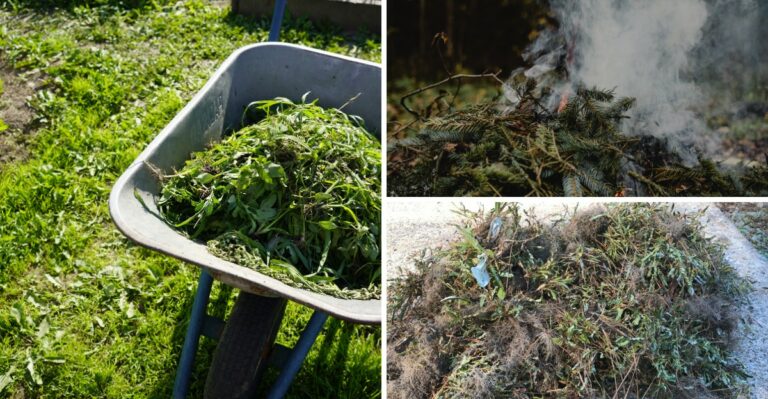
Fall cleanup often means raking every leaf, bagging the piles, and hauling them to the curb. It feels productive, but it can remove queen shelters.
A queen tucked under those leaves can be removed with them. A single bag might hold a queen that would have founded next summer’s colony.
Tilling garden beds in fall causes trouble for queens too. Turning the soil can disturb or expose queens resting just below the surface.
Mowing very close to the dirt is another issue. Scalped ground can get cold and soggy, which may make poor bedding for a sleeping queen.
Then there is the urge to spray. Fall weed sprays or bug treatments can soak into the very soil where queens are napping.
None of this makes you a bad gardener. Most of us learned that a neat yard equals a good yard, and nobody mentioned sleeping bees.
The fix is not about giving up on tidiness forever. It is about picking a few spots to leave alone until spring.
Keep the front yard crisp if your neighbors care about that. Let a back corner get a little shaggy, and you have cut the risk. It is an easy yard chore to skip. Your back muscles will thank you, and so will the bees.
A Wild Corner That Gives Queens Shelter
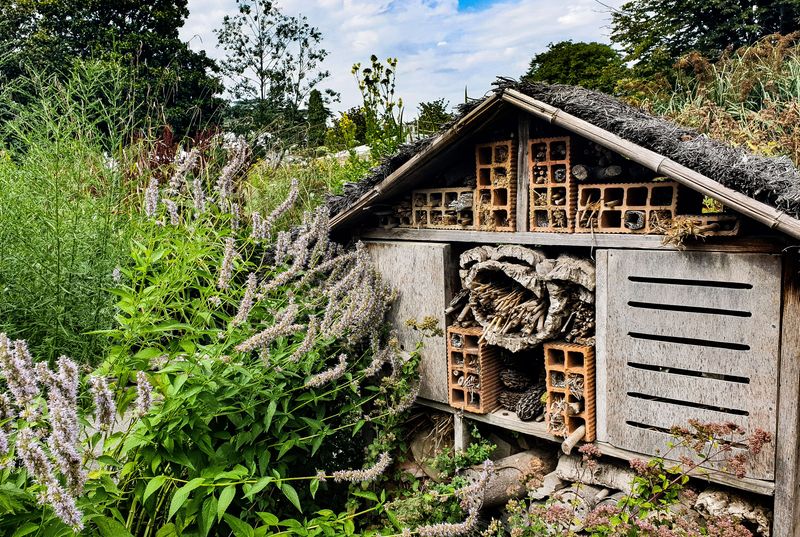
Good news, lazy gardeners, your moment has arrived. The best winter shelter for a queen is basically a patch of yard you forget about.
Pick a spot about the size of a picnic blanket or bigger. Shady edges near trees, fences, or shrubs work nicely, especially on a slight slope.
Rake leaves into that area instead of bagging them. A leaf layer a few inches deep helps keep the ground beneath insulated and moist.
Leave some bare, loose soil nearby as well. Many queens prefer digging into soft dirt, so skip the landscape fabric and heavy rock.
Spent flower stalks can stay standing too, which also helps other native bees. Cut them back in spring instead of fall.
A fallen log or a small brush pile adds even more hiding places. Kids usually love building one, and it looks charming with a little sign.
Worried about the neighbors raising eyebrows? A short border of stones or a tidy edge tells everyone the wild patch is on purpose.
Keep fall flowers blooming nearby for late snacks. Native asters, goldenrod, and blue mistflower give queens one last fill-up before bedtime.
Finally, put the sprayer away for the season. A chemical-free patch keeps the soil safe for a queen sleeping just below.
Total cost for this project is nothing but a little patience. Total effort is mostly sitting on the porch while nature handles the rest.
Bonus points if you can see it from your kitchen window. Watching the first queen rise out of that corner in March is a rewarding sight.
A Spring Payoff That Can Repeat Each Year
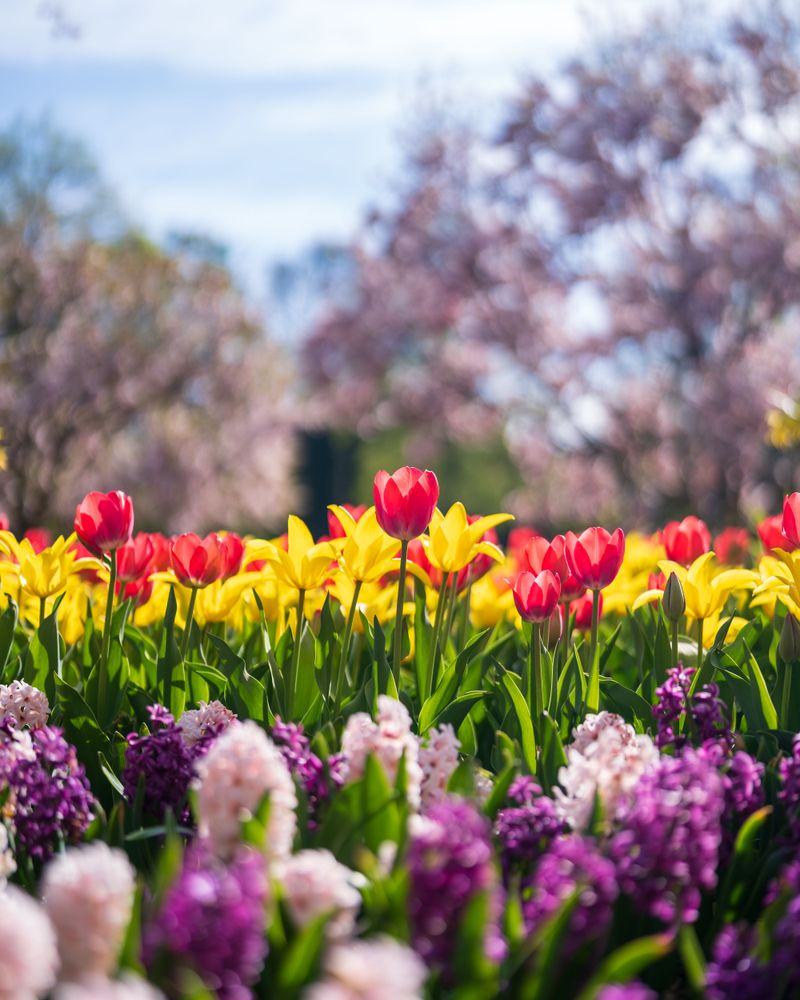
Fast forward to a warm March afternoon in Alabama. A huge, fuzzy queen crawls out of your leaf pile, stretches, and zips toward the nearest blossom.
She works alone at first, gathering food and searching for a nest site. Old mouse burrows, thick grass clumps, and quiet sheds are popular picks.
Within weeks, her first workers hatch and take over the foraging. By summer, one queen can lead a colony of dozens, and more where food is plentiful.
Those workers can visit your tomatoes, peppers, and blueberries all season long. More bees often means bigger, better shaped fruit on the vine.
Then, late next summer, that colony raises fresh queens of its own. The cycle starts over, and your yard can become a reliable bee nursery.
Keeping that cycle going takes a little planning. Plant flowers that bloom from early spring through late fall so food is there every month.
Red buckeye and blueberries help in spring, while bee balm and coneflowers shine in summer. Goldenrod and asters carry the buffet into autumn.
Talk with neighbors about leaving their own leaf corners each fall. A whole street of shaggy patches creates a safe path for bees to travel.
You can also report sightings to Bumble Bee Watch, a free community science project. Your photos help researchers track where American bumblebees still thrive.
One messy corner may not seem like much. Multiply it across Alabama, though, and you could help the species recover.