The Arizona Native Perennials to Plant Before Halloween That Multiply Every Year After
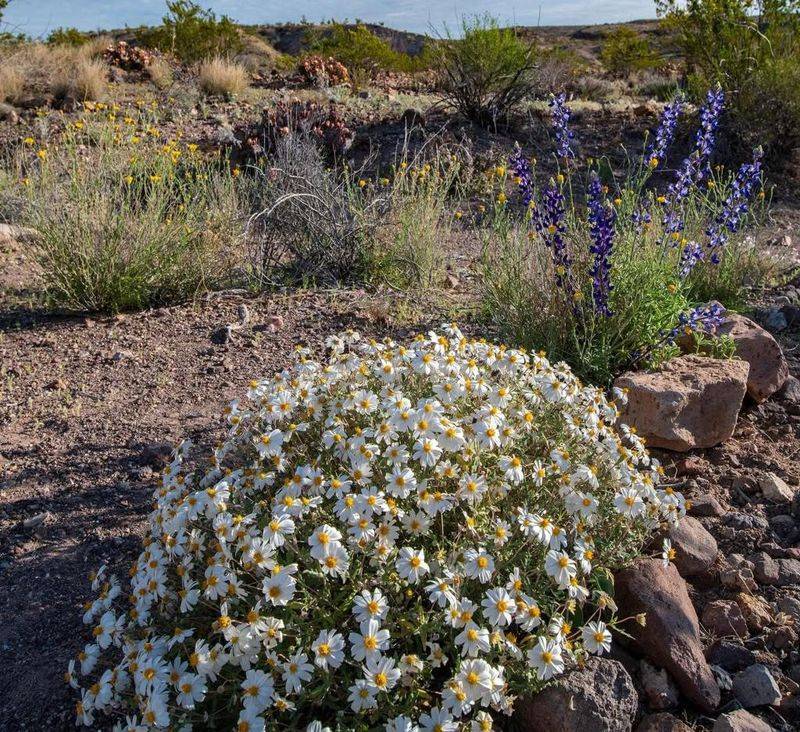
Fall is the secret planting season in the Arizona low desert, and October is the sweet spot. Roots grow fast in warm soil while the air finally cools, so new plants settle in before winter.
Pick the right natives now and they will reseed, spread, or form new clumps, giving you more plants each spring for free. Even better, many of them feed hummingbirds, bees, and butterflies while sipping very little water.
1. Desert Marigold
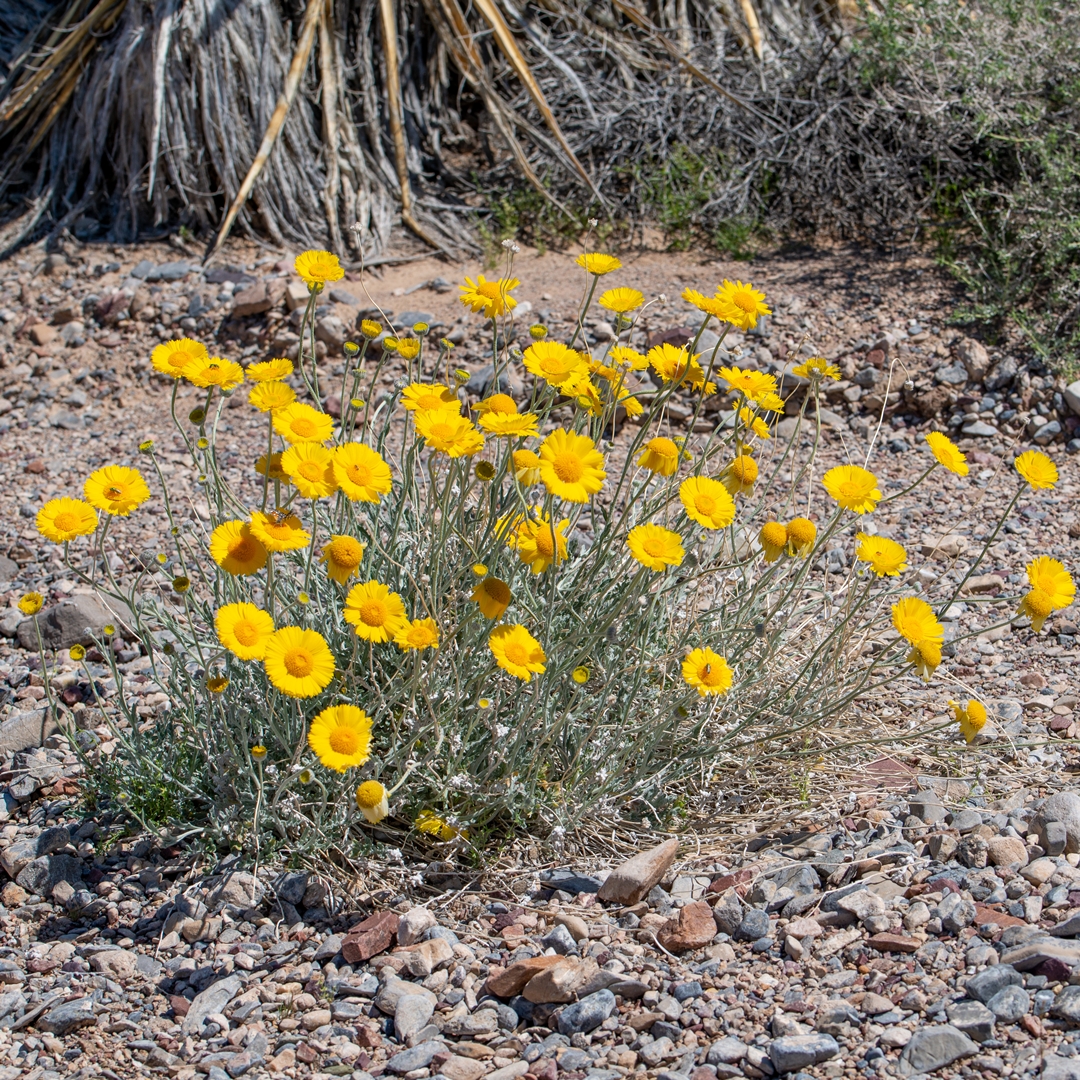
Drive any Phoenix road in spring and you will spot cheerful yellow buttons waving from cracks in the gravel. Desert marigold is that tough little volunteer, and it shows up because it reseeds like crazy.
Plant a few in October and you may have a small colony by next year.
The silvery, fuzzy leaves are a built-in sunscreen. That soft coating reflects harsh light and holds moisture, so the plant shrugs off 110 degree afternoons with only occasional deep watering once established.
Rich soil and heavy irrigation actually shorten its life, which makes it perfect for lazy gardeners.
Native bees and butterflies visit the long-lasting blooms, and the flowers can appear nearly year-round in mild winters. Small insects may also tuck into the low mounds for shelter, adding a bit of habitat to bare corners.
Because it rarely has pest troubles, you can skip the sprays.
For best results, scatter plants along a sunny driveway edge or in a rock bed with good drainage. Let some flowers dry on the stems so seeds can drop.
A light shake of the old heads in late spring helps spread the next generation exactly where you want it to grow.
2. Globe Mallow
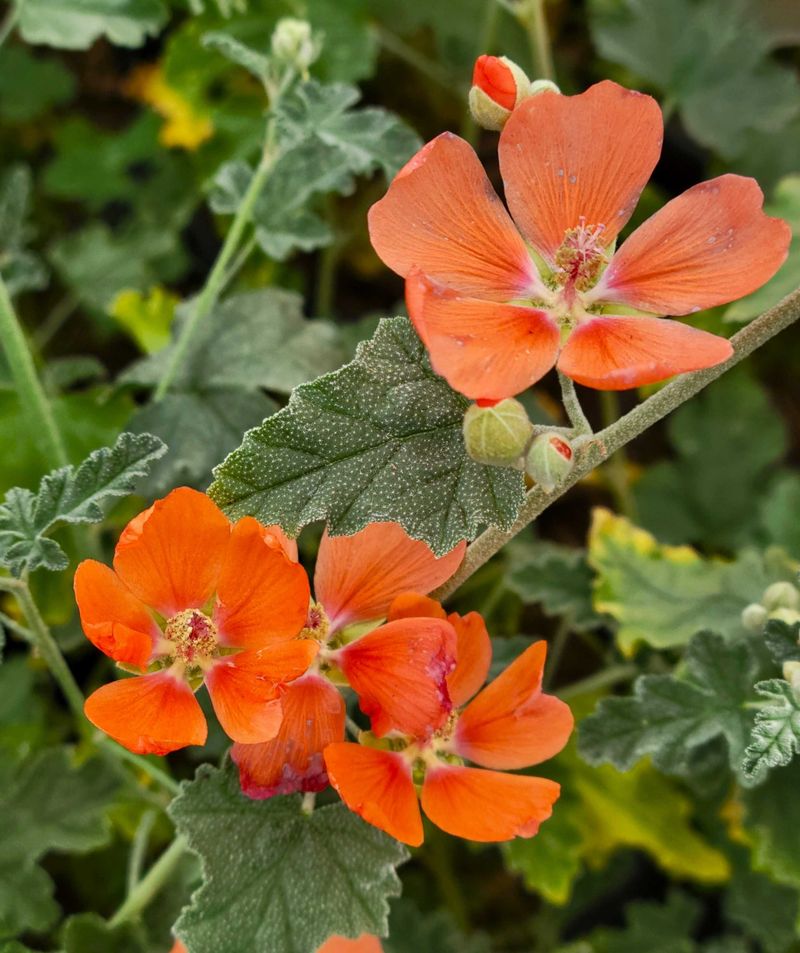
Some plants whisper. Globe mallow shouts in apricot orange, and it does it from late winter all the way into fall with barely a drop of extra water.
Here is the fun part about multiplying. Each plant grows into a wider mound every year, and the seeds sprout readily in open gravel.
Within two or three seasons, one nursery pot can turn into a loose patch of color. Pull the extras or share them with neighbors.
Pollinators line up for these cup-shaped blooms. Native bees, especially specialist mallow bees, rely on them, and several butterfly species use the leaves as food for caterpillars.
That makes your yard a working nursery for wildlife, not just a pretty view from the window.
Planting before Halloween gives the deep roots months to reach down through caliche before summer arrives. Choose full sun and lean, fast-draining soil.
Skip the fertilizer since it only causes floppy growth.
A hard cut back by about a third after the big spring flush keeps the shape tidy and encourages another round of flowers. One small heads-up: the fuzzy hairs on the leaves can irritate skin, so wear gloves when trimming.
3. Chuparosa
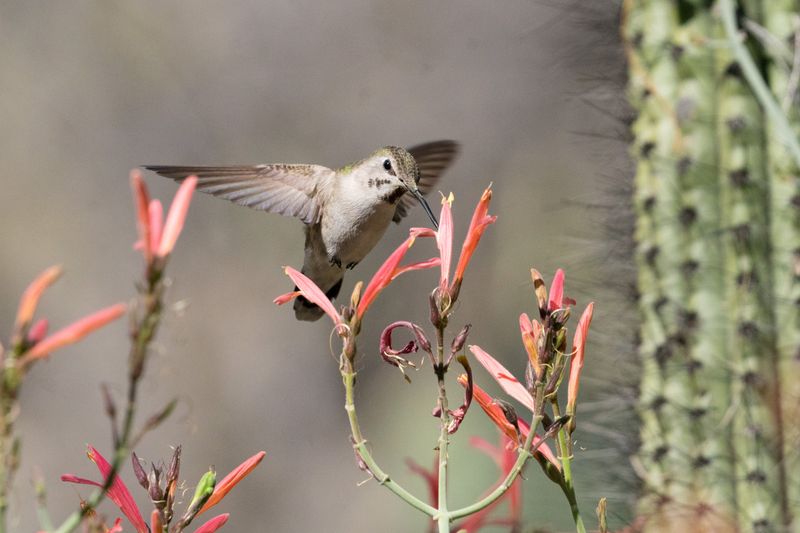
Ask any Arizona birder which shrub brings hummingbirds in January, and chuparosa will come up fast. The name even comes from a Spanish word for hummingbird, which tells you exactly who shows up.
Your Arizona Garden Changes Every Week. Your Plan Should Too.
Gardening in Arizona changes quickly throughout the season. Every Friday you’ll receive a simple weekly plan showing exactly what to plant, prune, fertilize, harvest, and protect so you never miss the right timing.
Red tubular flowers cover the green stems from late fall through spring, right when other nectar is scarce. Bees stop by too, and a few native butterflies lay eggs on it.
If you want a winter wildlife show outside your kitchen window, this is the ticket.
The seed pods have a neat trick. When ripe, they pop open and fling seeds outward, so new seedlings often appear around the base.
Stems that touch the ground can also root, slowly widening the clump over time.
Chuparosa handles reflected heat off walls and pools like a champ. During extreme drought it drops its leaves, yet the green stems keep making food, so it stays alive and bounces back after monsoon rain.
Plant it in October against a sunny wall or near a patio. Water deeply every week or two the first year, then cut way back.
Overwatering is the main thing that causes leggy growth, so restraint pays off.
4. Autumn Sage
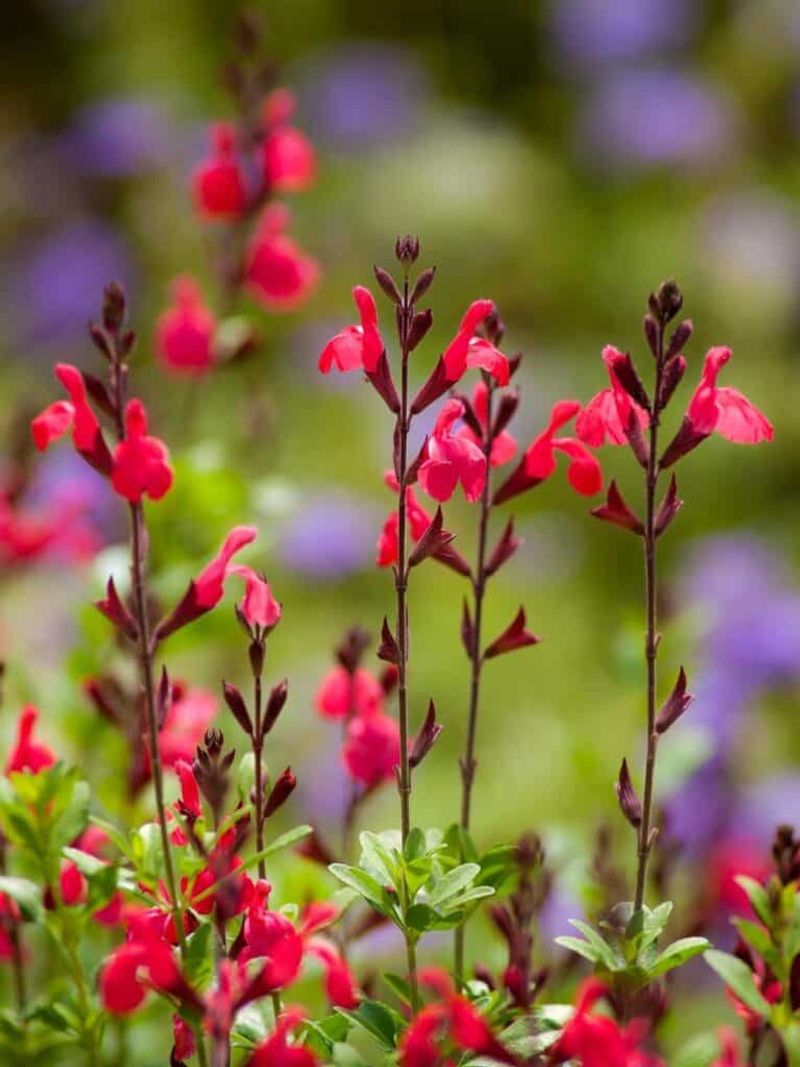
Brush past autumn sage and you get a burst of minty, herbal scent. That aroma is more than a bonus.
It may make the plant less inviting to rabbits and many chewing pests, which is a big deal in desert neighborhoods.
Flowers come in hot pink, red, coral, and white, and they keep going through fall when hummingbirds are migrating through the Valley. Butterflies and bees join in, so this little shrub works as a pit stop for travelers.
Multiplying is easy and satisfying. Mature clumps can be divided in fall, stems root quickly as cuttings, and seeds may sprout nearby.
Start with three plants this October and you could fill a whole border in a couple of years without buying more.
Give it morning sun with a little afternoon shade in the hottest parts of Phoenix. It tolerates poor, rocky soil and rarely needs fertilizer.
Trim lightly after each bloom wave and do a harder shaping in late winter. Water deeply every week in summer, less in cooler months.
Within a season you will have a fragrant, buzzing hedge that seems to grow happier the less you fuss.
5. Parry’s Penstemon
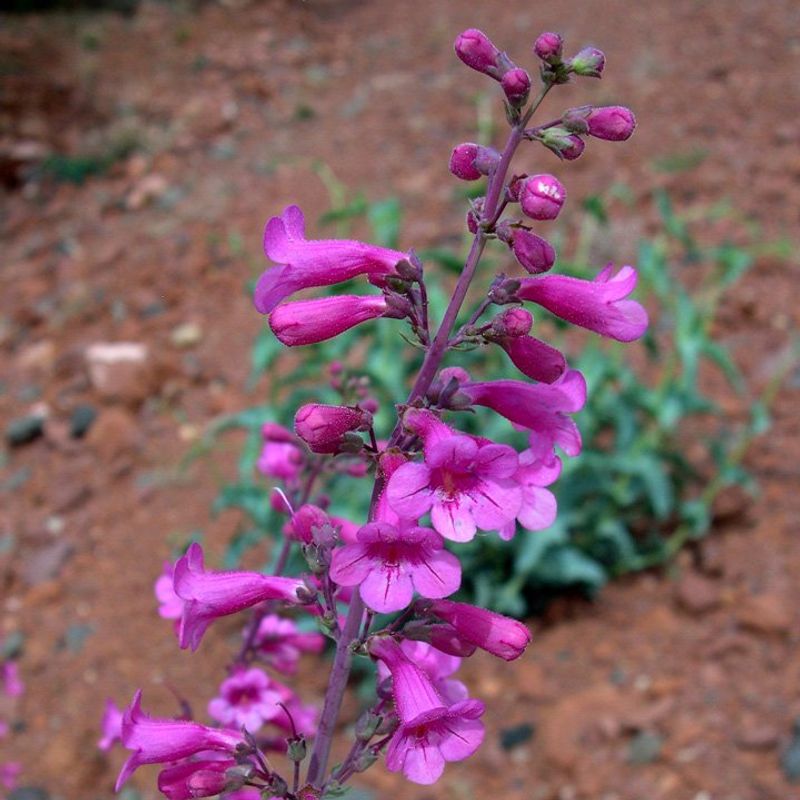
Picture spring spikes of rosy pink bells rising two to four feet above the gravel. Parry’s penstemon is a true Arizona native, and fall is the moment to get it in the ground.
Planting in October lets the low rosette of leaves settle in during winter. Then in February and March, the flower stalks shoot up and hummingbirds arrive right on cue.
Native bees crawl inside the tubes too, so expect a lot of happy buzzing.
Here is why it earns a spot on a multiplying list. Parry’s penstemon reseeds generously when you leave the spent stalks standing until seeds rattle inside the capsules.
Shake them over bare soil and next year you will find little green rosettes popping up everywhere.
Individual plants may only live a few years, but the seedlings keep the show going forever. It is a self-renewing patch that costs nothing after the first purchase.
Drainage matters more than anything. Plant in sandy or gravelly soil, never in a low spot where water pools.
Light watering through winter and spring is plenty. Once summer heat hits, the plant rests, so ease off and let it nap until the cooler days return.
6. Firecracker Penstemon
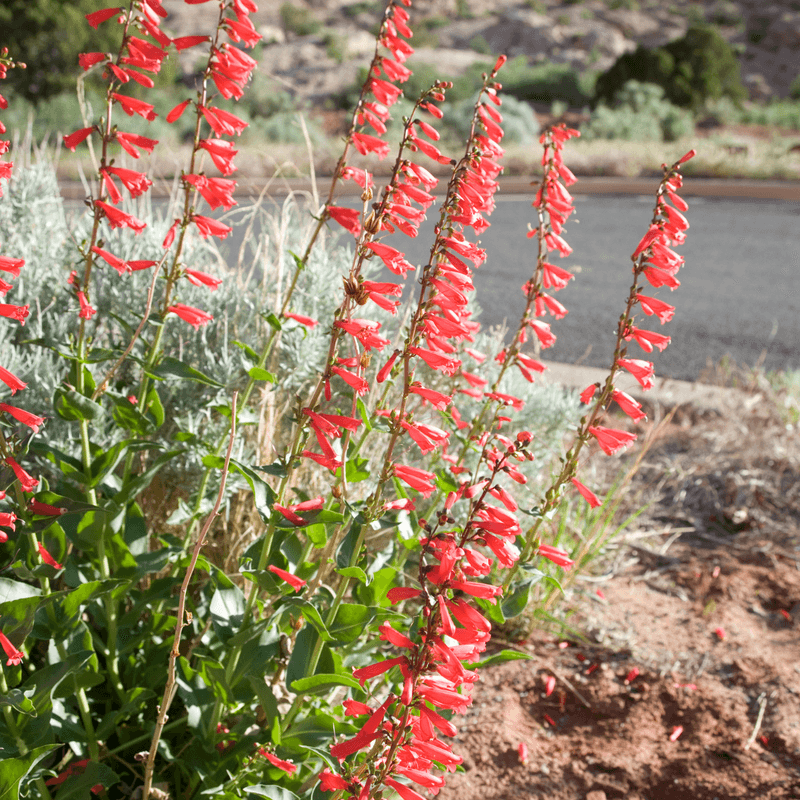
Scarlet red, narrow tubes lined up along arching stems like a string of tiny firecrackers. One look and you understand the name, and so do the hummingbirds.
Firecracker penstemon blooms earlier than many of its cousins, often by late winter in the low desert. That early timing fills a gap for hummingbirds before the big spring rush.
Pair it with Parry’s penstemon and you stretch the nectar season by weeks.
Where it differs is in toughness. The thick, leathery leaves hold up well in poor, rocky soil and handle cold snaps without complaint.
It stays evergreen through winter, giving bare beds some green when much of the yard looks sleepy.
Multiplication happens the easy way. Let the stalks dry after flowering, then crumble the seed capsules across open ground in fall.
Seedlings sprout once cool, damp weather arrives, and the patch thickens year after year.
Plant before Halloween in full sun with excellent drainage. A berm or rock garden is ideal.
Water every week or two while establishing, then only during long dry stretches. Skip rich amendments and mulch with gravel instead of bark, since soggy crowns are about the only thing that slows it down.
7. Blackfoot Daisy
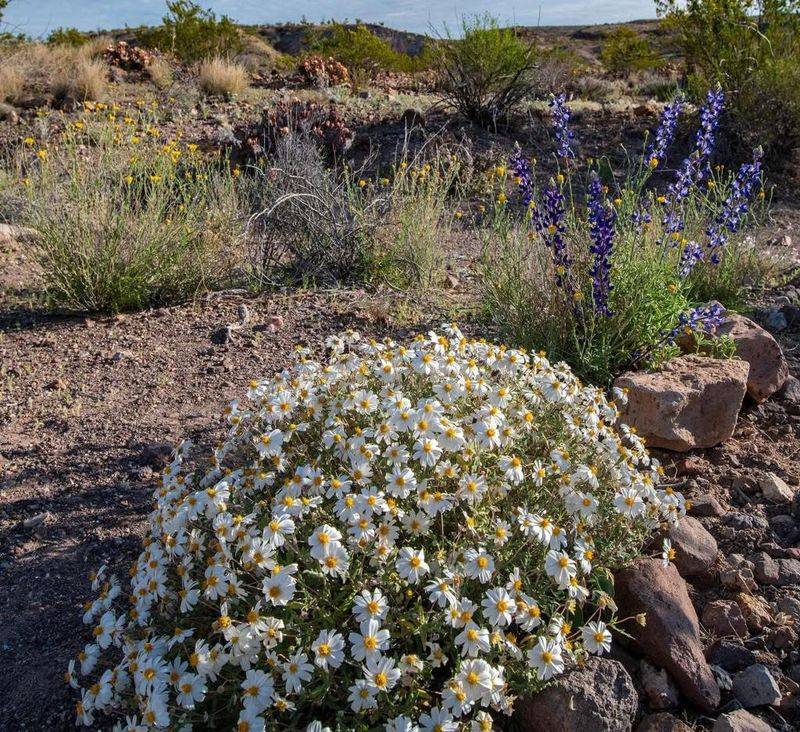
Tiny, sweet, and honey-scented. Blackfoot daisy looks delicate, yet it laughs at the same sun that fries petunias by June.
The plant forms a neat, rounded cushion about a foot tall, covered in white daisies with sunny yellow centers. Bloom time runs from spring well into fall, which gives bees and butterflies a dependable snack bar for months.
On warm evenings the faint honey scent drifts across the yard.
Self-seeding keeps the population steady. Little seedlings pop up in nearby gravel, and you can move them while small to fill gaps along walkways.
Over a few years, a single row turns into a soft white ribbon.
What makes it unique on this list is size. It fits spots too small for shrubs, like between pavers, along the edge of a pool deck, or in front of taller sages.
Reflected heat does not bother it at all.
Fall planting is perfect because roots spread through winter. The biggest rule is to avoid overwatering, since soggy soil is its weakness.
Water deeply but rarely after the first season. Trim lightly in late winter if it looks woody, and it will refresh itself quickly.
8. Desert Milkweed
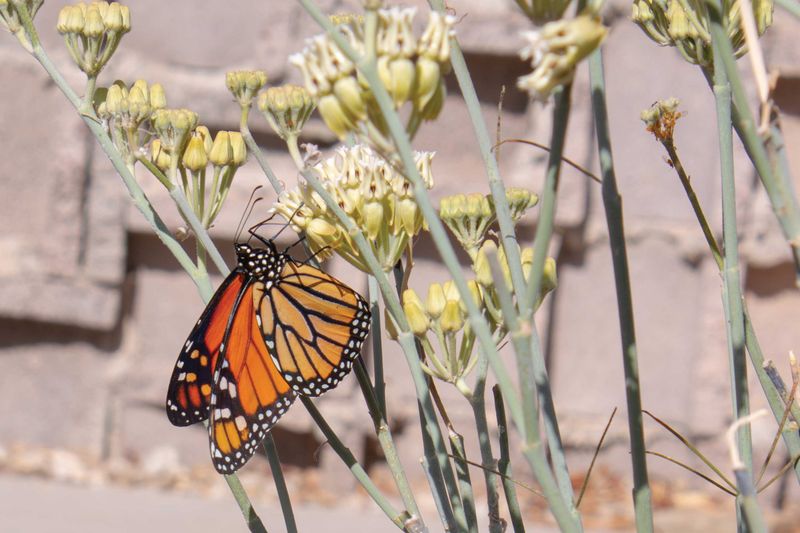
Monarch butterflies drift through southern Arizona each fall, and desert milkweed is one of the best native welcome mats you can offer them.
The plant is unusual looking. Instead of leafy branches, it grows a cluster of smooth, gray-green, rushlike stems topped with creamy yellow flowers.
Monarch and queen caterpillars eat it, and adult butterflies plus bees sip the nectar. It turns a small corner into a real butterfly nursery.
Each year the clump grows wider as new stems rise from the base. Fluffy seeds also float off on silky parachutes in late summer, and a few may sprout around the yard.
Collect pods before they split if you want to sow seeds in specific spots.
Water needs are tiny once roots are established. It handles full sun, reflected heat, and rocky soil, so it suits a dry side yard where little else wants to grow.
Plant in October so roots grow deep before spring. One tip: aphids sometimes cluster on new stems.
A quick blast from the hose usually clears them, and ladybugs often arrive to help. Avoid sprays, since they would harm the caterpillars you are trying to attract.
9. Angelita Daisy
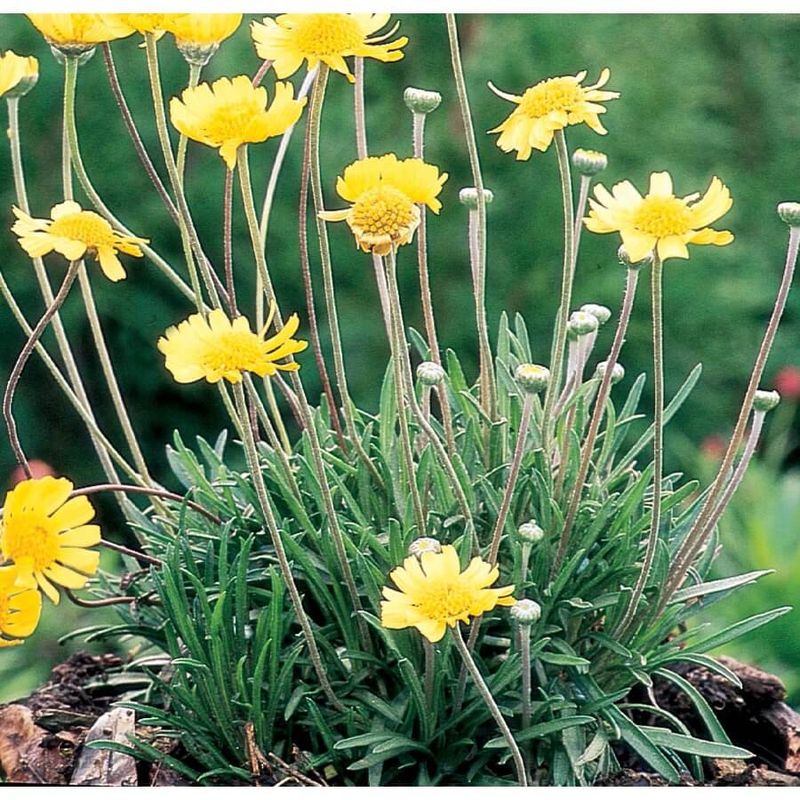
Want a flower that blooms on almost every day of the calendar? Angelita daisy comes close, popping out bright yellow flowers through most of the year in the low desert.
Fine, needle-like leaves form a tidy clump that smells a little piney when crushed. Small native bees and tiny butterflies use the steady blooms, which is especially helpful in winter and early spring.
The clump slowly spreads outward, and mature plants can be gently divided in fall to make new ones. It also drops seeds that sometimes sprout nearby.
Start with a handful and you can line an entire walkway within a few seasons.
Angelita stands apart because it handles the cold better than many desert bloomers. A frosty January morning barely fazes it, so it works in chillier pockets of Tucson and higher valleys too.
Plant it before Halloween in full sun or light afternoon shade. It likes a deep drink every week or so in summer and much less in winter.
Deadheading is optional but keeps it looking crisp. A quick shearing in late winter brings fresh, compact growth just as spring kicks off and pollinators wake up.
10. Desert Zinnia
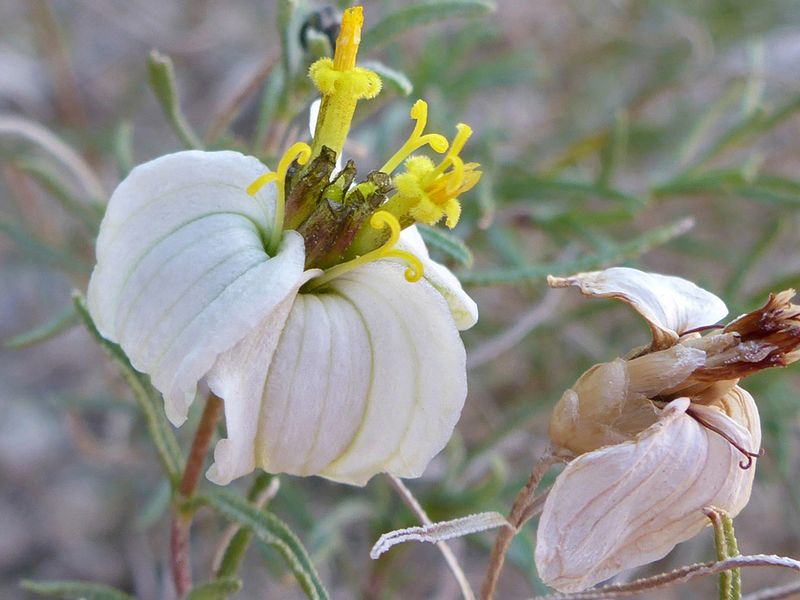
Think of desert zinnia as a living mulch. It creeps low across hot ground, covering bare dirt with tiny leaves and papery creamy-white flowers that last for weeks.
Unlike garden zinnias from the store, this native thrives on neglect. It grows only a few inches tall but spreads slowly through underground stems, so each patch gets a little bigger every year.
That spreading habit can help hold soil in place during monsoon storms.
Bees and small butterflies visit through spring and fall. The flowers dry right on the plant and stay attractive, which means you get color even in tough stretches.
The real superpower is heat. Planted along a sidewalk, curb, or west-facing slope, desert zinnia handles baking gravel that would wilt most groundcovers.
Covering that exposed soil can also reduce the dust and water loss nearby.
October planting gives it a long, mild season to settle. Water every week or two the first winter and spring, then only occasionally.
Avoid rich soil and frequent sprinklers. In a few years, you will have a soft carpet of flowers that asks for almost nothing, making it a smart finish to any water-wise yard.