What to Plant in Your Arizona Yard Right Now Before the Fall Window Closes
October in Arizona feels like a reward for surviving another brutal summer, and your yard feels it too. The air is finally cooler, but the soil is still warm, which gives new plants the perfect chance to grow strong roots before next summer’s heat arrives.
Waiting until spring can mean stressed plants and higher water bills. Here are nine native and desert-tough picks to get in the ground now, each one bringing shade, wildlife, or a little natural pest help to your yard.
1. Velvet Mesquite
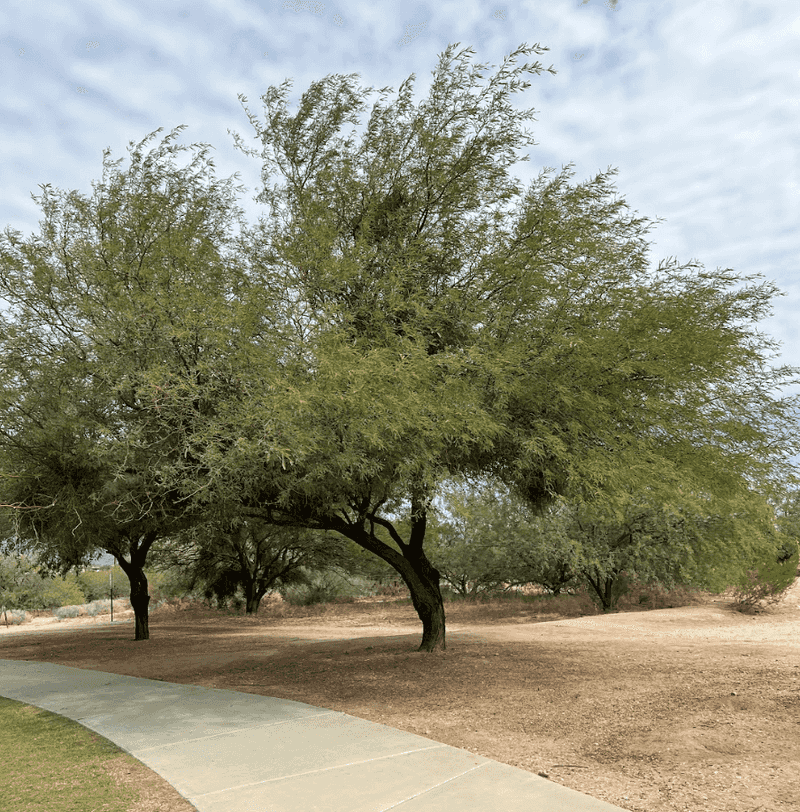
Picture a 110-degree afternoon in July, and then picture a pocket of dappled shade where the patio feels ten degrees kinder. That is the promise of a velvet mesquite, the tree old-timers in the Sonoran Desert have leaned on for generations.
Planting one in October or November gives its roots a full cool season to dig deep before summer returns.
Velvet mesquite (Prosopis velutina) handles caliche, alkaline soil, and long dry spells with barely a complaint. Once established, usually after two or three summers of deep, slow watering, it can get by on rainfall plus an occasional soak.
Its lacy canopy lets filtered light reach plants below, so you can tuck smaller natives underneath.
Wildlife loves it too. Spring catkins buzz with native bees, and the branches offer nesting spots for verdins, doves, and cardinals.
Birds that forage around the trunk may also help keep insect numbers in check.
Give it room, at least 20 feet from walls and pools, since mature trees can spread wide. Skip heavy fertilizer and avoid frequent shallow watering, which leads to weak, top-heavy growth.
A few deep drinks a month through winter is plenty for a young tree.
2. Blue Palo Verde
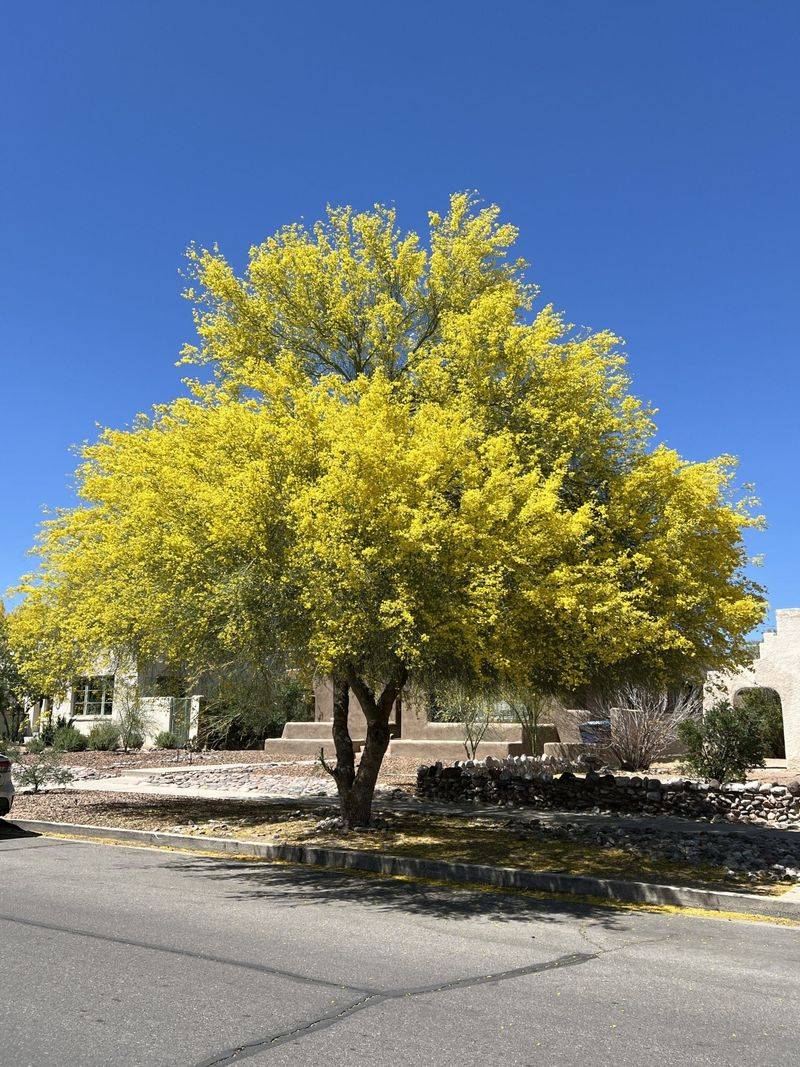
Here is a fun bit of desert trivia: palo verde means green stick in Spanish, and the name fits. Its smooth green bark can actually photosynthesize, which lets the tree keep making food even after it drops its tiny leaves during drought.
Talk about a survival trick worth having in your yard.
Blue palo verde (Parkinsonia florida) is Arizona’s state tree, and fall is the sweet spot to plant it. Cooler days mean less transplant stress, while warm soil encourages fast root growth before winter.
By spring, your young tree will be ready to show off a burst of bright yellow blossoms that can nearly glow against a blue sky.
Those flowers matter for more than looks. Native bees, butterflies, and other pollinators crowd the canopy in March and April, and seed pods later feed doves and small mammals.
The airy branches cast light shade that cools a west-facing wall without blocking winter sun.
Plant it in full sun with fast-draining soil, and resist the urge to overwater. Too much moisture tends to create floppy growth that can snap in monsoon winds.
For a thornless option with a similar look, many Phoenix and Tucson nurseries carry the hybrid Desert Museum palo verde.
3. Desert Willow
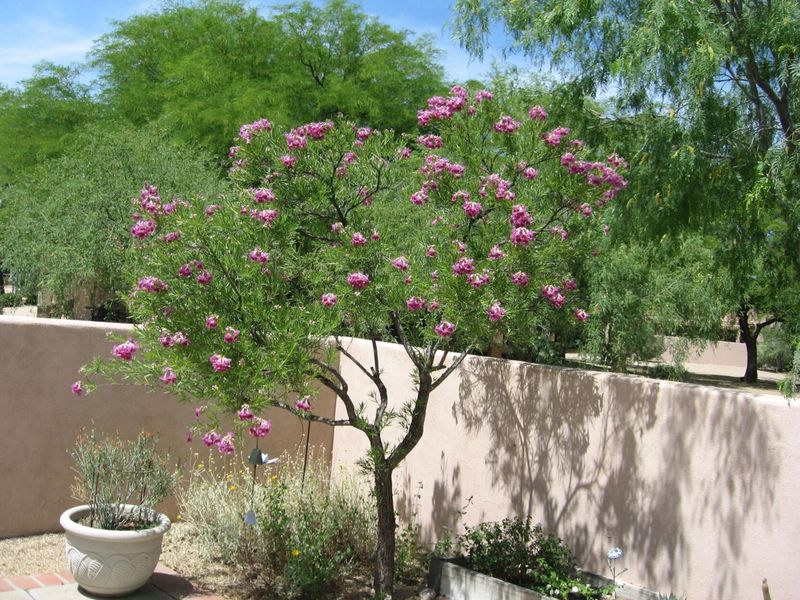
Ask anyone who has watched a hummingbird dart between pink trumpet flowers on a summer morning, and they will tell you the desert willow earns its spot. Despite the name, it is not a true willow at all.
Your Arizona Garden Changes Every Week. Your Plan Should Too.
Gardening in Arizona changes quickly throughout the season. Every Friday you’ll receive a simple weekly plan showing exactly what to plant, prune, fertilize, harvest, and protect so you never miss the right timing.
Its long, narrow leaves just happen to look the part.
Desert willow (Chilopsis linearis) grows along dry washes across the Southwest, so it is built for heat, sun, and lean soil. It blooms from late spring right through the hottest months, when many other plants have given up.
Orchid-like flowers in pink, purple, or white pull in hummingbirds, carpenter bees, and butterflies.
Fall planting sets it up for that long bloom season. Roots settle in while temperatures are mild, and the tree drops its leaves in winter, so it rests without asking much from you.
Expect a young tree to reach 15 to 25 feet over time, with a graceful, open shape.
Place it where you can see it from a window or patio chair, because the hummingbird show is half the fun. Deep watering every couple of weeks during its first summer helps a lot.
After that, a soak once or twice a month keeps it blooming. Varieties like Bubba and Burgundy offer deeper flower colors.
4. Desert Ironwood
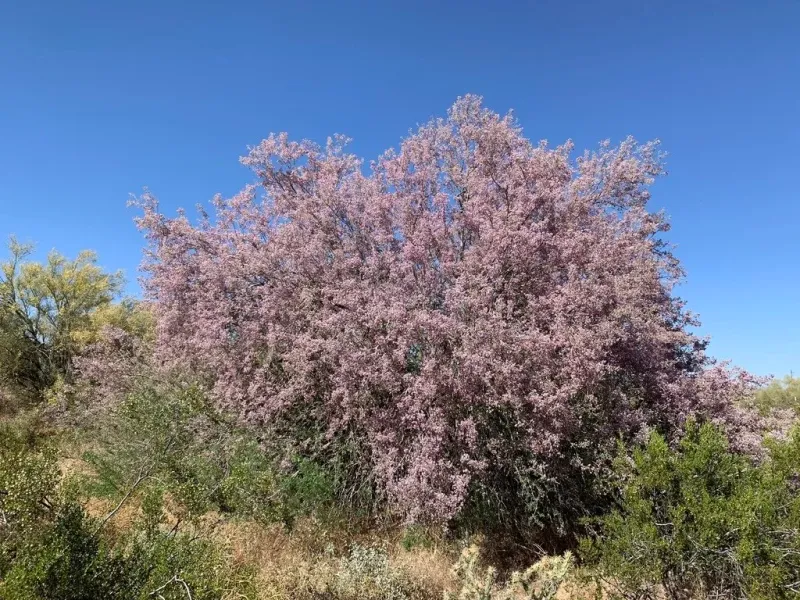
Some trees are sprinters. Ironwood is a marathon runner, growing slowly but living for centuries in the Sonoran Desert.
Its wood is so dense that it sinks in water, which is how it got its name.
Desert ironwood (Olneya tesota) is often called a nurse tree, because its canopy shelters young saguaros and other tender plants from harsh sun and winter frost. In the wild, it can support well over a hundred bird species that nest, roost, or forage in its branches.
Protein-rich seed pods feed quail, doves, and small mammals, and the insects living on the tree draw in hungry birds.
At home, that habitat value can turn a plain backyard into a busy wildlife corner. Lavender-pink blooms appear in late spring, bringing bees along with them.
The gray-green evergreen foliage also stays tidy year-round.
Plant it this fall in full sun, well away from walkways, since the branches carry short thorns. It prefers low desert warmth and can be touchy in the coldest spots, so it does best in Phoenix and Tucson rather than higher elevations.
Water deeply while it settles in, then taper off.
Patience pays here, because every year it grows, it becomes more valuable to the creatures around it.
5. Chuparosa
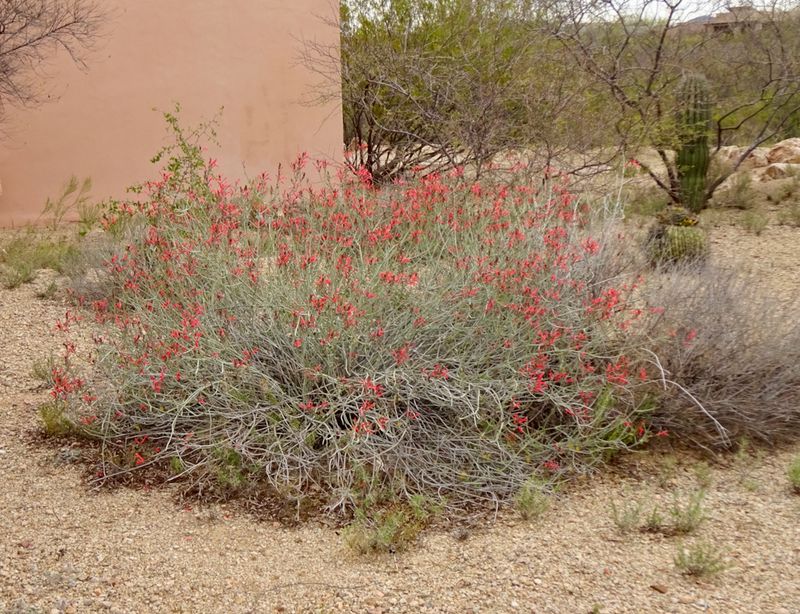
Hummingbirds do not take the winter off in Arizona, and neither does chuparosa. While many plants rest in the cooler months, this scrappy native shrub often starts pushing out red tubular flowers in late winter, right when Anna’s hummingbirds need fuel most.
The name even comes from a Spanish word for hummingbird.
Chuparosa (Justicia californica) grows into a loose, rounded mound of green stems about three to five feet tall. It shrugs off poor soil, reflected heat, and full sun, which makes it a smart pick for tough spots near driveways or block walls.
Leaves are small and sparse, so most of the photosynthesis happens in the stems.
Planting it now means it will be rooted and ready to bloom by February or March. Verdins and orioles sometimes sip from the flowers too, and the dense stems offer quail and lizards a place to duck out of sight.
Lizards, of course, snack on plenty of insects around the yard.
Water every week or so for the first couple of months, then stretch it out as the plant settles. In summer, it may drop leaves to save moisture, which is normal.
A light trim after spring bloom keeps the shape neat without cutting off next season’s show.
6. Desert Marigold
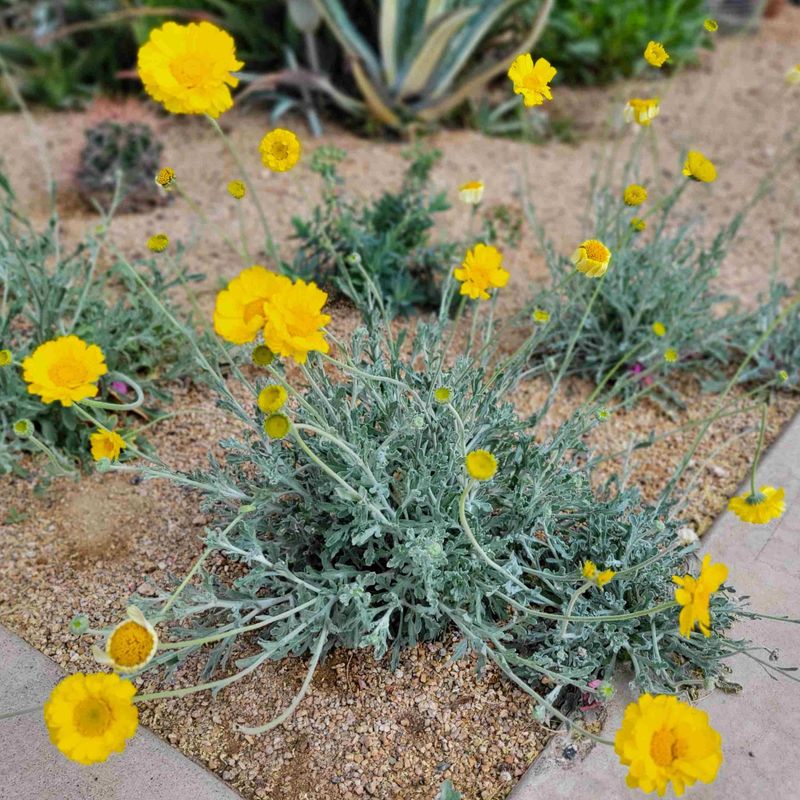
Want color fast without a big water bill? Desert marigold might be the easiest yes on this list.
Tuck it into a sunny bare patch this fall, and you could see bright yellow daisies within weeks, often blooming on and off for most of the year.
Baileya multiradiata forms low, silvery-gray mounds about a foot tall, and those woolly leaves help reflect heat and hold on to moisture. It thrives in the rocky, alkaline soil that frustrates so many Arizona gardeners.
In fact, rich soil and heavy watering tend to shorten its life, so neglect is part of the recipe.
Bees and butterflies visit the flowers all day long. Once blooms fade, leave the seed heads in place, because lesser goldfinches, house finches, sparrows, and doves love to pick at them.
Allowing a few to drop also means new seedlings will pop up on their own next season.
Plant from nursery pots or scatter seed in October and November, pressing it lightly into the soil. A little extra water helps seeds sprout, then winter rain handles much of the rest.
Pair it with globe mallow or penstemon for a mix of yellow, orange, and pink that pollinators can spot from across the block.
7. Rosemary
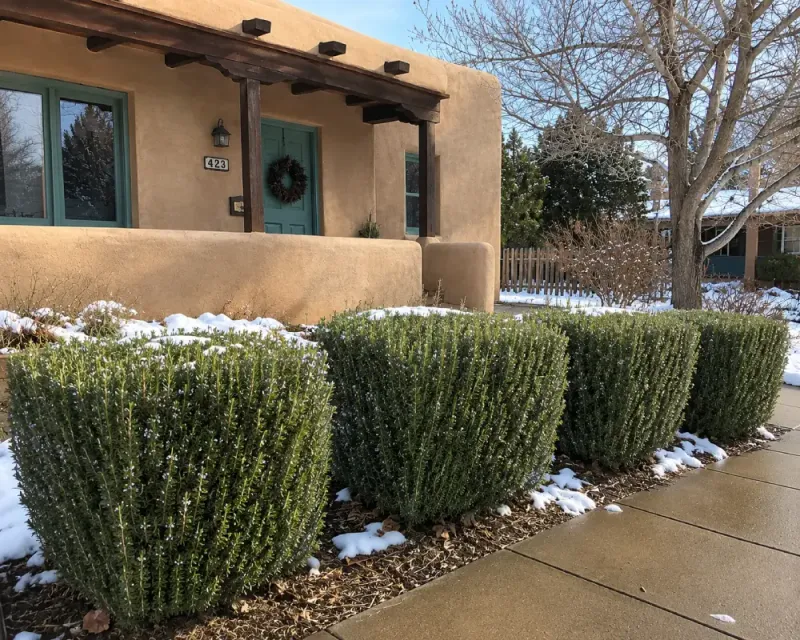
Brush past a rosemary bush on a warm afternoon and the whole yard smells like a kitchen herb garden. That strong scent is exactly why this Mediterranean shrub has become a quiet workhorse in so many desert yards.
It shares the dry summers and lean soils of its homeland with the low desert, so it settles in here with ease.
Rosemary (Salvia rosmarinus) contains aromatic oils that many pests seem to dislike. Planted along walkways, patios, or pet areas, it may help make those spots less inviting to fleas and ticks.
Javelinas also tend to leave it alone, which is a nice bonus if they wander through your neighborhood at night.
Tiny blue flowers show up in winter and early spring, feeding bees when few other blooms are around. Trailing types spill nicely over retaining walls, while upright varieties like Tuscan Blue can form a low, fragrant hedge.
You can snip sprigs for cooking any time.
Fall is ideal for planting because roots grow while the air stays mild. Give it full sun or light afternoon shade and very well-drained soil.
Soggy ground is its biggest enemy, so water deeply but only when the top few inches dry out.
8. Parry’s Agave
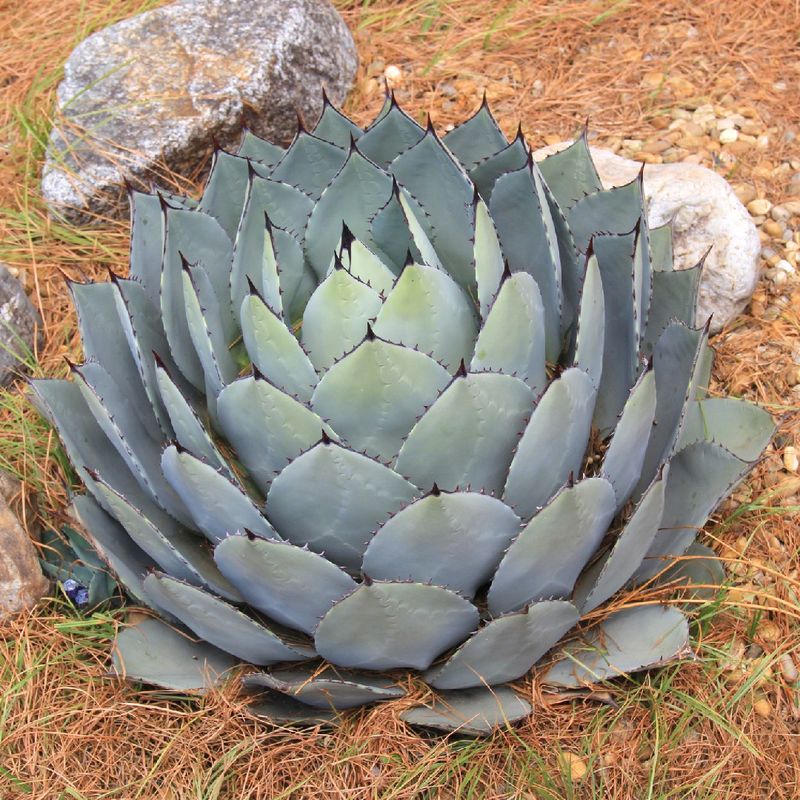
Few plants stage a finale quite like this one. After roughly 10 to 25 years of quietly storing energy, Parry’s agave sends up a flower stalk that can tower 15 feet or more, loaded with yellow blooms.
Nectar-feeding bats, hummingbirds, and orioles flock to it like it is the only buffet in town.
That bat connection is a big deal. Lesser long-nosed bats migrate through southern Arizona and rely on agave nectar along the way, while many other bats that visit desert yards snack on night-flying insects, including mosquitoes.
Planting agave is one small way to make your property friendlier to these helpful night visitors.
Parry’s agave (Agave parryi) forms a tight, gray-blue rosette about two feet across. It tolerates blazing heat, cold snaps, drought, and poor soil, and it needs almost no care once rooted.
Pups often sprout around the base, so one plant can become a small colony over time.
Fall and late winter are the best times to plant. Choose a sunny spot with sharp drainage, and keep it several feet from walkways, play areas, and pool edges, because those leaf tips are needle sharp.
Water lightly after planting, then let nature handle most of the rest.
9. Engelmann’s Prickly Pear
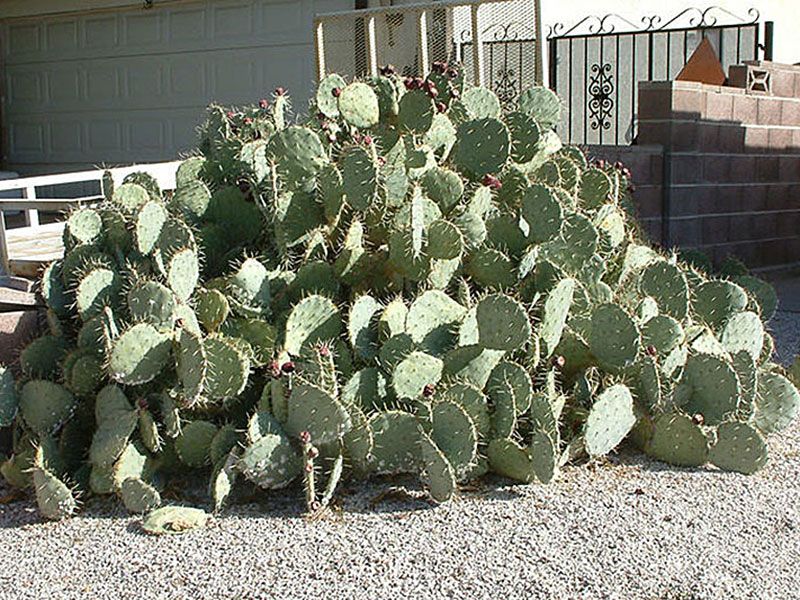
Roadrunners are the desert’s own pest patrol, gobbling up lizards, grasshoppers, and even scorpions. If you want one to make regular laps through your yard, it helps to offer the kind of cover they trust, and few plants do that better than prickly pear.
The spiny pads create a safe zone where birds can rest, hide from hawks, and hunt.
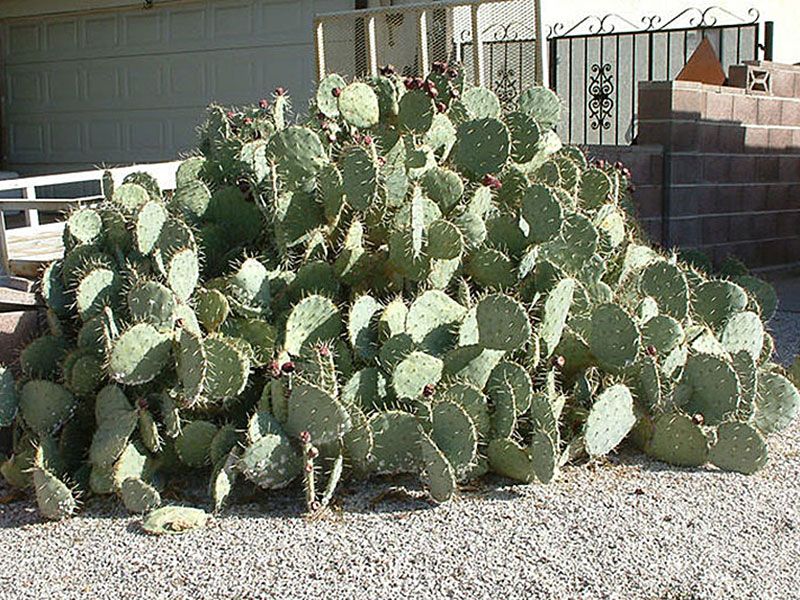
Engelmann’s prickly pear (Opuntia engelmannii) is a Sonoran Desert classic that sips water and handles heat that would scorch most shrubs. Spring brings big yellow flowers loved by native bees, followed by purple-red fruit called tunas.
Cactus wrens, thrashers, and quail snack on the fruit, and a healthy clump can double as nesting habitat.
A roadrunner visit is never guaranteed, but a yard with prickly pear, open ground, and a few rocks is far more appealing to them than bare gravel. Lizards basking on nearby rocks will happily munch on crickets and beetles, too.
Planting is easy this fall. Set pads or potted plants in full sun with gritty, fast-draining soil, and wait about a week before watering so any cuts can callus over.
Wear thick gloves and use folded newspaper or tongs, since the tiny glochids stick stubbornly to skin.