This Arizona Fig Tree Task Can Make A Difference In Next Year’s Harvest
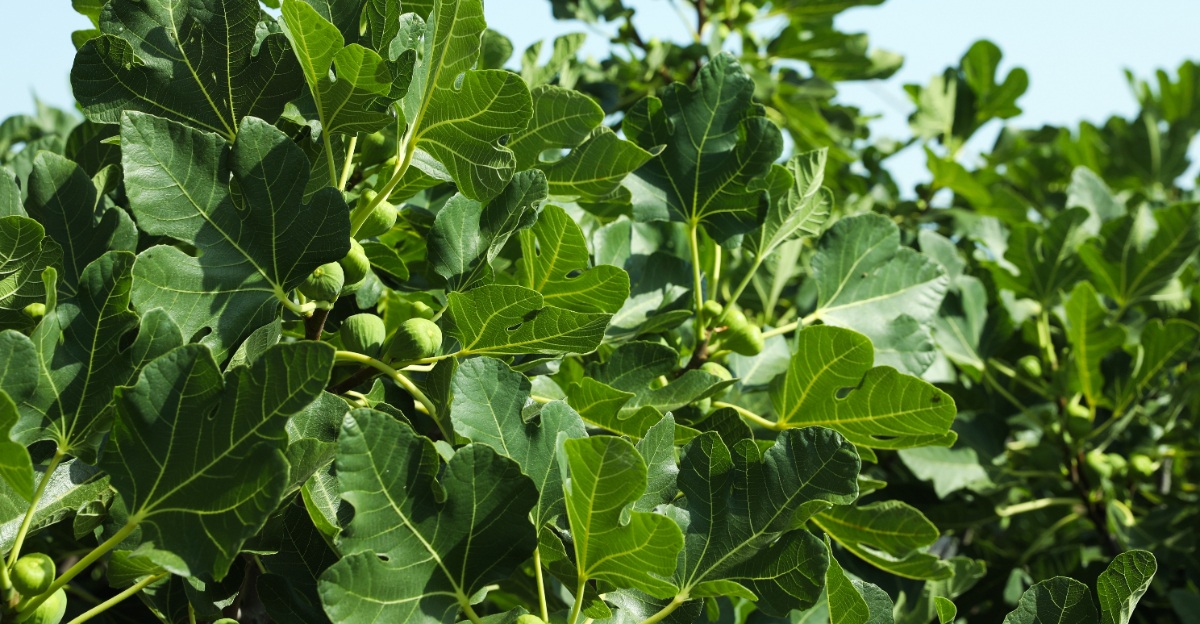
Next year’s fig harvest may depend partly on how you treat the tree after this season starts winding down. September is not the moment to forget about it simply because picking has slowed.
Shift your attention from harvesting fruit to checking the tree itself.
Arizona heat can leave fig trees needing thoughtful care as they move toward fall. What happens around the roots now can influence how well the tree handles the changing season.
Check the soil before assuming your usual summer routine should continue unchanged.
Your fig tree is still active, even when fewer ripe fruits are catching your attention. Giving it suitable care now supports the healthy growth you will depend on later.
Next season may feel far away, but good harvests often begin with choices made months earlier.
1. The Next Fig Crop Depends On What You Leave Behind
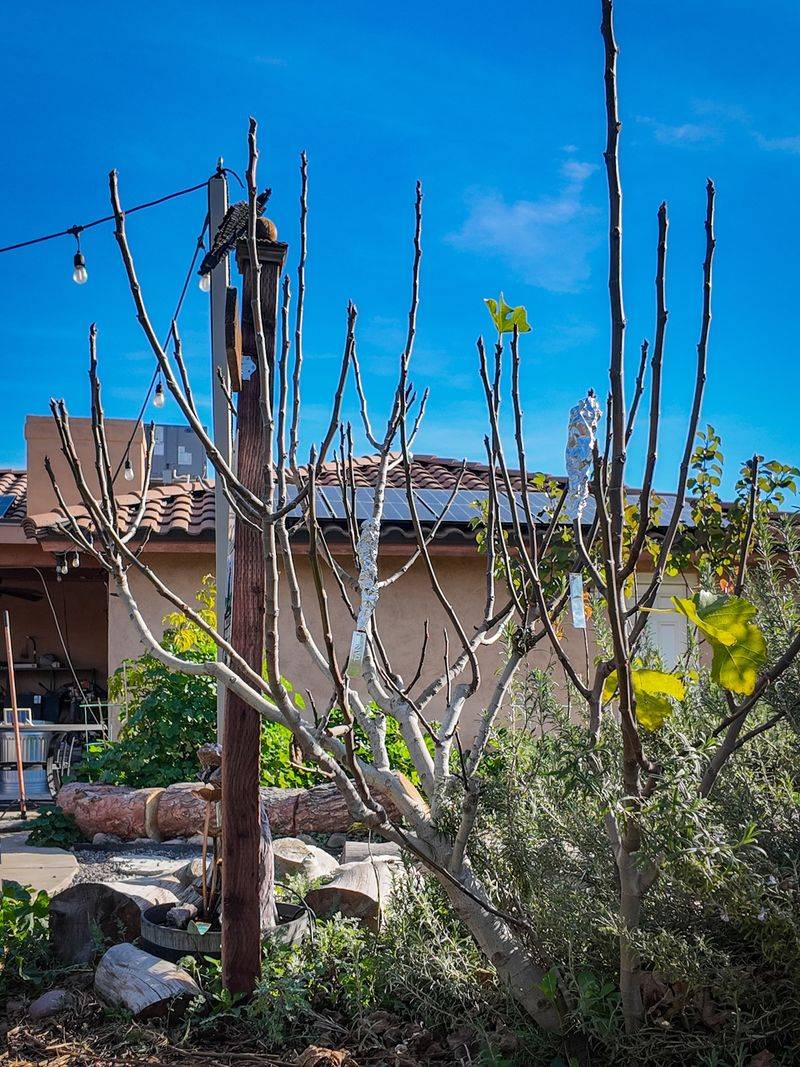
Every branch left on a fig tree after harvest is a decision about next year’s fruit. That might sound simple, but plenty of growers overlook it completely.
Fig trees carry their fruit on specific parts of the plant. Not every branch produces at the same rate, and not every cut is neutral.
Some cuts remove wood that would have fed next year’s early crop before it ever gets a chance to form.
Growers who prune without a plan often end up with healthy-looking trees that produce far less than expected. The tree looks fine.
The fruit just doesn’t show up the way it should in spring.
What you leave behind after one season becomes the foundation for what grows next. Branches that survived the current year carry energy, stored nutrients, and the potential to push out early figs before the tree even fully leafs out.
Cutting those branches removes that stored potential. Leaving them gives the tree a head start it wouldn’t otherwise have.
Pruning isn’t about removing as much as possible. It’s about making careful choices that protect what the tree already built.
A thoughtful approach to what stays on the tree can make a noticeable difference in how the next harvest begins.
2. Some Early Figs Grow On Last Year’s Wood
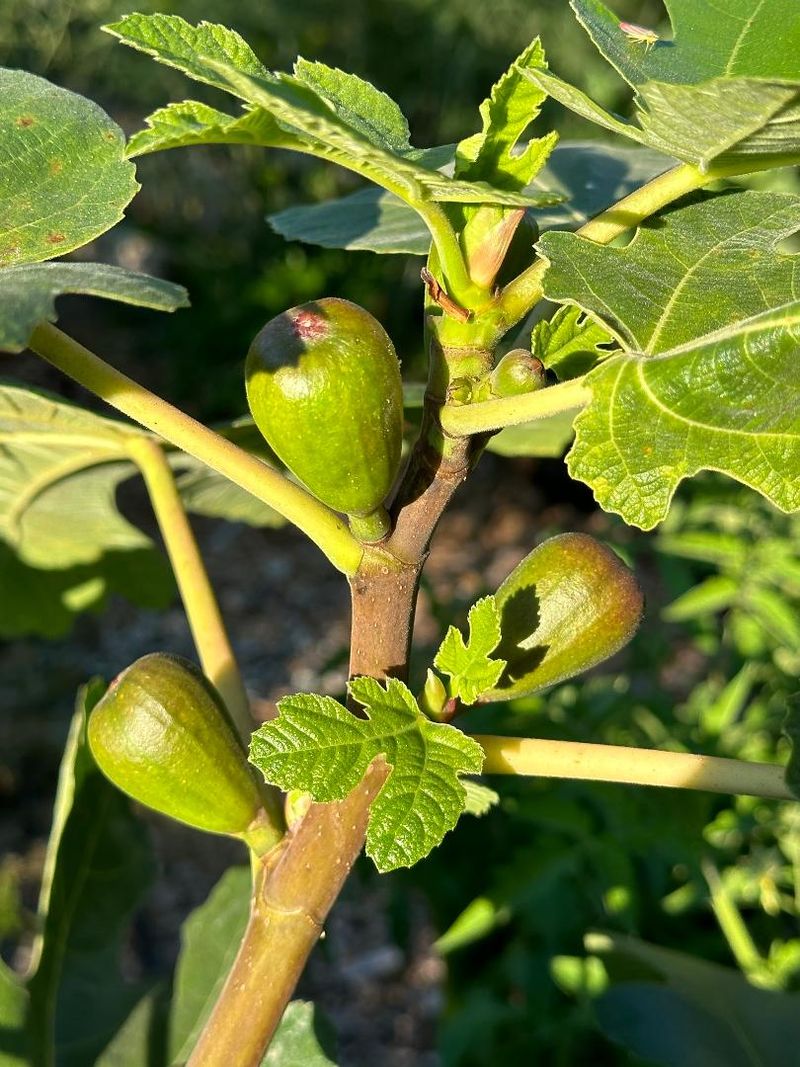
Figs don’t follow the same fruiting pattern as most backyard fruit trees. Two separate crops can form in a single season, and where each crop develops depends on which part of the tree you’re looking at.
The first crop, often called the breba crop, forms on wood that grew the previous season. Those older branches push out fruit early, sometimes before the tree has even fully leafed out for the year.
Breba figs typically appear on the lower portions of last year’s shoots. They develop from buds that were set during the prior growing season and stayed dormant through winter before swelling in early spring warmth.
Not every fig variety produces a strong breba crop. Some types put out only a light first flush, while others deliver a solid early harvest worth protecting.
Knowing your specific variety helps you understand how much the breba crop matters for your tree.
Your Arizona Garden Changes Every Week. Your Plan Should Too.
Gardening in Arizona changes quickly throughout the season. Every Friday you’ll receive a simple weekly plan showing exactly what to plant, prune, fertilize, harvest, and protect so you never miss the right timing.
In warmer parts of the Southwest, spring arrives early enough that breba figs can ripen before summer heat peaks. That timing makes the first crop genuinely valuable, not just a bonus.
Protecting that early production starts with understanding where it forms. Once you know the breba crop lives on last year’s wood, every pruning cut takes on a different meaning.
3. Heavy Pruning Can Remove Future Fruiting Wood
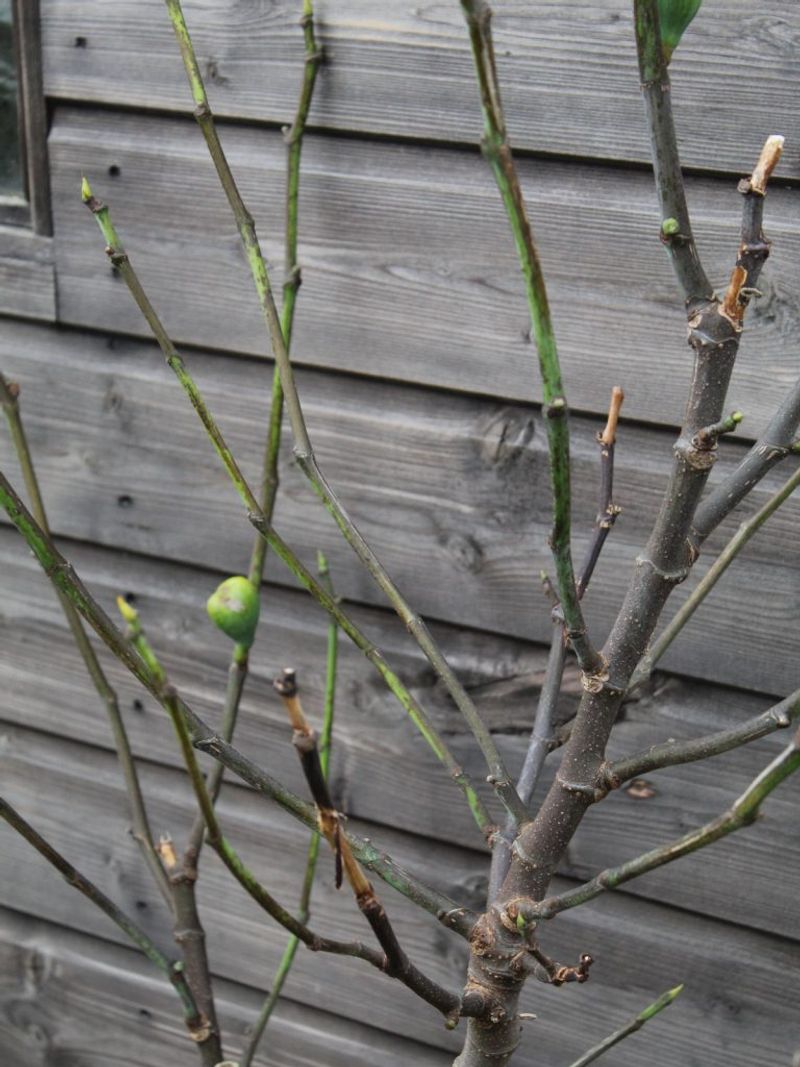
Cutting back a fig tree hard feels productive. Piles of branches on the ground look like progress, but that work can come at a real cost the following spring.
Branches that carried fruit last season are often the same branches capable of carrying the breba crop next year. Remove too many of them, and the early harvest shrinks or skips entirely.
Heavy pruning redirects the tree’s energy into producing vigorous new growth. That new growth is great for the main summer crop, but it won’t carry early figs.
Breba fruit needs older wood that survived the prior season intact.
Gardeners who prune aggressively every year sometimes notice their trees produce only one crop instead of two. The summer crop arrives on schedule, but the spring flush never materializes.
Excessive cutting is often the reason.
A fig tree is not fragile, and it can recover from hard pruning over time. But recovery takes a season or more, and the early crop gets sacrificed during that window.
Moderation matters here. Removing a few problem branches is very different from cutting the tree back by half.
Keeping most of last season’s productive wood gives the breba crop a real chance to form and ripen before the heat of summer arrives.
4. Wait Until The Second Crop Has Been Harvested
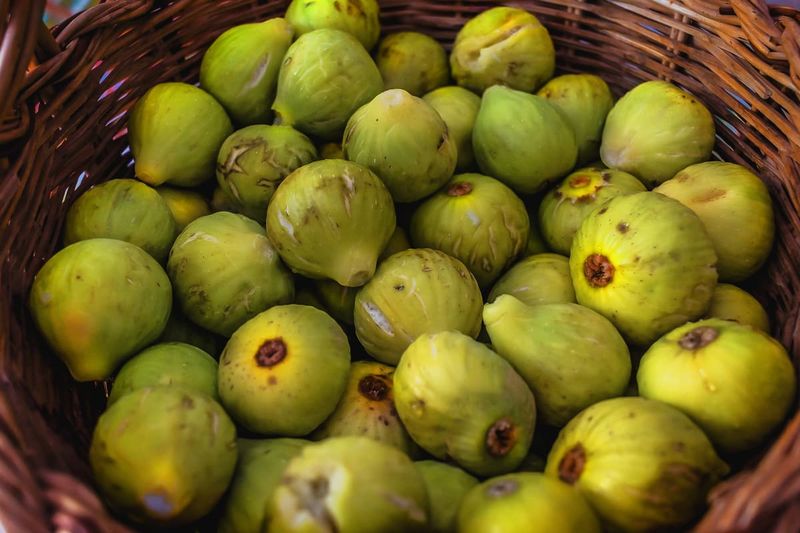
Timing a fig pruning session correctly starts with knowing when the second crop is finished. In warm, low-desert Arizona zones, that window often falls in late summer or early fall.
Pruning before the main crop is fully harvested can interrupt fruit that’s still ripening. Even figs that look nearly done can need another week or two before they’re ready to pick.
Once the second harvest wraps up, the tree shifts into a slower period of growth. That transition makes it a reasonable time to address any structural or maintenance pruning that’s been waiting.
Doing the work after the second crop means the tree has already delivered its fruit for the season. Any cuts made at that point won’t interfere with ripening figs still on the branches.
Post-harvest pruning also gives cuts time to heal before the tree goes fully dormant. Wounds sealed during a mild fall period tend to close more cleanly than cuts made during peak summer stress.
Growers in warm zones don’t need to wait until deep winter to prune. Finishing the job after the second crop is done keeps the schedule practical and avoids the risk of removing wood that’s still carrying fruit.
Patience through harvest pays off when the pruning work finally begins.
5. Colder Areas Need A Different Pruning Window
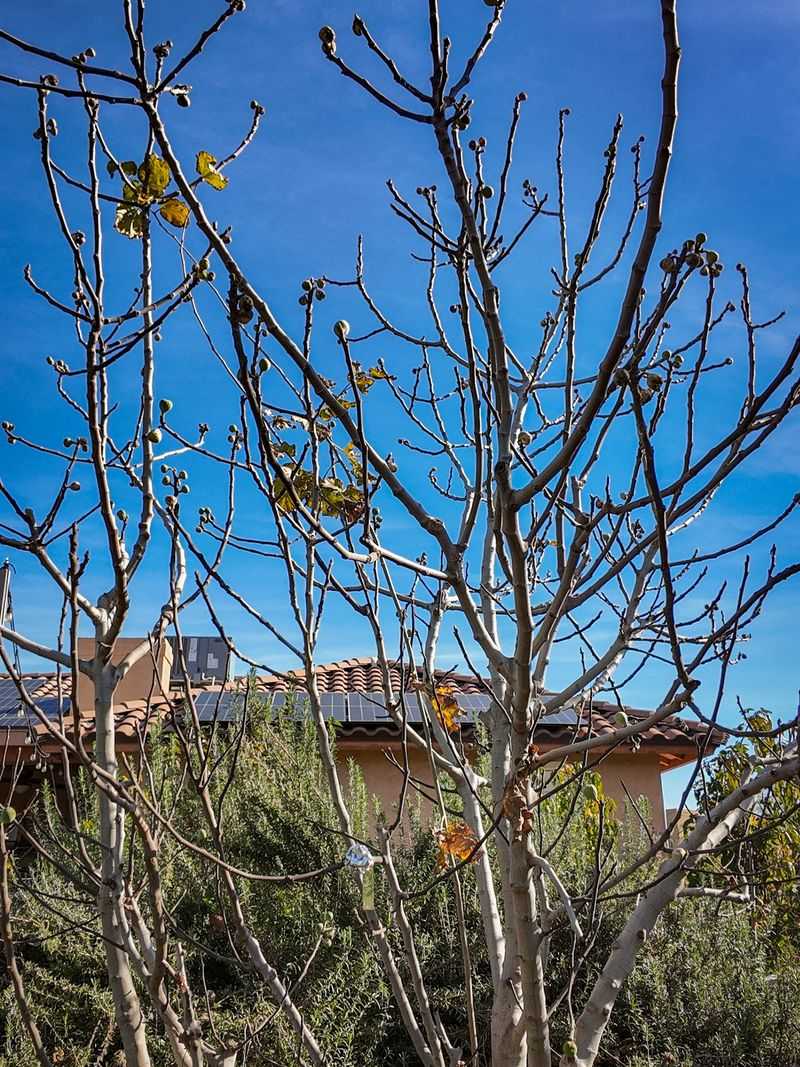
Not every part of Arizona sits in a warm, frost-free zone. Higher elevations and northern parts of the state can see genuine cold snaps that affect how and when fig trees should be pruned.
Pruning too early in colder areas can expose fresh cuts to freezing temperatures.
That combination can stress the tree and slow the healing process during a period when conditions are already challenging.
Waiting until the coldest stretch of winter has clearly passed gives the tree a better starting point. Cuts made as temperatures begin to stabilize and rise have a smoother path to closing before spring growth begins.
In cooler zones, late winter or very early spring often works better than fall pruning. The tree is still dormant enough that cuts won’t trigger premature growth, but the worst freeze risk has usually moved on by then.
Monitoring local frost dates and recent temperature patterns helps narrow the right window. A late hard freeze after pruning can set the tree back more than waiting a few extra weeks would have.
Gardeners in colder parts of the state benefit from a slightly more cautious approach. Letting the season stabilize before picking up the pruning shears tends to produce better results than rushing the job during uncertain winter weather.
6. Remove Problem Branches Without Overdoing The Job
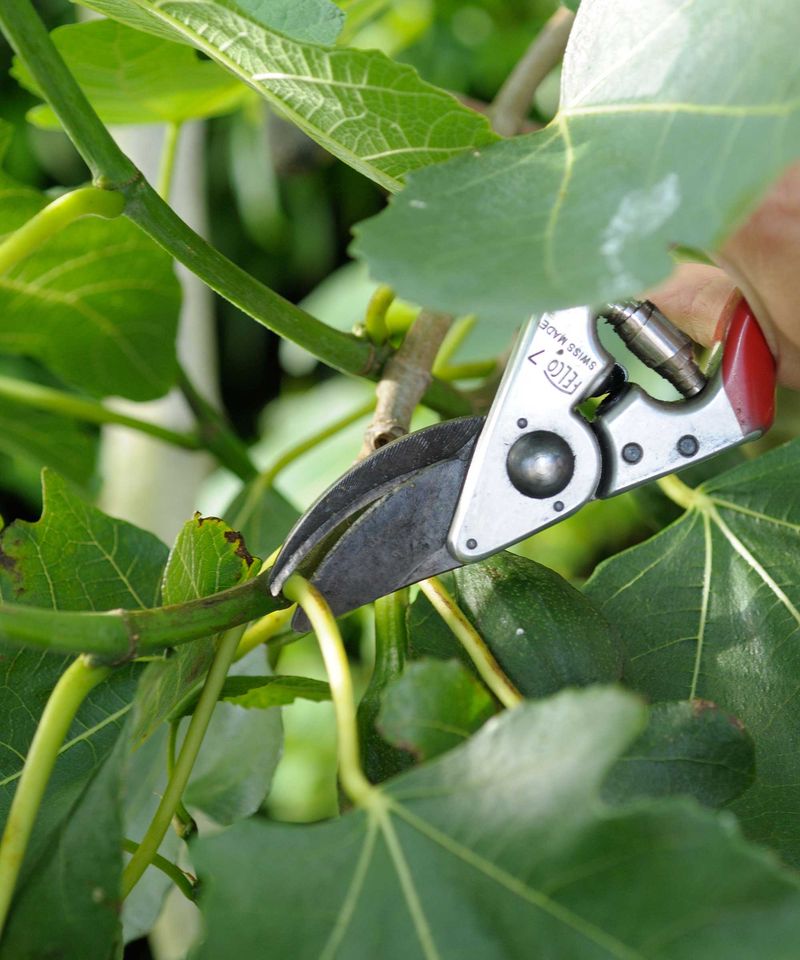
Fig trees are not high-maintenance plants. They don’t need heavy shaping or aggressive thinning to produce well.
Most of the pruning work involves addressing specific problems rather than reshaping the whole tree.
Branches that are damaged, broken, or rubbing against each other are reasonable targets. Growth that points inward toward the center of the canopy can also create crowding that limits airflow over time.
Weak, spindly shoots that never developed into productive growth are worth removing. They drain energy without contributing much to the harvest, and clearing them out makes space for stronger wood.
Beyond those categories, most fig branches can stay right where they are. Removing healthy, productive wood for the sake of tidiness costs more than it gains.
Keeping cuts clean and precise matters more than volume. A sharp pair of pruning shears or loppers makes cleaner wounds than dull blades, and cleaner wounds tend to seal faster.
A focused session that addresses only genuine problems usually takes less time than expected. Fig trees maintained with a light touch year after year tend to stay productive without requiring major corrective work.
Restraint is genuinely the right approach here, not a shortcut. Doing less, done well, protects more of the tree’s potential than cutting generously ever would.
7. Keeping Enough Fruiting Wood Protects The Early Crop
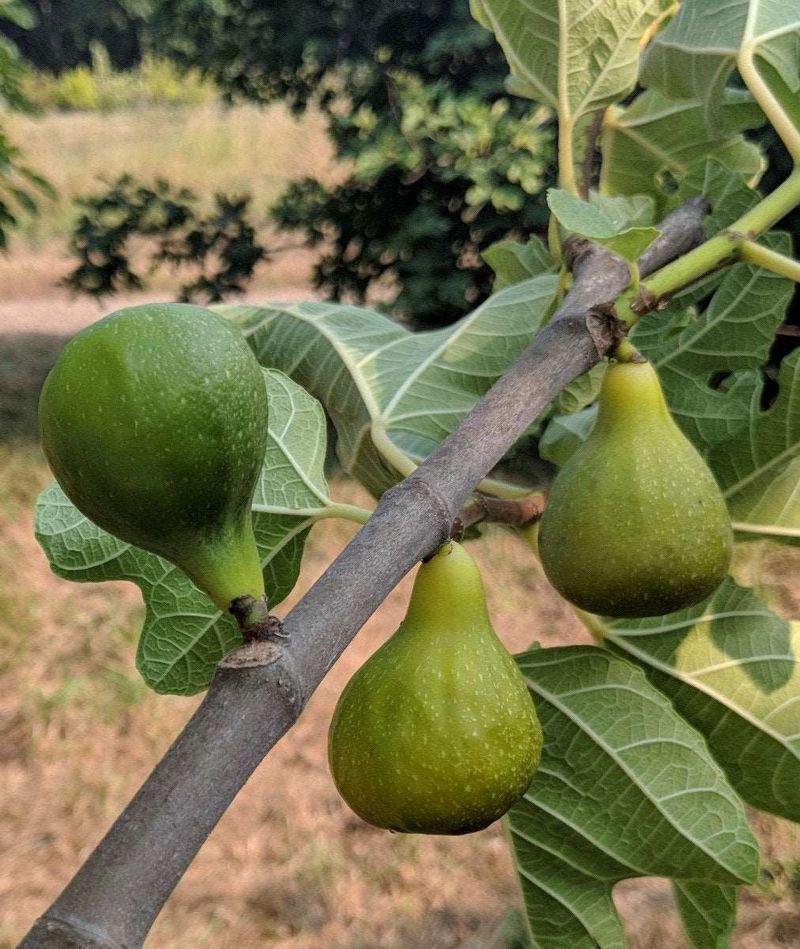
Restraint during pruning isn’t just about being cautious. It’s a direct investment in the first figs of the following year.
Last season’s productive wood carries the potential for breba fruit. Branches that grew and matured through the prior year are the ones most likely to push out early figs before summer heat arrives.
Leaving enough of that wood intact gives the tree the raw material it needs to start the season strong. Growers who protect their older productive branches tend to see a more reliable early crop than those who cut back heavily each year.
The goal isn’t to leave every branch untouched. Problem growth still gets removed.
But healthy, well-placed wood from the previous season earns its spot on the tree by carrying next year’s first harvest.
A fig tree maintained with this approach builds a track record of consistent early production. Each season, the breba crop forms on wood that was protected the prior year, and the cycle continues without interruption.
Growers across warm Southwest zones who understand this connection tend to approach pruning differently. Fewer cuts, better placement, and a clear reason for every branch removed.
That mindset shifts pruning from a routine task into a genuine strategy for protecting what the tree is already capable of producing.