The Arizona Succulents to Plant the Week Before Halloween Before Nights Get Too Cold
The last week of October is a sweet spot for planting in the low desert. The soil is still warm from summer, but the brutal heat has finally backed off.
Succulents planted now can grow strong roots before chilly winter nights slow everything down. Pick the right ones, and your yard can feed hummingbirds and bats, save water, and stay tough when next summer hits.
1. Parry’s Agave
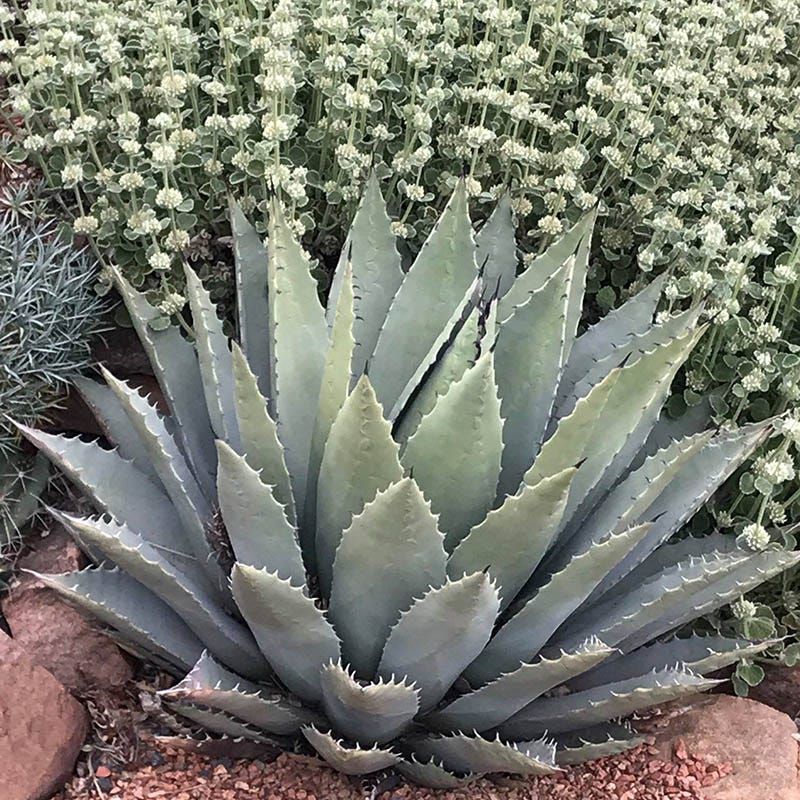
Some plants beg for attention all year. Parry’s agave asks for almost nothing and still steals the show with its tight, artichoke-shaped rosette of silvery blue leaves tipped in dark spines.
Native to the mountains of Arizona and northern Mexico, it handles low-desert heat and takes winter cold in stride, which makes late October a smart time to settle it in. Warm soil helps roots spread quickly, while cooler air means less stress on new transplants.
Water deeply once at planting, then about every two to three weeks until winter rains take over.
The real payoff comes years later. When a Parry’s agave finally blooms, it sends up a tall stalk crowned with yellow flowers that bees, hummingbirds, and night-flying bats visit for nectar.
That single bloom can turn your yard into a buzzing pit stop.
Placement matters for comfort and pest control. Set it at least a few feet from walkways and away from your house foundation, in fast-draining soil or a slight mound.
Keeping debris cleared from its base makes the plant less inviting to scorpions looking for a cool, damp hiding spot. Older lower leaves can be trimmed if they start to collect leaf litter.
2. Desert Agave
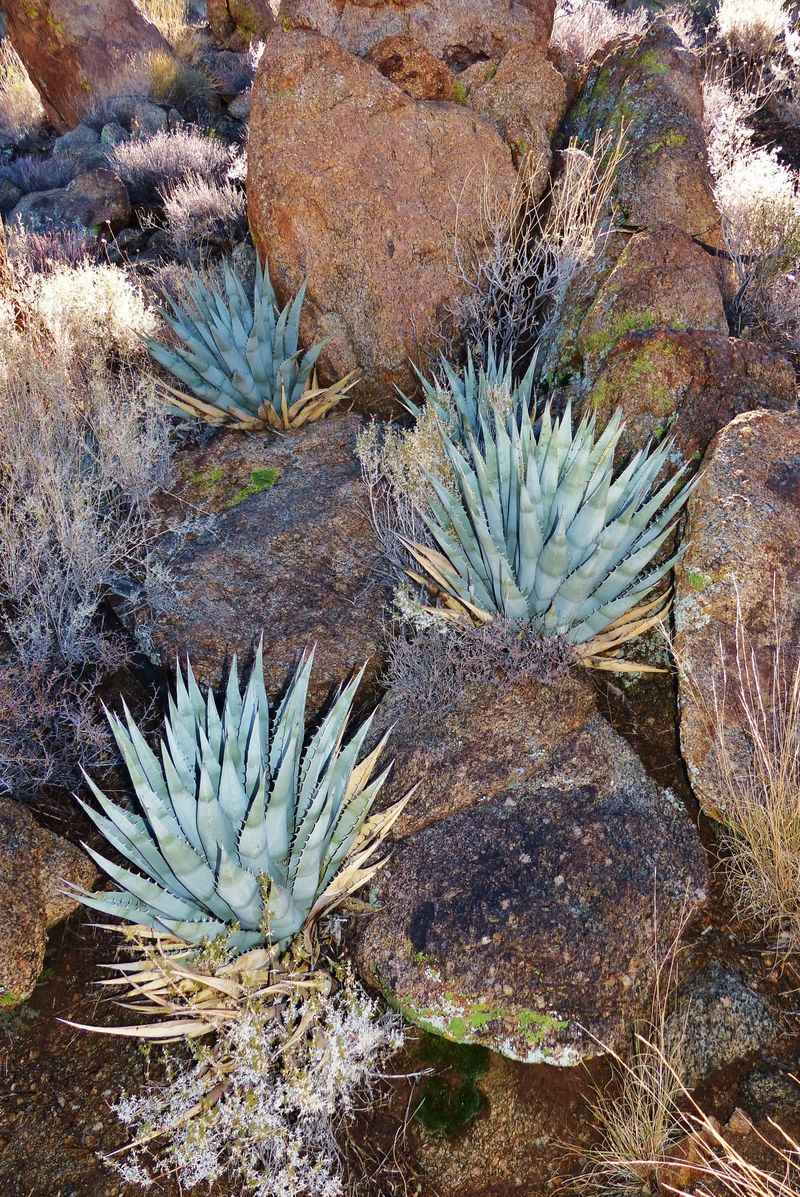
Picture a warm summer night, years from now, when bats swoop silently across your backyard. That scene could start with one desert agave planted this fall.
Agave deserti is a true Sonoran local, built for rocky slopes, blazing sun, and very little rain. Its gray-green leaves form clumps that slowly spread by offsets, filling an empty corner without needing a sprinkler system.
Once established, it may survive on rainfall alone in many Phoenix and Tucson yards.
What sets it apart from other agaves is its role on the bat highway. Its flower stalks open nectar-rich blooms that lesser long-nosed bats and Mexican long-tongued bats use as fuel stops during migration.
Bats that visit your area also snack on night-flying insects, so a bat-friendly yard can mean fewer mosquitoes buzzing around the patio, though results vary.
Plant it in the hottest, sunniest spot you have, in gritty soil that drains in minutes. A few rocks around the base help hold warmth and look natural.
Avoid crowding it next to the house, and skip thick mulch, since dry open ground is less appealing to scorpions than damp, shaded clutter.
3. Coral Aloe
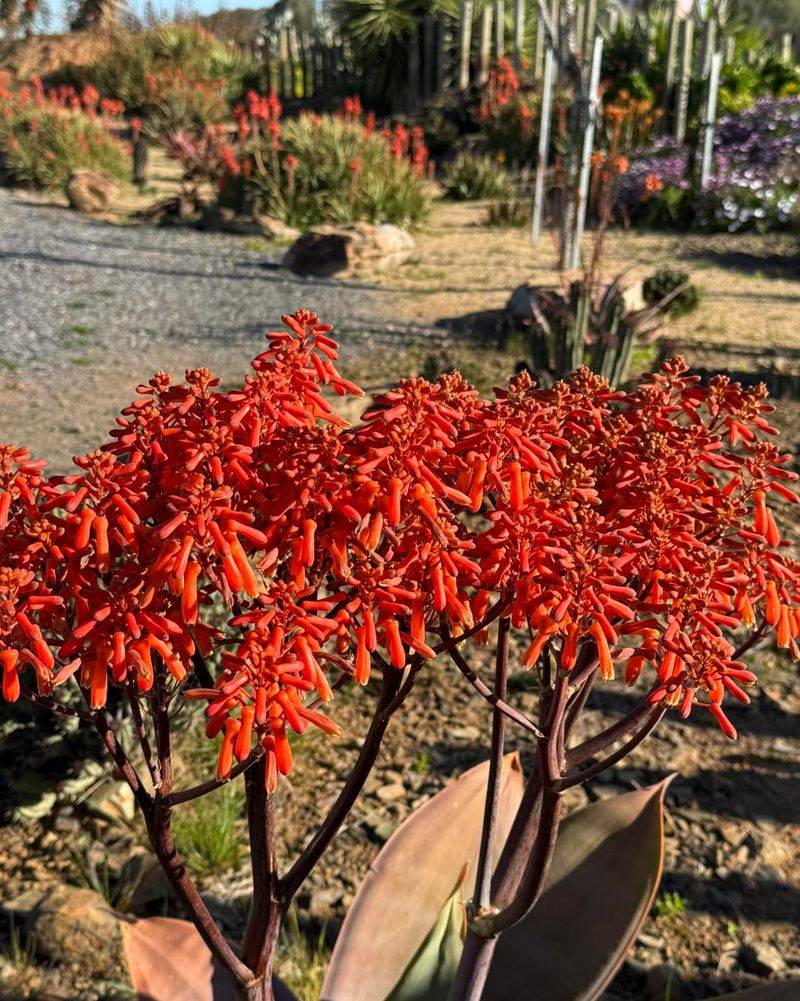
Hummingbirds have a sweet tooth, and coral aloe is basically a candy store with no spines. Its smooth, flat leaves are edged in soft pink, so it is a friendly choice for yards where kids and pets play.
Your Arizona Garden Changes Every Week. Your Plan Should Too.
Gardening in Arizona changes quickly throughout the season. Every Friday you’ll receive a simple weekly plan showing exactly what to plant, prune, fertilize, harvest, and protect so you never miss the right timing.
Originally from southern Africa, Aloe striata has adapted beautifully to Arizona. It enjoys morning sun with a bit of afternoon shade, and it handles summer heat well once its roots are set.
Planting during the week before Halloween gives it roughly two months of root growth before the coldest nights arrive.
Here is the bonus most people miss. Coral aloe often blooms in late winter and early spring, right when resident Anna’s hummingbirds need food the most.
Branched clusters of coral-orange tubes can keep them coming back for weeks, and bees join in on warm afternoons.
Give it soil that drains well and water every couple of weeks through fall. Plant it a few feet away from your foundation and pull fallen leaves from around its base now and then.
Because aloes hold moisture in their leaves, good airflow and dry ground nearby make the area less attractive to scorpions. If a hard frost is forecast, toss a frost cloth over it overnight.
4. Ocotillo
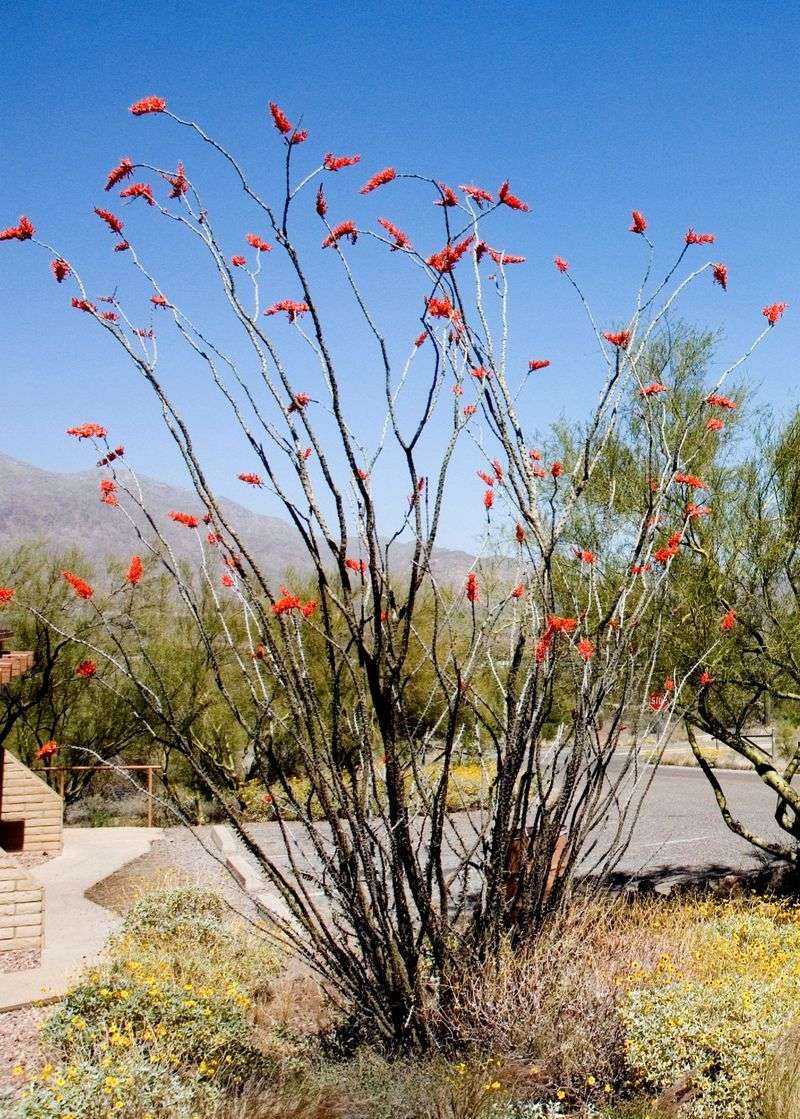
Ocotillo looks like a bundle of dry sticks for much of the year, and new owners sometimes worry they bought a goner. Then a rain arrives, and within days the canes burst into tiny green leaves.
Talk about a comeback.
Native across the Sonoran Desert, Fouquieria splendens loves full sun, rocky ground, and long dry spells. Fall is a great window to plant one because cooler days reduce water loss while roots settle.
Bare-root canes need to be set at the same depth they grew before, then watered lightly every week or two until new leaves appear.
In spring, flame-red flower clusters bloom at the cane tips. Hummingbirds and carpenter bees treat them like a buffet, and migrating hummingbirds often time their trips to match.
Small birds also perch among the thorny canes, using them as a safe lookout from hawks and cats.
The open, airy shape is another perk. Ocotillo does not create dense, shaded tangles near the ground, so it tends to be less inviting to scorpions than thick shrubs.
Many homeowners even plant a row as a living fence along a property line. Just give it space, because those canes can reach 15 feet or more.
5. Engelmann’s Prickly Pear
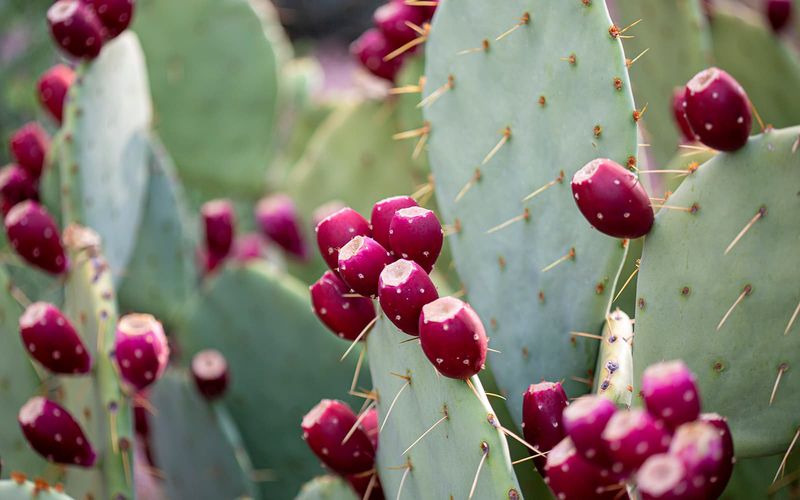
Ask any desert bird where lunch is, and many will point to a prickly pear. Engelmann’s prickly pear produces juicy purple fruit in late summer that cactus wrens, thrashers, quail, and even javelinas happily snack on.
This native Opuntia is about as tough as succulents get. It shrugs off 115-degree afternoons, grows in rocky or sandy soil, and needs little water once rooted.
Fall planting is easy, too. Simply let a cut pad dry for a week, then press it upright into the soil, burying about one-third of it.
Spring brings the show. Large yellow blooms open in April and May, drawing native bees that dig into the pollen.
Birds often nest inside the spiny clumps, since few predators want to climb through those pads. Your yard gets more life without you lifting much of a finger.
For pest control, plant prickly pear in open, sunny areas and rake away fallen pads or fruit that could gather moisture. A clean, dry base is less appealing to scorpions and roof rats.
Keep it away from paths where people brush past, because the tiny hairlike glochids are sneaky and stick to everything.
6. Red Yucca
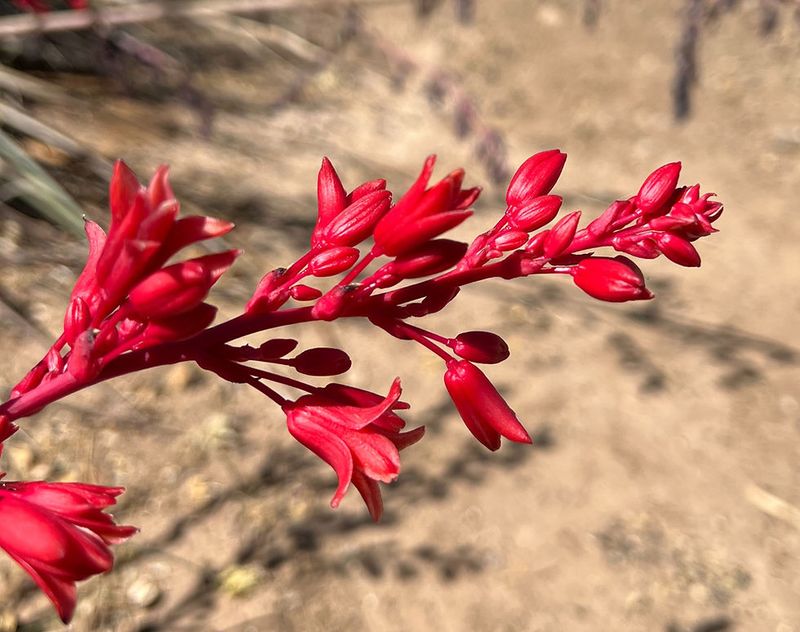
If you want flowers almost all year without a fight, red yucca is the low-desert workhorse. Landscapers across Mesa and Chandler plant it along driveways for good reason.
Despite the name, Hesperaloe parviflora is not a true yucca, and its leaves have no sharp tips. The grassy, arching clumps feel soft around the edges, making it a safe pick near sidewalks and pool decks.
It handles reflected heat from block walls and also tolerates winter chill, so planting before Halloween carries little risk.
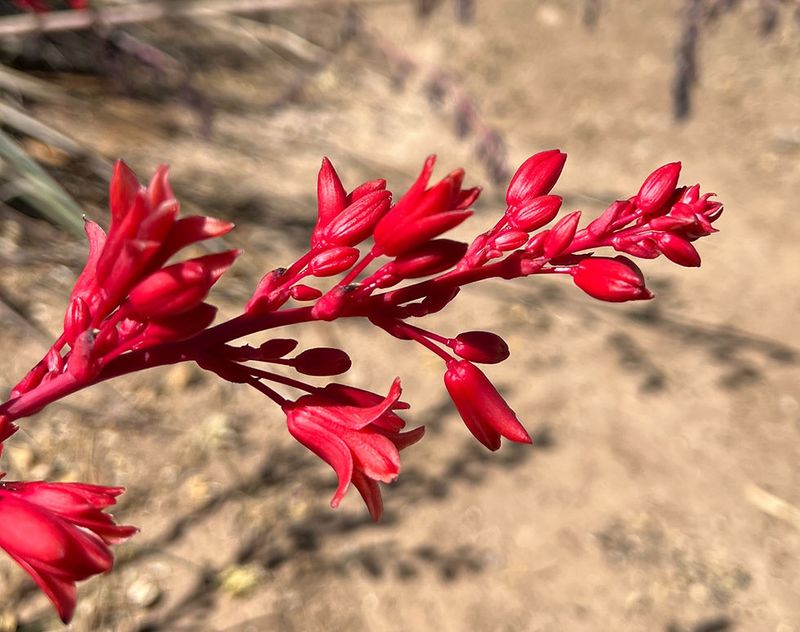
From spring well into fall, tall stalks carry coral-pink bells. Hummingbirds work them over daily, and bees and butterflies stop by as well.
Later, seed pods may draw finches and other small birds, giving you wildlife traffic for months.
Care is refreshingly simple. Water every week or two after planting, then taper to an occasional deep soak once established.
Snip old flower stalks in late winter for a tidy look. Its fountain shape leaves space underneath for airflow, so it tends to be less attractive as a scorpion hideout than dense, damp groundcovers.
Keep fallen debris cleared from the center, and plant it a couple of feet from your walls.
7. Fishhook Barrel Cactus
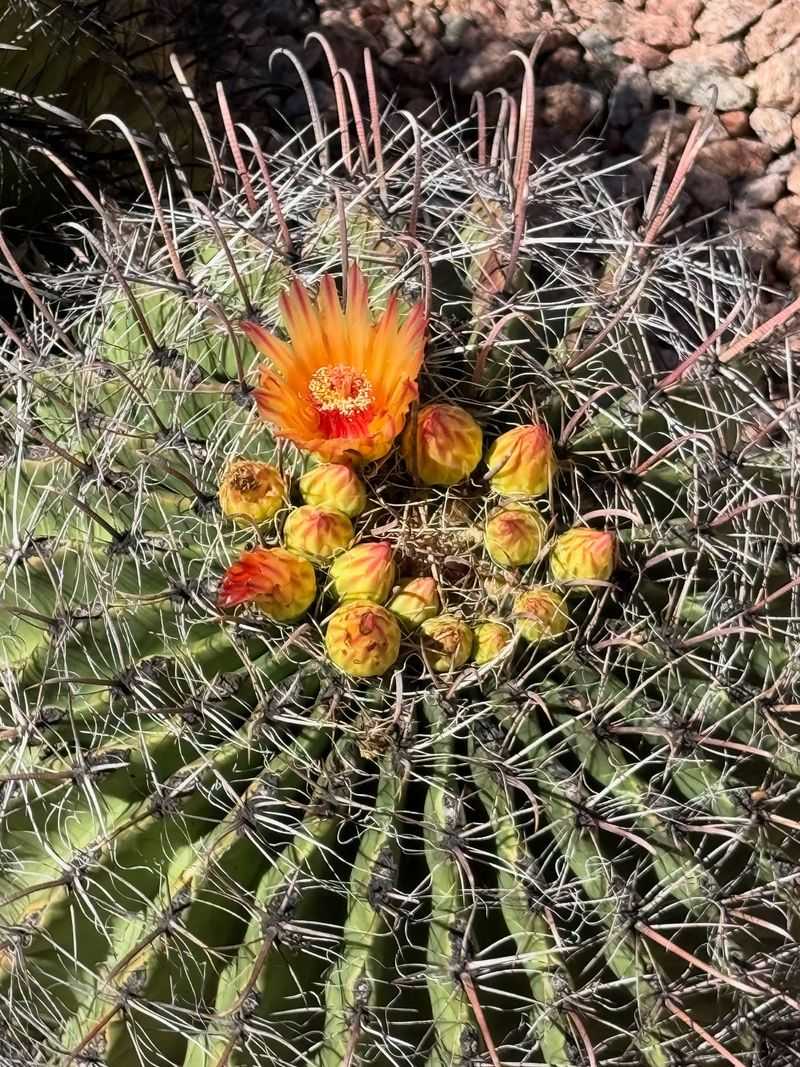
Here is a plant that might outlive your grandkids. Fishhook barrel cactus can live for more than a century, growing slowly into a thick, ribbed column wrapped in curved red spines.
Ferocactus wislizeni is native right here in southern Arizona. It loves full sun and gritty soil, and it needs very little water once rooted.
Planting it in late October lets its shallow roots spread before winter, while the cooler sun lowers the chance of scorching a freshly moved cactus.
A quick tip from desert old-timers: mark the south side of the cactus before moving it, then face it the same direction in your yard. That side is used to intense sun, so keeping the orientation helps prevent sunburn.
Late summer brings a crown of orange or yellow flowers that native bees love. Yellow fruits follow and can stay on the plant for months, offering food to birds, ground squirrels, and deer.
Because barrel cacti are compact and sit in open, dry ground, they create few shady hiding spots, so they are generally less inviting to scorpions. Surround them with gravel, not bark mulch, and water just once or twice a month in fall.
8. Golden Barrel Cactus
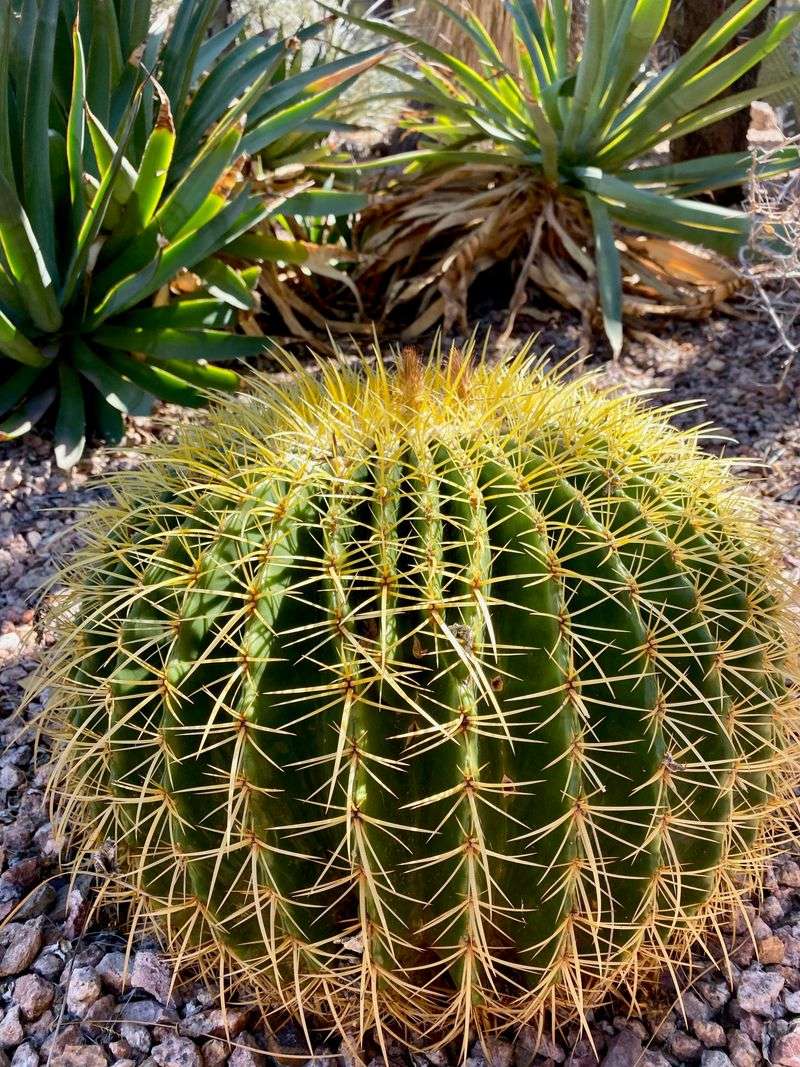
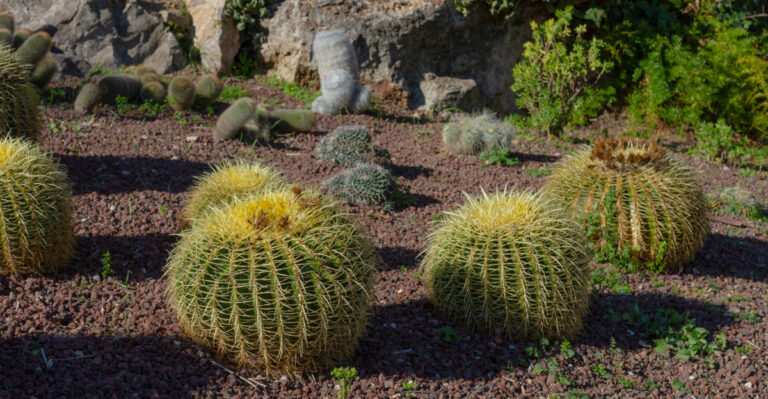
Low sunlight in late October makes golden barrel cactus glow like a lantern. Few plants look this cheerful with so little effort.
Echinocactus grusonii comes from central Mexico, but it thrives in Phoenix and Tucson gardens. Its round shape and bright yellow spines make it a favorite for modern landscapes and entryways.
It does best with a little afternoon shade during the summer, so an east-facing spot is ideal. Fall planting gives it time to root before that heat returns.
Grouping three or five together creates a bold look, and spacing them a foot or two apart keeps air moving around each one. That open spacing helps the ground stay dry, which is less appealing to scorpions than tight, crowded plantings.
Surround the cacti with decomposed granite to bounce water away from their bases.
Mature plants grow a fuzzy crown and open small yellow flowers in spring, offering a quick snack for native bees. Watering is minimal, roughly every two to four weeks in fall and less in winter.
One caution: if a hard freeze is in the forecast, drape a frost cloth over smaller plants, since young golden barrels are more tender than the native fishhook type.
9. Desert Spoon
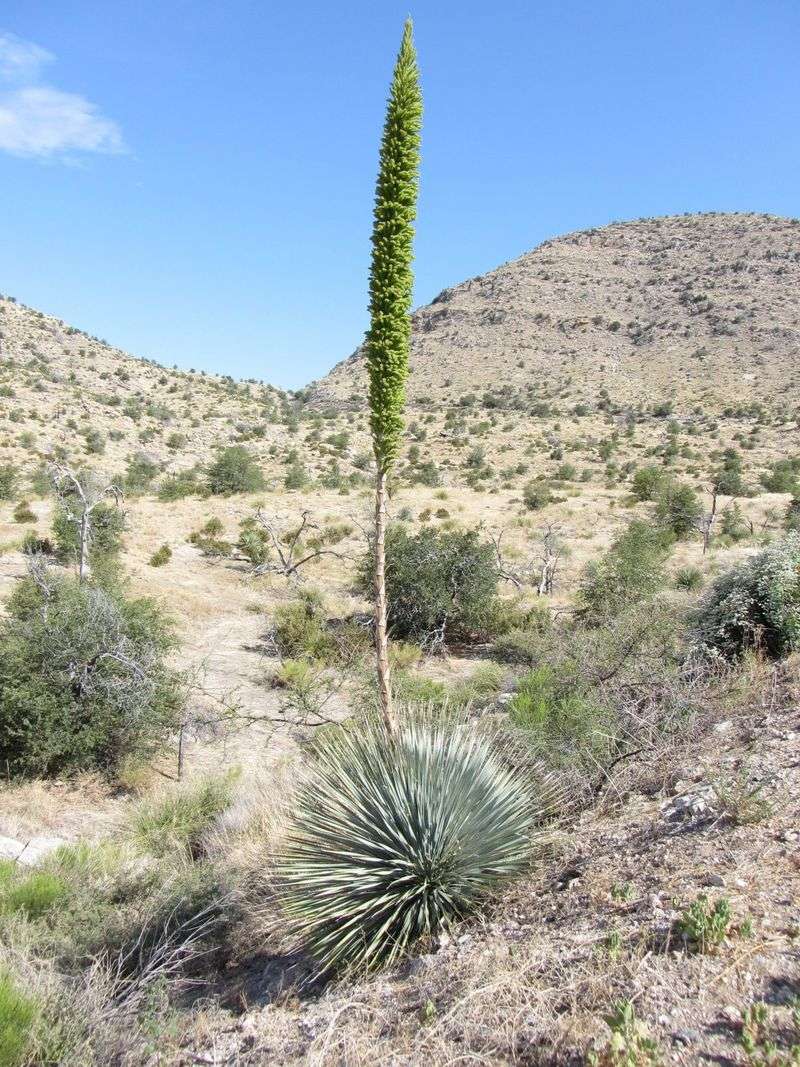
Turn over a dried desert spoon leaf, and you will see why it got its name. The wide base of each leaf is shaped like a smooth spoon, and people once used them for crafts and decorations.
Dasylirion wheeleri is native to Arizona’s desert grasslands and foothills, so it handles both summer heat and winter cold like a champ. Its blue-green leaves form a big, round pom-pom that can grow four to five feet across.
Planting in the week before Halloween gives roots a head start, and only light watering is needed every couple of weeks.
Every few years, a mature plant sends up a tall flower spike. Bees and other pollinators crowd onto the tiny blooms, and the seeds later feed birds.
Unlike agaves, desert spoon does not stop growing after flowering, so you can enjoy the show again and again.
Those leaves have small saw-like teeth on the edges, so keep it away from walkways. Plant it in an open area with good drainage and rake out dead leaves trapped near the base.
A clear, sunny spot keeps the area dry and less inviting to scorpions and other critters looking for a cozy hideout.
10. Santa Rita Prickly Pear
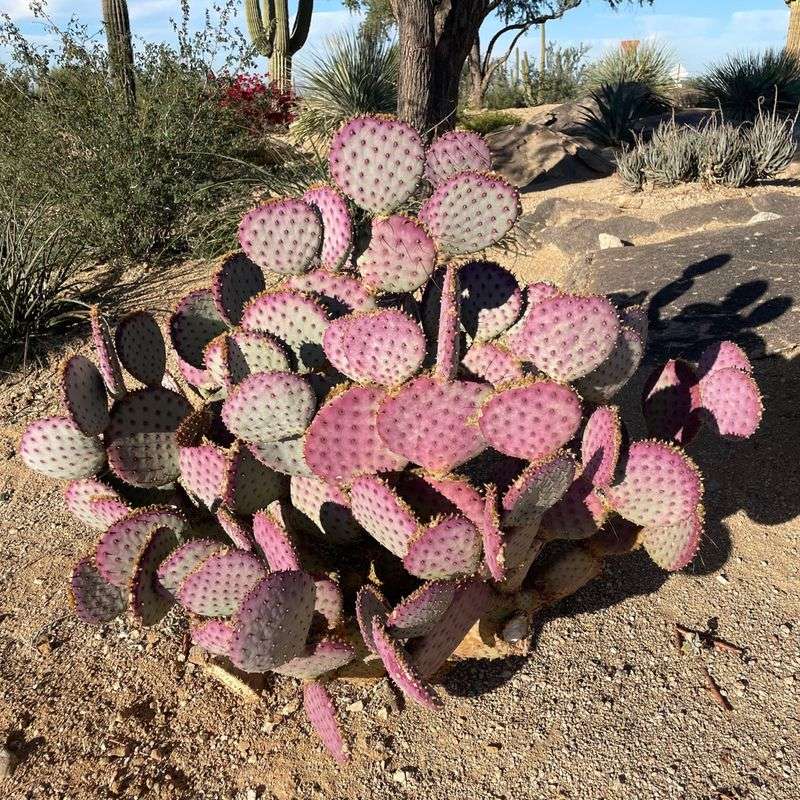
Cold weather brings out a surprise in this cactus. As nights cool down, the pads of Santa Rita prickly pear turn shades of violet and plum, adding color when most gardens look tired.
Opuntia santa-rita is native to southeastern Arizona and handles both heat and chilly winters with ease. It grows into a rounded shrub about four to five feet tall.
Like other prickly pears, it roots easily from pads, making fall a cheap and simple time to add one to your yard.
In spring, bright yellow blooms pop open against the purple pads, drawing native bees and other pollinators. Purple fruit follows and gives birds and small mammals a juicy snack later in the season.
The thick pads also serve as cover for quail, so you may spot a family scurrying past.
For the best purple color, give it full sun and do not overwater, since stress actually deepens the hue. Plant it in an open spot away from the house, and clear away fallen pads that might trap moisture.
Keeping the base tidy makes the area less appealing to scorpions. With these ten succulents in the ground this fall, your yard can save water and support wildlife for years.