That Southern Toad In Your Georgia Yard May Be Helping More Than You Think
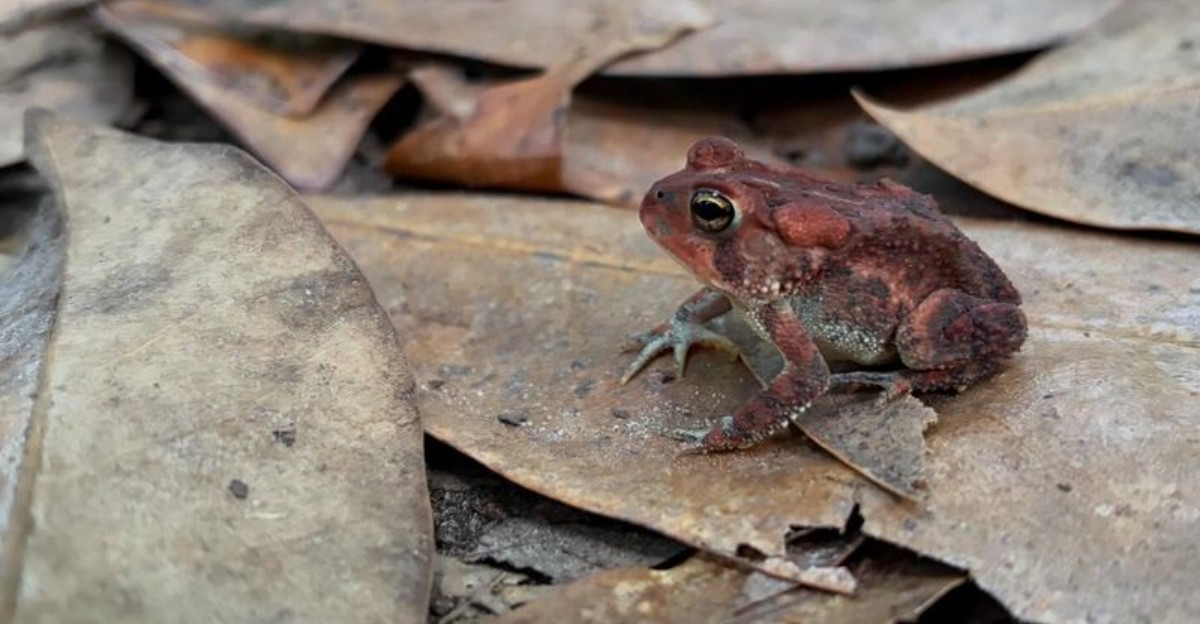
Southern toads tend to show up on the patio after dark, sitting still near the porch light. Plenty of homeowners shoo them away without a second thought.
Those lumpy brown visitors are common across much of Georgia, and they do more work than their slow, clumsy movements suggest.
One toad can eat a surprising number of insects in a single night, especially around lights that draw bugs in.
Many of those insects chew on your plants or bother you outside. Toads also go after slugs and other pests that hide in damp mulch.
Their help makes them worth protecting, even if they are not the most attractive guests in the yard.
Pay attention to where they hide during the day, since a few small changes can keep them coming back.
1. A Nightly Pest Patrol Works Quietly Around The Yard
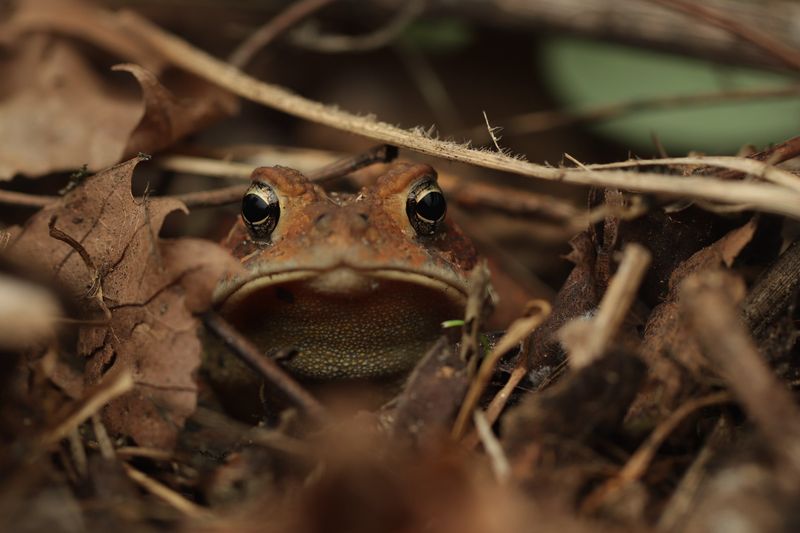
Sundown is when the real shift starts in your garden. While you settle in for the evening, a Southern toad wakes up and goes looking for supper.
Toads in this region are mostly active at night, especially on warm, humid evenings after a rain.
You may notice one parked near a porch light on a summer night in Georgia. Bright lights draw moths and beetles, and a patient toad simply waits for a meal to land close by.
Its hunting style is sit and wait, rather than chasing prey across the lawn.
When an insect moves within reach, the toad flicks out a sticky tongue and pulls it in fast. You might miss it if you blink, which is part of what makes watching one so entertaining.
Over a season, one toad can eat a good number of insects, though the exact amount depends on weather, prey, and the toad’s size.
No single toad will clear your yard of pests, so it helps to keep expectations realistic. Think of it as one helpful worker among birds, spiders, and other natural predators.
If you want to see this patrol in action, take a flashlight outside about an hour after dark.
Walk slowly along garden edges and check near walkways. Keeping a few low shrubs or ground cover nearby gives toads cover while they hunt.
2. Raised Ridges Behind The Eyes Help Identify A Southern Toad
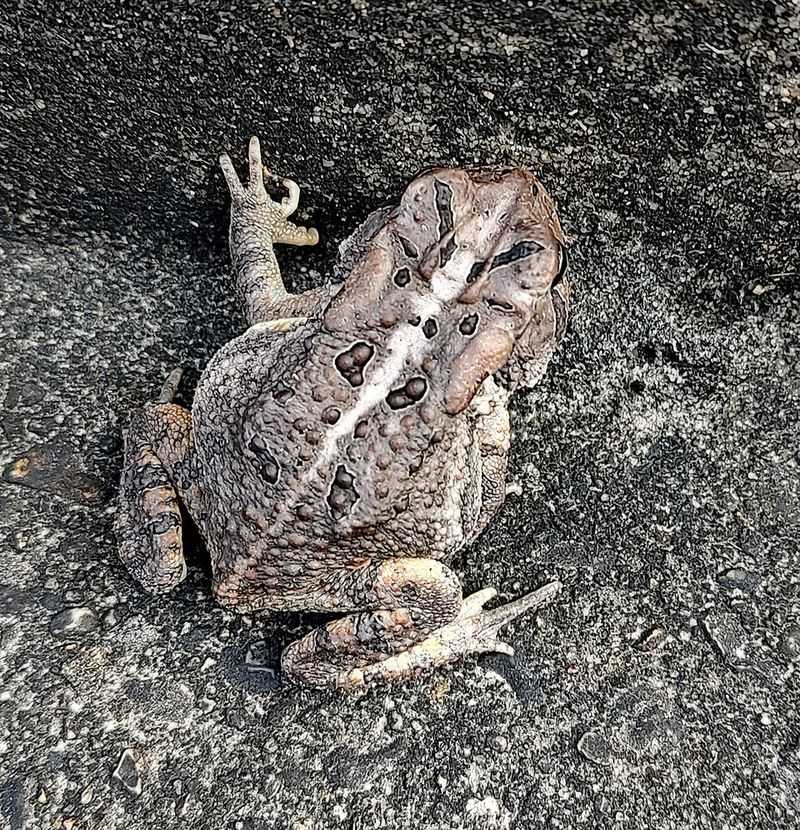
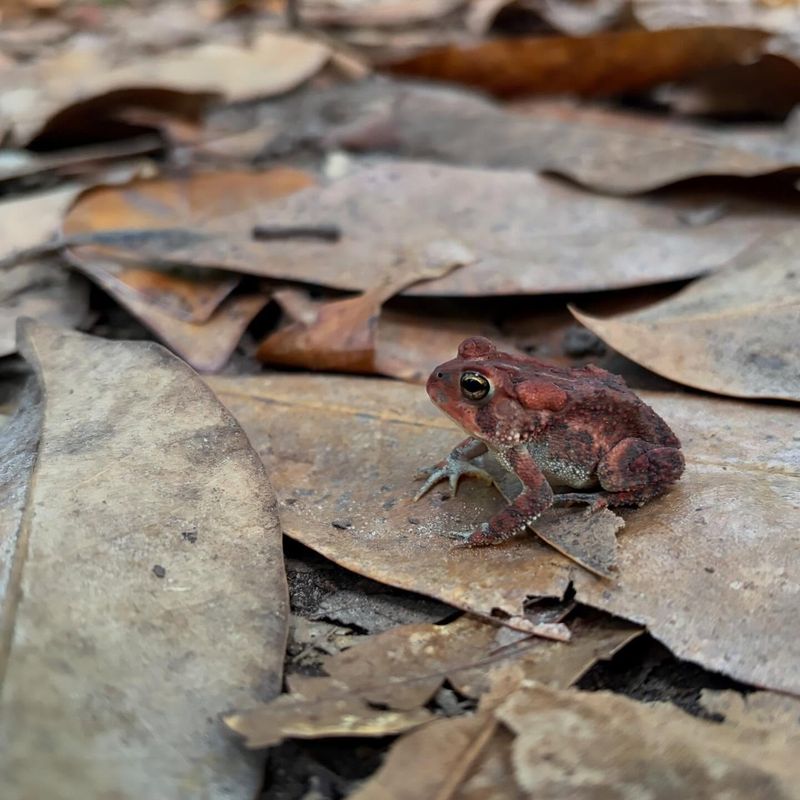
Look closely at the top of its head. Two raised ridges run between and behind the eyes, and each one ends in a small knob.
Those bony crests are among the easiest clues for spotting a Southern toad.
Fowler’s toads also live in parts of the Southeast, and the two can look alike at first glance. Southern toads usually have taller ridges with noticeable knobs at the back ends.
Color is less helpful, since it can range from brick red to gray, brown, or nearly black.
Some individuals have a pale stripe down the back, while others have spots or blotches. A toad’s color can even seem to shift a bit with temperature and mood, so rely on head shape instead.
Your Georgia Garden Changes Every Week. Your Plan Should Too.
Gardening in Georgia changes quickly throughout the season. Every Friday you’ll receive a simple weekly plan showing exactly what to plant, prune, fertilize, harvest, and protect so you never miss the right timing.
Behind each eye sits a large, oval gland called a parotoid gland.
Across much of Georgia, the Southern toad is a common yard toad, especially in the southern and coastal areas. Fowler’s toads show up in other parts of the state, so checking the crests helps sort them out.
Try snapping a clear photo from slightly above rather than picking the toad up.
A free app like iNaturalist can help confirm what you found. Your sighting may even add useful data for local wildlife groups.
3. Beetles, Ants, And Other Invertebrates Make Up Much Of Its Diet
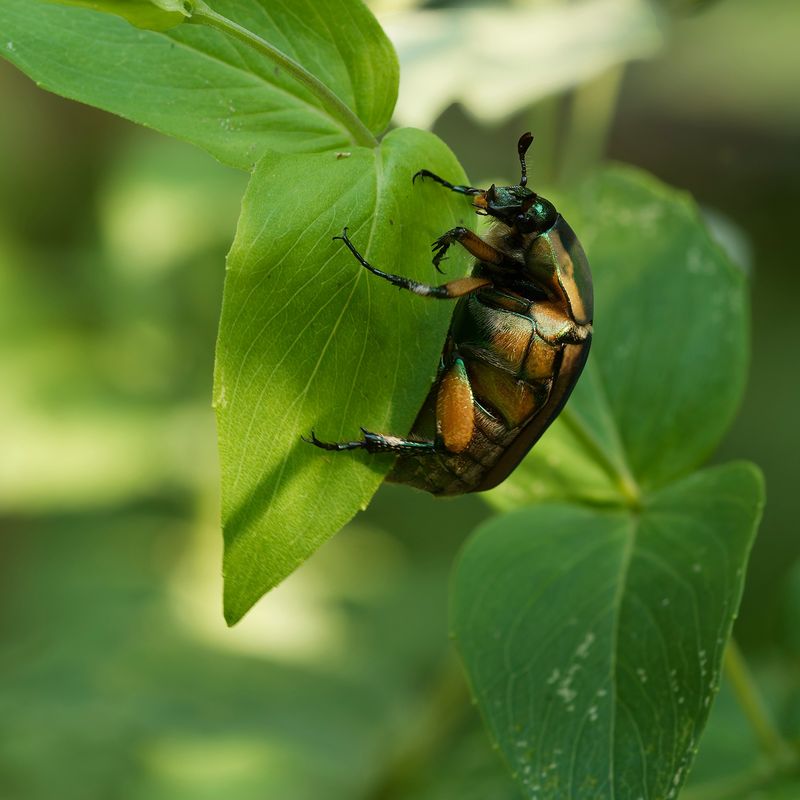
Ants rank high on the menu, and gardeners rarely complain about that.
Southern toads eat a wide mix of small creatures that crawl or fly close to the ground. Beetles, ants, crickets, and spiders show up often in their diet.
Picky eaters they are not.
A toad will grab almost anything that moves and fits in its mouth. That includes slugs, earthworms, moth larvae, and other soft-bodied invertebrates found in garden soil.
Some of those meals are garden pests, like cutworms and certain beetles that chew on vegetable seedlings.
Others are harmless or even helpful, so a toad’s diet is a mixed bag. It eats what it finds, not just the bugs you dislike, which is worth keeping in mind.
In a Georgia vegetable patch, that steady snacking can still take a bite out of insect numbers over the warm months.
Results vary with how many toads live nearby and how much food is available. A yard with healthy soil and plenty of insects tends to support more toads than a bare, sprayed lawn.
You can encourage good hunting by leaving a little mulch or leaf litter in garden beds.
Those spots hold moisture and attract the small critters toads like to eat. A shallow dish of water nearby can help on dry summer nights too.
4. Loose Soil Gives Toads A Place To Shelter During The Day
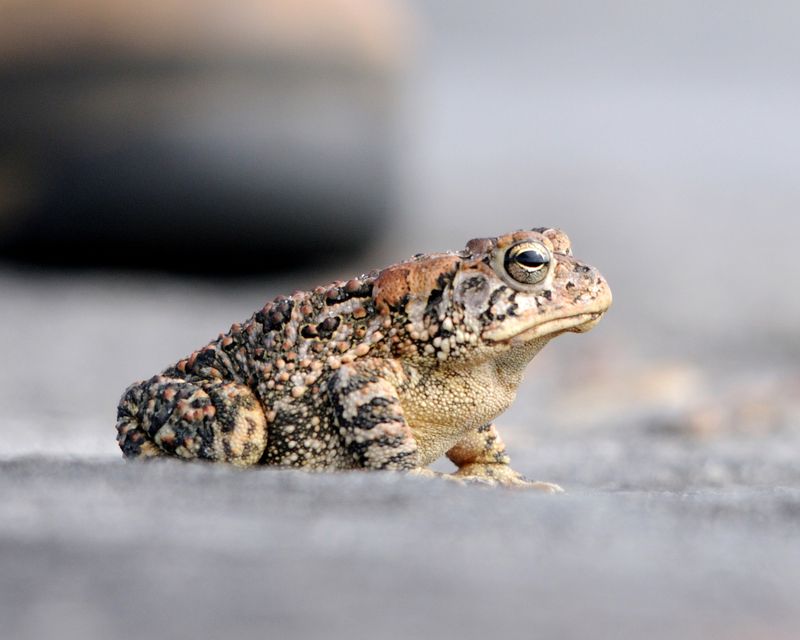
Hot afternoons are rough on a creature with thin, moist skin. Southern toads avoid that heat by digging into loose soil and staying out of sight until evening.
Sandy ground suits them well, which helps explain why they do so well along the coastal plain of Georgia.
Using its back feet, a toad can shuffle backward into soft earth surprisingly fast. Within minutes, only the top of its head may show, or it may vanish entirely.
Compacted clay makes digging harder, so hard-packed yards may offer fewer good hiding spots.
Loose garden beds, mulched areas, and spots under shrubs often attract resting toads. You might accidentally uncover one while weeding, so dig gently in late spring and summer.
Toad houses are another simple option.
A clay pot turned on its side and partly buried in a shady corner works fine. Add a little loose soil inside, and keep it away from spots where you mow or rake often.
Leaf piles and flat boards set on the ground can also give daytime cover.
During cold snaps, toads tend to burrow deeper and stay inactive, so winter sightings are less common. Leaving a few undisturbed corners helps them make it through cooler months safely.
5. Bumpy Skin Comes With A Natural Chemical Defense
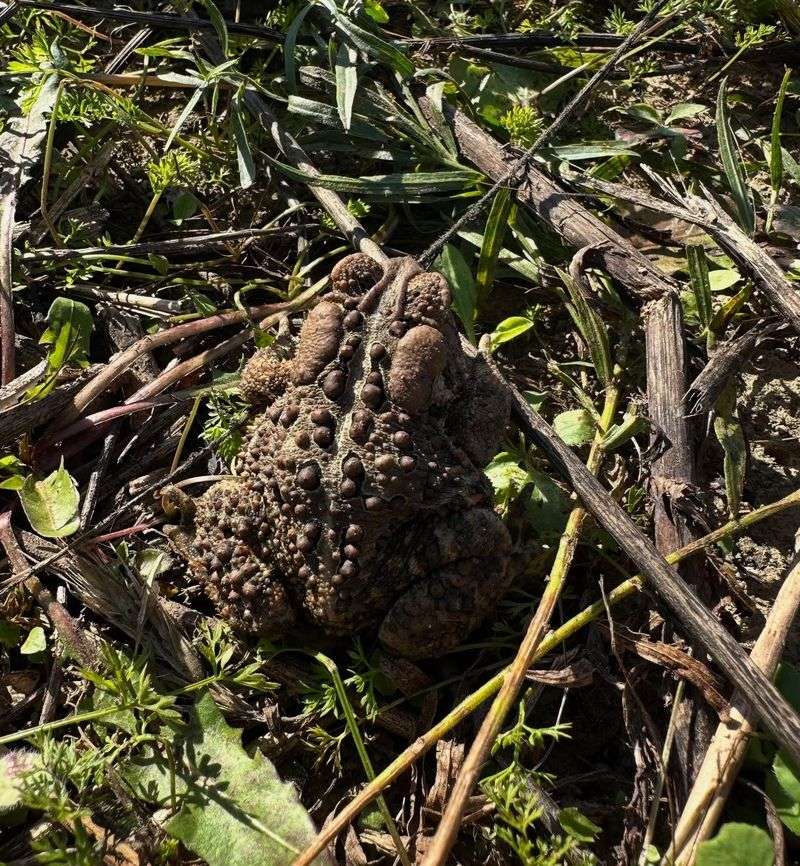
Those warts will not give you warts. That old story is a myth, though the bumps on a toad’s skin do serve a real purpose.
Glands in the skin, especially the large parotoid glands behind the eyes, can release a milky substance when the toad feels threatened.
That secretion tastes bad and can irritate the mouth of an animal that bites down. Some predators learn to leave toads alone after one unpleasant experience.
Dog owners should pay attention here.
A dog that mouths a Southern toad may drool, paw at its face, or seem uncomfortable for a while. Symptoms are usually mild with this species, but calling your vet is the smart move if you are worried.
Rinsing a pet’s mouth gently with water from the side, not down the throat, is a common first step vets recommend.
People are generally safe handling toads, as long as they wash their hands afterward. Keep fingers away from your eyes and mouth until you do, and teach kids the same habit.
Plenty of Georgia families let children watch toads up close without any trouble.
A gentle approach works best for everyone involved. Handle a toad briefly with wet hands, then set it back where you found it.
6. Shallow Fish-Free Water Can Provide A Place For Breeding
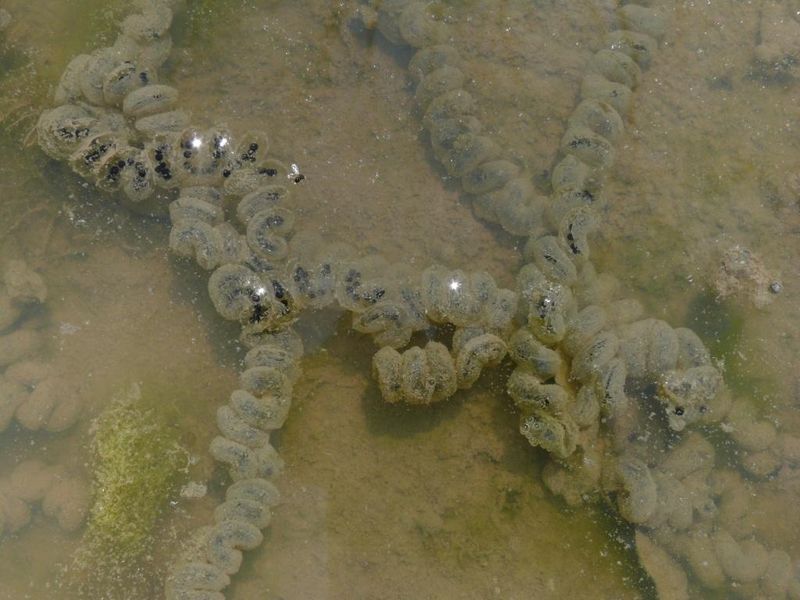
Ever heard a long, buzzing trill on a spring night? That sound is often a male Southern toad calling for a mate from nearby water.
Breeding usually happens from late winter into summer, often after warm rains.
Southern toads prefer shallow water, like rain-filled ditches, temporary pools, and the edges of ponds. Females lay eggs in long strings that wrap around plants or rest along the bottom.
Fish tend to eat eggs and tadpoles, so ponds without fish are usually better nurseries.
Temporary pools that dry out later in the year often hold fewer predators. Tadpoles grow quickly, and in good conditions they can turn into tiny toads within a couple of months.
Timing still depends heavily on water temperature, food, and whether the pool lasts long enough.
Homeowners in Georgia who have a low, soggy spot might consider leaving it alone in spring. A small wildlife pond with gently sloped sides can work too, as long as you skip the goldfish.
Avoid adding chemicals or treatments to that water.
Once the little toadlets leave, they scatter into nearby plants, so a buffer of grass or ground cover helps. They are tiny and easy to step on, so watch your feet near the edges.
7. Limiting Broad Insecticide Use Helps Preserve Toads And Their Food
Spraying the whole yard might feel like a quick fix. Broad insecticides, though, wipe out helpful bugs along with the pests and shrink the food supply toads rely on.
Amphibians absorb water through their skin, which may make them more sensitive to some chemicals.
How much harm a product causes depends on the ingredient, the amount used, and how it is applied. Reading the label carefully is a good start, especially the parts about wildlife and water.
Spot-treating a problem plant often works better than blanket spraying.
Hand-picking hornworms or knocking aphids off with a strong spray of water can handle many small issues. Row covers also protect young plants without adding anything to the soil.
Gardeners around Georgia often find that a few chewed leaves are a fair trade for a busier, healthier yard.
When treatment is needed, choosing targeted products and applying them in calm weather reduces drift. Try to avoid spraying near toad shelters, ponds, or damp areas where toads like to rest.
Lawn chemicals deserve a second look too.
Cutting back on extra fertilizer and pesticides can help both soil life and the insects toads eat. Over time, you may notice more toads, birds, and pollinators sharing your space, though results vary by yard.