More Birds Are Striking Georgia Homes During Fall Migration For This Reason
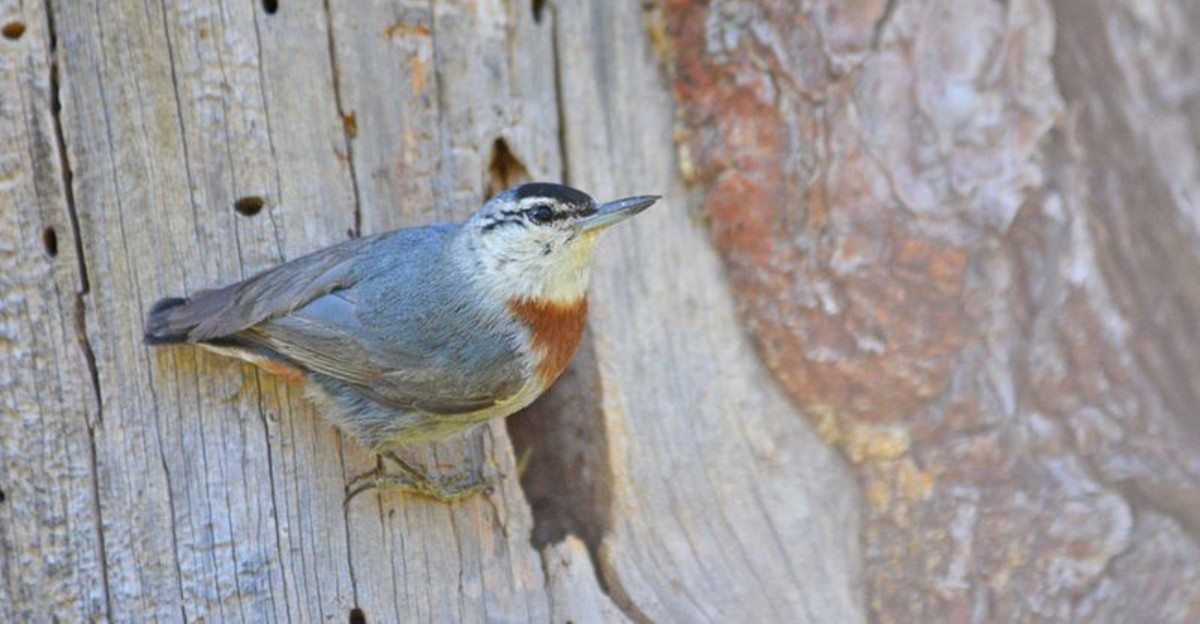
A sudden thump against your window can stop you cold, especially when a bird leaves a few feathers behind.
During fall migration, birds move through Georgia each fall, and many travel after sunset. That movement can make familiar homes difficult to navigate.
Windows often reflect open sky, nearby trees, or shrubs so clearly that birds may see a path ahead.
That is why the same pane can become a trouble spot without anything around your home looking different. Check the view from outside, especially where trees and feeders appear in the glass.
Once you notice those reflections, the pattern behind repeated strikes starts making more sense.
Small changes can make those windows easier for migrating birds to recognize. Your first step is understanding what keeps drawing them toward the glass.
1. That Sudden Thump On The Window Has A Seasonal Pattern
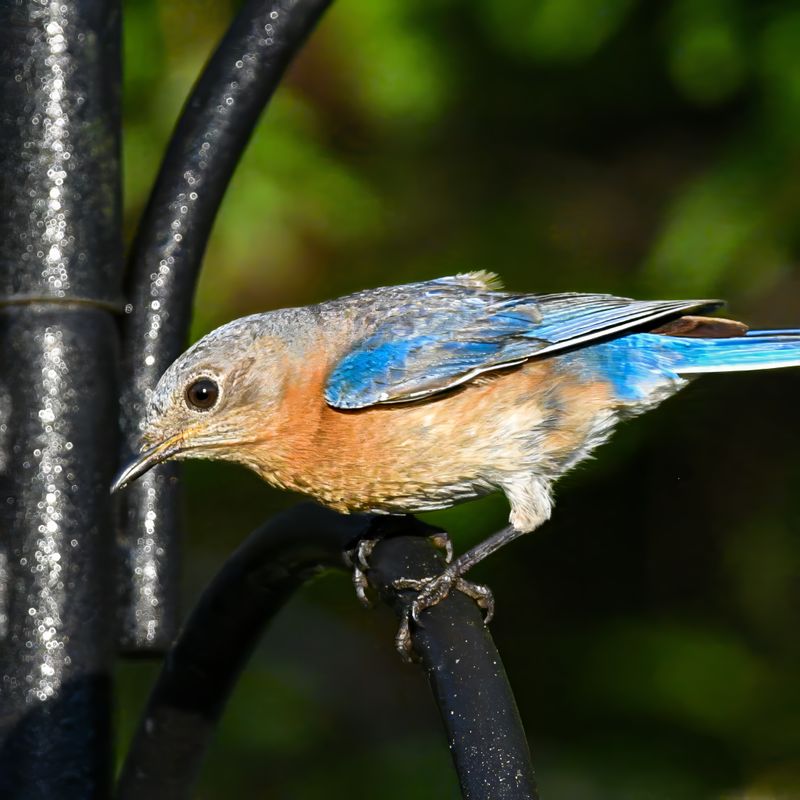
Nobody forgets the first time a bird hits their window. That dull thud makes you jump, and it often happens more in fall than in summer.
Bird strikes tend to cluster during migration, which in Georgia usually peaks from mid-September through October.
Spring brings a second, smaller rise, but autumn often feels busier around homes. Young birds hatched that summer are making their first long trip, and they have little experience with buildings.
You might notice strikes happen at the same window again and again.
Keeping a simple log can help you spot those trouble areas. Write down the date, the time, and which window was hit, even if the bird flew away.
After a few weeks, a pattern often shows up that points to one or two windows causing most of the problems.
If you find a stunned bird, place it gently in a small paper bag or box with air holes. Set it somewhere quiet and shaded, away from pets, and check on it after about an hour.
Some birds recover and fly off on their own, while others may need help from a licensed wildlife rehabilitator.
Avoid giving food or water, since handling and feeding can add stress. A calm, dark space usually gives the bird its best chance to recover before you release it outside.
2. Fall Migration Brings More Night-Traveling Birds Past Homes
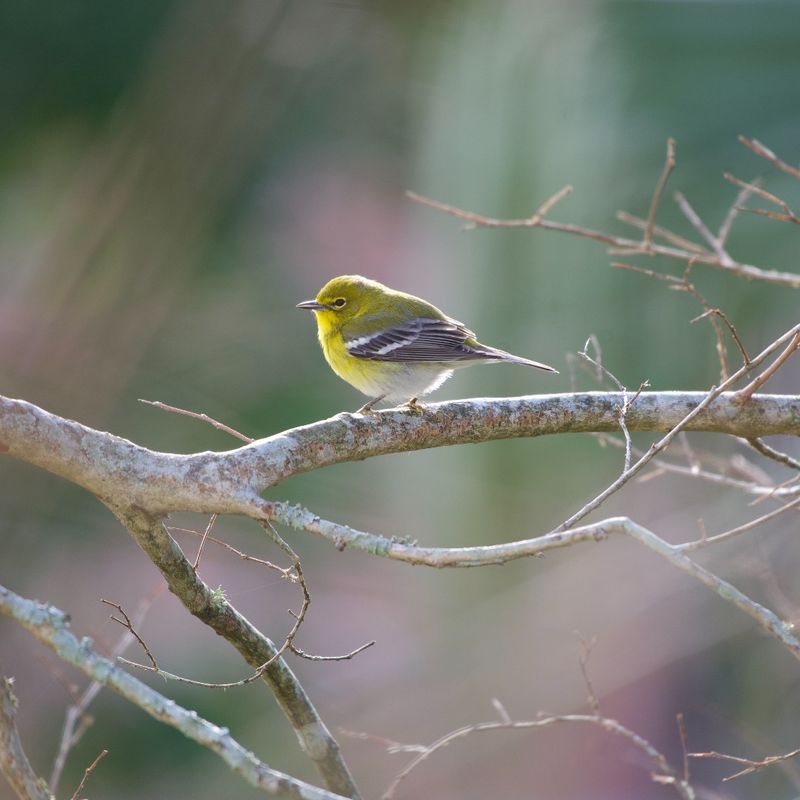
While you sleep, the sky above your roof can be surprisingly crowded. Warblers, thrushes, and sparrows often travel after dark during fall migration.
Flying at night lets many songbirds avoid hawks and use cooler air for their long trips.
They often navigate using stars and other natural cues. When clouds roll in or fog settles low, they may drop closer to the ground and get confused near buildings.
Cold fronts tend to push large waves of birds south across the Southeast in early fall.
Free tools like BirdCast offer migration forecasts that show when heavy flights are expected over Georgia. Checking that forecast on autumn evenings can tell you when extra caution makes sense.
By sunrise, tired birds come down to rest and feed in yards, parks, and wooded edges.
That morning landing is when window strikes often happen. A bird searching for food or shelter may dart toward what looks like open space and hit glass instead.
Your Georgia Garden Changes Every Week. Your Plan Should Too.
Gardening in Georgia changes quickly throughout the season. Every Friday you’ll receive a simple weekly plan showing exactly what to plant, prune, fertilize, harvest, and protect so you never miss the right timing.
Planting native shrubs and leaving some leaf litter gives these travelers a good place to rest. Just try to keep feeding areas positioned thoughtfully, which a later section covers in more detail.
Watching for migrants can also be a fun family activity on crisp fall mornings.
3. Outdoor Lights Can Draw Migrating Birds Closer To Houses
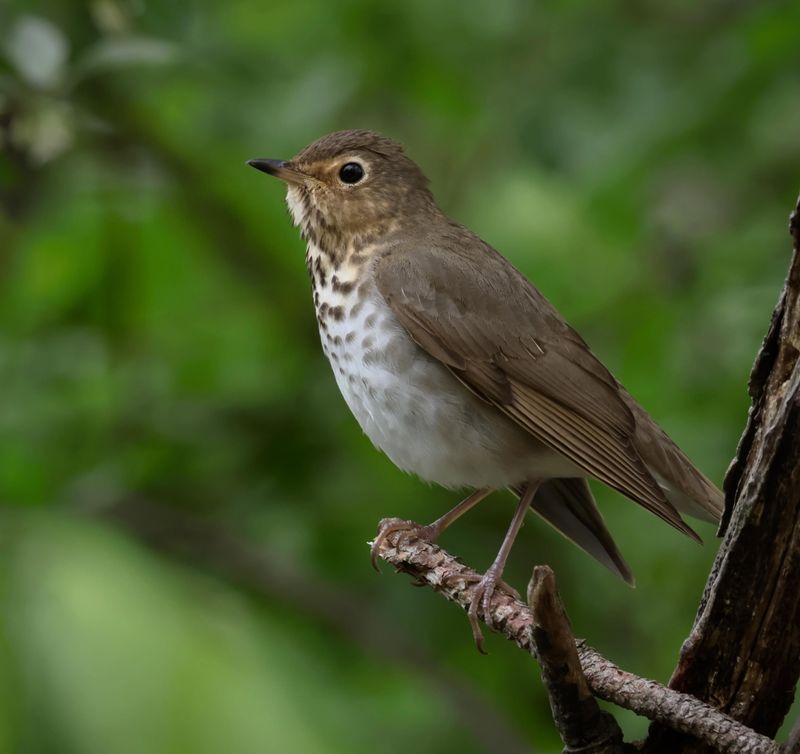
Bright lights pull birds off course. Night migrants can become disoriented by artificial light, especially when skies are cloudy or foggy.
Once a bird drifts toward a glowing house, it may circle, land nearby, and run into trouble the next morning.
Floodlights, uplighting on trees, and lights left on all night can add to the problem. Even a single bright fixture near a window can make that area more confusing for a bird.
Walk around your yard after dark and look at your home the way a bird might.
Notice which lights point upward or shine across open glass. Those spots are usually the first ones worth changing.
Shielded fixtures that aim light downward help keep the glow where people actually need it.
Warm-toned bulbs may be a better choice than bright white or blue lights. Results can vary, but softer lighting is less likely to brighten the night sky around your home.
Across Georgia, cities like Atlanta have joined Lights Out programs during migration seasons.
Homeowners can follow the same idea on a smaller scale without giving up safety. Motion-sensor lights still let you see the driveway while staying dark most of the night.
4. Reflections Of Trees And Sky Make Windows Hard To Recognize
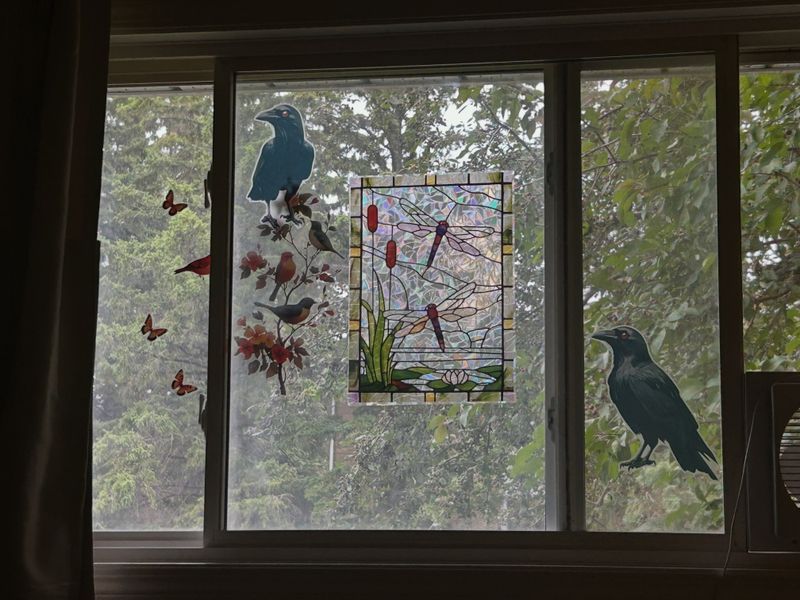
Glass fools birds in a way that is easy to miss. To you, a window is clearly part of the house, but to a bird it can look like more trees and open sky.
Birds generally do not understand glass as a solid surface.
On a bright fall morning, a clean window can mirror the yard almost perfectly. A sparrow chasing a bug may fly straight toward that reflected branch.
Large picture windows and glass doors are often the biggest troublemakers.
Corners where two windows meet can create a see-through effect that looks like a clear flight path. Sunrooms and porches with lots of glass fall into the same group.
Try standing in your yard at different times of day and looking at your windows from bird height.
If you can see a clear image of trees or clouds, a bird may see the same thing. Morning light in Georgia is often strong in fall, so check east-facing glass early in the day.
Exterior screens can soften reflections and add a cushion if a bird does hit. Closing blinds partway may help a little, but outside treatments usually work better since reflections form on the outer surface.
5. Garden Views Through Glass Can Create Another Collision Risk
Houseplants near a window can look like an invitation. A bird sees green leaves on the other side and may try to fly right toward them.
Indoor plants placed close to glass sometimes create the same confusion as a reflection.
Moving plants a few feet back from large windows can help reduce that effect. You still get the light without giving birds a false target.
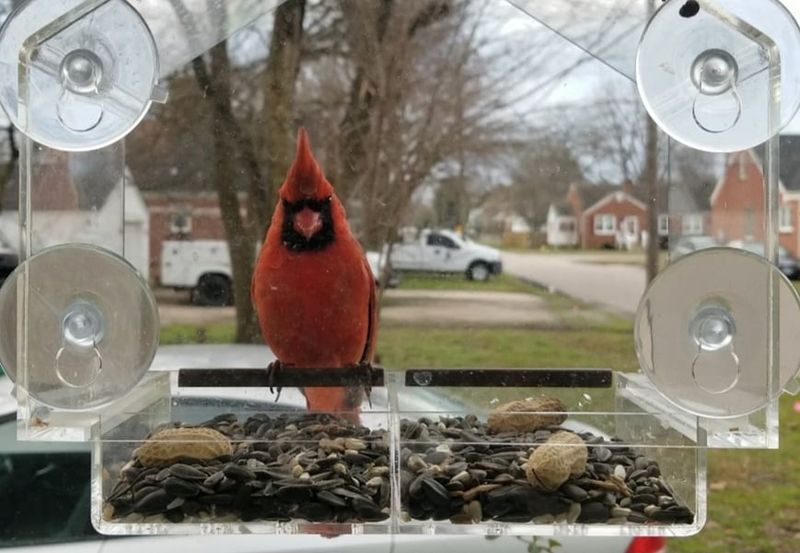
Feeder placement matters too.
Wildlife groups often suggest placing feeders either within about three feet of a window or more than thirty feet away. A close feeder keeps birds from building up speed, while a distant one gives them room to turn.
Feeders set ten to fifteen feet from glass can lead to harder hits when startled birds flee.
Fall gardens in Georgia often bloom with goldenrod, asters, and beautyberry that draw hungry migrants. That is great for birds, but it may also bring more activity close to your windows.
Consider how your favorite plantings line up with doors and big panes.
Small changes, like shifting a birdbath or trimming a shrub that blocks an escape path, can lower risk. Every yard is different, so watch how birds move through your space and adjust over time.
6. Closely Spaced Window Markings Help Birds Recognize The Barrier
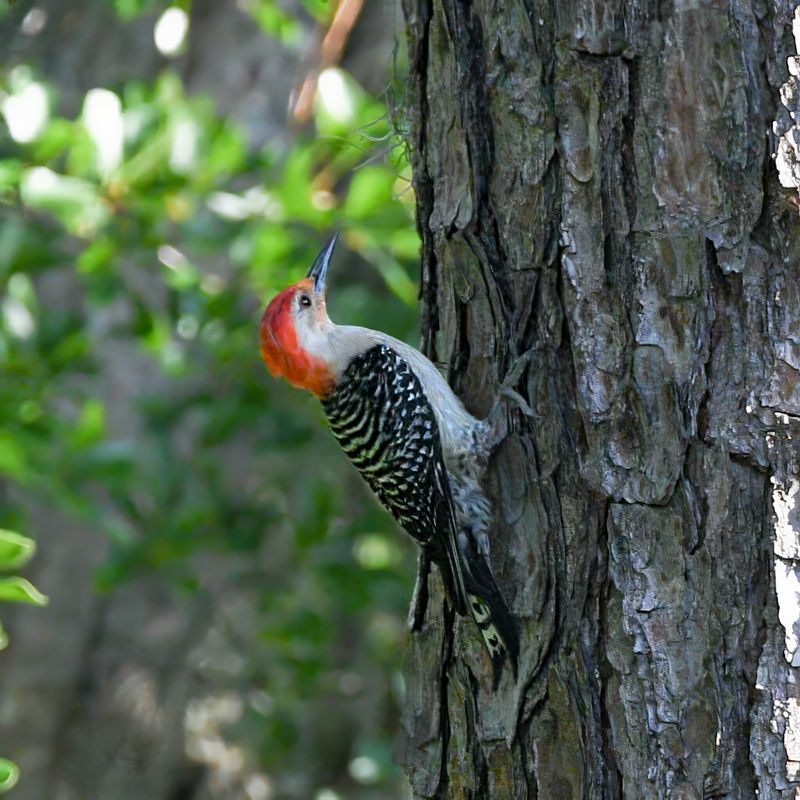
One hawk sticker on a big window usually is not enough. Birds tend to fly around a single decal and still hit the open glass beside it.
Markings work best when they cover the whole outside surface in a tight pattern.
A common guideline is to space dots or lines no more than two inches apart. Small birds tend to avoid gaps they cannot fit through, so close spacing sends a clearer signal.
Store-bought dot tape and decal sheets are made for this purpose and are fairly easy to apply.
Tempera paint or soap patterns can be a budget option for a season. You can draw grids or designs with kids and wipe them off after migration slows down.
Parachute cord hung in vertical strands a few inches apart outside a window is another option many homeowners in Georgia try.
Always place markings on the outside of the glass when possible. Reflections form on the exterior surface, so inside decals may not break up the image well.
Start with the windows from your strike log and add more if problems continue.
Results depend on coverage and spacing, so a partly marked window may still cause some hits. Check the treatment each fall and replace pieces that peel or fade.
7. Dimming Outdoor Lights Makes Homes Safer During Migration
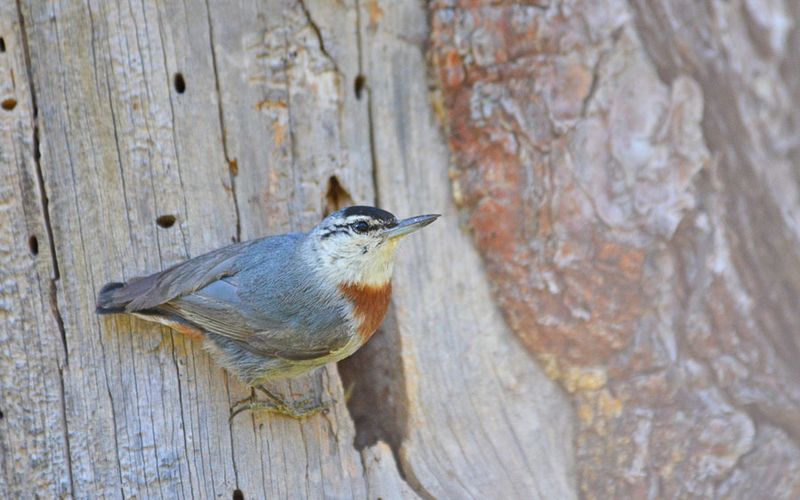
Flip a switch, and you may help a passing warbler. Cutting back on light during peak migration nights is one of the easiest steps you can take.
Turn off decorative lights and landscape uplights after bedtime, especially from September through November.
Inside lights matter too, since they shine through windows and can catch a bird’s attention. Closing curtains in the evening keeps that glow from spilling into the yard.
Smart plugs and timers make this habit simple.
Set them to switch off around eleven at night, which still leaves light for evening activities. If you need security lighting, motion sensors keep the yard dark until someone actually moves through it.
Neighbors can make a bigger difference together than one house alone.
Sharing what you have learned with a homeowners association or a local bird club could spark wider interest. Groups in Georgia, including Atlanta Audubon, share Lights Out tips each migration season.
Dimming lights also saves a little on your power bill and helps you enjoy the stars.
Darker yards will not solve every collision on their own. Pairing lower light with treated windows gives migrating birds a much better chance as they move safely through your neighborhood.