Cooler Weather Brings Georgia Armadillos Out In Daylight And Your Lawn Pays For It
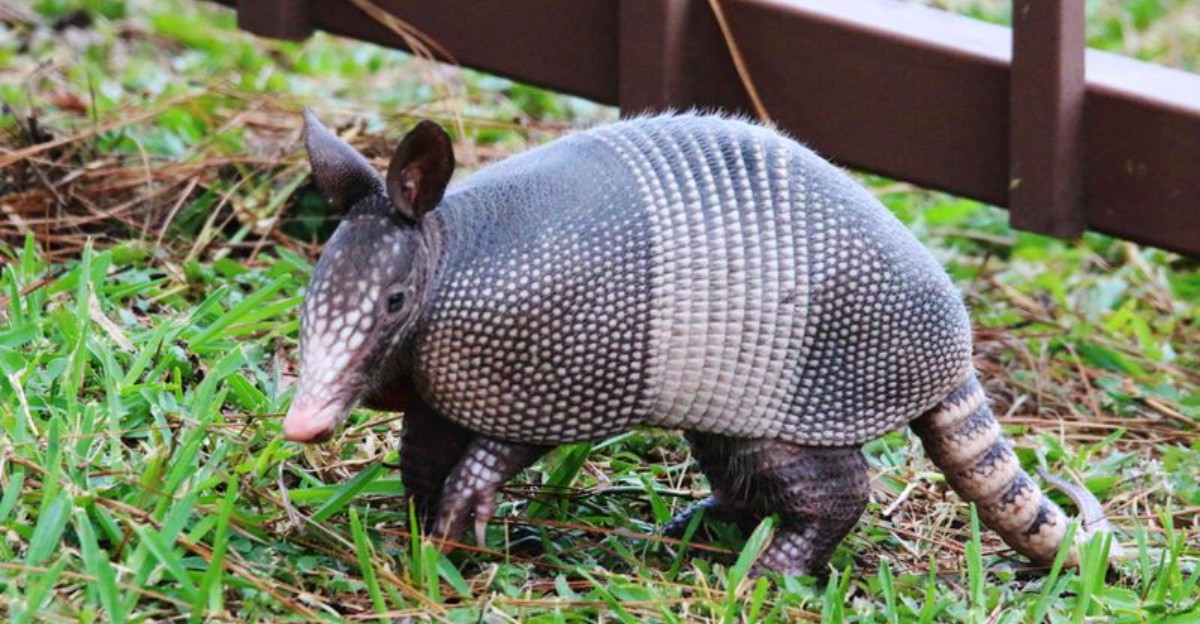
Fresh holes appearing overnight can make a lawn look torn up, and the visitor responsible may be easier to spot now.
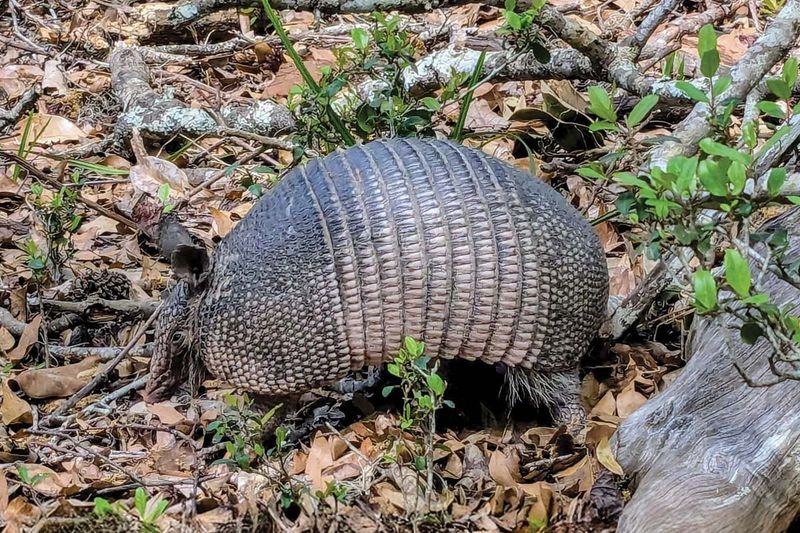
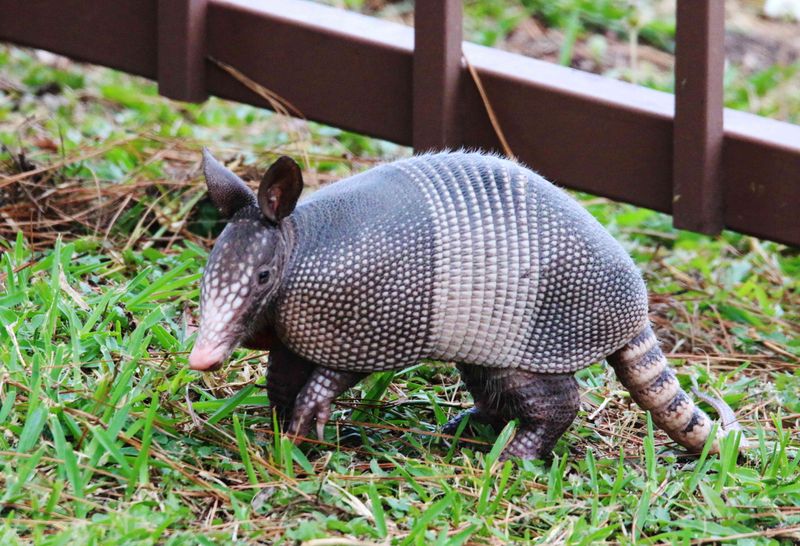
As cooler weather settles into Georgia, armadillos may spend more time foraging during daylight hours. That gives you a better chance of catching one in action.
Their search for insects and soil creatures can leave shallow holes scattered through grass, beds, and soft ground.
Before blaming another yard visitor, look closely at the shape and pattern of the disturbed soil. Armadillo digging often appears as small, cone-shaped holes rather than long tunnels.
Those marks can become noticeable where the ground is easy to dig and food is available.
Knowing what made the holes helps you respond much more sensibly. It also keeps you from treating the wrong lawn problem.
1. Daylight Sightings Become Less Surprising As The Heat Backs Off
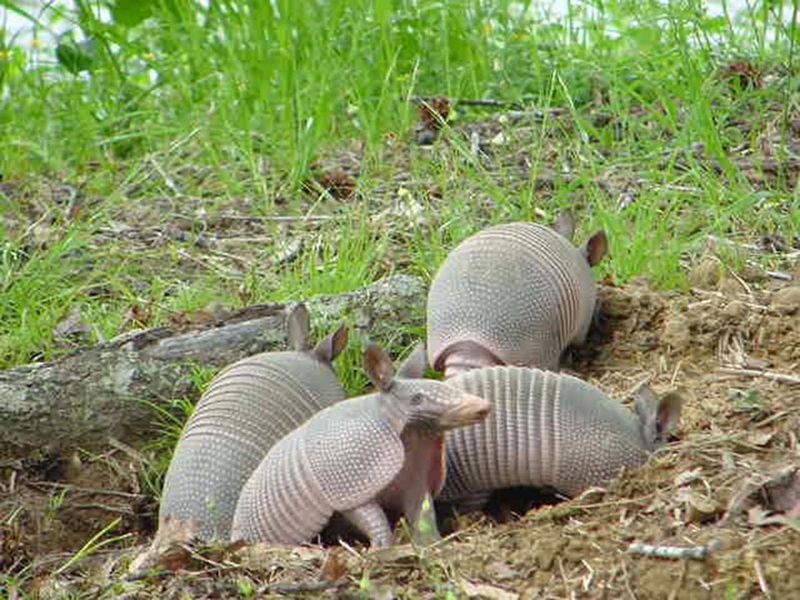
Spotting an armadillo at two in the afternoon can feel strange at first. In summer, they mostly keep to the dark hours and stay out of sight.
Once fall settles over Georgia, plenty of homeowners start seeing them in broad daylight.
Hot weather pushes armadillos to feed at night, when the ground and air are cooler. As temperatures drop, that pattern loosens and their schedule slides toward daytime.
A daytime armadillo is usually just a hungry one, not a sick or confused animal.
Still, it helps to give them space. Armadillos have poor eyesight and can startle easily, sometimes jumping straight up when surprised.
Keep pets inside or on a leash if you notice one nearby, since a curious dog can get scratched by those strong claws.
Watching where the animal goes can be useful too. A path toward a wooded edge, a brush pile, or the space under a shed often points to its burrow.
Knowing that spot gives you a head start when planning fences or other changes around the yard.
Avoid handling armadillos with bare hands. They can carry the bacteria linked to leprosy, though the risk to people is considered low.
Gloves and distance are simple habits that keep any close encounter safe and uneventful for everyone involved.
2. Cooler Conditions Can Shift Foraging Into The Warmer Daytime Hours
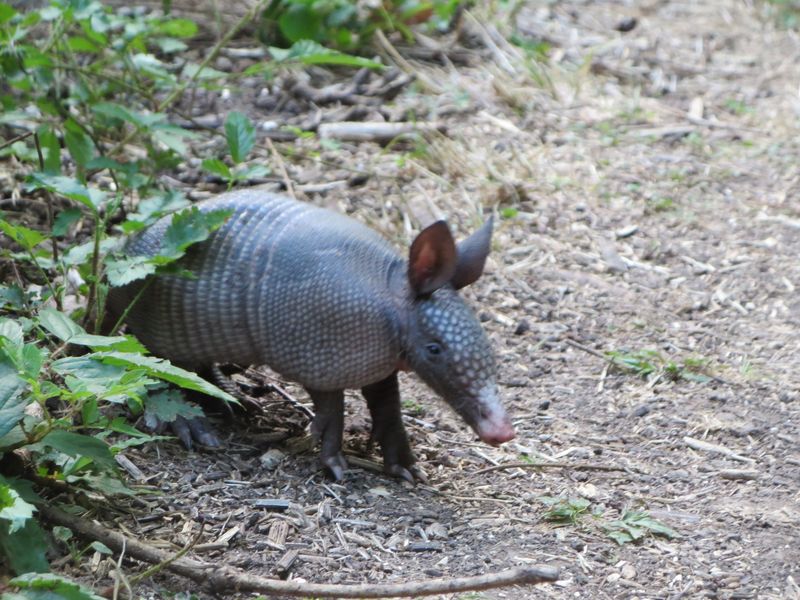
Armor looks tough, but an armadillo is surprisingly bad at staying warm. Its body runs cooler than most mammals, and it carries very little fat for insulation.
That weakness explains a lot about its fall and winter behavior.
Chilly nights can make foraging after dark costly in terms of energy. So armadillos often move their feeding to the warmest part of the day, usually late morning through afternoon.
In north Georgia, where cold snaps hit harder, that shift may show up earlier in the season than it does near the coast.
Long freezes can be rough on armadillos, and some may stay in their burrows during hard cold. When a mild, sunny stretch follows, you might suddenly notice fresh digging again.
Paying attention to the weather forecast can actually help you predict activity.
Warm afternoons after a cool night are prime times to check your yard. If you plan to watch for the animal or set a live trap where local rules allow, those windows tend to be your best bet.
Your Georgia Garden Changes Every Week. Your Plan Should Too.
Gardening in Georgia changes quickly throughout the season. Every Friday you’ll receive a simple weekly plan showing exactly what to plant, prune, fertilize, harvest, and protect so you never miss the right timing.
Results will vary with your area, your yard, and how many armadillos live nearby. Treat these patterns as useful clues rather than a strict timetable you can count on.
3. Shallow Cone-Shaped Holes Reveal Where The Search For Food Began
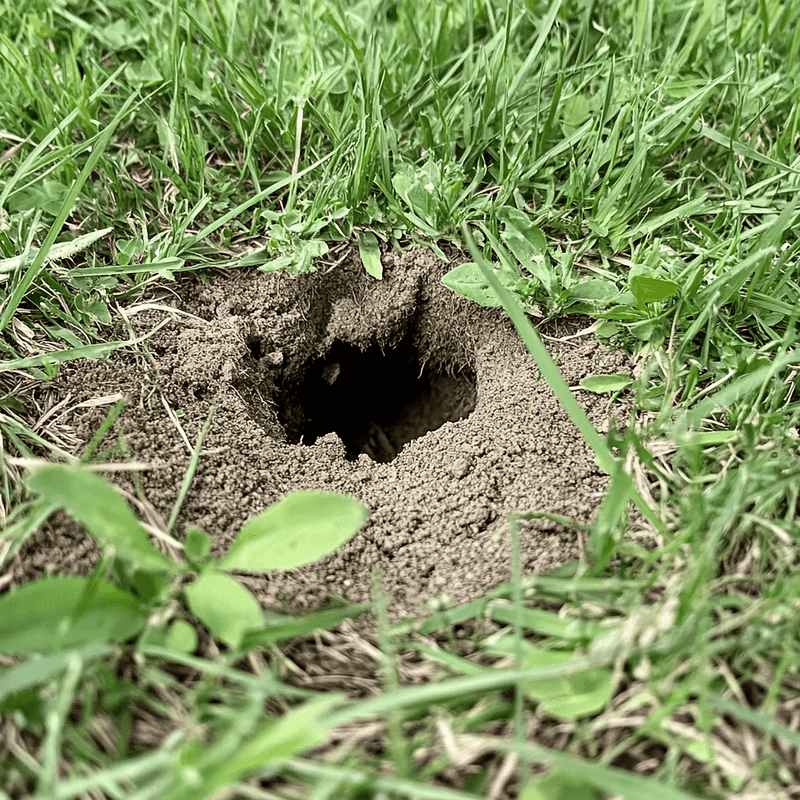
Small holes scattered across the grass are often your first real clue. Armadillo holes usually look like little cones or pockets, about one to three inches wide and a few inches deep.
They appear where the animal pushed its snout into the soil to grab an insect.
Compare that with other common lawn diggers so you do not blame the wrong critter. Skunks also make small pits, though theirs tend to be neater and more scattered.
Raccoons often peel back sod in larger pieces, almost like rolling up a carpet.
Armadillo damage can also include long shallow trenches and uprooted patches. Fresh holes usually have loose, dark soil around the edges, while older ones settle and dry out.
Snap a few photos over several mornings so you can track where new holes show up.
Patterns help. Digging clustered near flower beds, mulch, or shady moist spots tells you where the food is concentrated.
Gardeners around Georgia often find the worst damage along bed edges and near downspouts.
Press small holes back down with your foot and water lightly if the soil is dry. That simple step helps grass roots reconnect and makes it easier to spot new damage the next day.
4. White Grubs Near The Surface Can Draw More Digging Into Lawns
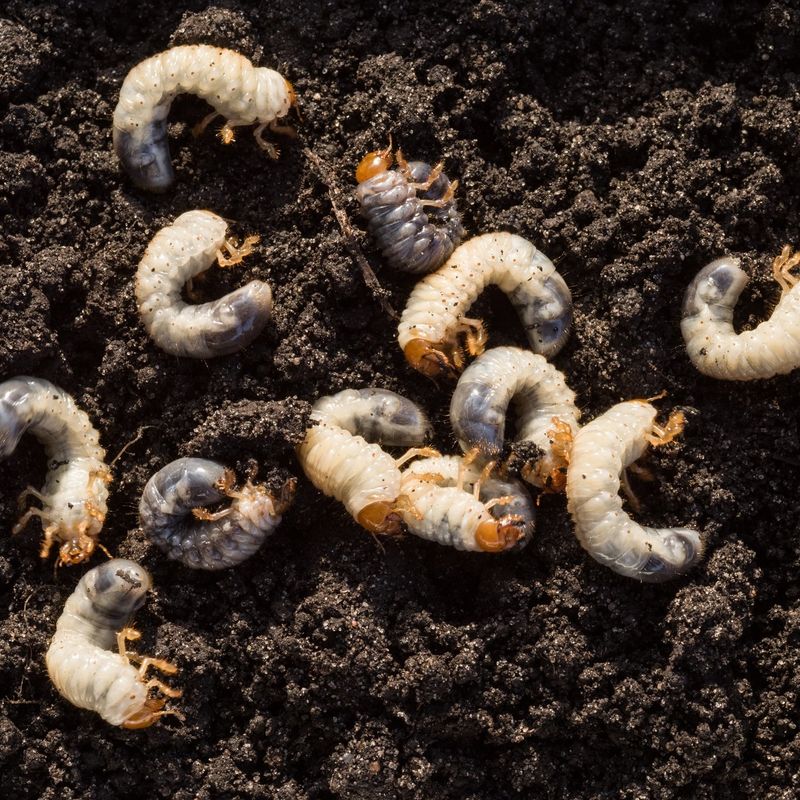
Grubs are basically a buffet hiding in your grass. These C-shaped white larvae come from beetles like Japanese beetles, June beetles, and masked chafers.
Armadillos eat them happily, along with earthworms, ants, and other soil insects.
In late summer and early fall, many grub species feed close to the surface on grass roots. That timing lines up neatly with when armadillos start showing up in daylight.
More grubs near the top of the soil can mean easier meals and more digging.
As soil cools further into winter, grubs often move deeper, which can change where armadillos search. They may shift to moist beds or leaf litter where other insects stay closer to the surface.
Keep in mind that armadillos eat plenty besides grubs. Even a lawn with very few grubs may still get some visits, especially if earthworms are plentiful after rain.
Across Georgia, warm-season grasses like Bermuda, zoysia, and centipede can all host grubs.
Weak, brown patches that do not green up after watering may be a hint. Pairing that sign with fresh holes nearby gives you a stronger reason to check what is happening below the surface.
5. Soft Ground Makes It Easier To Root Through The Turf
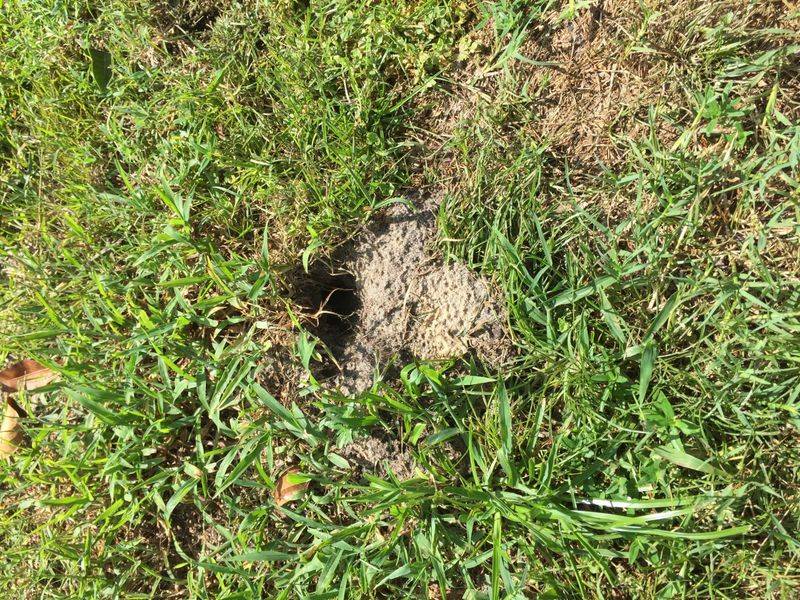
Moist soil is an open invitation. Armadillos dig with strong front claws, but hard, dry ground slows them down and takes more effort.
After rain or heavy watering, the soil gets soft and much easier to root through.
That is why you might see a burst of damage right after a wet stretch. Insects and earthworms also move closer to the surface when the soil is damp, so the reward is bigger too.
Watering habits are one thing you can actually control.
Warm-season lawns usually need less water as they slow down in fall. Cutting back on frequent, light sprinkling can help keep the top layer of soil from staying soggy.
Watering deeply and less often tends to be healthier for roots anyway.
Soil type matters as well. Sandy soils in south Georgia drain quickly, while heavier clay farther north can hold moisture longer after storms.
Check low spots, areas near gutters, and beds with thick mulch, since those stay damp the longest. You cannot control the rain, of course, so drier soil may reduce digging without stopping it.
Combine smarter watering with other steps for better results.
6. Checking Beneath Damaged Sod Can Reveal Whether Grubs Are Present
Guessing is easy, but a shovel gives real answers. A quick soil check tells you whether grubs are actually driving the digging in your yard.
All you need is a flat spade, gloves, and about ten minutes.
Pick a spot at the edge of fresh damage where the grass still looks partly healthy. Cut three sides of a square about one foot wide and two to three inches deep, then fold the sod back like a flap.
Now count the grubs you see in the soil and roots.
Extension guidance in Georgia and nearby states often suggests that a handful per square foot may be tolerable. Higher counts, often five to ten or more depending on the grass and source, may justify treatment.
Check two or three spots to get a fair picture, since grubs tend to gather unevenly.
Finding few or no grubs is useful information too. It suggests armadillos may be after earthworms or other insects, which changes your plan.
When you finish, press the sod back down and water it. Your local county Extension office can help identify grubs and offer advice suited to your specific grass type.
7. Reducing The Food Source Can Make The Lawn Less Inviting
Take away the snacks, and your yard becomes a less attractive stop. If grub counts are high, a properly timed treatment may lower the food supply.
Timing matters a lot, so read product labels carefully before you apply anything.
Preventive grub products usually work best in late spring or early summer, before eggs hatch. Curative products target active grubs and are often applied in late summer or early fall.
Beneficial nematodes are another option some gardeners try, though results depend on soil moisture and temperature.
Be realistic about what to expect, though. Armadillos also eat earthworms and many other insects, so cutting grubs may reduce visits without ending them.
A sturdy fence often helps protect smaller areas like garden beds.
Bury the bottom of the fence several inches deep or bend it outward to discourage digging underneath. Live trapping is possible too, but check Georgia Department of Natural Resources rules first.
Repellents and noise devices get mixed reviews, and many homeowners find they make little difference.
Keep the turf healthy by mowing at the right height for your grass type and fertilizing on schedule. Strong, thick grass recovers faster, so damage heals quicker even when an armadillo still wanders through now and then.