Why Georgia Homeowners Keep Rosemary Near The Front Door
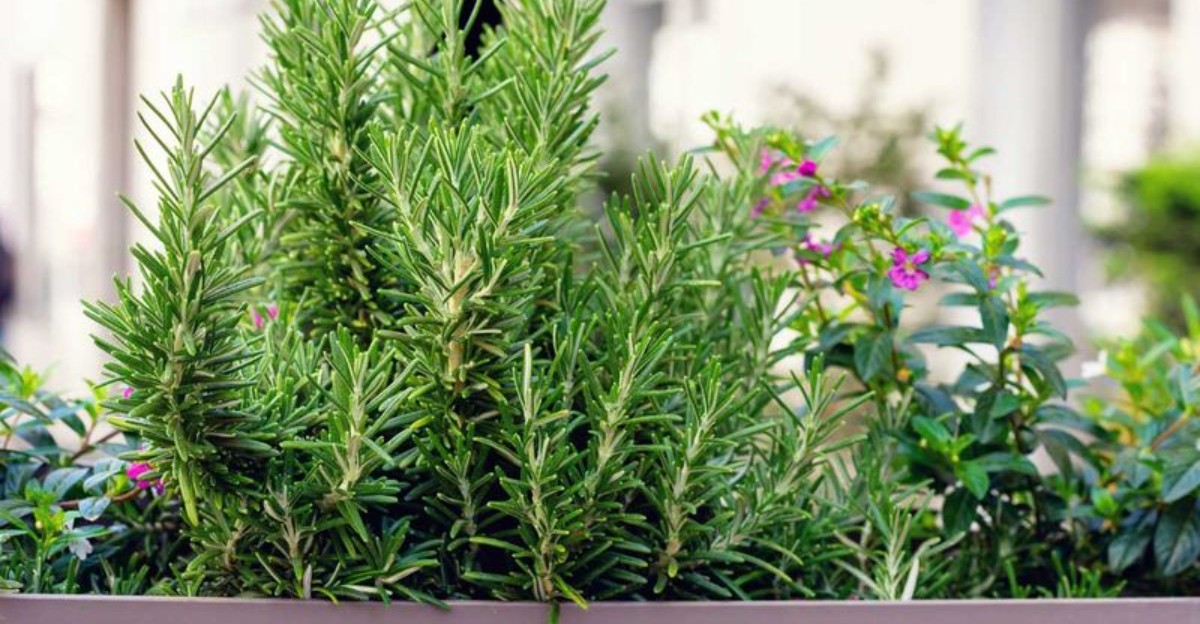
Rosemary beside a front door is not just a decorative choice, especially when you want a useful herb within easy reach.
Its narrow evergreen leaves provide fragrance whenever you brush past the plant. You can also clip sprigs when you need them for cooking.
That combination makes rosemary an appealing choice near entrances, patios, and other spots you visit often.
Georgia homeowners should still pay attention to drainage before planting it beside the house. Rosemary prefers soil that drains freely and can struggle where water lingers.
Give the plant enough sun and avoid crowding it against walls or neighboring shrubs.
The front door is not a magical location that changes how rosemary grows. It simply puts a fragrant plant where you can notice and use it often throughout the year.
1. A Sunny Doorstep Can Be An Ideal Spot For This Fragrant Herb
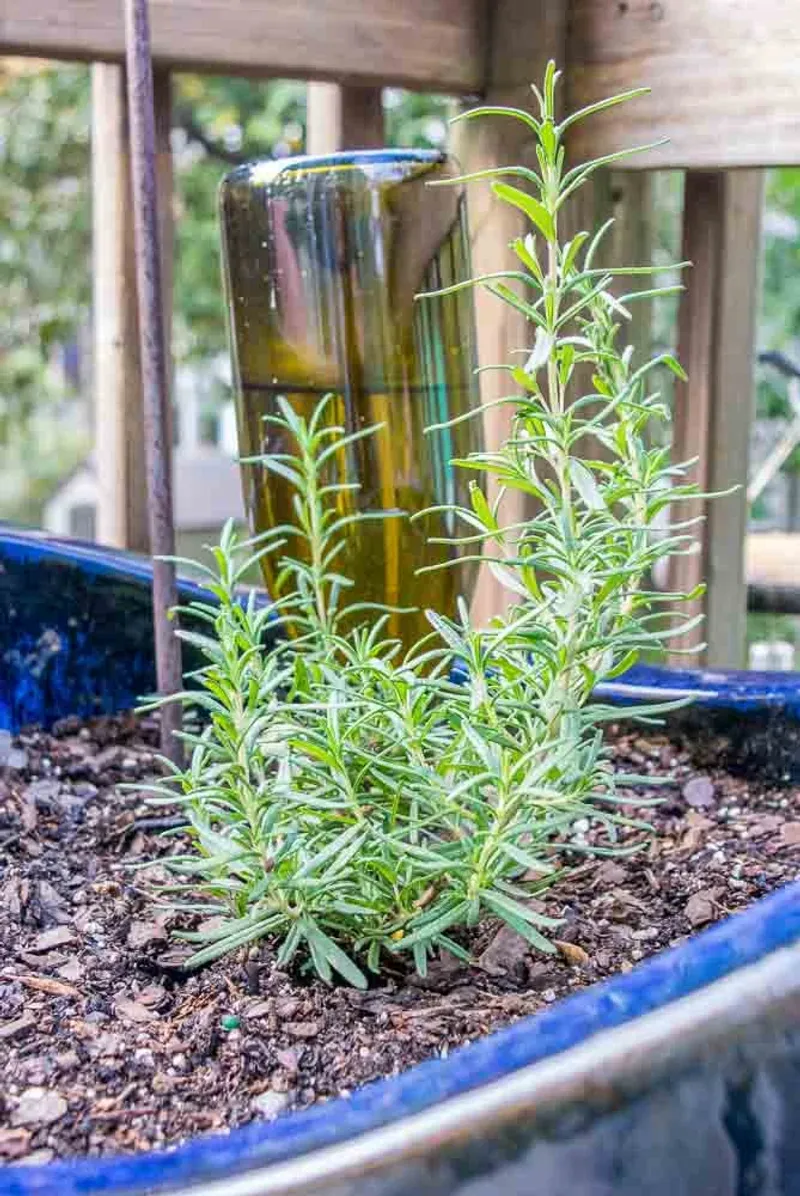
Sunshine is the fuel rosemary runs on. Most plants grow best with at least six to eight hours of direct sun each day, and a south or west facing doorstep often delivers that.
Front entries tend to be open, paved, and bright, which suits a herb that comes from dry, rocky hillsides.
Shade tells a different story. In low light, rosemary usually grows thin and floppy, with fewer leaves and weaker scent.
Before you pick a spot, watch your entry for a full day and note when sun reaches it.
Georgia summers bring strong heat, and established rosemary generally handles it well. Young plants may need a little extra water during their first few weeks while roots settle in.
Brick walls and concrete steps can soak up heat and release it later in the day.
That warmth can help in spring and fall, though it may stress a plant in a very small pot during a July heat wave. Leaving a few inches between the pot and a hot wall can help air move around the plant.
Porch roofs are worth checking too, since a deep overhang can block more light than you expect.
A spot near the edge of the steps, rather than tucked under the eaves, often gives the plant the brightness it needs.
2. Keeping It Near The Door Makes Kitchen Harvests Convenient
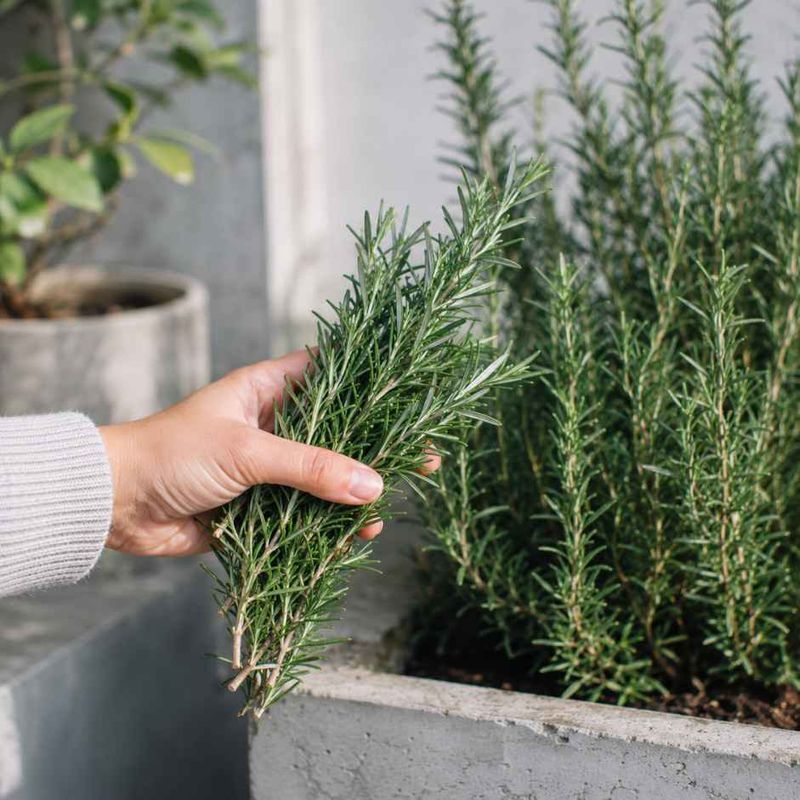
Dinner is halfway done when you realize the recipe calls for fresh rosemary. Having a plant by the door means you can grab a sprig in under a minute instead of driving to the store.
Herbs planted far out in a back bed often get forgotten, especially on busy weeknights.
Convenience is a big reason Georgia cooks keep rosemary close. It pairs well with roasted potatoes, chicken, pork, cornbread, and even grilled vegetables from a summer garden.
A quick snip of a few inches from the tips is usually plenty for one meal.
Clean scissors or pruners give a neater cut than tearing stems by hand. Try not to take more than about a third of the plant at one time, so it can keep growing steadily.
Cutting in the morning, after dew dries, is a popular habit because leaves tend to be firm and fragrant then.
Your Georgia Garden Changes Every Week. Your Plan Should Too.
Gardening in Georgia changes quickly throughout the season. Every Friday you’ll receive a simple weekly plan showing exactly what to plant, prune, fertilize, harvest, and protect so you never miss the right timing.
Fresh sprigs keep for several days wrapped in a damp paper towel in the fridge. Extra stems can also be air dried in a cool, shaded spot and stored in a jar.
Regular light harvests often help the plant more than hurt it, since cutting encourages new side shoots.
Just give a newly planted rosemary a few weeks to settle before you start snipping.
3. Excellent Drainage Matters More Than Frequent Watering
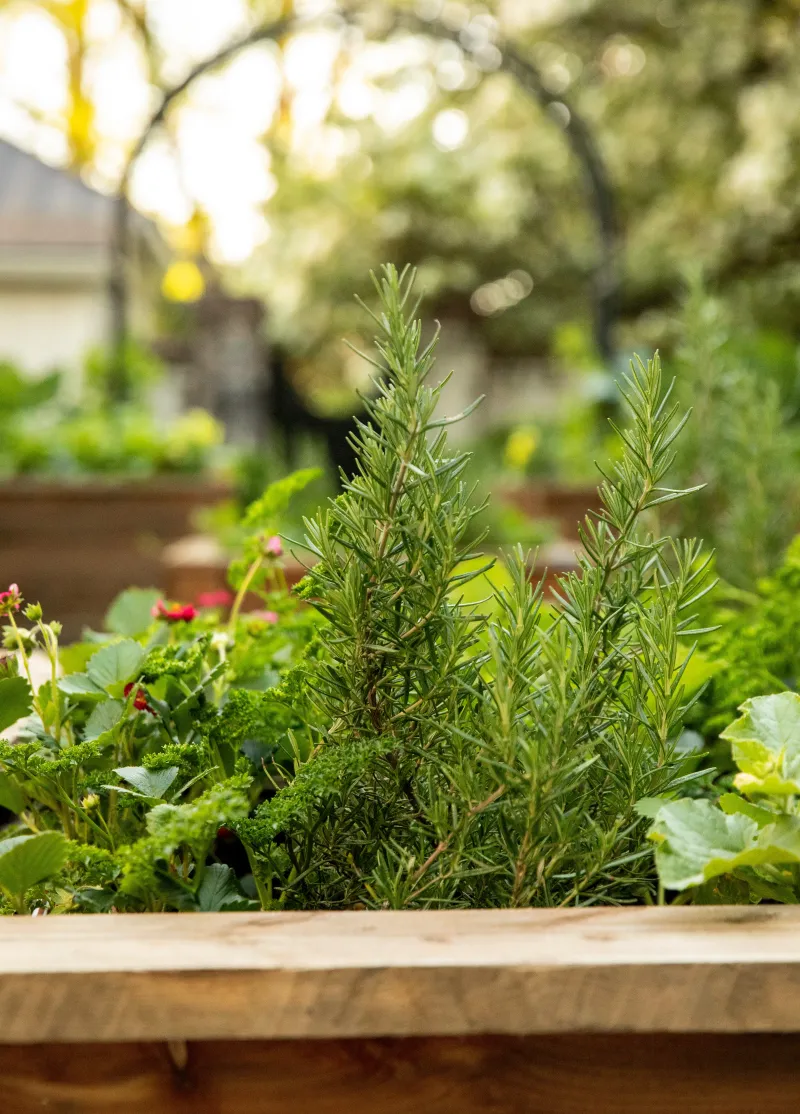
Soggy roots trouble rosemary far more often than dry spells do. Once established, this herb usually prefers soil that dries out between drinks, and it can struggle with constantly wet feet.
Root rot is a common problem when water sits around the base for too long.
Georgia red clay holds moisture tightly, which is great for some plants but tough on rosemary. Heavy clay can stay damp for days after a summer storm.
Planting in a raised bed or a small mound can lift roots above that wet layer.
Mixing in coarse sand, fine gravel, or pine bark fines may improve drainage in a planting bed. Results depend on how much clay you start with, so a quick test helps.
Dig a hole about a foot deep, fill it with water, and see how fast it drains.
If water lingers for several hours, that spot likely needs serious work or a different plant.
Watering itself should be deep but not frequent. Check the soil with your finger, and water only when the top inch or two feels dry.
Yellowing lower leaves and a soft, dark base can signal too much moisture rather than too little.
4. A Container Helps Keep The Root Zone From Staying Too Wet
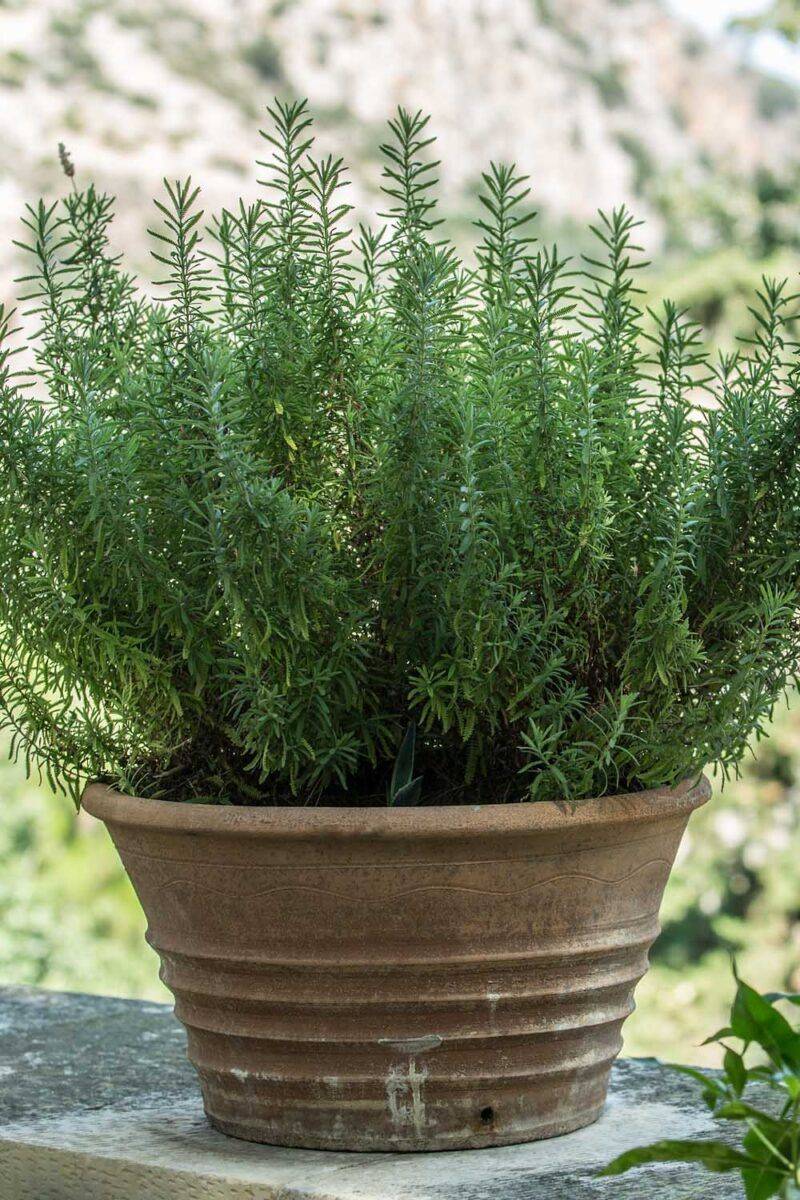
Pots give you control that ground soil often cannot. You choose the mix, the size, and the drainage, which can make a big difference for a herb that dislikes wet roots.
That flexibility is one reason containers show up on so many front steps.
Drainage holes are a must. Without them, water collects at the bottom and can quietly rot the roots.
Unglazed terracotta tends to dry faster than plastic, which many rosemary growers like. Plastic holds moisture longer, so it may need less frequent watering in hot weather.
A fast-draining potting mix works better than heavy garden soil. Some growers blend regular potting mix with a bit of perlite or coarse sand to loosen it up.
Size counts as well, since tiny pots dry out very quickly during a hot Georgia summer.
A container around 12 to 16 inches wide gives most young plants room to grow for a couple of seasons.
Raising the pot on small feet or bricks lets water escape freely instead of pooling underneath. Skip saucers that stay full after rain, or empty them soon afterward.
Another bonus is mobility, because you can shift the pot if the light changes or bad weather is coming.
5. Cold Snaps Can Be Hard On Rosemary In Cooler Areas
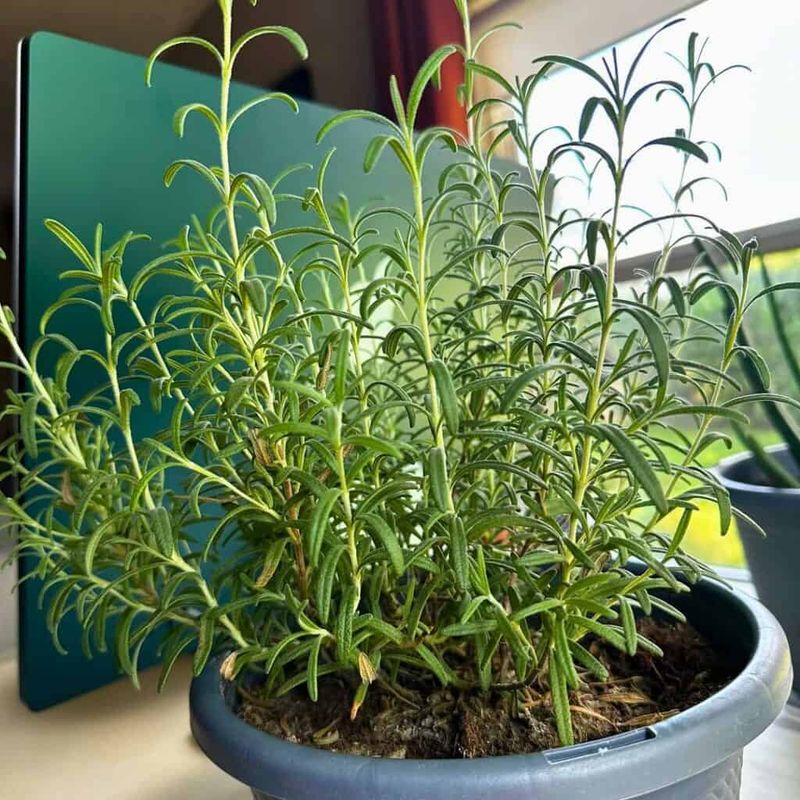
Winter catches some rosemary growers off guard. Plants that sail through summer may struggle when temperatures drop well below freezing for several nights.
Hardiness depends heavily on variety, plant age, and how wet the soil is during the cold.
Georgia covers a wide climate range, from milder coastal areas to colder mountain towns up north. A plant that overwinters easily in Savannah may face more risk near Blairsville.
Varieties such as Arp and Hill Hardy are often sold as more cold tolerant, though no rosemary is immune to harsh weather.
Wet soil combined with freezing temperatures can be especially rough on roots.
Potted plants are more exposed because their roots sit above ground. When a hard freeze is forecast, moving the pot into a garage or against a sheltered wall can help.
In-ground plants may benefit from a frost cloth draped loosely overnight. Remove it the next day so the plant gets light and air.
Wind adds stress too, so a spot protected from cold northern gusts is worth considering.
Brown tips after a freeze do not always mean the whole plant is lost, so wait until spring growth appears before cutting back damaged stems.
6. Light Trimming Keeps The Plant Bushy And Within Easy Reach
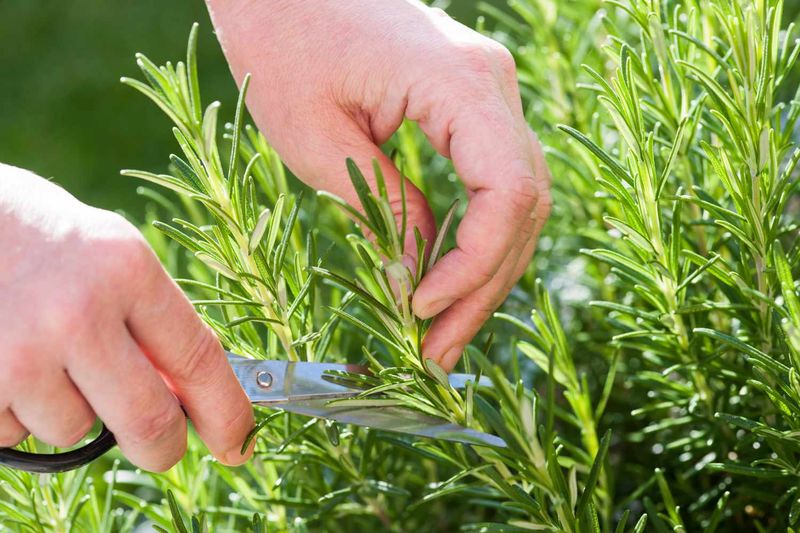
Left alone, rosemary can turn into a woody, leggy tangle. Regular light trimming tends to keep it full, tidy, and sized right for a spot near the door.
A neat shape also keeps stems from poking guests or blocking the walkway.
Small, frequent cuts work better than one big chop. Snipping the soft green tips encourages the plant to branch out and fill in.
Spring and early summer are good times for shaping, once the risk of frost has passed in your part of Georgia.
Avoid cutting deep into old, bare wood. Rosemary often has trouble pushing out new growth from those thick brown stems, so stay within the leafy section.
Heavy pruning late in fall may leave tender new shoots exposed to winter cold.
Removing a few stems from the center now and then can improve airflow, which may help reduce fungal issues in humid weather.
Every trim doubles as a harvest. Those clippings can go straight into a pan of roasted vegetables or a jar for drying.
Older plants eventually get woody no matter how well you prune, and some gardeners replace them every several years with fresh starts grown from cuttings.
7. Brushing Past The Foliage Releases Its Familiar Herbal Scent
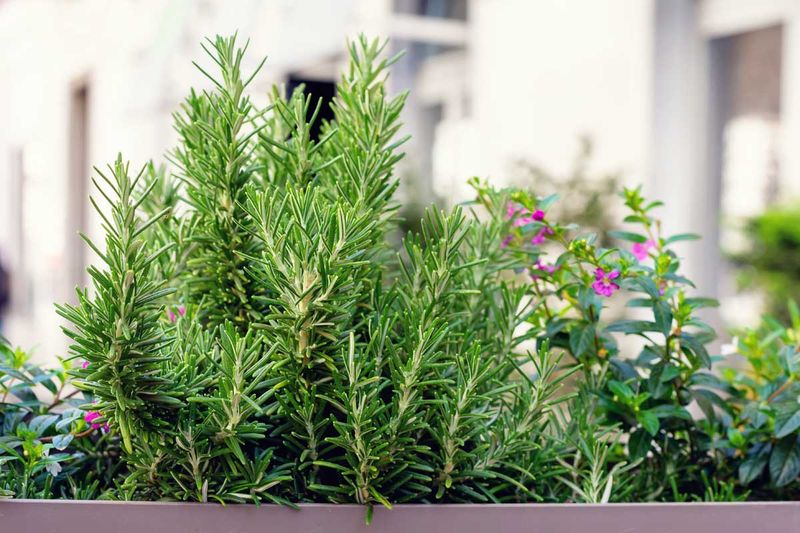
Few welcome mats can compete with a quick whiff of rosemary. When your leg or bag brushes the needle-like leaves, the plant releases natural oils that smell piney and fresh.
Guests often notice it right away, even if they cannot name the plant.
Placement matters if you want that effect. Setting the pot right along the path, where people pass within a foot or so, gives the best chance of a gentle brush.
Crowding the walkway is another matter, though, since nobody wants to squeeze past a scratchy shrub with groceries in hand.
Humid Georgia mornings can make the scent feel stronger in the air. Warm afternoons also seem to carry it farther, though wind and temperature change things from day to day.
Some people simply enjoy rubbing a sprig between their fingers on the way inside.
Upright varieties like Tuscan Blue or Arp work well beside a path because they grow tall instead of sprawling. Trailing types spill over pot edges and look nice on steps, but they may get stepped on.
Scent can vary between varieties and even between plants grown in different conditions.
If smell is your main goal, crush a leaf at the garden center before buying so you can pick one you really like.