How To Turn Your Texas Yard Into A Monarch Rest Stop This October
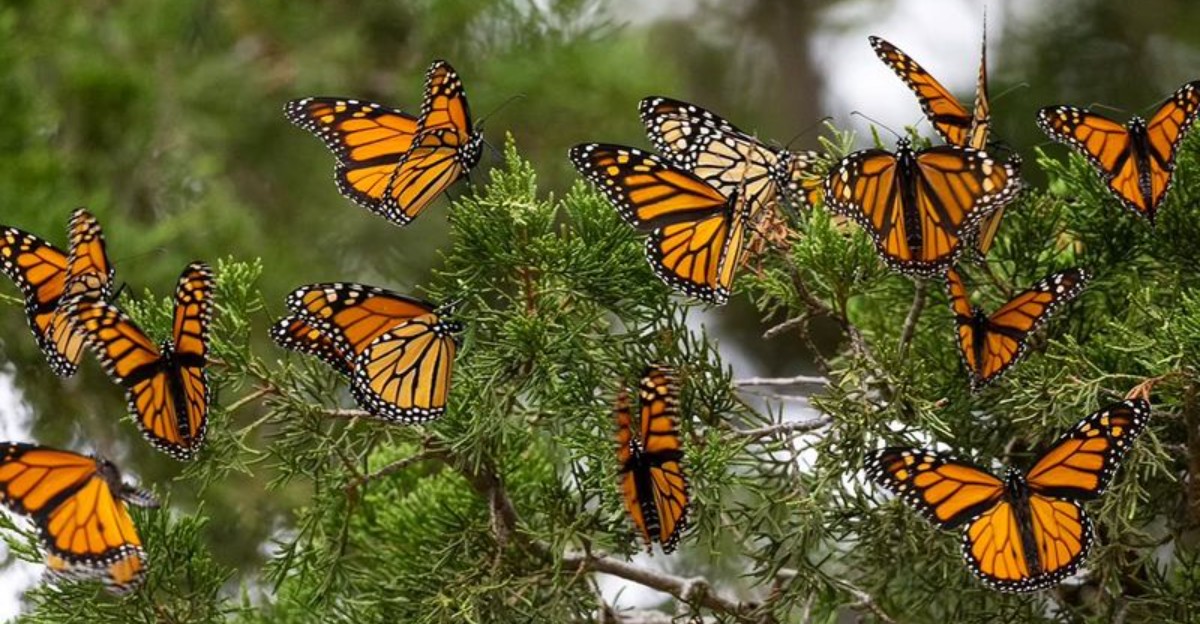
Something orange catches your eye drifting over the fence, and it is definitely not a leaf. It flutters, dips, and floats off with the kind of purposeful energy that makes you stop whatever you were doing and just watch.
Every fall, Texas becomes one of the busiest highways in the natural world, with monarch butterflies passing through by the thousands on their way to Mexico.
They are flying right over your patio, your garden beds, and your neighborhood, quietly looking for somewhere to fuel up and rest.
Here is the thing though: most yards offer them absolutely nothing. No food, no water, no shelter.
Just a patch of grass and a missed opportunity. The good news is that turning your yard into a legitimate monarch rest stop takes less effort and less money than you might think.
Let us get into it.
1. Plant Fall Nectar Flowers That Thrive In Texas
Fuel is the first thing a traveling monarch needs. These butterflies fly up to 30 miles a day, and they burn energy fast.
October is prime time for nectar. Monarchs crossing the state are fattening up for winter in Mexico, so every bloom counts.
Think of your flower bed as a snack bar on a long road trip.
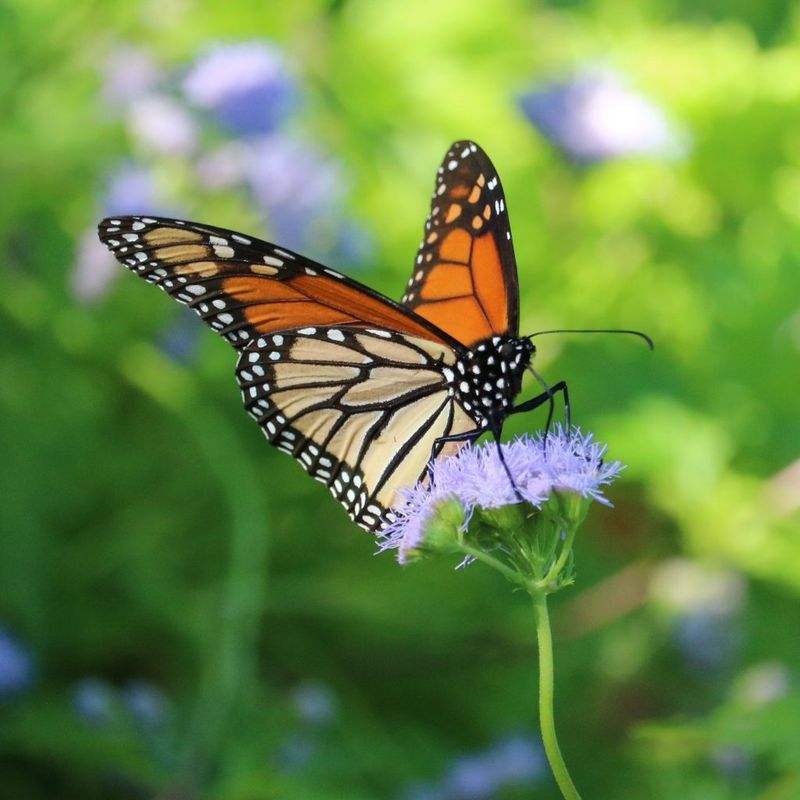
Gregg’s mistflower is a superstar choice. Butterflies swarm its fuzzy purple heads like kids at an ice cream truck.
Frostweed, goldenrod, and blue mistflower are other native picks that bloom right when monarchs pass through.
Zexmenia, fall aster, and Maximilian sunflower add bright color too. Mix tall and short plants so butterflies can feed at different heights.
Group the same flowers in clumps of three or more, since bigger patches are easier to spot from the air.
Shop at local nurseries that carry Texas natives. Ask staff which plants bloom in late September through November in your area.
A Houston yard and an Amarillo yard can have pretty different seasons.
Planting in spring gives roots time to settle before fall. Still, potted bloomers set out in early fall can help right away.
Water them well during the first few weeks while they adjust.
Fun fact: monarchs taste with their feet. When one lands on your flowers, it is basically licking the menu before ordering.
2. Choose Native Milkweed Over Tropical Types In Texas
Milkweed sounds like a no-brainer for monarchs, and in many ways it is. Caterpillars eat only milkweed, so without it, there would be no next generation.
Here is the twist, though. Tropical milkweed, the bright red and yellow kind sold at many big box stores, can cause trouble.
It keeps blooming into fall and winter in warm parts of the state.
That steady green growth can confuse monarchs. Some may stop to breed instead of finishing their trip south.
Old tropical plants can also carry a parasite called OE, which weakens butterflies.
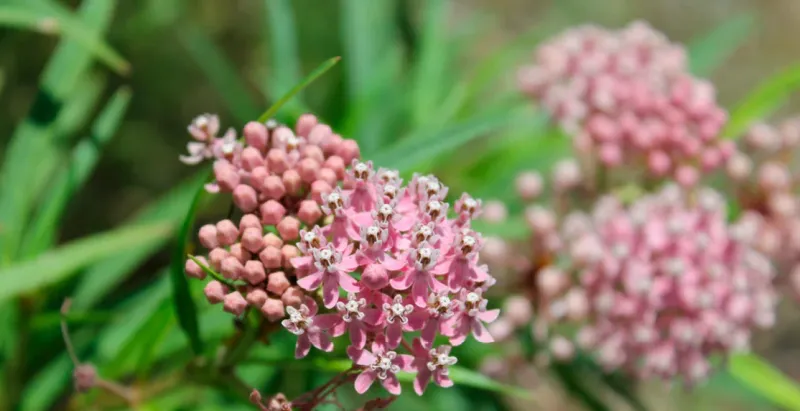
Native milkweeds are the smarter pick. Antelope horn milkweed grows well across much of the state.
Green milkweed, zizotes milkweed, and swamp milkweed are other good options depending on your soil.
Your Texas Garden Changes Every Week. Your Plan Should Too.
Gardening in Texas changes quickly throughout the season. Every Friday you’ll receive a simple weekly plan showing exactly what to plant, prune, fertilize, harvest, and protect so you never miss the right timing.
If you already have tropical milkweed, no need to panic. Cut it down to about six inches tall in October and November.
Fresh growth in spring will be cleaner and safer.
Native milkweed can be hard to find in stores. Try native plant sales, local chapters of the Native Plant Society of Texas, or seed swaps.
Growing from seed takes patience, but it pays off.
Spring is when caterpillars need milkweed the most. Your fall planting today sets up a nursery for the monarchs heading north next year.
3. Add A Shallow Puddling Spot To Your Garden
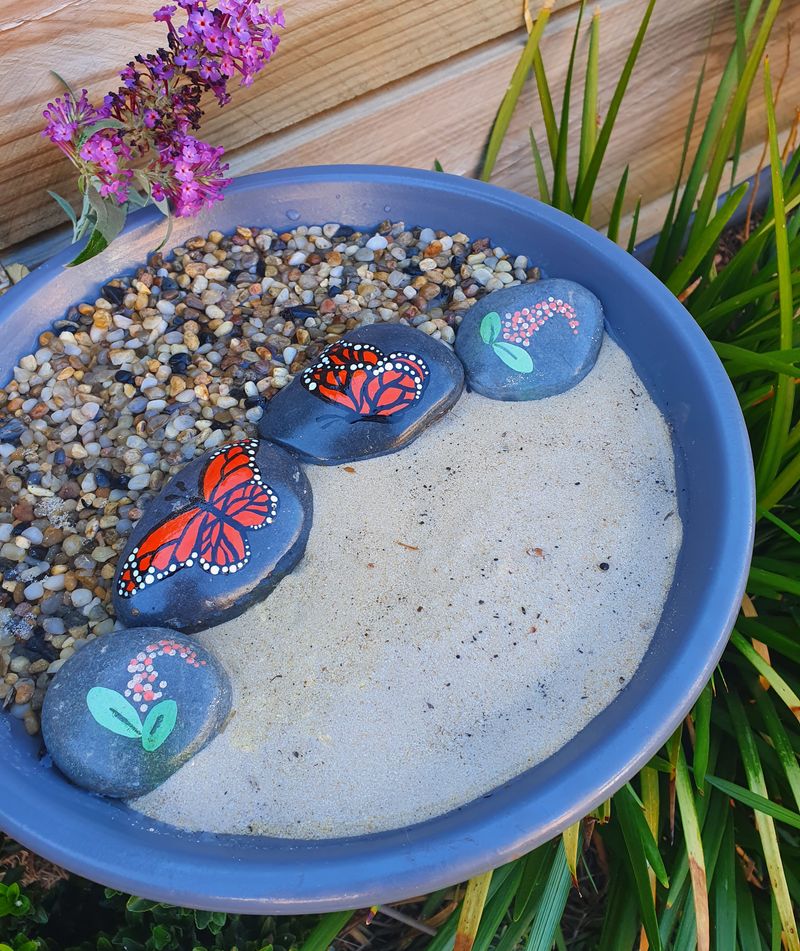
Ever seen butterflies crowded around a mud puddle? It looks odd, but they are actually drinking and picking up minerals from the wet soil.
Scientists call it puddling. Butterflies cannot sip from deep water like birds can, because they would slip right in.
They need damp, shallow spots instead.
Fall in Texas can be dry and dusty. A small puddling station helps travelers grab a drink before heading back out.
Making one takes about ten minutes.
Start with a shallow dish, like a plant saucer or an old pie pan. Fill it with sand or garden soil, then add a few flat rocks on top.
Pour in water until the sand is soaked but not flooded.
A tiny pinch of sea salt or a scoop of compost mixed in adds minerals. Butterflies seem to love that earthy flavor.
Skip anything with chemicals or soap.
Place the dish in a sunny spot near your flowers. Set it low to the ground, since that is where butterflies naturally look for wet earth.
Keep it moist every day or two. Hot afternoons dry things out quickly, so a quick splash from the hose helps.
Change the water often so mosquitoes do not move in.
The flat rocks do double duty. Butterflies can rest and warm their wings on them between sips.
4. Give Monarchs Sunny Perches Around Your Patio
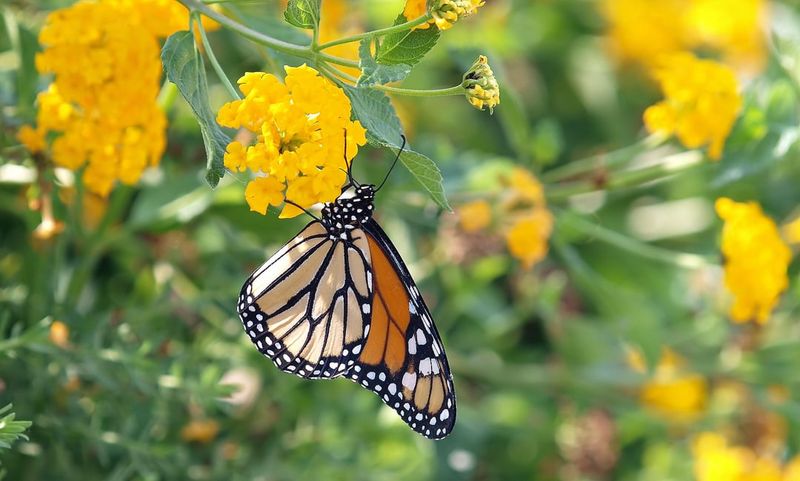
Cold mornings slow monarchs down a lot. Their flight muscles need to reach about 55 degrees before they can take off.
So what do they do? They bask.
A monarch opens its wings wide and soaks up sunshine like a lizard on a warm rock.
October brings crisp mornings to North and Central Texas. A sunny resting spot can help a chilly butterfly get moving again.
You can easily create these warm-up zones.
Flat stones are perfect. Limestone, which is common across the state, holds heat well.
Place a few large rocks in an east-facing area that catches early light.
Fences, garden walls, and wooden posts also work. Dark surfaces warm faster than light ones.
A simple brick border near your flower bed can become a busy sunbathing deck.
Keep some open space around these perches. Butterflies like a clear runway for landing and takeoff.
Crowded, shady corners are less inviting.
Watch closely around 9 or 10 in the morning. You may spot monarchs sitting still with wings spread flat, slowly fanning them as they warm.
It is a calm, quiet moment worth catching with a cup of coffee.
Little touches like these make your yard feel like a real rest area. Food is great, but a cozy seat in the sun matters too.
5. Plant Trees And Shrubs For Overnight Roosts
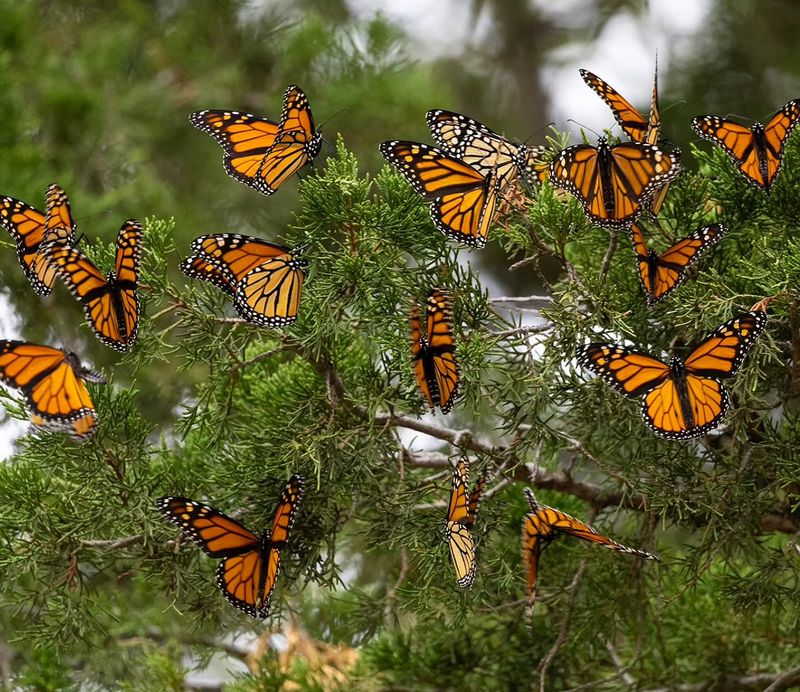
At sunset, migrating monarchs look for a place to sleep. Sometimes dozens or even hundreds hang together on the same branches.
These groups are called roosts. Seeing one feels a little magical, like the tree grew orange leaves overnight.
Many roosts form in pecan, oak, and cedar elm trees.
Monarchs prefer trees that block wind and stay near nectar and water. They often pick spots on the south side of a tree line.
Tall, leafy branches give them shelter from cool breezes.
If you have mature trees, you are already ahead. Avoid heavy pruning in fall, since thick branches give butterflies more cover.
Let some leaves and twigs stay a bit wild.
Without big trees, shrubs can still help. Texas mountain laurel, yaupon holly, and American beautyberry offer smaller resting places.
Plant them near your nectar flowers so butterflies do not have to travel far.
Trees take years to grow, so think long term. A live oak planted now could shelter monarchs for generations of migrations.
That is a pretty great legacy for one shovel of dirt.
If a roost shows up in your yard, enjoy it from a distance. Keep pets and kids calm nearby.
Report your sighting to Journey North, a citizen science project that tracks monarch movements across North America.
6. Skip The Sprays In Your Yard This Fall
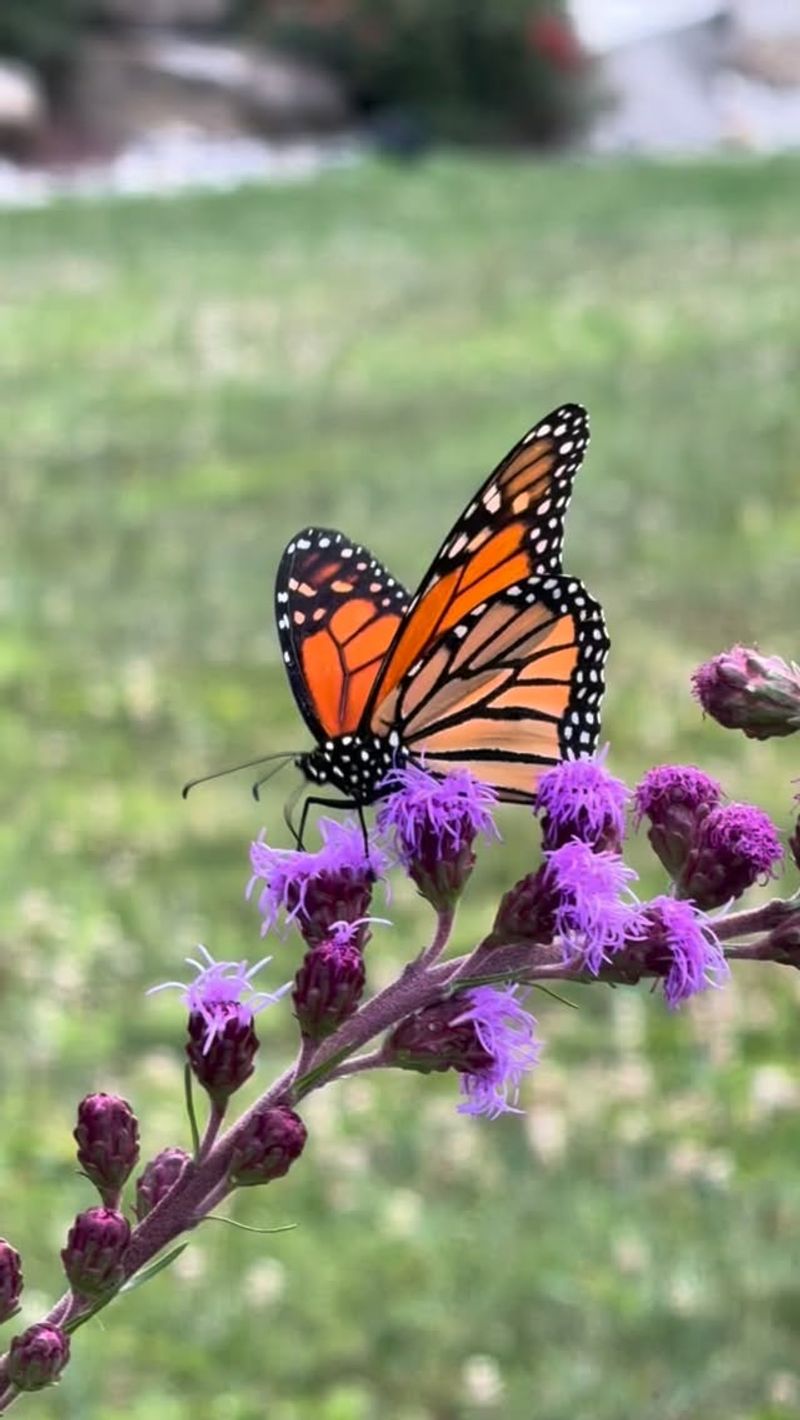
Bug sprays do not check who they are hitting. A product meant for mosquitoes or aphids can also harm butterflies and caterpillars.
Many common lawn treatments are risky for pollinators. Systemic pesticides are a big one.
They soak into the whole plant, so even the nectar can carry chemicals.
During October migration, monarchs passing through Texas need clean food. One treated flower bed can turn a rest stop into a hazard.
Going spray-free is one of the kindest choices you can make.
Worried about pests taking over? Nature has helpers.
Ladybugs, lacewings, and wasps hunt aphids for free. A healthy garden often balances itself out over time.
For small problems, try gentle fixes first. Blast aphids off milkweed with a strong stream of water.
Pick off unwanted bugs by hand and drop them in soapy water.
When buying plants, ask if they were treated with neonicotinoids. Some nurseries now label pollinator-safe plants, which makes shopping easier.
Talk to your neighbors too. If a lawn service sprays nearby, mist can drift into your yard.
A friendly chat might inspire a whole street to make a change.
A few chewed leaves are a good sign. Bugs eating your plants means your garden is alive and doing its job for wildlife.
7. Let Your Lawn Get A Little Wild
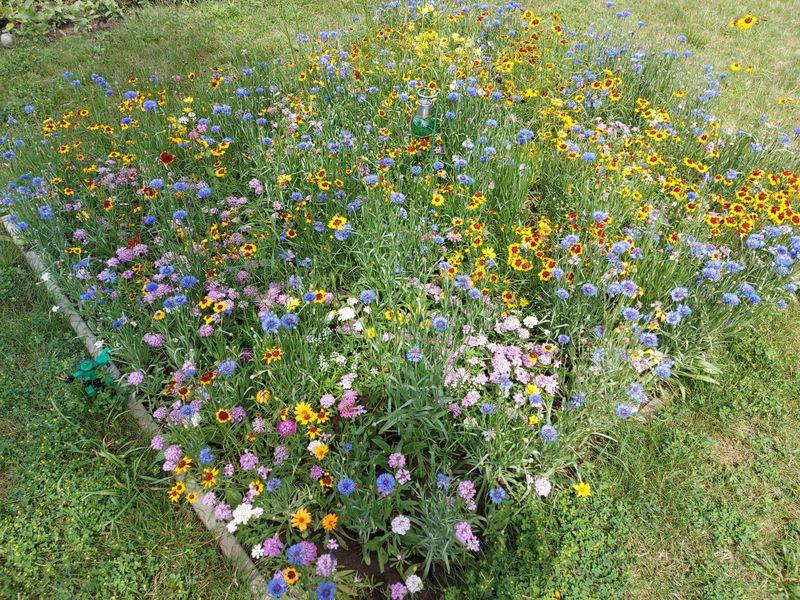
Good news for anyone who hates mowing. A slightly messy yard is often better for butterflies than a perfect green carpet.
Short turf grass offers almost nothing for monarchs. No nectar, no shelter, no milkweed.
It is basically a parking lot without the snacks.
Try setting aside one corner of your yard to grow freely. Native wildflowers and grasses will start to fill in.
Little bluestem, sideoats grama, and wild asters are common volunteers across Texas.
Fall is a great time to mow less often. Many wildflowers bloom late in the season, right when monarchs pass by.
Raising your mower blade to four inches can leave more blooms standing.
Worried about what the neighbors will think? Add a small sign that says pollinator habitat or a simple border of stones.
A neat edge makes a wild patch look planned and purposeful.
Some cities and HOAs have rules about grass height. Check your local guidelines before letting things go too far.
Many areas now support native plant gardens, and Texas has programs that recognize wildlife-friendly yards.
Leaf piles and stems also matter. Other insects use them for shelter through the cold months.
Your yard becomes a full ecosystem instead of just a lawn.
Less work, more wildlife. That is a trade almost anyone can get behind.
8. Register Your Yard As An Official Waystation
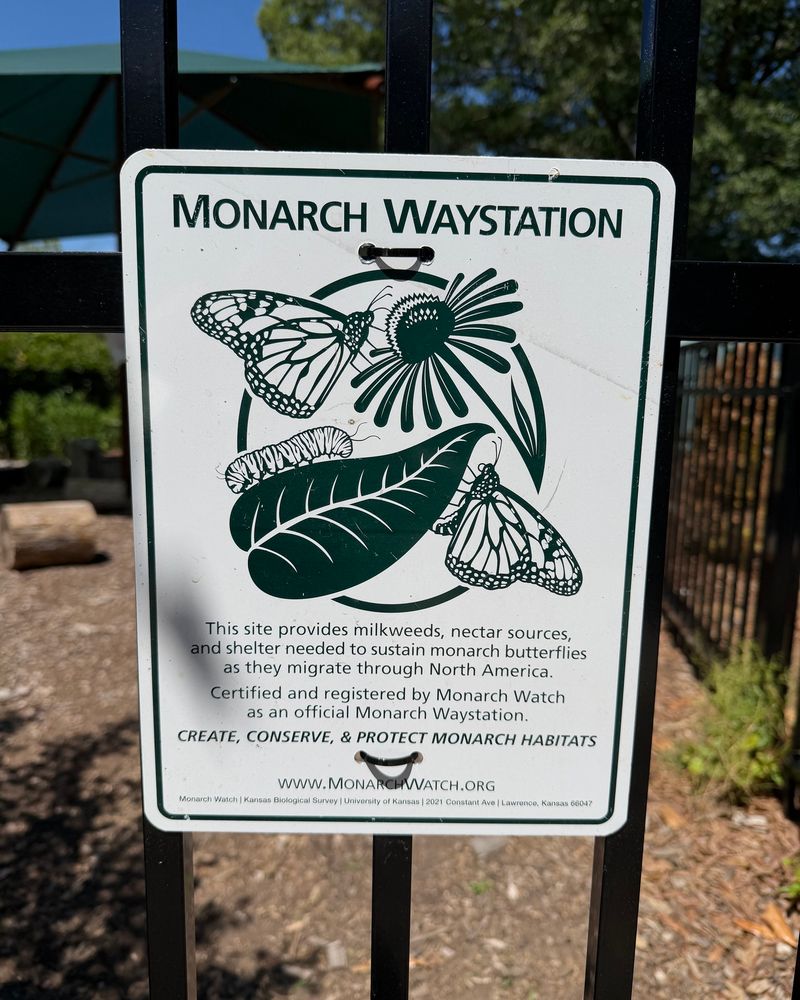
Want a fancy title for your garden? You can actually make it official.
Monarch Watch, a program based at the University of Kansas, certifies yards as Monarch Waystations.
Over 40,000 waystations have been registered across North America. Plenty of them sit in backyards, schoolyards, and church gardens throughout Texas.
Yours could join the map.
The requirements are straightforward. You need a dedicated space with both milkweed and nectar plants that gets around six hours of sun daily.
Monarch Watch looks for gardens that are genuinely set up to support monarchs rather than checking off a specific square footage, so even a sunny side yard or a cluster of large pots can qualify as long as the right plants are there and being cared for.
Good soil, decent drainage, and a plan to care for your plants also count.
The application is online and asks a few questions about your garden. There is a small fee that helps fund monarch research and conservation.
Once approved, you get a certificate and a spot on the registry.
You can also buy a weatherproof sign for your yard. It is a great conversation starter with neighbors and people walking by.
Kids especially love pointing it out.
Certification is about more than bragging rights. Each registered site helps scientists track habitat across the migration route.
Your small patch becomes part of a much bigger story.
9. Track And Tag Monarchs Passing Through
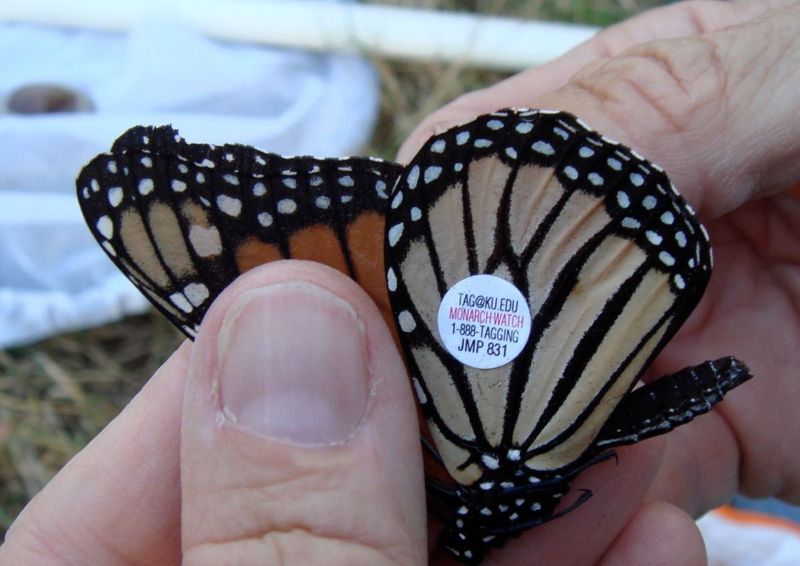
Some of the butterflies in your yard might be traveling thousands of miles on their journey to overwintering sites in Mexico. Watching them is fun, but helping scientists study them is even cooler.
Texas sits right in the main flyway for monarchs heading to Mexico. Two big paths, called the Central Flyway and the Coastal Flyway, cross the state.
That makes your backyard a front-row seat.
Monarch Watch sells tagging kits each fall. Each kit comes with tiny round stickers that have a code number.
You gently place one on a wing, record the details, and let the butterfly go.
If someone finds that tagged monarch later, often in the mountains of Mexico, the data comes back to researchers. They learn how far butterflies travel and which routes they use.
Your sticker becomes a clue.
Not into tagging? Try counting.
Journey North lets you report sightings with a phone or computer. Simple notes like date, location, and number of butterflies help build a live migration map.
Keep a little garden journal too. Write down which flowers attract the most visitors and what time of day they arrive.
Next October, you will know exactly what to plant more of.
Families and classrooms love these projects. They turn a quiet garden into a hands-on science lab, and every report helps protect these amazing travelers.