Georgia Bird Feeders Can Draw In Black Bears Looking For Food This Fall
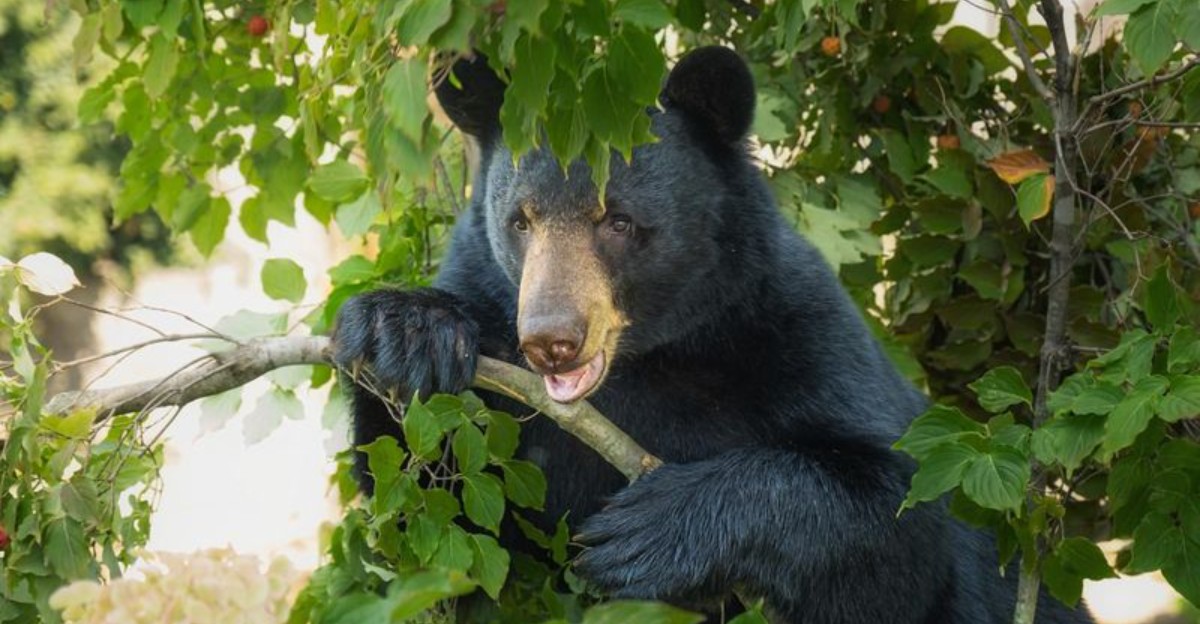
Birdseed scattered beneath your feeder may seem harmless, but to a hungry black bear it can be an easy meal worth returning for.
Fall brings a strong feeding period for bears as they search for calorie rich food before winter. Feeders packed with seed or suet can become part of that search.
This matters especially in Georgia communities where bear habitat overlaps with residential areas.
If a bear begins visiting, bring feeders inside and clean up seed left underneath them. Removing the food source can discourage repeated visits.
Keep pet food, garbage, and other outdoor food sources secured at the same time.
Your feeder may be intended for birds, but bears do not make that distinction. Keeping food unavailable helps prevent your yard from becoming a regular feeding stop.
1. Fall Feeding Makes An Easy Backyard Meal Hard To Ignore
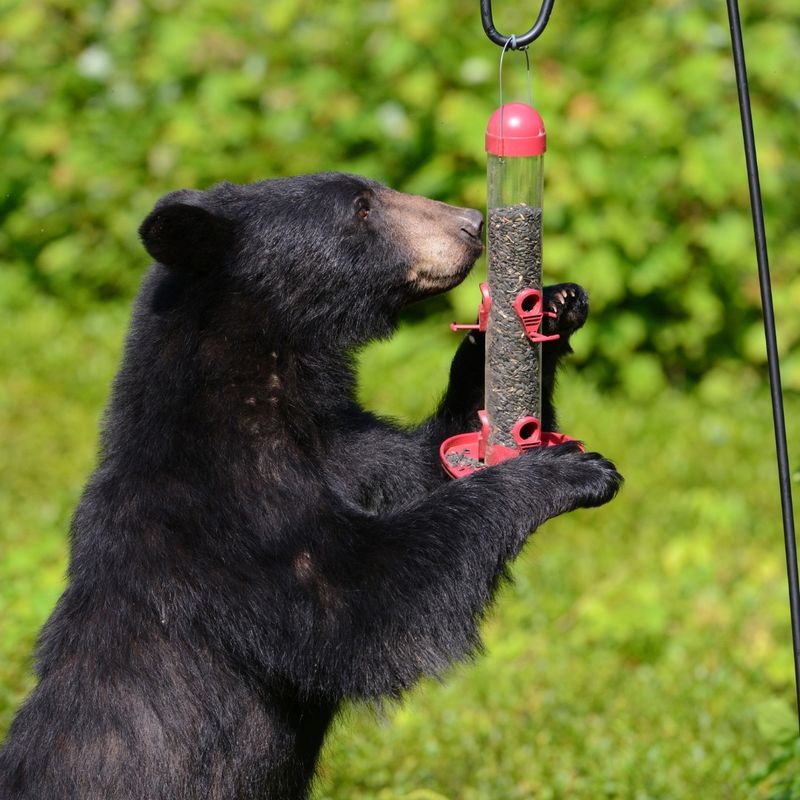
Autumn turns a black bear into an eating machine. Wildlife experts call this stage hyperphagia, a period when bears may spend most of their waking hours looking for food.
In the north Georgia mountains, bears normally fill up on acorns, hickory nuts, berries, and insects during these weeks.
Wild food can be hit or miss, though. A poor acorn year can send bears wandering farther than usual, and that often brings them closer to homes.
Your feeder sits in one spot, stays full, and takes no effort to find.
From a bear’s point of view, that beats walking miles through the forest for scattered nuts. Bears have an excellent sense of smell, so a yard with seed can catch their attention from a fair distance.
Homes near wooded ridges, creeks, or green corridors tend to see more visits.
Neighborhoods on the edge of national forest land often report bear sightings in the fall. Even suburban areas can get an occasional visitor, especially young males searching for new territory.
Keeping an eye on local news and neighborhood groups can help you know when bears are active nearby.
If you hear about sightings close to your street, treat it as a sign to adjust your feeding routine. Acting early is usually easier than fixing a problem after a bear has already found your yard.
2. Birdseed Packs Enough Calories To Attract A Hungry Bear
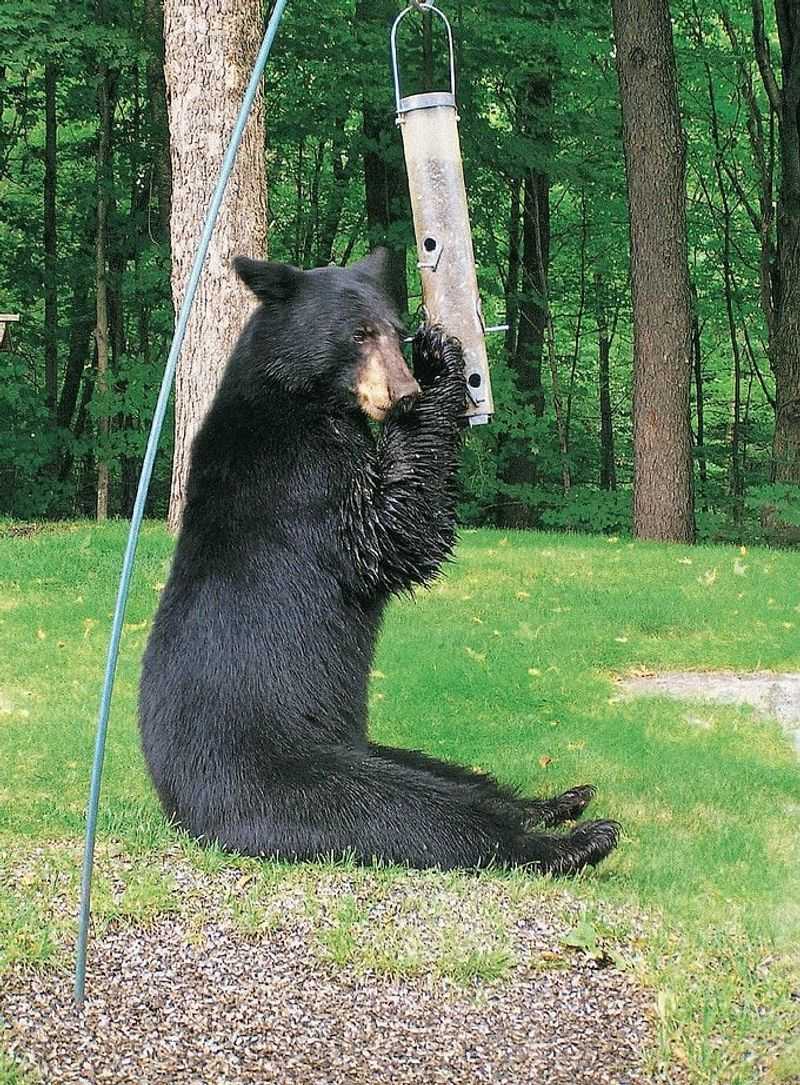
Sunflower seeds might look tiny, but to a bear they are packed with fuel. Black oil sunflower seed, peanuts, and suet are all rich in fat, which is exactly what a bear wants before winter.
A single full feeder can hold a few pounds of seed, and a bear can empty it in minutes.
Suet cakes are an even bigger draw because they are made mostly of fat. Some blends also include peanut butter or fruit, which adds a strong smell that travels well on a breeze.
Hummingbird feeders count too, since sugar water gives bears a quick energy boost.
Plenty of Georgia homeowners keep hummingbird feeders up into early fall to help migrating birds. That habit is kind to hummingbirds, but it can also invite bears if the feeders hang low or stay out overnight.
Your Georgia Garden Changes Every Week. Your Plan Should Too.
Gardening in Georgia changes quickly throughout the season. Every Friday you’ll receive a simple weekly plan showing exactly what to plant, prune, fertilize, harvest, and protect so you never miss the right timing.
Storage matters as much as the feeder itself.
Bags of seed left in a carport, porch, or unlocked shed can tempt a bear to investigate. Keeping seed in a sealed metal can inside a garage or sturdy building helps cut down on odors.
Choosing smaller feeders and filling them in small amounts may also lower the payoff a bear finds. Less food in one place means less reason for a hungry animal to stick around.
3. One Successful Visit Can Bring A Bear Back Looking For More
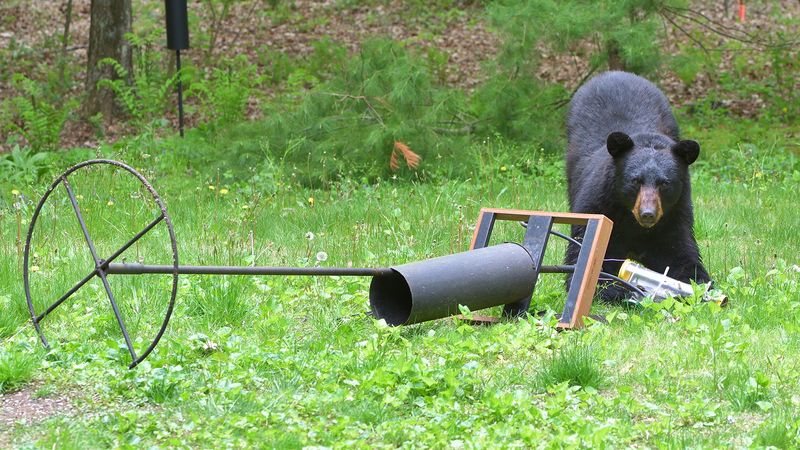
Bears remember where they found a good meal. Once a bear gets a reward at your feeder, there is a strong chance it will return to check again.
Repeat visits often happen at the same time of day, frequently around dusk or after dark.
Over time, a bear that keeps finding food near houses may grow more comfortable around people. Wildlife officials describe this as food conditioning, and it is one of the main reasons bear problems grow.
A bold bear may start testing porches, trash cans, cars, and even screen doors.
That kind of behavior can put the animal in a tough spot. Georgia wildlife staff may need to step in when a bear becomes a repeated nuisance, and relocation does not always solve the issue.
Neighbors play a part in this pattern as well.
If one house on the street removes its feeders but another keeps them up, the bear may simply shift next door. Talking with nearby families and sharing tips can help the whole block become less appealing.
Watch for signs of a visit, like bent poles, torn feeders, scattered seed, or muddy paw prints.
Spotting these clues early gives you a chance to make changes before the habit settles in. A bear that comes up empty a few times will often move on to other areas.
4. Taking Feeders Down Removes The Most Obvious Reward
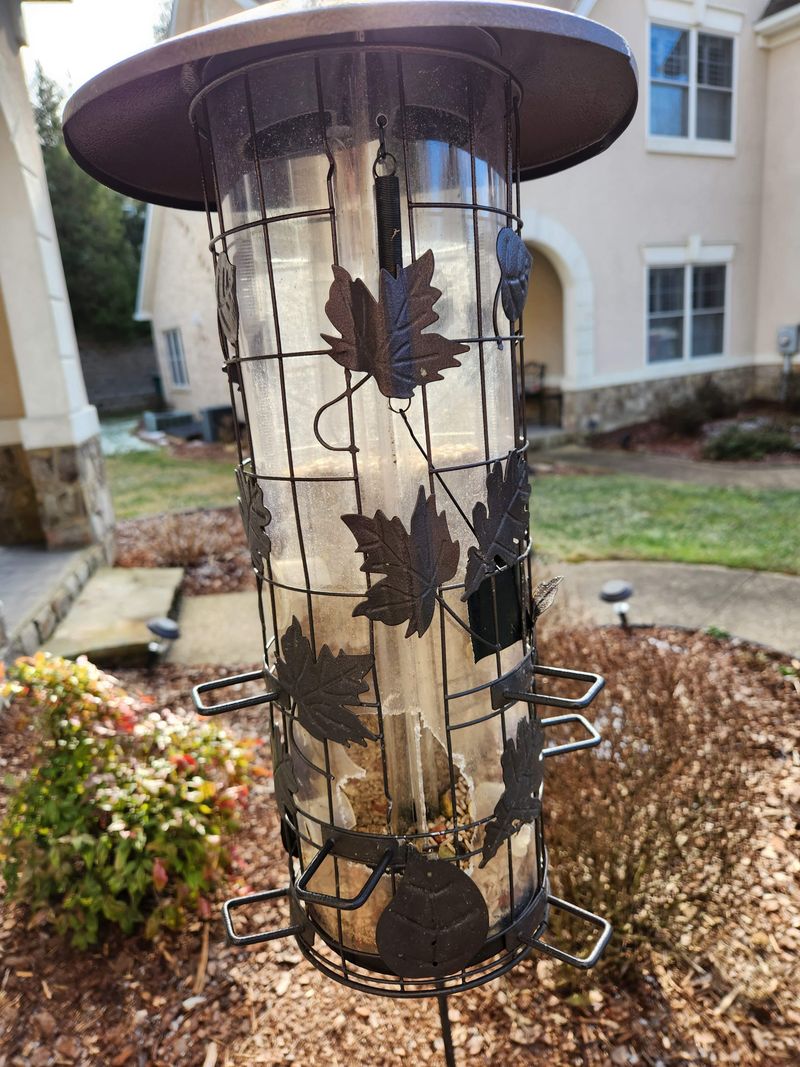
Sometimes the simplest fix works best. Pulling your feeders down when bears are active can take away the biggest prize in your yard.
The Georgia Department of Natural Resources encourages residents in bear country to remove feeders when bears are around.
Some people bring feeders in every evening and put them back out in the morning. That can help, though bears do sometimes move around during daylight, especially in the fall.
Taking feeders down for a few weeks is usually more effective than a nightly routine.
Worried about your birds going hungry? Fall offers plenty of natural seeds, insects, and berries, so most backyard birds can find food without your help.
Native plants are a great way to keep birds visiting while feeders are put away.
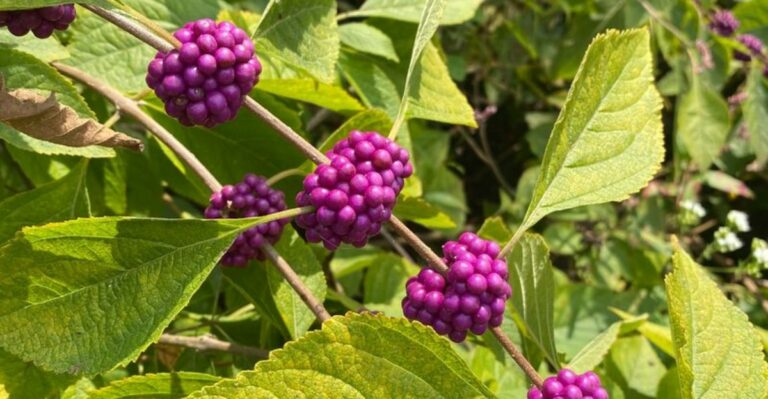
Coneflowers, beautyberry, sumac, and native grasses can offer seeds and fruit through autumn. A birdbath with fresh water may also keep cardinals and chickadees stopping by.
Hanging feeders higher and farther from trees can help a little, but it may not stop a determined bear.
Bears are strong climbers and can bend metal poles with surprising ease. Bringing feeders indoors remains one of the most dependable steps you can take.
5. Spilled Seed Beneath The Feeder Needs To Go Too
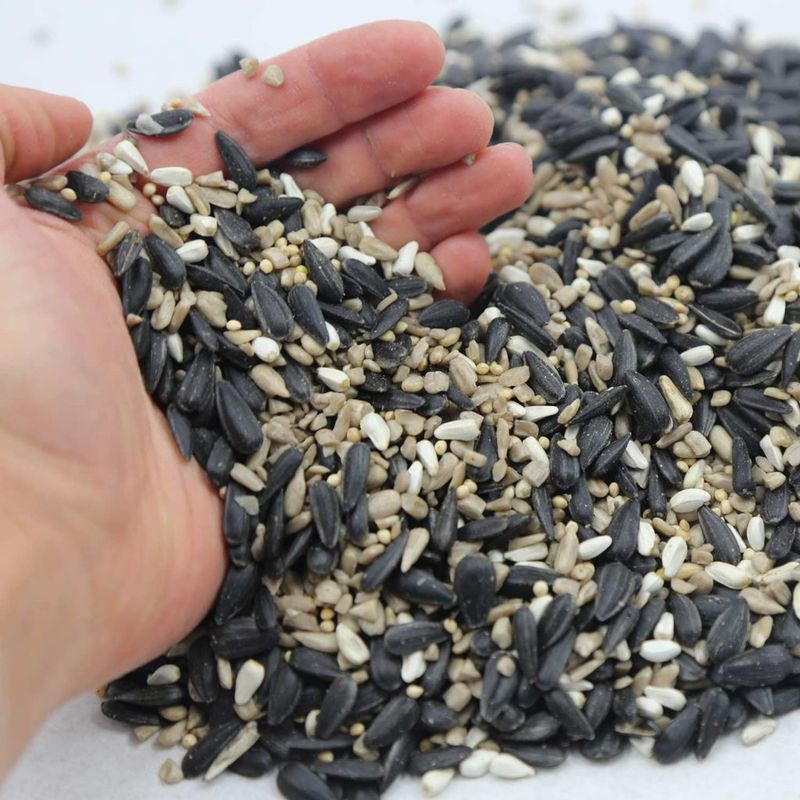
Out of sight is not out of smell. Even after the feeder comes down, piles of seed on the ground can keep drawing a bear’s nose to your yard.
Birds are messy eaters, and they toss a lot of seed and hulls while they feed.
Over a few weeks, that spill can build into a thick layer under the feeder. Rain can make it worse by mixing the seed with mud and creating strong, earthy odors.
A rake, a shovel, and a sturdy trash bag can handle most of the cleanup.
Once you gather the seed, store the bag in a secure spot rather than leaving it outside. Throwing it in an open outdoor bin may just move the problem a few feet away.
Squirrels, raccoons, and deer also love spilled seed, which adds more wildlife traffic near your home.
Using a tray under the feeder can catch some of the mess when you put it back up later. Hull-free seed blends may cut down on waste too, though they often cost a bit more.
In Georgia’s humid weather, wet seed can grow mold fairly quickly, which is not healthy for birds either.
Keeping the ground clean helps both your birds and your peace of mind. A quick sweep each week makes the job much easier than one big cleanup.
6. Pet Food And Garbage Can Keep The Attraction Going
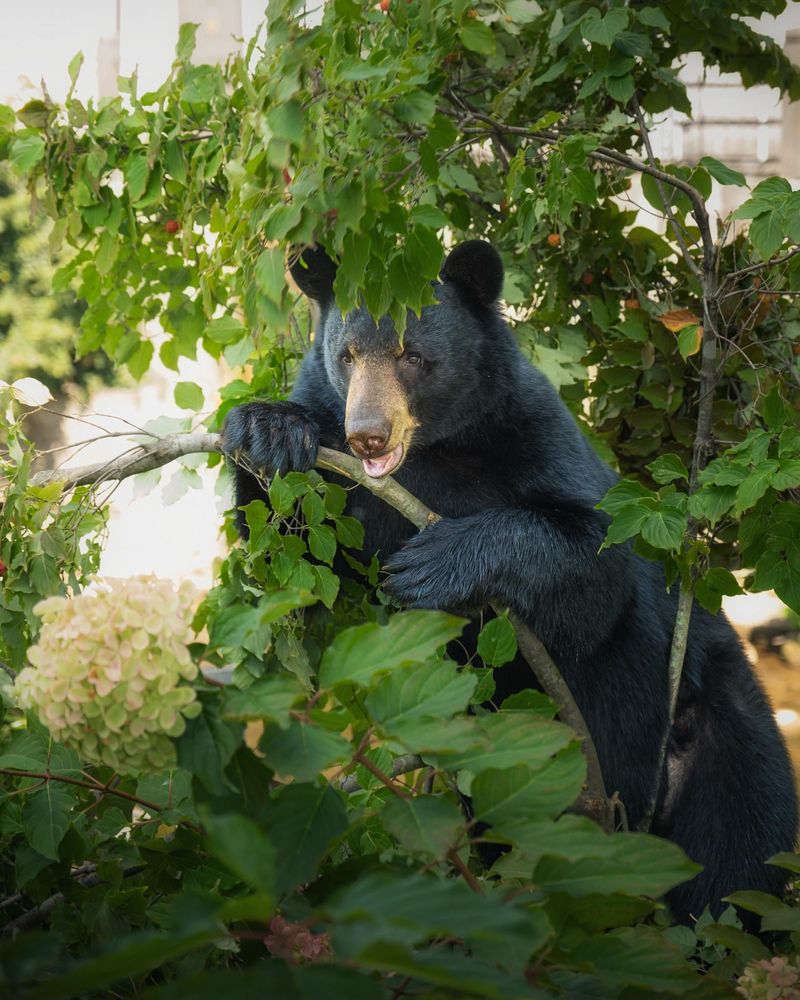
A bird feeder is rarely the only snack in a backyard. Dog food bowls, cat kibble, and trash cans can offer a bear just as much reward, sometimes more.
Feeding pets indoors is one of the easiest habits to change.
If your pets eat outside, pick up the bowls right after mealtime and wash them. Leftover food smells strong, and a bear may come looking long after your dog has finished.
Garbage is a major draw in many Georgia mountain towns.
Kitchen scraps, greasy wrappers, and food containers can carry scents that pull a bear straight to your curb. Storing trash in a garage or shed until pickup morning can make a real difference.
Bear-resistant cans are another option, and some counties and towns in bear areas encourage them.
Grills deserve attention as well. Cleaning the grates and grease trap after cooking helps remove the smell of burgers and barbecue.
Compost piles, fallen fruit, and chicken feed can also tempt a curious bear.
Picking up apples or pears from the ground and securing livestock feed reduces those extra draws. Electric fencing may help protect chickens and beehives, though it needs proper setup and regular checks.
Each small step adds up and leaves a bear with fewer reasons to linger.
7. Feeders Can Return Once Bear Activity Has Moved Elsewhere
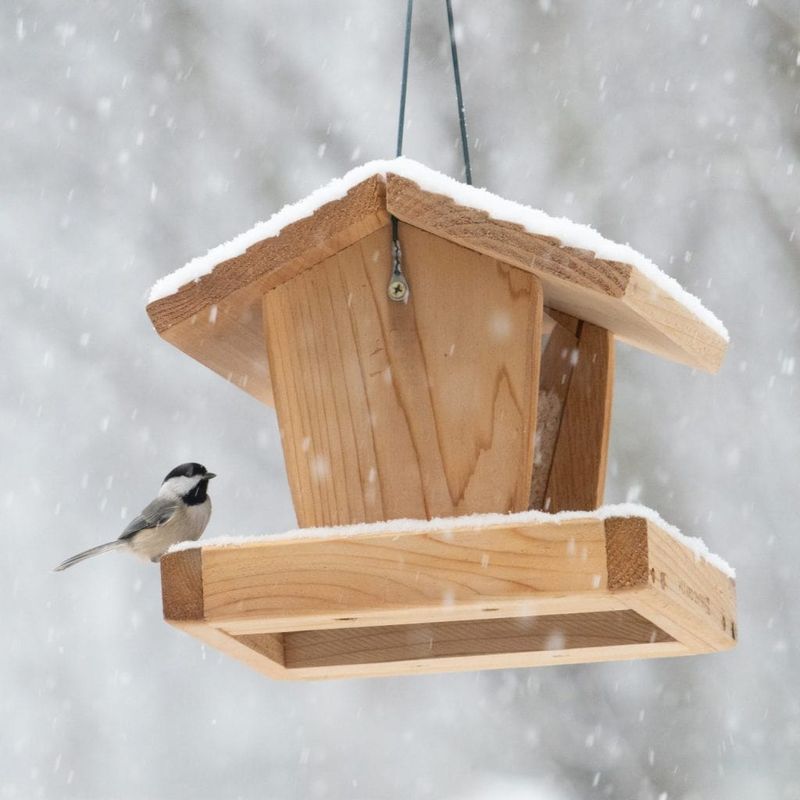
Good news for bird lovers is that this break does not have to last forever. Many people put feeders back once bears settle down for the colder months.
Black bears in Georgia do not always hibernate as deeply as bears in colder northern states.
Some stay active on mild winter days, especially when food is easy to find. Because of that, timing your return depends on local conditions and recent sightings.
Wildlife officials in bear country often suggest waiting until late fall or early winter before rehanging feeders.
Checking with your county extension office or the state wildlife agency can give you a better sense of local bear activity. Neighborhood reports can help too, since recent sightings are a clear sign to wait a little longer.
When you do bring feeders back, start small and keep the area tidy.
Filling feeders with just enough seed for a day or two helps limit what a passing bear might find. Taking them in at night adds another layer of caution.
Plan to remove feeders again in early spring, when bear activity can increase and natural foods may still be limited.
Following a seasonal routine lets you enjoy your birds while respecting the wildlife living nearby. A little planning keeps your backyard friendly to songbirds without inviting larger guests.