Georgia Native Plants That Barely Need Water Once They’re Established
Dragging a hose around the yard every August evening gets old fast. By the end of summer, you probably know which plants depend on you most.
Those needy beds are often full of plants that were never suited to local heat and heavy clay.
Native plants handle things differently, because they grew up with drought and little help.
Once their roots settle in, many can go weeks between waterings even in hot weather. That makes them a smart fit for Georgia yards, where summer dry spells are common.
The catch is that they still need regular water their first season. After that, you can usually step back and let them handle it.
Some of the toughest options are also the prettiest, making them worth a spot in your own beds.
1. Butterfly Weed Handles Dry Ground Once Its Roots Settle In
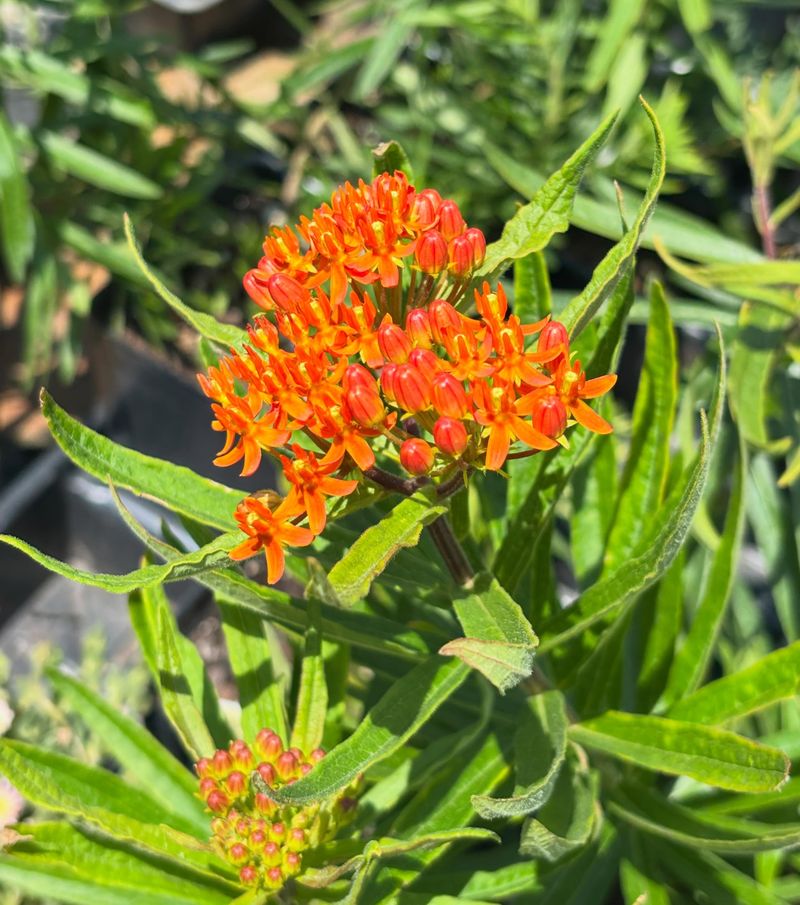
Orange blooms this bright almost look fake at first glance. Butterfly weed, or Asclepias tuberosa, is a milkweed that monarchs and many other pollinators visit through early and midsummer.
Its secret sits underground in a long, thick taproot that reaches deep for stored moisture.
That root is also why you should pick the spot carefully before planting. Moving an established butterfly weed usually goes badly, so choose a sunny place and leave it there.
Well-drained soil matters more than rich soil for this plant.
Across Georgia, it grows naturally in dry fields, roadsides, and open woods, often in sandy or rocky ground. Heavy, soggy clay can cause root rot, so loosen the soil or plant on a slight slope if drainage is poor.
Water it regularly during the first growing season while the taproot develops.
After that, most plants handle normal summer dry spells without help, though a very long drought may still call for an occasional deep soak. Skip fertilizer, since extra feeding tends to make stems floppy.
Don’t panic if it seems missing in spring, because butterfly weed is often one of the last perennials to wake up.
Mark its location so you don’t dig into it by mistake. Caterpillars chewing the leaves are a good sign, since they are usually monarch larvae doing exactly what nature intended.
2. Little Bluestem Thrives Where Soil Stays Lean And Dry
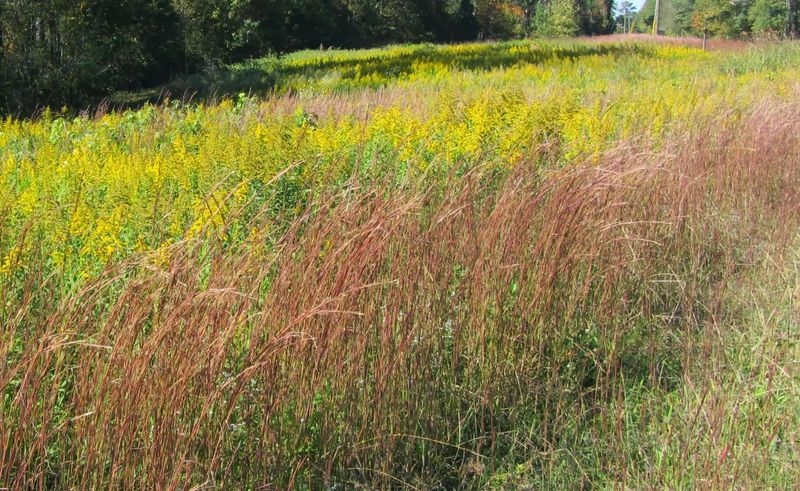
Poor soil is not a problem here. In fact, little bluestem often looks better in thin, hungry ground than in a rich, pampered bed.
Schizachyrium scoparium is a clumping native grass that stays about two to three feet tall.
Summer brings blue-green blades, and some selections lean more silvery or blue. By fall, the whole clump turns shades of copper, orange, and reddish tan that hold color through much of winter.
Give it full sun and decent drainage, and it will usually do the rest.
Rich soil and extra water can backfire, causing the clumps to flop open in the middle. If your ground is lean, sandy, or rocky, you may have found the ideal home for it.
Deep, fibrous roots help it ride out dry weather once it gets established, usually by the second season.
Your Georgia Garden Changes Every Week. Your Plan Should Too.
Gardening in Georgia changes quickly throughout the season. Every Friday you’ll receive a simple weekly plan showing exactly what to plant, prune, fertilize, harvest, and protect so you never miss the right timing.
In Georgia, it shows up naturally in old fields, pine openings, and dry prairies in parts of the state. It pairs nicely with coneflowers and blazing star in a meadow-style planting.
Care is simple, but timing helps.
Leave the dry stems standing through winter so birds can pick at the seeds and the color can brighten a dull yard. Cut the clumps back to a few inches in late winter, before fresh growth appears.
3. Eastern Prickly Pear Is Built For Hot Dry Sites
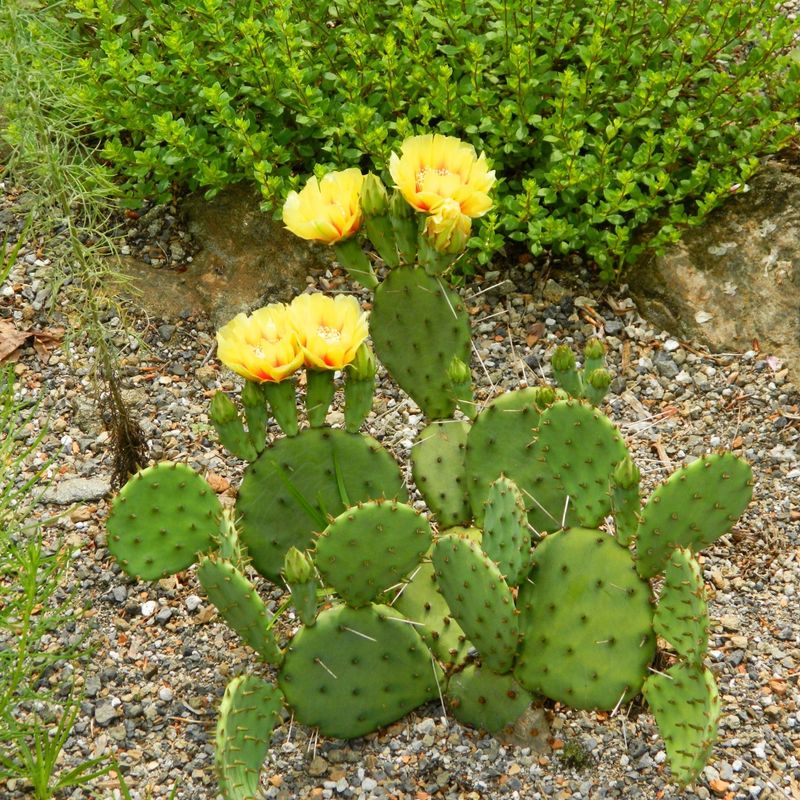
Yes, Georgia has a native cactus. Eastern prickly pear, Opuntia humifusa, grows low and spreading, with flat green pads that store water for dry times.
Sandy coastal dunes, granite outcrops, and dry, sunny slopes are where you might spot it in the wild.
Late spring into early summer is its showtime. Waxy yellow flowers open on the pad edges, and reddish purple fruit follows later in the season.
Handle it with thick gloves, because the tiny barbed hairs called glochids are worse than the bigger spines.
Those glochids lodge in skin easily and are tough to see. Tongs or folded newspaper work well when you need to move a pad.
Drainage is the one thing it truly cannot give up.
Heavy clay that stays wet in winter can rot the pads, so plant it in sand, gravel, or a raised rocky bed. Once rooted, it usually needs little or no added water in a typical summer.
Winter can make the pads wrinkle and slump, which worries new growers.
That shriveled look is normal as the plant pulls moisture out to handle cold, and the pads usually plump up again in spring. Keep it away from walkways and play areas where someone might brush against it.
Give it an open spot where its unusual shape can stand out without getting in anyone’s way. When spring warmth returns, fresh growth quickly replaces the tired winter appearance.
4. Yaupon Holly Adapts To Dry Ground With Surprising Ease
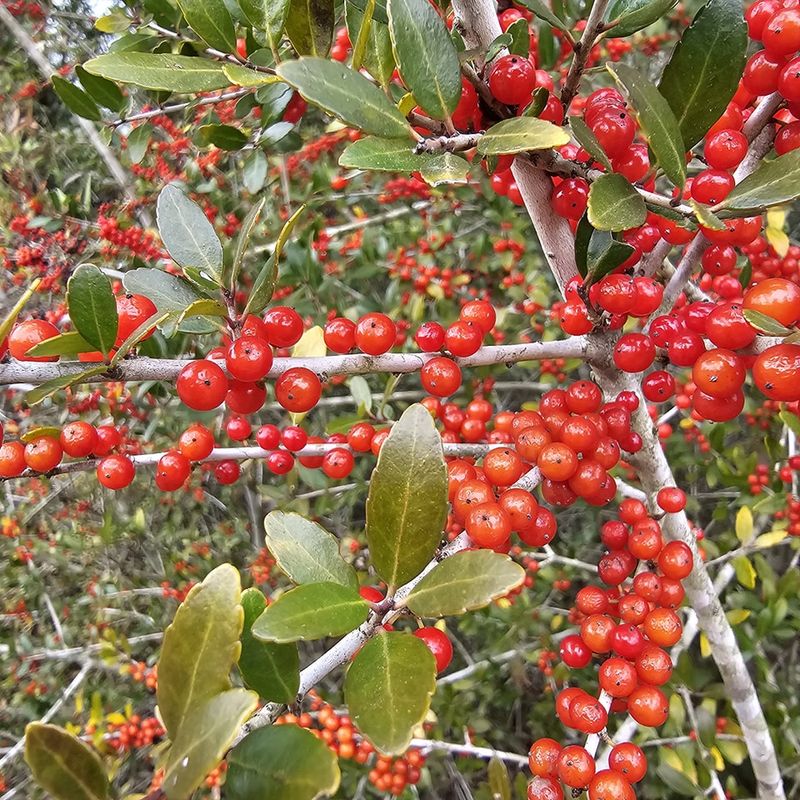
Tough, tidy, and evergreen, yaupon holly might be the hardest working shrub in a Southern yard.
Ilex vomitoria grows naturally along the coast and into the lower parts of Georgia, handling salt spray, sandy soil, and heat. It also tolerates clay better than a lot of hollies do.
Small, glossy leaves stay green all year, making it useful for hedges and screens.
Female plants produce bright red berries from fall into winter if a male plant is growing somewhere nearby. Birds such as cedar waxwings and mockingbirds eat them, so the show fades as winter goes on.
Here’s a fun fact: yaupon is the only native North American plant known to contain caffeine.
Native Americans brewed its leaves into a tea, and some people still make it today. The unpleasant scientific name comes from old ceremonial use, not from the plant itself.
Water deeply and regularly for the first year after planting.
Once settled, most yaupons shrug off dry summers, though leaves may look dull during an extended drought. Sun or partial shade both work, but berries tend to be heavier with more light.
Size varies a lot by type, from dwarf mounds under four feet to small trees over fifteen, so read the tag before you buy.
Choose the right size from the start, and yaupon can hold its shape for years without constant pruning.
5. Purple Coneflower Keeps Going Through Drier Summer Stretches
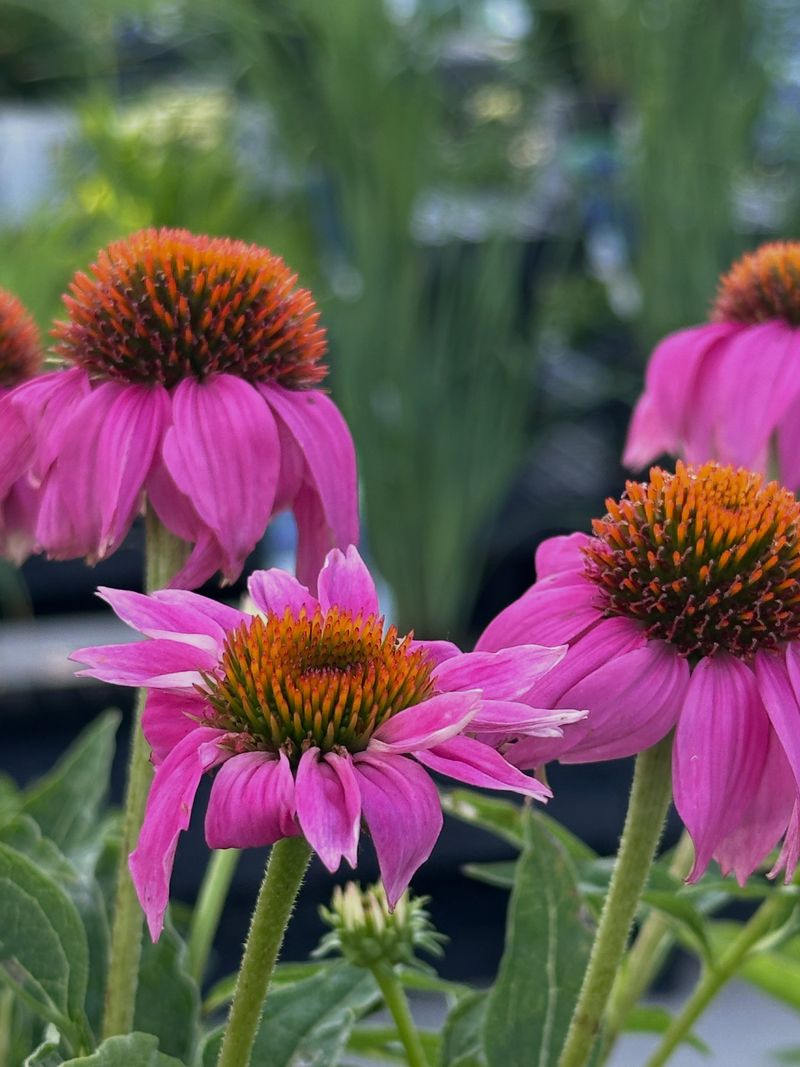
Hot July days tend to wilt a lot of garden flowers, but purple coneflower often keeps blooming right through them.
Echinacea purpurea has pinkish purple petals that droop slightly around a spiky orange-brown center. Bees and butterflies land on it constantly from early summer into fall.
Deep roots let it pull moisture from lower soil layers once it has settled in.
Plan on steady watering for the first season. After that, established clumps in Georgia usually handle ordinary dry spells, though blooms may slow or shrink during a harsh drought.
Full sun gives the strongest stems and the most flowers.
Average soil with decent drainage suits it well, and it tolerates clay better than some other perennials. Too much shade or overly rich soil can lead to leaning stems.
Should you deadhead? That depends on your goals.
Snipping spent blooms can encourage more flowers in summer. Leaving the last seed heads in fall, however, feeds goldfinches, which love picking seeds from the cones.
Plants may reseed a little, giving you free seedlings to move around in spring.
Some flashy hybrid colors can be less vigorous than the straight native species, so choose plain purple coneflower if lasting toughness is your priority.
Divide crowded clumps every few years if flowering starts to decline. Give each division enough room to spread, and it can fill sunny beds with dependable color without demanding constant attention.
6. Scaly Blazing Star Handles Dry Rocky Ground With Ease
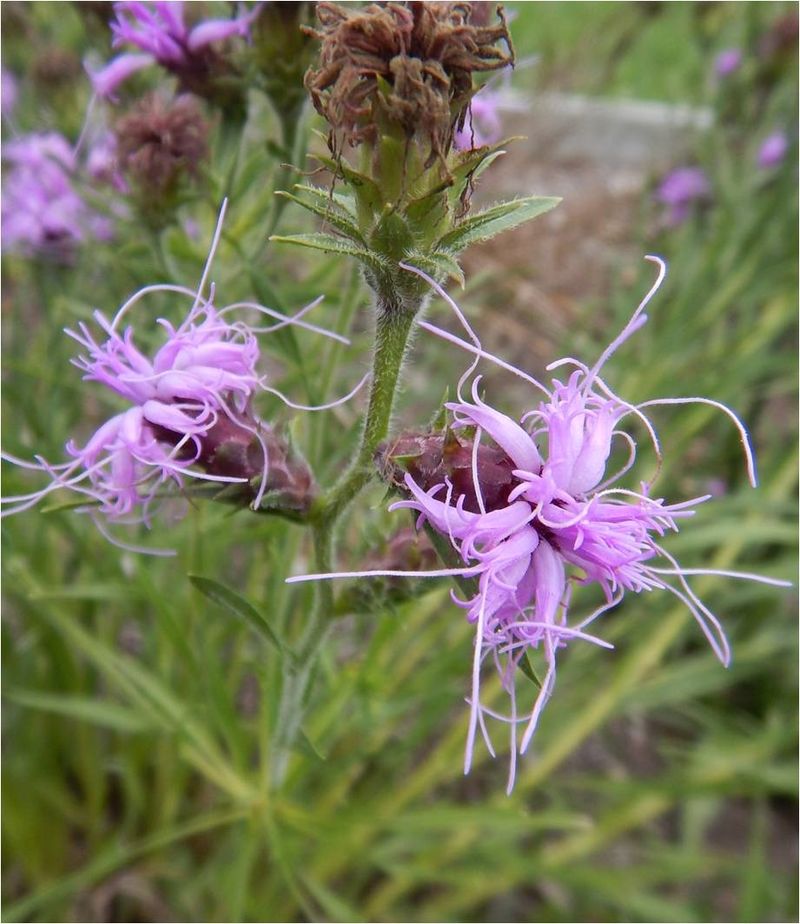
Picture a rocky, sun-baked patch where grass barely grows, and scaly blazing star might be the answer.
Liatris squarrosa is a smaller cousin of the blazing stars sold in many garden centers. It usually grows one to two feet tall, with rosy purple flower heads spaced along the stems.
Look closely and you’ll see why it’s called scaly.
Each flower head sits in a cup of pointed, overlapping bracts that curl outward like tiny scales. Blooms typically open in mid to late summer, when many spring flowers have long finished.
Across Georgia, it grows in dry, open woods, rocky slopes, and sandy clearings.
A round underground corm stores water and energy, helping the plant get through dry weather. Good drainage is key, since that corm can rot in soil that stays soggy.
Full sun works best, but light afternoon shade is usually fine.
Finding it can take some effort, because it’s less common in stores than other Liatris species. Check native plant sales or specialty nurseries, and avoid digging it from the wild.
Butterflies and native bees visit the blooms often. Pair it with little bluestem and butterfly weed for a low, tough planting that looks natural together.
Its compact size also makes it easy to tuck between grasses and other low-growing natives. Once the flowers fade, the upright stems add texture without overwhelming the rest of the planting.
7. American Beautyberry Adapts To Sites From Wet To Dry
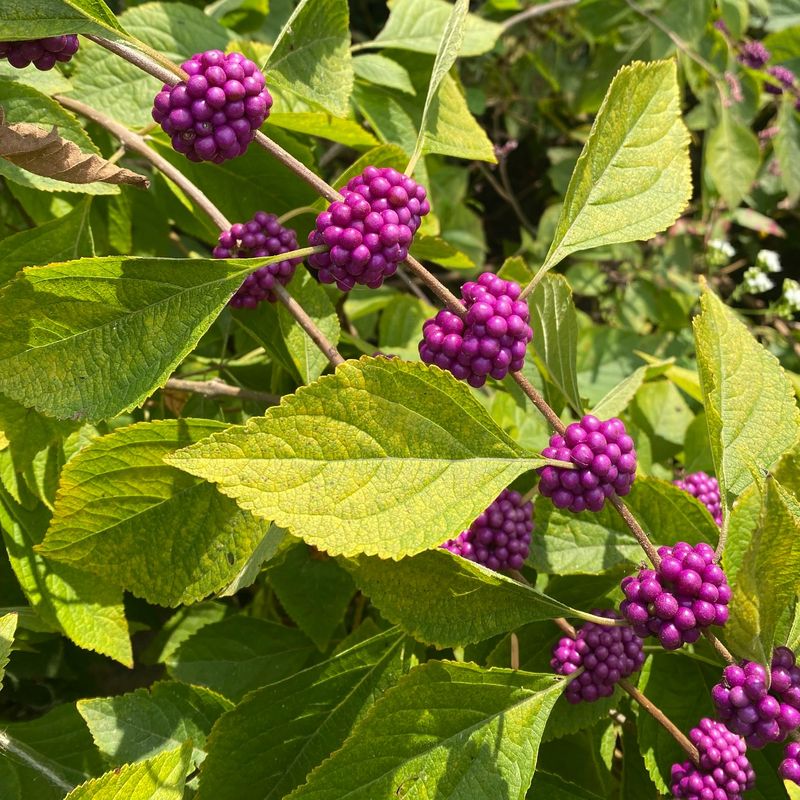
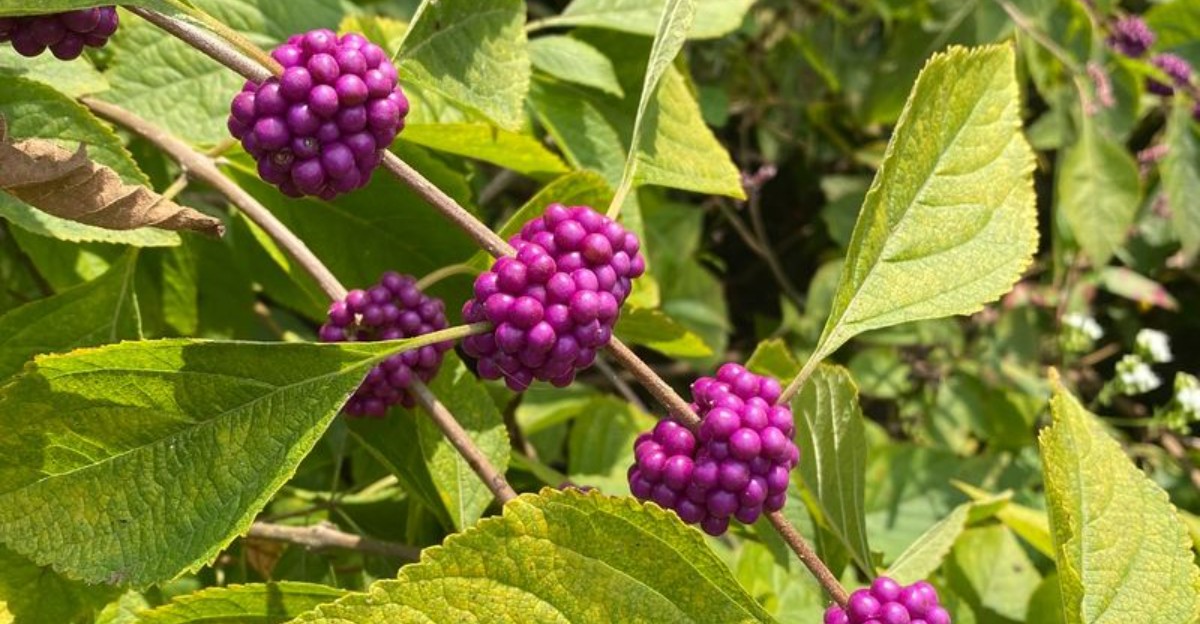
Nothing else in the fall woods looks quite like those berries. Clusters of glossy magenta purple fruit wrap around the stems of American beautyberry from late summer into fall.
Callicarpa americana is a loose, arching shrub usually reaching three to six feet tall.
Its range of comfort is wide. You’ll find it growing wild in Georgia along damp stream edges, in pine woods, and on fairly dry slopes too.
Once established, it can get by on rainfall alone in many yards.
During long dry spells, leaves may droop in the afternoon heat, then perk back up by evening. If wilting lasts into the next morning, a deep watering will help.
More sun usually means more berries, though partial shade works fine.
Birds such as mockingbirds and thrashers eat the fruit, often after other food gets scarce. Deer may browse the leaves, so young plants might need protection in some areas.
Pruning is easy, since beautyberry blooms on new growth each year.
Cut the whole shrub back to about a foot tall in late winter to keep it compact and full. Some people also crush the leaves and rub them on skin as an old folk mosquito repellent, though results can vary.
New stems quickly fill out once warm weather returns, carrying small summer flowers that later become the bright berry clusters.
Give the shrub enough room to arch naturally, and its relaxed shape needs little fussing through the season.
8. Coral Honeysuckle Needs Little Extra Water Once Well Established
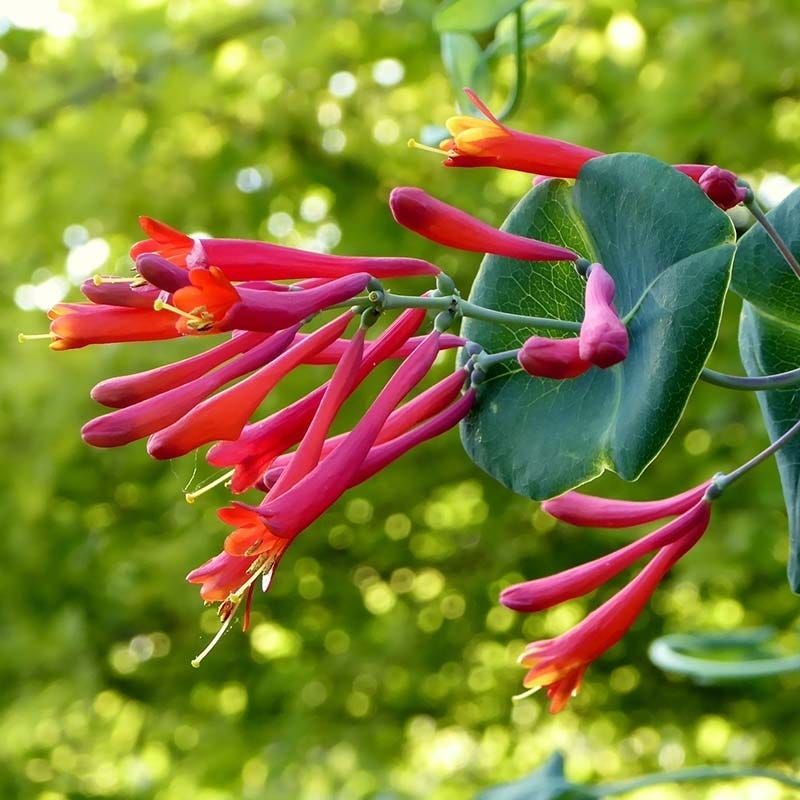
Hummingbirds seem to find this vine almost as soon as the first flower opens.
Coral honeysuckle, Lonicera sempervirens, produces clusters of red tubular flowers with yellow or orange insides. Blooms usually peak in spring, with lighter flushes off and on into summer and fall.
Don’t confuse it with Japanese honeysuckle, the invasive vine that smothers woods across the Southeast.
Coral honeysuckle is far better behaved. It climbs by twining, so give it a trellis, fence, or mailbox post to wrap around.
Water it steadily during its first year while the roots spread out.
Once established, it typically handles dry summer stretches with little added water, although blooming may slow during an intense drought. A deep soak every couple of weeks in a harsh dry spell can keep the leaves looking fresher.
Full sun brings the heaviest flowering, while shade tends to mean more leaves and fewer blooms.
In mild winters, it may keep some leaves, but colder spells can make it drop more foliage. Aphids sometimes cluster on new tips in spring, and a strong spray of water often knocks them off.
Small red berries follow the flowers, giving birds a snack. Trim lightly after the spring bloom to keep the vine tidy without cutting off future flowers.
With sturdy support and plenty of sun, it can cover a bare structure without becoming difficult to manage.