Do This For New North Carolina Shrubs In October Or They’ll Struggle Through Winter
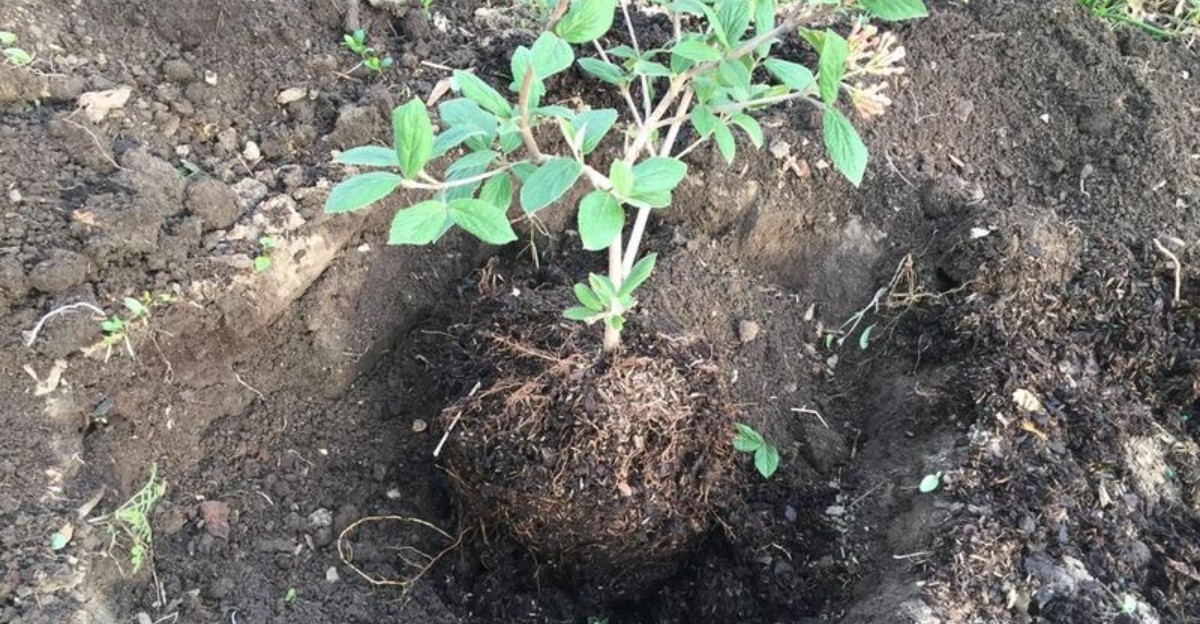
October feels like the end of the gardening year, but a newly planted shrub is just getting started. Its roots are still settling in. Warm soil keeps them growing, even after the leaves slow down.
That gives North Carolina gardeners a short window to help. New shrubs have far fewer roots than established ones, so they handle stress poorly. One simple task in October makes a real difference in how they face the colder months.
Skip it, and the shrub may look tired by February. Do it now, and it has a much better chance of waking up strong in spring. It doesn’t take long, and it costs almost nothing.
Most gardeners never think to do it. The reward is a healthier plant when growth starts again.
1. Water Deeply And Check The Root Ball

A brand new shrub can be thirsty even when the flower bed looks perfectly damp. The reason hides right under the surface.
Most of its roots are still packed inside the original nursery root ball, and that potting mix dries out much faster than the soil around it.
So a quick glance at the bed can fool you. The garden soil may feel moist while the root ball sits dry as a sponge left in the sun. Your shrub cannot reach out into that wetter soil yet, because its roots have not grown far enough.
Water deeply once or twice a week whenever rain is scarce. Aim for about an inch of water per week, which is roughly what a good soaking rain delivers.
Set a hose right at the base of the plant and let it run on a slow trickle for several minutes, so the water sinks in instead of running off.
Checking moisture takes only a few seconds. Push a finger two or three inches into the root ball itself, not the soil beside it. If it feels dry, it is time to water again, even if the ground nearby feels cool and damp.
Timing makes this step extra important here at home. October is often one of the driest months of the year in North Carolina, with long stretches of sunny, pleasant days and very little rain.
That sounds lovely for a picnic, but it can leave fresh plantings short on water right when they need to grow roots.
Fall really is a fantastic time to plant shrubs, since cool air and warm soil help roots spread. A steady drink keeps that root growth going strong until winter arrives.
2. Check That The Shrub Is Still At The Right Depth
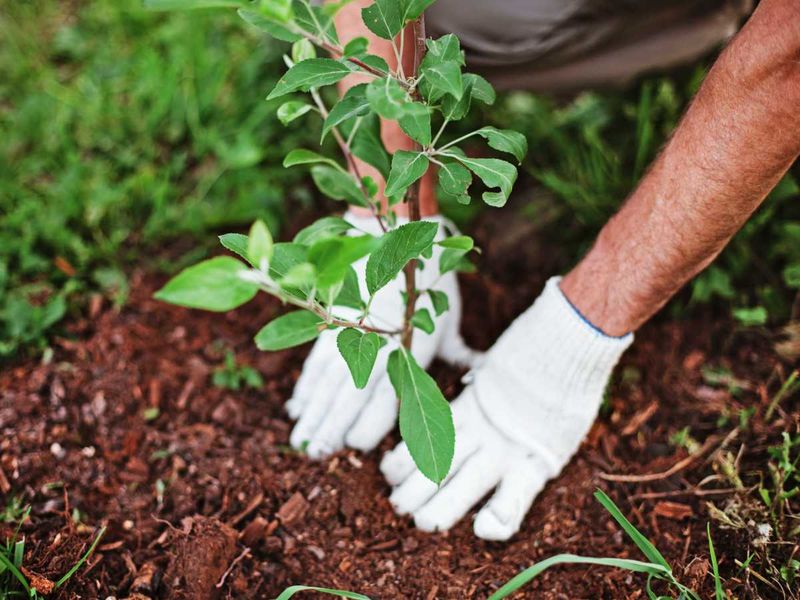
Shrubs do not stay put as much as you might think. A few weeks after planting, the ground beneath them can shift in sneaky ways. Taking a fresh look now can save you from trouble later.
Loose soil in a planting hole settles over time, especially after watering. As it sinks, the shrub can end up sitting lower than it should, almost like it is resting in a little bowl. Water then collects around the stems, and soggy roots can rot during a wet winter.
Your North Carolina Garden Changes Every Week. Your Plan Should Too.
Gardening in North Carolina changes quickly throughout the season. Every Friday you’ll receive a simple weekly plan showing exactly what to plant, prune, fertilize, harvest, and protect so you never miss the right timing.
Heavy rain can cause the opposite problem. Strong storms sometimes wash soil away and leave the top of the root ball exposed to the air. Those uncovered roots dry out quickly and can be hurt by freezing temperatures.
Fixing either issue is simple. The top of the root ball should sit level with the surrounding soil or slightly above it, about an inch higher is fine. Gently pull back any soil or mulch that has piled up against the stems, since bark kept wet for too long invites disease.
If you notice roots poking out, add a little soil around the edges and pat it down lightly. Try not to bury the stems while you work. A thin layer is all it takes to cover things up again.
North Carolina gardens face this problem more than many places. Fall storms and the remains of tropical systems can dump a lot of rain in a short time.
Our famous red clay also settles and shifts as it swells and dries, which can slowly pull a new planting out of place. A quick check with your eyes and hands keeps everything sitting just right.
3. Mulch To Protect Roots
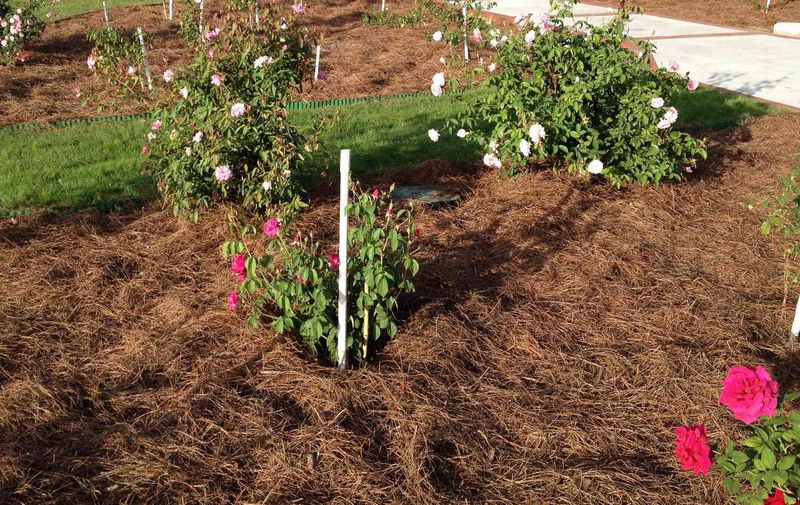
Think of mulch as a cozy blanket for your shrub’s roots. It costs little, takes minutes to spread, and works hard all winter long. Few garden chores give you so much help for so little effort.
Mulch does several jobs at once. It holds moisture in the soil, so your watering lasts longer. It also keeps soil temperatures steadier, which matters more than many gardeners realize.
When soil freezes and thaws over and over, it expands and shrinks. That movement can actually push young plants up out of the ground, a process called frost heaving. A layer of mulch softens those swings and keeps tender roots snug.
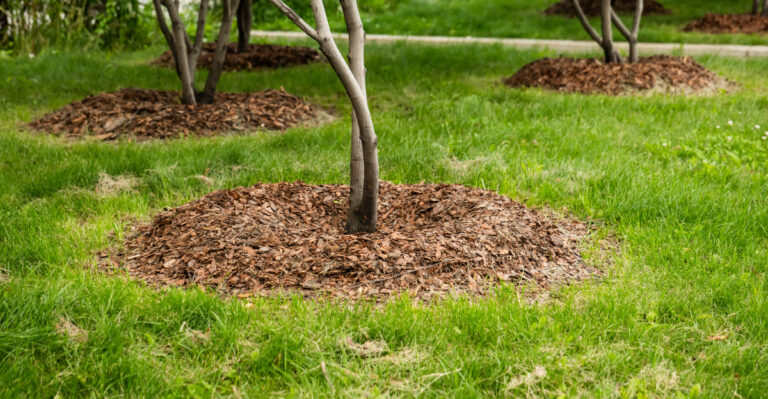
As a bonus, it blocks many weeds that would otherwise steal water and nutrients. Spread 2 to 3 inches of shredded hardwood, pine bark, or pine straw over the root zone.
Go wider than you might expect, extending past the edge of the original planting hole. New roots are trying to grow outward, and they will appreciate the protection.
One rule really matters here. Keep the mulch a few inches away from the base of the stems. Piling it up like a volcano traps moisture against the bark and can lead to rot, while also giving mice and other critters a hiding spot.
Our state’s winters make mulch especially useful. North Carolina often swings from freezing nights to mild, sunny days, sometimes in the same week. Those ups and downs are exactly what make soil freeze and thaw so often.
Pine straw is also easy to find here, since longleaf and loblolly pines drop plenty of it every fall.
4. Skip Fertilizer Until Spring
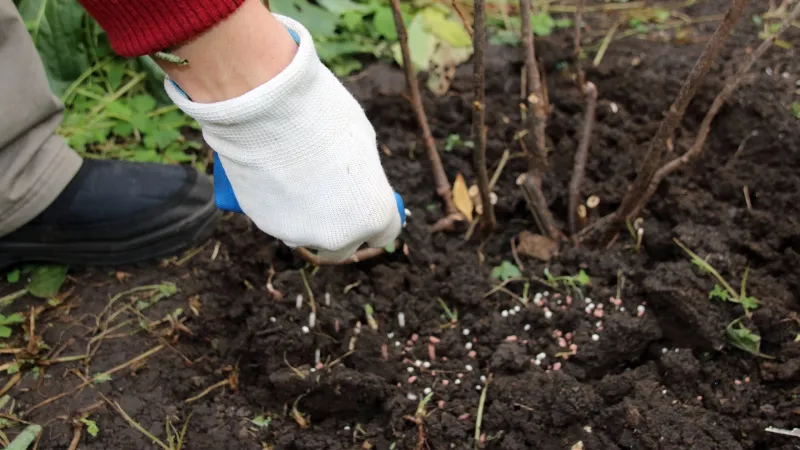
Feeding a new shrub feels kind and helpful. In October, though, a bag of fertilizer is usually the last thing it needs. Patience is the better gift this time of year.
Fertilizer, especially nitrogen, tells a plant to grow fresh leaves and stems. That soft new growth needs time to toughen up before cold weather arrives.
When a hard freeze hits too soon, those tender shoots can be badly damaged, and the plant wastes energy it should have saved.
Right now your shrub has a different goal. It needs to build roots, not leaves. Strong roots will carry it through winter and fuel a healthy burst of growth when spring returns.
The smartest move happens before you even dig. A soil test shows what your ground actually needs, so you are not guessing.
In North Carolina, the Department of Agriculture offers soil testing, and it is free for much of the year, with a small fee during the busy season from late November through March.
Follow the report’s advice on lime or nutrients. Many North Carolina soils are acidic, and lime can be added in fall without pushing tender growth. Then wait until spring, when new buds begin to swell, to fertilize lightly.
Mild autumn weather is the real reason to be careful here. Warm spells in October and even November can trick a well-fed shrub into thinking it is time to grow.
A sudden cold snap then catches that growth off guard. Holding off keeps your plant calm, steady, and focused on what matters most underground.
5. Hold Off On Heavy Pruning

Those pruning shears can stay in the shed for now. It is tempting to shape a new shrub right after planting, but heavy cuts in fall can set it back. A light touch works far better.
Pruning sends a signal to a plant to push out new growth. Just like fertilizer, that can lead to soft shoots that cold weather damages. Every leaf you remove also takes away a tiny solar panel, and those leaves make the energy that roots need to grow.
Spring bloomers face an extra risk. Many of them form next year’s flower buds months ahead of time. Cut them back in fall, and you may snip off the very blooms you were hoping to enjoy in April.
So what can you trim? Remove only broken, damaged, or crossing branches after planting. These cuts help the plant stay healthy without causing much stress. Use clean, sharp pruners and cut just above a bud or side branch.
Save any real shaping for the right season for each shrub. For spring-flowering types, the best time is usually right after they finish blooming. Summer bloomers often do best with pruning in late winter.
This advice fits North Carolina gardens especially well. Our yards are full of azaleas, camellias, and other spring-blooming favorites that set their buds in summer and fall.
Look closely at a camellia in October and you will often see fat round buds already waiting. Some camellias, like sasanquas, even bloom in fall. Leaving them alone now means a garden bursting with color later.
6. Protect New Shrubs From Deer And Rabbits

Your new shrub may look like a garden treasure to you. To a hungry deer, it looks like a buffet. Wildlife loves fresh plantings, and fall is when the snacking really picks up.
Nursery shrubs are often grown with plenty of fertilizer and water. That makes their leaves soft, tender, and full of flavor for browsing animals. As autumn turns to winter and wild food gets harder to find, deer and rabbits start searching yards more often.
One night of nibbling can strip a young plant of many leaves and buds. A small shrub with a tiny root system has a hard time bouncing back from that kind of damage. Protecting it early is much easier than repairing it later.
Physical barriers work best. Surround vulnerable shrubs with wire cages or temporary fencing, and make sure rabbits cannot squeeze underneath. For deer, taller is better, since they can reach surprisingly high.
Repellents add another layer of defense. Spray deer and rabbit repellents on leaves and stems, then reapply after rain washes them off. Switching between products now and then helps keep animals from getting used to one smell or taste.
Planning ahead also pays off. In areas with heavy browsing, choose deer-resistant shrubs such as boxwood, wax myrtle, or many hollies. No plant is truly deer proof, but some are far less tempting.
Across North Carolina, white-tailed deer are common in both rural and suburban yards, from mountain towns to coastal neighborhoods.
Many homeowners spot them strolling down the street at dawn. A little protection now keeps your shrubs growing instead of feeding the neighborhood herd.
7. Keep Watering Through Winter Dry Spells
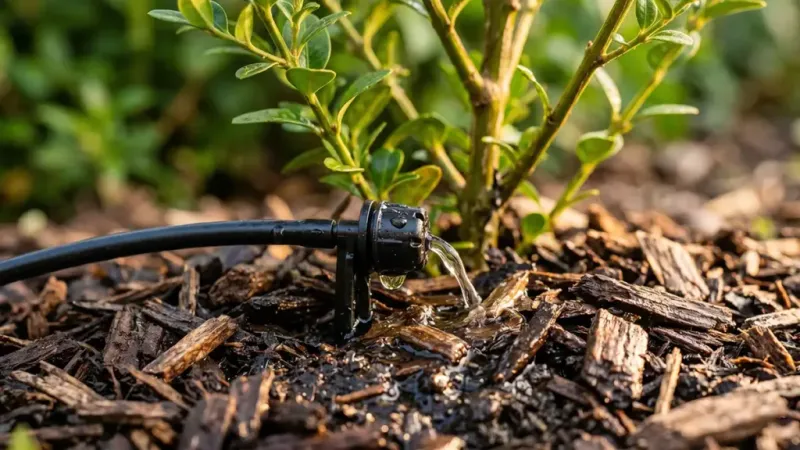
Winter might seem like a break from garden chores. Your hose, however, should not be packed away just yet. New shrubs still need a drink when the weather turns cold and dry.
Evergreens keep their leaves all year, and those leaves keep losing moisture to the air. Sun and wind on a chilly afternoon can pull water out faster than you would guess. A shrub with a small, young root system often cannot replace that water quickly enough.
The results show up later. Leaves may turn brown at the edges, and twig tips can wither and fail. Many people blame the cold, when the real trouble was simply thirst.
Fortunately, the fix is simple. During dry winter periods, water deeply every couple of weeks, as long as the ground is not frozen. Give the root ball a slow, thorough soaking, just like you did in fall.
Pay special attention to evergreens like hollies, boxwoods, camellias, and azaleas. These popular shrubs are working all winter, even when they seem asleep.
Deciduous shrubs that drop their leaves need less water, but they still appreciate a drink during long dry stretches.
Timing helps too. Water during the warmer part of the day, around midday, so the moisture soaks in before temperatures drop at night.
North Carolina makes this step easy to follow. Outside the high mountains, the ground rarely freezes for long, so you can usually water whenever it is needed. Winter dry spells are also common across the state.
Keep an eye on the forecast, and your shrubs will greet spring green, healthy, and ready to grow.