How To Tell Stink Bugs Apart From Their Look Alikes In North Carolina Gardens
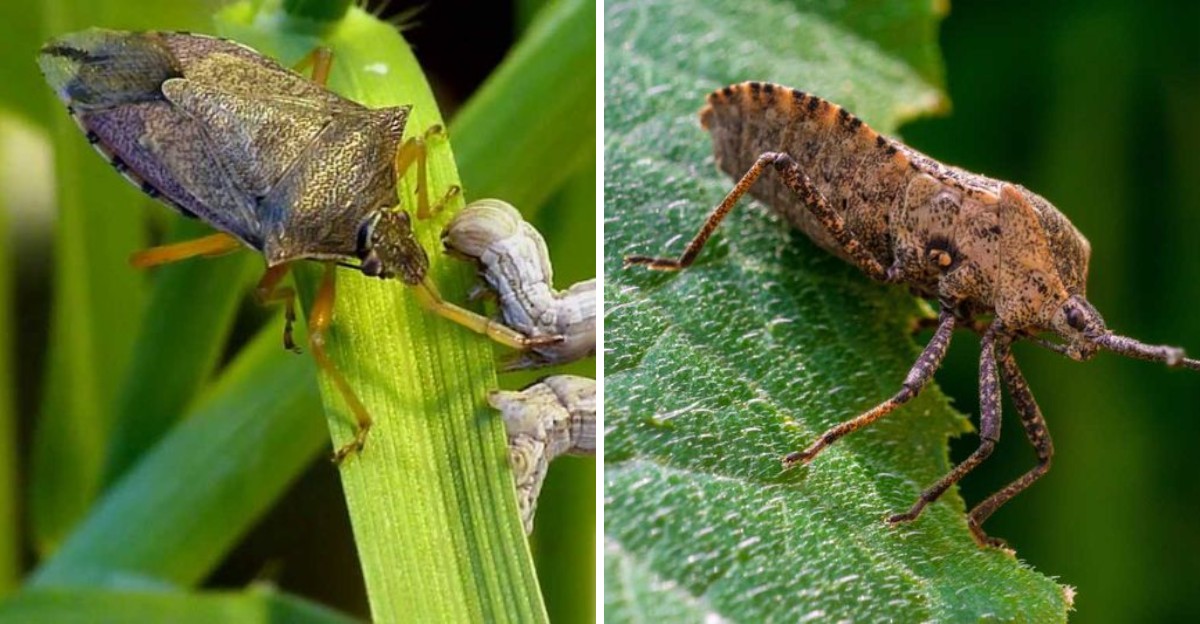
Not every shield-shaped bug in your garden is a stink bug. Some are harmless. Others cause very different problems.
North Carolina has several lookalikes, including native stink bugs, leaf-footed bugs, and squash bugs. Treating the wrong one wastes time and can even harm helpful insects. A few small details give each one away.
Look closely at the antennae. Check the edge of the body. Notice the shape of the shoulders.
The brown marmorated stink bug has markings you can learn to spot in seconds. Once you know what to look for, you can stop guessing and respond only to the bugs that truly threaten your plants.
A quick comparison of the key features makes identification much easier, even for beginners. It is a skill worth learning before next season.
1. Check The Antennae For White Bands
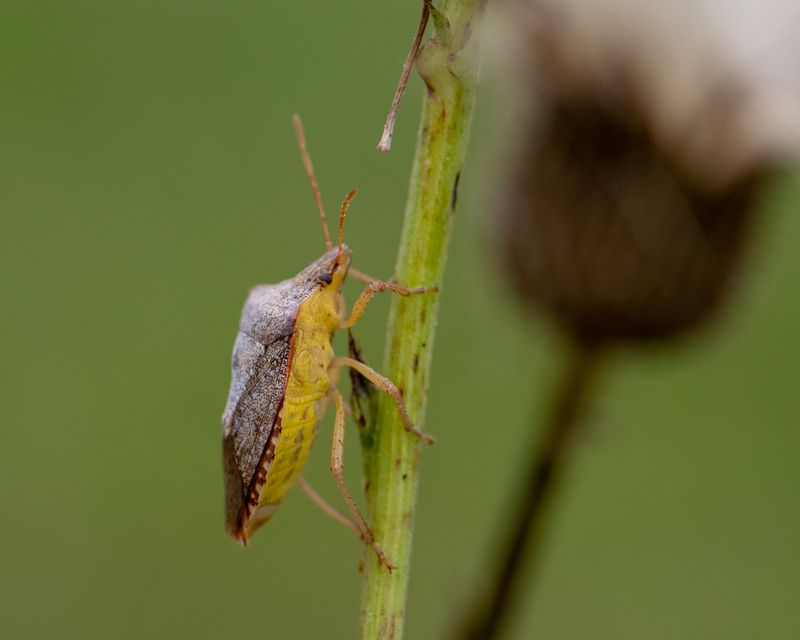
Tiny details often tell the biggest stories, and stink bug antennae are a perfect example. Those two thin feelers sticking out from the head are the fastest way to spot the brown marmorated stink bug.
Gardeners who learn this one trick can often name the bug in seconds. The brown marmorated stink bug is an invasive species that came from Asia. It has light or white bands on the last segments of its antennae, almost like little stripes painted near the tips.
The native brown stink bug and most other look-alikes have plain antennae with the same color from base to tip.
Getting a good look is easier than you might think. A small hand lens works great, but your phone camera can do the job too. Snap a close-up photo, then zoom in on the antennae to check for those pale bands.
Still, one clue should not settle the case on its own. Lighting can play tricks, and young stink bugs, called nymphs, can look a little different from adults. Use the antennae as your first check, then confirm with other features like body edges and overall color.
Here in North Carolina, the invasive brown marmorated stink bug and several native stink bugs often share the same garden beds.
They may even sit on the same plant at the same time. Telling them apart helps you track whether the invasive kind is moving into your area.
Many local extension offices like to hear about new sightings, too. Your quick photo could help scientists understand how this pest spreads across the state. Not bad for a few seconds of looking at tiny striped feelers!
2. Look At The Edges Of The Abdomen
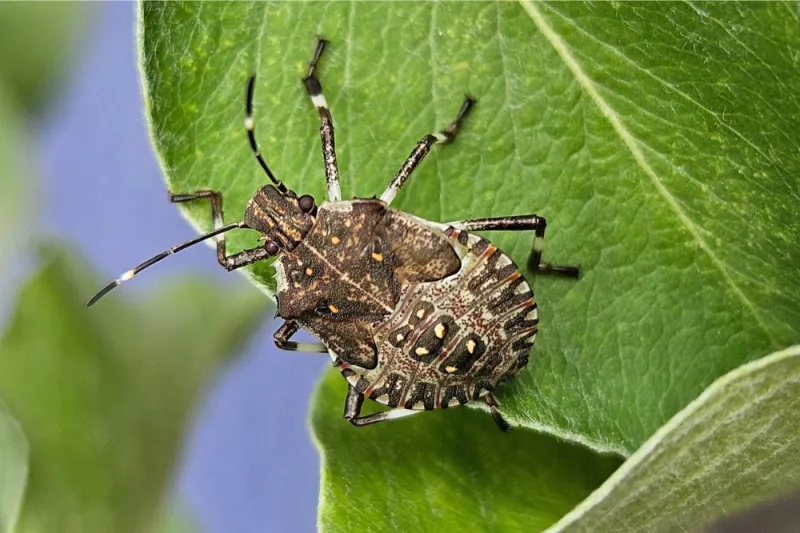
Flip your attention from the head to the sides, and a whole new set of clues pops into view. The outer edge of a stink bug’s body works a bit like a name tag. Once you know what to look for, you will start noticing it everywhere.
On the brown marmorated stink bug, the edge of the abdomen sticks out past the folded wings. Along that edge runs a pattern of alternating light and dark bands. Many people say it looks like a tiny checkerboard trim.
Your North Carolina Garden Changes Every Week. Your Plan Should Too.
Gardening in North Carolina changes quickly throughout the season. Every Friday you’ll receive a simple weekly plan showing exactly what to plant, prune, fertilize, harvest, and protect so you never miss the right timing.
The native brown stink bug usually has more even coloring along its sides. Meanwhile, the native green stink bug is easy to spot because it is bright green all over. Its smooth color makes it stand out against brown look-alikes.
For the best view, look down at the bug from above while it rests on a leaf. Follow the outline of its body with your eyes, checking both sides for that banded pattern.
Then step back and compare the overall color, since brown, mottled brown, and bright green each point to a different species.
A soft touch helps here. Stink bugs tend to drop or fly when bothered, so move slowly and avoid shaking the plant.
Why go to all this trouble? Across North Carolina, both native and invasive stink bugs feed on tomatoes, peppers, beans, and fruit. Their feeding leaves cloudy spots, hard patches, and dimpled skin on your crops.
Knowing exactly who is snacking in your garden helps you pick the right timing and the right plan to protect your harvest.
3. Spined Soldier Bugs Are Helpful Predators
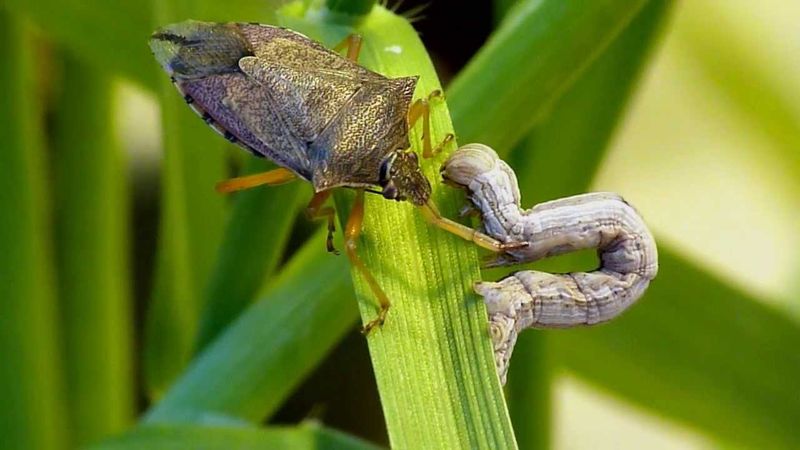
Not every stink bug is out to ruin your dinner plans. Some are on your side, working hard as tiny garden guards. The spined soldier bug, known to scientists as Podisus maculiventris, is one of the best helpers you can have.
At first glance, this native insect looks a lot like the plant-feeding stink bugs. That is exactly why so many gardeners remove it by mistake. Sadly, tossing it out means losing a free pest control worker.
Spined soldier bugs hunt caterpillars, beetle larvae, and many other garden pests. They use their beak to pierce prey and feed on it, a bit like a straw. One busy soldier bug can help protect a whole row of greens.
So how can you spot one? Look at the shoulders first. Spined soldier bugs have sharp, pointed spines that stick out on each side, giving them a bold, armored look.
Next, check the color and the beak. Their bodies are tan to brown, and their beak is noticeably thicker than the thin beak of plant-feeding stink bugs. A thicker beak is built for stabbing insects, not sipping plant juice.
When you find one, simply leave it alone. Let it patrol your plants and do what it does best.
North Carolina gardens face plenty of caterpillars, from hornworms to cabbage worms. Spined soldier bugs help keep those pests in check, especially in vegetable beds.
Learning to recognize them turns a possible mistake into a smart choice, and your garden will thank you for keeping these little soldiers on duty.
4. Leaf-Footed Bugs Have Flattened Back Legs
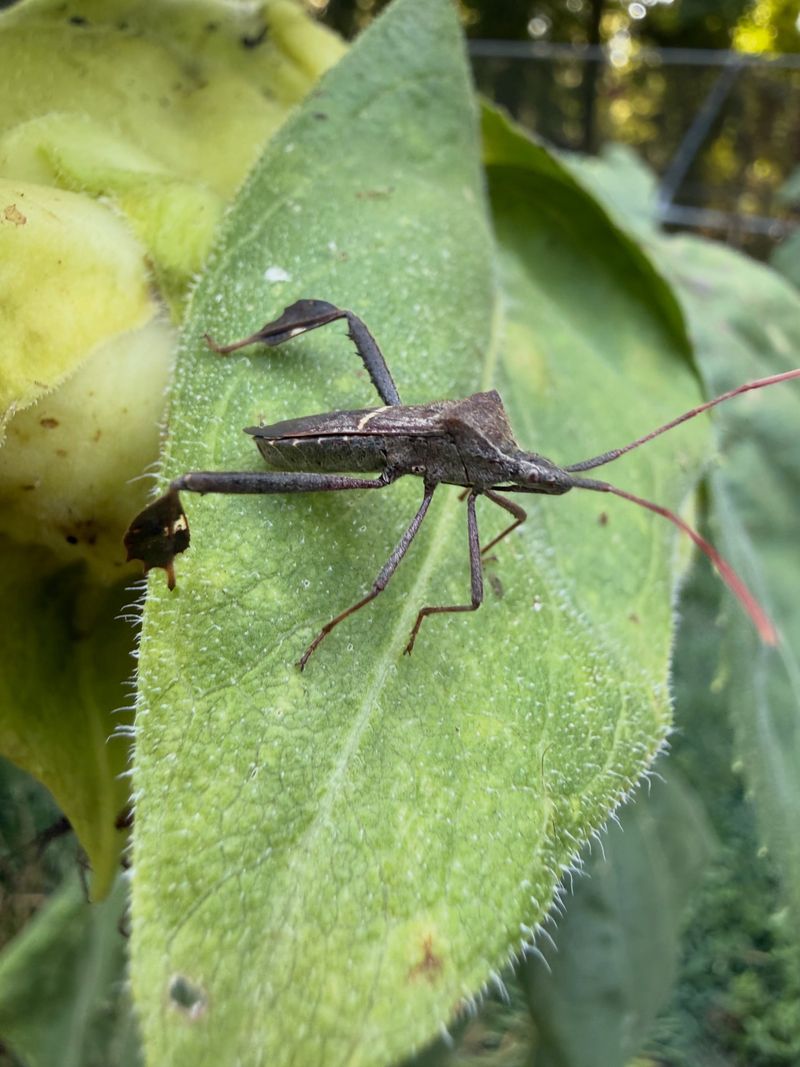
Some bugs wear their identity right on their legs. The eastern leaf-footed bug, or Leptoglossus phyllopus, has a feature so unusual that it almost looks like a costume. Once you see it, you will never mix it up again.
Leaf-footed bugs are often mistaken for stink bugs because they are brownish and share some of the same plants. Still, their bodies are longer and narrower than the wide shield shape of a stink bug. They look more stretched out, like a stink bug that grew taller.
The real giveaway sits on the hind legs. Each back leg has a flattened, leaf-like section that spreads out wide. Many eastern leaf-footed bugs also have a pale band across the back, which adds another helpful clue.
Do not let the fancy legs fool you into thinking they are harmless, though. These bugs feed on fruits and vegetables, and tomatoes are one of their favorites. Their feeding can cause spots, soft areas, and misshapen fruit.
Handling them is simple. Fill a small container with water and a few drops of dish soap. Then hold it under the bug and gently tap it in, since many will drop down when bothered.
Checking plants in the morning works well because the bugs move more slowly when it is cool. Look on fruit, stems, and the undersides of leaves.
In North Carolina, leaf-footed bugs show up in big numbers on tomatoes and other crops during late summer. Spotting those leafy legs early lets you act before your best fruit gets damaged.
5. Squash Bugs Are Narrower And Stick To Squash
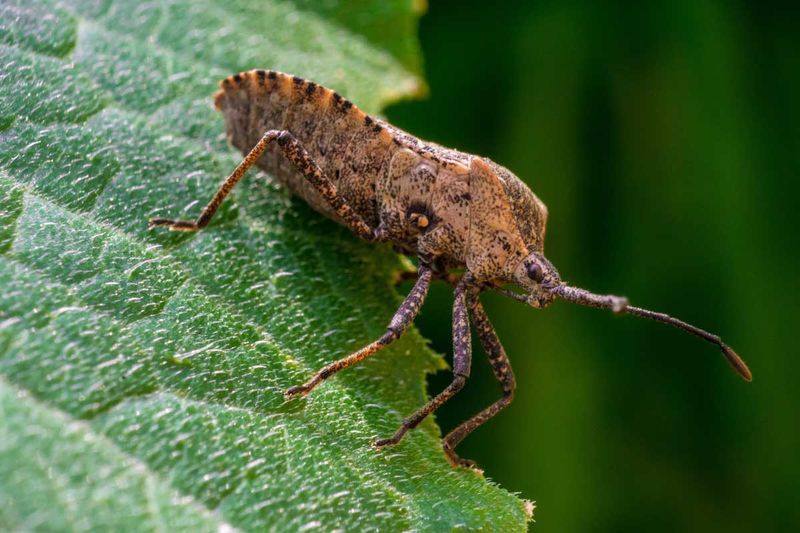
If your squash leaves suddenly start to wilt, a sneaky gray bug might be the reason. Squash bugs, or Anasa tristis, are among the most frustrating summer pests. They look a bit like stink bugs, but their habits give them away.
Body shape is your first hint. Squash bugs are flatter and narrower than stink bugs, with a longer outline. Their coloring is a dull gray-brown, which helps them blend into soil and stems.
What they eat is another big clue. Squash bugs feed mainly on squash, pumpkins, and other cucurbits, such as cucumbers and melons. Stink bugs, on the other hand, munch on a much wider mix of plants.
When squash bugs feed, they suck sap from the leaves. Soon the leaves wilt, turn brown, and dry up. A heavy group of them can wipe out a plant’s leaves quickly.
Eggs make an easy target for sharp-eyed gardeners. Flip over squash leaves and look for clusters of shiny bronze eggs, often lined up in neat patches. Scrape them off with a butter knife or press them onto a piece of tape.
Nymphs are also easy to find once you know their look. Young squash bugs are gray and tend to gather in groups on the plants. Catching them early makes control much easier.
Across North Carolina, squash bugs rank among the most damaging pests of summer squash. Checking leaves a few times each week during warm months can make the difference between a sad, brown patch and a basket full of tender zucchini.
6. Kudzu Bugs Are Small, Round, And Olive Green
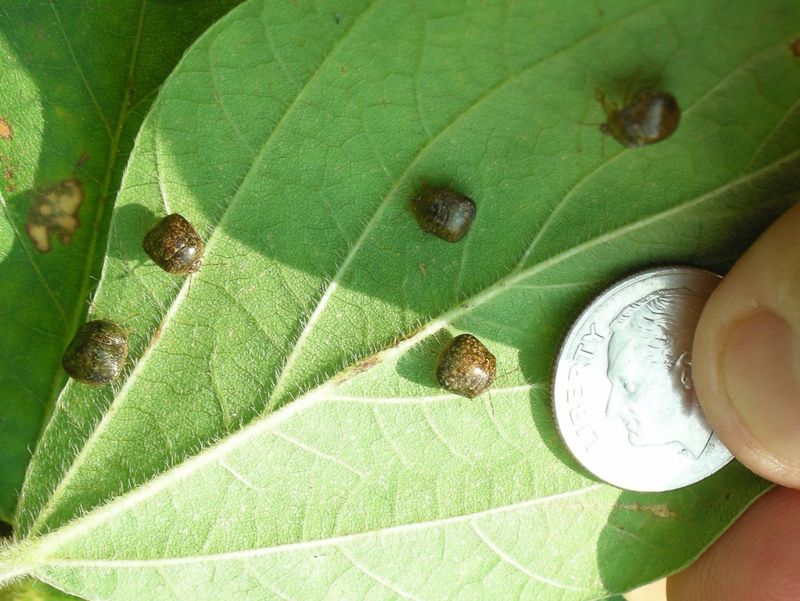
Picture a ladybug that swapped its red spots for a plain olive coat and a squared-off rear end. That is pretty much the kudzu bug, known as Megacopta cribraria. It is small, but it has made a big name for itself in the South.
Kudzu bugs are related to stink bugs, which explains part of the confusion. They give off an unpleasant smell when bothered, just like their cousins. They also gather on the sides of homes in fall, which many people expect from stink bugs.
Size is the simplest way to tell them apart. Kudzu bugs are about as big as a ladybug, much smaller than a typical stink bug. Their bodies are round and nearly square, with a flat back end.
Color helps too. Most kudzu bugs range from olive green to brown, often with tiny speckles. You will usually find them on kudzu, soybeans, wisteria, and other plants in the bean family.
A word of caution before you grab one. Crushing kudzu bugs can stain your skin and surfaces, and the smell is not pleasant. Instead, sweep them into soapy water or use a vacuum you set aside for bugs.
Kudzu bugs first showed up in Georgia in 2009 and spread quickly across the Southeast. They became established in North Carolina soon after, helped along by the state’s huge amount of kudzu.
For gardeners growing beans or living near kudzu patches, knowing this little bug helps you stay calm and respond the right way.
7. Wheel Bugs Have A Gear-Shaped Crest
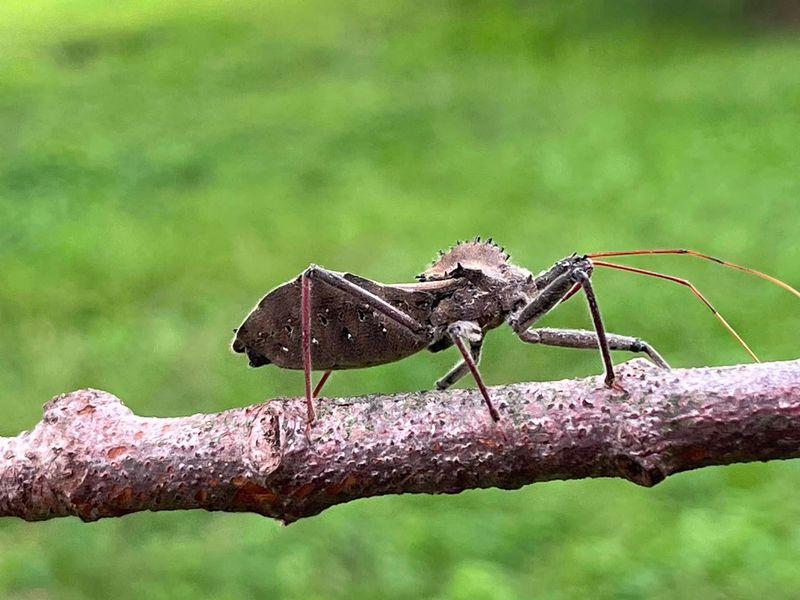
Few garden bugs look as wild as the wheel bug. With a spiky crest on its back, it seems like something from a science fiction movie. Arilus cristatus is a native assassin bug, and it is one of the largest true bugs you will meet in your yard.
Because of its size and gray color, people sometimes confuse it with a stink bug. A closer look shows big differences, though. The wheel bug has long legs and a narrow head, quite unlike the wide shield of a stink bug.
The star feature is the crest. Right in the middle of its back sits a raised ridge with bumps that look like half of a gear or cog wheel. No other common garden bug in North Carolina has anything quite like it.
Check the head for one more clue. Wheel bugs have a curved beak that tucks under the head, ready to grab prey. They use it to feed on caterpillars, beetles, and many other pests.
That beak comes with a warning. Wheel bugs can deliver a very painful bite if you pick them up or press on them. Many people say the bite hurts more than a bee sting and stays sore for a while.
The best plan is simple. Admire them from a safe distance, keep your hands away, and let them hunt. Wear gloves when working in thick plants just in case.
Wheel bugs are common in North Carolina gardens, especially in late summer and fall. They quietly help control caterpillars and other troublemakers, making them true allies worth protecting.