The Flammable Plants You Should Keep Away From Your New York Home
Your shrubs might be hiding a secret that smells like pine and burns like a torch. Plenty of tidy yards across New York are lined with plants that catch fire with surprising ease.
Oils, resin, and dry debris can turn a single stray ember into big trouble, especially within the first few feet of your home. Even the mulch and leaves near your siding play a sneaky role.
Wildfire isn’t just a Western problem, either. Long Island’s Central Pine Barrens has burned before, from the 1995 Sunrise Fire that leaped across Sunrise Highway to brush fires in March 2025.
Luckily, a few smart swaps and simple chores make a real difference. The plants and spots below deserve a second look, starting right outside your door.
1. Junipers Packed With Flammable Oils
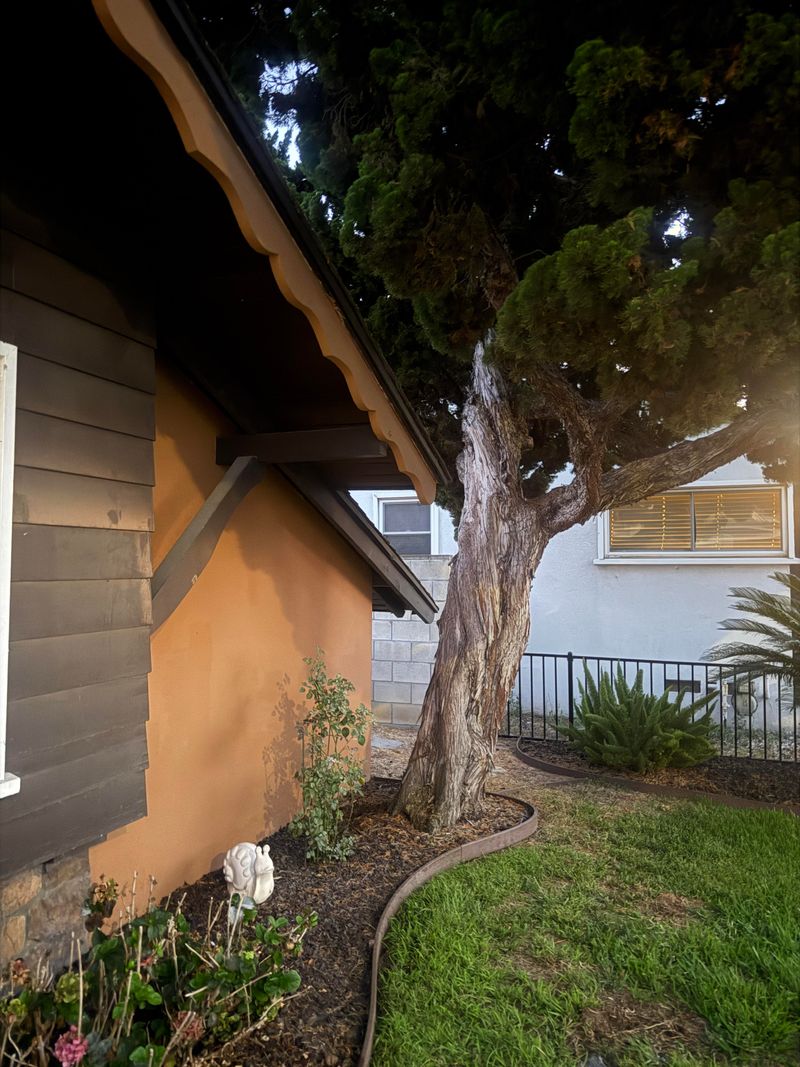
Firefighters have a nickname for junipers, and it is not a friendly one. They call them gasoline plants or little green gas cans.
Why the harsh label? Junipers carry volatile oils in their needles that ignite quickly and burn very hot.
Look closely inside a mature juniper and you will often spot brown, crispy material. Old needles and tiny twigs pile up in the center of the shrub over time.
Fire experts call these pockets of dry fuel jackpots. A single ember can land there and smolder for hours before bursting into flame.
Heat is another big concern with these shrubs. Burning conifers like junipers can throw intense heat more than 50 feet away.
Many New York homes have junipers planted in long rows along the foundation. Builders love them because they stay green, grow low, and need little care.
Unfortunately, that tight spot next to the house is the worst possible place for them. Investigators have linked junipers to home damage after fires in several parts of the country.
Closer to home, wildfire planners around Long Island’s Central Pine Barrens promote Firewise steps for nearby homeowners. Clearing flammable shrubs from around the house is one of the first things they recommend.
Fire safety guides suggest removing ornamental junipers within 30 feet of your home. If that feels like too much, start with the ones touching your walls.
Can’t part with them yet? Reach inside each shrub and clear out the deceased material every spring and fall.
Wear gloves and long sleeves for the job. Juniper needles can scratch and irritate bare skin quite a bit.
Bag the debris and haul it away rather than piling it nearby. A clean shrub is far safer than one stuffed with dry fuel.
2. Arborvitae That Ignites Fast When Dry

Privacy feels wonderful until your living fence turns into a row of tall torches. Arborvitae is one of the most planted privacy trees in the Northeast.
Neighbors love how quickly it forms a green wall between yards. Few people realize how easily those soft, feathery branches can catch fire.
Fine needles give arborvitae a huge amount of surface area. More surface means more spots where flames can grab hold and spread.
Volatile oils inside the foliage add even more fuel to the mix. Once dry, the center of an arborvitae can go up like a torch.
Your New York Garden Changes Every Week. Your Plan Should Too.
Gardening in New York changes quickly throughout the season. Every Friday you’ll receive a simple weekly plan showing exactly what to plant, prune, fertilize, harvest, and protect so you never miss the right timing.
Here is the tricky part about evergreens. Arborvitae holds its foliage all year, so there is a steady supply of material to burn.
Deceased needles and twigs also build up inside the thick growth. You often cannot see them unless you part the branches and peek in.
Homeowners often plant arborvitae right next to the house or along a property line. Close spacing helps fire jump quickly from tree to tree and toward buildings.
Burning arborvitae can also send out showers of sparks. Those sparks can drift onto roofs, decks, and nearby sheds.
Experts suggest keeping new arborvitae at least 30 feet from buildings. For existing trees, regular pruning makes a meaningful difference.
Snip out brown branches and shake loose deceased needles each season. Leave space between trees so they do not form one solid wall.
Water deeply during summer dry spells, too. A well-hydrated arborvitae resists flames much better than a thirsty one.
3. Ornamental Grasses That Become Kindling By Fall
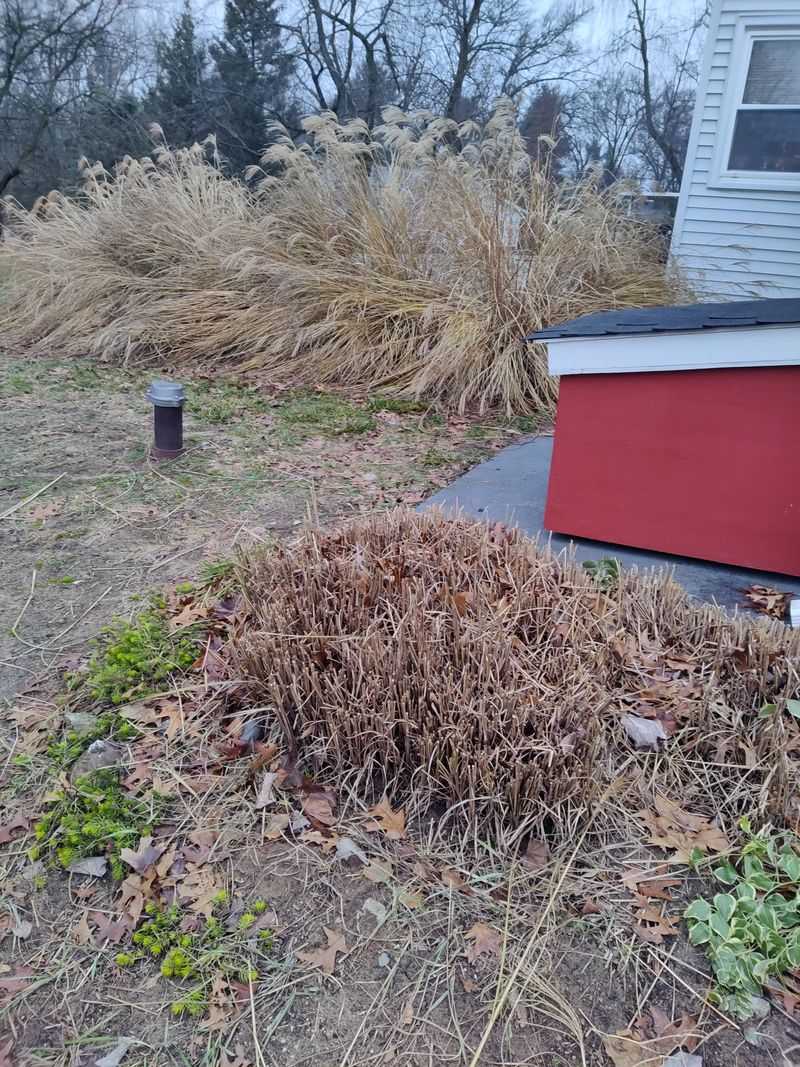
Golden plumes swaying in October look like something from a postcard. Underneath that beauty, though, sits a bundle of very dry fuel.
Ornamental grasses like fountain grass, feather reed grass, and miscanthus are garden favorites. Many go dormant from mid-summer through fall, and their blades dry out.
Moisture drops sharply as the leaves turn tan. At that stage, the grass behaves a lot like the kindling you use to start a campfire.
Plenty of gardeners leave the dry tops standing all winter. They add texture to snowy beds and give birds a place to perch.
Sadly, those standing stalks stay combustible right through the cold months. A dry winter stretch can make them even more risky.
Placement is where things really matter. Dry grass clumps next to a garage, shed, or wooden deck invite trouble.
A tossed cigarette or a stray spark from a grill could ignite them in seconds. Flames would then have an easy path straight to your walls.
So what should you do? Cut ornamental grasses down to just above the ground each fall.
Hedge shears or an electric trimmer make quick work of big clumps. Tie the bundle with twine first so the stalks do not scatter everywhere.
Some gardeners prefer to keep grasses for winter interest. If that sounds like you, plant them well away from the house instead.
Fun fact: miscanthus can reach eight feet tall in a single season. That is a lot of dry material to manage.
4. Mugo Pines Loaded With Resin
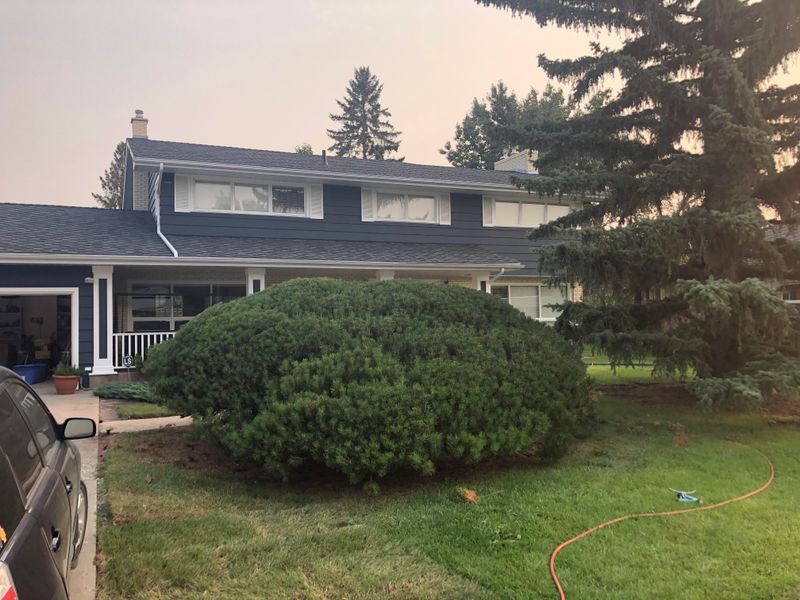
Ever touched a pine branch and walked away with sticky fingers? That gooey stuff is resin, and it burns with real enthusiasm.
Mugo pines are compact, round shrubs that fit neatly into small yards. They are tough, cold hardy, and popular all over the Northeast.
Their charm comes with a catch, though. Like other pines, mugos are loaded with pitch and resin that catch fire easily.
Deceased needles tend to collect underneath the shrub, too. Those brown piles act like a ready-made fire starter at the base.
Here is a number that surprises many people. A burning mugo pine can send flames three to four times its own height.
Picture a four-foot shrub producing flames over twelve feet tall. That could easily reach a window, gutter, or roofline.
Fire guides suggest removing mugo pines from spots near your home. They also advise against keeping them under other trees.
Why the warning about trees? Flames from a burning mugo can climb into branches overhead and spread upward fast.
If you want to keep your mugo, move it farther from the house. Late fall or early spring is a good time for transplanting.
Rake out fallen needles underneath it several times a year. Trim off any brown or broken branches you spot.
For a similar look with less risk, consider low succulents or compact perennials near the foundation. Your yard can still look tidy and neat without the resin.
5. Dwarf Spruces Hugging The Foundation
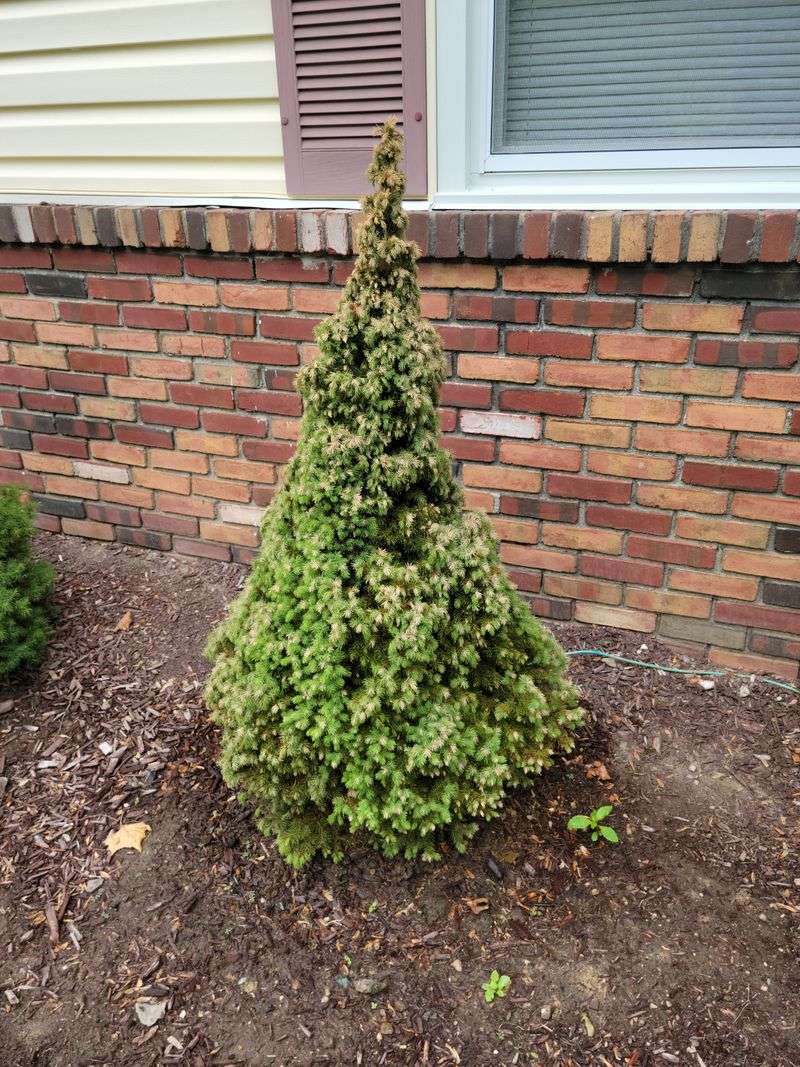
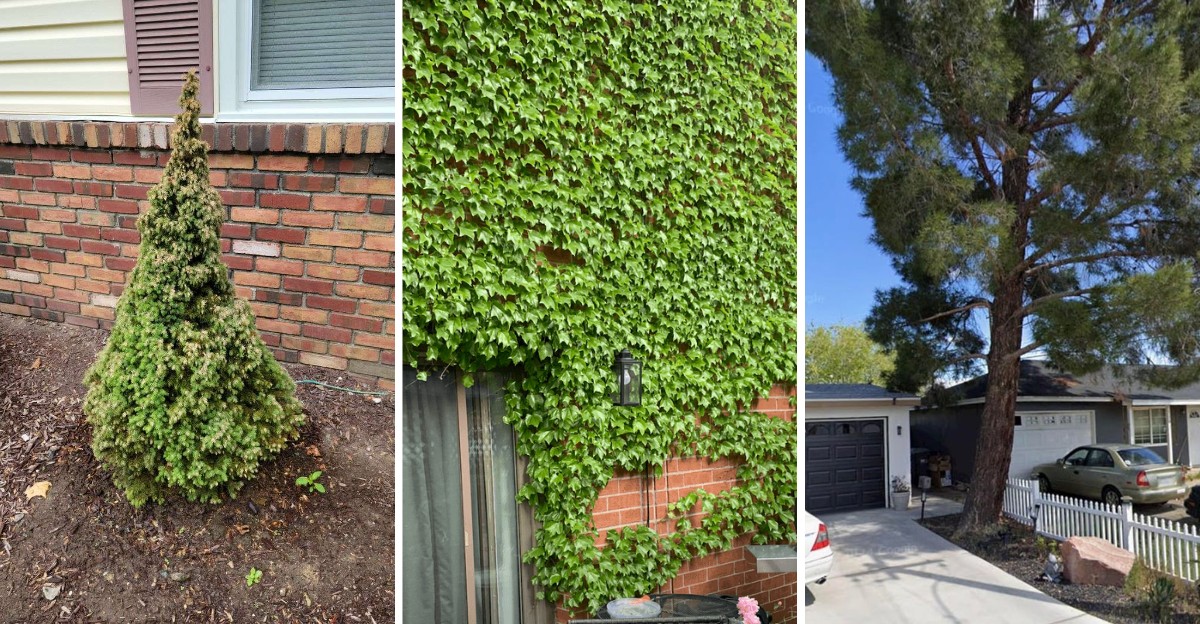
Dwarf Alberta spruces look like tiny Christmas trees standing guard by the front steps. They are adorable, and they are also full of flammable oils.
Spruces belong to the conifer family, just like junipers. Their needles hold volatile oils that help flames catch and spread.
The real problem is often where they get planted. Many homeowners tuck dwarf spruces right up against the foundation for a neat look.
Fire experts call that setup ladder fuel. Flames can climb from the shrub straight up to your eaves, soffits, and roof.
Consider the first five feet around your house as a special zone. Fire guides label it the most vulnerable area for flying embers.
Embers can travel far ahead of an actual fire. They slip into cracks, land on shrubs, and quietly start new flames.
Mitigation experts recommend clearing flammable plants out of that zero to five foot space. Dwarf spruces sitting there are a prime target for removal.
Moving them is easier than you might think. Small spruces transplant fairly well when you dig a wide root ball.
Choose a new spot at least several feet from walls and decks. Water well during the first season so the roots settle in.
Spider mites and dry winters can also brown these shrubs from the inside. Browned spruces are even more flammable, so swap out struggling ones.
Across New York, plenty of homes could use a quick foundation check. Walk around yours this weekend with fresh eyes.
6. Bark Mulch Piled Against The Siding
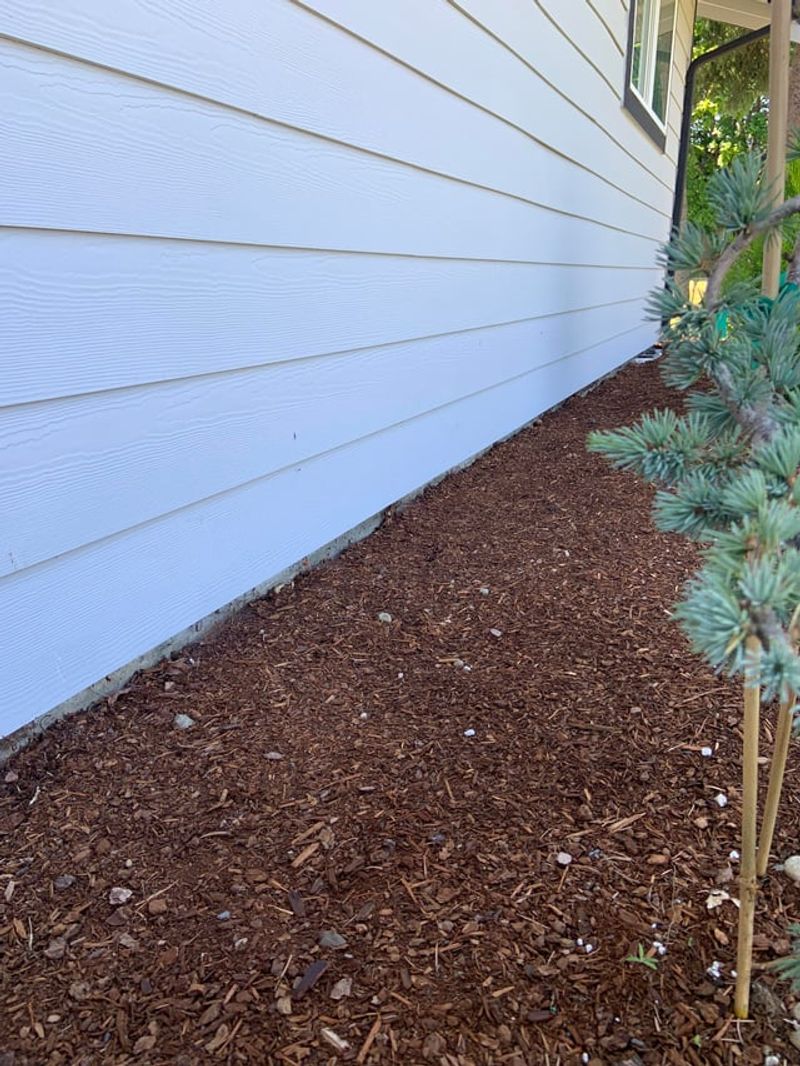
Mulch seems harmless enough, right? It keeps weeds down, holds moisture, and makes flower beds look polished.
Wood-based mulch, however, is still wood. Shredded bark, wood chips, and pine needles can all catch fire from wind-blown embers.
Once lit, mulch often burns slowly along the ground. That slow burn can creep right to your siding, deck, or vents.
Danger grows when mulch touches the house directly. Vinyl and wood siding can melt or ignite from that close contact.
Thick layers bring another surprise. Organic mulch can decompose and build up its own heat inside the pile.
In rare cases, that heat can lead to ignition without any outside spark. Keeping layers under six inches thick helps prevent that buildup.
So how far back should mulch sit? Experts suggest at least 18 inches between wood mulch and combustible siding.
Even better, use rocks, gravel, or sand closest to the house. Many guides recommend non-burnable materials for the first five feet or more.
River rock and pea gravel look clean and modern. They also discourage the pests that love hiding in damp mulch.
During hot, dry summers, give your mulch a light watering now and then. Moist mulch is much harder to ignite.
Living near Manorville, Ridge, or Rocky Point? The Central Pine Barrens Commission posts a daily fire danger rating, so check it before lighting a grill or fire pit on a dry, windy day.
Here is a quick weekend project. Grab a rake and pull mulch back from your siding to create a clear strip.
Fill that gap with gravel, and your home gains a simple safety buffer.
7. Dry Leaves Collecting Under Decks
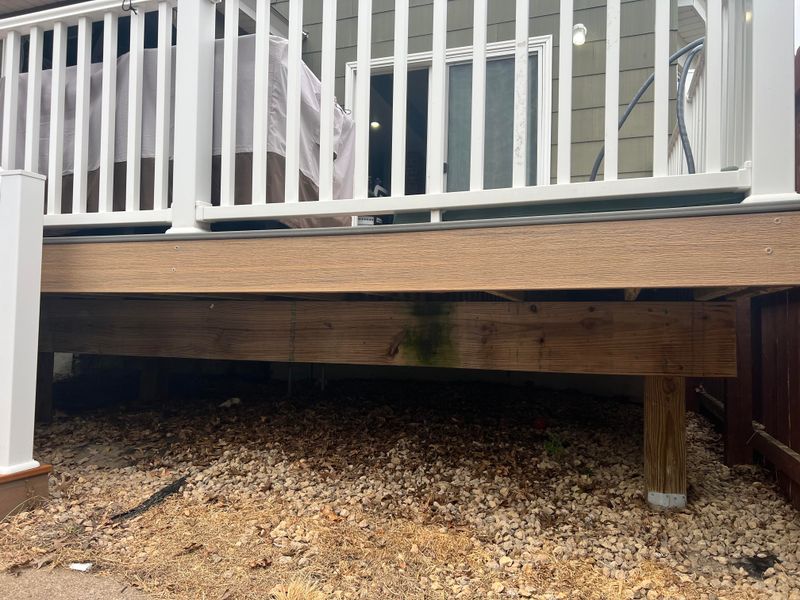
Out of sight should not mean out of mind. The space under your deck might be the riskiest spot in your whole yard.
Every autumn, leaves blow in and settle in the shadows below. Grass clippings and pine needles join them over time.
Soon you have a hidden carpet of dry fuel. Nobody sees it, so nobody thinks to clean it up.
Gaps between deck boards make things worse. Embers and hot ashes can drop straight through and land on the debris.
A carelessly flicked cigarette can do the same thing. Grill ashes are another common culprit at backyard cookouts.
Once those leaves catch, flames can spread to the deck frame. From there, the fire can reach your house with frightening speed.
Plenty of New York homes have older wooden decks attached right to the back wall. That connection gives fire a direct bridge to the living space.
Here is the fix. Clear leaves and debris from under your deck at least twice a year, especially after fall.
A leaf blower on a low setting works well for tight spaces. A long-handled rake can reach spots the blower misses.
Want a longer-term solution? Enclose the underside of your deck with fine metal screening.
Metal mesh blocks leaves and embers while still letting air flow. Choose mesh with openings of one-eighth inch or smaller.
Also, keep firewood, cardboard, and old furniture out from under the deck. Storage there adds even more fuel.
8. Climbing Vines On Walls And Fences
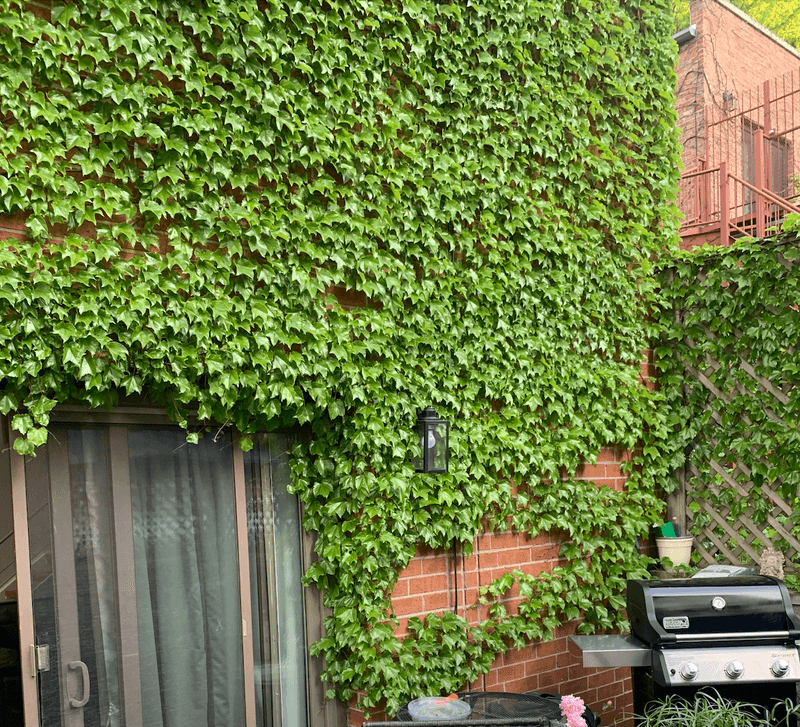
Ivy-covered brick has a storybook charm that is hard to resist. Older homes wear these green coats with pride.
Still, vines on walls and fences can help fire spread. Dry or neglected vines are especially risky.
Deceased leaves get trapped behind the living growth. That hidden layer can burn quickly if an ember lands on it.
Vines also love to wander where they do not belong. Unchecked growth can cover air vents and windows around the house.
Blocked vents trap heat and reduce airflow. They may also let burning debris slip right into your attic.
Aggressive climbers like English ivy, trumpet vine, and kudzu can damage brick and mortar. Their roots work into tiny cracks and slowly pry them apart.
Chimneys deserve special attention here. Ivy can damage a flue liner and expose wood framing to extreme heat.
Do you have vines on wood or composite siding? They can trap moisture and cause rot over time.
Some fire guides suggest keeping vines and trellises well away from the house. A distance of 30 feet is the general recommendation.
That might sound extreme for small city lots. At the very least, trim vines away from vents, windows, eaves, and chimneys.
Removing clinging vines takes patience. Cut the stems at the base first, then let the upper growth wither before pulling.
Pulling living ivy straight off can rip away paint and mortar. Slow and steady protects your walls.
9. Branches Hanging Over The Roof

Shade from a big old maple feels like a gift on a sticky July afternoon. Branches stretching over your roof, though, bring hidden trouble.
Overhanging limbs drop leaves, twigs, and seeds onto shingles. Much of that debris ends up packed into your gutters.
Dry gutter debris catches fire with very little effort. A single drifting ember can turn a clogged gutter into a burning strip along your roofline.
Branches also act like a bridge for flames. Fire can travel from a tree to your home, or from your home to the tree.
Deceased or dry limbs are the biggest worry. They ignite faster than healthy, leafy wood.
For New York homes, experts suggest pruning branches back at least 10 feet from the roof. The same distance applies around chimneys.
Why chimneys? Sparks rising from a fireplace can land on nearby twigs and start trouble.
Trimming branches has extra perks beyond fire safety. It keeps squirrels and other pests from hopping onto your roof.
Less shade on shingles also means less trapped moisture. That can help prevent moss and mold from taking hold.
Large limbs are dangerous to cut on your own. Hiring a certified arborist is often the safest choice.
Smaller branches you can reach from the ground are fair game. A pole saw makes the job easier without a ladder.
Finally, clean your gutters each spring and fall. Pair pruning with gutter care for the best protection.