Pennsylvania Fall Crops To Grow In Containers Instead Of Garden Beds
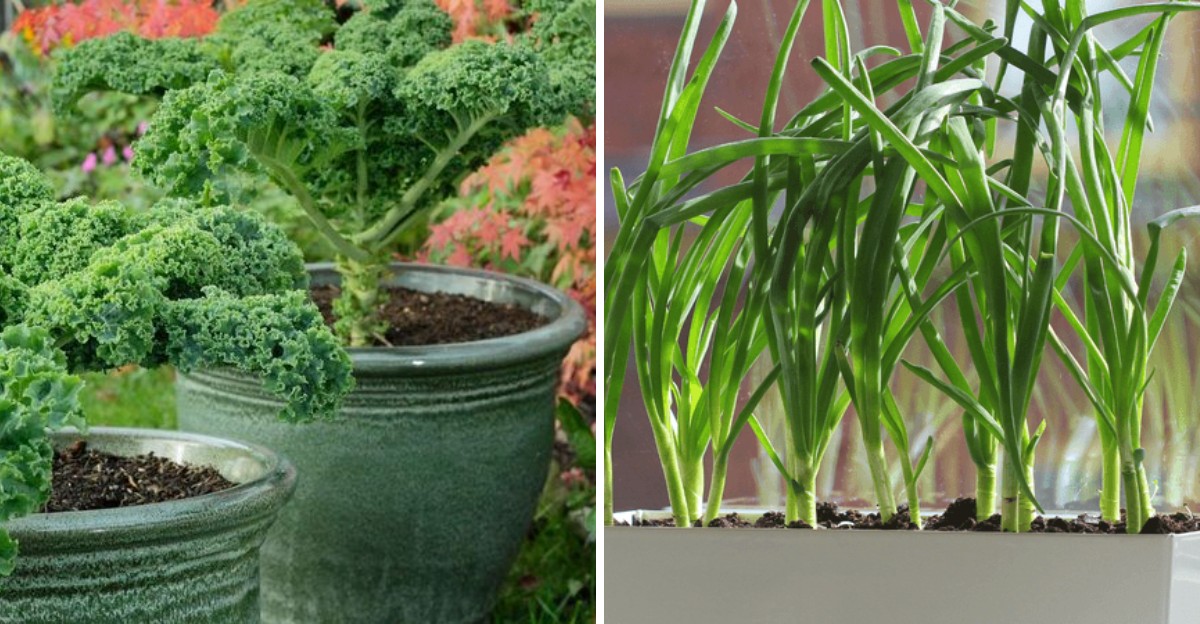
The maples are turning, the air has that satisfying crispness to it, and your garden beds are starting to look like they have had enough for the year. Totally understandable.
But before you pack everything away and declare the growing season officially over, there is something worth knowing.
A few well-chosen pots on the porch can keep fresh food coming well into autumn, and some of these crops actually taste better once the temperatures drop.
Kale sweetens up after a frost. Carrots turn almost candy-like in the cold.
Spinach just keeps going like it has nothing to prove. Containers also have a practical edge over garden beds this time of year since they warm up faster, drain better, and can be moved inside when frost shows up uninvited.
Pennsylvania fall gardening is more fun than most people realize.
1. Crunchy Lettuce Thrives In Patio Pots
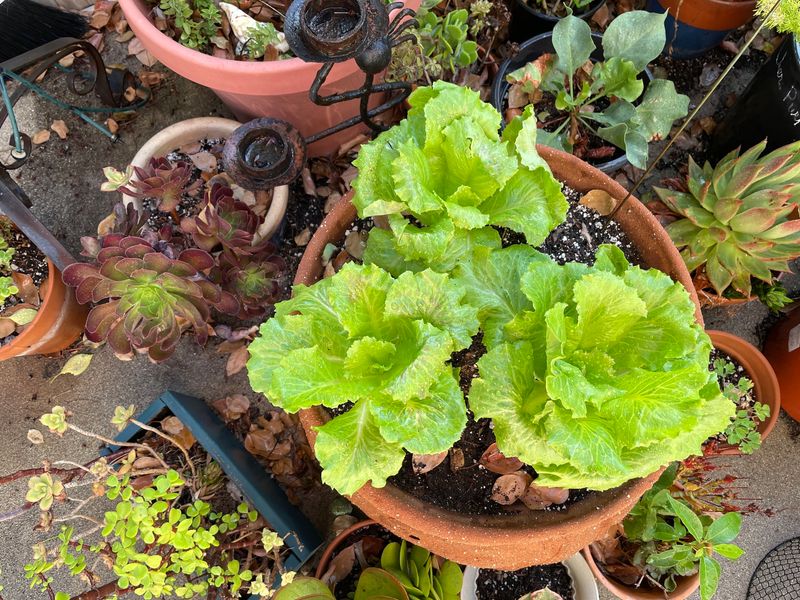
Few things beat a salad picked five steps from your kitchen door. Lettuce loves cool weather, and fall in Pennsylvania gives it exactly the mild days it craves.
Loose-leaf types like Black Seeded Simpson or Red Sails do best in containers. They grow fast, and you can snip outer leaves while the center keeps producing.
A wide pot about 6 to 8 inches deep works well since lettuce roots stay shallow. Window boxes, plastic tubs, and even old dresser drawers with drainage holes can do the job.
Sow seeds from mid-August through mid-September for the best results. Scatter them lightly, press them into moist soil, and keep the surface damp until sprouts appear.
Lettuce needs about four to six hours of sun in autumn. If an early warm spell shows up, slide the pot into light shade so the leaves stay sweet instead of turning bitter.
Containers give you a big advantage when frost is in the forecast. Simply carry the pot into a garage or tuck it against the house overnight.
Feed your plants every two weeks with a gentle liquid fertilizer made for leafy greens. Too much feeding can make leaves floppy, so keep it light.
Fun fact: ancient Egyptians grew lettuce over 4,000 years ago. Your patio pot is part of a very long tradition of fresh, homegrown greens.
2. Spinach Brings Porches A Leafy Boost
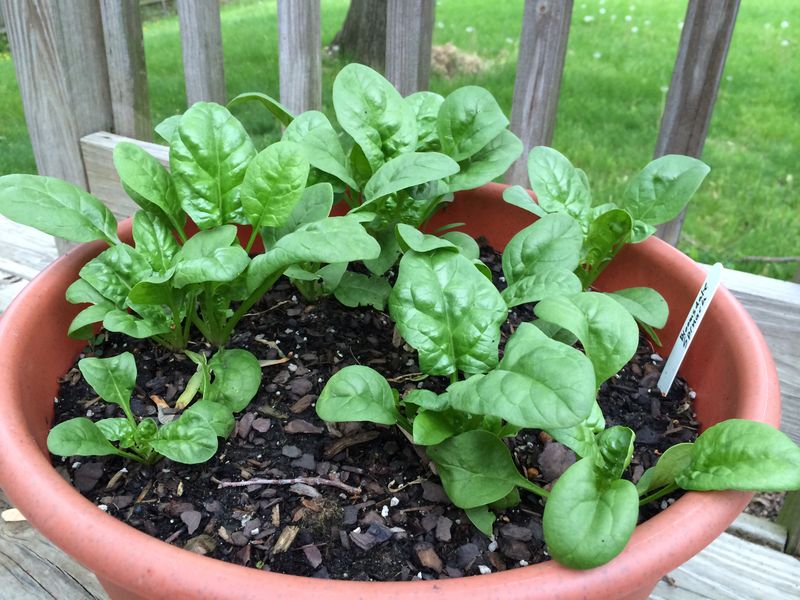
Popeye had the right idea, even if he ate his spinach from a can. Fresh leaves from a container taste far better and pack plenty of iron and vitamins.
Spinach is one of the toughest greens for a chilly autumn. It can handle temperatures in the 20s, which makes it a smart pick for Pennsylvania gardeners who want food into November.
Choose a container at least 8 inches deep, since spinach sends down a longer taproot than lettuce. A plastic storage tote with holes drilled in the bottom makes a cheap and roomy home.
Plant seeds about half an inch deep and two inches apart. Thin seedlings to four inches once they show true leaves, and toss the extras into a sandwich.
Varieties like Bloomsdale and Space handle cold nicely and resist bolting. Bolting means the plant shoots up a flower stalk, which makes the leaves taste harsh.
Your Pennsylvania Garden Changes Every Week. Your Plan Should Too.
Gardening in Pennsylvania changes quickly throughout the season. Every Friday you’ll receive a simple weekly plan showing exactly what to plant, prune, fertilize, harvest, and protect so you never miss the right timing.
Keep the soil evenly moist but not soggy. Containers dry out faster in breezy weather, so poke a finger into the soil every couple of days to check.
When nights drop into the low 20s, toss an old bedsheet or frost cloth over the pot. Leaves may look limp in the morning but usually perk right back up by afternoon.
Harvest by pinching the biggest outer leaves first, and the plant will keep growing more.
3. Radishes Race To Harvest In Buckets
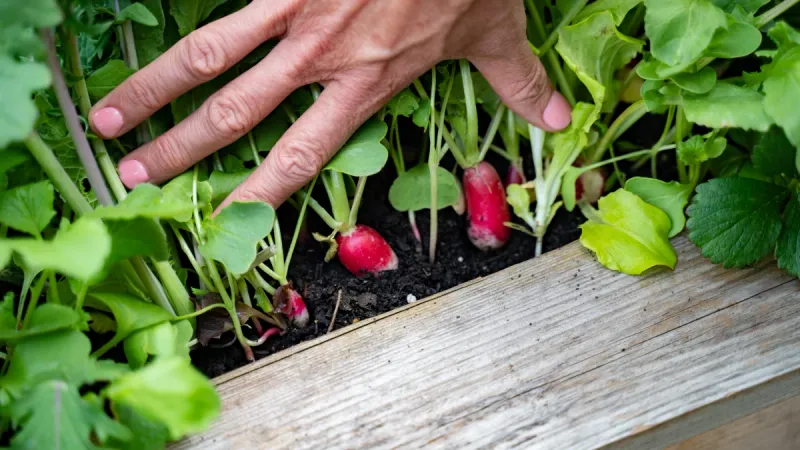
Got kids who lose patience waiting for a garden to grow? Radishes might just become their new favorite, since some varieties are ready to eat in about 25 days.
Speed is the main charm here. You can plant a batch in early September and still pull crisp, peppery roots before the first hard freeze hits Pennsylvania.
A five-gallon bucket or a pot that is 6 inches deep works great for round types like Cherry Belle. Longer varieties such as French Breakfast need a bit more depth to stretch out.
Loose, fluffy soil is the secret to smooth radishes. Heavy clay or packed dirt leads to twisted, stubby roots, so containers filled with quality potting mix give you a clear edge.
Sow seeds half an inch deep and about an inch apart. Once they sprout, thin them to two inches so each root has room to plump up.
Water regularly, because uneven moisture can make radishes crack or turn woody. A steady sip every day or two during dry spells keeps them juicy.
Try planting a new small batch every ten days. You will enjoy a steady stream instead of a huge pile all at once.
Bonus tip: radish greens are edible too. Toss them into soups or sauté them with garlic for a zippy side dish that wastes nothing.
4. Kale Stands Tall Through Frosty Mornings
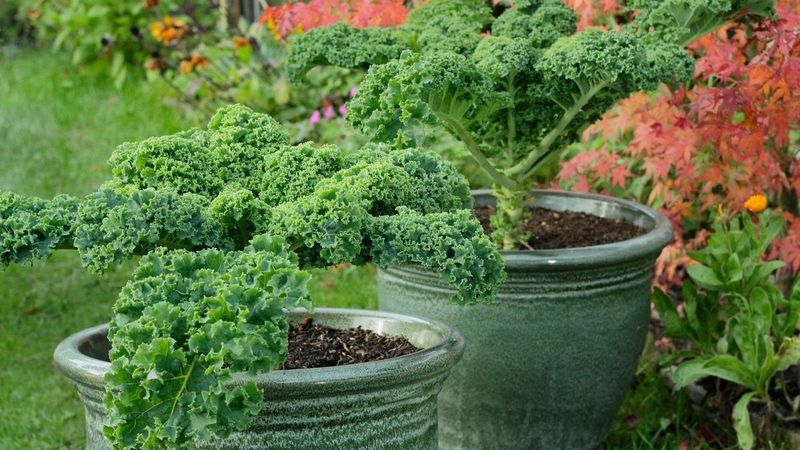
Kale is the friend who shows up in a snowstorm with hot cocoa. While other plants give up, it just keeps on growing, and it even tastes better after a frost.
Cold weather makes kale turn some of its starches into sugars. That is why a November leaf from a Pennsylvania patio can taste noticeably sweeter than one picked in July.
One kale plant needs a container that holds at least three to five gallons. Bigger pots give the roots more room and help the plant stay steady in windy weather.
Starting from transplants in late August saves time. You can find young plants at most garden centers, or start your own seeds indoors about six weeks earlier.
Lacinato, sometimes called dinosaur kale, has bumpy blue-green leaves and looks striking in a pot. Red Russian adds pretty purple stems that pair nicely with fall mums.
Give each plant six hours of sun and water when the top inch of soil feels dry. Mix a little compost into the pot to keep leaves healthy and green.
Harvest from the bottom up, taking older leaves first. The plant will keep growing taller like a little palm tree.
Many gardeners keep kale going into December. Move the pot near a south-facing wall for extra warmth, and you could be making kale chips well into the holidays.
5. Garlic Tucks In For Winter In Containers
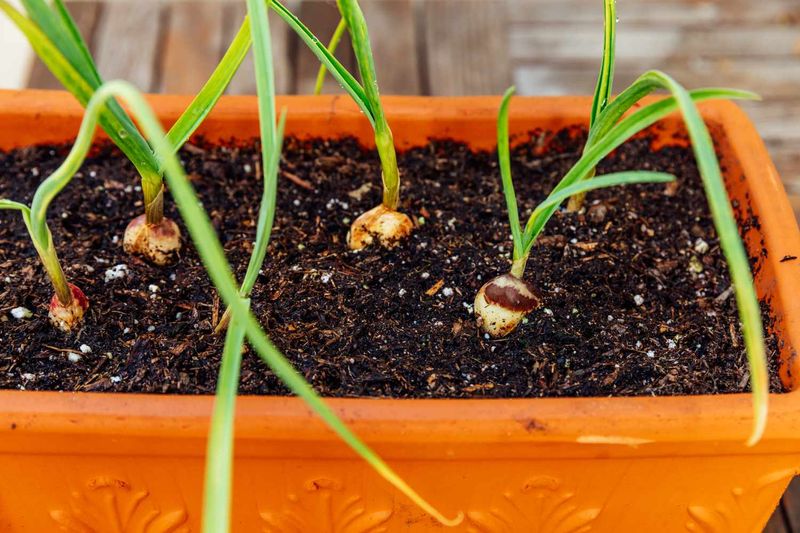
Planting garlic feels a bit like hiding treasure for your future self. You tuck cloves into soil in October, forget about them over winter, and dig up plump bulbs next summer.
Fall is the right time because garlic needs a cold spell to form proper bulbs. Pennsylvania winters provide that chill naturally, so you barely lift a finger.
Choose a pot at least 8 to 10 inches deep with good drainage. Garlic hates sitting in wet soil, and containers help keep its feet dry during soggy spring rains.
Buy seed garlic from a garden center rather than the grocery store. Store bulbs are sometimes treated to stop sprouting, which can leave you with a disappointing crop.
Hardneck varieties like German White or Music handle cold climates well. They also produce tasty curly stalks called scapes in early summer, which are great in pesto.
Plant each clove pointy end up, about two inches deep and four inches apart. Cover the pot with a few inches of straw or shredded leaves for insulation.
Containers can freeze harder than ground soil, so move the pot against the house or into an unheated garage during the coldest months.
By late June or July, when the leaves turn mostly brown, gently tip out the pot. You will find a handful of fragrant bulbs ready for drying.
6. Swiss Chard Adds Rainbow Color To Decks
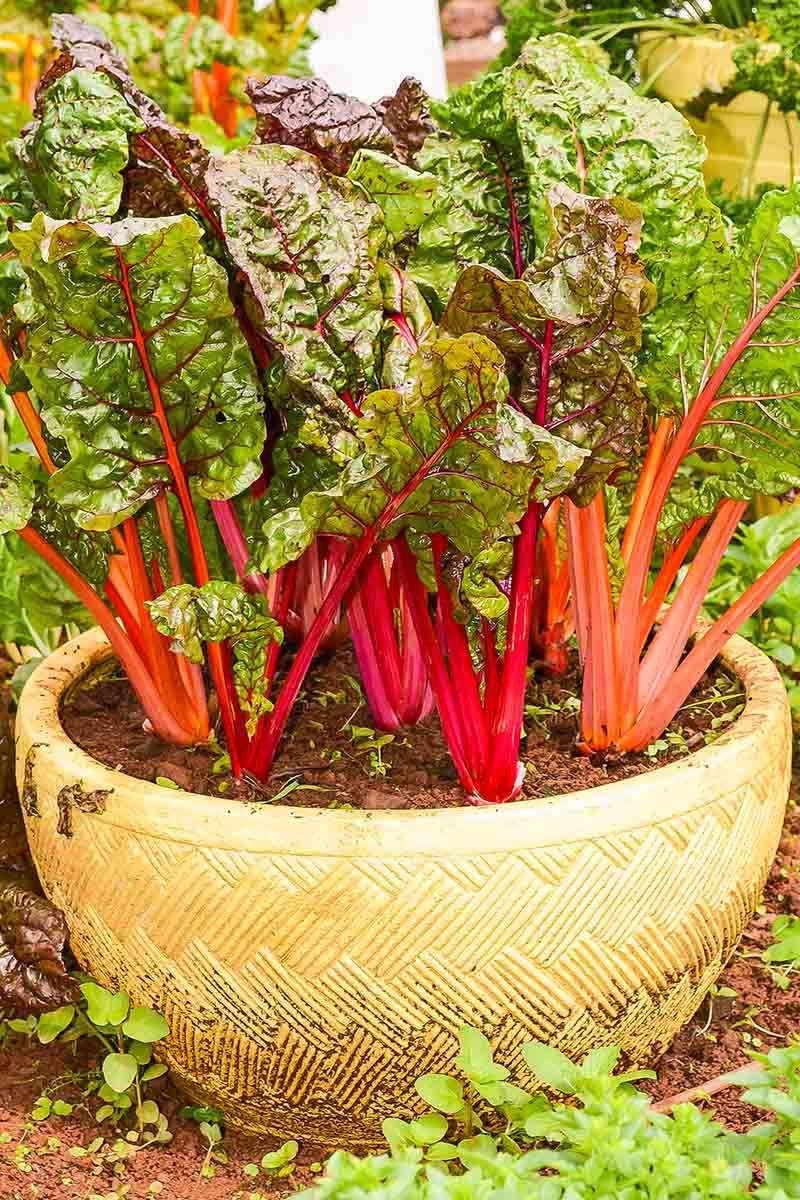
Some vegetables are practical, and some are showoffs. Swiss chard manages to be both, with stems glowing in red, yellow, orange, and pink like a box of crayons.
Varieties like Bright Lights look so pretty that many people grow them in flower pots by the front door. Neighbors in Pennsylvania may not even realize you are growing dinner.
Chard needs a container about 10 to 12 inches deep, since the roots grow fairly long. A half whiskey barrel can hold several plants and makes a charming rustic display.
Plant seeds or transplants in early August so they settle in before nights get cold. Chard handles light frost well and keeps producing into late fall.
Each seed is actually a small cluster that can sprout several plants. Snip extra seedlings with scissors so the strongest ones have space to grow big and leafy.
Water deeply once or twice a week, more often during warm spells. Mulch the soil surface with shredded leaves to hold moisture and keep roots cozy.
To harvest, cut outer stalks near the base and leave the center alone. New leaves will keep sprouting for weeks.
Chard stems can be cooked like celery, and the leaves work like spinach. Try sautéing both with a squeeze of lemon for a quick side that brightens any plate.
7. Green Onions Pop Up Fast In Window Boxes
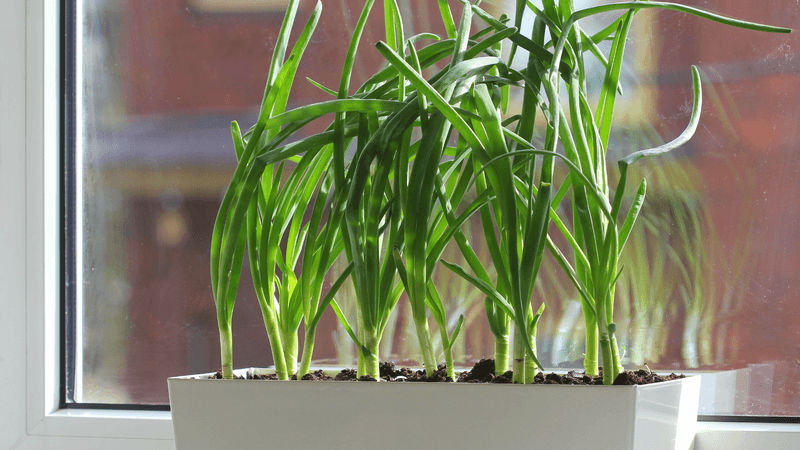
Ever bought a bunch of scallions and used only two before the rest went slimy? Growing your own in a window box solves that problem for good.
Green onions are about as easy as gardening gets. They take up little room, grow quickly, and handle the cool nights that roll across Pennsylvania in October.
Here is a fun trick: save the white root ends from store-bought scallions. Plant them an inch deep in potting soil, and fresh green tops will shoot up within a week or so.
For a bigger harvest, sow seeds of bunching onions like Evergreen Hardy White. Space them about an inch apart in a container at least 6 inches deep.
A sunny windowsill or porch rail works nicely. Aim for around six hours of light, and turn indoor pots every few days so the stalks grow straight.
Keep the soil lightly moist without flooding it. Onions prefer a steady drink, and a pot with drainage holes prevents rot.
Harvest by snipping the green tops about an inch above the soil. The plants will regrow several times, giving you a steady supply for soups, eggs, and tacos.
As the weather turns colder, you can bring the window box inside. Green onions are happy growing on a kitchen counter all winter, so fresh flavor stays within arm’s reach.
8. Carrots Grow Sweet And Straight In Grow Bags
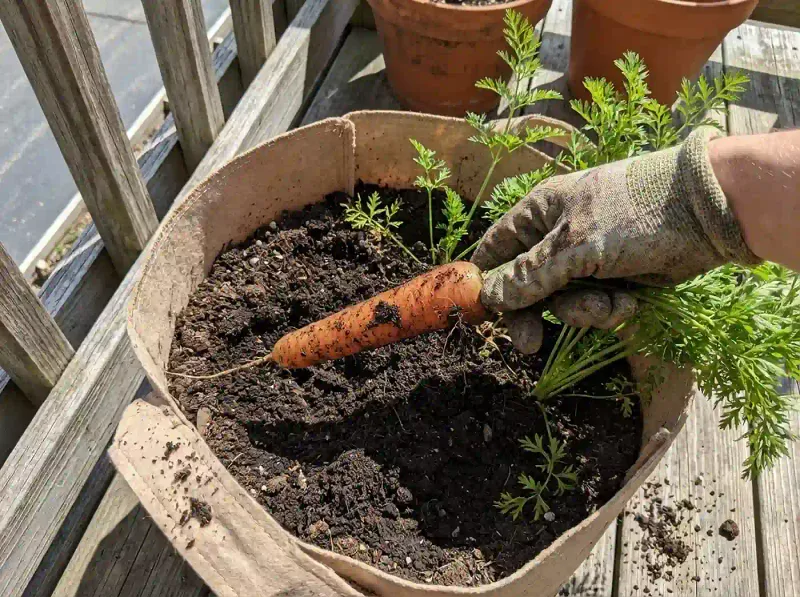
Rocky soil is a common complaint among gardeners across the state. Carrots growing in that ground often come out forked, twisted, or shaped like funny little people.
Fabric grow bags fix that issue with loose, stone-free soil. Pennsylvania gardeners can enjoy long, smooth roots without hours of digging out rocks.
Pick a bag or pot that is at least 12 inches deep for standard carrots. Shorter types like Paris Market or Danvers Half Long do fine in smaller containers.
Sow seeds in late July or early August, since carrots need about 60 to 70 days. Seeds are tiny, so mix them with a pinch of sand to spread them evenly.
Carrot seeds can be slow and fussy about sprouting. Lay a damp piece of burlap or cardboard over the soil for the first week to hold moisture, then remove it once green shows.
Thin seedlings to about two inches apart. It feels wasteful, but crowded carrots stay skinny and small.
Here is a sweet bonus. Cold temperatures cause carrots to store more sugar, so roots harvested after a few light frosts often taste like candy.
To check if they are ready, brush away soil at the top of a root and look at its width. When the shoulder looks about as wide as your thumb, start pulling and munching.
9. Bok Choy Delivers Quick Asian Greens
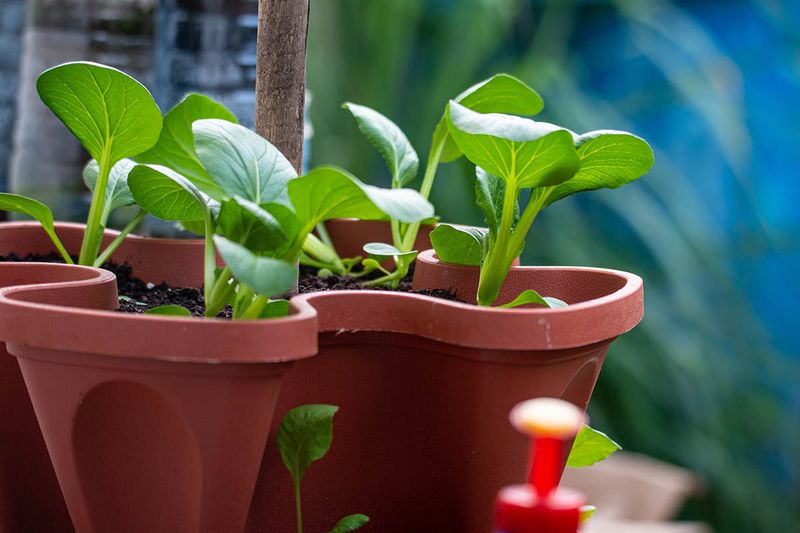
Stir-fry fans, this one is for you. Bok choy grows fast, looks tidy in a pot, and adds a mild, crunchy bite to noodle bowls and soups.
This leafy cabbage cousin has been grown in China for more than 1,500 years. Today it fits right in on a Pennsylvania porch, where cool fall air helps it stay tender.
Baby varieties like Toy Choi or Mei Qing Choi are perfect for containers. They mature in about 30 to 45 days and stay compact, so a 10-inch pot can hold a couple of plants.
Plant seeds in late August or early September. Warm soil helps seeds sprout, while the cooler weeks that follow keep plants from bolting too soon.
Give bok choy rich potting mix with a scoop of compost. It is a hungry plant, and a light feeding of fish emulsion every couple of weeks keeps leaves glossy.
Watch for tiny holes in the leaves, which usually mean flea beetles are visiting. A light row cover draped over the pot keeps them out without any sprays.
You can harvest the whole head at once or pick outer leaves as needed. Baby heads taste wonderful cut in half and grilled with a splash of soy sauce.
With a sunny spot and steady watering, you will have restaurant-worthy greens right outside your door.