The Telltale Signs Of Stink Bugs On North Carolina Peaches And Apples
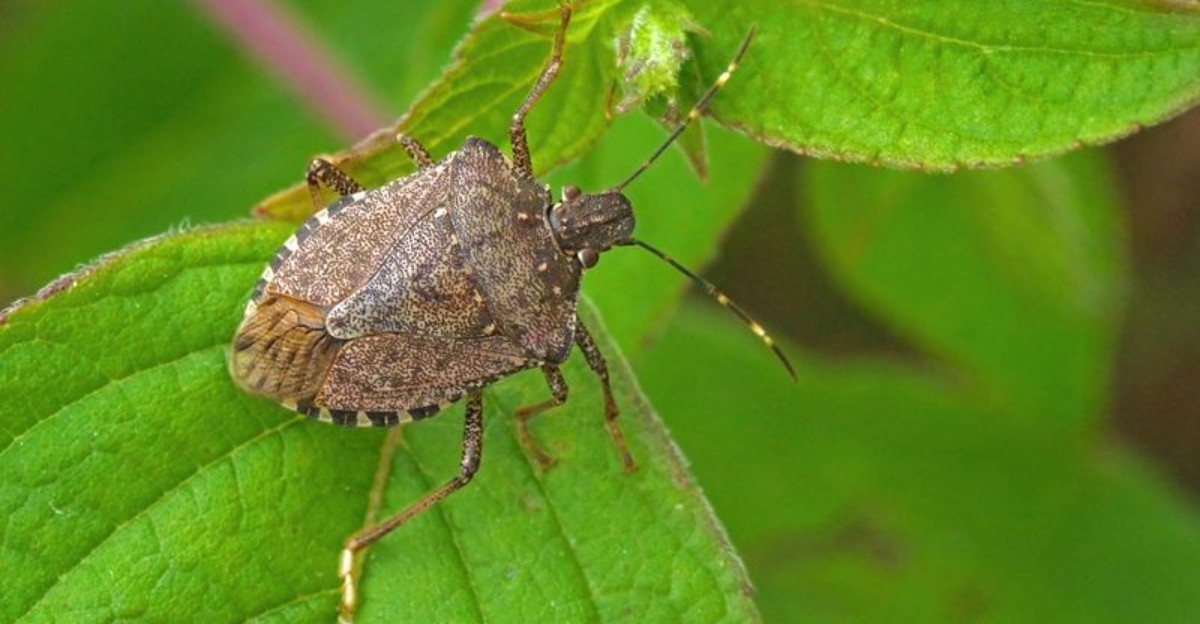
Stink bugs rarely announce themselves. They feed quietly, and the damage shows up later. On peaches, you may see dimpled, sunken spots that leave the fruit misshapen.
On apples, the skin can look fine until you cut in and find hard, corky patches underneath. The fruit is usually still safe to eat, but its quality drops fast. This is why many North Carolina growers feel blindsided at harvest.
Knowing the early signs helps you act sooner. You can also tell stink bug damage apart from other problems, like hail marks or fungal spots. Looking closely now saves you from a disappointing crop later.
A few minutes of checking each week can protect your whole harvest. Small clues on the surface often point to bigger trouble inside.
1. Sunken, Misshapen Peaches Known As Catfacing
Some peaches look like they lost a fight with a tiny boxer. Growers call that lumpy, scarred look catfacing, and stink bugs are one of the main culprits behind it.
The trouble starts early in the season. When stink bugs poke their mouthparts into small, young peaches, the injured spot stops growing.
Meanwhile, the rest of the fruit keeps swelling, so by harvest you end up with sunken, scarred, oddly shaped areas that never filled out.
Timing is everything here. The damage happens weeks before you notice it, which is why spring and early summer checks matter so much. Walk your trees often and look closely at the little green fruit.
Watch for stink bugs on the branches and on nearby plants, too, especially during and right after bloom.
Thinning is your friend. Most peach trees set far more fruit than they can handle anyway, so pull off any young peaches that already show dents or scars. Your tree will put its energy into the healthy ones, and you will get bigger, better fruit as a bonus.
If you decide to spray, follow NC State Extension home orchard guidance. Their schedules tell you when sprays work best and how to protect pollinators during bloom. Spraying at the wrong time wastes money and can harm helpful insects.
Peaches are a favorite in North Carolina backyards, from the Sandhills to the Piedmont. Stink bugs wake up and get busy just as trees leaf out, so they arrive right when fruit is most tender.
A few minutes of scouting each week in spring can mean a basket of smooth, pretty peaches later.
2. Clear Gum Oozing From Peach Skin
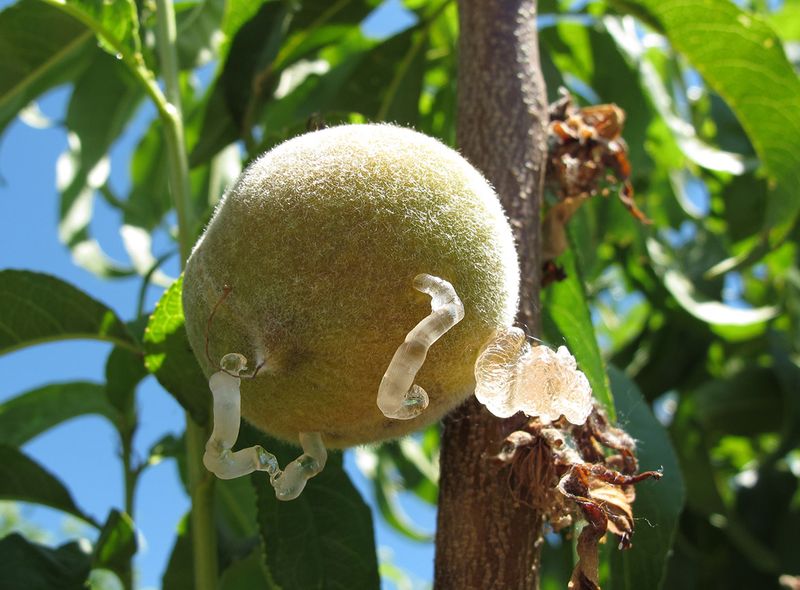
Tiny beads that sparkle like glass on a peach might look pretty at first. Look closer, though, because those clear, sticky drops can point straight to stink bug feeding.
Peach trees have a built-in first aid kit. Whenever the tree or its fruit gets wounded, it pushes out gum to seal the injury.
The small punctures left by stink bug mouthparts are enough to trigger this reaction, so gum often oozes right from the feeding spots on the fruit.
Fresh gum looks clear and shiny, almost like a drop of honey without the color. After a few days in the sun, it hardens into a dry, crusty bead that may turn amber.
Your North Carolina Garden Changes Every Week. Your Plan Should Too.
Gardening in North Carolina changes quickly throughout the season. Every Friday you’ll receive a simple weekly plan showing exactly what to plant, prune, fertilize, harvest, and protect so you never miss the right timing.
Gently run your finger over the area and you might feel a slight dimple underneath, which is another strong clue.
Gum alone does not always mean stink bugs, however. Other insects, such as oriental fruit moth and plum curculio, can cause gumming too. Diseases and even rough weather sometimes lead to oozing as well.
That is why it helps to look for more than one sign before you blame a single pest.
A smart habit is to check a handful of peaches on several sides of the tree each week. Note where the gum shows up and whether the fruit below it feels firm or dented. Keeping a small notebook or phone photos can help you spot patterns over time.
Across North Carolina, summer is ripening season, and growers keep a sharp eye on fruit damage then. Catching gummy spots early gives you time to figure out the cause and protect the rest of your crop.
3. Dimples And Depressions On Apples
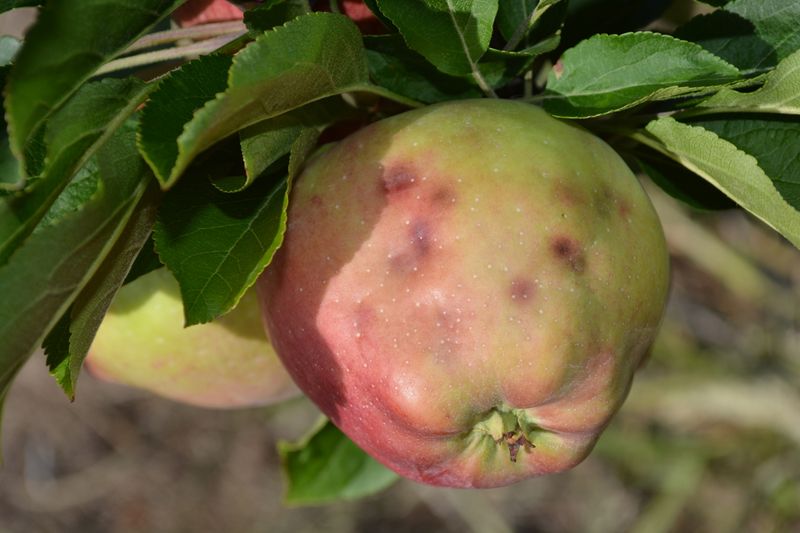
Run your hand over a healthy apple and it feels smooth as a marble. When you feel little dents or soft dips instead, stink bugs may have stopped by for a snack.
Here is how it happens. A stink bug pierces the apple skin and injects saliva while it feeds, and that saliva injures the tissue below. As the apple keeps growing, the damaged patch either stops growing or caves in a bit, leaving a shallow dimple behind.
These marks can be easy to miss. Some are only the size of a pencil eraser, and they may not look very dark from the outside. Turning the fruit in good light helps, since the dents cast tiny shadows that stand out.
Pay special attention to apples growing near the outer edges of the tree. Stink bugs often move in from the outside, so fruit on the edges usually gets hit first. Trees bordering woods or fields tend to show more damage than those in the middle of a yard.
A simple side-by-side test works wonders. Pick a dented apple and compare it with a healthy one from the same branch.
If one is smooth and the other has uneven dips scattered across its surface, you have a good clue that insects, not the variety, caused the change.
Apples are a big deal in North Carolina, especially in the Mountains around Henderson County, which grows most of the state’s crop.
Home orchards across the state grow them too. Learning to spot these dimples helps you act sooner and enjoy prettier fruit at picking time.
4. Corky Brown Spots Under The Skin
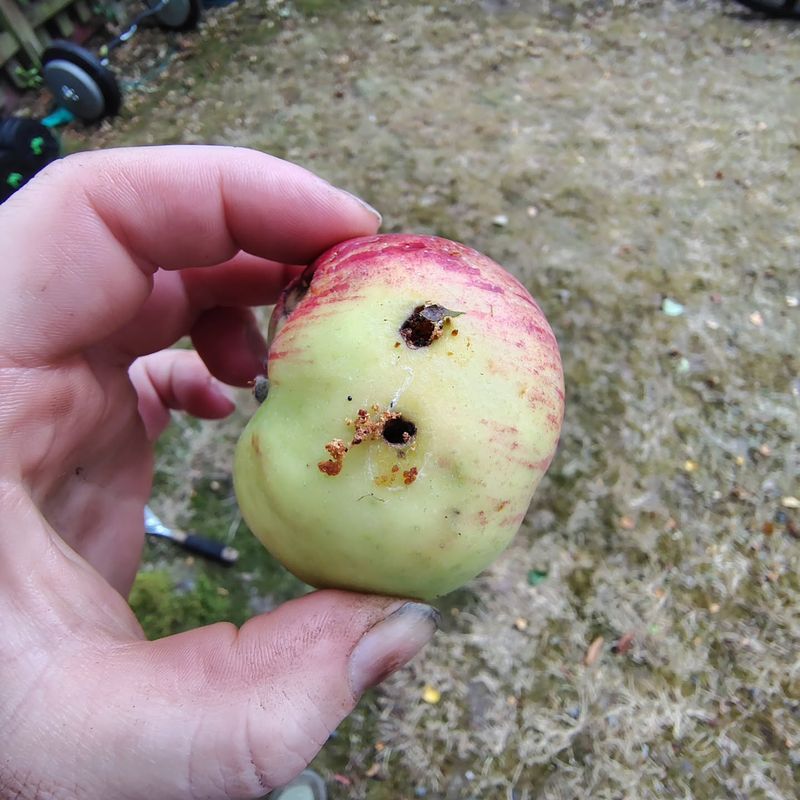
Kitchen knives reveal secrets that the outside of fruit tries to hide. Slice through a dimpled apple or peach, and you may find one of the clearest signs of stink bug injury waiting just below the skin.
Under each feeding site, the injured tissue slowly turns brown and dry. Over time it becomes corky, a bit like the inside of a wine cork. These spots usually form small pockets right under the peel, and they rarely go deep into the fruit.
To check, cut straight through a dented area instead of around it. Look for brown patches that feel spongy, dry, or corky when you press them with the tip of your knife. Healthy flesh around them should look normal and juicy.
Good news comes with this discovery. The fruit is usually safe to eat once you trim away the damaged spots. The brown areas may taste a little bitter or woody, so a quick cut with a paring knife fixes the problem in seconds.
Plenty of North Carolina gardeners first notice stink bugs this way. Maybe you are slicing peaches for cobbler or peeling apples for a batch of apple butter, and suddenly brown flecks start popping up.
It can feel frustrating, but it also gives you useful information for next season. Keep track of how many fruits show these spots and which trees they came from.
That record tells you where to start scouting next spring. Damaged fruit still works great for sauces, jams, and pies, so nothing has to go to waste.
5. Tiny Puncture Marks At The Center Of Damage
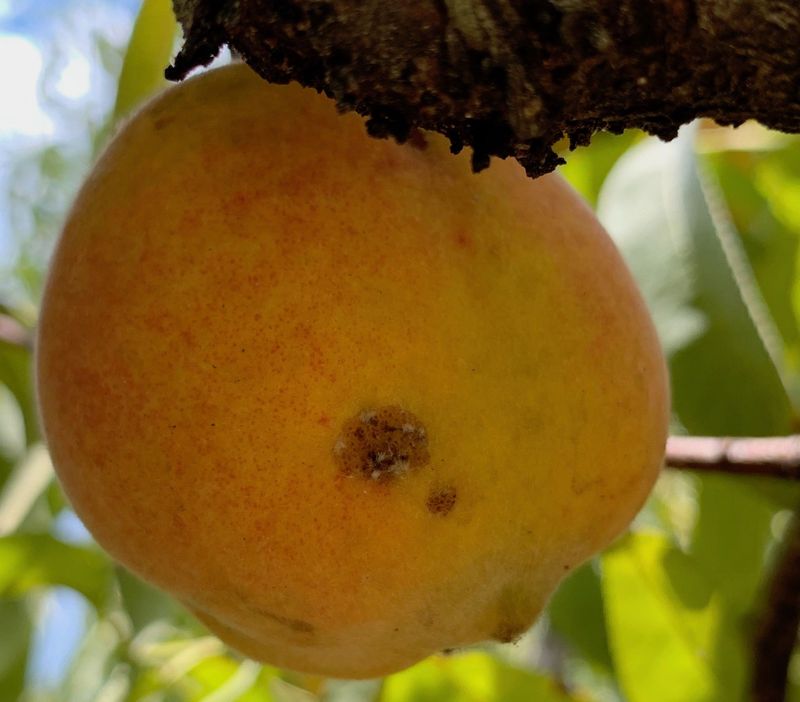
Detective work in the garden sometimes calls for a magnifying glass. Stink bug damage often has a tiny clue sitting right in the middle of it, and spotting that clue can settle the mystery.
Stink bugs feed with long, needle-like mouthparts that work a lot like a drinking straw. When they push into fruit, they leave a wound about the size of a pinprick. Sometimes a small discolored ring surrounds that hole, marking the center of the injured area.
A hand lens makes the job easy. These cheap little magnifiers cost only a few dollars at garden centers or online, and they fit in a pocket. Hold the lens close to a dimple or discolored spot and look for a tiny dot right in the middle.
Finding that puncture is a big deal. It helps confirm that an insect fed there, rather than a disease, hail, or sunburn causing the mark. Weather damage and many fruit diseases do not leave a neat little hole at the center.
Try checking several damaged fruits, not just one. Some punctures heal over or get hard to see as fruit grows, so looking at a few gives you better odds of finding one. Good daylight helps a lot, too.
In North Carolina, warm and humid summers bring a long list of fruit problems, and many of them look alike at first glance.
Learning to find these pinprick wounds keeps you from guessing. Once you know the real cause, you can choose the right fix and stop wasting time on the wrong one.
6. Damage That Looks Like Bitter Pit In Apples
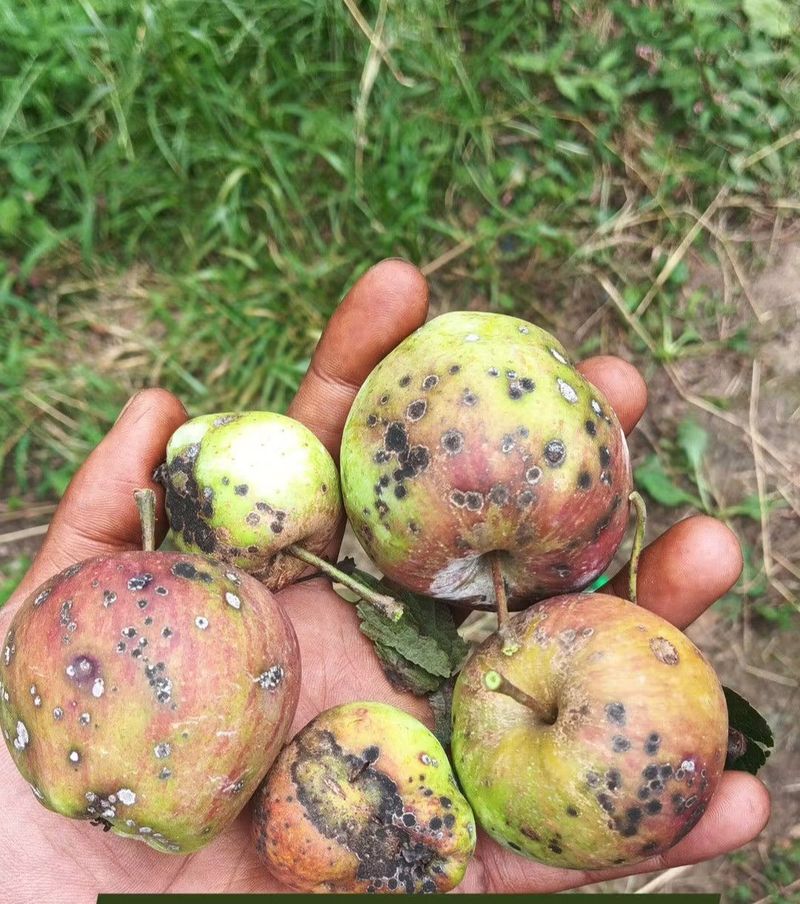
Apples can play tricks on even experienced gardeners. Stink bug damage often looks a lot like bitter pit, a common disorder caused by low calcium in the fruit.
Telling them apart really matters. Bitter pit calls for calcium management, such as calcium sprays and balanced watering and fertilizing. Stink bug damage, on the other hand, needs insect control, so treating the wrong problem will not help your apples one bit.
Location gives the first big hint. Bitter pit spots usually cluster toward the bottom of the apple, near the calyx end where the old blossom was. Stink bug spots can show up anywhere on the fruit, from the shoulders near the stem to the sides and bottom.
Next, grab that hand lens. Bitter pit forms under the skin without any feeding puncture at all. Stink bug spots often have a tiny pinprick hole at the center, which is an easy giveaway that an insect was there.
Timing offers one more clue. Bitter pit often gets worse in storage, so apples that looked fine at harvest may develop spots weeks later. Stink bug damage usually shows up while fruit is still on the tree, though it can keep developing after picking too.
Both problems turn up on home-grown apples across North Carolina, from mountain backyards to Piedmont gardens.
Some varieties, like Honeycrisp, are especially prone to bitter pit. Checking the spot pattern and looking for punctures helps you pick the right solution and grow cleaner, tastier apples next year.
7. Egg Clusters On Leaf Undersides
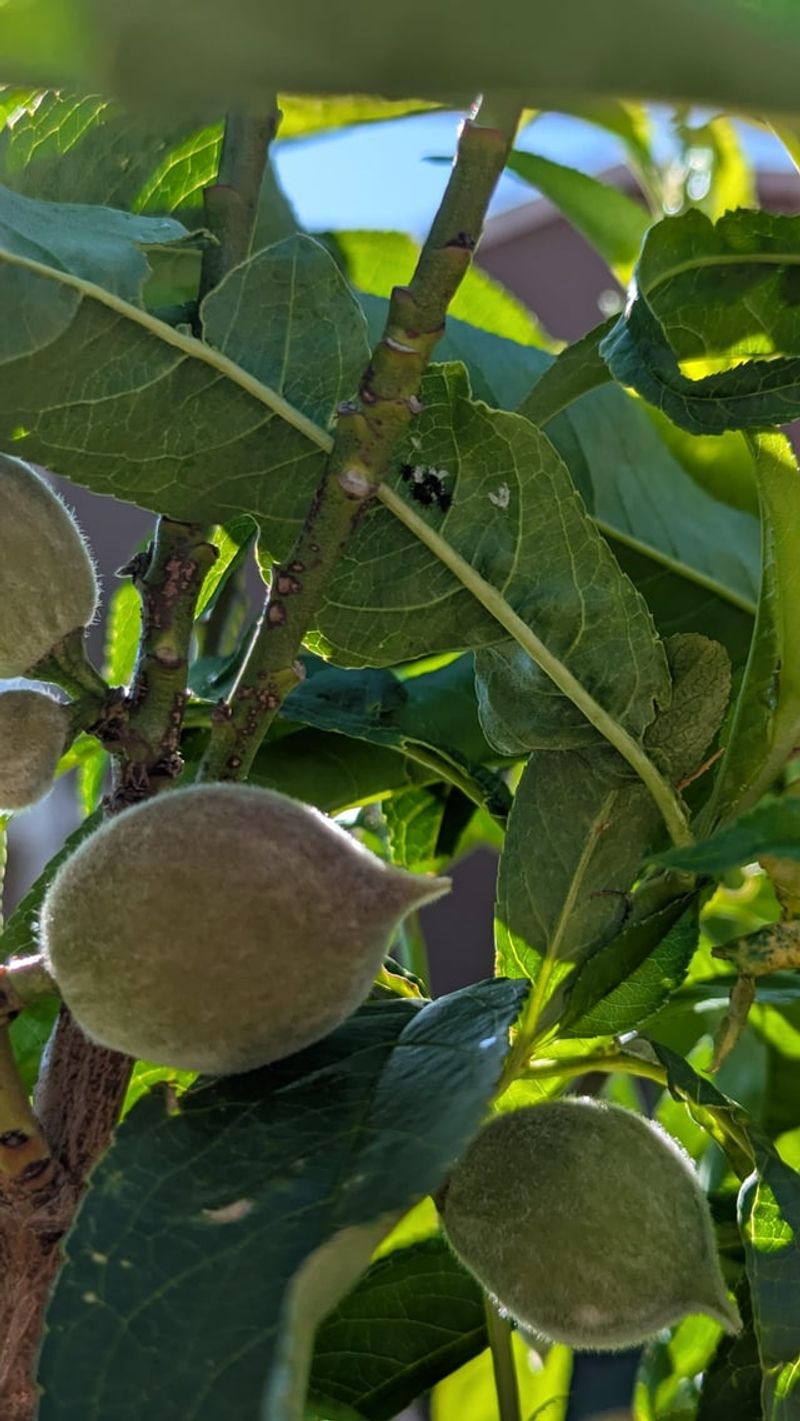
Flip over a leaf on your fruit tree, and you might find a neat little package that looks like tiny jade beads. Those beads are stink bug eggs, and finding them early is like getting a warning text before trouble arrives.
Stink bugs lay eggs in tight clusters on the undersides of leaves, where they stay hidden from birds and sun.
The brown marmorated stink bug lays light green, barrel-shaped eggs in groups of about 20 to 30. They sit in neat rows, almost like someone arranged them on purpose.
Start checking in late spring and keep going through summer. Turn over leaves on your peach and apple trees, and do not forget nearby plants like shrubs, vegetables, and ornamental trees. Stink bugs are not picky about where they lay eggs.
When you find a cluster, crush it or remove the whole leaf. Dropping the leaf into a jar of soapy water works well and keeps your hands clean. Each cluster you remove means dozens fewer bugs feeding on your fruit later.
Sometimes you will spot empty egg shells with tiny nymphs huddled around them. Newly hatched nymphs are small, round, and often colorful, with red, orange, or black markings.
They tend to stay grouped together for a short time, which makes them easy to knock into soapy water.
In North Carolina, stink bug numbers can build quickly over a long, warm growing season. Removing eggs early is one of the simplest, cheapest ways to cut down on fruit damage.
A quick leaf check during your evening garden stroll can make a big difference by harvest time.
8. Stink Bugs And Nymphs On Fruit And Branches
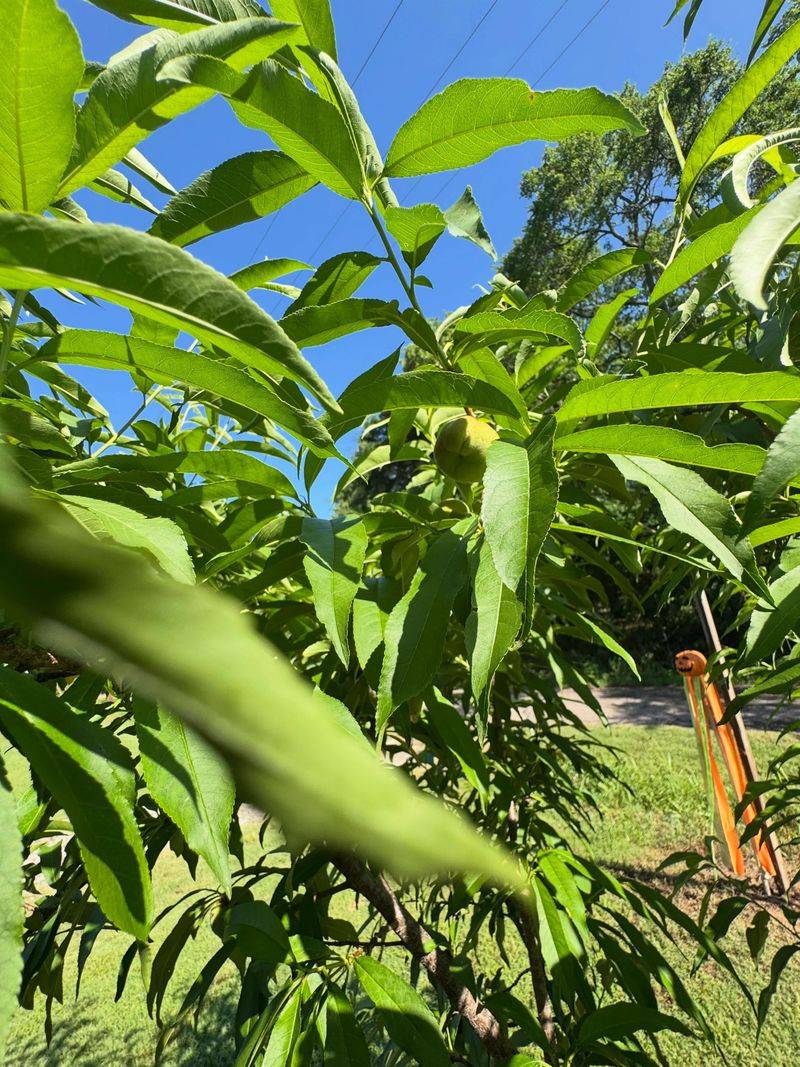
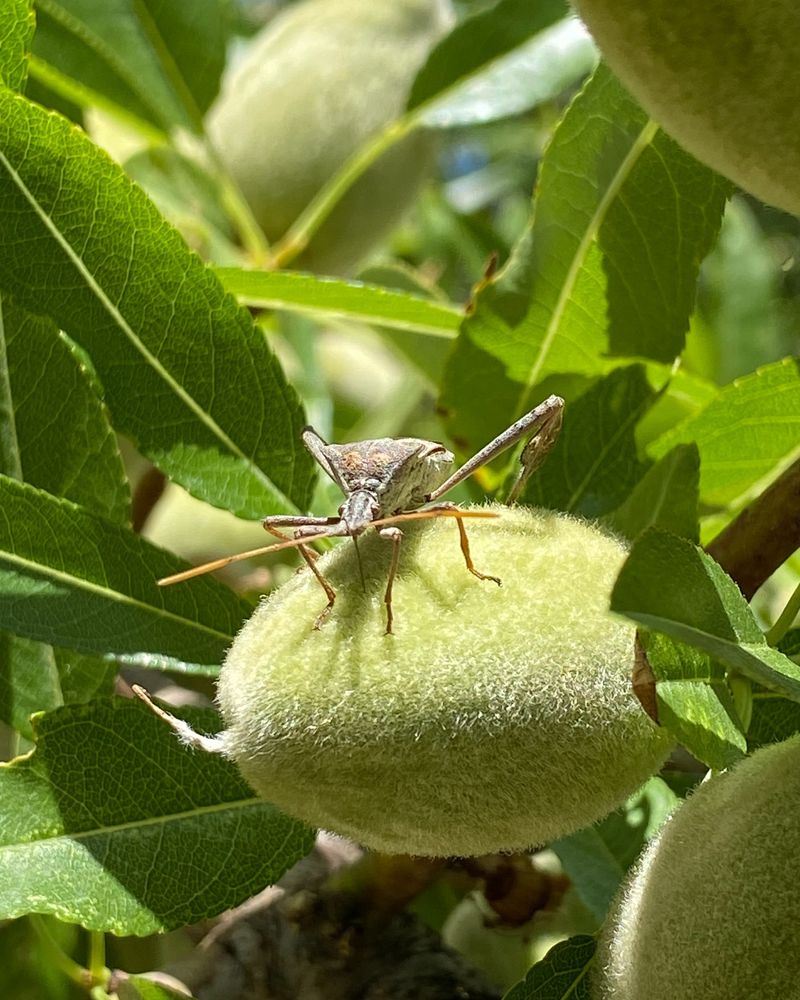
Catching the culprit in the act feels pretty great. When you see stink bugs sitting right on your fruit, you know exactly who has been leaving those dents and brown spots.
Adult stink bugs and their nymphs both feed directly on fruit. You will often find them resting on peaches, apples, branches, and leaves. Mornings are the best time to look, since cool air makes them slow and sleepy, so they are easier to grab.
Make tree checks part of your routine. Focus on branches closest to woods and hedgerows, because stink bugs often move in from those wild edges. Trees on the border of your yard usually see the first wave of visitors.
Hand-picking works surprisingly well on small trees. Hold a bucket of soapy water under a branch and tap or flick the bugs into it. They tend to drop when disturbed, so the bucket catches them as they fall.
Wearing gloves helps, since they release that famous stinky smell when bothered. For small trees, bagging fruit is a clever trick.
Slip paper or mesh fruit bags over young peaches or apples after thinning, and the bags act like little shields. Many backyard growers in the Southeast swear by this method because it blocks several pests at once.
North Carolina faces a double challenge. Native stink bugs, like the green and brown stink bugs, feed on peaches and apples. On top of that, the invasive brown marmorated stink bug has spread across much of the state.
Staying alert and acting early helps you enjoy sweeter, cleaner fruit all season long.