Chicken Wire Vs Hardware Cloth In North Carolina Gardens And Which Protects Plants Better
Protecting a North Carolina garden from wildlife often comes down to choosing between two common materials, each with distinct strengths and limitations.
Chicken wire features larger, more flexible openings that work reasonably well against bigger animals like rabbits or deer, but its wider gaps allow smaller pests, including many rodents, to slip through with ease.
Hardware cloth, made from sturdier woven wire with much smaller openings, offers significantly better protection against small, persistent pests while also standing up better to physical pressure and weather over time.
This added durability and finer barrier typically comes at a higher cost, which is where the real tradeoff between the two materials lies.
Choosing the right option depends largely on which pests are causing the most trouble in a particular North Carolina garden.
1. Hardware Cloth Blocks More Small Pests
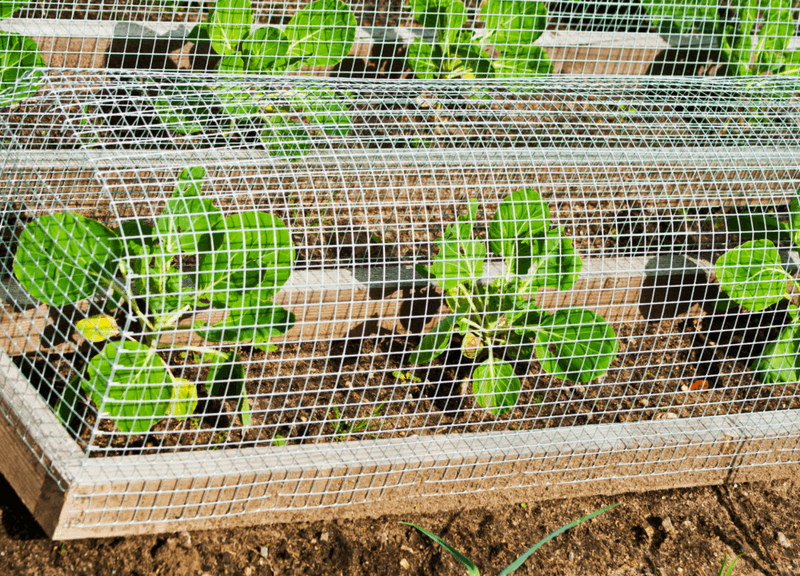
Tiny openings make a huge difference when critters come calling. Hardware cloth uses small squares, often a quarter inch or half inch wide, welded together into a stiff grid.
That tight spacing keeps out rabbits, mice, voles, and even chipmunks that treat gardens like an all-you-can-eat buffet.
Rabbits especially love tender young greens in North Carolina spring gardens. With chicken wire, the gaps sometimes let smaller animals wiggle through, but hardware cloth shuts that door completely.
The welded joints stay firm, so animals cannot bend or pry the openings wider the way they can with lighter fencing.
Fine mesh barriers can help block voles, especially when installed along the bottom of raised beds. Lining the bottom of a raised bed with hardware cloth blocks their underground path while still letting water drain freely.
The strength of hardware cloth also holds up against pushing and clawing. Squirrels and rodents test barriers constantly, and flimsy wire eventually gives way. A sturdy welded grid resists that pressure season after season.
For anyone growing lettuce, carrots, beans, or strawberries, this material gives serious peace of mind. It costs a little more upfront, but the protection pays off when your harvest stays intact.
If small pests keep raiding your rows, hardware cloth is usually the smarter pick. Think of it as a fortress wall built specifically for the little troublemakers that chicken wire tends to miss.
2. Chicken Wire Is Better For Larger Barriers
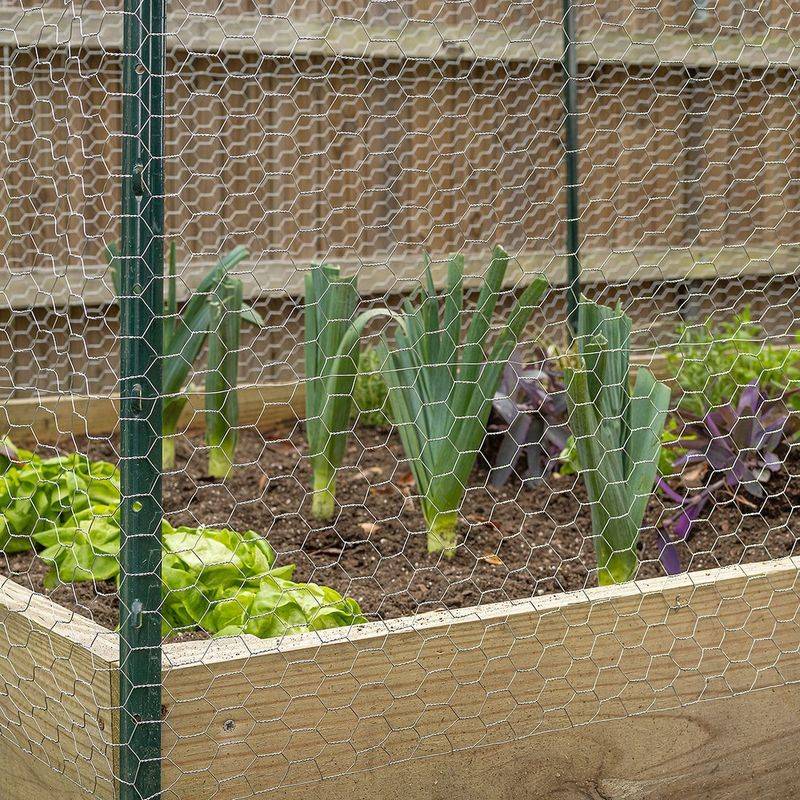
Sometimes you need a big, flexible barrier instead of a tiny-mesh fortress. Chicken wire shines here.
Its hexagonal openings and bendable design make it easy to shape around posts, coops, and garden corners without fighting stiff metal.
Backyard chicken keepers across North Carolina reach for this material first. It keeps birds contained inside a run while still letting air and sunlight flow through.
Wrapping it around a coop or a temporary pen takes only minutes, and it stretches over long distances without breaking the bank.
Gardeners also use chicken wire for quick, seasonal projects. Need to fence off a pumpkin patch or block deer from trampling a row?
A tall roll of chicken wire does the job for far less money than heavier options. It rolls up neatly for storage when the season ends.
The trade-off comes with those larger holes. Mice, voles, and young rabbits can slip right through the wide gaps.
So while chicken wire creates a solid outline and keeps bigger animals out, it is not the best guard against the smallest raiders.
Think of chicken wire as your all-purpose helper for larger enclosures rather than a shield for delicate seedlings. It handles chickens, marks garden boundaries, and forms lightweight cages with ease.
For humid North Carolina summers, choose a galvanized version so it resists rust longer. When your main goal is containing bigger animals or building a fast, affordable barrier, chicken wire gives you flexibility that stiffer materials simply cannot match.
3. Rabbits Can Beat The Wrong Fence
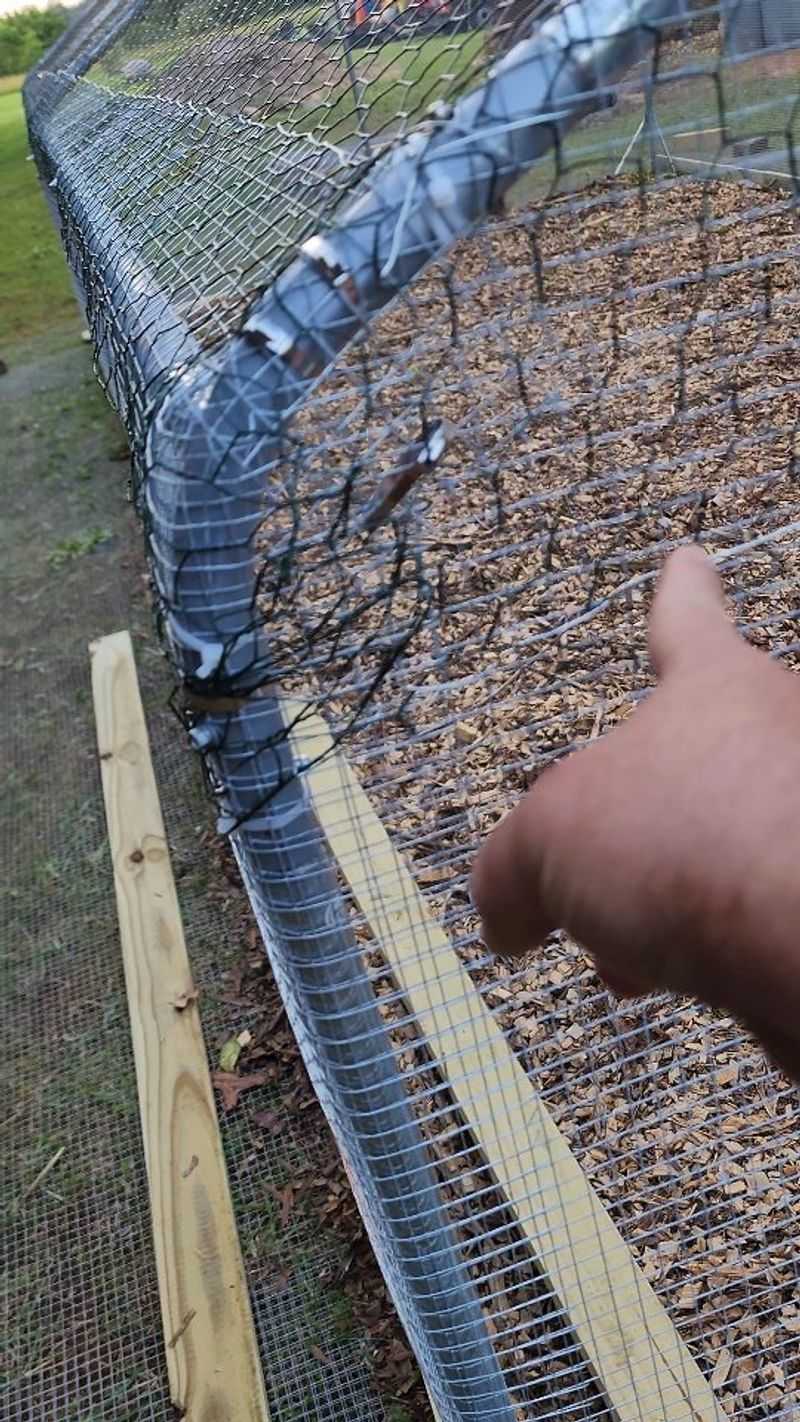
Do not underestimate a determined rabbit. These fluffy garden regulars can squeeze through gaps far smaller than you would expect, flattening their bodies to slip past barriers that look secure.
In North Carolina, cottontails are common visitors, and young seedlings are their favorite snack.
Chicken wire often has openings around one inch or larger, which sounds tight until a small rabbit compresses itself and pushes through. Baby rabbits are even more talented at this trick, and they can wipe out a row of tender greens in a single night.
Hardware cloth solves the problem with its snug quarter-inch or half-inch mesh. There simply is no gap big enough for a rabbit to exploit.
That tighter weave gives seedlings a real fighting chance during those vulnerable early weeks.
Height matters too. Rabbits are not big jumpers, low fence can help deter them, but taller fencing provides more reliable protection.
Pairing that height with hardware cloth creates a barrier they cannot climb, chew, or slip through.
Spring plantings of lettuce, spinach, peas, and beans need the most protection since rabbits target soft new growth. Once plants mature, they become less appealing, but by then a hungry rabbit may have already done damage.
If rabbits keep beating your defenses, the fence material is likely the culprit. Switching to a finer mesh often ends the raids for good.
Protecting seedlings early sets your whole garden up for a stronger, fuller harvest later in the season.
4. Bury The Bottom Edge For Digging Animals
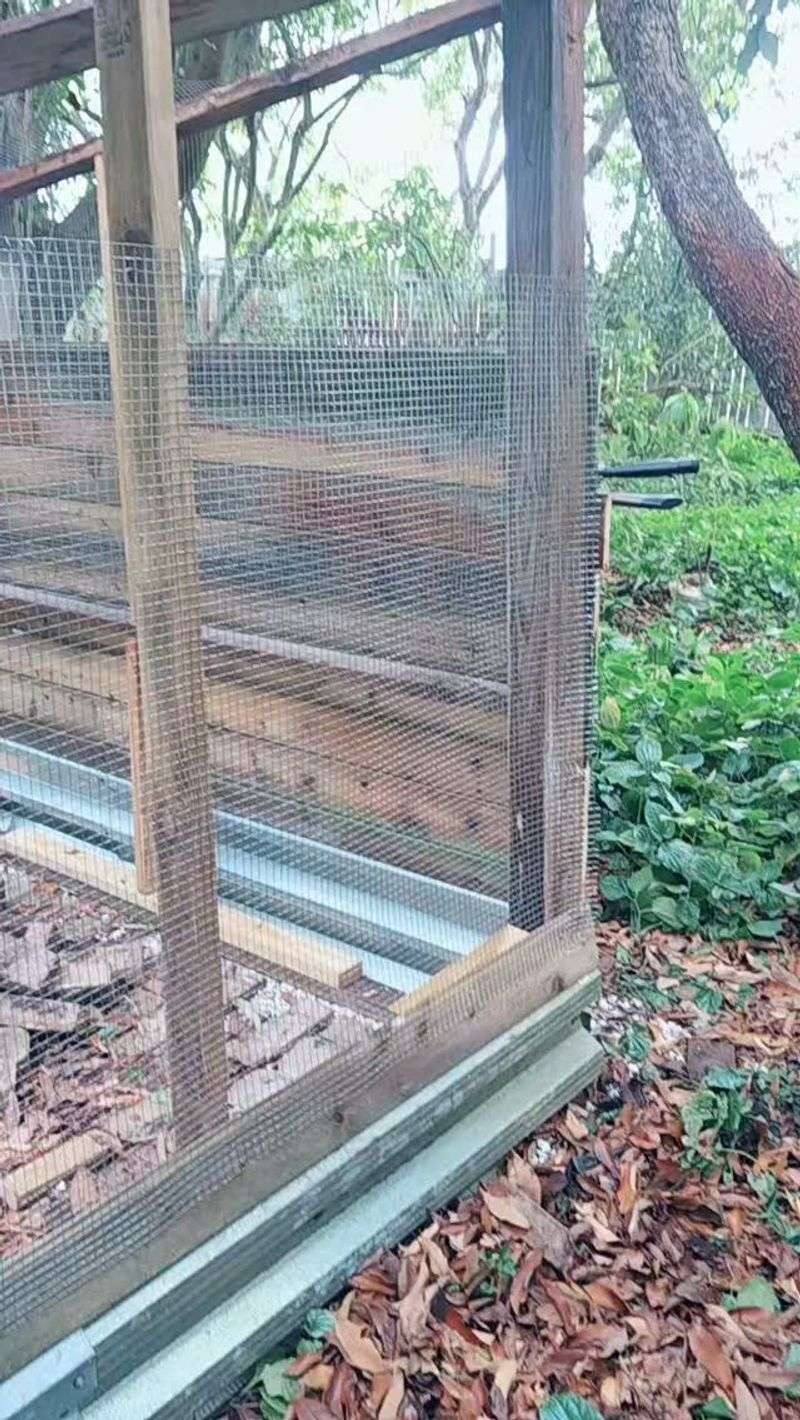
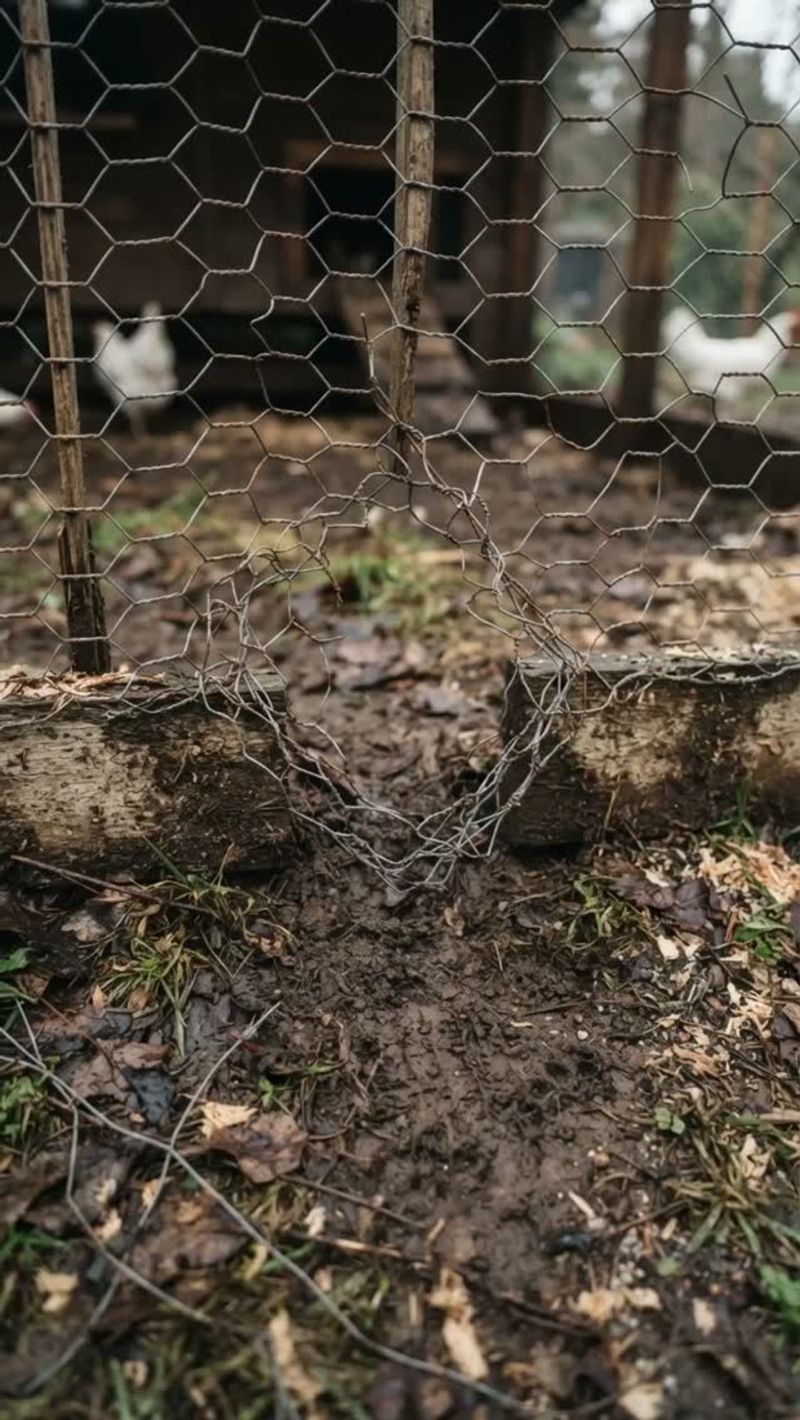
Fences only work if animals cannot go under them. Many garden raiders, including rabbits, voles, and groundhogs, dig with surprising skill.
A fence that stops at ground level practically invites them to tunnel beneath it. The fix is simple but powerful. Bury the bottom edge of your fencing six to twelve inches into the soil.
This underground section blocks diggers before they can reach your plants and adds a hidden layer of defense that surface fencing alone cannot provide.
An even better trick is bending the buried portion outward into an L shape. When an animal starts digging near the fence, it hits this horizontal lip and gives up, since it cannot easily get around the wide underground barrier.
Groundhogs especially hate this setup. North Carolina soil ranges from sandy in the east to clay-heavy in the Piedmont, so digging effort varies. Loose soil makes tunneling easy, which means a buried edge becomes even more important in those areas.
Hardware cloth works wonderfully for this job because its stiff, welded grid holds its shape underground and resists chewing. Chicken wire can also be buried, though its lighter build may bend or corrode faster over time.
Take a little extra time during installation to dig that trench and secure the edge properly. It is harder to fix later once plants are established.
A well-buried fence turns your garden into a true fortress, guarding roots and bulbs from both above and below the surface.
5. Protect Raised Beds Differently
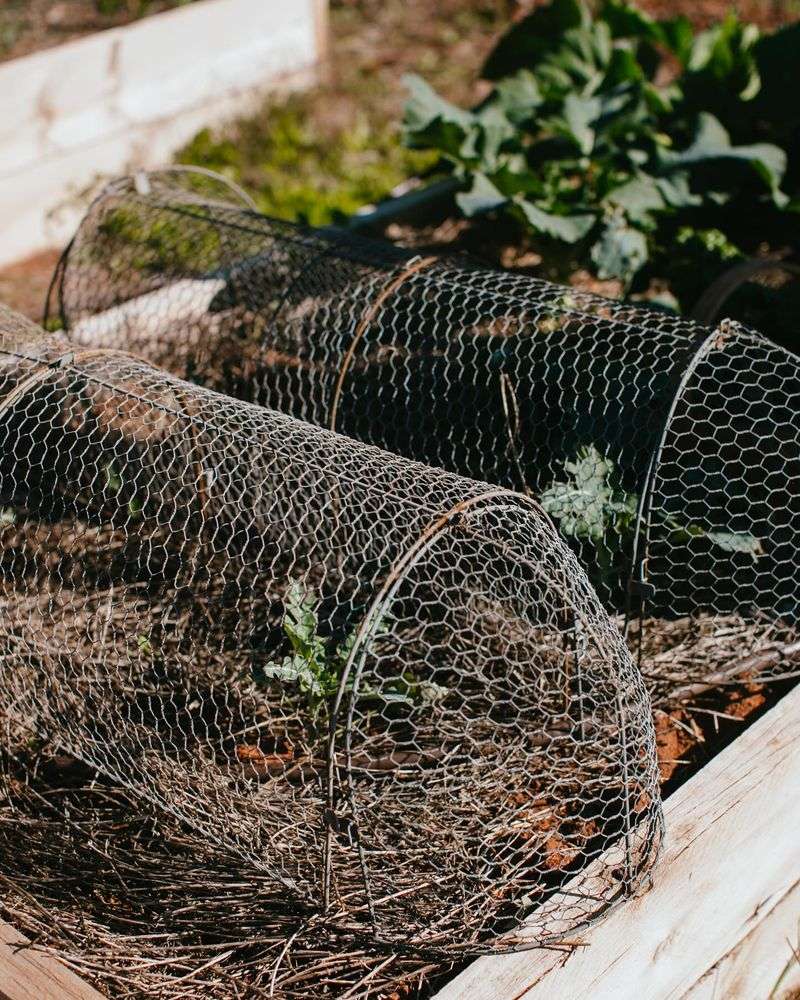
Raised beds bring their own set of challenges. Because they sit higher off the ground, they attract not just ground animals but also birds and squirrels that hop right in from above. A simple side fence often is not enough.
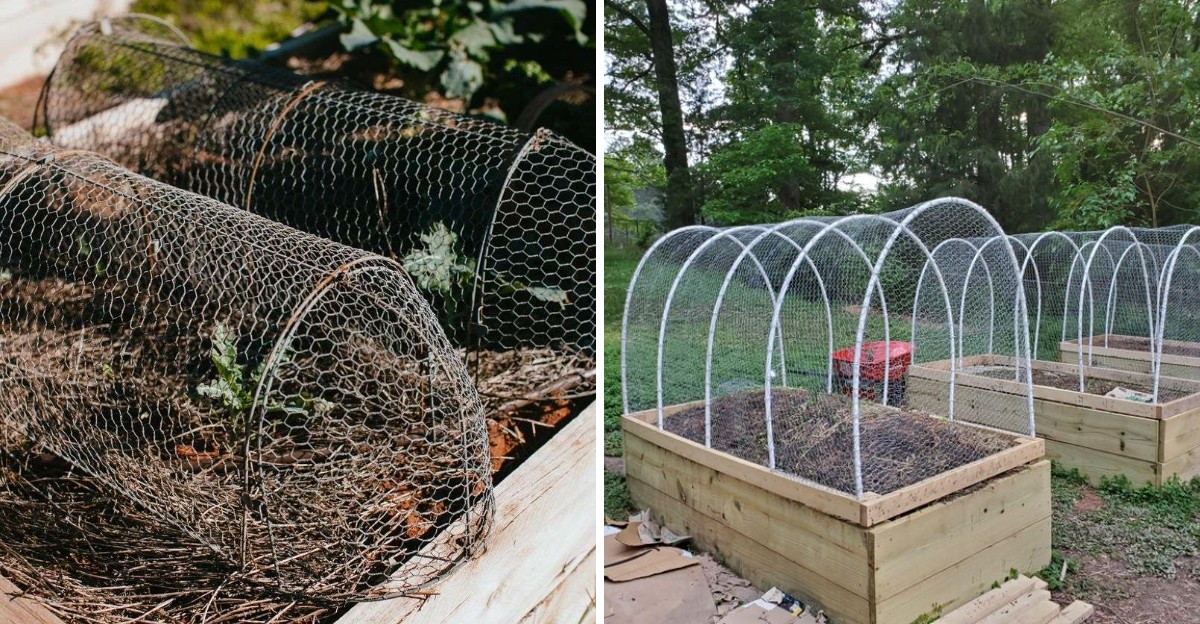
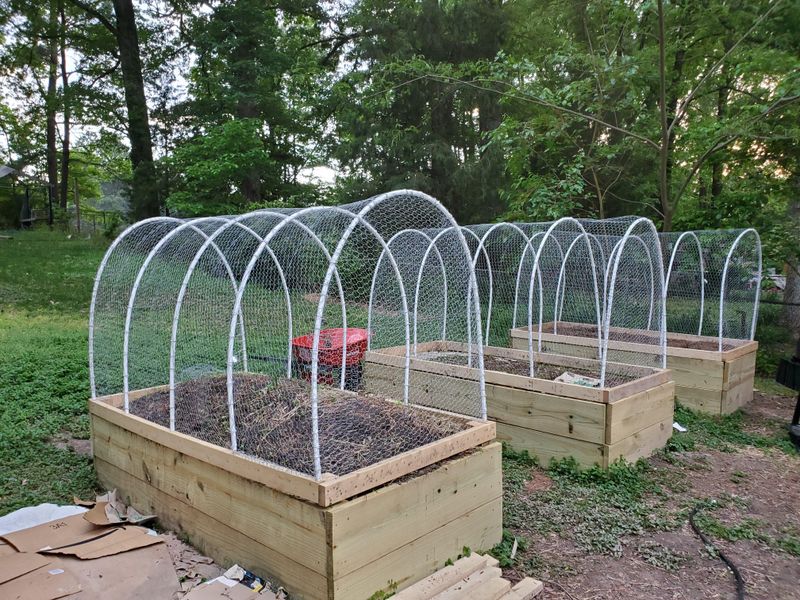
Covers make all the difference here. A frame topped with hardware cloth creates a shield over the entire bed, blocking pests from every angle while still letting sunlight and rain reach your plants.
This is especially helpful for leafy greens and strawberries that birds love to peck.
Squirrels in North Carolina neighborhoods are notorious for digging in soft raised-bed soil to bury or hunt for treats. A secured hardware cloth top stops their digging and keeps freshly planted seeds safe until they sprout.
Building the cover as a removable lid makes daily gardening easier. You can lift it to water, weed, and harvest, then set it back in place to keep visitors out. Hinged frames work beautifully for this.
Lining the bottom of a raised bed with hardware cloth adds bonus protection against voles and moles tunneling up from below. Combining a lined bottom with a covered top gives your crops nearly complete coverage.
For humid summers, galvanized mesh resists rust and lasts through many seasons of heavy rain.
Raised beds already give you great drainage and easy access, so protecting them properly lets you enjoy those benefits without sharing your harvest. A little building effort now means fuller baskets later.
6. Consider The Animal You Are Fighting
Every pest plays by its own rules. Before spending money on any fencing, figure out exactly which animal is raiding your garden.
The right strategy depends entirely on the culprit, and no single material handles every situation.
Deer, for example, are jumpers. A short fence means nothing to them, so gardeners battling deer need tall barriers around six to eight feet high. Neither chicken wire nor hardware cloth stops deer unless the fence reaches that height.
Rabbits and voles call for the opposite approach. They need fine mesh close to the ground, making hardware cloth the clear winner for those small, low invaders. A tall fence does nothing if the holes are too big.
Squirrels climb and dig, so covering raised beds or securing bird netting works better than a simple side fence. Birds swooping down to peck fruit need overhead protection too, since ground fencing leaves them free access from above.
Look for clues to identify your visitor. Clean-cut stems often point to rabbits, tunnels and missing roots suggest voles, and scattered soil hints at squirrels. Hoofprints and high browsing damage reveal deer.
Matching your defense to the actual pest saves both time and money. Building a rabbit fence when deer are the real problem leaves you frustrated and your plants exposed.
Take a few days to watch for signs and even set up a simple camera if needed. Once you know your opponent, choosing between materials becomes a whole lot easier and far more effective.
7. Hardware Cloth Lasts Longer When Installed Properly
Durability is where hardware cloth really earns its price. Made from thicker, welded, and often galvanized metal, it stands up to years of weather, animal pressure, and rough handling far better than lightweight alternatives.
North Carolina summers bring heat and humidity that can rust metal quickly. Galvanized hardware cloth carries a protective zinc coating that fights corrosion, helping the fence stay strong through many damp seasons instead of falling apart after one.
Good installation stretches that lifespan even further. Attaching the mesh to solid wooden or metal posts keeps it from sagging, and using proper fasteners like screws with washers or heavy staples holds everything firmly in place.
Loose fencing invites both animals and early wear. Tight, secure attachments also stop animals from prying the edges open. A well-anchored panel gives raiders nothing to grab or bend, which means fewer repairs down the road.
Sloppy corners are usually the first weak spot pests discover. Chicken wire, by comparison, is thinner and bends easily. It serves short-term needs well but often needs replacing sooner, especially in wet climates where rust sets in faster on lighter gauges.
Spending a bit more on quality hardware cloth and taking time to install it right turns fencing into a long-term investment. You will not be rebuilding barriers every spring.
For gardeners who want a set-it-and-forget-it solution that survives humid Carolina weather, sturdy hardware cloth backed by strong supports is tough to beat and pays for itself over the years.
8. Chicken Wire Still Has Useful Garden Jobs
Do not toss out chicken wire just yet. Even though hardware cloth wins for small-pest defense, chicken wire remains a handy tool for plenty of everyday garden tasks where tiny openings simply are not necessary.
Compost cages are a perfect example. Rolling chicken wire into a cylinder makes a cheap, airy bin that holds leaves and kitchen scraps while letting oxygen flow through. The wide gaps actually help the pile breathe and break down faster.
Climbing plants love it too. Beans, peas, cucumbers, and morning glories happily grab onto the mesh as they reach upward. Stretching chicken wire between two posts creates an instant trellis for just a few dollars.
Larger animal barriers are another good fit. When your goal is keeping chickens in a run or blocking deer from a young orchard, the fine mesh of hardware cloth is too much.
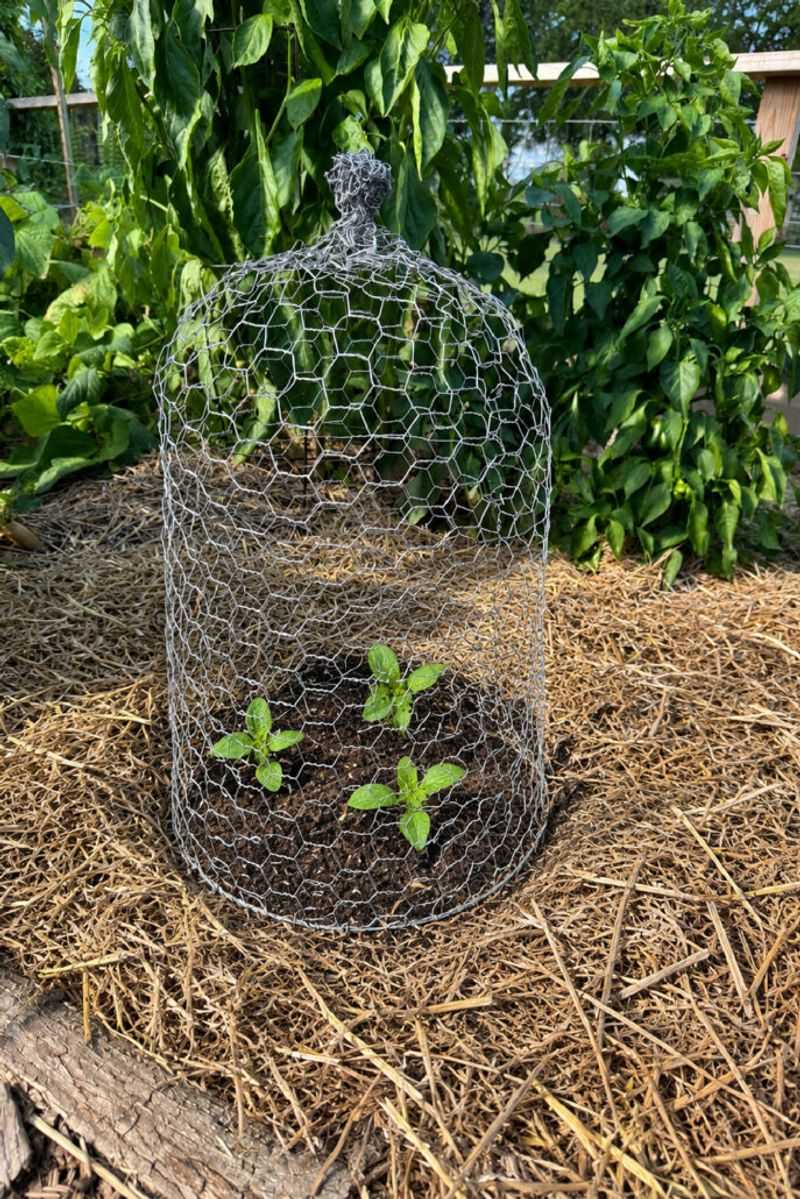
Chicken wire covers big areas affordably and bends easily around odd shapes. It also works great for temporary jobs. Protecting a shrub over winter, fencing off a freshly seeded patch, or making a quick cloche to guard transplants all suit chicken wire nicely.
When the season shifts, it rolls up and stores away without hassle. Cost is a big part of its charm. For projects that do not demand a rock-solid barrier, paying premium prices makes little sense.
Keep a roll of chicken wire in your shed and reach for it whenever a light, flexible, budget-friendly solution fits the task. It stays useful season after season around any Carolina garden.