That Fast Many-Legged Bug In Your California Garage Is Venomous But Helpful
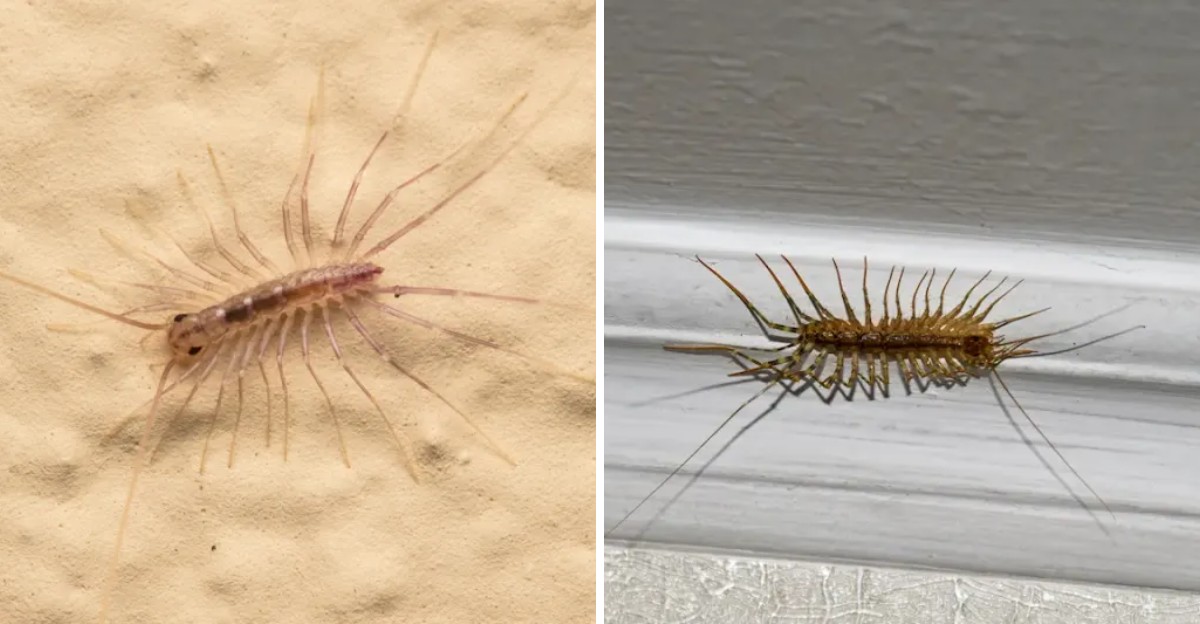
Babies of one speedy garage sprinter hatch with only four pairs of legs, then add more with each molt until they reach fifteen. Adults can live three years or more, which is a remarkably long run for such a small hunter.
They feed on cockroaches, silverfish, earwigs, and other small pests, and they leave your plants and stored birdseed alone. Bites on people are uncommon and usually feel like a mild bee sting.
Spoiler alert: the scary-looking runner in my California garage is honestly now my favorite night-shift security guard. You might notice them most often near water heaters, washing machines, and damp cardboard boxes.
Plenty of people reach for a spray the moment those long legs blur across the floor. A few surprising facts about venom, prey, and moisture could completely change how you feel about that late-night garage visitor.
That Striped Blur Under Your Garage Shelves Has A Name
Most folks scream first and ask questions later. Once you learn this critter’s name, though, it gets a lot less scary.
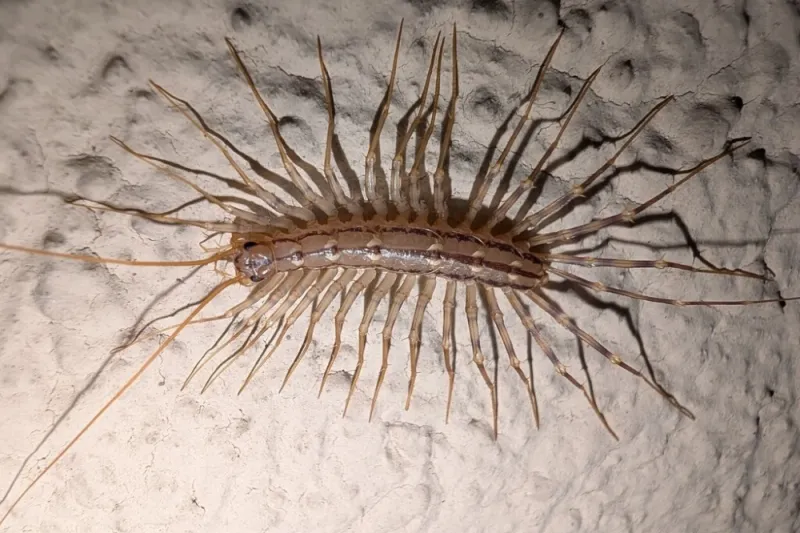
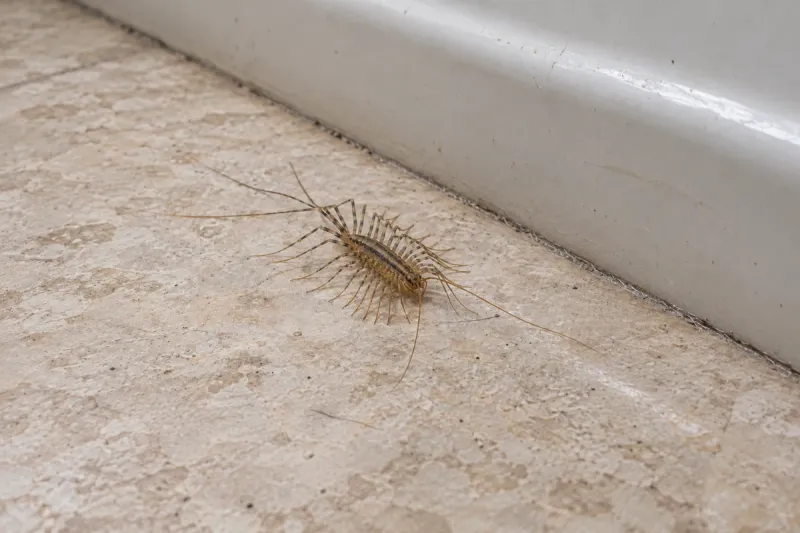
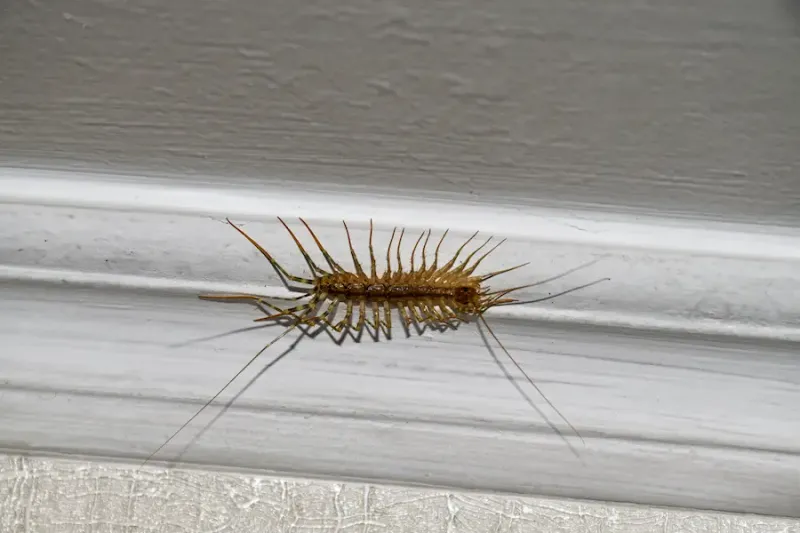
Meet the house centipede, known to scientists as Scutigera coleoptrata. Adults have a yellowish-gray body about 1 to 1.5 inches long with three dark stripes running down the back. They carry 15 pairs of thin, banded legs, and the last pair can be longer than the body itself.
Those super long legs and two whip-like antennae make the animal look about three or four inches across. That starburst shape is the easiest way to tell it apart from other centipedes. Garden centipedes in your flower beds are usually shorter-legged, reddish brown, and much slower.
Fun fact for your next barbecue chat. This species likely came from the Mediterranean region and spread across North America over the last couple of centuries. It is now found in homes all over the country.
House centipedes are not insects at all. They belong to a group called chilopods, which makes them cousins of millipedes and distant relatives of crabs and spiders.
So the next time one zips by, you can call it by name. Somehow that makes the moment feel a little less wild.
Venom Fangs That Pose Little Risk To You Or Your Pets
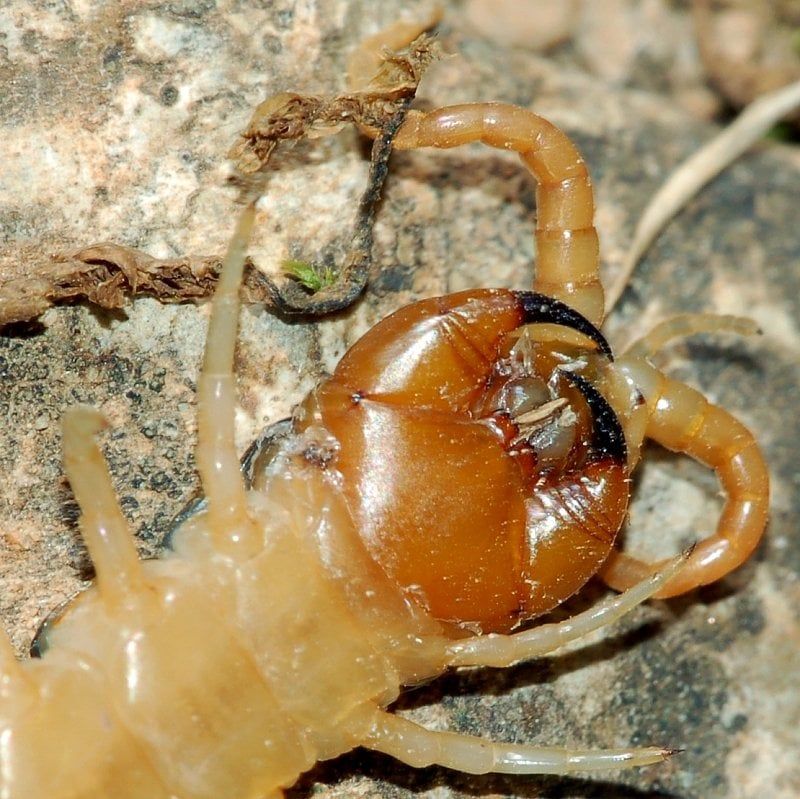
Yes, the venom is real. A house centipede has a pair of modified front legs called forcipules, and they work like tiny venom-loaded pincers.
Those pincers are built for knocking out small bugs, not people. University of California pest experts note that bites on humans are uncommon and usually happen only when someone grabs or presses on one. Most of the time, the centipede runs away instead.
When a bite does occur, many people compare it to a mild bee sting. You might see a little redness, swelling, and soreness for a few hours. Washing the spot with soap and water and using a cold pack usually takes care of it.
Anyone with allergies should watch for unusual reactions, just as they would with any sting. If swelling spreads or breathing feels off, call a doctor right away.
Pets often chase these quick runners for fun. A curious cat may catch one and get a small nip on the nose or paw, which typically passes quickly.
Personally, I found this reassuring. The scary-looking bug in my garage carries weapons, but it would much rather use them on a cockroach than on my ankle.
A House Centipede Hunts The Bugs You Really Hate
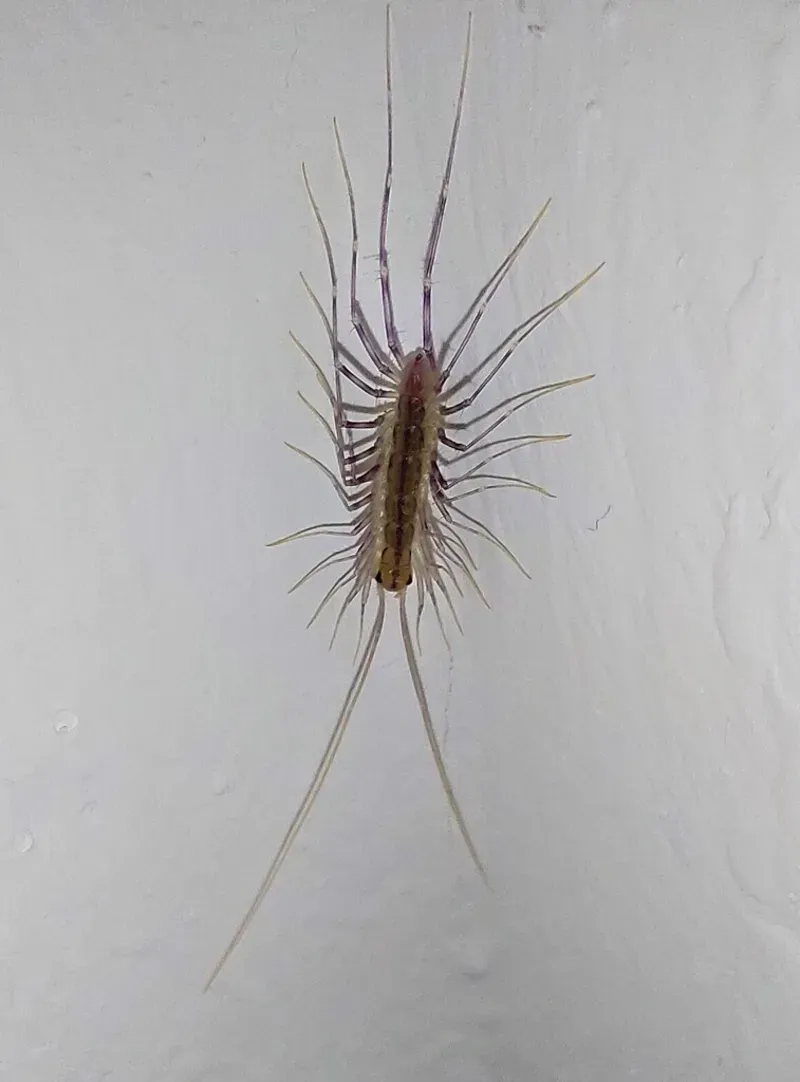
Silverfish in your old seed catalogs. Cockroaches near the trash cans. Spiders spinning webs over your garden tools. All of them land on this hunter’s dinner plate.
House centipedes are strict meat eaters. They feed on cockroaches, silverfish, firebrats, crickets, flies, moths, bed bugs, termites, ant larvae, and small spiders. They do not chew on your plants, your stored birdseed, or the wood in your walls.
Their hunting style is pretty clever. Long antennae sense smells and tiny vibrations in the dark, so they track prey without needing light. When they pounce, they sometimes wrap their legs around a bug like a little lasso before injecting venom.
Some studies show they may stack several captured bugs in their legs at once. That is a busy night of work by anyone’s standards.
You need to give credit where it is due. Every roach or silverfish a centipede catches is one fewer you have to deal with yourself.
I like how they handle the job quietly while I sleep. No sprays, no traps, and no mess on my workbench in the morning.
Garden Pests Near Your Garage Door Are On The Menu Too
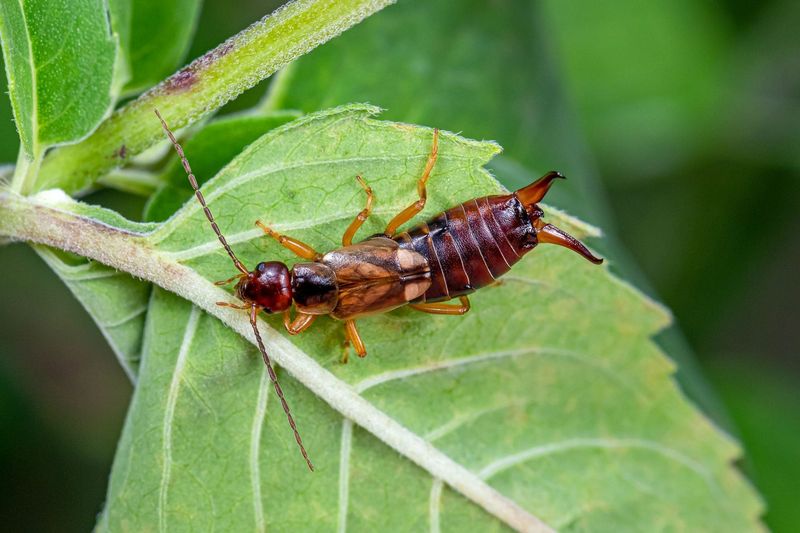
Your garage often sits right between your house and your garden. That makes it a handy crossing point for bugs heading in both directions.
House centipedes catch plenty of creatures that also bother gardeners. Earwigs, which nibble seedlings and soft fruit, are a common target. Crickets, flies, and small moths that hang around garage lights also get snapped up.
Outdoors, centipedes in general prey on many soft-bodied critters hiding under mulch and stones. That said, I want to be honest with you. A house centipede is not a magic fix for snails, aphids, or tomato hornworms in your vegetable beds.
Think of it as one helpful player on a big team. Ground beetles, spiders, birds, lizards, and lady beetles all chip in to keep garden pests in check.
The UC Statewide IPM Program encourages gardeners to protect natural predators like these. Broad-spectrum sprays often harm helpful hunters along with the pests.
So when you spot one near the garage door, give it a nod. That quick little runner is part of the natural pest patrol that makes your yard a healthier, more balanced place.
Damp Garage Corners Are Basically A Centipede Hotel
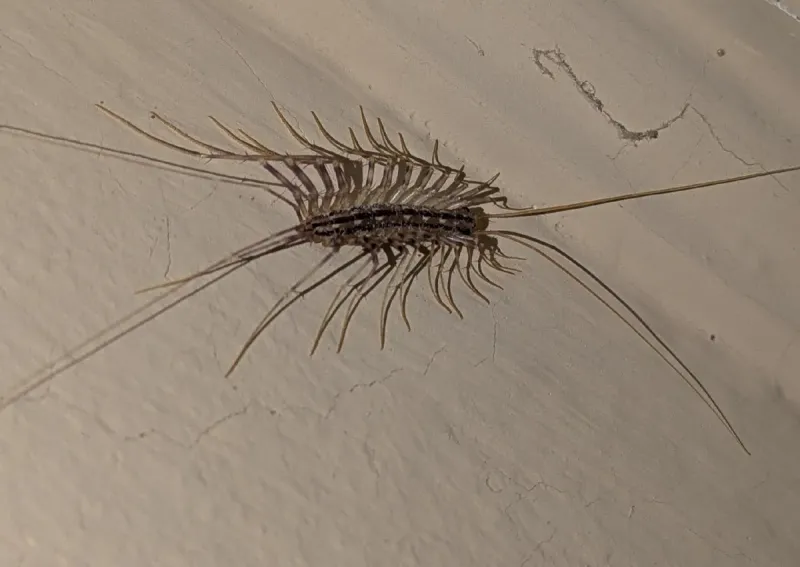
Ever wonder why the garage is their favorite hangout? It comes down to two things, moisture and hiding spots.
House centipedes lose water easily through their bodies. They seek out damp, sheltered places such as spots near water heaters, washing machines, leaky hose bibs, and floor drains. Stacks of cardboard boxes and piles of clutter give them plenty of cozy cover during the day.
They are mostly nocturnal. That is why so many sightings happen during late-night trips to grab something from the garage freezer.
In much of California, mild winters let these centipedes stay active for much of the year. Coastal areas with foggy, damp air may see them more often than dry inland spots. Seasonal rains can also nudge them indoors looking for shelter.
Here is a useful clue. If you see house centipedes regularly, there is likely a steady food supply nearby. Their presence can hint that silverfish, roaches, or other small bugs are living in your garage too.
Take a quick look around. A slow drip or a soggy box might explain both the centipedes and the pests they are chasing.
Longer Lives And Surprising Babies Make These Runners Unique
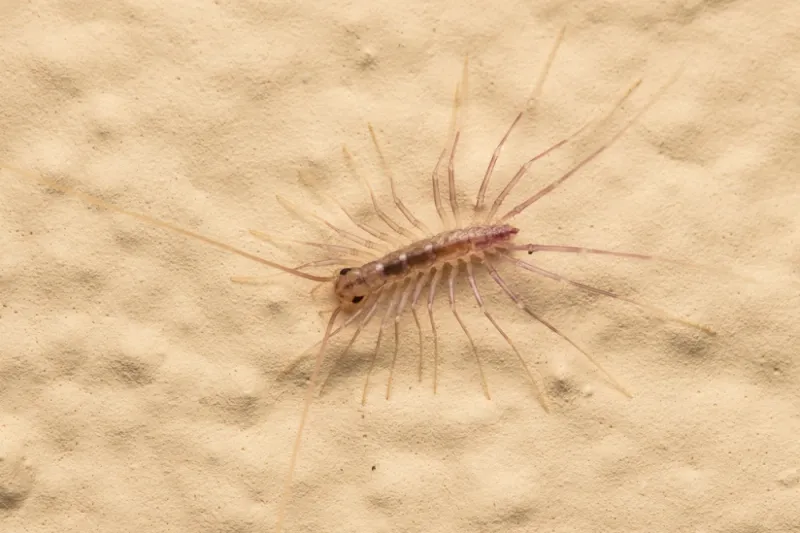
Most bugs in your garage live only weeks or months. House centipedes play a much longer game.
Adults can live for three years or more, and some reports suggest up to seven years in good conditions. That is a remarkable lifespan for such a small creature.
Females lay eggs in damp soil or hidden crevices, often in warmer months. Here is the quirky part. Babies hatch with only four pairs of legs and gain more each time they molt, until they reach the full 15 pairs.
Losing a leg is no big deal for them either. If a predator grabs one, the centipede can drop the leg and run off, then regrow it over later molts.
This slow growth means populations usually build up gradually rather than exploding overnight. A garage with lots of centipedes has probably been a comfortable home for a while.
I find this oddly charming. That runner you spotted might have been patrolling the same corner for a couple of years, quietly growing new legs and snacking on silverfish the entire time.
Sweep That Centipede Outside Instead Of Grabbing The Spray
Got one sprinting across the laundry room and you just cannot share space with it? No problem. You have gentle options.
Grab a clear cup and a stiff piece of paper. Cover the centipede, slide the paper underneath, and carry it outside. Release it under leaf litter, a shady shrub, or a flat stone where it can hide.
Avoid grabbing it with bare hands. That is the main way people get bitten.
Pesticides are rarely needed for house centipedes. UC IPM experts point out that sprays offer little lasting benefit, because new centipedes will move in if moisture and prey remain. Chemicals can also harm other helpful critters around your yard.
Sticky traps placed along walls in out-of-the-way spots can catch wanderers if you want fewer indoors. Just keep them away from pets and children.
Personally, I let the garage ones stay. They hunt the bugs I dislike far more, and seeing one now feels like spotting a security guard on duty.
A Drier, Tidier Garage Keeps Centipedes And Their Prey In Balance
The smartest long-term fix is not about the centipede at all. It is about the conditions that attract it.
Start with moisture. Repair dripping faucets and leaky hoses, and run a dehumidifier or fan in damp corners. Keep downspouts aimed away from the garage foundation so rainwater drains off.
Next, cut back on hiding places. Swap soggy cardboard boxes for sealed plastic bins, and lift stored items off the floor onto shelves. Clear away piles of leaves, firewood, and mulch right next to the garage walls.
Seal gaps around doors, vents, and pipes with weatherstripping or caulk. That keeps out centipedes along with roaches, crickets, and other wanderers.
Remember the food chain. Fewer silverfish and roaches mean fewer centipedes, since hunters follow their prey.
My takeaway is simple. A few house centipedes in a California garage are a sign that natural pest control is working. Keep things dry, tidy, and well sealed, and you will strike a comfortable balance between helpful hunters and your own peace of mind.