What Those Small Holes Spreading Across Your California Lawn Could Actually Mean
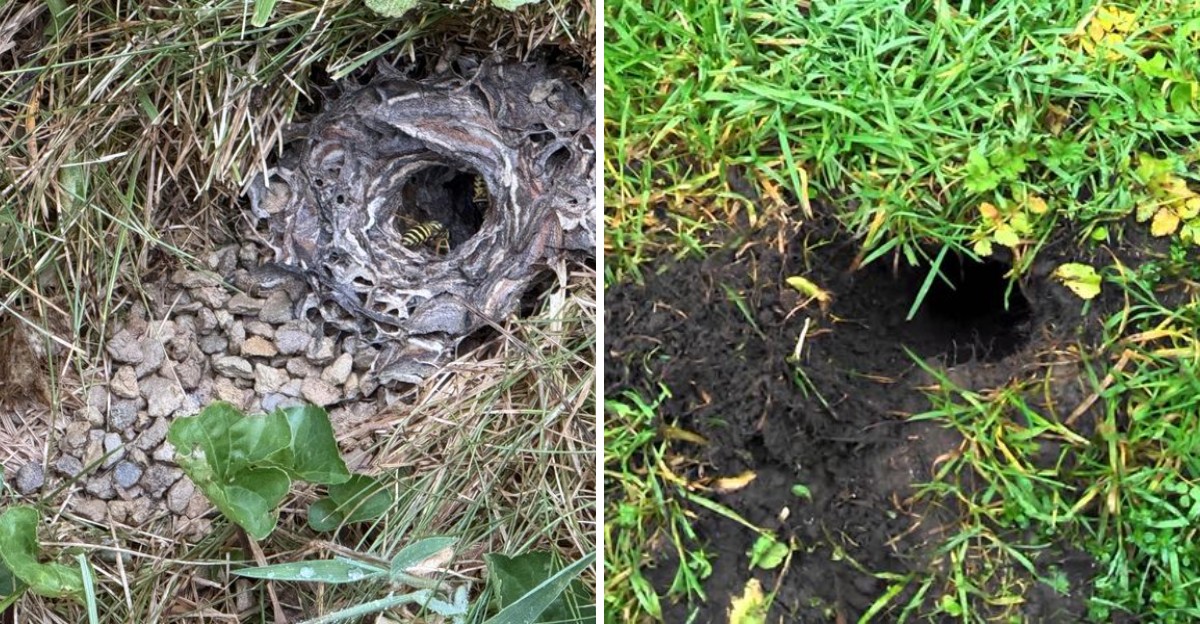
Small, neat holes popping up across a California lawn can appear almost overnight. Some sit beside tiny piles of dirt, while others seem to have something buzzing nearby.
The sight often sends homeowners reaching for a spray bottle.
A pause usually pays off, though. Several different creatures leave holes in California yards, and many of them are harmless or even helpful.
Each visitor leaves its own set of clues, from hole size to mound shape to the traffic moving in and out.
Reading those clues like a detective makes it much easier to tell which holes can be left alone, which call for a professional, and how a healthier lawn keeps most diggers away.
Ground-Nesting Bees Dig Tiny Round Holes
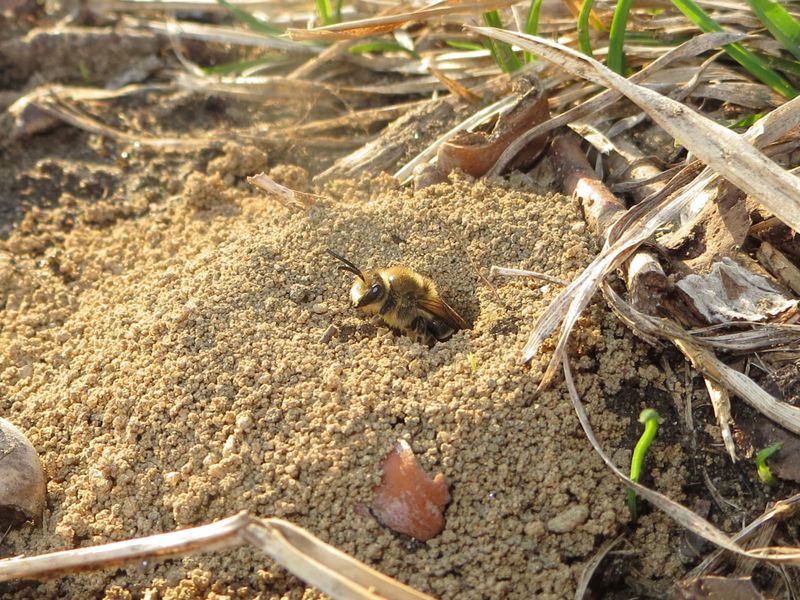
Small bees zipping low over a sunny, sparse corner of the yard on a spring morning often mean ground-nesting bees are at work. Each one drops into its own tidy hole, about the width of a pencil.
Most of these bees are solitary, so each female builds her own nest. She digs a narrow tunnel into dry, loose soil and stocks little chambers with pollen and nectar.
Her eggs develop inside, safe underground, until the next season. Many nests can sit close together, so a lawn may suddenly look like it has a rash of holes.
These bees bring good news, too. According to the UC Statewide IPM Program, they’re generally docile and rarely sting.
Females can sting but seldom bother people. Males often hover and act bossy, yet many can’t sting at all, so kids can usually play nearby without trouble.
Ground-nesting bees are also valuable pollinators. They help fruit trees, vegetable gardens, and native wildflowers produce more fruit and seed.
Their busy season tends to be short, often just a few weeks in spring. Afterward, activity fades and the holes become hard to spot.
Waiting it out is usually the smartest move. Pesticides can harm these helpful insects and other wildlife.
Light watering of the area can make the soil less inviting next year. These short-term tenants pay their rent in pollination.
Small Soil Volcanoes Point To Bees Or Ants
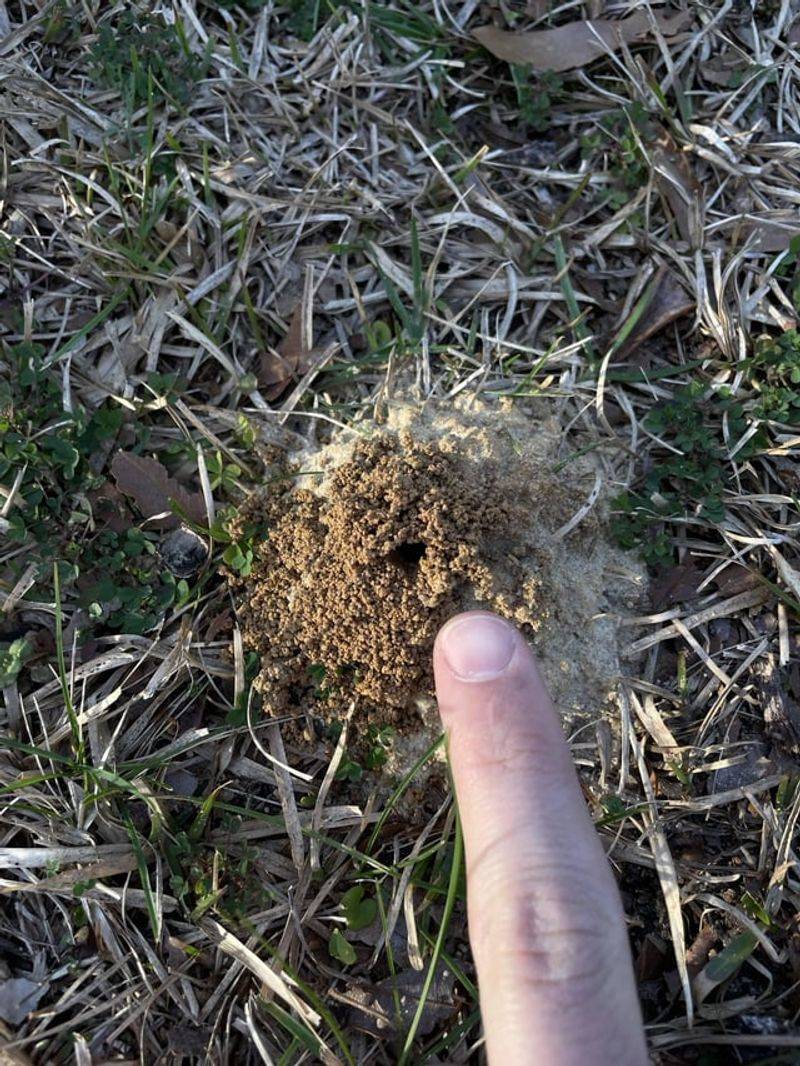
Tiny cones of crumbly dirt, each with a hole at the top, can resemble a miniature mountain range. A close look at those little volcanoes reveals some of the best clues available.
Ground-nesting bees and ants both push loose soil up and out as they dig. The result is a small mound, usually smaller than a quarter or a little wider.
Bee mounds tend to have one neat hole in the center. Ant mounds may have one or several openings, with fine, sandy soil around them.
Telling them apart takes just a minute of watching. Bees fly in and out, often one at a time, and look fuzzy or shiny.
Ants walk, usually in lines, and dozens may move across the ground at once. UC IPM notes that some ants, like Argentine ants, are common in California yards and may wander toward the kitchen.
Your California Garden Changes Every Week. Your Plan Should Too.
Gardening in California changes quickly throughout the season. Every Friday you’ll receive a simple weekly plan showing exactly what to plant, prune, fertilize, harvest, and protect so you never miss the right timing.
Neither visitor usually harms a lawn much. The mounds can look messy, but a quick rake or broom scatters the soil, and a gentle sprinkle of water helps flatten them.
Most grass grows right back through the thin layer. Treatment is rarely needed for bees.
For ants, the focus works best on keeping them out of the house rather than eliminating every outdoor colony.
Outdoor ants actually help by eating pests and stirring up soil. A small pile of dirt often signals nature quietly doing its chores.
One Busy Hole May Mean Yellowjackets
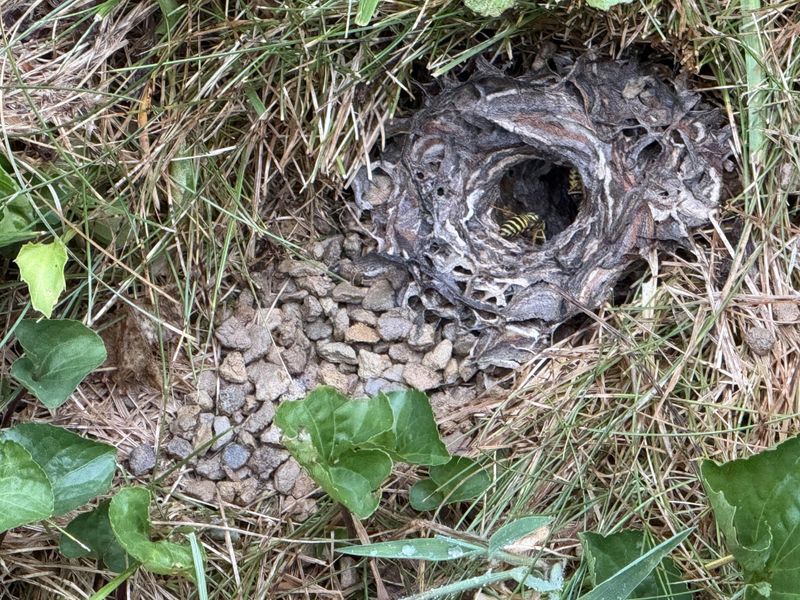
A lawn mower rolling over a hidden spot can suddenly release a cloud of angry insects. Many California homeowners learn about yellowjackets the hard way, though a little caution can prevent that painful surprise.
Unlike solitary bees, yellowjackets live in large colonies. A single opening in the ground can lead to a nest holding hundreds or even thousands of workers.
A steady stream of black and yellow insects flying straight in and out of one hole offers the clearest sign. Traffic often looks fast and constant, almost like a tiny airport.
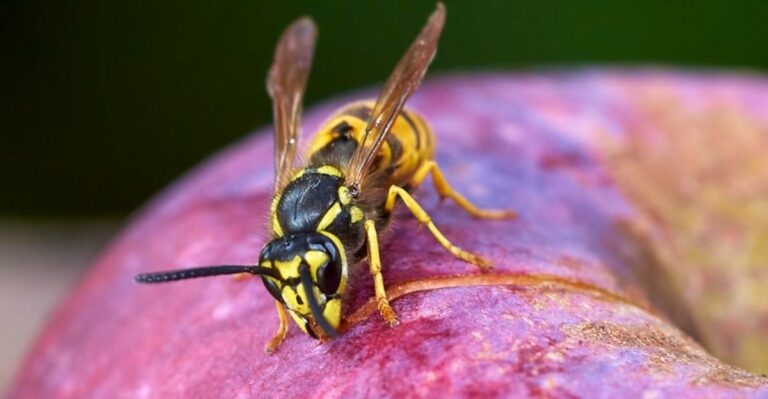
Yellowjackets are sleek and shiny, with little hair. They grow most active and defensive in late summer and fall, when colonies reach peak size.
UC IPM explains that they’ll sting repeatedly to protect their nest. Vibrations from mowers, footsteps, or weed trimmers can set them off.
Pouring gasoline, water, or sprays into the hole is best avoided, as is trying to plug or dig it out. Those moves can trigger a swarm and put people and pets in danger.
Gasoline also contaminates soil and creates a fire risk. Marking the area with a flag or cone from a safe distance makes a smarter first step.
Keeping people and pets away matters most. A licensed pest control professional has the proper gear and training.
Some California counties offer vector control help as well. Stepping back calmly is the bravest choice.
Gophers And Squirrels Leave Larger Signs
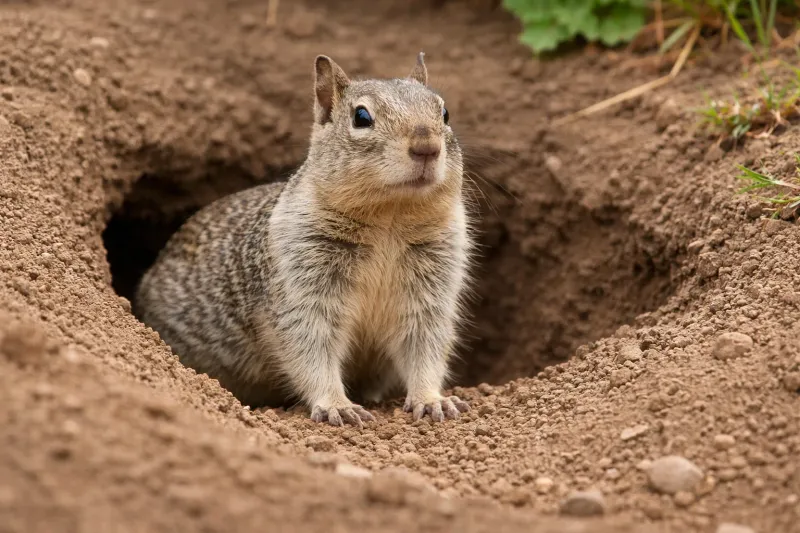
Size matters when playing yard detective. Insect holes are tiny, but some lawn diggers leave signs visible from the porch, and pocket gophers and ground squirrels fall into that bigger category.
Pocket gophers rarely show themselves above ground. They live in tunnels and push soil up into mounds shaped like a fan or crescent.
UC IPM notes that the hole usually sits off to one side and stays plugged with soil. Several fresh mounds may appear in a line across the lawn over a few days.
Ground squirrels act very differently. Their burrow openings stay open and measure roughly four inches across.
The squirrels themselves often appear, standing up to watch or scurrying across the yard. Burrows frequently sit near fences, trees, rock piles, or building foundations.
Both animals can cause real trouble. Gophers chew roots, sprinkler lines, and young plants, while ground squirrels can weaken soil near foundations and damage gardens.
Their holes can also cause twisted ankles for people and pets. Neither one makes pencil-sized holes, so they’re easy to rule out when holes stay small.
Larger signs call for a look at UC IPM Pest Notes before taking action. Trapping is often recommended for gophers, while ground squirrel control involves special rules.
Squirrels can also carry fleas, so a professional may be wise. Matching the sign to the right animal saves both time and money.
Birds And Skunks Dig Shallow Pits For Grubs
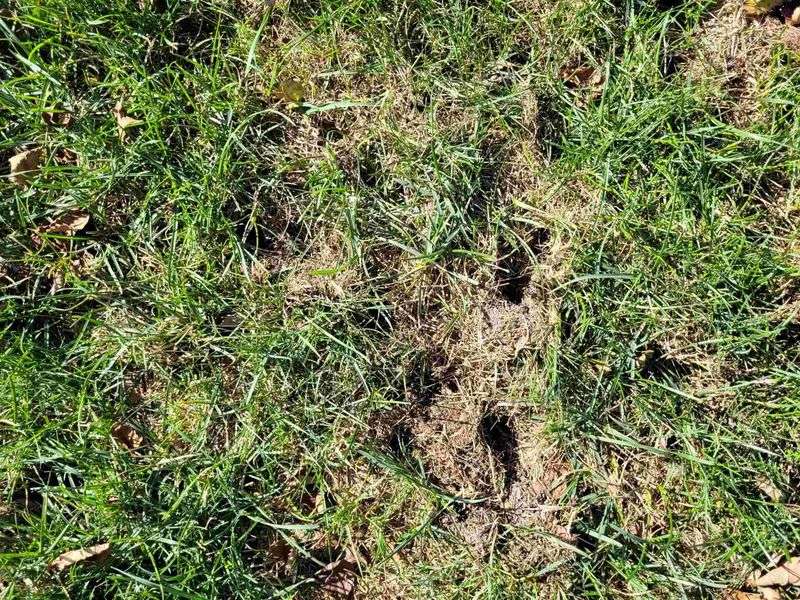
A lawn that looks as though someone attacked it overnight with a spoon usually tells a simple story. Small cone-shaped pits and peeled-back patches of turf often mean a hungry visitor went grub hunting.
White grubs are beetle larvae that live in soil and feed on grass roots. Skunks and raccoons love them and dig at night to find a tasty snack.
Skunks often leave neat, shallow pits a few inches wide. Raccoons can be rougher, sometimes rolling big strips of sod back like a rolled carpet.
Birds happily join the hunt, too. Crows, robins, and starlings poke and pull at turf during the day, leaving small jabs and scratches rather than tunnels.
They’re often easy to spot hopping around during morning coffee. Their work rarely looks dramatic or deep.
None of these marks resemble the neat, deep holes left by insects. They’re shallow divots, often with loose soil and torn grass scattered nearby.
UC IPM suggests checking for grubs by lifting a small square of turf and counting what turns up. A few grubs usually pose little problem for the lawn.
Healthy grass, proper watering, and good mowing help turf recover, while insecticides are best saved for a confirmed large grub problem.
Once the buffet closes, diggers tend to move on. Pressing turf back down and watering it helps the grass reroot quickly.
Thin Bare Patches Invite Nesting Insects
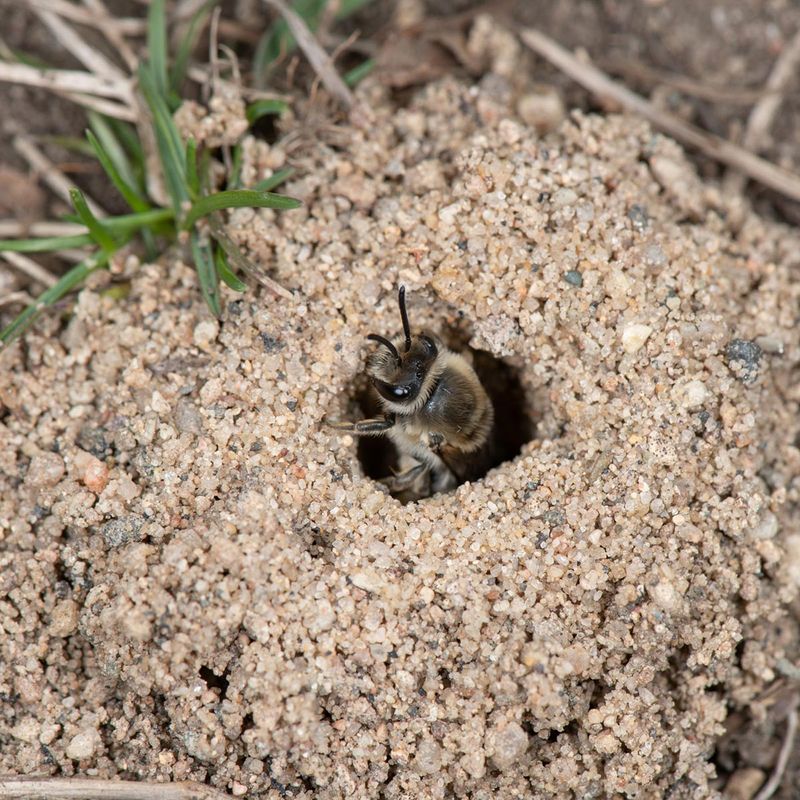
Holes often cluster in the weakest, thinnest spots of a yard, and that pattern is no accident. Many ground-nesting insects go house hunting in exactly those areas.
Bare or thin turf gives insects easy access to the soil. They don’t have to push through thick roots or dense, tightly packed grass blades.
Sunny, dry, well-drained ground appeals especially to many ground-nesting bees, according to UC IPM. California summers make those conditions easy to find across much of the state.
Thin patches form for many different reasons. Too much shade, compacted soil, heavy foot traffic, or uneven sprinklers can all weaken grass.
Dogs running the same path or kids playing soccer in one spot can wear turf down surprisingly fast. Drought restrictions may also leave some areas looking tired.
A walk around the yard helps reveal where holes cluster. Holes in sparse areas near a path or under a dry slope point to a likely explanation.
Fixing those weak spots helps the lawn and reduces nesting space. Aerating compacted soil lets water and air reach roots more easily, and reseeding or overseeding in fall fills gaps nicely when temperatures are mild.
Adjusting sprinkler heads helps dry corners get their share. Bees nesting there are still helpful, so repairs work best after their short season ends.
A little patience now leads to a fuller, greener carpet later.
Watch The Hole For A Day Before Acting
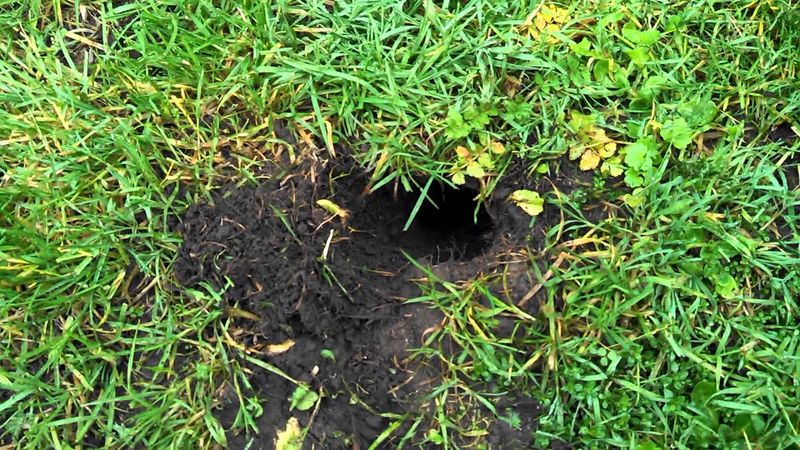
A chair, a notebook, and a bit of patience make surprisingly good detective tools. Some of the best lawn investigation happens while sitting still, and a day of watching can prevent fixing the wrong problem.
A safe spot several feet away works best. Checking the hole in the morning, around midday, and in late afternoon reveals very different activity.
Many bees are busiest on warm, sunny mornings. Yellowjackets stay active through much of the day, while skunks and raccoons usually work after dark.
Several details deserve notes. Hole size, the presence of a mound, the number of holes, and whether fuzzy bees, shiny wasps, marching ants, or nothing at all appear all matter a great deal.
Written notes or photos taken from a distance make patterns much easier to spot later. Those patterns tell the story.
Many small holes with calm, fuzzy bees point to ground nesters. One opening with heavy, fast traffic suggests yellowjackets, which calls for keeping a safe, respectful distance.
Fan-shaped mounds point to gophers, while shallow pits and torn turf suggest grub hunters. Each sign narrows the possibilities considerably.
Spraying anything during this watch period is best avoided. UC IPM stresses proper identification before choosing any control method.
Pesticides used without a clear target can harm pollinators, pets, and helpful insects. UC IPM Pest Notes offer photos that make identification much easier.
Dense Healthy Turf Discourages Most Diggers
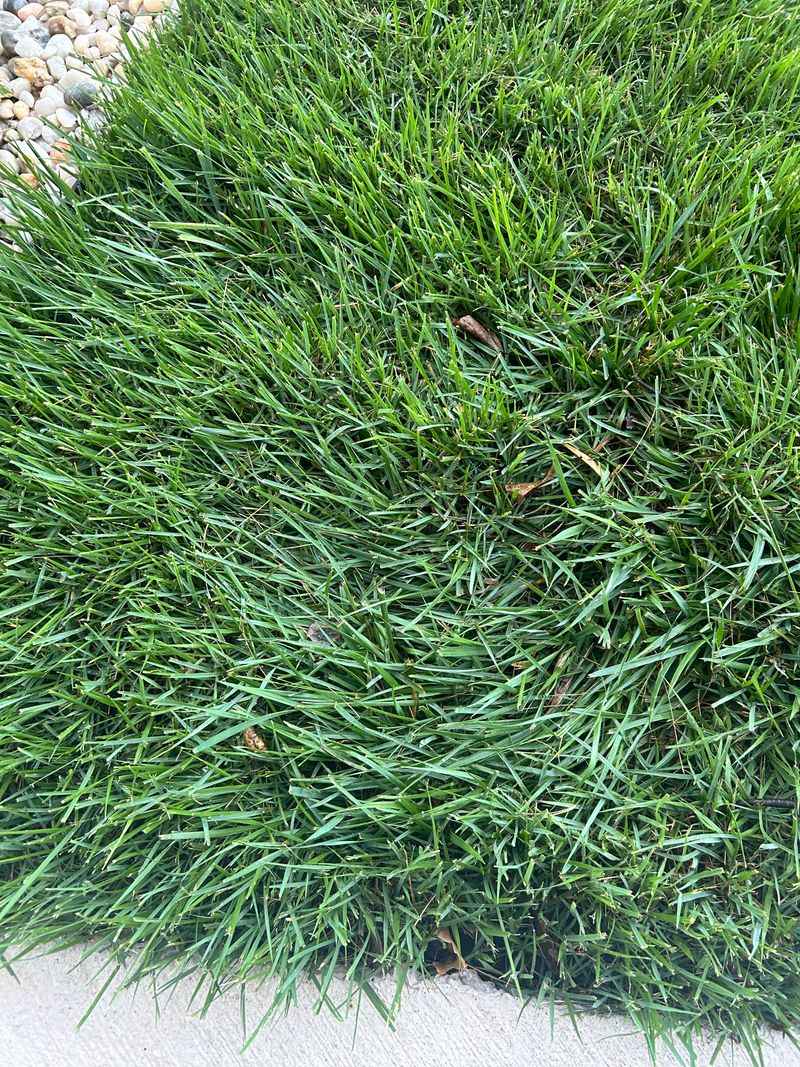
A thick, healthy lawn works like a welcome mat that reads no vacancy. Insects and animals that love bare soil simply find fewer places to settle, and good care quietly reduces mystery holes over time.
Mowing makes a strong starting point. Cutting grass too short stresses it and exposes more bare soil.
Most California lawns do better mowed a little higher, which shades the ground and helps hold moisture. A sharp mower blade cuts cleanly instead of tearing.
Watering comes next. Deep, less frequent watering encourages strong roots, while quick daily sprinkles keep roots shallow.
Early morning usually works best for watering. Checking the system for dry spots and broken heads, and following local water rules, keeps things efficient.
Feeding and aerating also help. According to UC IPM lawn guidance, a balanced fertilizer at the right time of year supports steady growth.
Core aeration loosens compacted soil so roots spread deeper.
Overseeding thin areas fills gaps before insects claim them. Grass choice matters, too, since types like tall fescue or warm-season grasses handle California heat better than others.
A local nursery can help match a grass to the area.
Sunny patches of bare soil may still attract a few bees, and that’s perfectly fine, since their visit is brief and helpful. With dense turf and smart care, the lawn can stay green, full, and mostly hole-free.