The Lawn Habits That May Be Bringing More Ticks Into California Yards This Summer
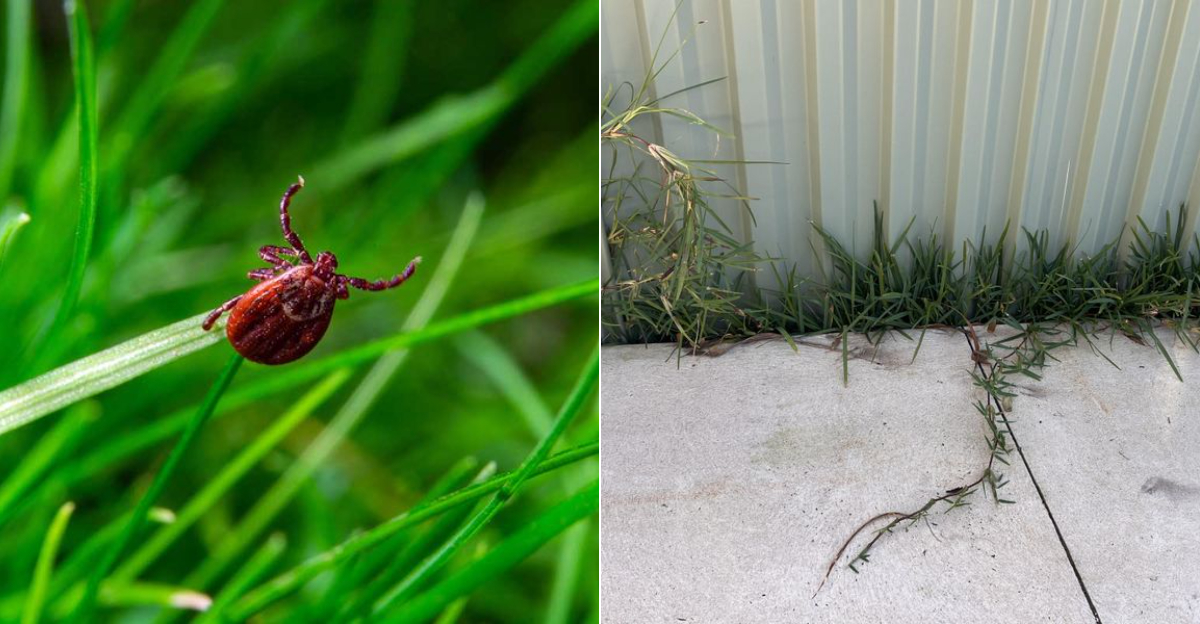
A lawn can look clean and harmless while quietly rolling out the welcome mat for ticks. California homeowners often think of ticks as a trail problem, but they can show up in yards too.
Summer lawn habits may be part of the reason. Letting grass grow tall gives ticks more places to wait.
Keeping shady edges messy can make those spots even more inviting. Piling clippings where pets roam does not help either.
The tricky part is that these habits can seem normal until bites start showing up. A few simple changes can make the yard less comfortable for ticks without turning lawn care into a full-time job.
Once you know what attracts them, your grass starts looking a little different. That “lush” corner near the fence might be more tick lounge than backyard luxury.
1. Letting Grass Grow Tall Gives Ticks More Cover

Tall grass is one of the biggest reasons ticks show up in yards during summer. When grass gets too long, it creates a shaded, humid environment that ticks absolutely love.
They climb up grass blades and wait for a passing host, whether that is a pet, a deer, or a person walking through.
Most pest experts recommend keeping your lawn mowed to about three inches or shorter. Anything taller than that starts creating the kind of cover ticks use to stay cool and hidden during the heat of the day.
In warmer inland areas, grass can grow quickly after watering, so regular mowing matters even more.
Skipping just one or two weeks of mowing might not seem like a big deal, but it can make a noticeable difference in tick activity. Ticks do not travel far on their own.
They depend on tall vegetation to get close to the animals and people they feed on. Keeping your lawn short removes that advantage.
A good habit is to mow on a set schedule, especially from late spring through early fall. That is the window when tick populations are most active in California.
If you have a large yard, focus extra attention on areas near tree lines, fences, and garden beds.
Those spots tend to stay shadier and hold moisture longer, making them prime tick territory even when the rest of your lawn looks tidy and well-kept.
2. Skipping The Lawn Edges Leaves Tick Habitat Behind
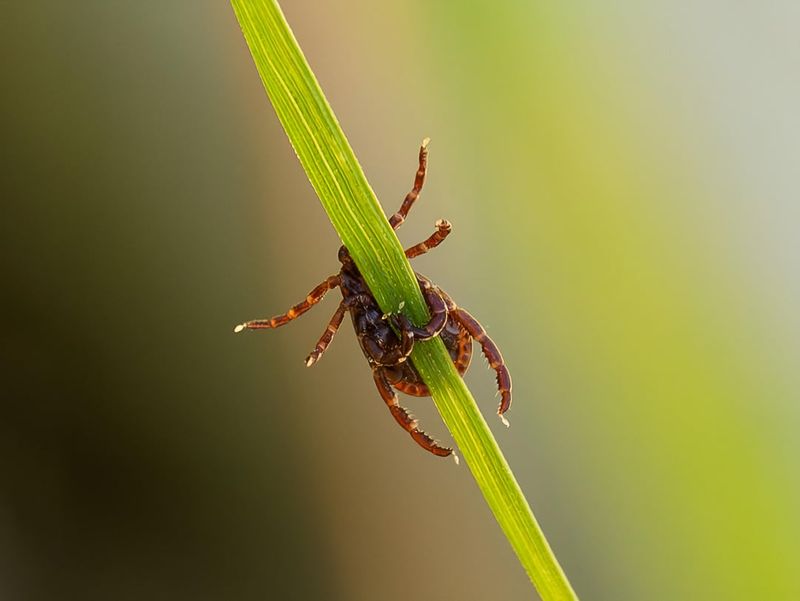
Most people mow the middle of their lawn without thinking twice, but the edges often get ignored. That strip of grass along fences, sidewalks, and garden borders is exactly where ticks like to set up camp.
It stays shaded longer and tends to collect moisture from irrigation and morning dew. Edging your lawn is not just about looks. It actually removes a key hiding spot for ticks.
When that border grass gets long and thick, it creates a transition zone between your trimmed lawn and whatever is beyond your fence. Ticks use these zones to move from wild areas into your yard.
Using a string trimmer or lawn edger along your fence lines and walkways once a week during tick season can make a real difference.
Your California Garden Changes Every Week. Your Plan Should Too.
Gardening in California changes quickly throughout the season. Every Friday you’ll receive a simple weekly plan showing exactly what to plant, prune, fertilize, harvest, and protect so you never miss the right timing.
It is a small task that takes maybe ten to fifteen minutes, but it cuts off one of the most common routes ticks use to get closer to your home and family.
In areas of California where oak trees and chaparral are nearby, this edge zone becomes even more important to manage.
Wildlife like squirrels and rabbits often travel along fence lines, and they can drop ticks right into that grassy border.
Keeping those edges tight and clean reduces the chance that a tick hitching a ride on local wildlife ends up waiting for your dog or your kid next.
Regular edging is one of the simplest and most overlooked tick prevention steps any homeowner can take.
3. Leaving Grass Clippings In Damp Piles Can Invite Trouble
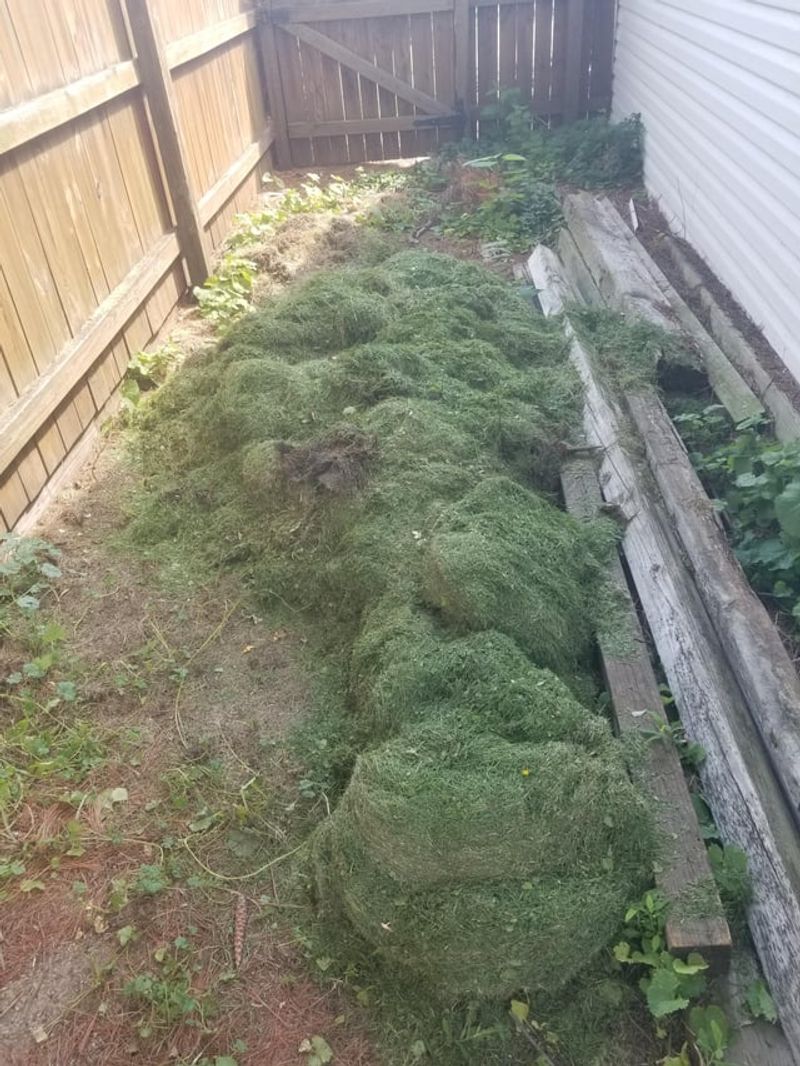
After mowing, many people just leave the clippings where they fall or push them into a pile near the fence.
It feels harmless, but damp grass clippings can create exactly the kind of moist, dark environment that ticks and other pests thrive in.
The pile stays cool underneath even on a hot day. Ticks need moisture to survive. Without it, they can dry out and become inactive.
When clippings pile up and trap humidity close to the ground, they give ticks a place to shelter during the driest and hottest parts of the day. This is especially common in yards that get regular irrigation or have shady spots.
A better habit is to bag your clippings or spread them out thinly so they dry quickly. If you compost grass clippings, keep your compost bin away from play areas and the main part of your yard.
Placing it near the back fence or in a far corner reduces the chance of ticks moving from the pile toward your living space.
You can also use a mulching mower that chops clippings into tiny pieces. When clippings are fine enough, they break down fast and do not form the thick, wet layer that pests love.
This approach is good for your lawn anyway since it returns nutrients to the soil. Managing your clippings is a simple change that helps your yard look better and stay safer at the same time.
Small habits really do add up over a whole season of mowing.
4. Mowing Around Leaf Litter Does Not Fix The Problem
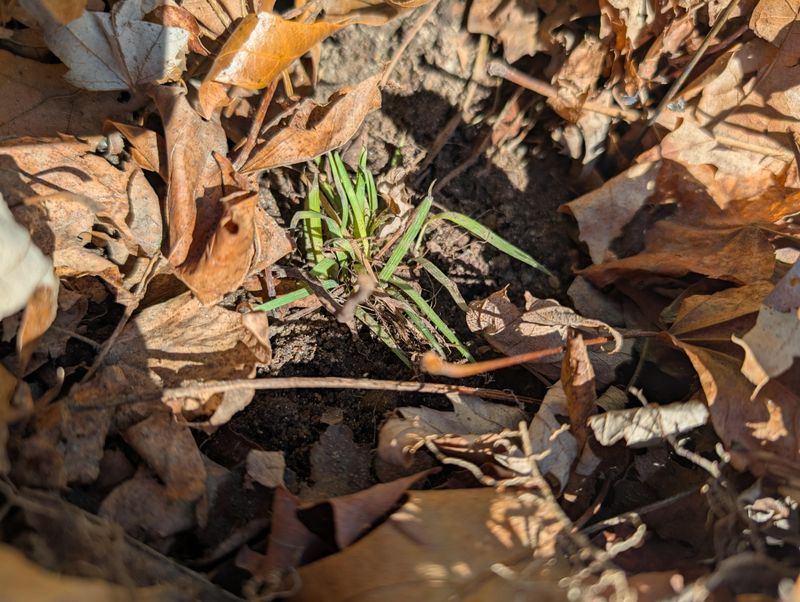
Mowing your lawn neatly while leaving leaf litter sitting in corners or under shrubs is one of the most common mistakes people make.
The mowed grass looks fine, but that pile of withered leaves nearby is still a fully functioning tick habitat.
Ticks hide in leaf litter in large numbers, especially during hot afternoons.
Leaf litter holds moisture, blocks sunlight, and stays cool even when the rest of the yard is warm and dry. Ticks can survive for months in a good pile of leaves.
They wait there until a host walks close enough. If your dog runs near that corner or your child tosses a ball into the leaves, contact can happen fast.
Raking and removing leaf litter regularly is one of the most effective things you can do to reduce tick populations in your yard. Do not just move the pile around.
Bag it up and get it out of the yard entirely. Leaving it near the back of your property still keeps it close enough to be a problem.
In the northern regions and coastal areas of California, trees drop leaves more often due to the cooler, wetter climate.
That means leaf litter builds up faster and can become a serious tick shelter before homeowners even notice.
Checking under decks, along fences, and beneath garden furniture for leaf buildup is a good habit to build into your weekly yard routine.
Clearing those spots consistently makes a bigger difference than most people expect when it comes to keeping tick numbers down across the whole yard.
5. Ignoring Brushy Borders Lets Ticks Stay Close
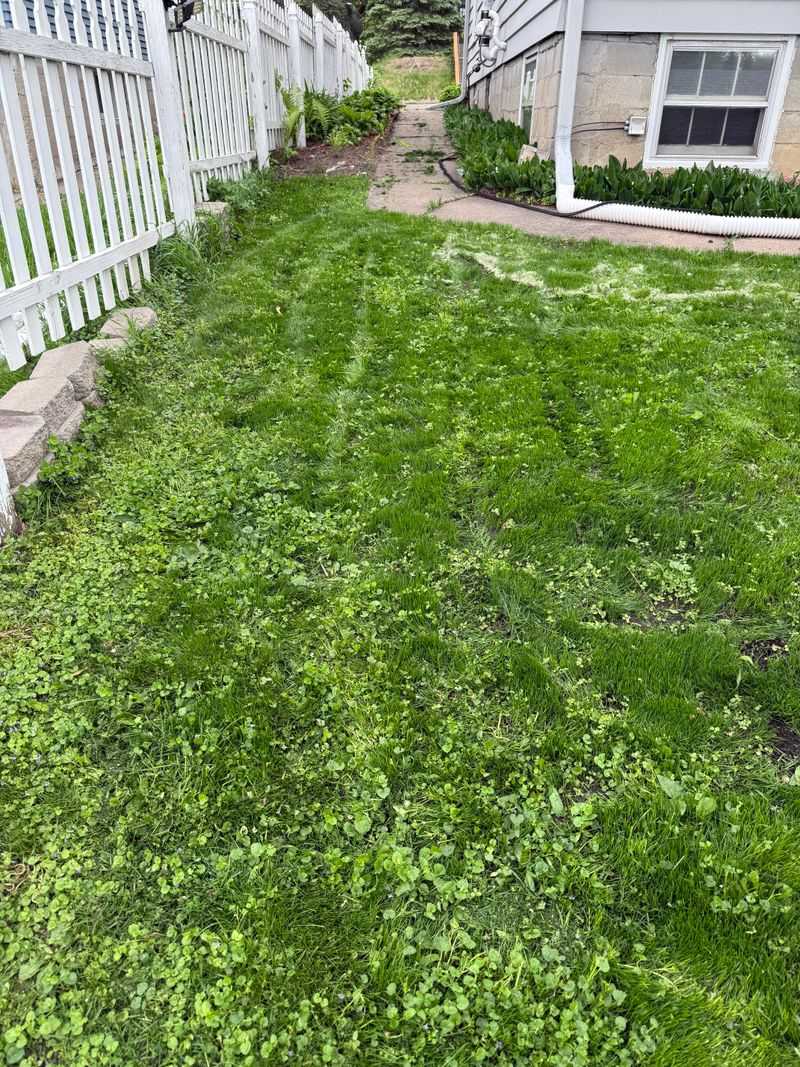
That wild, overgrown stretch of brush along the back of your property might look natural, but it is functioning as a tick superhighway. Brushy borders are one of the top spots where ticks gather and wait.
They love the combination of shade, humidity, and the wildlife that tends to travel along these edges.
Deer, raccoons, opossums, and other animals that carry ticks often move along the edges of yards rather than through the open center. When they brush against plants or grass, ticks drop off and wait for the next host.
If that brushy border is right next to your lawn, the next host could easily be your pet or a family member.
Trimming back overgrown shrubs, cutting down tall weeds, and clearing out withered branches along your property line reduces the habitat ticks depend on. You do not need to clear everything to bare dirt.
Even reducing the thickness and height of the brush by half makes a real difference in tick activity near your home.
Creating a barrier between a wild area and your lawn is another smart move. A strip of wood chips, gravel, or mulch about three feet wide can act as a buffer zone.
Ticks avoid crossing dry, open surfaces when they can. This simple border makes it much harder for ticks to migrate from a wild brushy area into your maintained yard.
Homeowners in foothill and mountain communities across California should pay extra attention to this since wildlife pressure tends to be higher in those areas.
6. Letting Weeds Grow Along Fences Creates Shelter
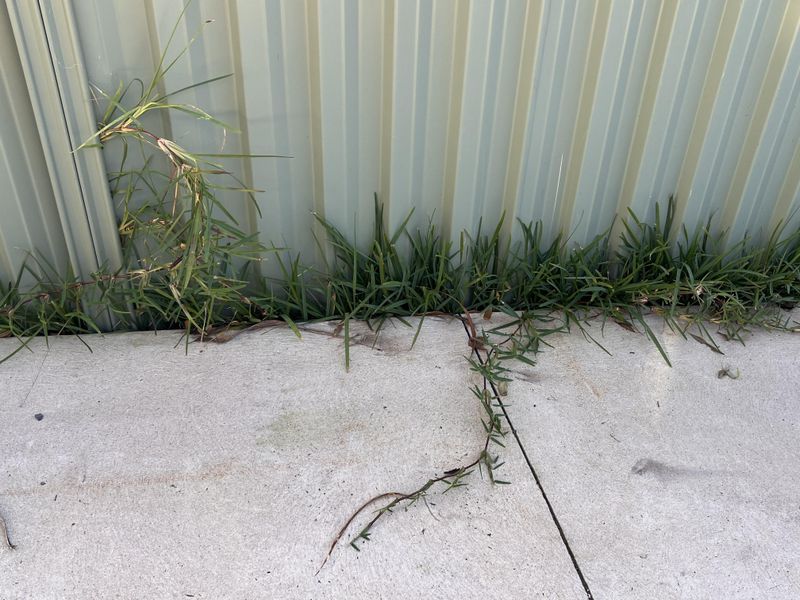
Weeds growing along a fence line might seem like a minor eyesore, but they create a dense, sheltered corridor that ticks use to move through your yard undetected.
Tall weeds hold moisture near the soil, block sunlight, and provide the kind of cover that ticks need to stay active during warm summer days.
Fence lines are already shaded for much of the day. Add a row of thick weeds and you have created a near-perfect tick habitat running the entire length of your yard.
Animals that carry ticks, like rats, squirrels, and feral cats, also tend to travel along fence lines, which increases the chance of ticks being dropped right into that weedy corridor.
Pulling weeds along your fence regularly is a straightforward fix. Using a hoe or a hand weeder to clear the base of the fence every couple of weeks keeps the area open and dry.
You can also lay down a weed barrier fabric and cover it with gravel to prevent regrowth and make that zone much less hospitable to ticks.
Some homeowners use herbicide along fence lines to keep weeds down, which is an option as long as it is done carefully and kept away from garden beds and water sources. Whatever method you choose, the goal is the same.
Keep the area along your fence line as clear, dry, and open as possible. In drier parts of California, weeds can still grow quickly after rain or irrigation, so checking fence lines after any watering cycle is a smart habit to build into your regular yard care routine.
7. Keeping Play Areas Near Tall Grass Raises Exposure Risk

Where you place your kids’ play equipment matters more than most parents realize. A swing set or sandbox that sits just a few feet from tall grass or a brushy border significantly increases the chance that a tick will find its way onto a child during outdoor play.
Ticks are slow movers, but they are patient. Children tend to run, roll, and play in ways that bring them close to the ground and into contact with vegetation.
If tall grass or dense ground cover is right next to a play area, the risk of tick contact goes up considerably.
Kids are also less likely to notice a tick crawling on them until it has already attached.
Moving play structures to the center of a well-mowed lawn is one of the best things a parent can do during tick season. The more open and sunny the area, the less welcoming it is to ticks.
Sunlight dries out the ground and keeps temperatures higher, which ticks actively avoid.
Putting down a layer of wood chips or rubber mulch under and around play equipment also helps. These materials create a dry, open surface that ticks do not like to cross.
Checking children for ticks after outdoor play should become a daily habit from late spring through early fall. Pay close attention to the scalp, behind the ears, the back of the knees, and around the waist.
Catching a tick early, before it has been attached for long, greatly lowers the chance of illness. Simple awareness goes a long way in keeping outdoor time safe and fun for everyone.