The One Fall Task That Keeps Pennsylvania Hydrangeas Blooming Next Summer
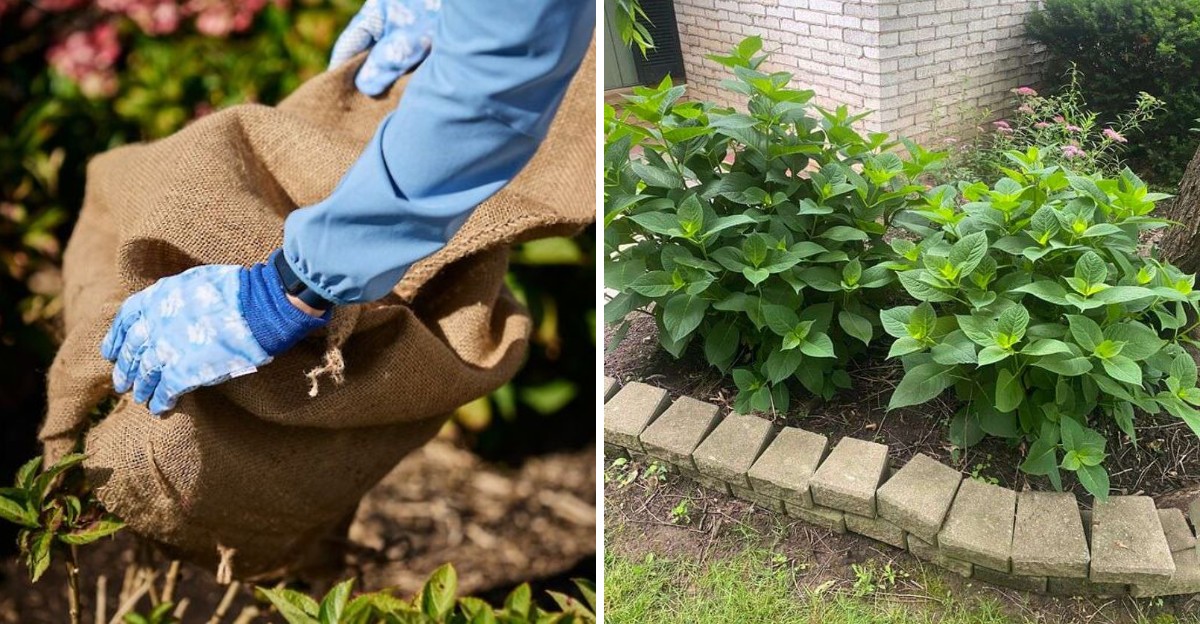
The hydrangea comes back every spring, big, healthy, and full of leaves. Then summer arrives, and there’s barely a single bloom.
Most people blame the fertilizer, the soil, or the amount of sun. Often, the real reason goes back to the previous winter.
Many popular hydrangeas, especially the bigleaf types with those classic blue and pink mopheads, set their flower buds in late summer and fall.
Those buds sit at the tips of the stems all winter long, waiting for spring. A brutal cold snap, icy winds, or a late frost can wipe them out before they ever have a chance to open.
The plant survives just fine, but next summer’s flowers don’t. One simple fall task can change that, and it only takes an afternoon.
1. Insulate Bigleaf Hydrangeas To Protect Next Year’s Buds
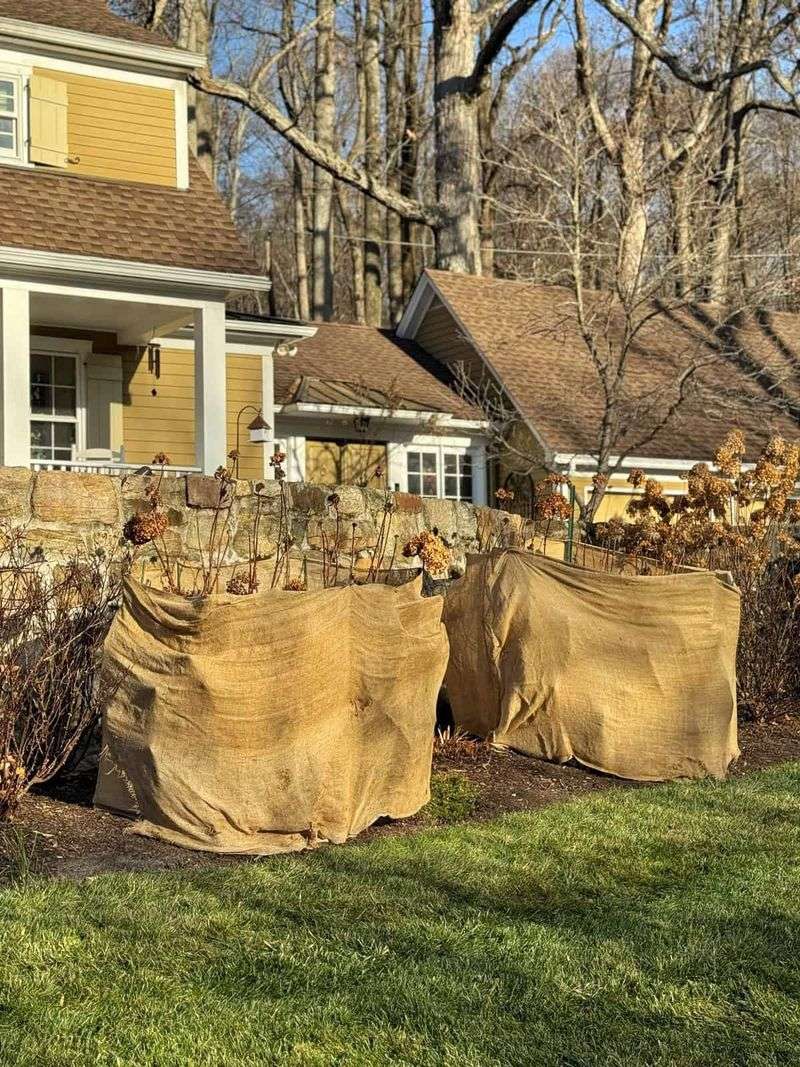
My neighbor once grew the saddest hydrangea on our street. For three summers it gave her nothing but leaves. Then she wrapped it up one November, and the next July it exploded with blue flowers.
Her secret was insulation. Bigleaf hydrangeas set their flower buds in late summer and fall. Those buds sit at the tips of the stems all winter long, waiting for warm weather. Sadly, they are tender and easy to harm when the cold gets harsh.
A layer of insulation works like a winter coat. It keeps the stems from facing freezing wind and sudden temperature drops.
It also helps the buds stay asleep during warm spells, so they do not wake up too early and get zapped by the next freeze.
Pennsylvania weather makes this extra helpful. One week can bring sunny days in the fifties. The next week might drop below zero. Plants hate that kind of roller coaster, and buds often pay the price.
The best part is how easy the job is. You only need a few basic supplies you may already own. Think chicken wire, burlap, garden stakes, and a pile of dry fall leaves. Most people can finish one shrub in about twenty minutes.
Keep in mind that the payoff is huge compared to the effort. A wrapped hydrangea has a much better chance of keeping its buds healthy. That means more flowers, bigger clusters, and a longer bloom season.
So if your bigleaf hydrangea has been stingy with blooms, give insulation a try this fall. You might become the neighbor everyone asks for advice next summer. Your garden, and your flower vases, will thank you for the small amount of work.
2. Why Pennsylvania Hydrangeas Fail To Bloom
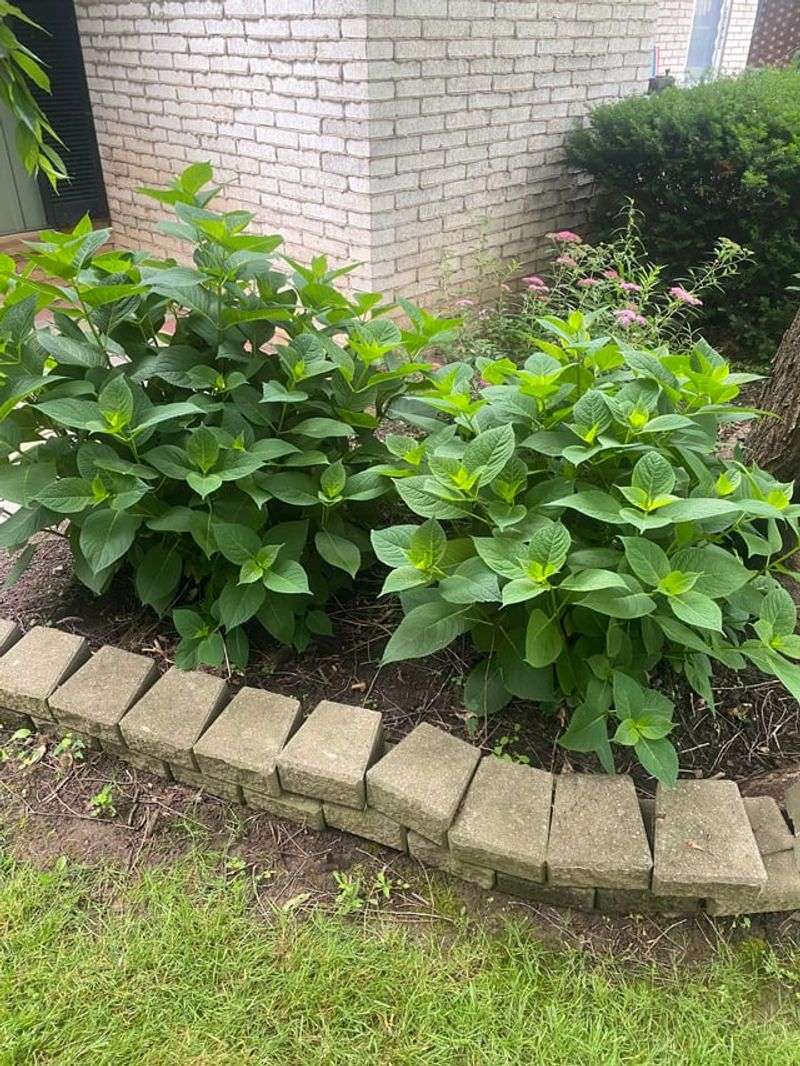
Here is a fun fact that surprises many gardeners. The flowers you hope to see next summer are already forming on your hydrangea right now. That is what experts mean when they say a plant blooms on old wood.
Bigleaf and oakleaf hydrangeas both work this way. In late summer, they start building next year’s flower buds on the stems that grew this year. Those stems then have to make it through winter with their buds safe and sound.
Your Pennsylvania Garden Changes Every Week. Your Plan Should Too.
Gardening in Pennsylvania changes quickly throughout the season. Every Friday you’ll receive a simple weekly plan showing exactly what to plant, prune, fertilize, harvest, and protect so you never miss the right timing.
Now think about a typical Pennsylvania winter. In places like Scranton or State College, temperatures can drop well below zero.
Even in milder Philadelphia, sharp cold snaps can show up without much warning. When the cold gets extreme, the buds at the stem tips can freeze and turn brown.
Spring brings its own trouble. A few warm days in April can trick the plant into opening its buds. Then a surprise frost rolls in overnight. By morning, those soft new buds are ruined, and the flowers are lost for the whole season.
The frustrating part is that the plant itself often looks fine. It grows plenty of fresh green leaves from lower on the stems or from the roots. Yet without the original buds, there will be no flowers that year.
Other things can cause a bloom-free summer too. Too much shade, too much nitrogen fertilizer, or pruning at the wrong time can all play a part. Still, winter and spring cold are the biggest troublemakers in our state.
Once you understand this, the fix makes sense. Protect the old wood, and you protect the flowers. That simple idea is the key to a garden full of color.
3. Know Which Hydrangeas Need Protection
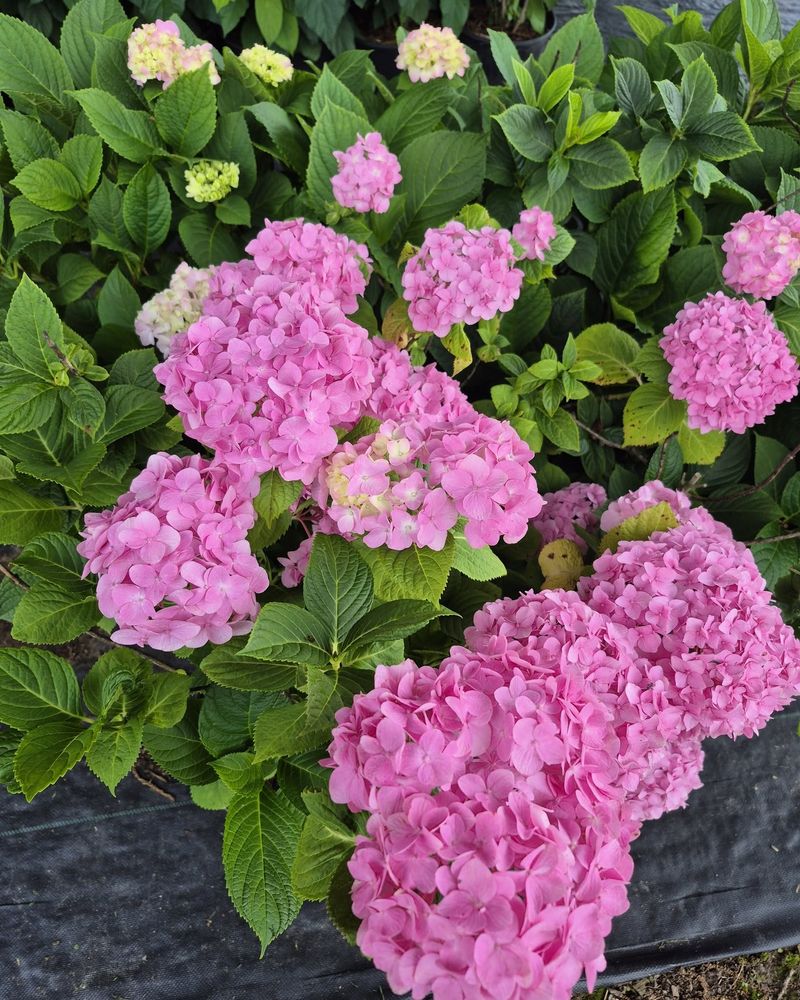
Good news first. Not every hydrangea in your yard needs a winter blanket. Some types are tough as nails and will bloom no matter what January throws at them.
Panicle hydrangeas are the champs of the cold. A popular one is ‘Limelight’, with its cone-shaped flowers that start lime green and fade to pink.
Smooth hydrangeas, like the classic ‘Annabelle’, are just as sturdy. Her giant white snowball blooms are a favorite in Pennsylvania gardens.
So why are they so easy? Both of these kinds bloom on new growth. They make their flowers on stems that grow in spring and summer.
Winter cold cannot harm buds that do not exist yet, so you can skip the wrapping completely.
Bigleaf hydrangeas are a different story. These are the ones with the famous mophead or lacecap flowers that turn blue or pink depending on your soil. Oakleaf hydrangeas, with their cool leaf shape, also bloom on old wood.
Then there are rebloomers. ‘Endless Summer’ was one of the first bigleaf types bred to bloom on both old and new wood.
That sounds like it would never need help, right? Not quite. If the old buds survive, you get early flowers in June plus more later.
If they freeze, you wait until late summer for a smaller show. Protecting rebloomers still pays off big. You get an earlier start and a fuller display.
Not sure what you have? Check the plant tag, look at old photos, or bring a leaf to a local garden center. Penn State Extension also has helpful guides. Knowing your plant saves you time and effort every fall.
4. Time It After The Plant Goes Dormant
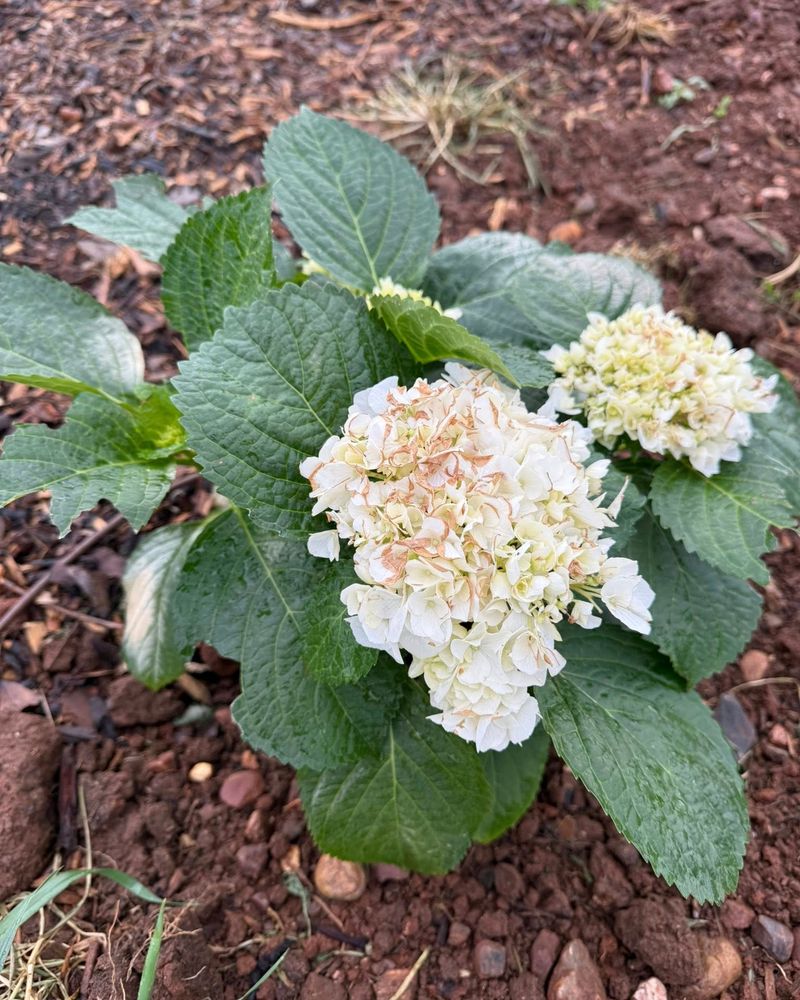
Timing is everything, and hydrangeas are no exception. Wrap too early, and you could do more harm than good. Wrap too late, and the cold may already have done its damage.
The magic moment comes after the plant goes dormant. Dormant simply means the plant is resting for winter.
You will know it is ready when most or all of its leaves have dropped. The stems will look bare, with small, plump buds sitting at the tips.
In most of Pennsylvania, that happens in mid to late fall. Gardeners near Erie or in the mountains may see it by early November.
Folks around Pittsburgh or Philadelphia might wait until the middle or end of the month. Watch your own plant instead of the calendar.
So what is the problem with jumping the gun? A cover put on during warm fall days can trap heat and moisture inside.
That damp, cozy space is perfect for mold and rot. It can also confuse the plant into thinking it is still growing season.
On the flip side, do not wait forever. Try to finish the job before the hardest freezes arrive. A good rule is to have everything wrapped once nighttime temperatures start dipping into the teens.
A quick tip helps here. Check the ten-day forecast often in November. When you see a big cold front coming, that is your signal to get outside.
Gather your supplies early so you are ready to move fast. Keep a bag of dry leaves in the garage or shed. That way, a sudden cold snap will not catch you off guard, and your buds stay safe.
5. How To Insulate Your Hydrangea
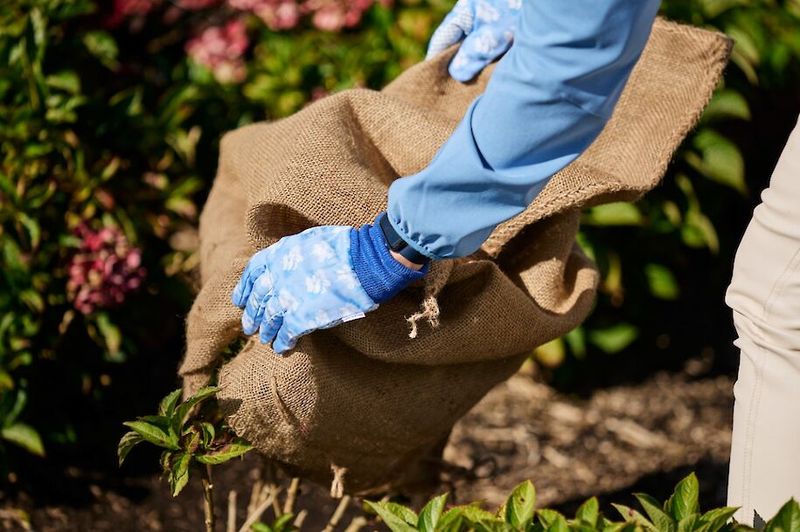
Ready to roll up your sleeves? The process is a lot like building a cozy nest. You make a frame, stuff it with something fluffy, and let nature do the rest.
Start with the cage. Push three or four wooden or metal stakes into the ground around the shrub. Wrap chicken wire or burlap around the stakes to make a tall circle. Leave a few inches of space between the cage and the stems.
Next comes the filling. Dry shredded leaves work great, and oak leaves are the best since they do not mat down.
Pine needles are another smart choice. Fill the cage loosely until the stems are covered completely, including those important tips.
Keep the filling dry and fluffy. Wet, packed leaves hold too much water and can cause rot. Running leaves over with a lawn mower first helps them stay light and airy.
Do not forget the roots. Spread two to three inches of mulch around the base of the plant. Shredded bark or extra leaves both work well. Mulch helps keep the soil temperature steady through freezes and thaws.
One big warning here. Skip the plastic wrap or plastic bags. Plastic traps moisture and heat, which leads to mold and soggy stems. Burlap and natural materials let the plant breathe.
Finally, plan your spring removal. Take the covering off once the danger of hard frost has passed.
In much of Pennsylvania, that is around mid to late April. Remove the leaves slowly over a week or so, letting the plant adjust.
Keep an old sheet nearby in case a surprise frost shows up. Then sit back and watch those buds wake up.
6. Keep The Pruners Away Until Spring
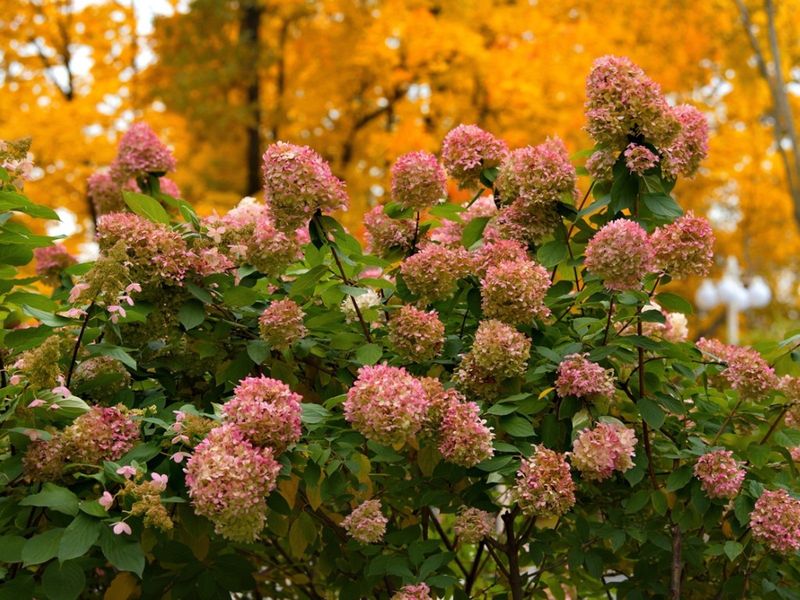
Fall cleanup fever is real. The yard looks messy, the stems look bare, and those pruners are calling your name. Resist the urge, at least when it comes to bigleaf hydrangeas.
Remember those tiny buds at the tips of the stems? They hold next summer’s flowers. Cutting back the plant in fall snips them right off. All your careful wrapping would be wasted if the buds end up in the trash bin.
Many gardeners make this mistake with good intentions. They want a neat, tidy shape before winter. Sadly, the result is a bush with zero blooms the next year.
So when is the right time? Wait until spring, when new leaves begin to show up along the stems. In Pennsylvania, that usually happens in April or early May. The green growth makes it easy to see which parts are alive and which are not.
Look closely at each stem. Some may stay brown and brittle with no new leaves at all. Those are the dry stems you can safely remove.
Scratch the bark with your fingernail if you are unsure. Green underneath means it is still alive.
When you cut, snip just above the first pair of healthy, plump buds. Make clean cuts with sharp, clean pruners. Leave the rest of the stem alone so it can bloom.
Here is a bonus tip for fall. Old flower heads can stay on the plant all winter. They add a pretty look to a snowy yard and give a little extra cover to the buds below.
Patience truly pays off. Hold off on pruning, and your hydrangea will reward you with a summer full of gorgeous flowers.