Repot These Pennsylvania Houseplants Before Bringing Them Inside
Most Pennsylvania homeowners get the timing right when it comes to bringing houseplants inside before the cold arrives.
But most of them miss the opportunity that comes with it. Repotting before bringing plants inside matters more than most people realize.
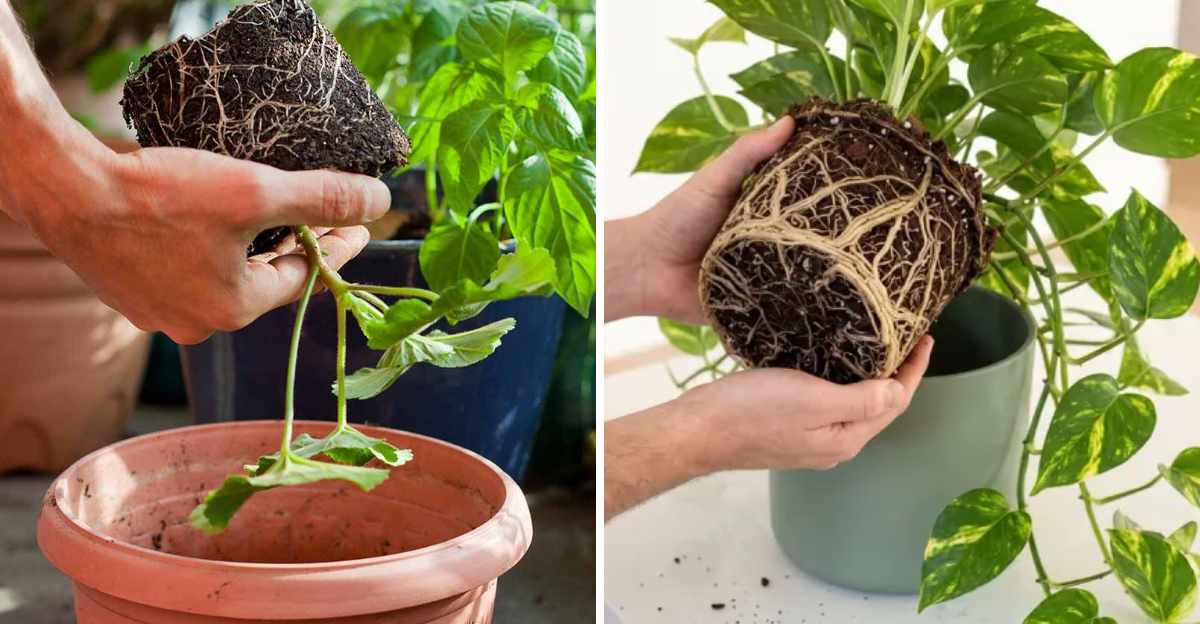
A plant that has spent the summer outdoors has been growing, sometimes aggressively. What fit comfortably in its container in May may be significantly root bound by September.
Bringing a root bound plant inside sends it into lower light and drier air already stressed, which makes everything from that point forward harder than it needs to be.
The window to address this is right now, before the plants come in and before the cold makes outdoor work less appealing.
Here’s which Pennsylvania houseplants need repotting before they come inside and exactly how to handle each one before the season closes.
1. Boston Fern
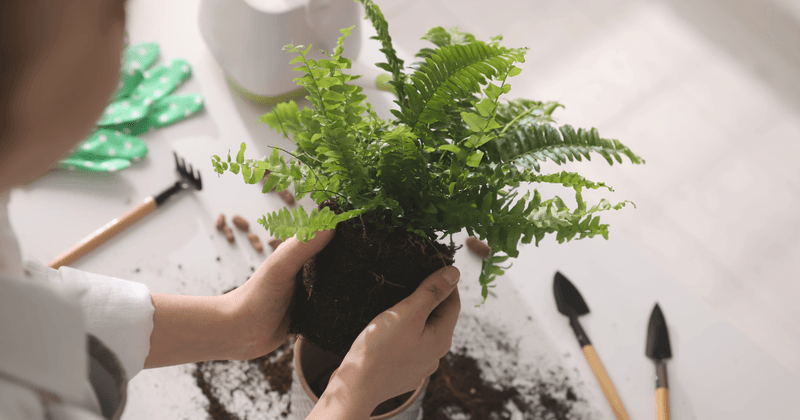
Few plants love a humid Pennsylvania summer quite like the Boston fern. Its feathery fronds spill over the pot like a green waterfall by the time September rolls around.
All that lush growth comes with a catch. The roots often pack the pot so tightly that water runs straight through without soaking in.
Repotting gives these thirsty roots room to breathe again. Choose a container just an inch or two wider than the current one and use a peat-based potting mix that holds moisture.
Fall is the smart time to do this because indoor winter air in Pennsylvania homes tends to be quite dry. A fern with fresh soil handles that low humidity far better than a root-bound one.
Before you repot, gently shake off the old soil and trim any brown or mushy roots. This little cleanup helps prevent problems once the plant is stuck inside for months.
Boston ferns also enjoy being checked for tiny insects hiding among the fronds. A quick rinse with the garden hose knocks off most unwanted guests before the move.
Once potted, place your fern where it gets bright, indirect light near a window. Direct winter sun can scorch those delicate leaves.
Here is a fun bit of history. The Boston fern got its name in the 1890s when a Philadelphia grower shipped ferns to Boston and noticed one especially graceful variety.
Keep the soil lightly damp all winter and mist the fronds now and then. Your fern will reward you with green cheer until spring returns.
2. Geranium
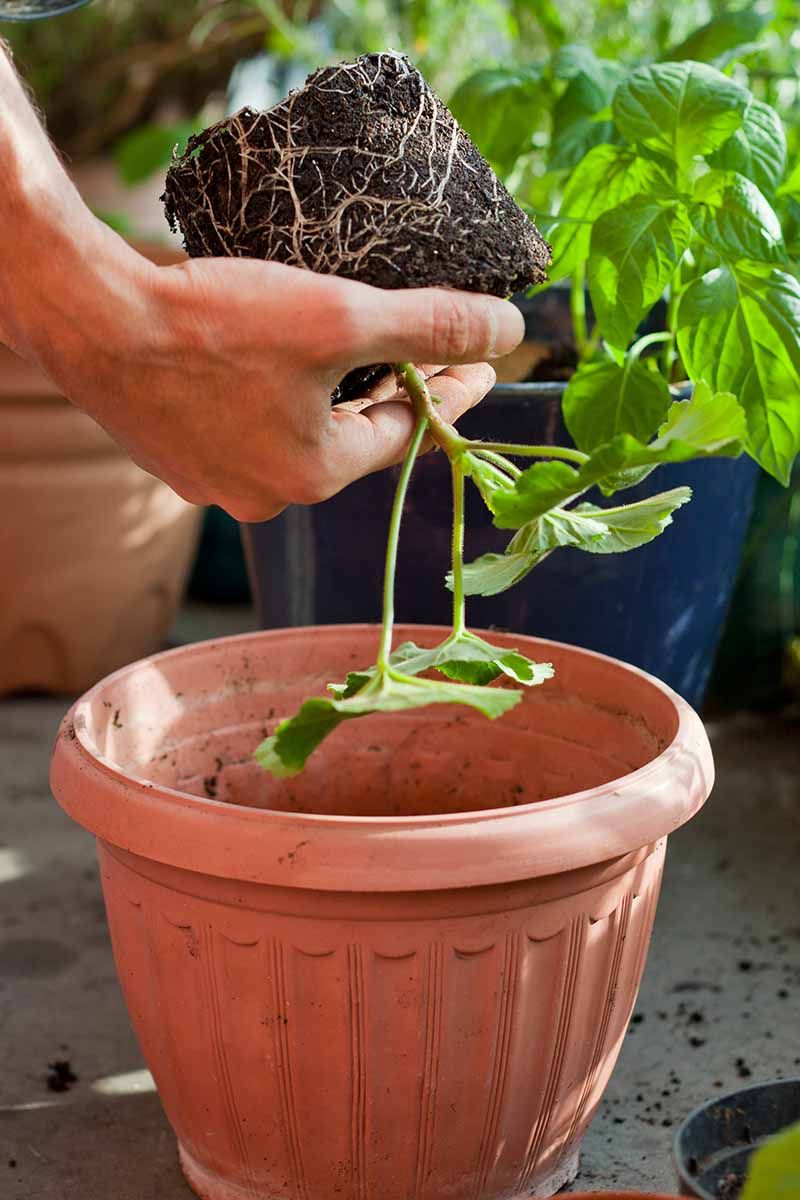
Geraniums are the cheerful showoffs of the Pennsylvania summer, blooming their hearts out from June until the first cool nights. By fall, though, their pots often tell a different story.
Months of steady flowering drains the soil of nutrients and packs the roots tight. A fresh pot and new mix give them the fuel to keep going indoors.
When you repot, pick a container with good drainage holes. Geraniums strongly dislike sitting in soggy soil, especially during the darker months.
Use a light, well-draining potting mix rather than heavy garden dirt. This keeps the roots from staying wet and unhappy over winter.
Your Pennsylvania Garden Changes Every Week. Your Plan Should Too.
Gardening in Pennsylvania changes quickly throughout the season. Every Friday you’ll receive a simple weekly plan showing exactly what to plant, prune, fertilize, harvest, and protect so you never miss the right timing.
Take a moment to trim the plant back by about a third while you are at it. Cutting the leggy stems encourages bushier, healthier growth once it settles inside.
Inspect the leaves and stems for any small pests before bringing the plant across the threshold. Wiping the foliage with a damp cloth helps remove dust and hitchhikers.
Set your repotted geranium in the sunniest window you have. These plants adore light and will get leggy and pale without enough of it.
Water only when the top inch of soil feels dry to the touch. Overwatering is the most common mistake gardeners make in winter.
A neat piece of trivia. The plants we call geraniums are really pelargoniums, originally from South Africa, and they became popular parlor plants in Victorian times.
Give yours a bright spot and steady care, and it may just bloom again long before Pennsylvania’s snow melts.
3. Spider Plant
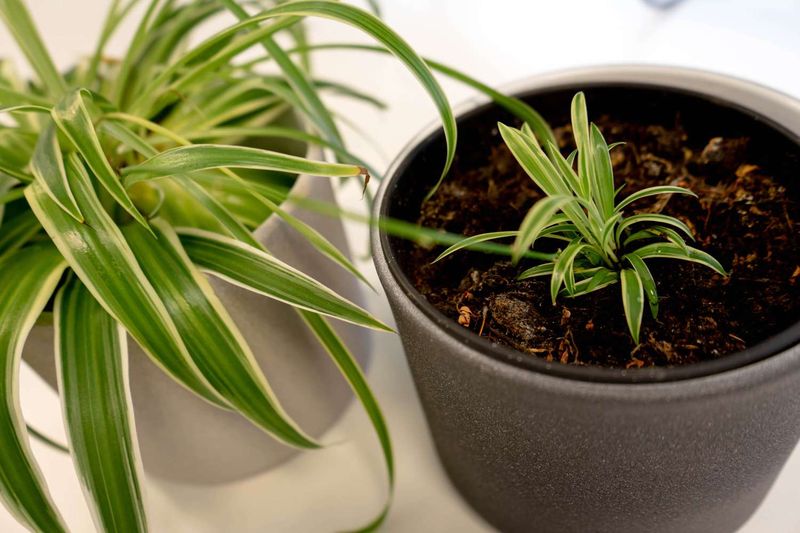
Spider plants are the overachievers of the houseplant world, sending out baby plantlets like they are throwing a party. After a summer outdoors in Pennsylvania, one plant can turn into a whole leafy family.
All those babies and fast-growing roots mean the pot fills up quickly. You might even see roots poking out of the drainage holes by autumn.
Repotting eases that crowding and refreshes the tired soil. Move your plant into a pot an inch or two larger with a general-purpose potting mix.
The thick white roots store water, so these plants forgive the occasional missed watering. Still, fresh soil helps them soak up nutrients through the winter.
While repotting, you can snip off a few plantlets and pot them separately. Each one grows into a new spider plant, making great gifts for friends.
Give the leaves a gentle rinse to clear away any dust or tiny critters. Clean foliage helps the plant breathe and stay pest-free indoors.
Spider plants are famously easygoing about light. Bright, indirect light suits them best, but they tolerate dimmer corners of a Pennsylvania home too.
Water when the top of the soil dries out, and empty any tray so roots never sit in standing water. These plants sulk when left soggy.
With a fresh pot and a bright spot, your spider plant will keep pumping out those charming little offspring all season long.
4. Jade Plant
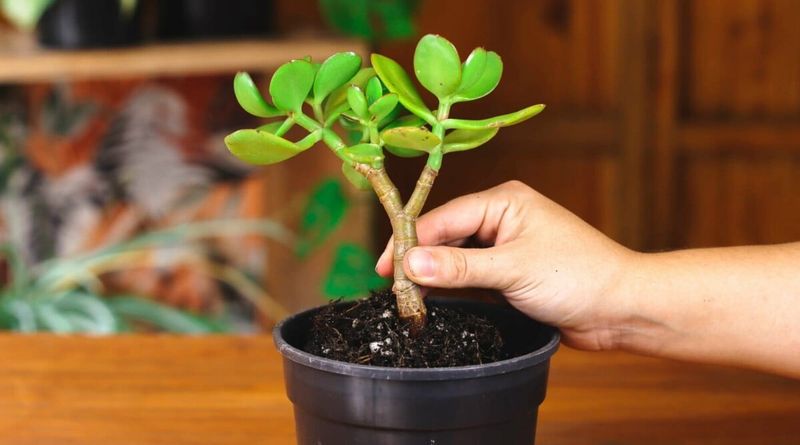
The jade plant carries itself like a tiny tree, with chubby leaves and sturdy stems that look almost sculpted. Given a Pennsylvania summer outside, it plumps up beautifully and gains real heft.
That new weight can actually tip a small pot over. A slightly heavier, wider container keeps this succulent stable and gives its roots space.
Timing matters here, so repot in early fall before you bring it in. Jade plants prefer being handled while still in their active growing season.
Reach for a cactus or succulent mix that drains fast. Regular potting soil holds too much water for this drought-loving plant.
Let the plant dry out for a day or two after repotting before you water. This gives any bruised roots time to heal and lowers the risk of rot.
Check the leaves for shriveling or soft spots, which signal watering troubles. A healthy jade has firm, glossy leaves that feel plump.
Once indoors, park it in your brightest window, ideally facing south. Jade plants crave sunshine and grow leggy in dim rooms.
Water sparingly through the Pennsylvania winter, roughly once every two or three weeks. When in doubt, wait, since these plants store water in their leaves.
A charming tidbit. Jade plants are often called money plants or lucky plants and are given as gifts to wish someone good fortune.
Treat yours to fresh, gritty soil and plenty of light, and it can thrive for decades, sometimes passing from one generation to the next.
5. Coleus
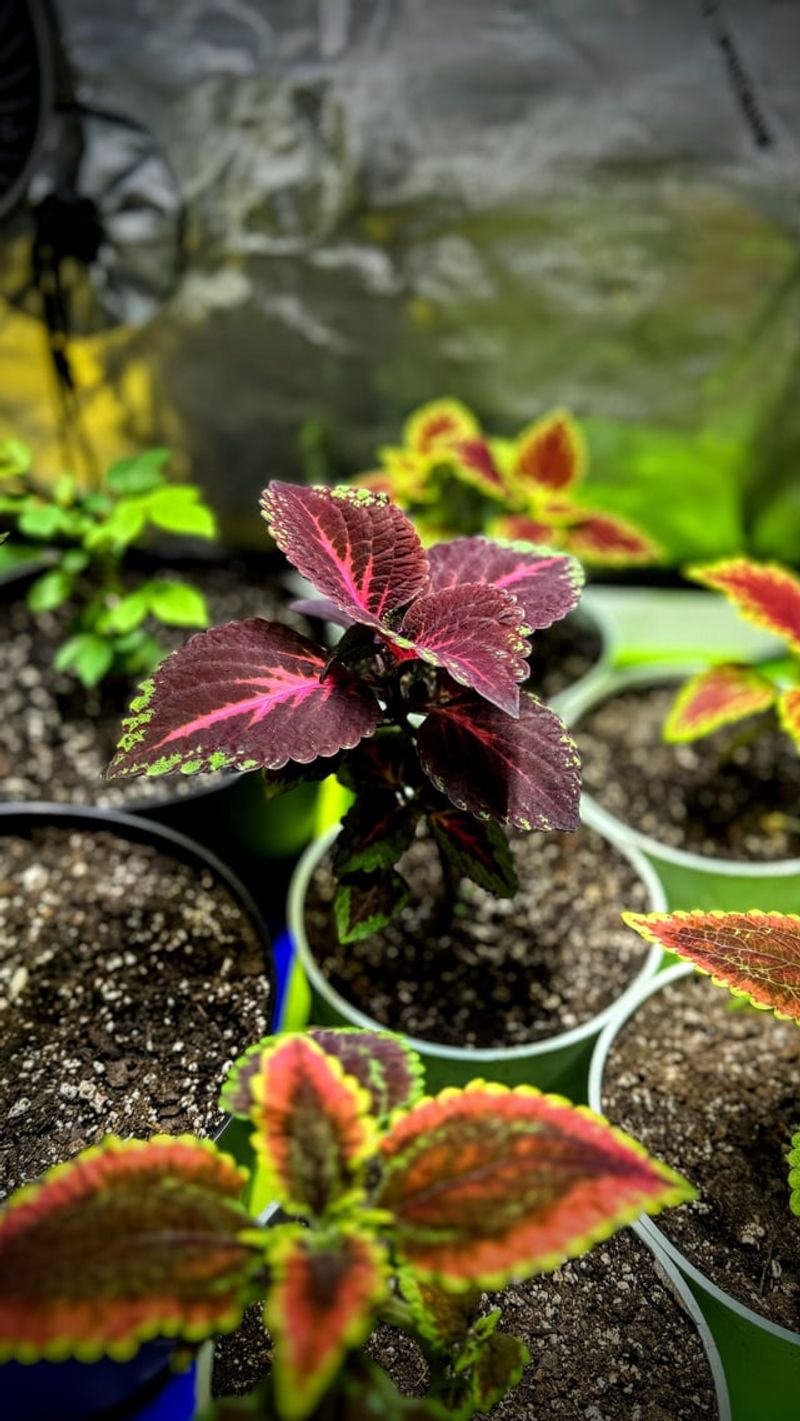
Coleus steals the show with leaves painted in wild swirls of pink, red, lime, and burgundy. These colorful plants adore the warm, shady corners of a Pennsylvania patio.
Because they grow so fast, their roots fill a pot in no time. By fall, many coleus are cramped and hungry for fresh soil.
Repotting revives them and preps them for life indoors as a houseplant. Choose a pot slightly larger and fill it with rich, well-draining mix.
Coleus are tender and cannot handle Pennsylvania frost, so bring them in before the first cold snap. A surprise chilly night can quickly harm them.
Pinch back the tallest stems while you repot to keep the plant full and bushy. Removing any flower spikes helps the plant focus on those gorgeous leaves.
Give the foliage a careful look for pests, since coleus can attract tiny insects outdoors. A gentle rinse before the move helps keep problems away.
Indoors, place your coleus in bright, indirect light to keep the colors vivid. Too little light makes the leaves fade and stretch.
Keep the soil evenly moist but not soggy, as these plants dislike drying out completely. A regular watering schedule keeps them looking fresh.
Here is something neat. Coleus belongs to the mint family, which explains its square stems and quick, eager growth.
You can even snip cuttings and root them in water to grow more plants for free. With a new pot and a bright windowsill, your coleus will brighten gray winter days with a splash of color.
6. Pothos
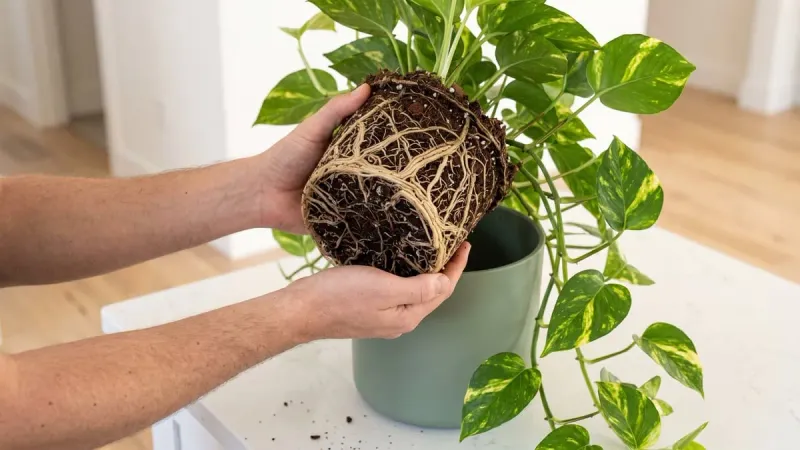
Pothos is the laid-back friend everyone wishes they had, trailing long vines with barely any fuss. Set outside for a Pennsylvania summer, it grows faster and greener than ever.
Those speedy vines mean the roots are working overtime below the surface. Come autumn, the pot may feel packed and the soil worn out.
A fresh container and new mix give the roots room to spread comfortably. Bump up to a pot an inch or two wider and use a standard potting blend.
Before hauling it indoors, untangle the vines and check for any pests hiding underneath the leaves. A quick shower rinses off dust and unwanted visitors.
You can trim leggy vines during repotting to encourage fuller growth. Do not toss the cuttings, since each one roots easily in a glass of water.
Pothos handles low light better than most houseplants, which suits shorter Pennsylvania winter days. Still, brighter spots keep the variegated leaves more colorful.
Water only when the top inch of soil dries out, because pothos dislikes constant wetness. Yellow leaves often mean it is getting too much water.
Wipe the leaves now and then to help the plant soak up light and stay healthy. Clean foliage simply looks better too.
A quirky note. Pothos is sometimes nicknamed devil’s ivy because it stays green even in dim conditions and is tough to harm.
Give yours a fresh pot before the move, and those cheerful vines will keep growing right through the coldest months.
7. Begonia
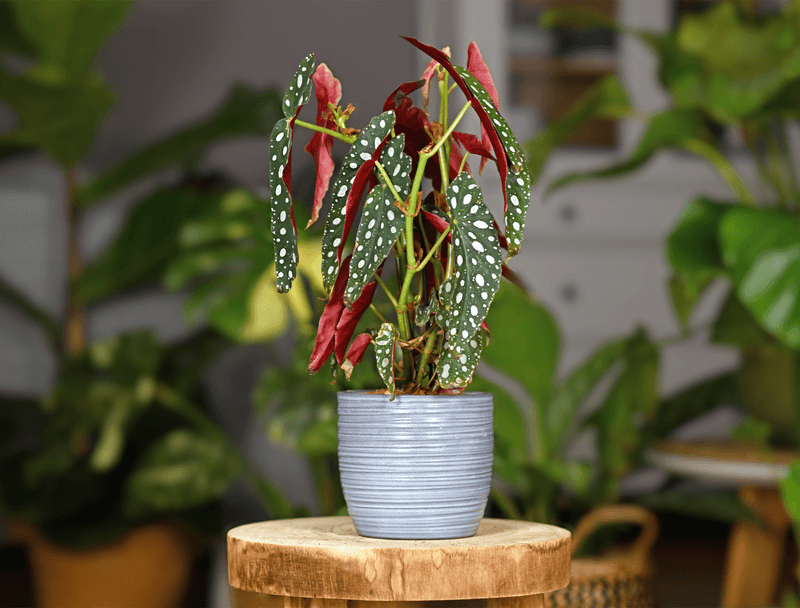
Begonias bring soft, romantic color to shady spots where many other plants struggle. Their waxy leaves and dainty blooms make them a Pennsylvania porch favorite all summer.
After months of steady growth, their roots often crowd the pot and the soil compacts. Repotting loosens things up and refreshes their food supply.
Pick a pot with excellent drainage, since begonias resent wet feet. A light, airy mix helps water move through instead of pooling around the roots.
These plants are frost-tender, so bring them in well before Pennsylvania nights turn cold. A single freezing evening can undo a whole season of growth.
Trim away any leggy or damaged stems as you repot to tidy the plant up. This encourages fresh, compact growth once it settles indoors.
Look closely at the leaves for powdery patches or tiny pests before the move. Good airflow indoors helps keep begonias healthy and problem-free.
Set your begonia in bright, indirect light near a window. Harsh direct sun can scorch the leaves, while too little light dulls the blooms.
Water when the surface of the soil feels dry, and try to keep water off the leaves. Wet foliage can invite spots and mildew.
A little history for you. Begonias were named after Michel Begon, a French official from the 1600s, and there are now thousands of varieties.
With a roomy new pot and a gentle indoor spot, your begonia can keep flowering and add warmth to your home while snow piles up outside.