Why Voles Show Up In Pennsylvania Lawns Before Winter
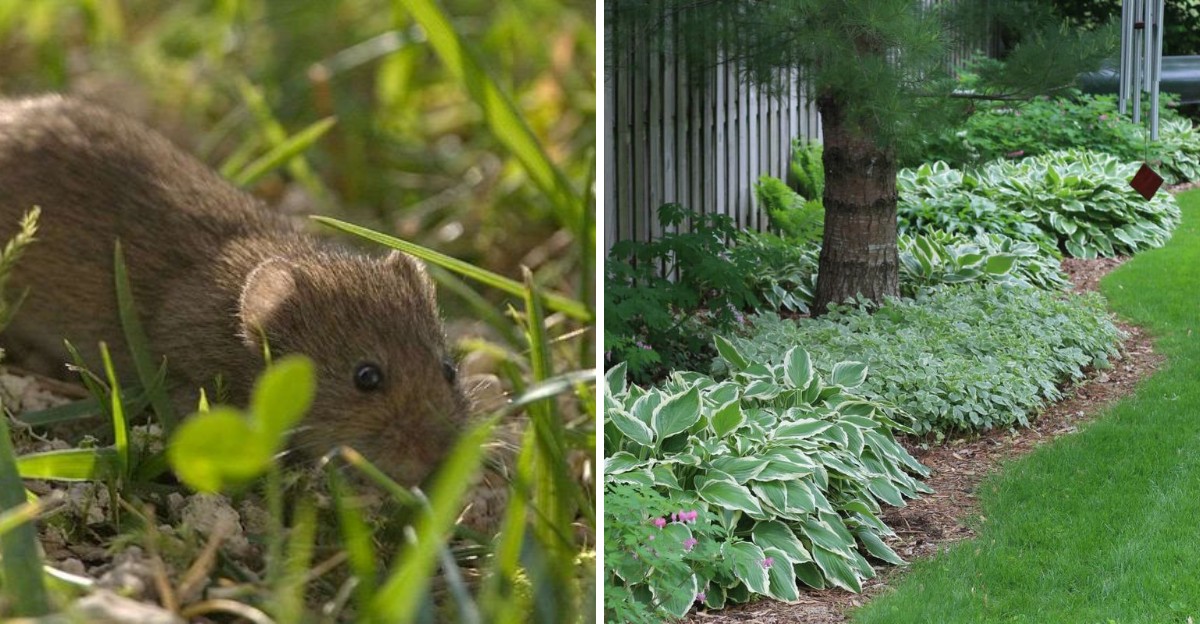
A meadow vole can start having babies when it’s barely a month old. A single female may raise several litters in one year. That’s how a few voles can turn into a full-blown lawn problem in no time.
These small, stocky rodents are often mistaken for mice or moles. Unlike moles, though, they spend most of their time above ground, carving narrow runways through the grass. And unlike many animals, they don’t hibernate.
That’s why fall is when Pennsylvania homeowners start noticing them. As the weather cools, voles look for thick cover, steady food, and protection from predators.
Tall grass, piles of leaves, and deep mulch beds check every box. Once snow falls, it becomes a cozy blanket that hides them while they feed on roots, bulbs, and tree bark.
Spotting the early signs now can save your lawn and landscape some serious damage come spring.
1. Their Populations Peak In Fall
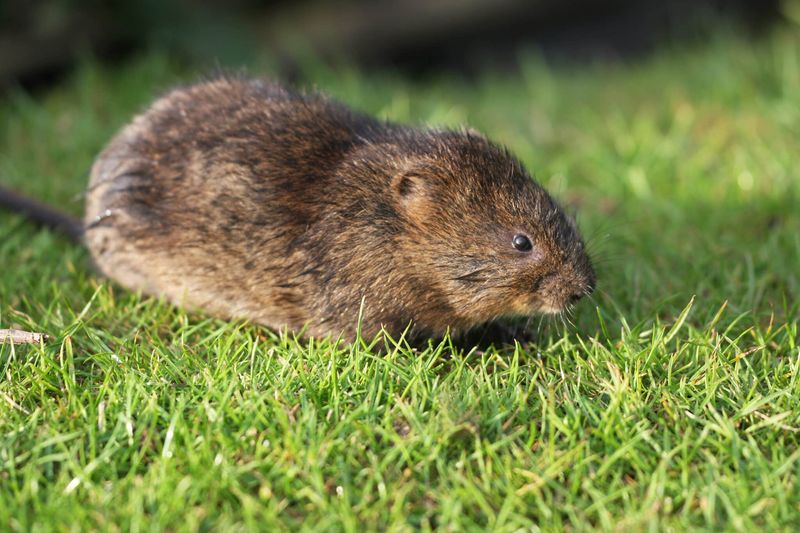
One female vole can have up to ten litters in a single year. That number surprises most people. Voles breed from early spring all the way through fall, and each litter can hold three to six babies.
Young voles grow up fast. Some can start having their own babies when they are only about a month old. Add all that up, and you can see why vole numbers often hit their highest point by autumn.
Pennsylvania is home to two main types. Meadow voles love open grassy areas like lawns and fields.
Pine voles spend more time underground and often cause trouble around roots in gardens and orchards. Both kinds can show up in the same neighborhood.
Vole numbers also go up and down in cycles. Some years are quiet, while others feel like an invasion. A mild winter and a wet spring often lead to a big vole year, because more babies survive and plenty of food is around.
So what can you do? Start by watching for signs early in the fall. Look for small holes about the size of a quarter and narrow paths in the grass about two inches wide. Fresh clippings or chewed plants near those paths are another clue.
Catching activity early gives you more time to act. Simple mouse traps baited with apple slices or peanut butter can be placed along runways and covered with a box or pot. Checking traps daily and keeping pets and kids away is smart.
Talking with neighbors helps too. Voles do not care about property lines, so a whole street working together usually gets better results than one yard alone.
2. They Are Switching To Winter Foods
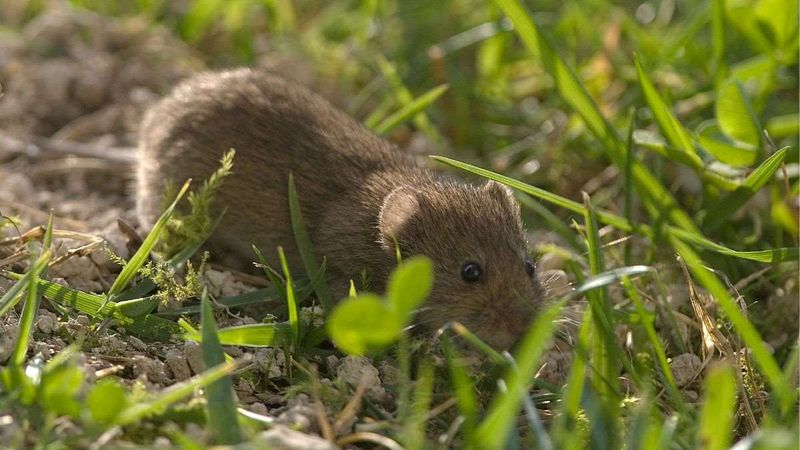
Think about your own kitchen when summer ends. The fresh salads fade away, and heartier meals take their place. Voles go through a similar change every fall.
During spring and summer, voles munch mostly on fresh grass, clover, and leafy green plants.
Once frost hits and those plants turn brown, the menu has to change. Voles start eating roots, bulbs, seeds, and the soft bark of trees and shrubs.
Your Pennsylvania Garden Changes Every Week. Your Plan Should Too.
Gardening in Pennsylvania changes quickly throughout the season. Every Friday you’ll receive a simple weekly plan showing exactly what to plant, prune, fertilize, harvest, and protect so you never miss the right timing.
Your yard can look like a full buffet at that time. Tulip and crocus bulbs are favorite snacks. Hostas, lilies, and sweet potatoes in the garden are also at risk.
Pine voles are especially sneaky because they eat roots from below, so a plant may look fine until it suddenly wilts.
Lawns that sit next to garden beds, shrubs, and young trees are prime spots. Voles can travel from grass to bed to trunk without ever leaving cover. Here are a few ways to make that buffet harder to reach:
Plant bulbs that voles tend to skip, such as daffodils, alliums, and snowdrops. Line planting holes with wire mesh or use bulb cages when you plant tulips. Add sharp gravel around bulbs, since voles dislike digging through it.
Cleaning up fallen fruit and leftover vegetables in the garden also helps. Those bits are an easy meal that keeps voles nearby. A tidy garden in fall makes a big difference.
A fun fact to share at dinner: a vole can eat close to its own body weight in food every day. Small body, big appetite.
3. Tall Grass Gives Them Cover
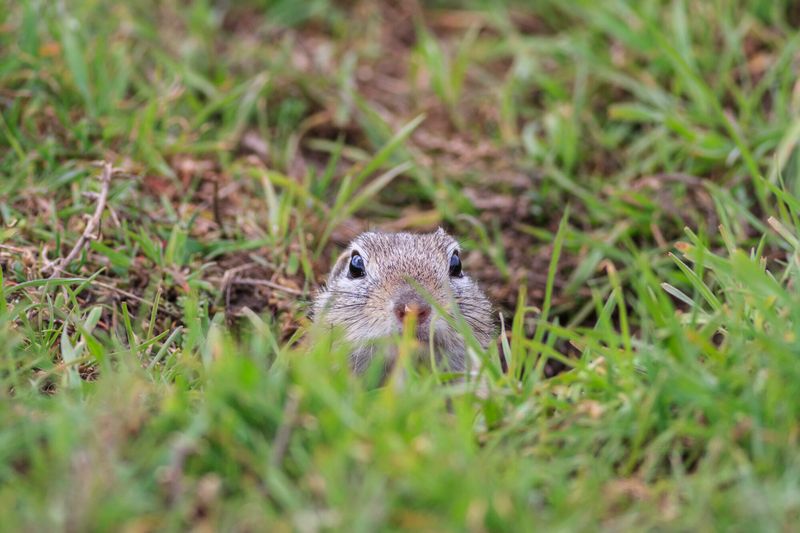
Life is tough when almost everything wants to eat you. Hawks, owls, foxes, snakes, and even house cats all hunt voles. Because of that, voles stick close to hiding spots.
Tall grass is like a secret hallway for them. It hides their bodies from birds flying overhead and from animals walking nearby. Voles chew little runways through thick grass and use them again and again to move around safely.
Many homeowners stop mowing early in the fall or raise the mower blade high. That makes sense for some lawn health reasons, but it can roll out a welcome mat for voles. Unmown edges along fences, ditches, and weedy corners are even bigger draws.
Keeping things short is one of the easiest fixes. Try to mow your lawn to about two or three inches through the end of the season. Do not leave the last cut too long before winter.
Pay attention to the edges. Trim along fences, sheds, and garden borders. Clear out weedy patches and brush piles near the lawn.
A clean strip of short grass between wild areas and your yard can make voles think twice before crossing.
Here is a bonus tip. Open, short grass lets natural predators do some of the work for you. A hawk perched on a nearby tree can spot a vole much more easily in a tidy lawn.
Some people even put up a tall pole or owl box to invite these helpful hunters. Barn owls, for example, can catch many rodents in a single night.
4. Mulch And Groundcovers Offer Shelter
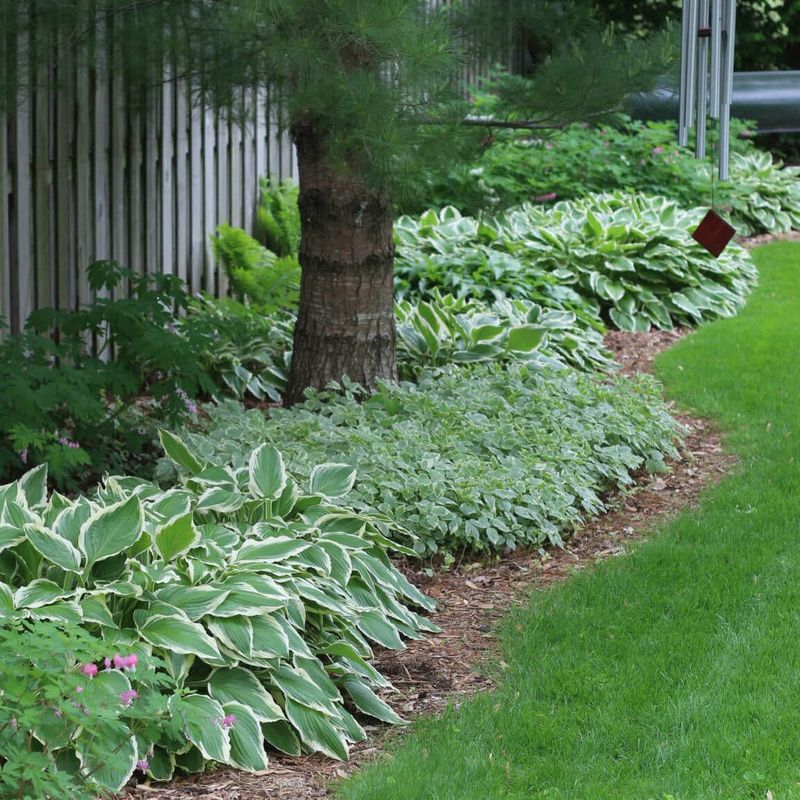
Picture-perfect landscaping can come with a hidden cost. That fluffy layer of mulch you spread in spring might be home to a family of voles by November.
Voles love soft, loose material they can tunnel through. Thick mulch, piles of raked leaves, and dense groundcovers like English ivy and pachysandra give them warm, protected spaces. They can build nests, raise babies, and travel around without being seen.
Mulch piled against tree trunks and shrubs is the biggest problem. People often call this a mulch volcano. It hides voles right next to the bark, which they love to chew in winter. Nobody sees the damage until it is too late.
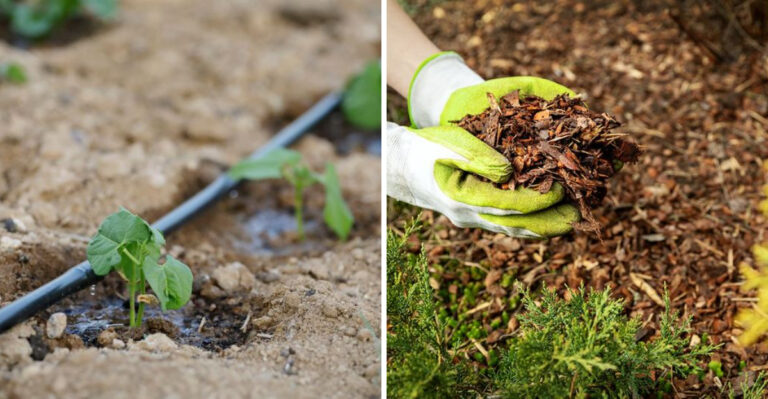
The fix is simple. Keep mulch no more than two or three inches deep. Pull it back about three to six inches from the base of trees and shrubs, so you can see bare soil or the trunk flare.
Leaf piles should not sit in one spot for weeks. Shred leaves with your mower and spread them thinly, or bag them up. Compost bins work well too, especially closed ones.
Groundcovers take a little more thought. If you have big patches of ivy or pachysandra near young trees, think about thinning them out.
You could also leave a gap of bare ground or gravel between the groundcover and your favorite plants.
Gardeners who swap some wood mulch for small crushed stone around special plants often see less vole activity. The rough texture is just not as cozy for tunneling.
5. Snow Will Protect Them All Winter
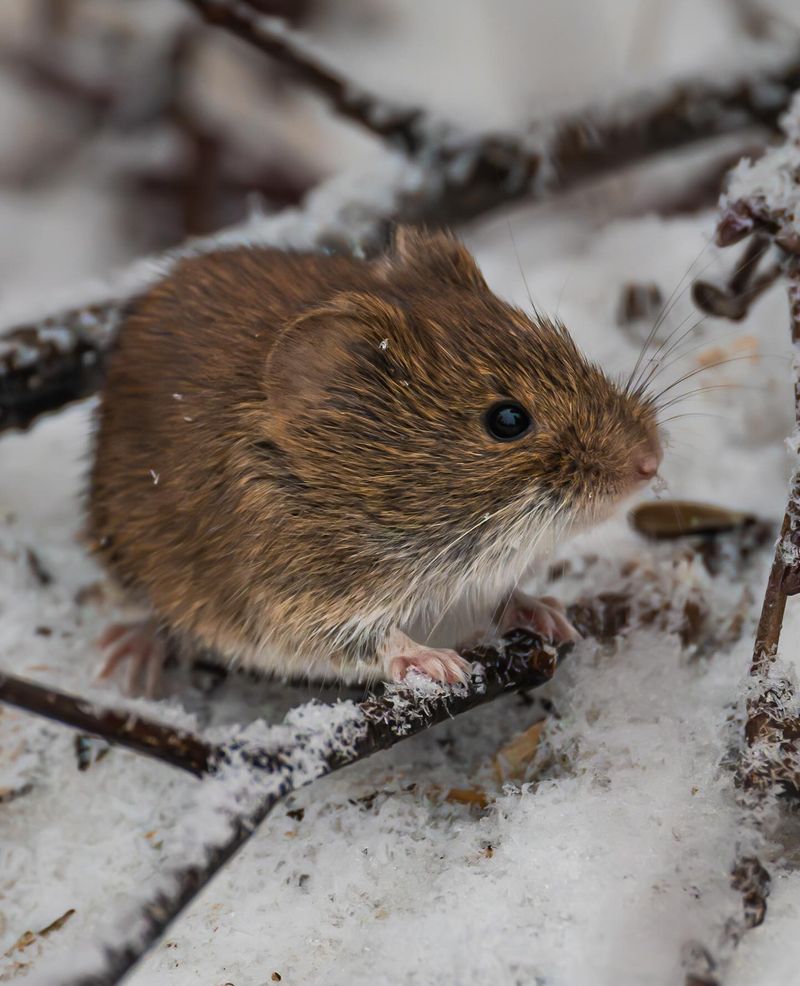
Spring arrives, the snow melts, and suddenly your lawn looks like someone drew squiggly lines all over it. Sound familiar? Many Pennsylvania homeowners have this exact surprise every March.
Unlike some animals, voles do not hibernate. They stay busy all winter long. Once snow covers the ground, it acts like a thick blanket over the grass. Voles tunnel in the space between the snow and the soil, where it stays a bit warmer.
Under that blanket, they are nearly invisible. Owls and hawks have a harder time spotting them. Voles can eat grass, roots, and bark for months with very little trouble from predators.
The damage stays hidden the whole time. Only when the snow melts do you see the narrow, winding runways. The grass in those paths is often chewed down to the dirt.
Here is the good news. Most lawn runways heal on their own. Rake the paths lightly to fluff up the grass and remove dry bits. Add a little topsoil and grass seed to bare spots, then water gently.
To prevent it next year, do your prep work in the fall. Mow short, clear debris, and avoid letting snow get piled in big heaps on your lawn from shoveling or plowing. Deep snow piles give voles extra hiding time.
Fun fact: scientists call the space under the snow the subnivean zone. It is a whole hidden world where voles, mice, and shrews scurry around all winter while we sip hot cocoa inside.
6. Bird Feeders Provide Easy Meals
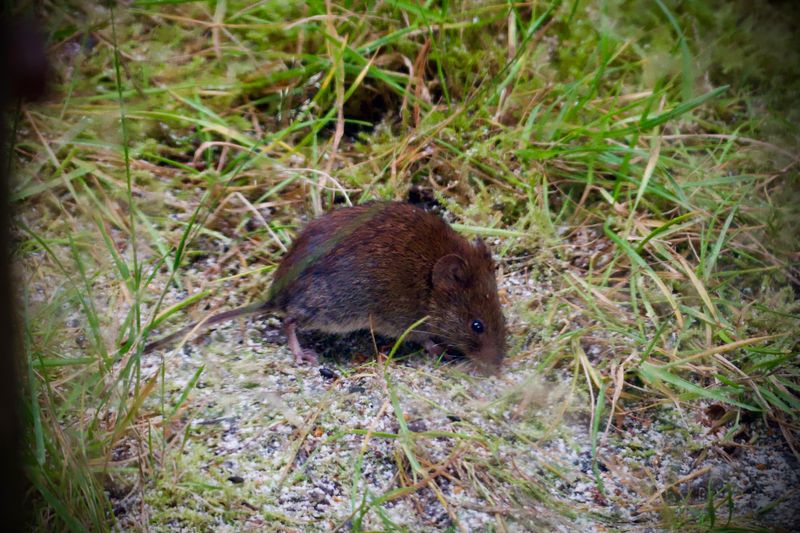
Feeding birds is one of the joys of a Pennsylvania winter. Cardinals, chickadees, and juncos bring color to gray days. But the birds are not the only ones enjoying your generosity.
Birds are messy eaters. They toss seeds and shells onto the ground as they pick out their favorites. That pile of fallen seed is like free groceries for voles, especially in fall when wild food starts running low.
A steady supply means voles have no reason to leave. They may dig burrows close by and raise families right under your feeder.
Before long, the lawn around it can be full of holes and runways. You do not have to give up bird feeding. Just make a few smart changes.
First, use a seed tray or catcher under the feeder to collect spills. Second, choose no-mess seed blends, like hulled sunflower hearts, which leave less waste behind. Birds eat almost all of it.
Third, clean up the ground regularly. A quick rake or sweep every few days removes extra seed. You can also place the feeder over a patio, gravel, or paver area instead of grass, which makes cleanup easier and gives voles less cover.
Moving feeders away from shrubs, mulch beds, and garden edges helps a lot too. Voles feel nervous crossing open space, so a feeder in the middle of short grass or on a hard surface is less tempting.
Small habits like these let you keep your feathered friends happy without hosting a vole party at the same time.
7. Young Trees And Shrubs Are Tempting Targets
Few things sting like finding your brand-new apple tree chewed bare at the bottom. Gardeners across Pennsylvania learn this lesson every spring, often the hard way.
When winter food gets scarce, voles turn to bark. Young trees and shrubs have thin, tender bark that is easy to gnaw. Voles usually chew low, near the ground or just under the snow line, where they feel hidden.
The real danger is called girdling. That happens when voles chew all the way around a trunk.
The bark carries food and water up and down the plant, so a full ring of damage can cut off that flow. The tree may leaf out in spring, then fail by summer.
Fruit trees, dogwoods, arborvitae, and hollies are common victims. Even mature shrubs can suffer if voles get to their roots or lower stems.
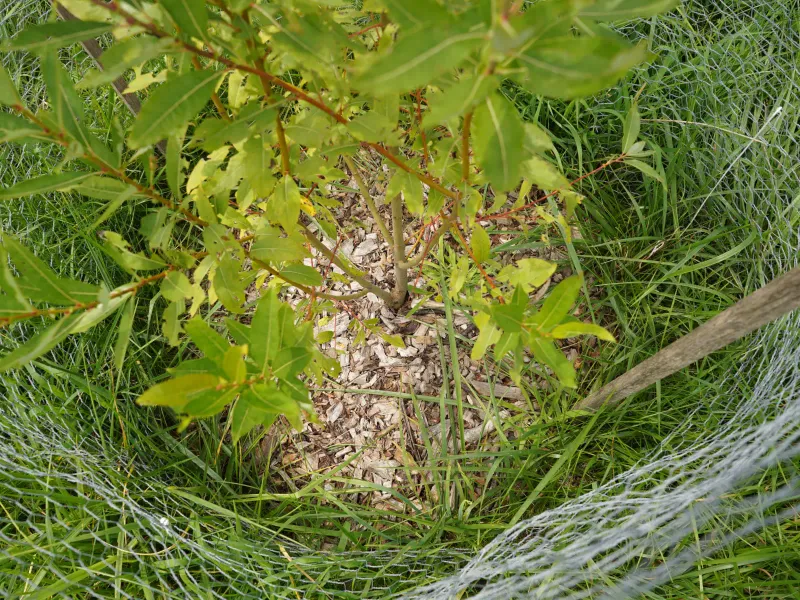
Protection is easier than repair. Wrap trunks with hardware cloth, a stiff wire mesh with quarter-inch holes. Make the guard about 18 to 24 inches tall. Bury the bottom two to three inches into the soil so voles cannot slip under it.
Leave some space between the mesh and the trunk so the tree can grow. Check guards each fall and loosen them as needed.
Remember the mulch rule too. Keep it pulled back a few inches from the base so voles have nowhere to hide while they chew.
Take a few minutes in October to set up guards. That small effort can protect years of growth and keep your yard healthy for seasons to come.