How Pennsylvania Gardeners Prepare For A Hotter Drier July Than Normal
Weather patterns across Pennsylvania have been shifting, and gardeners are noticing. What used to be a reliably mild and occasionally rainy July is increasingly turning into something hotter and drier than anyone planned for.
And a garden set up for average conditions can struggle badly when July decides to push well past normal. The gardeners who come through it best are the ones who prepared before the heat arrived.
There’s a real difference between reacting to heat stress and setting your garden up to handle it from the start. Reactive gardening in July means constantly putting out fires, watching plants decline, and scrambling to save things that might have been protected with a little advance planning.
The right preparation covers everything from soil health and mulching to plant choices and watering strategy. None of it is complicated, but all of it matters when Pennsylvania summers decide to turn up the heat.
Here’s exactly how experienced Pennsylvania gardeners are getting ready for a hotter, drier July.
1. Water Early
There is something almost magical about a garden in the early morning. The air is cooler, the light is soft, and the plants seem to breathe easier before the heat of the day sets in.
Watering at this time is one of the smartest moves a Pennsylvania gardener can make during a hot, dry July.
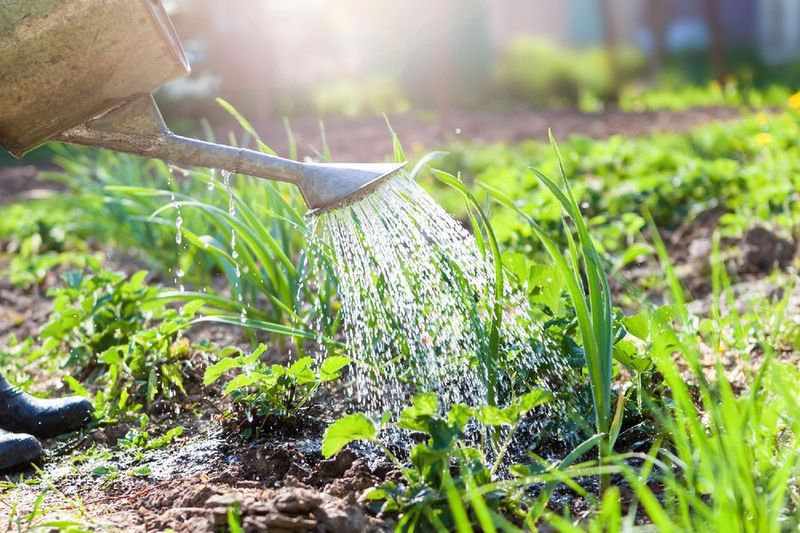
When you water early, moisture has time to soak down into the root zone before the sun starts pulling it back up through evaporation. Roots get a long, steady drink instead of a quick splash that disappears before it does any good.
Penn State research confirms that well-watered soil actually stays cooler than dry soil, which helps protect vegetables from heat stress throughout the day.
Think about watering between 5 a.m. and 9 a.m. if you can. A simple timer attached to your hose makes this easy, even on days when you want to sleep in.
Avoid watering at night because wet leaves sitting in the dark can invite fungal problems. Watering in the afternoon is also a poor choice since much of the moisture evaporates before plants can use it.
Slow, deep watering is always better than a quick sprinkle. Push a finger about two inches into the soil after watering.
If it feels dry at that depth, your plants need more water. Aim for about one inch of water per week, and adjust based on how fast your soil dries out. Early morning watering is a habit that pays off big when July turns brutal.
2. Use Drip Lines
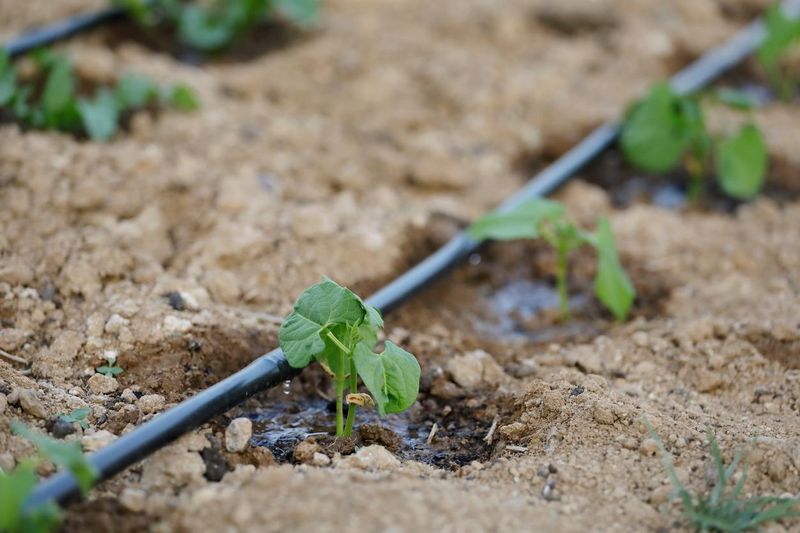
Sprinklers are fun to run through on a hot day, but they are not the most efficient way to water your garden. A lot of that spray lands on leaves, pathways, and bare soil where it quickly evaporates without ever reaching the roots.
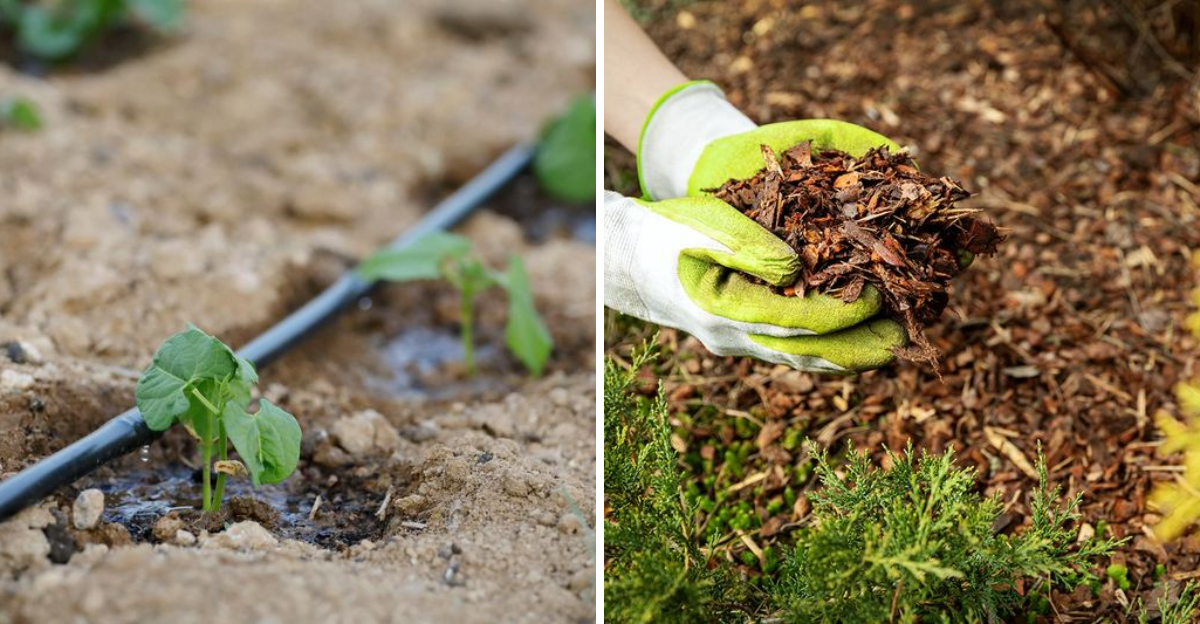
Switching to drip irrigation or soaker hoses changes the whole game. Drip lines deliver water slowly and directly to the base of each plant. The moisture seeps straight down to the root zone where it is needed most.
Your Pennsylvania Garden Changes Every Week. Your Plan Should Too.
Gardening in Pennsylvania changes quickly throughout the season. Every Friday you’ll receive a simple weekly plan showing exactly what to plant, prune, fertilize, harvest, and protect so you never miss the right timing.
Penn State extension specialists point out that drip and soaker hose systems can significantly reduce outdoor water use compared to traditional sprinklers, which is a huge benefit during a dry July when every drop counts.
Here is a tip that takes the system even further: lay your drip lines first, then cover them with a two- to three-inch layer of organic mulch. The mulch acts like a blanket over the hose, blocking sunlight and slowing evaporation so the soil stays moist much longer.
You end up using less water and getting better results at the same time. Setting up drip irrigation does not have to be expensive or complicated. Many hardware stores carry affordable starter kits that connect directly to a standard garden hose.
You can also find soaker hoses that are easy to snake through garden rows. Once they are in place, a simple timer handles the rest.
For Pennsylvania gardeners facing a hotter and drier July than usual, drip irrigation is one of the most practical upgrades you can make to your watering routine.
3. Mulch Beds
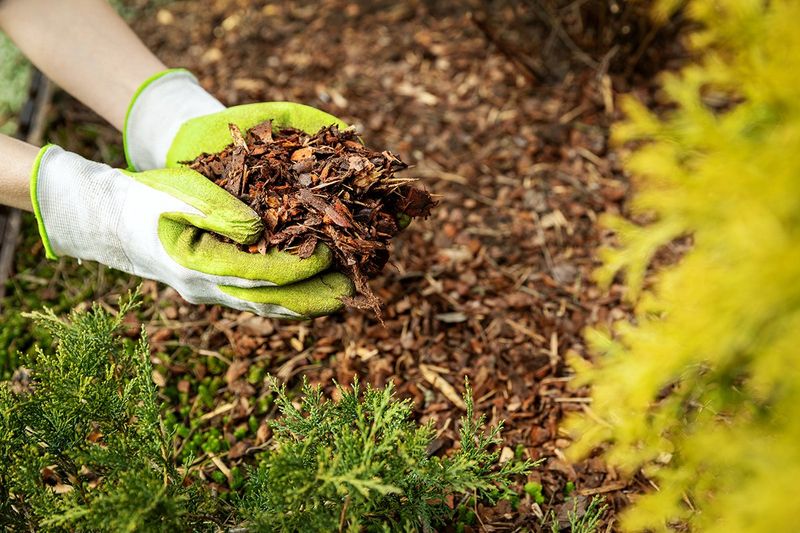
Mulch might be the most underrated tool in a summer garden. It sits quietly on top of the soil doing several important jobs at once, and most gardeners do not use nearly enough of it.
During a hot, dry July in Pennsylvania, a good layer of mulch can genuinely be the difference between plants that struggle and plants that thrive.
Organic mulch, like shredded bark, wood chips, straw, or shredded leaves, works by blocking direct sunlight from hitting the soil. This keeps the ground cooler and slows down the rate at which moisture evaporates.
A two-inch layer is widely recommended for drought-stressed garden beds. That might not sound like much, but it can cut soil moisture loss dramatically on a blazing summer afternoon.
Beyond moisture and temperature, mulch also fights weeds. Weeds compete with your vegetables and flowers for water, which is something you really cannot afford during a dry stretch.
Fewer weeds mean more water stays available for the plants you actually want to grow. Over time, organic mulch also breaks down and improves soil structure, adding nutrients as it decomposes.
One important rule: keep mulch a few inches away from plant stems and tree trunks. Mulch piled directly against stems can trap moisture and encourage rot or pest problems.
Pull it back just a little to leave an air gap. Apply mulch to vegetable beds, flower borders, shrub areas, and around young trees. It is a simple step that takes less than an hour but protects your garden all month long.
4. Shade Tender Crops
Lettuce is dramatic about heat. One afternoon of scorching sun can turn a perfectly good head of lettuce into something limp and bitter almost overnight.
Heat-sensitive vegetables like lettuce, spinach, and young transplants were simply not built to handle the kind of temperatures a hotter-than-normal July can bring to Pennsylvania.
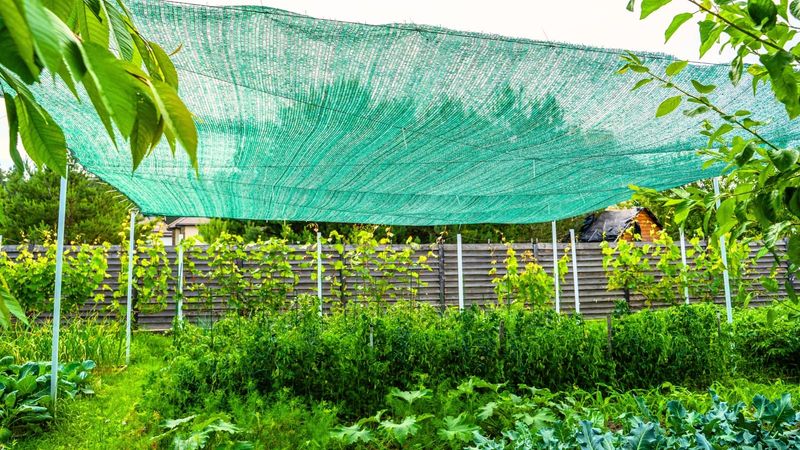
Shade cloth is the practical solution. It is a lightweight woven fabric that filters sunlight without completely blocking it.
Expert gardeners recommends using 30 percent to 50 percent shade cloth for most vegetables.
That means the plants still get plenty of light to grow, but the intense midday sun is softened enough to prevent heat stress. The difference it makes on a 95-degree day is remarkable.
How you set it up matters just as much as which cloth you choose. The shade cloth should be suspended above the plants on stakes or a simple frame, not draped directly on the leaves.
Fabric resting on leaves can trap heat and moisture in ways that cause more harm than the sun itself. Keep the cloth elevated so air can circulate freely underneath.
Container plants and stressed transplants also benefit from temporary afternoon shade. You do not always need shade cloth for these.
Moving a pot to a shaded porch or tucking it beside a taller plant can offer relief during the worst heat of the day. Watch your plants for signs of heat stress, like wilting in the morning or bleached-looking leaves.
Those are signals that shade is not just helpful but necessary for keeping your garden productive through a tough July.
5. Protect Containers
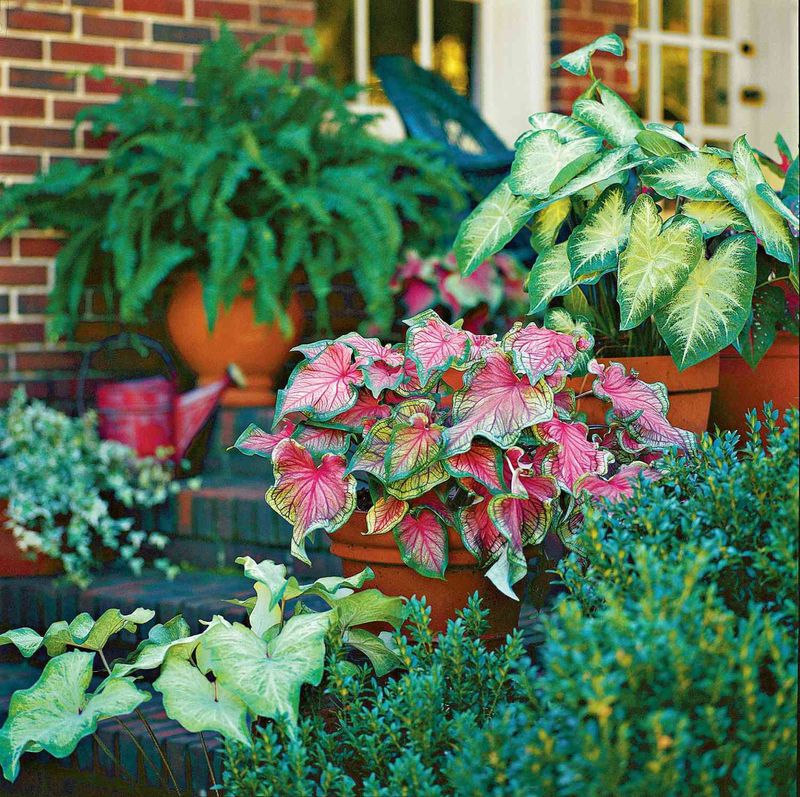
Container gardens are convenient and flexible, but they come with one major weakness in hot weather: they dry out fast. Really fast.
A pot sitting in full afternoon sun on a concrete patio can lose most of its moisture in just a few hours. When July in Pennsylvania runs hotter and drier than normal, container plants are often the first to show signs of serious stress.
The fix starts with location. Move pots out of harsh afternoon sun, especially between noon and 4 p.m. when heat is at its peak.
A spot that gets morning sun and afternoon shade is ideal for most vegetables and herbs in containers. If you cannot move a heavy pot, try propping a piece of shade cloth or even a patio umbrella to block the worst of the afternoon rays.
Grouping containers together is another clever trick. Pots clustered in a group create a small microclimate where the plants shade each other slightly and the soil does not heat up as quickly.
Adding a thin layer of mulch to the top of each pot also helps slow evaporation, just like it does in garden beds.
Penn State seasonal guidance notes that container-grown vegetables may need daily watering during summer heat, and sometimes twice a day during extreme stretches. Check moisture by pressing your finger an inch into the soil.
If it feels dry, water thoroughly until it drains from the bottom. Lightweight pots heat up faster than heavy ceramic or thick plastic ones, so upgrading your containers can also help.
Staying consistent with watering is the single most important thing you can do for container plants in July.
6. Pause Stressful Chores
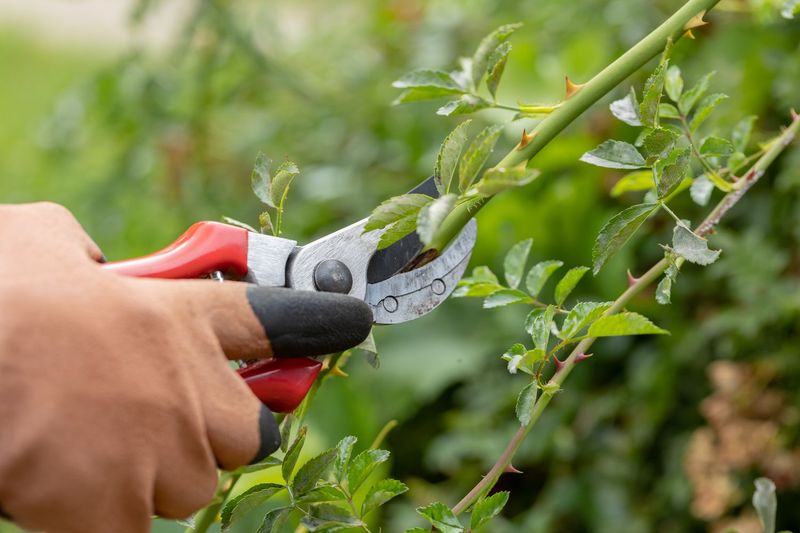
Sometimes the best thing you can do for your garden during a heat wave is put the tools down.
It sounds counterintuitive, but pushing plants through stressful chores when temperatures are extreme can cause more harm than simply leaving things alone for a week or two.
Transplanting is one of the riskiest tasks during peak summer heat. When you move a plant from a pot into the ground, it loses some of its root system and needs time to recover.
In hot, dry conditions, that recovery period becomes much harder. The plant is already working overtime just to stay cool and hydrated. Adding transplant shock on top of that can seriously weaken it.
Heavy pruning is another chore to postpone. Pruning stimulates new growth, and fresh new growth is tender and vulnerable to heat and sun damage.
Cutting back plants in mid-July can trigger a flush of soft new shoots that scorch quickly in the sun. Save major pruning for late summer or early fall when temperatures drop and plants are less stressed.
Fertilizing during a heat wave is also a mistake many gardeners make with good intentions. Fertilizer pushes plants to grow, and growth requires energy and water.
A plant that is already struggling to stay hydrated does not need the added pressure of trying to push out new leaves or fruit. Penn State guidance notes that if you must plant in July, do it early in the morning or in the evening, never at midday.
Giving your garden a rest during the hottest stretch is not lazy. It is genuinely smart gardening.
7. Save Water For Priority Plants
When water is scarce, every drop has to count. Not all plants in your yard need the same level of attention during a dry July, and learning to prioritize is one of the most practical skills a Pennsylvania gardener can develop.
Watering everything equally when resources are tight is a strategy that often ends with everything doing poorly instead of the most important plants doing well.
Vegetables are at the top of the priority list. They are actively producing food and have shallow root systems that dry out quickly.
Fruiting crops like tomatoes, peppers, cucumbers, and squash need steady moisture to set and develop fruit properly. Irregular watering causes problems like blossom drop and cracked tomatoes, so consistency matters more than volume.
New plantings, whether trees, shrubs, or perennials installed this spring, also need regular watering through their first summer. They have not yet developed deep root systems to find moisture on their own.
Young trees especially benefit from slow, deep watering at the base rather than a quick spray at the surface.
On the other end of the spectrum, established lawns and mature drought-tolerant plants can wait. Penn State recommends incorporating drought-tolerant and native landscape plants to reduce outdoor water needs over time.
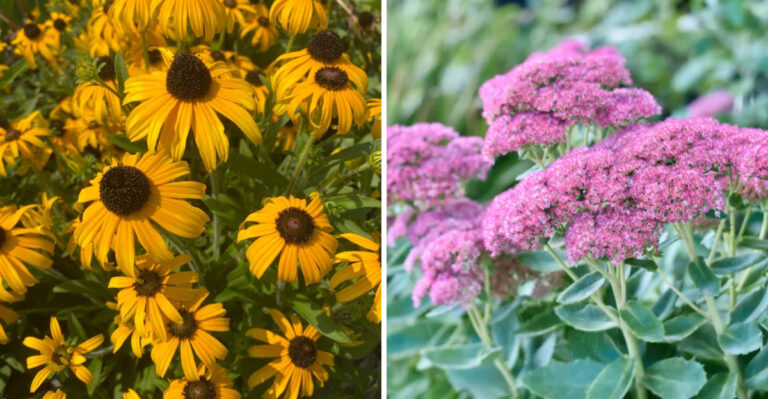
Many Pennsylvania native plants, like wild bergamot, black-eyed Susan, and little bluestem grass, can handle prolonged dry spells once they are established. Letting your lawn go dormant and turn brown during a dry spell is completely normal and safe.
It will green up again when rain returns. Focus your water where it truly makes a difference and let the tough plants do what they do best.