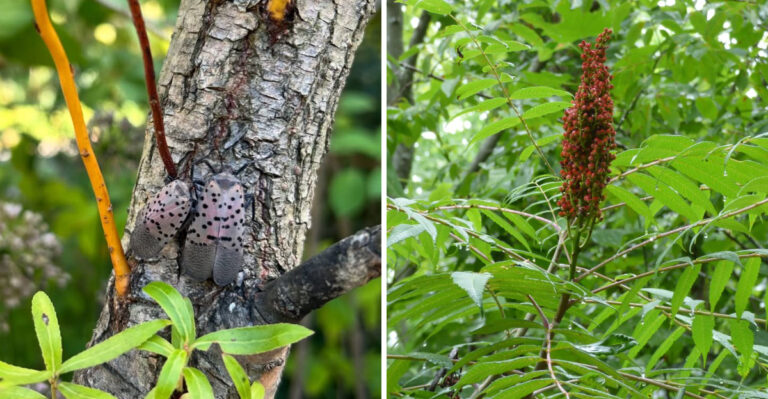
The Right Ways To Rewild A Pennsylvania Yard Without Accidentally Encouraging Invasive Plants
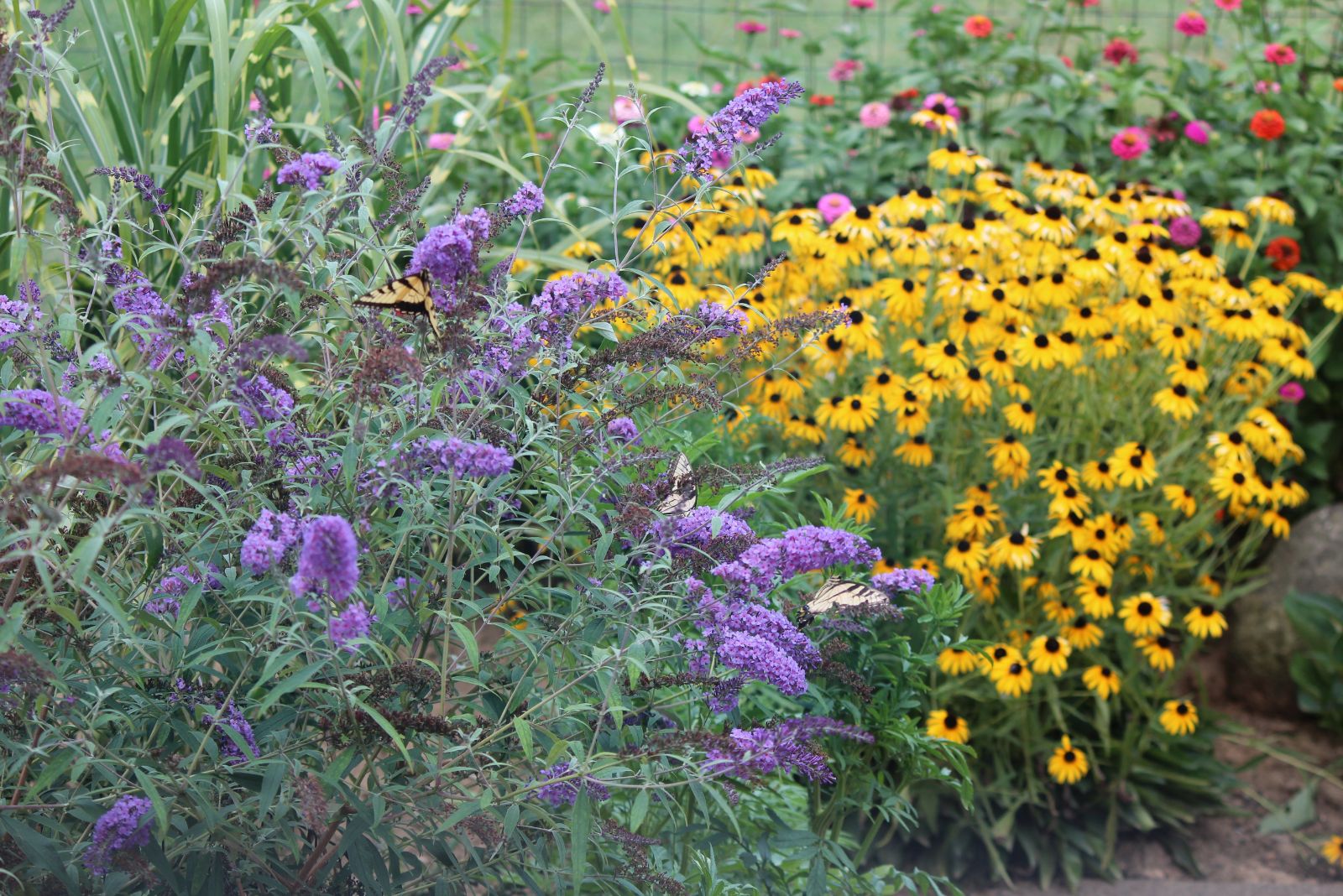
Rewilding a Pennsylvania yard is one of the more exciting things a homeowner can do for local biodiversity, and the interest in doing it has grown significantly in recent years.
The concept is straightforward, step back from intensive management, let nature fill the space, and watch the ecosystem rebuild.
The reality is a little more complicated, because Pennsylvania’s landscape contains a significant presence of invasive plants that are very good at moving into disturbed or low-maintenance ground before native species have a chance to establish.
A rewilding effort that is not guided with some intentionality can end up accelerating the spread of the exact plants it was meant to move away from, replacing a managed lawn with a patch dominated by species that cause more ecological harm than the grass ever did.
Getting rewilding right in Pennsylvania means understanding what is likely to come back on its own, which arrivals to encourage and which to remove early, and how to give native plants the advantage in a space that competing species are also eyeing.
1. Start With Native Plants
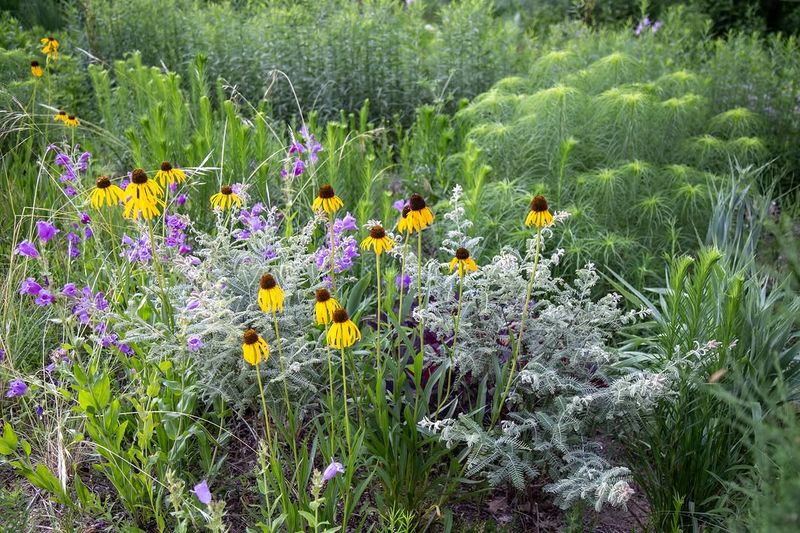
Picture a yard buzzing with bees, fluttering with butterflies, and alive with birdsong. That is exactly what happens when you choose Pennsylvania-native plants as the foundation of your rewilding project.
Native plants have lived alongside local wildlife for thousands of years, so they provide the exact food, shelter, and nesting materials that local creatures need to survive.
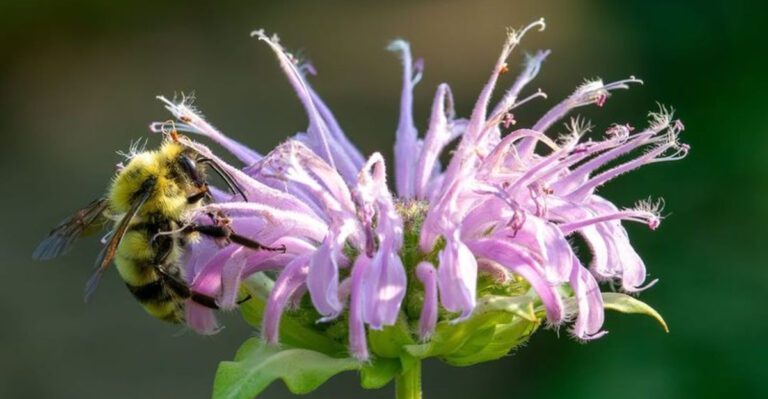
Pennsylvania has an incredible variety of native wildflowers, shrubs, and grasses to choose from. Purple coneflower, black-eyed Susan, wild bergamot, and little bluestem grass are all fantastic starting points.
Native shrubs like buttonbush, spicebush, and native viburnums offer berries that birds absolutely love during fall and winter months.
One of the best things about native plants is that they are naturally adapted to Pennsylvania’s climate, soil, and rainfall patterns.
Once established, most native plants need very little watering, fertilizing, or extra care compared to non-native ornamentals. They are tough, resilient, and ready to thrive.
Another huge benefit is that native plants naturally outcompete many invasive species when planted in healthy groupings. A dense planting of native groundcovers, grasses, and wildflowers leaves very little open soil for invasive seeds to take root.
Filling in your yard with intentional native plantings is one of the most effective defenses against unwanted plants.
Start small if you need to. Pick one garden bed or a corner of your yard and transform it with native plants first.
Visit a Pennsylvania native plant nursery or check with your local county conservation district for plant lists specific to your region. Building from a strong native foundation makes every other rewilding step much easier and far more successful.
2. Remove Known Invasive Species First
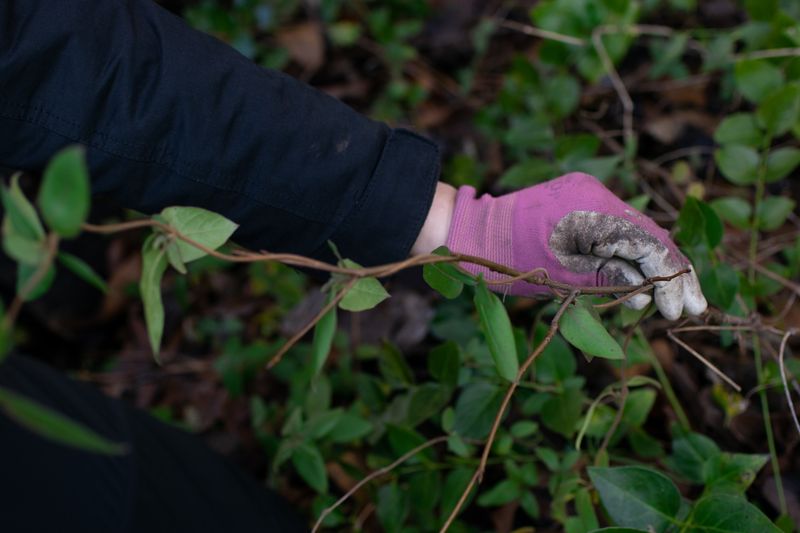
Before you plant a single native flower, take a good hard look at what is already growing in your yard. Invasive plants are sneaky.
They often blend in with the landscape and look perfectly harmless until they completely take over. Identifying and removing them before you start rewilding is absolutely critical to your success.
Your Pennsylvania Garden Changes Every Week. Your Plan Should Too.
Gardening in Pennsylvania changes quickly throughout the season. Every Friday you’ll receive a simple weekly plan showing exactly what to plant, prune, fertilize, harvest, and protect so you never miss the right timing.
Pennsylvania has some notorious invasive plants that homeowners need to watch for. Japanese honeysuckle, Oriental bittersweet, burning bush, multiflora rose, and Japanese barberry are among the most common troublemakers.
These plants spread aggressively, crowd out native species, and reduce the biodiversity that local wildlife depends on for survival.
The good news is that removing invasives does not have to happen all at once. Start by focusing on the most aggressive spreaders in your yard first.
For vining plants like Oriental bittersweet, cut stems close to the ground and monitor for regrowth throughout the growing season. For shrubby invasives like burning bush, remove the entire root system to prevent resprouting.
Manual removal is often the safest method for homeowners who want to avoid chemical herbicides near garden beds or water sources. Pulling invasive seedlings when the soil is moist makes the job much easier and more effective.
Consistency is key because many invasive plants resprout from root fragments left in the soil.
Once you have cleared an area of invasives, move quickly to fill it with native plants or native mulch. Bare soil is an open invitation for invasive seeds to establish themselves.
Acting fast after removal is one of the smartest moves you can make when rewilding a Pennsylvania yard the right way.
3. Limit Seed Introductions
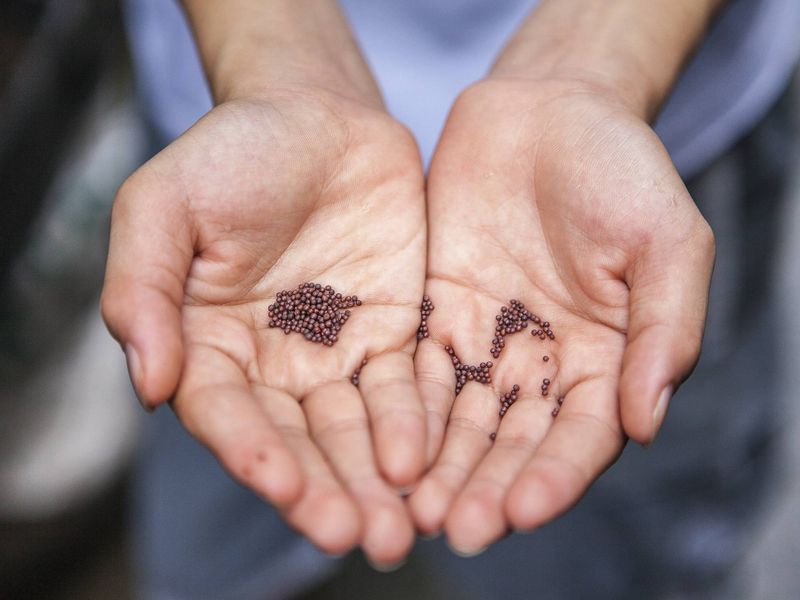
Walk into any big-box garden store in spring and you will likely find colorful bags of wildflower or pollinator mixes promising a yard full of blooms and butterflies. They look tempting, and the marketing sounds great.
But many of these mixes contain non-native species and sometimes even plants that are considered invasive in Pennsylvania.
Common offenders found in generic wildflower mixes include crown vetch, sweet clover, and various Eurasian grasses that can spread well beyond your yard into natural areas.
Even plants labeled as beneficial pollinators may not support the specific native bees, moths, and butterflies that Pennsylvania’s ecosystem actually needs. Generic mixes are a gamble that rewilders cannot afford to take.
The solution is straightforward: always use certified native seeds sourced from Pennsylvania or the Mid-Atlantic region. Look for seed suppliers who specialize in regional ecotypes, meaning seeds collected from plants that are genetically adapted to your specific area.
These plants establish more successfully and provide the greatest ecological benefit to local wildlife.
Organizations like the Pennsylvania Native Plant Society and local native plant nurseries can point you toward trustworthy seed sources.
Some county conservation districts even host native plant sales each spring where you can purchase seeds and plugs at low cost. Taking the time to find quality sources is well worth the effort.
Seed quality matters just as much as seed identity. Fresh seeds from reputable suppliers have higher germination rates and are far less likely to contain weed seeds mixed in.
Reading the seed tag carefully and looking for a high purity percentage are simple ways to make sure you are planting exactly what you intend to grow in your rewilded yard.
4. Encourage Natural Succession
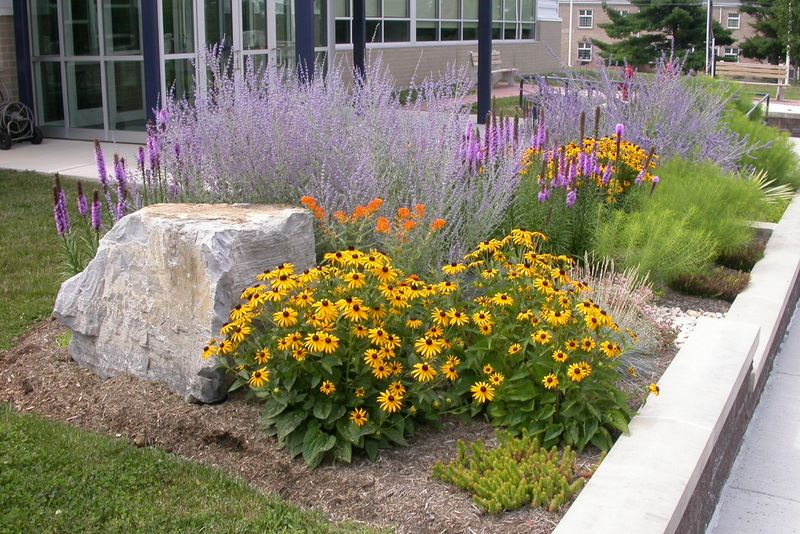
Nature has a plan, and if you let it work, it can do a lot of the heavy lifting in your rewilded yard. Natural succession is the process by which native plants gradually recolonize bare or disturbed ground on their own over time.
Understanding this process can save you a lot of work and help you build a more resilient landscape.
In Pennsylvania, disturbed soil or mowed areas left alone will naturally begin filling in with pioneer plants like goldenrod, asters, and native grasses. Over time, native shrubs and small trees follow.
Eventually, a diverse and layered plant community develops that provides food and shelter for an impressive variety of wildlife species.
The key is to let native plants lead the way while staying alert to any invasive species that try to sneak into the mix. Not every plant that volunteers in your yard is a friend.
Check field guides or use plant identification apps to confirm that what is growing is actually native before deciding to leave it in place.
Avoid the urge to fill every bare patch with aggressive non-native plants just to make the yard look tidy.
Plants like English ivy, pachysandra, or vinca minor may seem like easy groundcover solutions, but they spread relentlessly and create ecological zones where native plants and wildlife cannot thrive. Patience really does pay off in rewilding.
Mowing less frequently and leaving sections of your yard unmowed through fall and winter supports natural succession beautifully. Native bees nest in undisturbed soil and plant stems.
Leaving leaf litter and standing seed heads intact through winter provides critical food and shelter for birds, insects, and small mammals throughout the colder months.
5. Monitor And Maintain
Rewilding is not a one-and-done project. Even the most carefully planned native garden needs regular attention, especially in the first few years while native plants are getting established.
Staying on top of monitoring is what separates a thriving wild yard from one that slowly gets taken over by invasive species.
Set aside time every few weeks during the growing season to walk through your rewilded areas and look for unfamiliar seedlings. Early detection is everything when it comes to invasive plants.
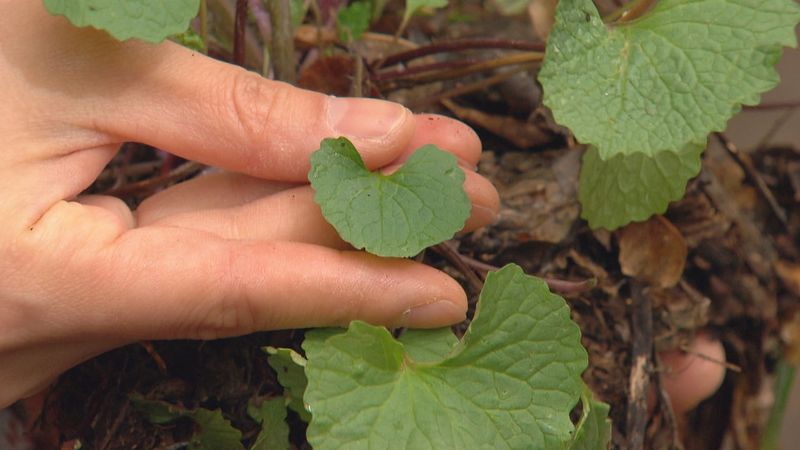
A small Japanese barberry seedling or a young garlic mustard plant is easy to pull by hand when it is only a few inches tall. Wait too long and the job becomes much harder.
Keep a small notebook or use your phone to photograph and track any plants you are unsure about. Field guides specific to Pennsylvania invasive plants are incredibly helpful tools.
The Pennsylvania Department of Conservation and Natural Resources also offers free online resources to help homeowners identify common invasive species quickly and accurately.
Pay special attention to areas near fence lines, woodland edges, and spots where birds frequently perch and leave droppings. Birds often spread invasive plant seeds from neighboring properties into your yard without anyone realizing it.
These border zones are the most vulnerable spots in any rewilded landscape and deserve the most frequent monitoring attention.
Maintenance does not have to feel like a chore. Think of it as a chance to connect with your yard and really get to know the plants that are growing there.
Over time, you will recognize native seedlings at a glance and feel confident about what belongs and what needs to come out. Consistency builds knowledge, and knowledge builds a better wild yard.
6. Provide Layered Habitat
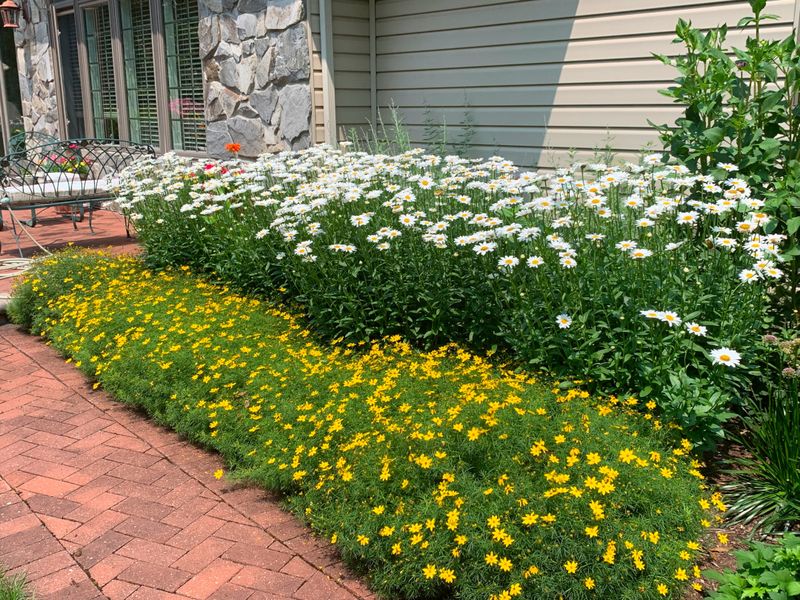
One of the most powerful things you can do for your rewilded Pennsylvania yard is to think in layers.
A layered habitat mimics the structure of a natural Pennsylvania forest or meadow edge, and it is one of the most effective ways to naturally crowd out invasive plants while creating incredible wildlife value at the same time.
Start at the ground level with native groundcovers like wild ginger, Pennsylvania sedge, or creeping phlox. These low-growing plants cover bare soil quickly, leaving no room for invasive seeds to germinate and take hold.
A thick carpet of native groundcover is one of your best tools against unwanted plant establishment throughout the entire growing season.
Above the groundcover layer, add native shrubs like native viburnums, serviceberry, or native azaleas. These shrubs provide berries, flowers, and nesting sites for birds and pollinators.
They also create a physical barrier that shades the soil beneath them, which further reduces opportunities for invasive plants to sprout and spread into your rewilded spaces.
At the top layer, small native trees like redbud, native dogwoods, or pawpaw add canopy coverage, nesting habitat, and seasonal interest to your landscape.
Even a single native tree planted in a yard can support hundreds of species of insects, birds, and other wildlife. Trees anchor the entire habitat structure and bring everything together beautifully.
Dense, layered native plantings are simply harder for invasive species to penetrate than open, sparse plantings. Nature fills gaps, so filling those gaps yourself with native species is the smartest long-term strategy.
A layered yard looks stunning, supports abundant wildlife, and largely manages itself once the plants are well established and growing strong.