What It Means When Mourning Doves Gather In Your Pennsylvania Yard Before Winter
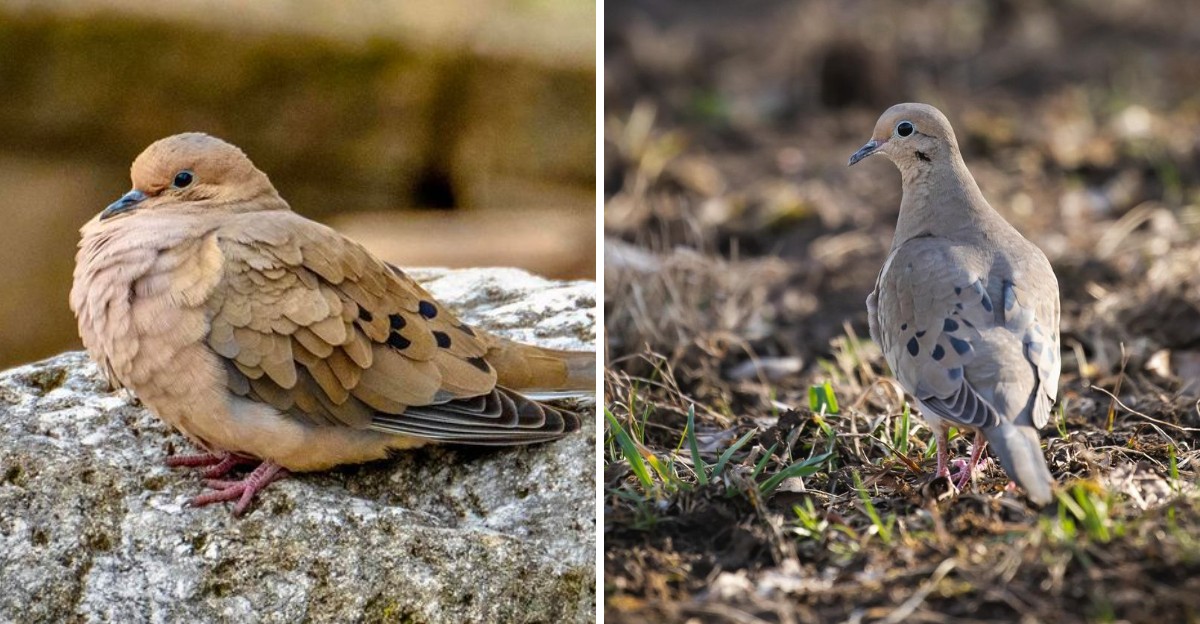
A mourning dove can pack thousands of tiny seeds into a pouch in its throat called a crop. Then it flies off to a safe perch and digests them slowly, a little at a time. That clever trick comes in handy as Pennsylvania heads into winter.
Each fall, these soft gray-brown birds start gathering in larger groups. Where you once saw a pair or two, you may now spot a dozen or more.
They peck across the lawn or line up in a row on a power line. Some of them are getting ready to head south.
Many others will stay right here all winter, banding together for safety and better luck finding food. When they choose your yard, it’s not random. Something there is meeting their needs.
Their visits can tell you a lot about your property, the season, and what these gentle birds are preparing for.
1. Fall Flocks Are Forming
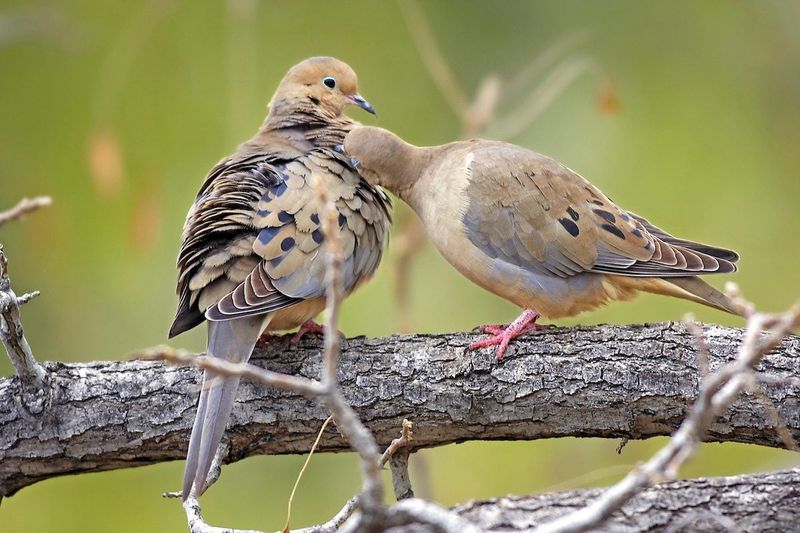
Back in spring and summer, mourning doves are busy parents. A pair may raise up to five or six broods in one year, which is a lot for any bird. Once that busy season wraps up, their behavior changes in a big way.
Doves stop acting like small family units and start hanging out in groups. These groups are called flocks.
In Pennsylvania, you often see them come together in September and October. Some flocks hold just a handful of birds, while others can grow to dozens.
Why would a bird want company? Living in a group has clear perks. More eyes mean someone is more likely to spot danger.
More birds also means it is easier to find good food spots, since doves follow each other to places that work.
Many of these fall flocks stay together all winter long. They pick a few favorite places to feed and rest, then return to them day after day.
If your yard is one of those places, you may see the same group visit at about the same times each morning and late afternoon.
Here is a fun way to test it. Keep a simple notebook by the window. Write down how many doves you see and when. After a week or two, you might spot a pattern that shows your yard has become part of their daily route.
Seeing a flock settle in is actually a compliment. It means the birds feel your yard is safe and useful. Keep things steady, with food and cover in the same spots, and they will likely stick around until spring returns.
2. There’s Plenty Of Seed On The Ground
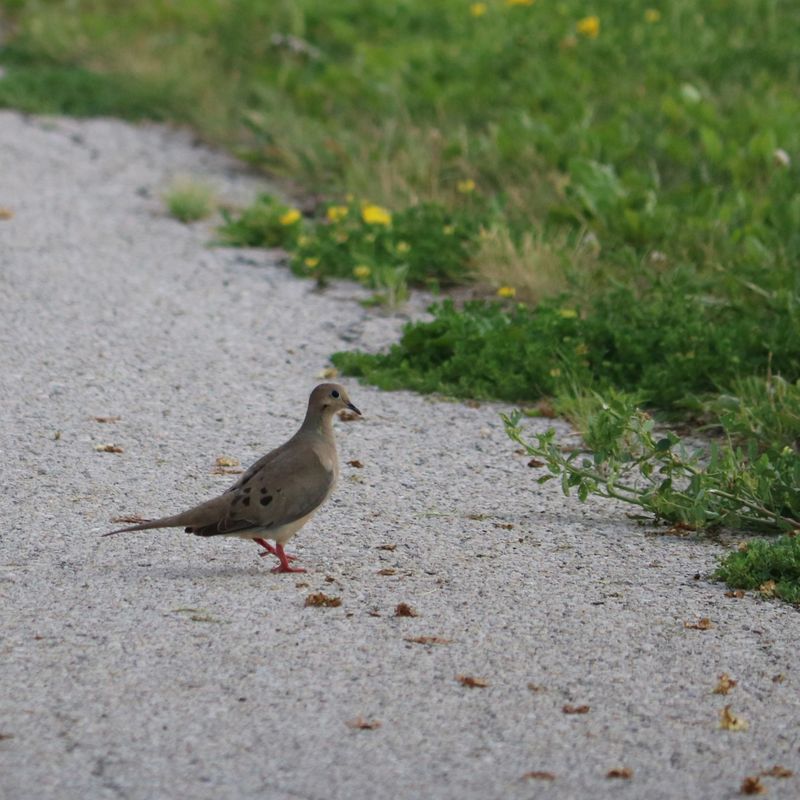
Ever wonder why doves rarely land on your feeder but love the ground under it? The answer is simple. Mourning doves are ground feeders, and they eat almost nothing but seeds.
Up to 99 percent of their diet is made of seeds. That is unusual, even among birds. Many songbirds snack on bugs, berries, or worms, but doves stick to their favorite food nearly all the time.
Your feeder works like a seed spreader. Chickadees, finches, and titmice toss seeds around while they pick through the mix.
Your Pennsylvania Garden Changes Every Week. Your Plan Should Too.
Gardening in Pennsylvania changes quickly throughout the season. Every Friday you’ll receive a simple weekly plan showing exactly what to plant, prune, fertilize, harvest, and protect so you never miss the right timing.
All that spilled food lands on the grass below, creating a free buffet. Doves walk slowly along, bobbing their heads and picking up every bit they can find.
They also eat seeds from plants many people call weeds. Ragweed, foxtail grass, and pigweed all make seeds doves enjoy.
Leftover corn from nearby fields is another treat in rural parts of the state. Want to make your yard even more dove friendly? Try these easy tips:
Scatter white proso millet, cracked corn, or black oil sunflower seeds on the ground. Use a low platform feeder set a foot or so above the grass. Leave a small corner of your yard unmowed in fall so plants can go to seed.
One quick warning is worth keeping in mind. Seed left sitting in wet piles can get moldy, which is bad for birds.
Spread out only what the birds can eat in a day or two. Rake up old, soggy seed now and then. A tidy feeding area keeps your doves healthy and coming back.
3. They’re Fueling Up For Cold Weather
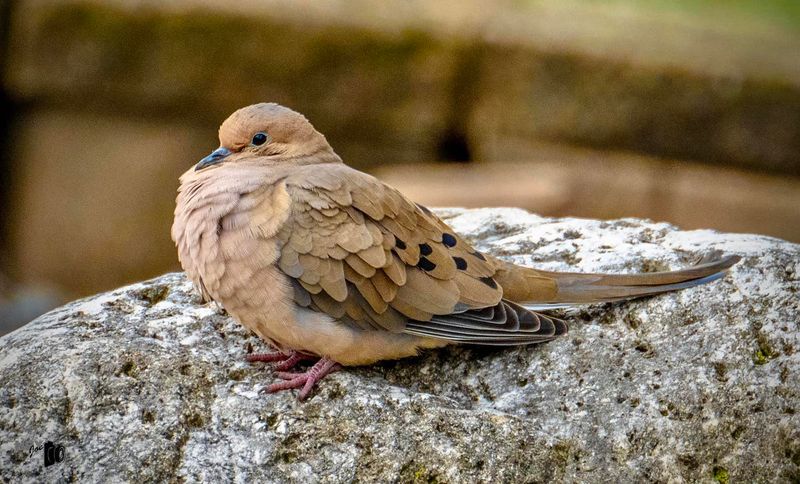
Grab a handful, then run. That is basically the dove strategy for winter eating, and it works really well.
Mourning doves have a special pouch in their throat called a crop. It works a bit like a grocery bag.
A dove can stuff its crop with seeds very fast, then fly off to a safe spot to digest them later. Scientists once found a single dove holding more than 17,000 bluegrass seeds in its crop!
Speed matters for a bird that feeds on open ground. While a dove is pecking at seeds, it is easy to see and easy to chase. Filling up quickly cuts down on the time spent in danger.
Winter makes this skill even more useful. Pennsylvania days get short in November and December.
Doves have fewer hours of daylight to find all the food they need. Cold nights also burn a lot of energy, since birds must stay warm.
So when you see a group of doves feeding hard in the late afternoon, they are stocking up. That stored food helps carry them through long, freezing nights. You may notice their necks look a little puffy after a big meal.
You can help by keeping feeding times regular. Put seed out in the morning and refresh it before the afternoon rush.
After a snowfall, sweep a small patch clear and sprinkle seed there. Snow can bury their food fast, and a cleared spot is like a welcome sign.
Doves fluff their feathers in cold weather too. That round, puffy look traps warm air close to their bodies.
4. They’re Looking For Grit And Water
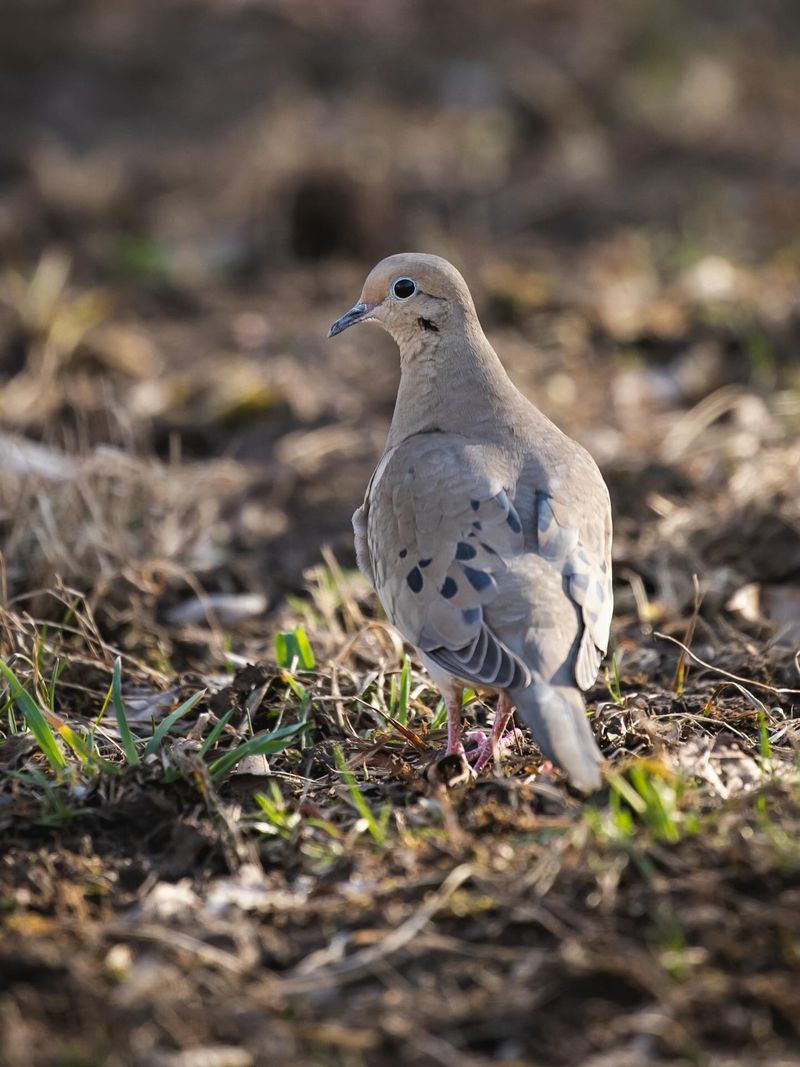
Birds do not have teeth. So how do doves break down all those hard seeds? They swallow tiny rocks.
These small bits of sand and gravel are called grit. Grit travels to a strong, muscle-filled part of the stomach called the gizzard. There, the stones help grind seeds into mush the dove can digest. It is a lot like having a built-in food blender.
That explains why you often see doves on driveways, roadsides, and bare patches of dirt. They are not just wandering around.
They are hunting for the right size pebbles. Gravel paths and garden beds can be dove magnets for the same reason.
Water is the other big need. Seeds are dry, so doves must drink often. They also have a neat trick most birds lack.
Instead of scooping water and tipping their heads back, doves dip their bills and suck water up like a straw. Pigeons share this skill, since they are close cousins.
In winter, water can be harder to find than food. Ponds freeze and puddles turn to ice. A reliable water source can make your yard stand out. Some easy ideas can help:
Set out a shallow birdbath with clean water. Consider a heated birdbath so it stays open on frozen days.
Leave a small patch of sand or fine gravel near your feeding spot. Avoid using salt or chemical deicers in places where doves gather.
Change the water every few days to keep it fresh. A clean drink and a bit of grit can be just as inviting as a pile of seed.
5. Your Yard Offers Good Shelter
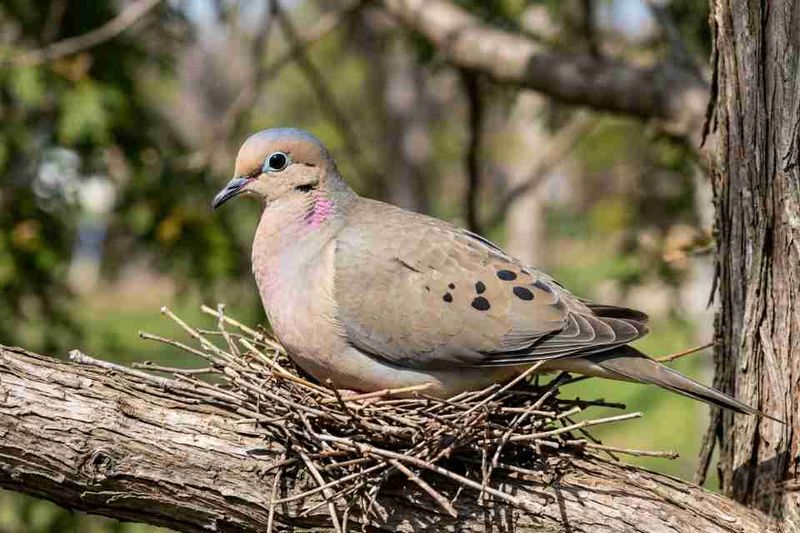
Nights in a Pennsylvania winter can be brutal. Temperatures drop into the teens, winds whip across open fields, and snow piles up fast. For a small bird, finding a good place to sleep is a serious job.
Mourning doves solve this problem by roosting in thick trees. Evergreens are their top pick. Pines, spruces, hemlocks, and cedars keep their needles all year, so they block wind and hide birds from view. Dense shrubs and tangled vines can work too.
A great roost does three things at once. It breaks the wind, holds in a little warmth, and keeps sneaky predators from spotting the birds. Owls and hawks have a much harder time hunting inside a crowded evergreen.
Location also plays a part. Doves like shelter that sits close to open feeding areas. They want to grab seeds in the yard, then dart into cover in just a few seconds.
If your property has evergreens near a lawn or feeder, you have created an ideal setup without even trying.
Do you lack big trees? No worries. You can still help. Plant a few native evergreens like eastern red cedar or white pine.
They grow quickly and add year-round color. A brush pile made from fallen branches in a back corner also gives birds a quick hiding spot.
Keep an eye on your trees around sunset. You may see doves flying in one by one to settle down for the night. Watching them tuck in is a quiet, peaceful way to end a cold day.
6. Some May Be Visitors From Farther North
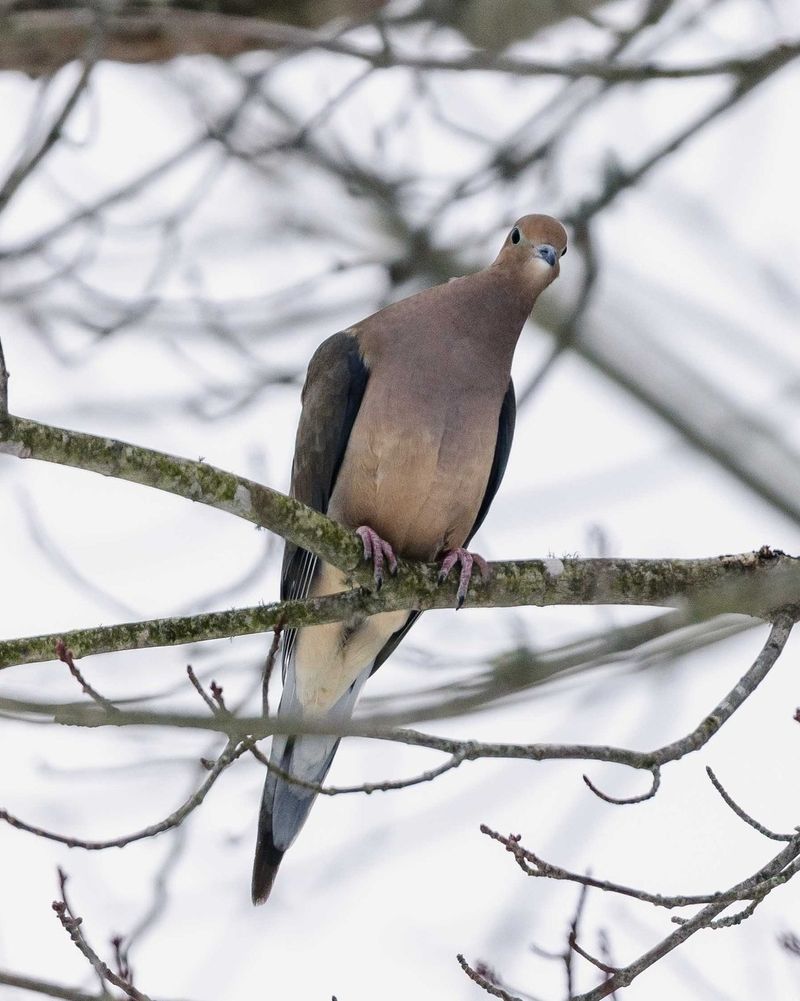
Not every dove in your yard is a local. Some might have traveled hundreds of miles to get there.
Mourning doves live in Pennsylvania all year long. Many of the birds you see in January are the same ones that nested nearby in summer.
But doves that breed farther north, in places like Canada and northern New England, often move south when winter hits.
Those northern birds may stop in Pennsylvania and spend the cold months here. Others keep going toward the southern states.
Scientists know this partly from bird banding, where tiny numbered bands are placed on birds’ legs. When banded doves are found far from where they were tagged, it shows how far they roamed.
So your backyard flock could be a mix. Some birds are year-round neighbors. Others are seasonal guests looking for milder weather and steady food. You cannot tell them apart just by looking, which adds a little mystery to every visit.
Flock sizes often grow during the coldest weeks. That jump can be a sign that new birds have joined the local group. Heavy snow up north can push even more doves south into the state.
Want to help scientists learn more? Join a citizen science project like Project FeederWatch or the Great Backyard Bird Count.
You simply count the birds in your yard and report them online. Your numbers help researchers track how dove flocks move and change.
It is fun to know your yard may be a winter stopover for travelers. You are basically running a small bird hotel.
7. Hawks May Not Be Far Behind
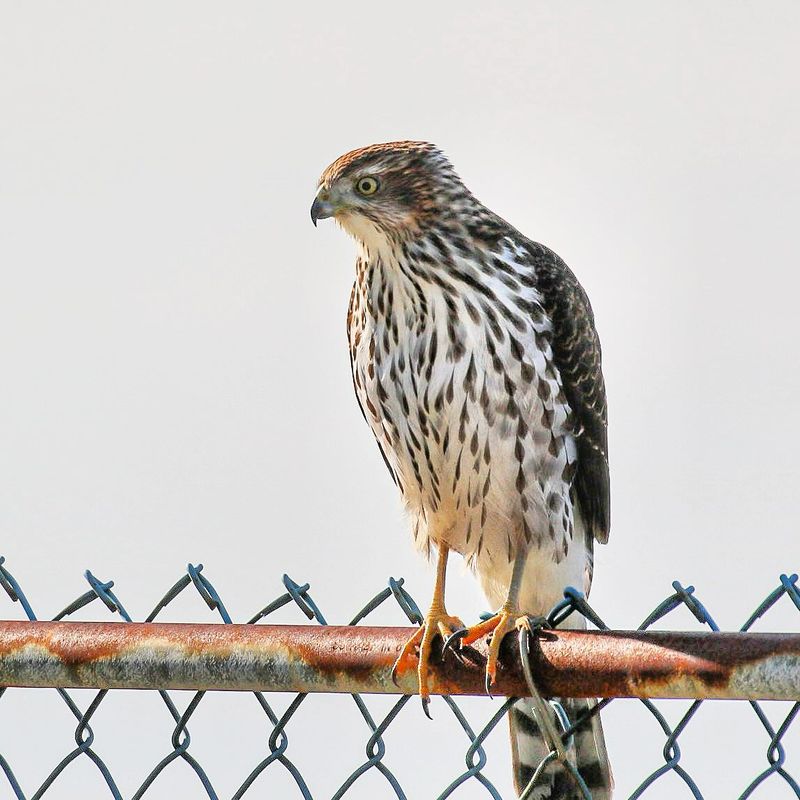
Whoosh! One second the doves are calmly feeding. The next second they burst into the air with a loud whistle of wings. Chances are, a hawk just showed up.
Where small birds gather, predators follow. A group of plump, slow-moving doves on the ground is an easy target.
In Pennsylvania winters, the Cooper’s hawk is the most common backyard hunter. Sharp-shinned hawks visit too, though they usually go after smaller birds.
Cooper’s hawks are clever. They often perch quietly in a tree or on a fence, watching feeders.
Then they swoop low and fast, using bushes and buildings to hide their approach. Many people are surprised to spot one right outside the kitchen window.
Doves have their own defenses. That whistling sound their wings make during takeoff acts like an alarm. It warns the whole flock to scatter at once. Their speedy flight can also reach around 55 miles per hour.
You can give them an even better chance. Place feeders about 10 feet from shrubs or small trees.
That distance lets doves reach cover quickly but keeps hawks from sneaking up too close. Thick bushes, evergreens, or a brush pile all make solid escape spots.
If a hawk keeps returning, take your feeders down for a week or so. The doves will spread out, and the hawk will usually move on to hunt elsewhere. Then you can put the feeders back.
Hawks are a natural part of the outdoors. Seeing one means your yard is full of life, from the smallest seed eater to the fiercest flyer.