When Florida Mango Trees Should Really Be Pruned (It’s Earlier Than You Think)
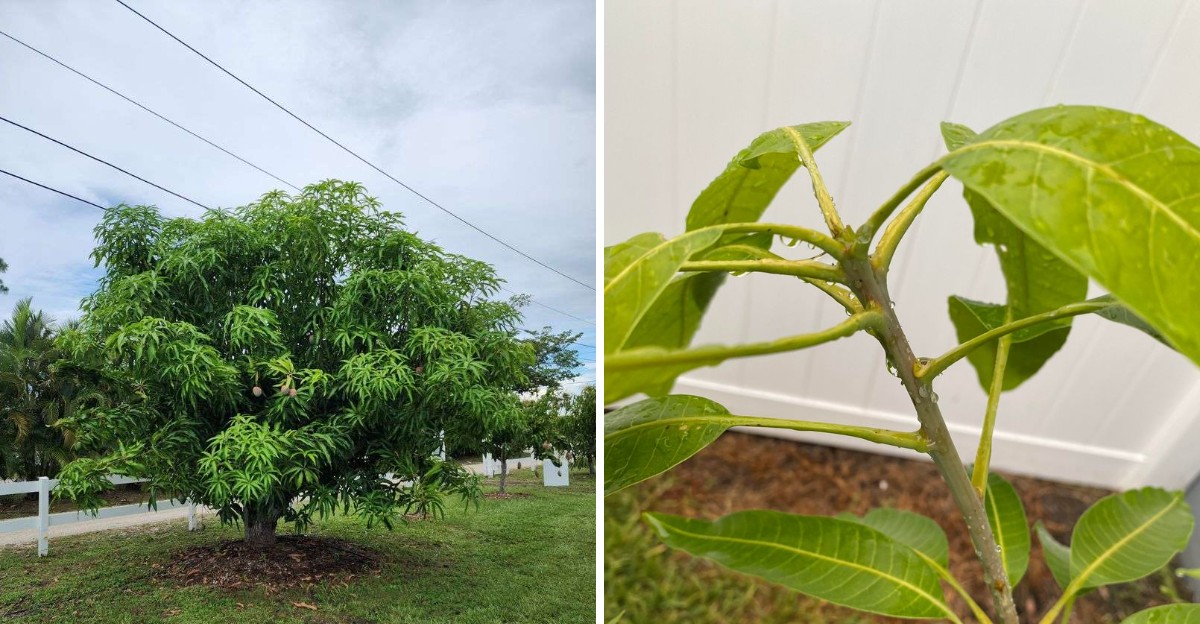
Grab the loppers on the date everyone else picks, and your mango tree holds a grudge for the next twelve months.
Most Florida gardeners prune on gut feeling. They wait until the tree looks shaggy, then hack away at whatever seems right.
Mangoes run on a private schedule, and that habit lands the cut in the wrong season almost every time.
The tree sets its fruit buds sooner than anyone expects. Snip the wrong branch at the wrong moment and you trim away the harvest before it even shows up.
Neighbors wonder why their tree grows lush and leafy but never hands over a single mango.
The real window opens well ahead of the calendar in your head. Mark it down before you sharpen a blade.
1. Prune Right After The Last Mango Comes Off
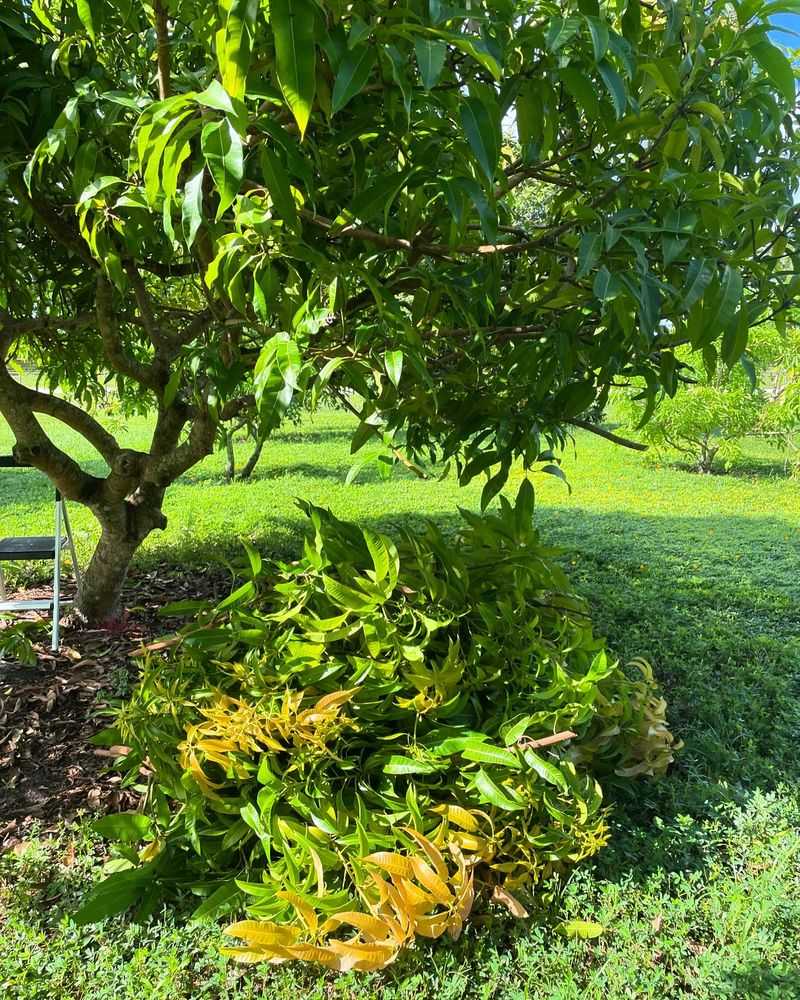
Picture the moment your final mango hits the basket. That small victory is also your starting signal for pruning.
Florida experts agree that the best time to trim is shortly after harvest ends. Your tree has just finished a huge job, and now it is ready to rest and regrow.
A trim at this point gives it plenty of time to push out fresh shoots.
Those new shoots need months to toughen up before cooler weather arrives. Mangoes bloom on mature wood, so growth that starts early has time to get ready for flowering.
Waiting even a few weeks can shrink that window.
Pruning now also helps the tree in other ways. Opening up the canopy lets sunlight reach the inner branches.
Better airflow means leaves dry faster after summer storms, which helps keep fungal trouble down.
Start with the easy cuts first. Remove broken branches, sickly wood, and limbs that cross or rub against each other.
Then shape the outer canopy so the tree stays a size you can handle.
Keep your tools sharp and clean before you begin. A quick wipe with rubbing alcohol between trees can help stop disease from spreading.
Clean cuts heal faster than ragged ones.
Think of this trim as a reset button. You are setting the stage for next season’s flowers right now.
2. If Harvest Ends In July, Prune In July
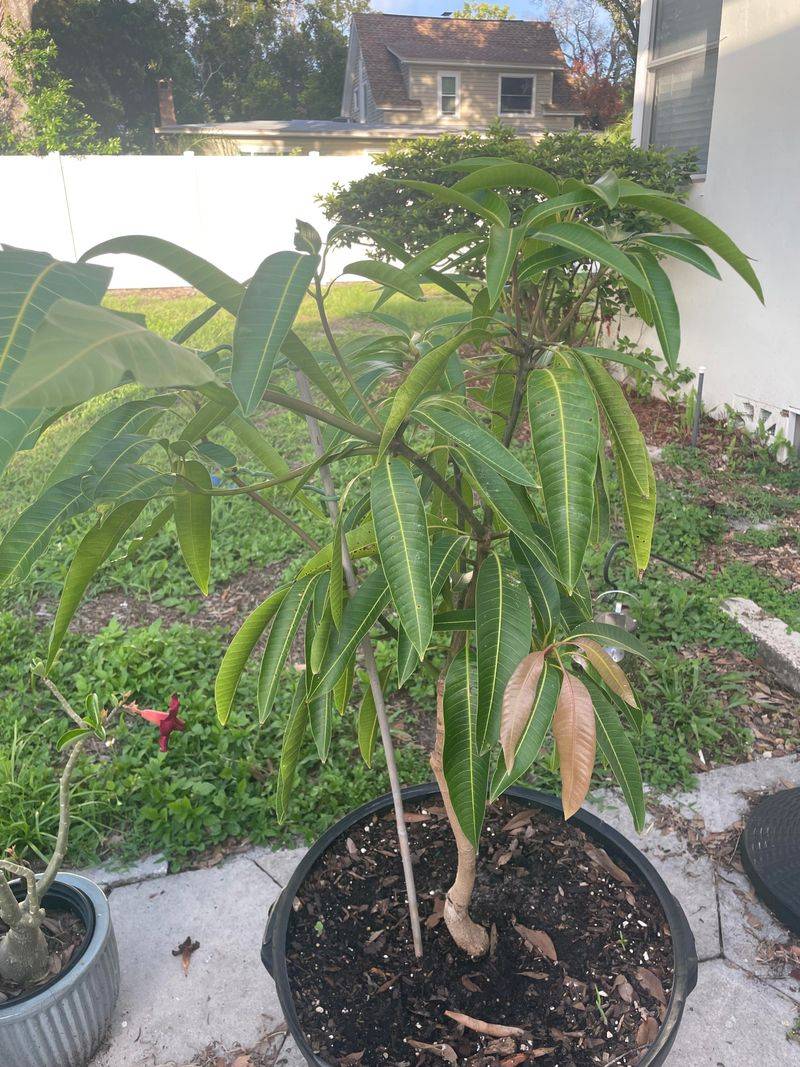
July in Florida feels like stepping into a warm bowl of soup. Still, if your mangoes wrap up that month, July is when the shears come out.
Many varieties finish fruiting in midsummer. Popular types like Haden and Tommy Atkins often wrap up somewhere between June and August.
Whatever month your harvest ends, that is your cue.
Here is the reason timing matters so much. Pruning should be finished by late August or early September in most of Florida.
Cuts made later push out tender growth that may not harden before winter.
Soft new leaves are sensitive to chilly nights. A cold snap in January can damage them, and damaged shoots are poor at making flowers.
That means fewer mangoes the following summer.
So beat the heat with smart planning. Work early in the morning when temperatures are lower, and drink plenty of water.
Your Florida Garden Changes Every Week. Your Plan Should Too.
Gardening in Florida changes quickly throughout the season. Every Friday you’ll receive a simple weekly plan showing exactly what to plant, prune, fertilize, harvest, and protect so you never miss the right timing.
Break the job into a few short sessions instead of one long day.
Have a tarp ready to catch clippings. Mango branches pile up fast, and cleanup is easier when everything lands in one spot.
Some cities offer yard waste pickup, so check your local schedule.
Fun fact: mangoes have been grown in Florida since the 1830s. Growers learned long ago that summer pruning pays off.
You are following a tradition nearly two hundred years old.
3. Pruning Close To Bloom Time Can Cost You Flowers
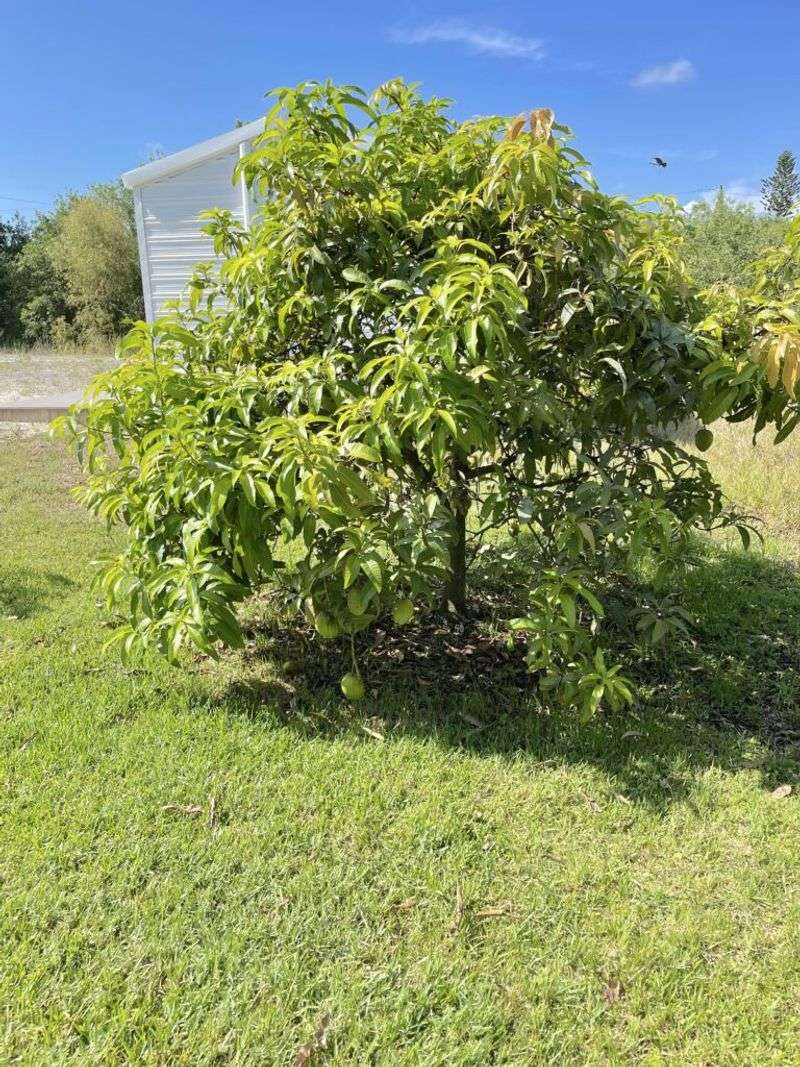
Ever cut a branch and later realized it was the one about to flower? Ouch.
Mango trees make that mistake easy if you are not paying attention.
Mangoes flower on mature wood. The shoots usually need several months to harden, and wood that has rested for a while blooms best.
When you snip those shoots near bloom time, you remove future flowers along with them.
Each flush of growth works like a savings account. The tree stores energy in those resting buds and spends it on blooms when the season turns.
Cutting at the wrong moment drains the account.
Watch your tree closely through the year. You will notice leafy flushes appear in waves, often with bright reddish or bronze new leaves.
Those leaves gradually turn deep green as they mature.
Dark green, hardened leaves are a good sign. They tell you the shoot has grown up and may be ready to bloom.
Leave these alone as flowering season approaches.
If a limb truly needs to go, like a cracked branch after a storm, go ahead and remove it. Safety comes first.
Just skip any shaping or cosmetic trimming until after harvest.
A little patience here goes a long way. Hold back the shears, and your tree can reward you with clouds of tiny blossoms.
Those blossoms are where every mango begins.
4. A Fall Pruning Can Cost You Next Year’s Crop
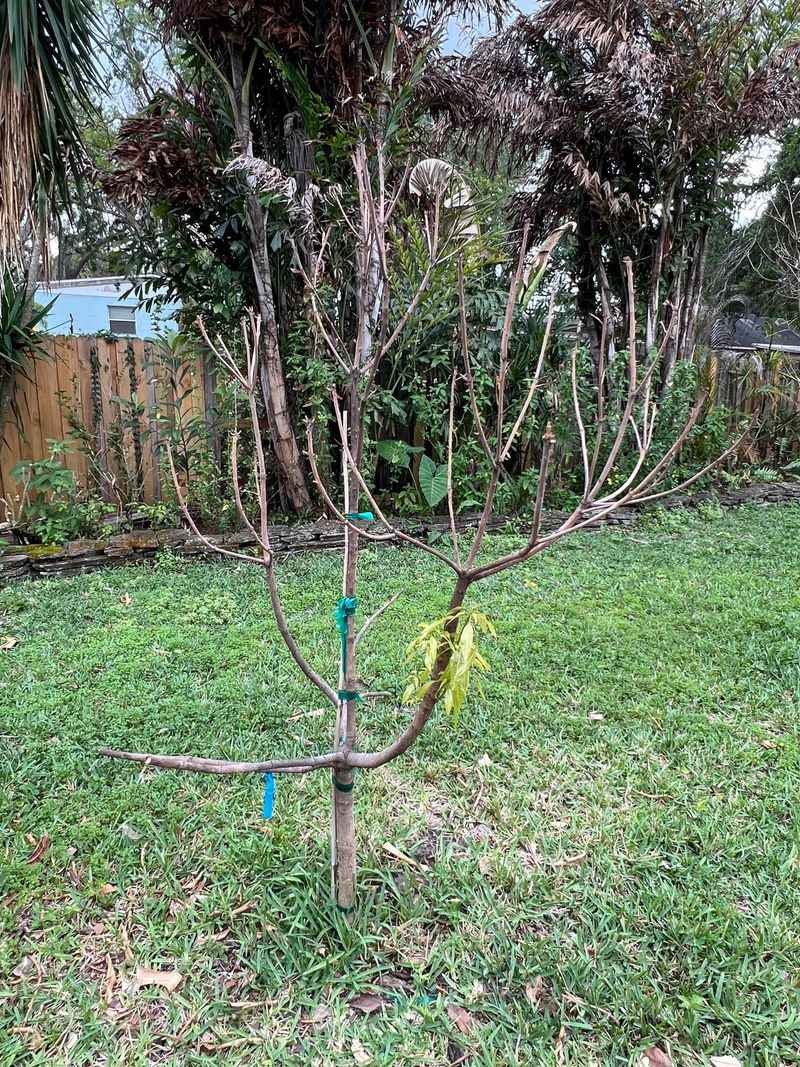
Fall feels like the perfect time for yard chores. The air cools down, and working outside finally seems pleasant.
Your mango tree, though, would rather you stayed put.
Pruning after September often triggers a burst of young shoots. Those shoots arrive just as winter rolls in.
Tender new growth handles cold poorly, and frosty nights can scorch it.
The bigger issue is flowering. Mangoes bloom best from mature, resting buds on wood that is about four to five months old.
That hardened wood needs to be ready before December and January.
Cool winter nights act like an alarm clock for mango buds. They signal the tree to start making flowers.
But if the buds are too young, the alarm gets ignored.
A late trim basically resets the clock. Your tree spends winter growing leaves instead of preparing blooms.
The result can be a thin crop or barely any fruit at all.
So what should you do in fall instead? Pull weeds around the base, refresh mulch, and keep an eye out for pests.
Light cleanup of fallen debris is fine too.
Save the real cutting for next summer. Mark your calendar now so you remember to trim right after harvest.
Future you, holding a bowl of fresh mango slices, will be glad you waited.
5. Take No More Than 25 Percent Of The Canopy
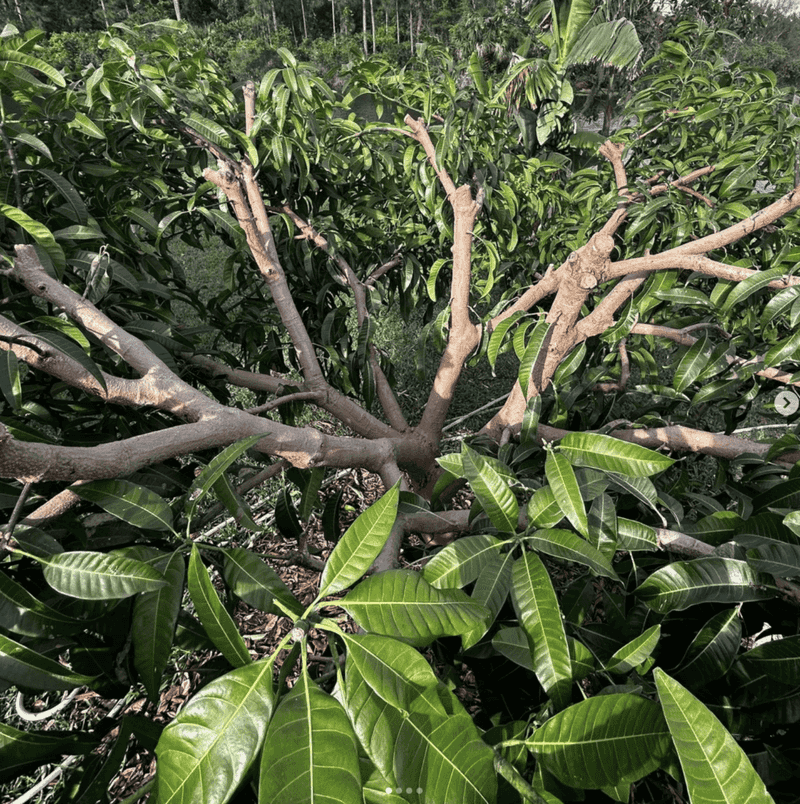
Think of a good haircut. You want to look fresh, not shaved bald.
Mango trees feel much the same about pruning.
A smart rule is to remove no more than about 25 percent of the canopy at once. Commercial growers often stay in the 25 to 30 percent range.
That amount controls size while keeping the tree productive.
Leaves are the tree’s food factories. They capture sunlight and turn it into energy.
Remove too many, and the tree struggles to feed itself.
Here is an easy way to stay on track. Before you start, picture the canopy split into four equal parts.
Aim to trim away roughly one of those parts, spread evenly around the tree.
Focus on cuts that do the most good. Take out unhealthy wood, crossed branches, and limbs growing straight into the center.
Thinning a few branches lets light reach the inside of the tree.
Step back often while you work. Walking around the tree helps you spot lopsided areas.
It also keeps you from getting carried away with the loppers.
If your tree needs a bigger size reduction, spread the work over a few years. Trim a quarter this summer and a little more next summer.
Slow and steady keeps your harvest coming while the tree slims down.
6. Over-Pruning Can Leave A Tree Unable To Recover
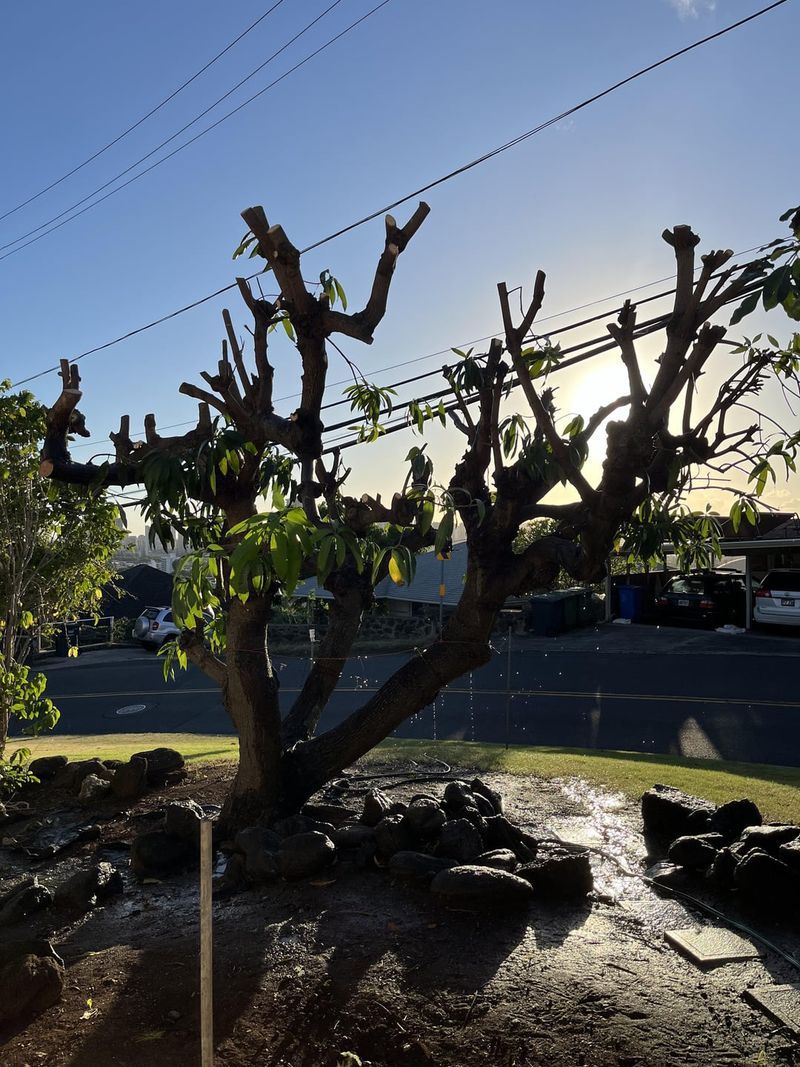
Some folks attack an overgrown mango like it owes them money. Branches fly, and soon only bare stumps remain.
The tree may look tidy, but it is in serious trouble.
Heavy cutting, sometimes called hat-racking, removes half or even all of the canopy. Mango trees are tough, yet this kind of cutting pushes them hard.
Some trees struggle for years afterward.
Bark that once sat in shade suddenly faces full Florida sun. That exposure can cause sunscald, which cracks and weakens the wood.
Painting exposed limbs with diluted white latex paint can help shield them.
Big wounds also open the door for problems. Fungi and rot can sneak into large cuts that heal slowly.
Over time, that decay may weaken major limbs.
Then comes the regrowth. Trees often answer severe cuts with a wild burst of upright shoots.
These shoots grow fast but tend to be crowded and weakly attached.
All that tangled growth means more pruning later, not less. It can feel like a never-ending chase.
Gentler cuts each year save you time and stress.
If you inherited a giant tree, resist the urge to fix everything in one weekend. Work gradually, and ask an arborist if you feel unsure.
Your tree will handle steady care far better than one dramatic chop.
7. Aim For A Tree About 8 To 15 Feet Tall
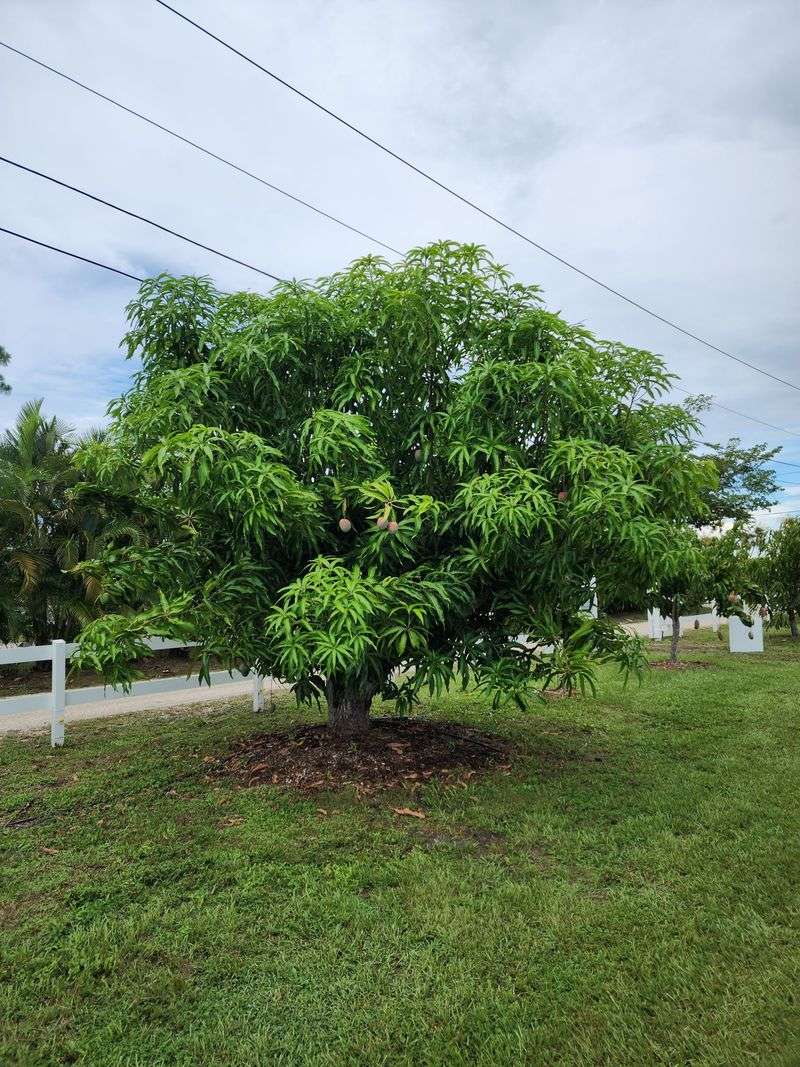
Imagine picking ripe mangoes while standing flat on the grass. No wobbly ladder, no fruit pole, no squirrels getting there first.
That dream is closer than you think.
Many Florida experts suggest keeping mango trees about 8 to 15 feet tall. That is roughly 2.4 to 4.5 meters.
A tree this size fits nicely in most home yards.
Smaller trees bring big perks. Harvesting gets easier and safer for the whole family.
You can also spot pests and disease quickly when every branch is within view.
Wind is another reason to stay compact. Florida hurricanes can snap tall trees or knock them over.
Shorter, well-shaped trees tend to hold up much better in strong gusts.
Spraying and checking leaves also becomes simpler. Good airflow through a smaller canopy may help reduce fungal problems like anthracnose.
Less height means fewer headaches overall.
Choosing the right variety helps too. Dwarf or condo types such as Cogshall, Pickering, and Ice Cream naturally stay small.
They are great picks for tight spaces or even large containers.
Begin shaping when the tree is young. Pinch or trim the main shoot to encourage side branches.
A low, wide frame from the start makes height control easy for years to come.
8. Severe Cuts May Reduce Fruit For Several Years
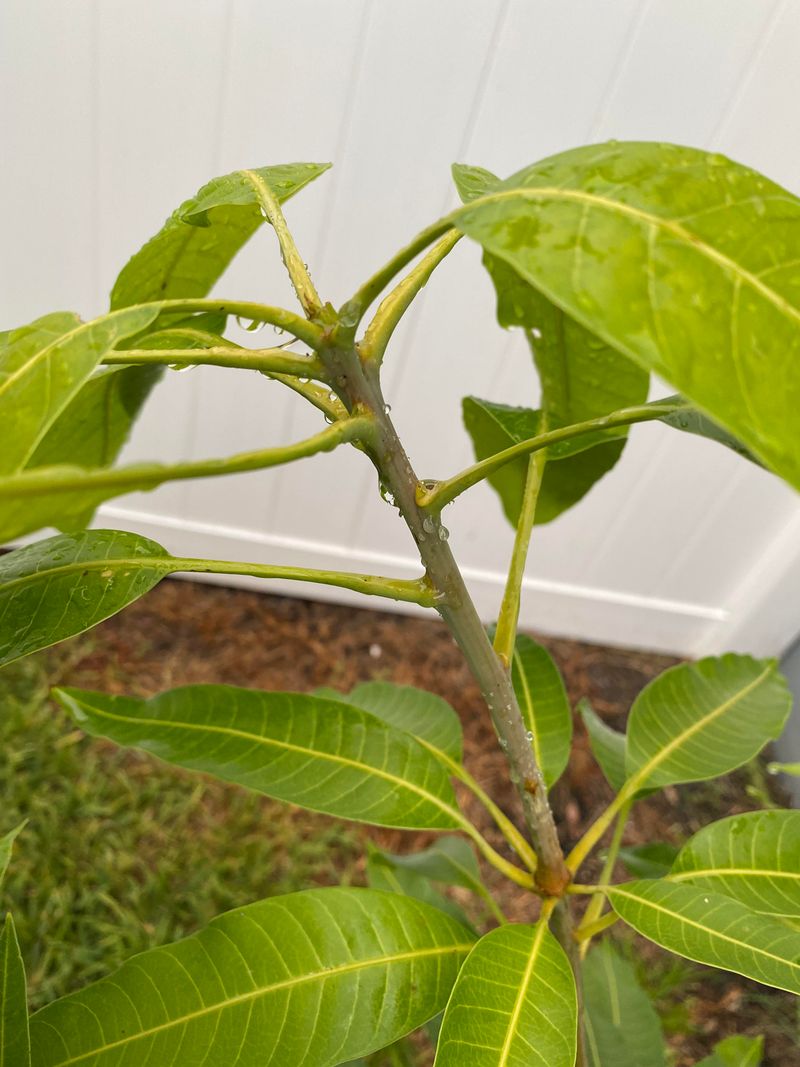
Patience is a fruit grower’s secret weapon. After a big rejuvenation cut, you will need a good supply of it.
Severe pruning on overgrown trees can slash fruit production for one to two seasons. The tree pours its energy into rebuilding branches and leaves.
Flowers and fruit take a back seat for a while.
The good news is that mango trees bounce back. Many begin bearing heavily again within two to three seasons.
Some growers even find the fruit quality improves once the canopy is open and sunny.
So when is a hard cut worth it? It may make sense if your tree towers over the house or produces fruit only at the very top.
Sometimes a reset is the only practical choice.
Plan ahead before you commit. Enjoy one last harvest, then make your big cuts right afterward.
Pick up mangoes from a local farm stand while your tree recovers.
Support the tree during its comeback. Water it during dry spells, add a layer of mulch, and use a balanced fertilizer as recommended.
Thin out crowded new shoots so the strongest ones can grow well.
Once the tree is back in shape, switch to light yearly trimming. Small touch-ups keep it at a manageable size.
You may not need another drastic cut for a very long time.
9. Call A Pro For Trees 30 Feet And Taller
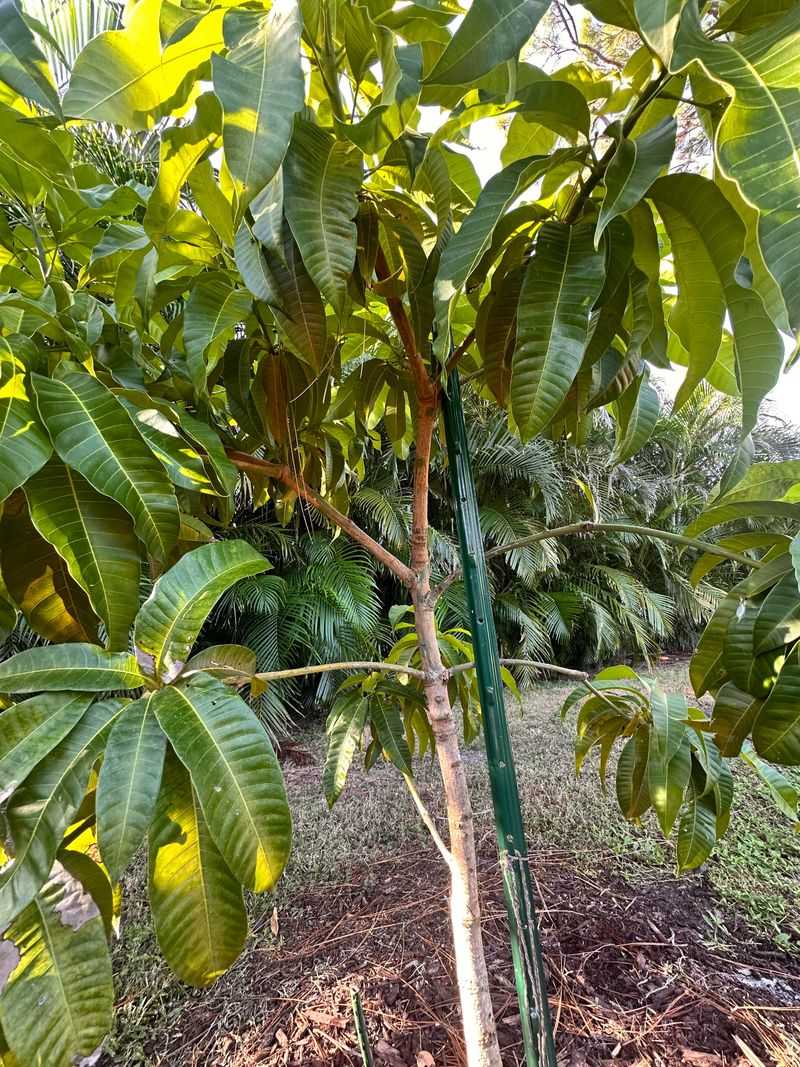
Grandma’s mango tree might be older than you are. Some of those backyard giants stretch past 30 feet, taller than a two-story house.
Once a tree reaches about 25 to 30 feet, it is time to call a trained arborist. That is roughly 7.6 to 9 meters.
Climbing that high with a saw is risky business for homeowners.
Falls from ladders send thousands of people to emergency rooms each year. Add heavy swinging branches, and the danger climbs fast.
Nearby power lines make things even more hazardous.
Arborists bring the right gear and training. Harnesses, ropes, helmets, and sometimes bucket trucks help them work safely.
They also know how to lower big limbs without crushing your fence or roof.
Look for someone certified by the International Society of Arboriculture. Ask for proof of insurance before any work begins.
Getting two or three quotes is a smart move too.
Share your goals clearly. Tell them you want to lower the height gradually and protect next year’s harvest.
A good arborist will respect the 25 percent guideline and the post-harvest timing.
Hiring help costs money, but it can save you far more in medical bills or property repairs. Afterward, keep up with light yearly trims.
That way, your tree may stay small enough to handle yourself next time.